We know it’s difficult to put your trust in the media.
We get it.
Here’s a video we made to explain how The Conversation works – and why we think sharing news straight from trust-worthy experts is important to bringing research-based insights to the public
What if every American had a stake in the AI boom?
The idea of a government-owned fund invested in AI companies aims to spread the economic gains of the technology more broadly. But a researcher who studies government wealth funds says it’s not simple to pull off.
What if the fastest way to be more creative... was to stop trying so hard?
Neuroscientists have been scanning the brains of musicians, and what they found might change how you think about creativity (thread ⬇️)
https://t.co/mwDvcYqpn0
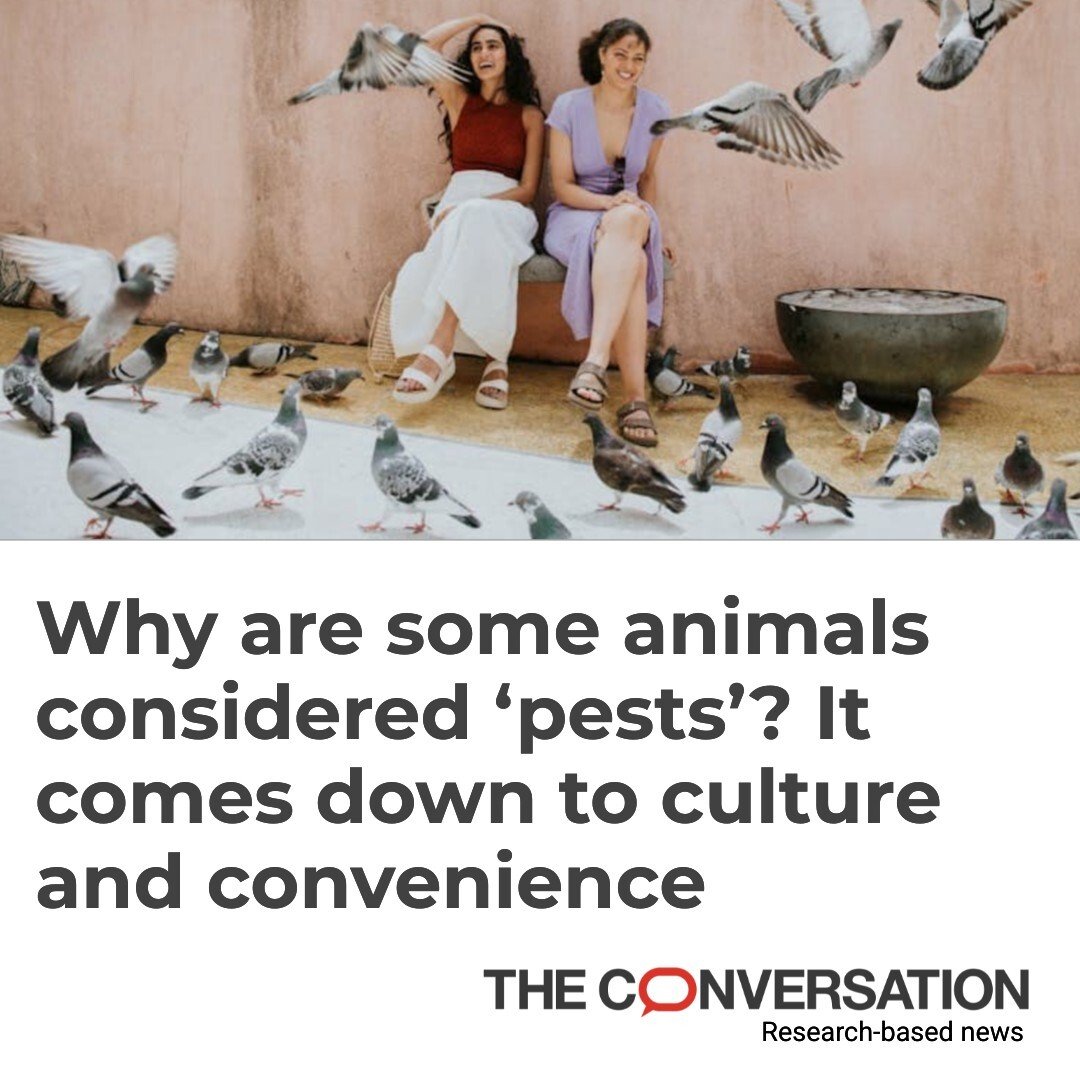
Why do we call pigeons "pests" but feed songbirds? 🐦
An environmental ethicist says whether an animal is labeled a pest often has less to do with biology and more to do with humans’ way of thinking.
https://t.co/Ut6RWMM4s8
More testosterone won't automatically make better soldiers.
Chronic stress, sleep deprivation and work conditions matter far more than hormone levels.
https://t.co/K72eracIRX
New foldable synthetic molecules could infiltrate and bust apart the toxic protein clumps causing Parkinson’s disease. A mathematician explains how—why it matter:
https://t.co/lsTK2BXFkR
Hormone replacement therapy has long been surrounded uncertainty, after studies in the 1990s raised alarms about breast cancer risk.
Research is prompting a closer look at the weak evidence behind those concerns and it’s prompting new treatment guidelines.
You don’t have to quit your 9-5 job to enjoy the benefits of getting outside in nature.
Even small moments outdoors—a walk at lunch, a coffee in the park, or your commute through green space—can boost your wellbeing and mental health.
https://t.co/N93SMeHXE9
🦈 Most episodes featured no actual scientific research
🦈 Only 6 episodes had actionable tips for shark conservation
🦈 There were more white male non-scientists named Mike interviewed than women scientists
Human fear of sharks has deep roots. Written works and art from the ancient world contain references to sharks preying on sailors as early as the eighth century B.C.E. – and the book and then movie of "Jaws" terrified the public.
#SharkWeek
https://t.co/YnZ3imAnA5
🦈 64: Five-year global average of shark bites
🦈 You are 200x more likely to drown than to die from a white shark bite
🦈There are 548 known shark species but only 13 species have bitten humans 10 or more confirmed times
American faith in news is at an all-time low, aided by a president hostile to the press.
But this isn’t the first White House to attack journalists as biased. A journalism professor explores what objectivity really means: https://t.co/3i2IutDDKR
What if school isn't just exposing student anxiety—but helping create it?
As anxiety among students continues to rise, a neuroscientist says the way we teach and define success may be part of the problem, by emphasizing success and limiting the joy of curiosity-based learning.
Britain's relationship with the US has long relied on more than shared interests—it has also depended on stable leadership.
But frequent turnover of British prime ministers is making it more difficult to build the trust and personal relationships that strengthen diplomacy.