Scientific journal of applied management of #crops, #turf, #forages and #grazinglands. Social Media Editors: Victor Gomes, Ross Braun, and Larry León Medina
A Nebraska study found that optimum corn seeding rates differed depending on whether the goal was maximum yield or maximum profit. Peak yields occurred near 34,000 seeds/acre, while the highest economic returns were achieved closer to 28,000 seeds/acre.
https://t.co/oODTuu8il5
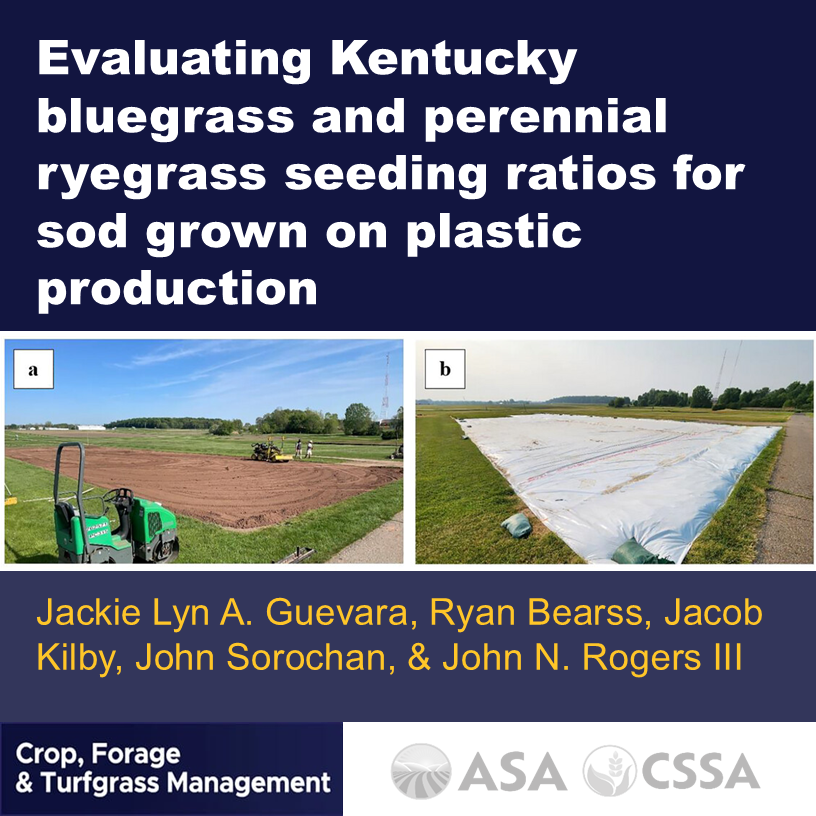
⚽ 6 Kentucky bluegrass-perennial ryegrass seeding ratios were evaluated for sod grown on plastic establishment & strength.
The findings will help farmers produce high-quality sod for sports fields, in less time.
https://t.co/lne6ZWdmiH
@rbearssturf@Sorochan@MSUturfdoc
The @OhioState professor and CFTM Editor, @StepUpSoy, has been awarded a Faculty-to-Faculty Mentorship Award for her dedication to supporting fellow faculty members. Congratulations, Laura!
https://t.co/15a6MYYXCh
🌱 A new study in CFTM estimated carbon intensity (CI) across different production systems using life-cycle emissions models. Results showed lower CI values under irrigation, reduced tillage, and especially when cover crops were included.
https://t.co/ORyH7dgAa2
🌊 A new study in CFTM shows that routine Mehlich-3 soil tests and rapid EC measurements can accurately estimate standard salinity ratings. The findings could help improve management of salt-affected soils across the Mid-Atlantic.
Read more: https://t.co/QRAQeR9o0e
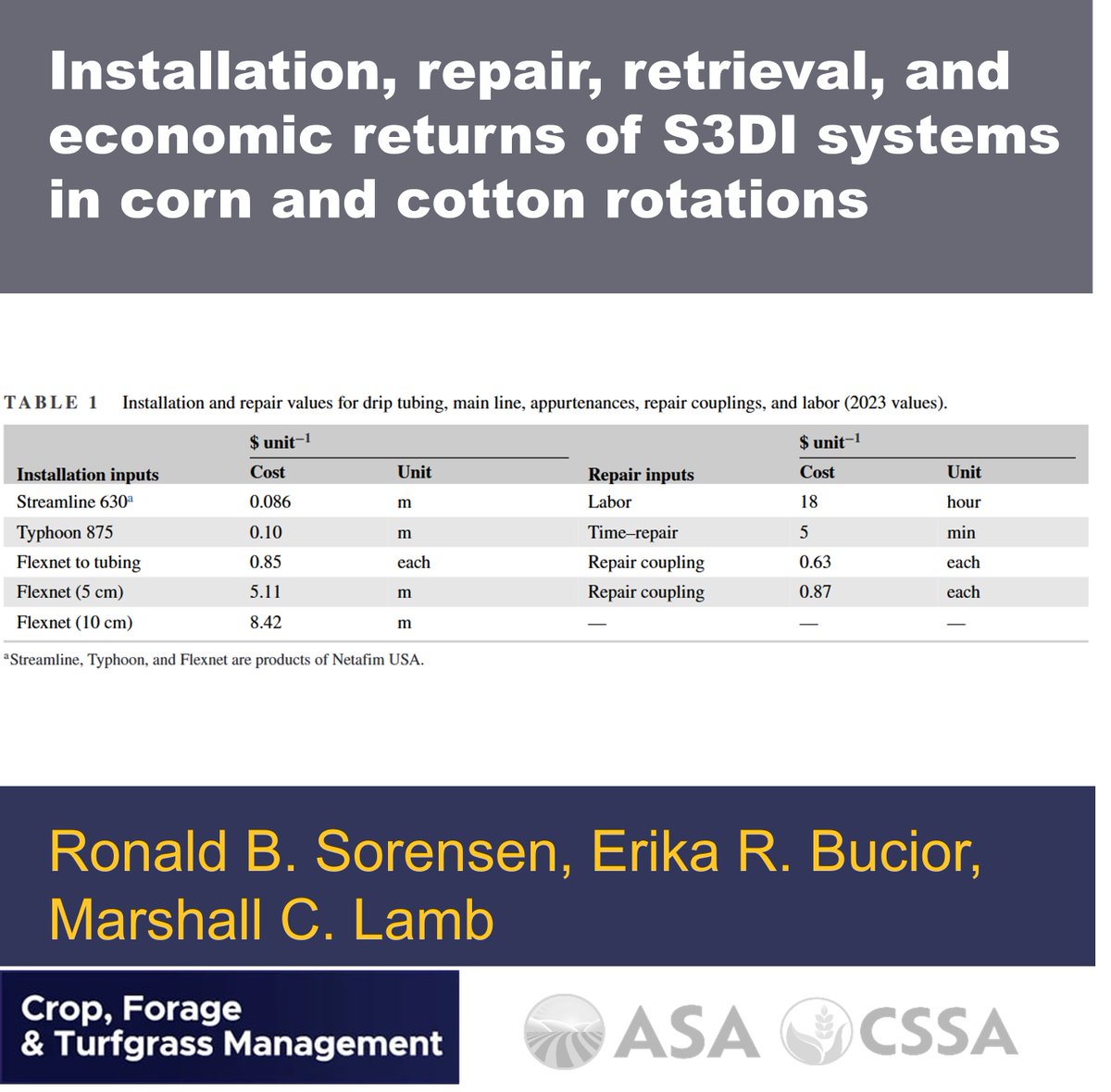
A new study in CFTM tracked S3DI systems in corn and cotton fields for up to 8 years. Results showed relatively low annual repair costs, with systems potentially lasting 10–20 years before replacement becomes more economical than repairs.
https://t.co/9GNGUAlTyt
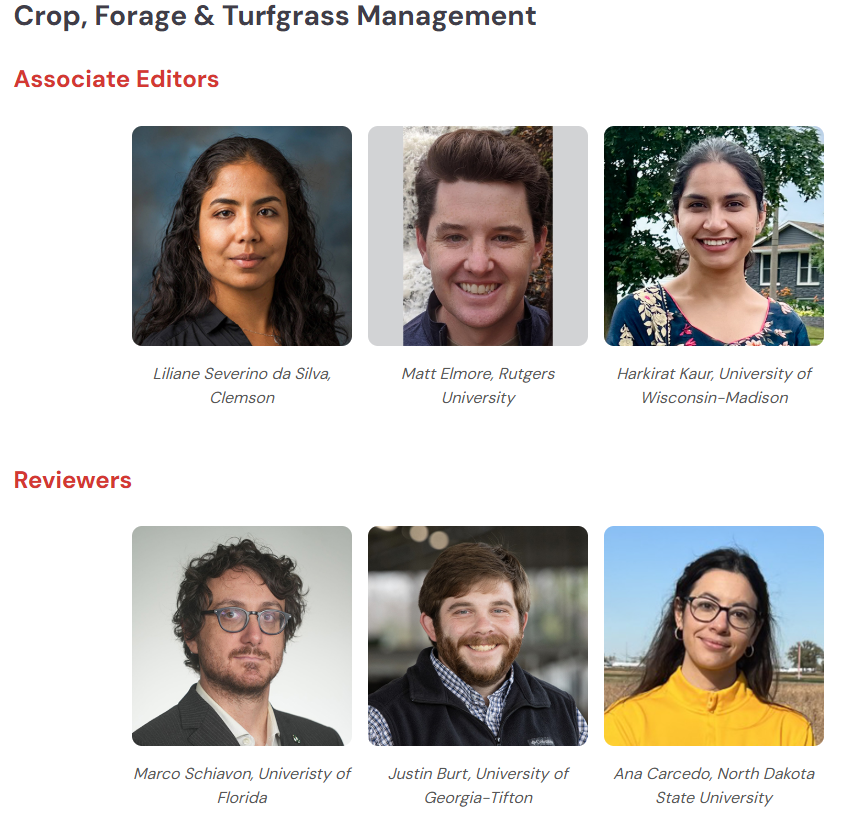
We are pleased to announce the recipients of this year's Editor's Citation for Excellence for reviewers and associate editors for our journal!
The following individuals provided particularly noteworthy service as reviewers and associate editors for CFTM during 2025.
In NW Ohio, winter malting barley maintained yield and grain quality across a wide planting window when seeded at ~1.66–1.78 million seeds/ac. Late planting sometimes required slightly higher seeding rates.
🔗 https://t.co/nCKzIKyoEH
@StepUpSoy@gregmcglinch
🚨New Management Guide Alert!🚨
CLB can reduce soybean yield and seed quality, especially in the mid-South. This guide covers scouting, diagnosis, environmental risk factors, and best management practices—including resistant varieties.
🔗 https://t.co/ybmKnzkk6k
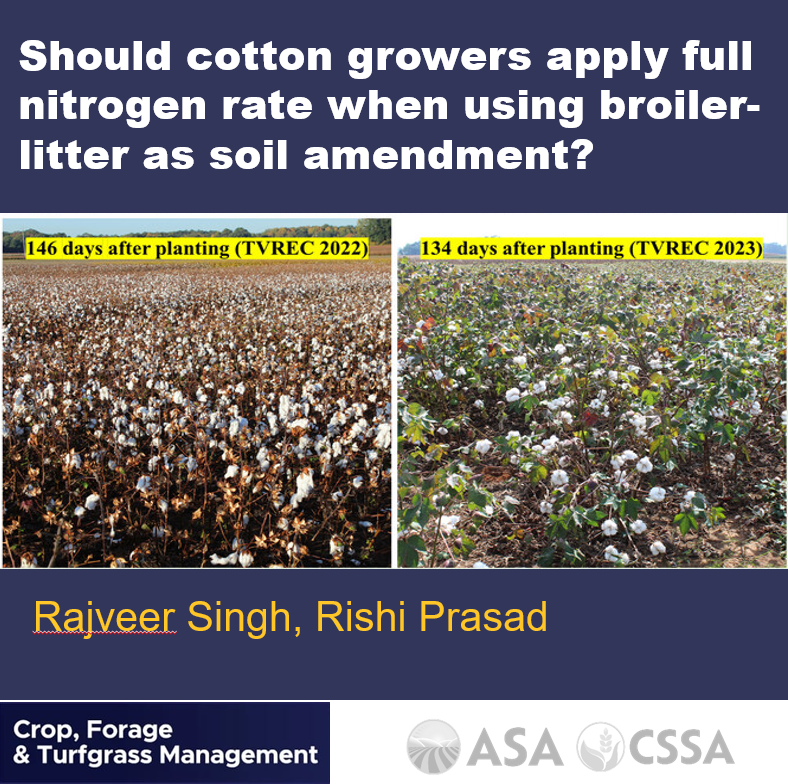
N with broiler litter in cotton
Supplemental N only paid off at high yield potential sites. In low yield potential conditions, broiler litter alone was sufficient, with no yield benefit from extra N.
Read more🔗https://t.co/J6vvRHxfny
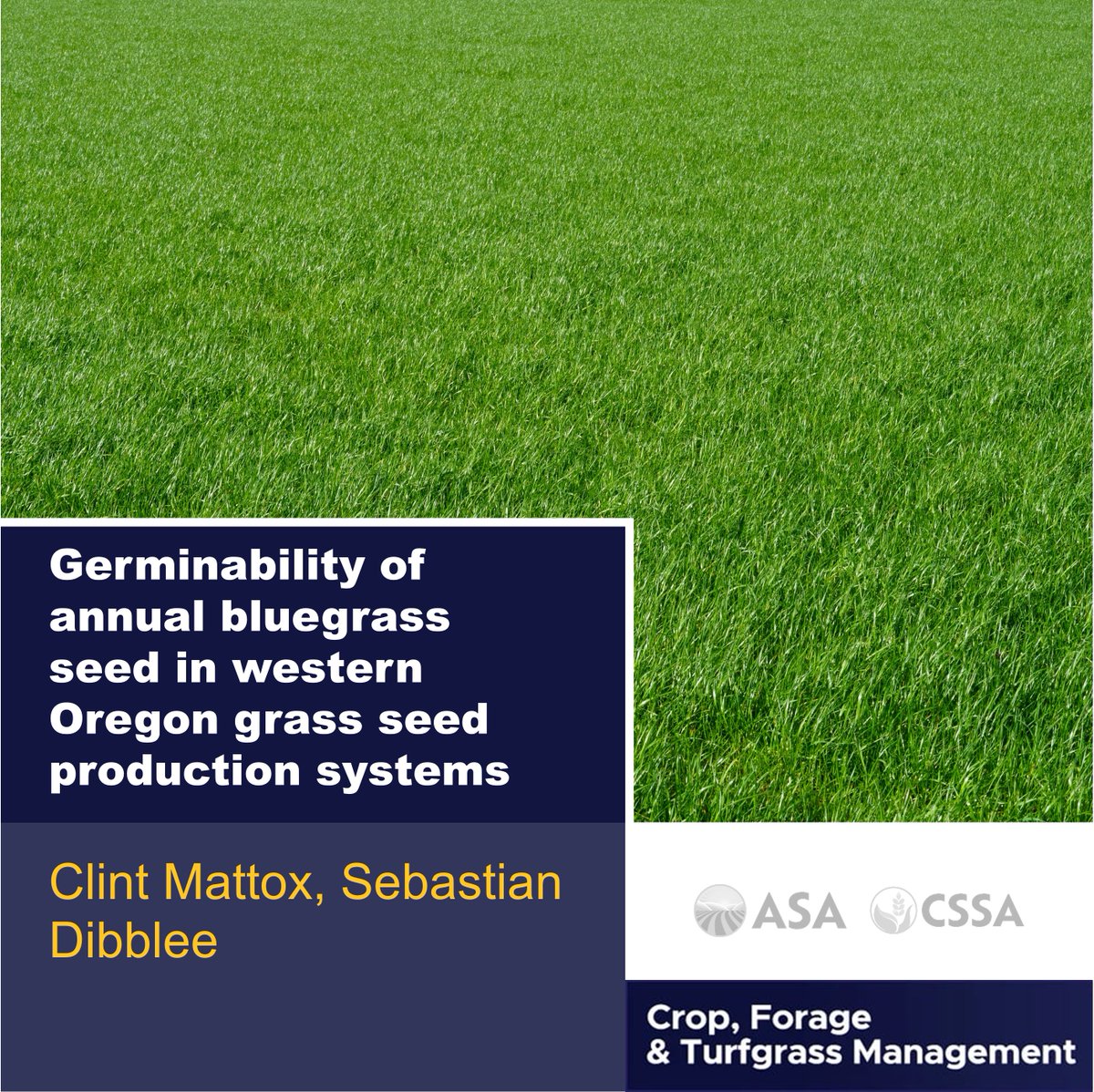
In Oregon grass seed systems, annual bluegrass germinability increased after ~300 GDD, and some seeds took up to 28 days to germinate, beyond standard testing windows.
🔗 https://t.co/e6AklQdOnd
🌪️Hurricane Helene impacts on cotton in Georgia
Hurricane Helene caused ~32.6% cotton losses in Georgia with over $350M in damage. However, defoliation itself did not increase losses, informing future management decisions.
🔗 https://t.co/Zu9ClkjqmD
Poa annua is a persistent weed in turfgrass systems. Effective control combines pre- and post-emergent chemical options and nonchemical management strategies, based on the system and circumstances.
Learn more in this management guide: https://t.co/D7w6QeXtVA