Built Grasshopper (sold it), co-founded Chargify, founded Vanilla. Scaling companies @Durable. Wrote a book, invested in 100+ startups. Into health, not hustle.
Follow @dh for more stories about how money actually moves in business.
Join 15,000+ entrepreneurs at https://t.co/8kOw96kRfX for weekly insights on business, finance, and strategy.
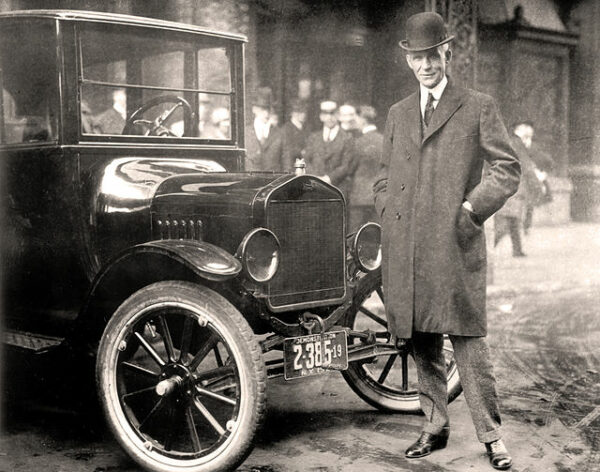
In 1914, Henry Ford made the most “irrational” business decision in America.
He doubled wages.
Cut hours.
Paid factory workers more than anyone else.
People thought it was generosity.
It was desperation.
And it changed the American economy forever.
Key Takeaway:
Paying people more can be strategic.
But only when productivity and profit can sustain it.
Ford could afford $5 a day because the assembly line made each worker dramatically more productive.
That technological leverage helped build the modern middle class.
Follow @dh for more stories about how money actually moves in business.
Join 15,000+ entrepreneurs at https://t.co/8kOw96kRfX for weekly insights on business, finance, and strategy.
Soda isn’t worth shit.
Anyone can make it.
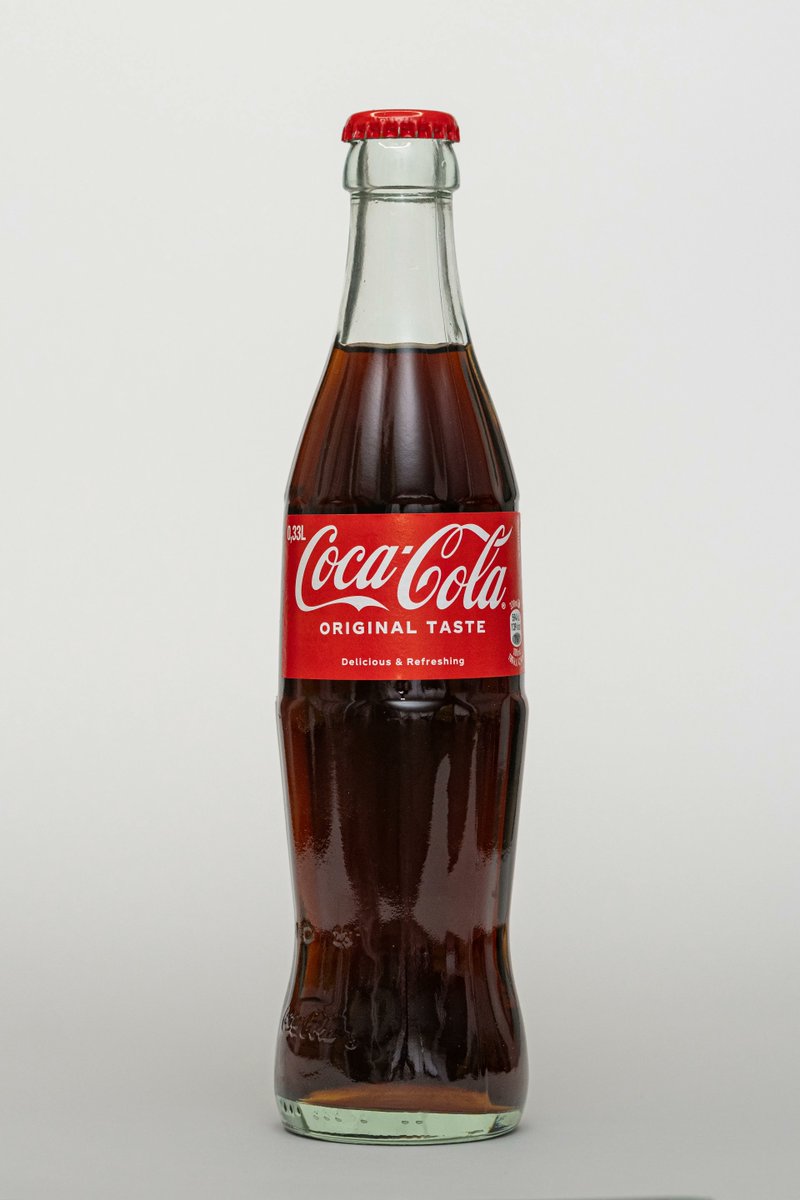
Yet one company turned a fizzy drink into a $340 BILLION empire.
And they didn’t do it by making it taste better.
Here’s how Coca-Cola became worth more than most countries’ GDP.
As of 2025, Coca-Cola brand value = $340 BILLION.
Physical assets?
Only $10–11B.
The rest is invisible.
Takeaway: the world’s most valuable asset isn’t tangible.
Brand equity.
Symbolism.
Memory.
Coca-Cola turned a 5¢ pharmacy soda into a global icon.