Sometimes scientific terms can be confusing. @ENERGY's "DOE Explains..." offers straightforward explanations of everything from Atmospheric Radiation to Ultrafast Science https://t.co/OdlOF8edRf
Did you know that @ENERGY has identified 20 critical energy materials that are important for the future of the energy sector?
Learn more about these materials and how DOE is working to strengthen their supply chains with DOE Explains...Critical Materials: https://t.co/x8v9JoVgQY
The @ENERGY Office of Science Advisory Committee (SCAC) has shared their initial findings from the Facilities Subcommittee report. You can view the information from the presentation on the SCAC website: https://t.co/2H8dDvWD01
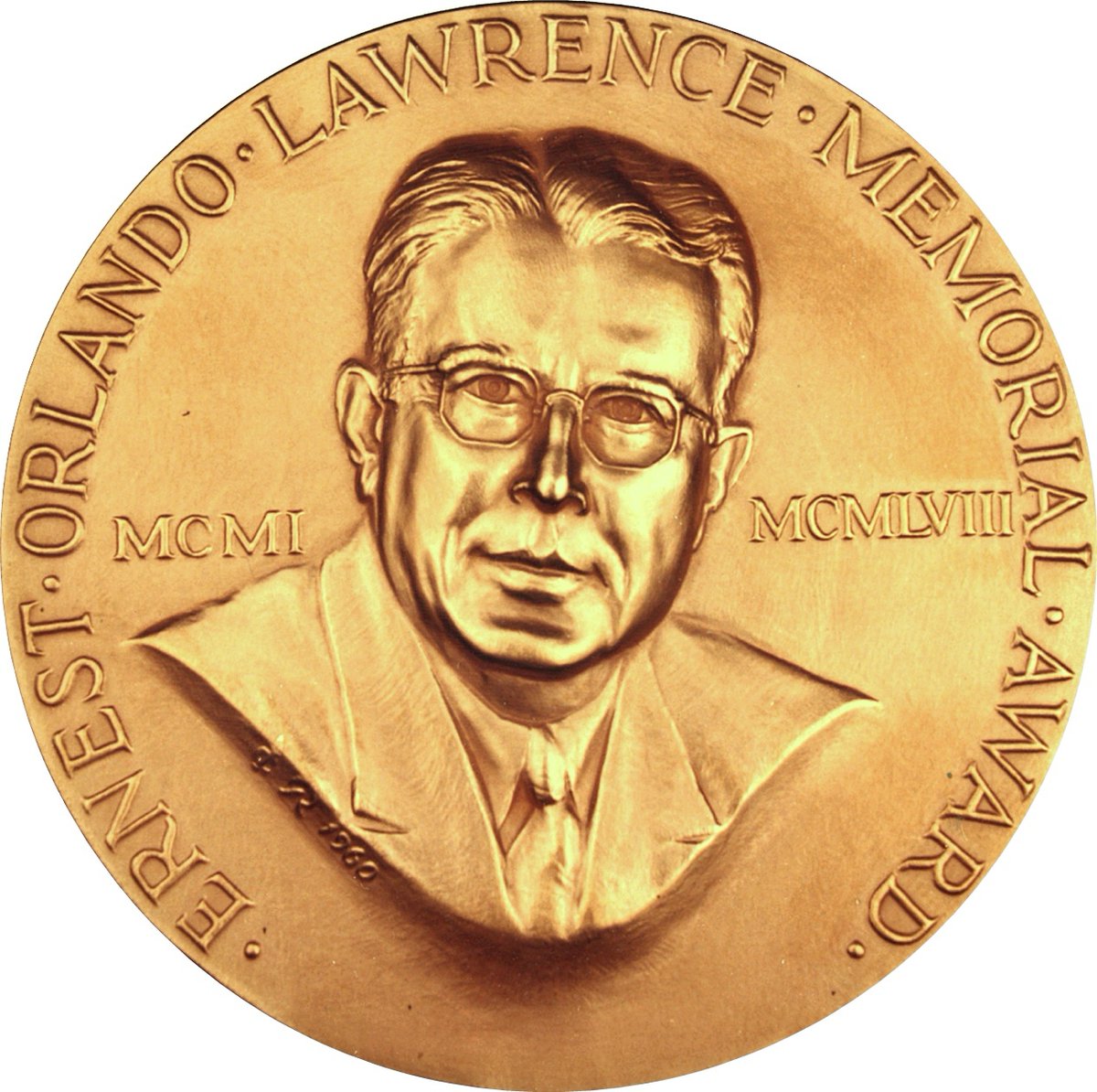
Help us celebrate the 2026 winners of the Lawrence Awards! @ENERGY will be hosting a hybrid award ceremony on November 13, 2026.
Register now to attend the virtual event: https://t.co/SjPaOViJxk
Antarctica is more than a land of endless snow. It's also one of the best places on Earth for radio astronomy.
Using @SPTelescope and the BICEP project, scientists study the cosmic microwave background to uncover clues about the origins of our universe: https://t.co/1mub45mcDm
The Office of Science Advisory Committee advises @ENERGY on a variety of issues, including research priorities, program balance, and opportunities for collaboration.
Register now to attend the next SCAC meeting livestream on November 12: https://t.co/YGAnuWTEhI
Commercializing fusion requires collaboration among National Labs, universities, and private industry.
@ENERGY announced $8.5M in funding across 28 awards through the Innovation Network for Fusion Energy, along with a new Request for Assistance: https://t.co/rB0h2QLULf
DOE's Fall 2026 SBIR/STTR Phase I topics are here! More than $200M across phases will help U.S. small businesses advance grid innovation, cybersecurity, nuclear detection and more.
Review topics and submit your pitch by 12/16: https://t.co/vge2PQO0RX
What lies in our Solar System beyond Pluto? Researchers @VRubinObs have spotted a new dwarf planet candidate: 2026 ED138!
@ENERGY supports the observatory's astrophysics research and a digital camera built at @SLAClab made this discovery possible: https://t.co/Q3uuvCEeV1
When cells detect stress, they set off molecular alarm systems. One of these systems is the inflammasome, which releases immune cell activating molecules.
@SLAClab and partners captured how this immune signaling complex forms inside human cells:
https://t.co/gabyarwocu
Help us celebrate the 2026 winners of the Lawrence Awards! @ENERGY will be hosting a hybrid award ceremony on November 13, 2026.
Register now to attend the virtual event: https://t.co/SjPaOViJxk
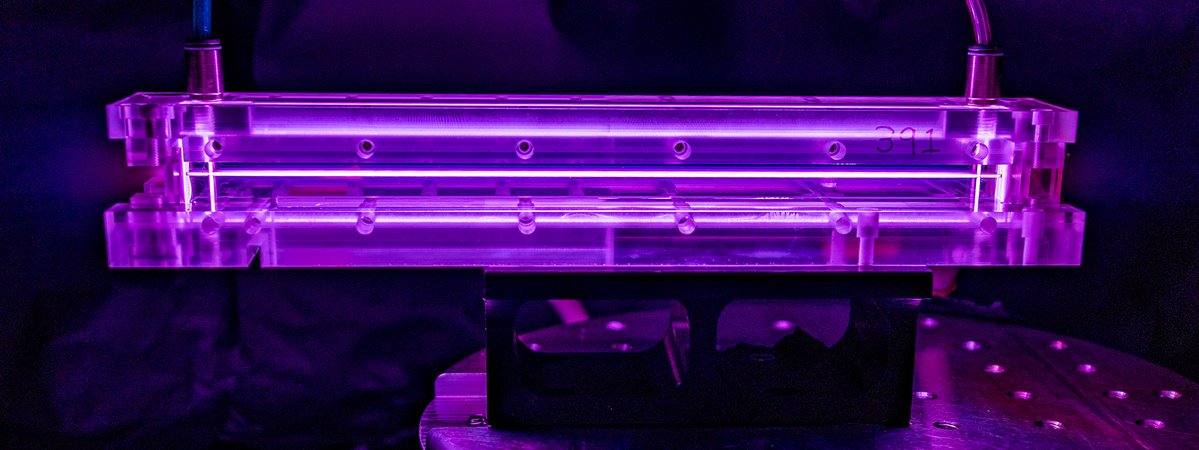
Particle accelerators drive scientific discovery, help produce billions of dollars in goods, and support cancer treatments for millions.
@ENERGY is awarding $15 million to support 14 projects in particle accelerator science and technology: https://t.co/RRIwujIhbK
Attention community college students! Did you know you can get valuable hands-on experience at @ENERGY’s National Laboratories and receive a stipend?
Learn more about our Community College Internships and apply today: https://t.co/0oj3dsKe7s
Are you a STEM undergrad student or know someone who is? Check out @ENERGY's Science Undergraduate Laboratory Internships!
Interns receive valuable hands-on experience at National Labs and a stipend.
Find out more and apply today: https://t.co/TJsvXGSH14
Advancing American energy, growing our economy, and bolstering national security all starts with supporting the next generation of scientists.
@ENERGY has selected 75 students for its Office of Science Graduate Student Research Program: https://t.co/OT0TsA0s0h
The Established Program to Stimulate Competitive Research (EPSCoR) partners university researchers in EPSCoR states with @ENERGY National Laboratories to build expertise across the U.S.
38 newly announced projects will help expand institutional capability: https://t.co/Yi8f4t9FEg
How can researchers and developers use Super Intelligence (SI) more effectively in their research?
@ENERGY has released "Genesis Agent Skills," a set of coding assistants that helps researchers and developers work more effectively with SI coding tools. https://t.co/nkXNqM6JO1
Are you a faculty member who is interested in expanding your research? Check out @ENERGY's Visiting Faculty Program (VFP)! Faculty receive valuable hands-on experience at National Labs and receive a stipend.
Find out more and apply today: https://t.co/1F0Lg5jnDO
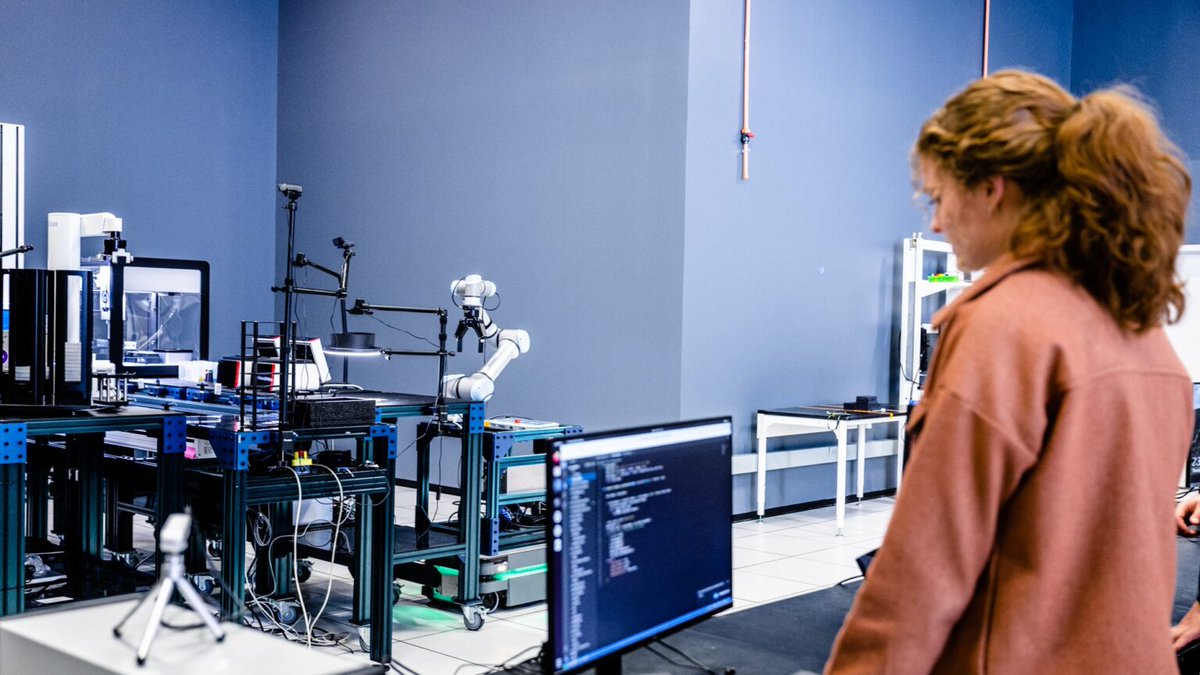
Advanced robotics and automation can make scientific tasks more efficient and effective.
DOE is supporting projects led @argonne, @ORNL, @SLAClab & @BrookhavenLab to demonstrate these possibilities and create capabilities for the scientific community. https://t.co/ghGvImy8Aw
.@SecretaryWright has announced the newest recipients of the Ernest Orlando Lawrence Awards!
These 9 scientists and engineers have made exceptional R&D contributions to advance @ENERGY's mission. Their work ranges from fusion to materials: https://t.co/9m9TL0AsgO