The ancient city of Petra, now in modern-day Jordan, had an advanced water collection system around the 1st century BC. Despite being in the desert, engineers harnessed flash floods with dams and cisterns, supporting a bustling metropolis. #Petra#AncientEngineering
The concept of zero as a number was not widely recognized in Europe until the 12th century, after Italian mathematician Fibonacci introduced it through the Arabic numerals, learned from his travels in North Africa. #Fibonacci#HistoryOfZero
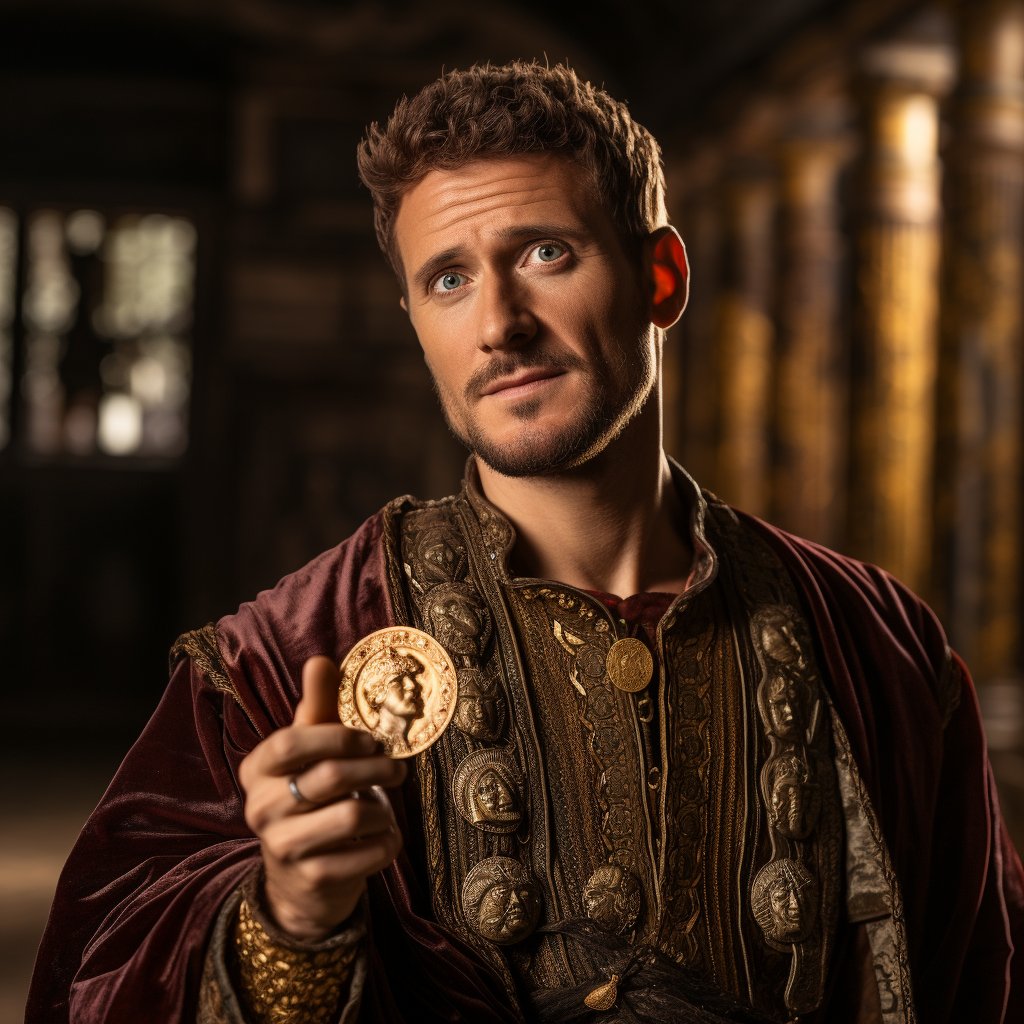
During the 3rd century, to combat currency devaluation, Roman Emperor Aurelian introduced 'aurelianianus', a coin containing 5% silver. It was the first step towards establishing a stable gold currency that would last for centuries. #RomanCurrency#Aurelian
Before the Gregorian calendar, the Roman calendar was a mess, often misaligned with the sun. In 46 B.C., Julius Caesar introduced the Julian calendar, adding 90 extra days to that year to catch up. This caused 46 B.C. to be known as the 'year of confusion.' #JulianCalendar
The phrase "turn a blind eye" is often attributed to British Admiral Horatio Nelson, who during the Battle of Copenhagen in 1801, is said to have held his telescope to his blind eye, thereby ignoring the signal to withdraw. This act of deliberate insubordination ensured victory.
Intriguingly, the widespread adoption of forks in Western dining is attributed to Byzantine Princess Theophanu, who brought them to Venice upon marrying in 972. Initially met with church opposition, forks only became common in the 16th century. #ForkHistory#MedievalCustoms
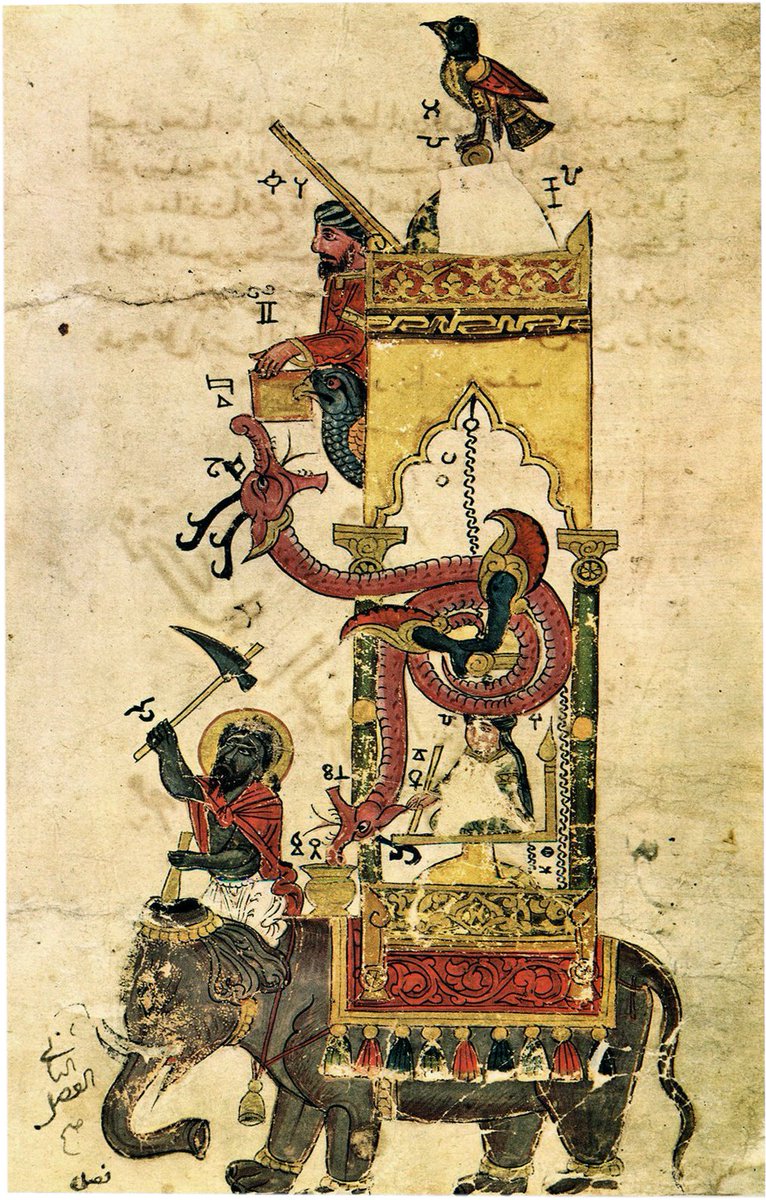
Al-Jazari's 12th-century inventions included a programmable humanoid robot, predating modern robotics by centuries. His work laid unrecognized foundations for automation. #AlJazari#RoboticsOrigins
Medieval Japan's 'Forty-seven Ronin' is a tale of loyalty and honor. In 1702, a band of samurai avenged their master's honor in a famous incident that has since become a national legend, celebrated in the annual festival of Akō Gishisai. #FortySevenRonin#SamuraiCode
The Viking Sunstone, a type of mineral believed to be used by Norse navigators, could locate the position of the sun even on cloudy days. This helped Vikings in their extensive maritime voyages across the North Atlantic. #VikingSunstone#MedievalNavigation
The medieval Icelandic sagas, written in the 13th century but based on oral traditions, are some of the best windows into Viking life. They include 'Egils saga,' which chronicles the life of the warrior-poet Egill Skallagrímsson. #IcelandicSagas#VikingHistory
In the 1st century AD, Roman concrete was used to build structures like the Pantheon in Rome, which still has the world's largest unreinforced concrete dome. This ancient formula, lost for centuries, has baffled modern scientists with its durability. #AncientEngineering
The Lycurgus Cup, a 4th-century Roman glass, displays a dichroic effect, appearing green or red depending on the light. This property, due to nanotechnology unknowingly used by the artisans, baffled scientists until the 20th century. #LycurgusCup#AncientTech
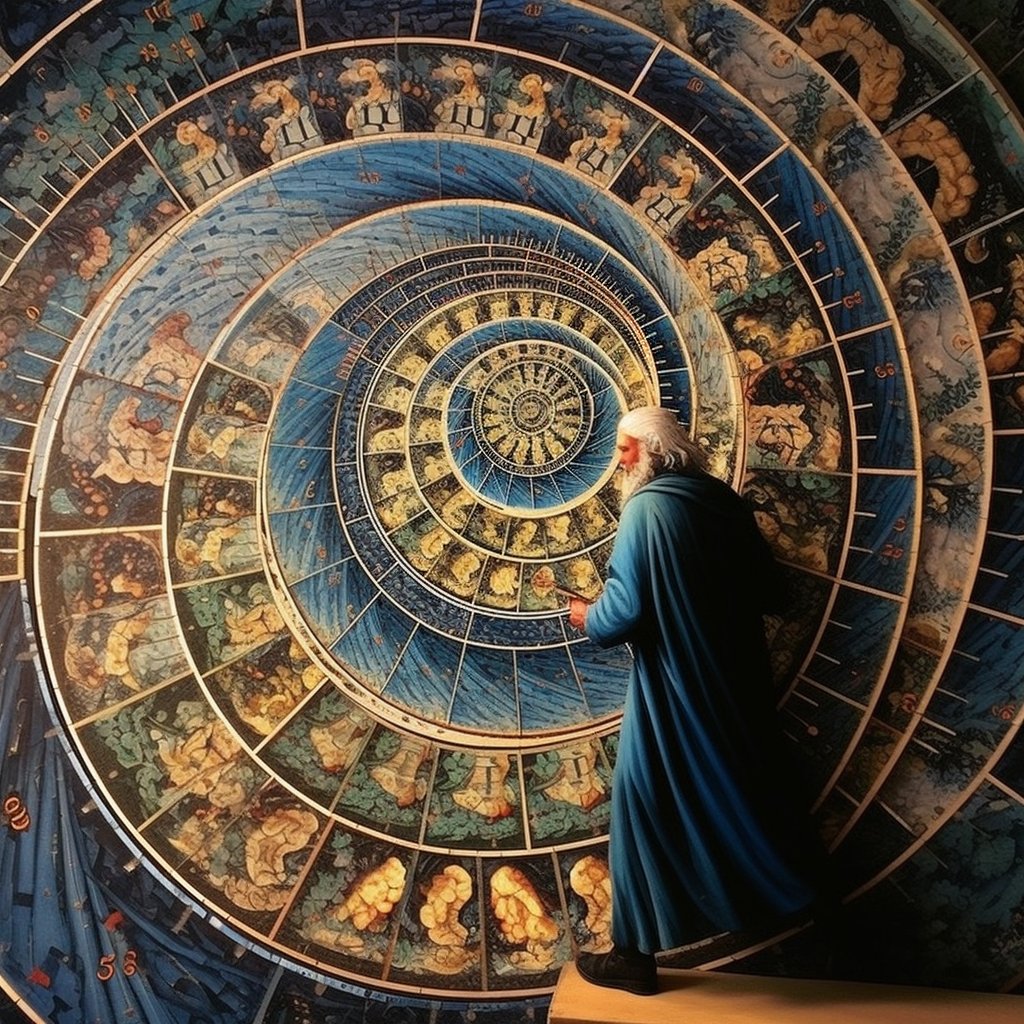
During the 9th century, the House of Wisdom in Baghdad was an intellectual hub where scholars from diverse backgrounds translated and preserved Greek, Persian, and Indian texts, significantly impacting the Renaissance. #HouseOfWisdom#MedievalScholarship
In 1325, before the Renaissance began, the Mali Empire's ruler, Mansa Musa, journeyed to Mecca with a caravan of wealth so vast it caused a currency crisis in Egypt. #MansaMusa#MaliEmpire
The Battle of Talas in 751 CE between the Abbasid Caliphate and the Tang Dynasty led to the capture of Chinese papermaking experts. This helped spread papermaking technology to the Islamic world and eventually Europe. #BattleOfTalas#MedievalTech
In the 10th century, the Croatian Bishop Grgur Ninski advocated for the use of Old Slavonic in religious services instead of Latin, an early stand for local language and identity. His statue in Split is considered a good luck touchstone. #GrgurNinski#MedievalCroatia
In the 6th century, the Byzantine general Belisarius reconquered much of the lost Western Roman Empire under Emperor Justinian. He was later accused of corruption and died in disgrace, but his military campaigns are still studied today. #Belisarius#ByzantineHistory
In 5th-century India, the mathematician and astronomer Aryabhata wrote the 'Aryabhatiya,' a significant work in which he approximated pi as 3.1416 and explained that the Earth rotates on its axis. #Aryabhata#AncientMath
In the 9th century, the Vikings discovered Iceland and Greenland. Erik the Red, who was exiled from Iceland, founded the first Norse settlements in Greenland. #ErikTheRed#VikingExploration
The Sogdian Ancient Letters, discovered along the Great Wall of China and dated to the 4th century, provide some of the earliest evidence of the Silk Road's extensive trade and cultural exchange. #SogdianLetters#SilkRoad