How many Iranians support the Islamic Republic? In a new working paper, we answer this question using evidence from a nationally representative survey of 2,000 adults in Iran. We use the list experiment, a method for measuring sensitive attitudes. List experiments work by embedding a sensitive item within a list of nonsensitive items and asking respondents how many apply to them—but not which ones—providing a degree of anonymity that reduces the perceived cost of revealing sensitive or socially undesirable attitudes. Measuring regime support in authoritarian contexts is exceedingly difficult. Where dissent is costly, people may publicly express support for a political system they privately reject—a phenomenon known as preference falsification in the study of authoritarian politics. In our study, we find that when asked directly, 57 percent of Iranians say they support the Islamic Republic (between 55 and 59 percent). But on the list experiment, where answers are anonymous, support drops to 47 percent (between 42 and 51 percent).
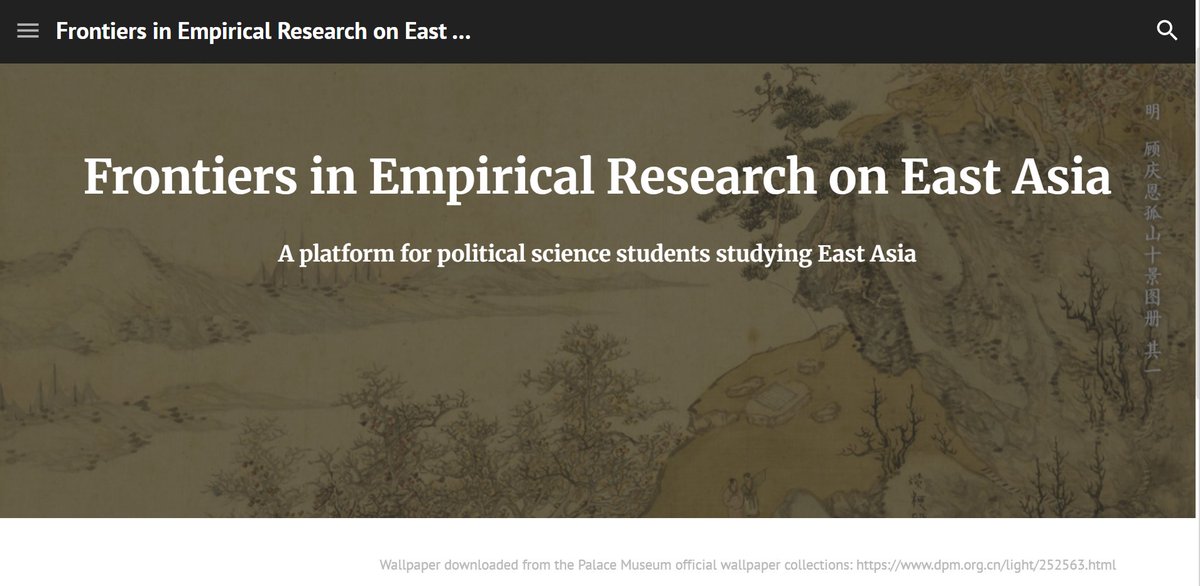
📢Call for Papers!
NYU Politics will host the fifth "Frontiers in Empirical Research on East Asia" conference on Jan. 14–15, co-organized by @EHWpolisci, @amycatalinac, and me. Please submit your application by Aug. 17: https://t.co/DsE6FeDDtw. Look forward to your submissions!
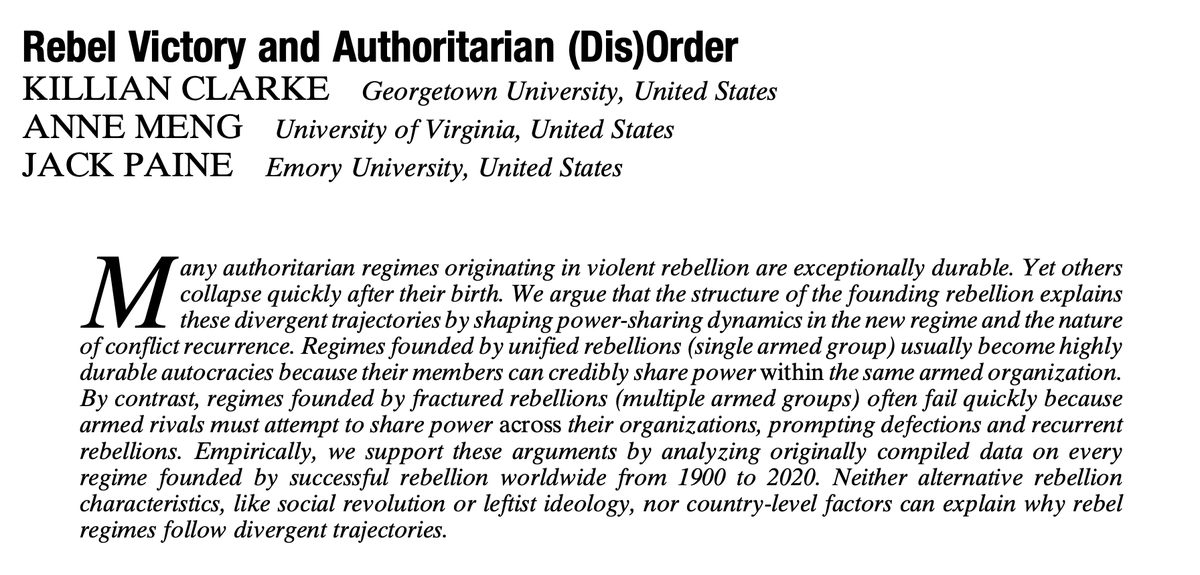
🚨 New in APSR! 🚨How do the origins of authoritarian regimes shape their subsequent trajectories? @kbclarke@jackpaine_prof and I are excited to share "Rebel Victory and Authoritarian (Dis)Order" /1
New article on Iran -> Interpretations of Iranian history relapse to a similar pattern-rulers take up parts of a popular movement’s program while excluding, repressing, or disorganizing the movement itself. Even when not called “passive revolution,” the argument is often close...
📦✨ New version of my Replication Package Guide is live! I added a copy button so researchers can paste the full instructions directly into Codex, Claude Code, or another coding agent.
https://t.co/X6apuxJRfY
I’ve been quoted in The New York Times (@nytimes) on "How Three Months of War Changed the Gulf Forever":
The Gulf countries have been forever changed by the war. Many are now intent on boosting their hard power, spending more on military hardware and defense. The new mood is a palpable shift from the grand and optimistic projects that defined the region’s past decade.
“It’s left a big wound,” said Khalid Al-Jaber, executive director of the Middle East Council on Global Affairs, a research institute in Qatar. “It’s going to take a long, long time to recover.”
The scenes that unfolded over the past few months in Gulf cities like Dubai and Doha, including massive explosions and smoldering luxury towers, were once unthinkable to most residents.
American officials have also suggested that the Gulf states could contribute to a $300 billion reconstruction fund for Iran, an idea that has received a frosty reception in the region. Dr. Al-Jaber said that it feels like the Trump administration is looking at the Gulf “as an A.T.M.,” and that “bothers a lot of people.”
The question looming above all of these shifts is whether the conflict is really over.. “We are terrified that this is going to be an ongoing war,” said Mr. Al-Jaber, In public, Gulf leaders have welcomed the agreement to end the fighting, which had proved so catastrophic for their countries that few wanted it to continue.
https://t.co/lf8r3Law79
How can we study political selection (who becomes a politician?) in data-scarce environments?
The ideal is having census data from both politicians and citizens. But that's not always possible.
In the study below (@PoPpublicsphere), I implement an alternative strategy +
My article for the Gulf International Forum on the US. Iran Deal:
Deterrence in this conflict rested on far more than conventional military power. Both sides relied on a layered mix of tools: naval forces, missiles, drones, economic sanctions, threats to critical maritime chokepoints, and networks of non-state partners such as Hezbollah, the Houthis, and Iraqi militias. This system of compound deterrence allowed Washington and Tehran to steadily raise the costs of confrontation without acquiring the ability to compel surrender or impose a lasting settlement. The end result was a strategic stalemate, in which escalation became increasingly costly but was still insufficient to produce a decisive outcome on either side.
Very happy to see "Political polarization in low- and middle-income countries" with Ernesto Tiburcio in print! Free view-only version: https://t.co/hV7P0ClzXg
How many Iranians support the Islamic Republic? In a new working paper, we answer this question using evidence from a nationally representative survey of 2,000 adults in Iran. We use the list experiment, a method for measuring sensitive attitudes. List experiments work by embedding a sensitive item within a list of nonsensitive items and asking respondents how many apply to them—but not which ones—providing a degree of anonymity that reduces the perceived cost of revealing sensitive or socially undesirable attitudes. Measuring regime support in authoritarian contexts is exceedingly difficult. Where dissent is costly, people may publicly express support for a political system they privately reject—a phenomenon known as preference falsification in the study of authoritarian politics. In our study, we find that when asked directly, 57 percent of Iranians say they support the Islamic Republic (between 55 and 59 percent). But on the list experiment, where answers are anonymous, support drops to 47 percent (between 42 and 51 percent).
Among the unresolved questions is who will bear the cost of reconstruction and economic recovery. Estimates suggest that rebuilding the damage caused by the war could cost as much as $300 billion—a figure referenced by Vice President JD Vance after the agreement was announced.
This raises speculation that the Gulf states may once again be asked to play a central role in funding the post-war phase, a step previously seen in other regional crises.
This in turn prompts a broader question: Will regional security once again operate on a model in which countries of the region pay the cost of wars planned and executed outside their control?
What is at stake today is not only rebuilding what the war destroyed, but also the normalization of a political and economic model in which Washington shifts the costs of its military ventures onto its allies and partners.
My article for The National Interest: https://t.co/KA2f2adGOc
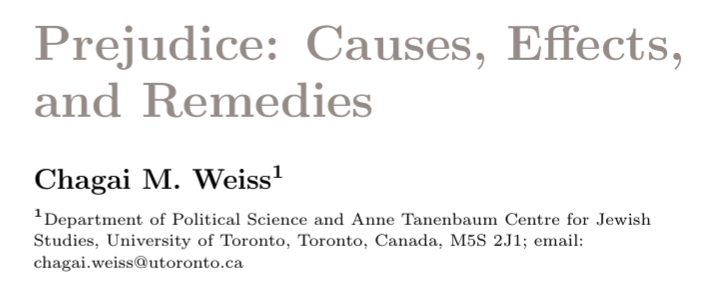
What do political scientists know about prejudice?
I'm trying to answer this question in a new review piece being prepared for submission as an annual review! Comments most welcome!
🔗 to paper: https://t.co/hj6ltpfSzD
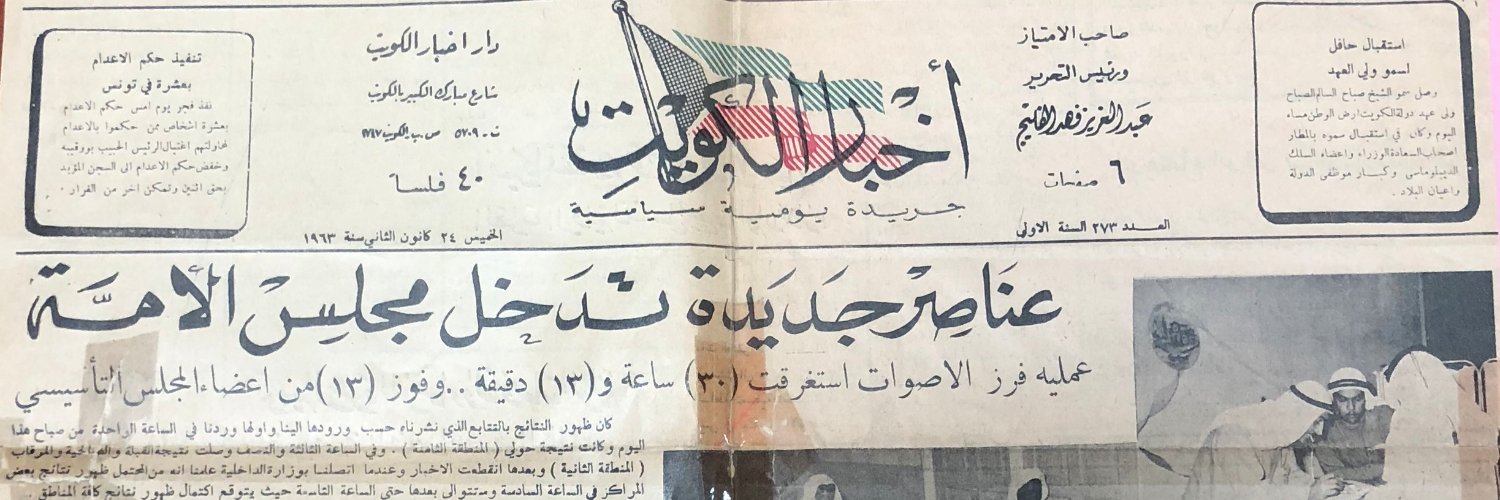
دراسة مهمة من الدكتور دانيل تفانا واخرين: عن عدد الإيرانيين الذين يدعمون الجمهورية الإسلامية؟ بالاستناد إلى أدلة مستمدة من مسح وطني تمثيلي شمل 2000 بالغ في إيران. وتُظهر الدراسة أنه عند طرح السؤال بصورة مباشرة، أفاد 57% من الإيرانيين بأنهم يدعمون الجمهورية الإسلامية (ضمن نطاق يتراوح بين 55% و59%). إلا أن نسبة التأييد تنخفض إلى 47% (بين 42% و51%) في تجربة القوائم، وهي منهجية تضمن إخفاء هوية الإجابات.
ويُمثل الفارق بين هذين الرقمين ما نُطلق عليه «المبالغة في الإبلاغ عن التأييد»؛ أي أن بعض الأفراد يعبّرون علنًا عن دعم لا يتبنونه فعليًا على المستوى الخاص. وتشير النتائج إلى أن نحو واحد من كل خمسة إيرانيين يعلنون دعمهم للجمهورية الإسلامية عند السؤال المباشر، لا يفعلون ذلك عندما تكون إجاباتهم مجهولة الهوية.
فمن هم الذين يبالغون في إظهار التأييد، ولماذا؟ التفسير التقليدي يُرجع ذلك إلى الخوف؛ إذ يُفترض أن الأفراد يُظهرون الولاء لأن الدولة تراقبهم. غير أن الأدلة التي توصلنا إليها تشير إلى تفسير مختلف. فالأكثر ميلًا إلى المبالغة في إعلان التأييد ليسوا بالضرورة الأكثر خوفًا من القمع، بل يميلون إلى أن يكونوا أكثر وطنية وتدينًا.
تقدّم الجمهورية الإسلامية نفسها بوصفها حاميةً للأمة والدين معًا؛ ولذلك قد يشعر الإيرانيون ذوو النزعة الوطنية القوية والتدين العميق بأن انتقاد الحكومة يشبه انتقاد إيران أو الإسلام ذاتهما، حتى وإن كانوا غير راضين في قرارة أنفسهم عن طريقة إدارة شؤون البلاد.
وبعبارة أخرى، فإن ظاهرة تزييف التفضيلات في إيران تبدو أقل ارتباطًا بالإكراه الذي تمارسه الدولة على المواطنين، وأكثر ارتباطًا بالروابط والهويات الوطنية والدينية التي عملت الجمهورية الإسلامية على ترسيخها وتعزيزها.
How many Iranians support the Islamic Republic? In a new working paper, we answer this question using evidence from a nationally representative survey of 2,000 adults in Iran. We use the list experiment, a method for measuring sensitive attitudes. List experiments work by embedding a sensitive item within a list of nonsensitive items and asking respondents how many apply to them—but not which ones—providing a degree of anonymity that reduces the perceived cost of revealing sensitive or socially undesirable attitudes. Measuring regime support in authoritarian contexts is exceedingly difficult. Where dissent is costly, people may publicly express support for a political system they privately reject—a phenomenon known as preference falsification in the study of authoritarian politics. In our study, we find that when asked directly, 57 percent of Iranians say they support the Islamic Republic (between 55 and 59 percent). But on the list experiment, where answers are anonymous, support drops to 47 percent (between 42 and 51 percent).
That said, our findings are not wildly out of step with what careful observers of Iranian public opinion and domestic politics have written for years. Getting this right is important. The depth of support for the Islamic Republic is invoked constantly in the U.S. and international media primarily to mobilize ideological support for particular policies. Iranians are “with us,” they are ready to be “liberated,” they support the war, and so on. These are claims about millions of real people made way too often by people who have never asked them (and don’t actually care about the answer). But these are empirical questions: they deserve evidence, not assertions. And that is what we have tried to provide in this paper.