Most organizations like to use the term #EmployeeEngagement to describe THEIR expectations of employees.
We believe organizations share the responsibility of engagement. If the company does not value the perceptions of the employee, why would the employee choose to engage?
We recently published a three part series on the importance of Employee Engagement in the workplace. Part I is a high level overview of #employeeengagement: https://t.co/8XDB81uV1i
The Seasonality of Turnover: Why Quit Rates are Down but Retention Risks Remain High
Our new post breaks down:
• Why turnover looks better than it is
• What leaders are missing in the data
• Where to focus now to protect retention
Read it here: https://t.co/vCVJYILYiQ
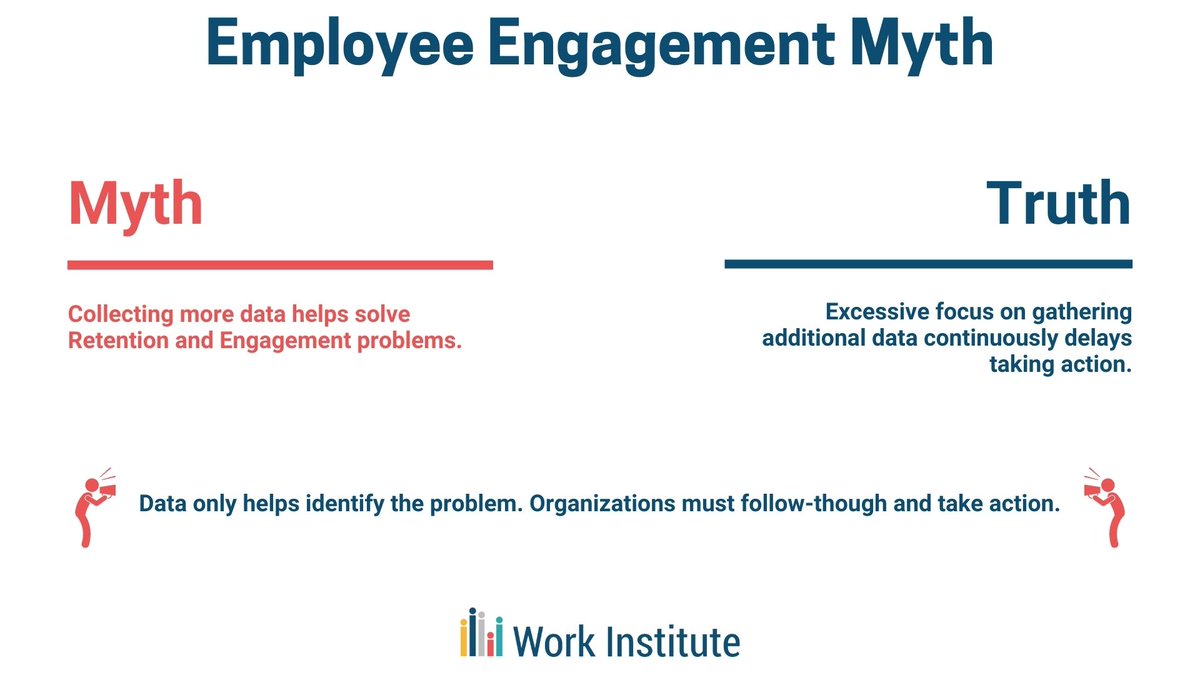
Understanding employee sentiment is only the first step to creating an engaged workforce.
Organizations must use that sentiment to make the changes that create the conditions where employees engage.
We're hosting an 8-part Retention Webcast Series to help HR pros & executive leaders turn insights into action.
Follow the link to learn more and register.
Spots are limited — register now.
https://t.co/DbtORY4IHl
HR leaders, we need your insights! 💡
Take our 5-minute survey on key employee retention challenges for 2024-2025. Help shape future workforce strategies & get early access to the results!
👉 https://t.co/hllgxTzxRe
#EmployeeRetention#HRInsights#HRLeadership
Learn how to transform your HR dashboard insights into actionable strategies in our live webcast next week hosted by @dannynelms
https://t.co/Pegv1UhGXN
Organizations that act on employee feedback insights & prioritize employee needs not only stop the downward satisfaction trend but also create workplaces where employees want to stay & grow.
A recent study from Agenda and Charter shared the most urgent issues facing Board of Directors today. Four of the top six issues on their minds are about retaining, engaging, or developing employees.
The goal of an exit interview is to understand why an employee left the organization. Anything else is just noise.
Things You Should Avoid Saying to Former Employees During an Exit Interview | Work Institute https://t.co/YGdblD4elO
Employees want a safe place to provide key details of their employment experience and why they stay or might consider leaving.
Let us help your organization give employees a chance to tell you what is important with our Stay Interviews:
https://t.co/aJbZmoNMID
Just like any relationship, the employee-employer relationship is complicated. Treat employees good and they'll produce for you. Treat them poorly and they'll leave. Employers that get it are the ones that will ultimately succeed.
When I wrote this, I was convinced employers would fail to tackle the workplace issues caused by the pandemic.
I was wrong, and employers really stepped up.. for a short period.
In summer 2020, @dannynelms said
"How employers treat employees during this time will have significant impact on employee retention for months and years to come."
People remember how you made them feel, and companies will bear the consequences: https://t.co/umrFE1ud2W
Employees remember how they were treated and appreciate how employers treated them during the pandemic. Our data proves this.
But then employers quickly wanted to get back to normal. Employees rejected it because they saw remote work was possible, creating The Great Resignation
First-year employee turnover is extremely expensive. New employees who leave have not generated any return on the investment from their recruiting, hiring, onboarding and training. https://t.co/Mu1kXRT3en
The goal of an Exit Interview is to learn why a former employee decided to work elsewhere so the organization can improve #employeeretention. All other topics do not help the organization become a better employer. #employeeturnover
The employee feedback we've collected shows it is more about what leaders/managers do NOT do as opposed to what they DO. Below are the four main managerial behaviors that drive employees to quit.
It's time to rethink how we develop our leaders. What do you think?
Stay Interviews and Exit Interviews are not equal or opposite of one another. They both generate valuable insights mutually exclusive from the other. Learn those differences here:
https://t.co/mtTUy06yxf
The Essential Guide to Conducting Exit Interviews covers what questions to ask, when to conduct, who should conduct, how to interpret the data, and how to take action to lower employee turnover
https://t.co/mOWvABp8X9