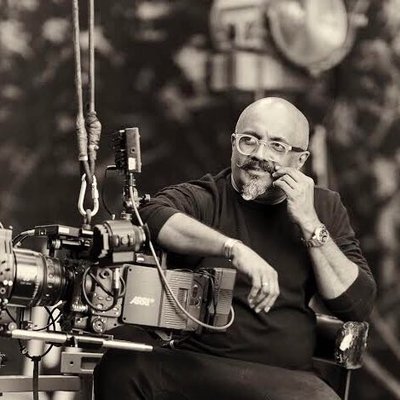
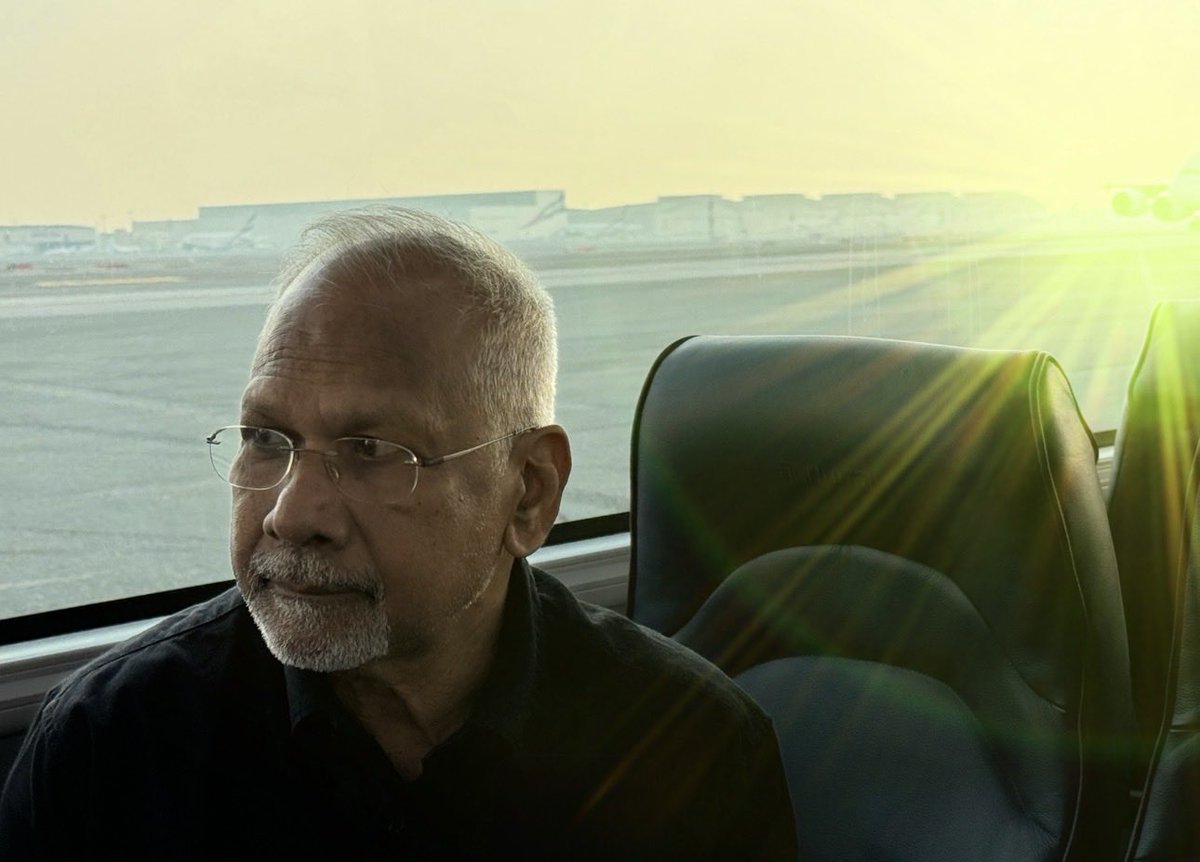
Happy birthday #manisir In my entire film career, you are the one director I’ve been in awe of while working with, sir. I’ve had the privilege of collaborating with you since your second film, and I’m both proud and humbled to know you. Being blessed to work with you across four films is an honor I’ll carry for a lifetime.@MadrasTalkies_
Every film is made with the passion, blood and sweat of hundreds of people - please avoid piracy. Kindly wait for the theatrical release and watch it in theatres.
Whoever is responsible for this must face strict action.
Respect the talents.
Respect the hard work.
Respect the industry.
#JanaNayagan
This is a grave sacrilege and a shameful act of betrayal against the entire film industry.
The illegal leak of #JanaNayagan online is deeply heartbreaking.
Hundreds of dedicated technicians, artists and crew members have poured their sweat, blood and years of hard work into this film. Their livelihoods and future stand severely damaged by these criminals.
Those responsible for this crime must be immediately hunted down, identified and punished with the full force of the law. No mercy should be shown to anyone who destroys the fruits of collective labour in cinema.
We must protect our films and the dignity of those who create them.
#StopPiracy
#மருதநாயகம் க்காக #KamalHaasan சார் 3 வருஷம் வேலை செஞ்சாரு, படம் நின்னாலும் எங்க எல்லாருக்கும் சம்பளம் கரெக்டா வந்தது எல்லாமே அவர் சொந்த பணம், நேத்து புது கேமரா வந்திருக்குன்னு போனேன் அவர் already வாங்கிட்டாராம் , அவர் மனுஷனே இல்ல ஏலியன்
@dop007 ❤️❤️
The first film review of Farhan Akhtar’s Dil Chahta Hai (DCH, 2001) came from Mani Ratnam, its cinematographer Ravi K Chandran told me once.
Ravi was at Chennai’s Prasad Labs, colour-grading DCH. That’s how Mani saw the film; called and told Farhan not to change a frame!
What’s colour-grading, exactly, I thought, when I heard this. It’s the enhancement of colours, starting with primaries (red, green blue), so the frames look more like film than life itself.
The latter is what audiences wish to escape from, anyway!
Also, it’s the final process, executed by the colorist, approved by the cinematographer, before the film reaches your eyes.
The ears part gets taken care of with the ‘audio mix’, merging background and foreground sounds of a film.
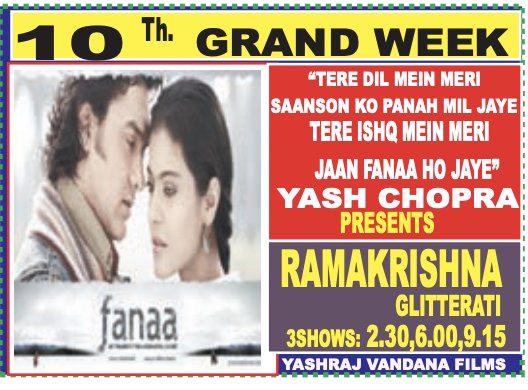
Which, for Aditya Chopra’s Dilwale Dulhania Le Jayenge (1995), was done at Prasad Labs, its general manager Jayalakshmi Vasant tells me, when I’m in front of India’s first 70 mm screen, where it happened.
She takes me around a nine-acre campus in the lungs of Chennai’s film industry aka Kollywood (from Kodambakkam neighbourhood).
Frankly, I’m doing the opposite of what a film buff should — going from a classified door into another, navigating a maze.
While it’s amaze, it takes the magic off the movies. Let me explain how?
Column👇🏽(link in bio).