THE MOST PEACEFUL NATIONS IN THE WORLD RANKED
A list of the most peaceful nations based on indicators of national security, crime, and militarization:
1.🇮🇸 Iceland
2.🇮🇪 Ireland
3.🇦🇹 Austria
4.🇳🇿 New Zealand
5.🇸🇬 Singapore
6.🇨🇭 Switzerland
7.🇵🇹 Portugal
8.🇩🇰 Denmark
9.🇸🇮 Slovenia
10.🇲🇾 Malaysia
Source: @stats_feed
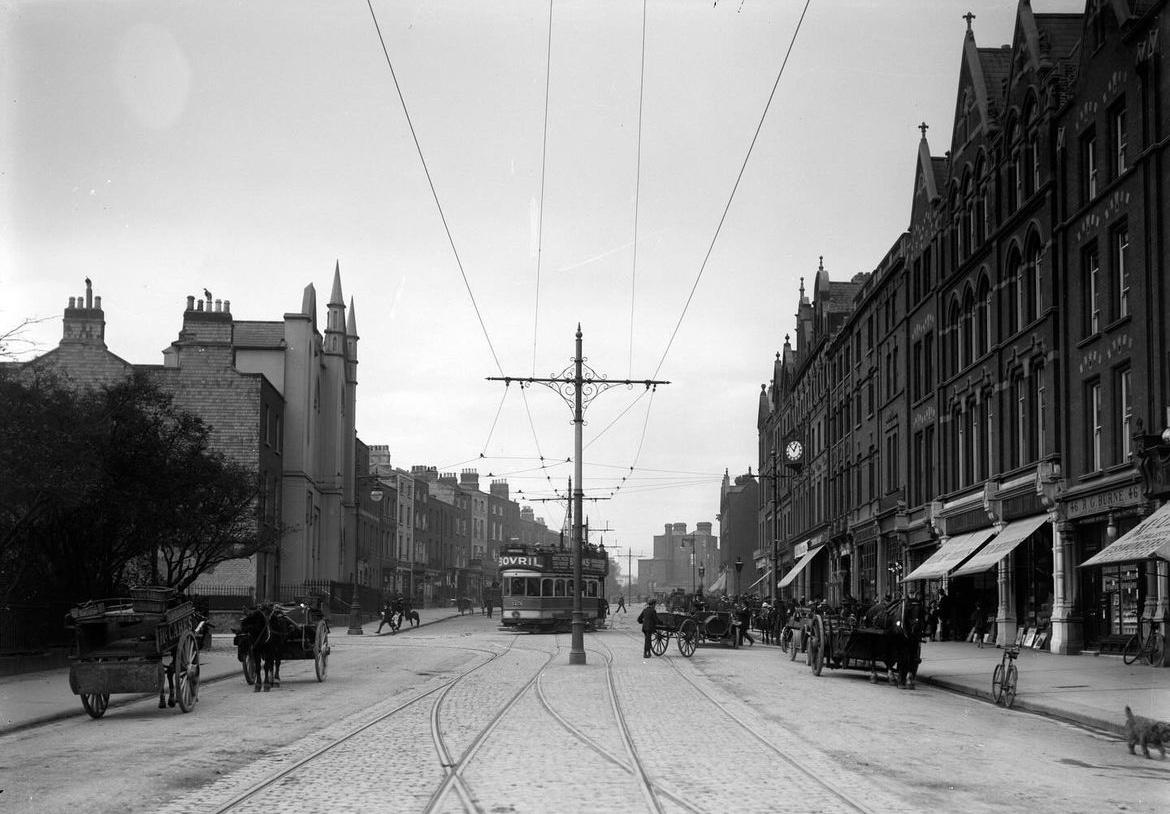
Fascinating and funny origins of Dublin street names
PART 1/2
○Abbey Street
Medieval St Mary's Abbey on the site. A tiny portion remains.
○Amiens Street
Viscount Amiens who lived nearby, street was originally known as The Strand.
○Asgard Road
Erskine Childers yacht, which landed in Howth in 1914 with German guns for the Irish Volunteers.
○Aungier Street
The Aungier Family bought the site of the Carmelite Monastery there. There was also originally a large pool.
○Aughrim Street
Battle of Aughrim (1691)
○Bachelor's Walk
Bachelor was the name of the property developer. In the 1670s the quays were extended downstream from Ormond Quay.
○Baggot Street
Lord Robert Bagod. In the 13th century he built Baggot Rath Castle, where the junction of Wateloo Road and Baggot Street is now.
○Benburb Street
Battle of Benburb (1646), a town in Armagh.
○Beresford Place
Rt. Hon. John Beresford was head of the Wide Streets Commission. He helped transform the layout and character of the capital. He also commissioned James Gandon, who designed the Custom House among other famous Dublin buildings.
○Brabazon Street
Sir Arthur Brabazon, cryptically, the street was originally known as Cuckold's Row...
○Chancery Street
The Chancery Courts was once part of the nearby Four Courts. A chancery was a legal records office and a common law court.
○Christ Church Place
The current name is obvious, but it was originally called Skinner's Row. This part of the city was the medieval centre of the skinning and tannery industry in Dublin. High Street nearby also had concentration of the leather trade.
○College Green
Know as Hoggen Green during the Viking era. Hoggen is a Norse term for a burial mound. The Viking "Thingmote" place of assembly was nearby.
○College Street
Although the origin seems obvious, originally Trinity was going to build an entrance to the college here at the end of D'Olier Street. It was intended to be aesthetically pleasing, part of the Georgian vista down D'Olier and Drogheda Streets.
○Cornmarket
The site of the original medieval corn and grain market.
○ESSEX GATE
The Earl of Essex was also a member of the Capel family. There was a medieval city gate in this area.
○EXCHANGE STREET
Site of the original Royal Exchange. It was previously called Chequer Street.
○EXCHEQUER STREET
During the Middle Ages, it was the home of the Royal Exchequer.
○FLEET STREET
Site where fleets of ships moored after sailing up the Liffey. The area used to be the edge of the Liffeys south bank along with Temple Bar.
○FISHAMBLE STREET
An evocative name for the area in medieval Dublin, which was the heart of the fish processing industry.
○FRANCIS STREET
Nearby in the Middle Ages was the mendicant ( meaning seeking charity, begging) friary of St Francis.
○GARDINER STREET
One of the most misspelt names. Luke Gardiner. At one stage the wealthy and influential Gardiner clann owned 25% of the city, between the canals!
○GRAND CANAL STREET
pretty self explanatory however it was previously called Artichoke Road because a well loved Huguenot called John Villiboise loved here in the mid 18th century and grew an impressive annual crop of artichokes in his garden.
○HANOVER QUAY
George I was Elector of Hanover. An Elector being someone from the aristocracy installed by the Holy Roman Empire to rule a given area. Georgie boy was also invited to sit on the British throne in 1714 .
○JERVIS STREET
Sir Humphrey Jervis was Lord Mayor of Dublin. A businessman and philanthropist.
○LITTLE SHIP STREET
It's a cute name for what was originally Poole Street. Named for the famous black pool behind Dublin castle. Of course, this black pool (dubh linn) gives our city its name in English.
PART 2/2 to follow...
America’s offices are emptier than at any point in at least four decades, reflecting years of overbuilding and shifting work habits https://t.co/p61oBdYoFQ via @WSJ#office#officespace#virtualoffice
What it's like going grocery shopping these days: 😂
🔊 … this is so true it’s both hilarious and sad to watch.
When grocery shopping these days, are you shocked at how little you get these day?