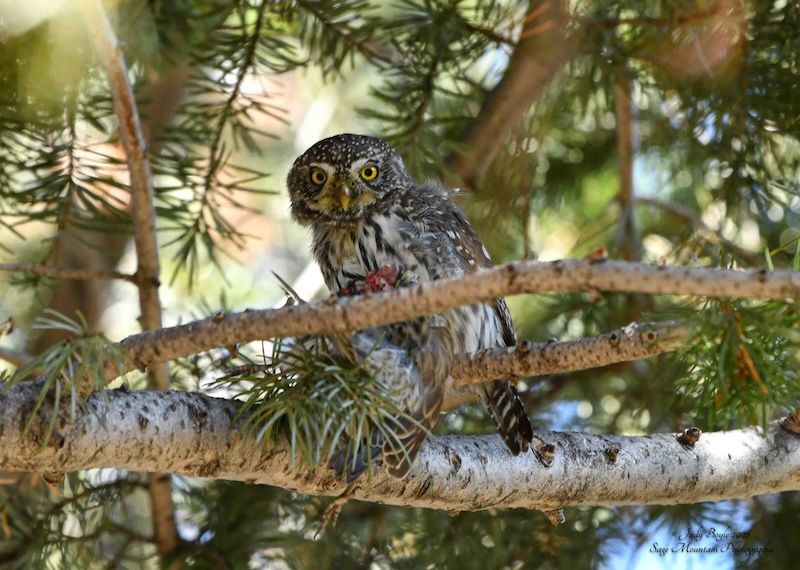
Hoot, hoot! 🦉Judy Boyle in Whitehall, Montana, sent us this photo of a small northern pygmy #owl watching from a tree last Friday. Thank you, Judy! #birds
https://t.co/a7QBI59Fql
See more great photos and submit yours to EarthSky Community Photos:
https://t.co/MGPtSH6qKK
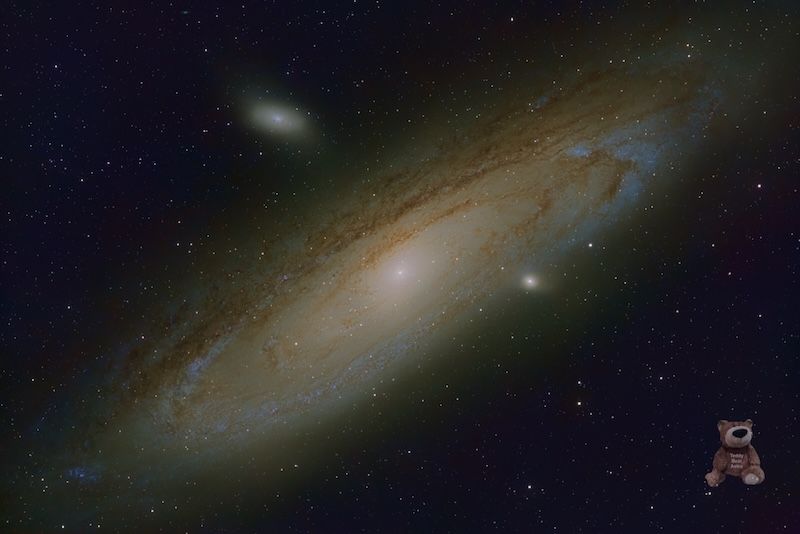
EarthSky's Marcy Curran in Cheyenne, Wyoming, captured this beautiful image of a galaxy not so far, far away ... the #AndromedaGalaxy! It's only about 2 million light-years away. Thank you, Marcy! 📸🌌
https://t.co/XiwSfDNLhO
See more great photos:
https://t.co/MGPtSH6qKK
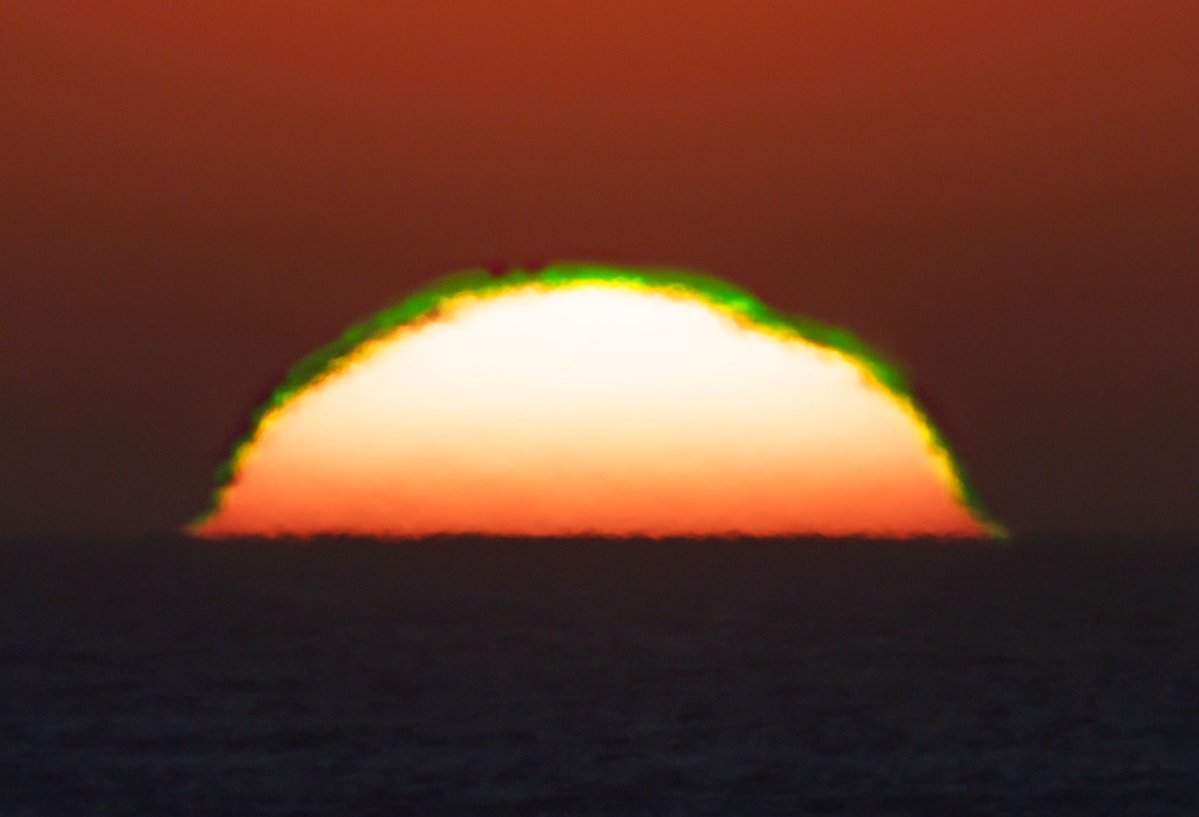
Have you ever seen a green glow at the top edge of the sun? That's the #greenflash. If you haven’t seen one yet, you can! Here are a few tips to help you spot it:
https://t.co/ytV66lFVNV
Jelieta Walinski captured this one on September 26. Thank you!
https://t.co/QFUhc9N7GW
The moon is going to blot bright planet #Jupiter from view at 10 UTC on October 6! Wow! It's gonna be cool.
Many in North America and beyond will be in the "occultation path" and able to see it.
EarthSky's Marcy Curran has details. Watch her video here.
https://t.co/h6OcTsStYL
EarthSky's Cristina Ortiz wants to show you the world's BIGGEST lizard.
The #Komodo dragon grows up to 10 feet (3 meters) long and weighs up to 200 pounds (90 kg).
Hello, Komodo.
https://t.co/hYPCtVwlSc
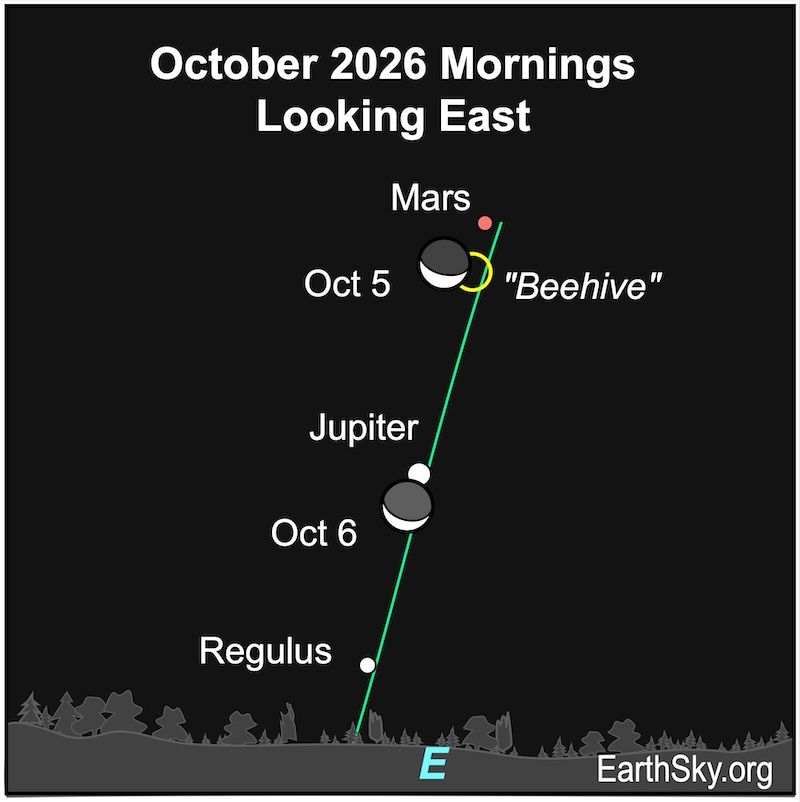
The thick waning #moon will sweep past #Jupiter and #Mars early this week. Look east before sunup.
Some North American observers will see the moon occult – or pass in front of – Jupiter at 10 UTC on October 6. More here: https://t.co/9lbYr2aNEc
For the 1st time, scientists have found helium gas escaping from the atmosphere of an #exoplanet.
It means this distant world might have a temperature that could let liquid water exist on its surface. Could it also support life?
Read: https://t.co/FZ1z97Y3Zd
📸 ESO.
3 amazing close-up views of Starship 14 hot staging.
I've flown Shuttle twice and Soyuz, and felt this happening. Spectacular to see, especially with Ship headed to orbit. @SpaceX
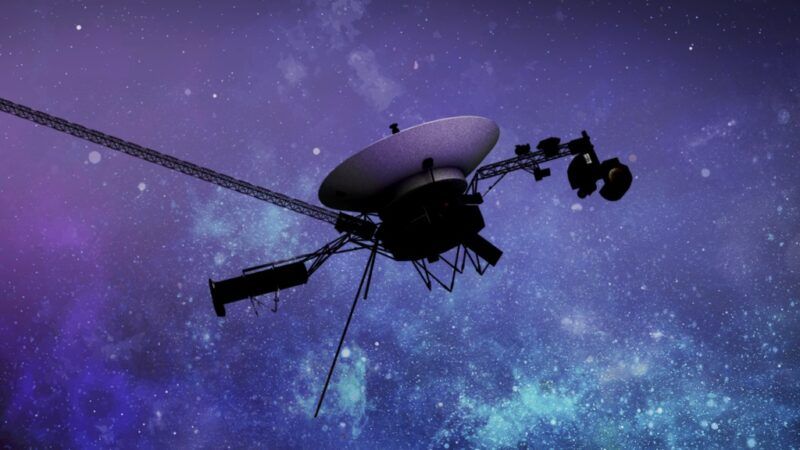
#Voyager 1 will be 1 light-day from Earth at 12:16:07 a.m. CST on November 18, 2026.
Onward, Voyager 1!
Read more at: https://t.co/0XsUHqbU8U
📸 Caltech/ NASA-JPL.
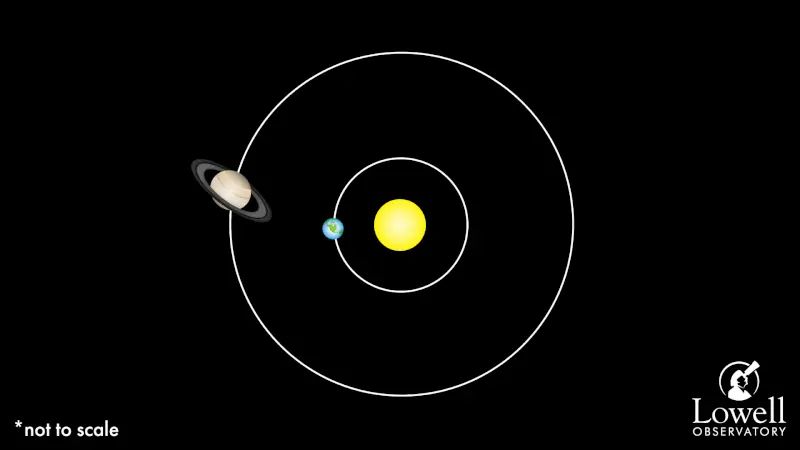
Saturn's opposition is today. 🪐
Earth takes a year to orbit the sun — while #Saturn takes nearly 30 years. So every year, we gain a lap on Saturn.
This is a great time to see Saturn!
Charts and more here: https://t.co/1pd06ZJZ72.
📸 Lowell Observatory. Thanks, y'all! ❤️
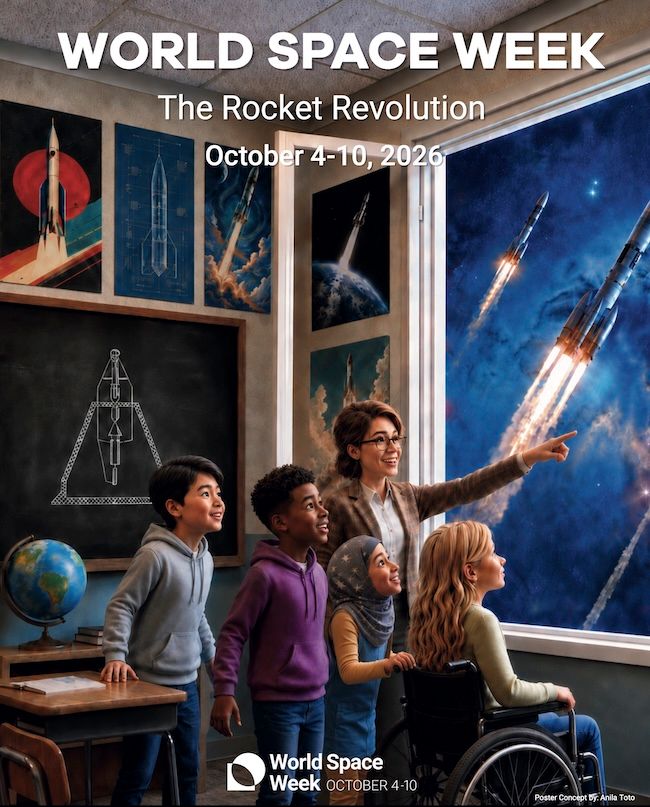
World #Space Week starts today.
This year's theme is The Rocket Revolution, focusing on the rapid transformation of the space launch industry. Find an event near you!
Read more here: https://t.co/zZQRHEfho5
📸 WSWA.
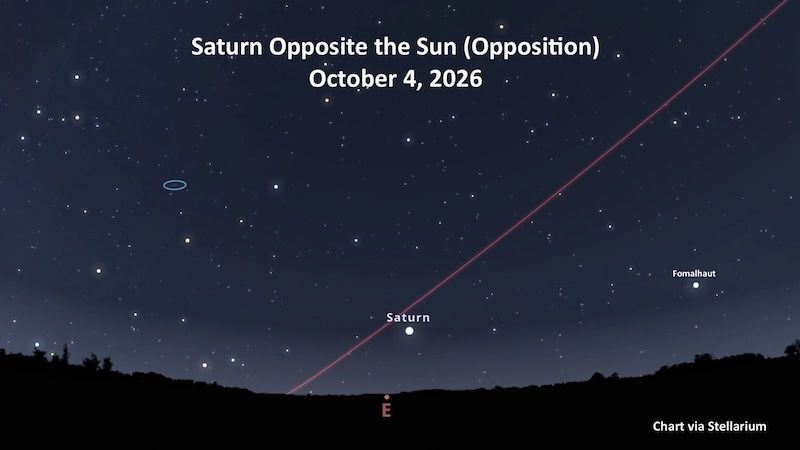
Big day for #Saturn! It's at opposition — opposite the sun — today.
How can you identify it? It’s brighter than any star in the east after sunset now. Look east after sunset!
A fainter star, #Fomalhaut, is nearby.
Charts and more here: https://t.co/1pd06ZJZ72
Martin Curran in Cheyenne, Wyoming captured this image of IC1396 (The Elephants Trunk) [which] is a very large gas and dust nebula in Cepheus. Thank you, Martin!
https://t.co/GQw1R6GkvH
Have a photo of your own to share? Submit it here!
https://t.co/sqEP46qI7v
In October, Mercury and Venus trade places in the evening sky as seen from Earth's Southern Hemisphere. EarthSky's Dan Gaussen shows you where to look for both planets and explains why it might matter to YOU.
Watch here!
https://t.co/3y5TRwWXUS
The October morning sky features 3 bright #planets that you can see before dawn. The brightest — Jupiter — is visible before dawn and follows red Mars across the sky. And Saturn is setting in the west. Visit EarthSky’s night sky guide at: https://t.co/WXlU908Uzu
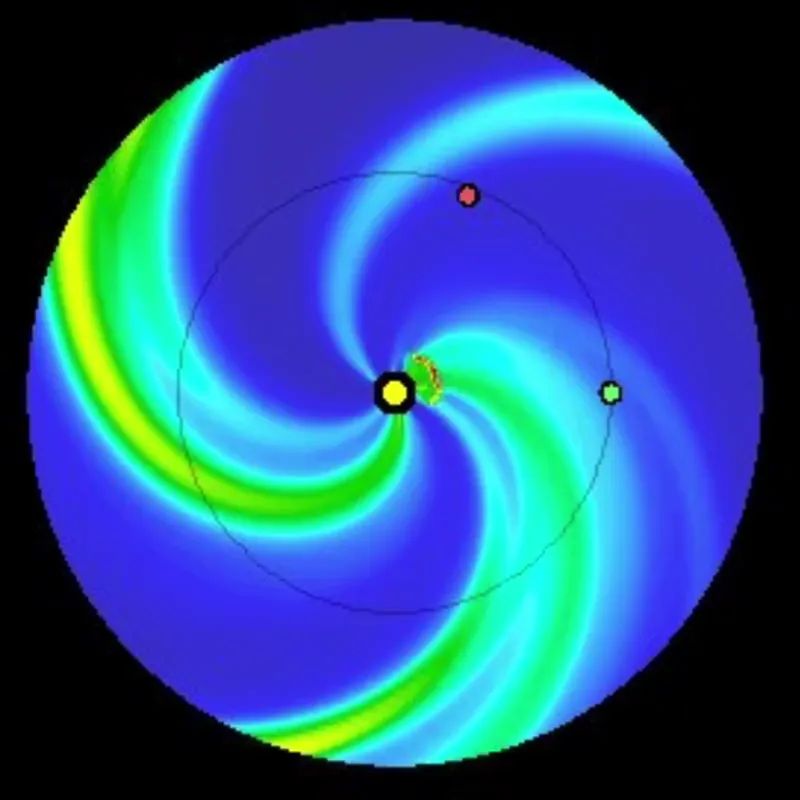
The anticipated solar materials and magnetic fields have arrived! But didn’t trigger the expected G1 (minor) geomagnetic storm. Forecasters consider G1 levels still possible today, once fast solar wind from a coronal hole joins in. Read more: https://t.co/LMvKuBfeHL
📸 NOAA.
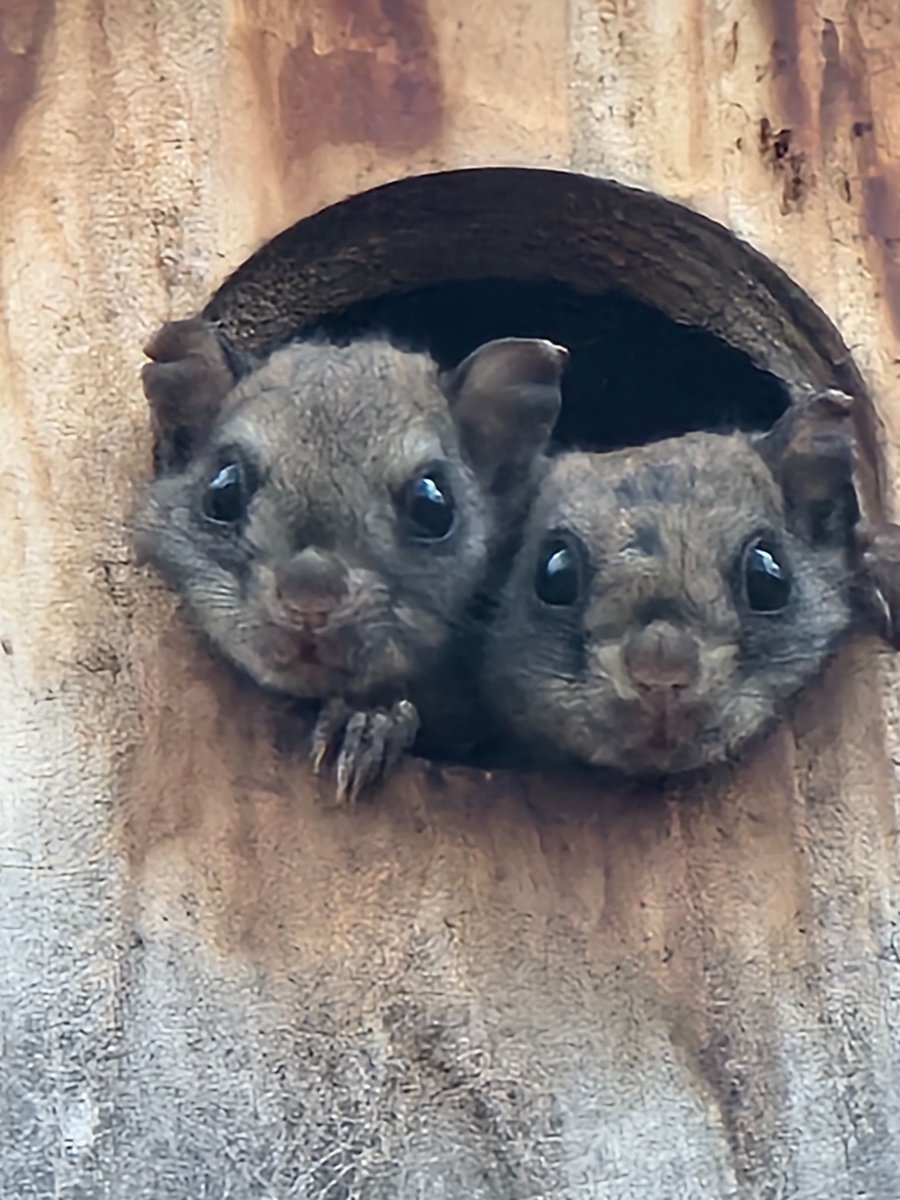
Kris Hazelbaker in Grangeville, Idaho, took this adorable photo on Wednesday of two northern flying #squirrels. Awww! Thank you, Kris.
https://t.co/mPA2WGtGZB
Have a photo of your own to share? Submit them to us here!
https://t.co/sqEP46qI7v
Dave Adalian is back! And he's here to talk with Brad Cenko, principal investigator of the Neil Gehrels Swift Observatory. Will #Swift still have time to catch one more extraordinary cosmic explosion?
Watch here!
https://t.co/yLcOKTnOf7













![earthskyscience's tweet photo. Martin Curran in Cheyenne, Wyoming captured this image of IC1396 (The Elephants Trunk) [which] is a very large gas and dust nebula in Cepheus. Thank you, Martin!
https://t.co/GQw1R6GkvH
Have a photo of your own to share? Submit it here!
https://t.co/sqEP46qI7v https://t.co/mBrJ762EjJ](https://pbs.twimg.com/media/HTt9HIVWIAAlqmD.jpg)