The summer of 1976: putting a very hot & dry summer into context
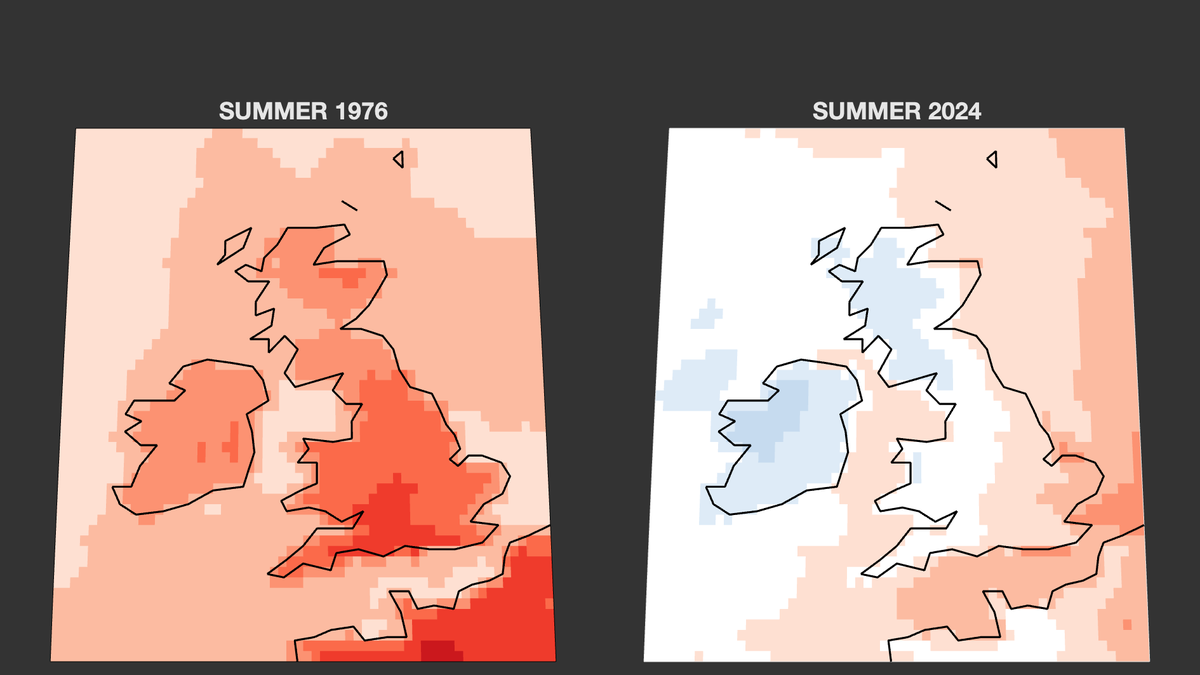
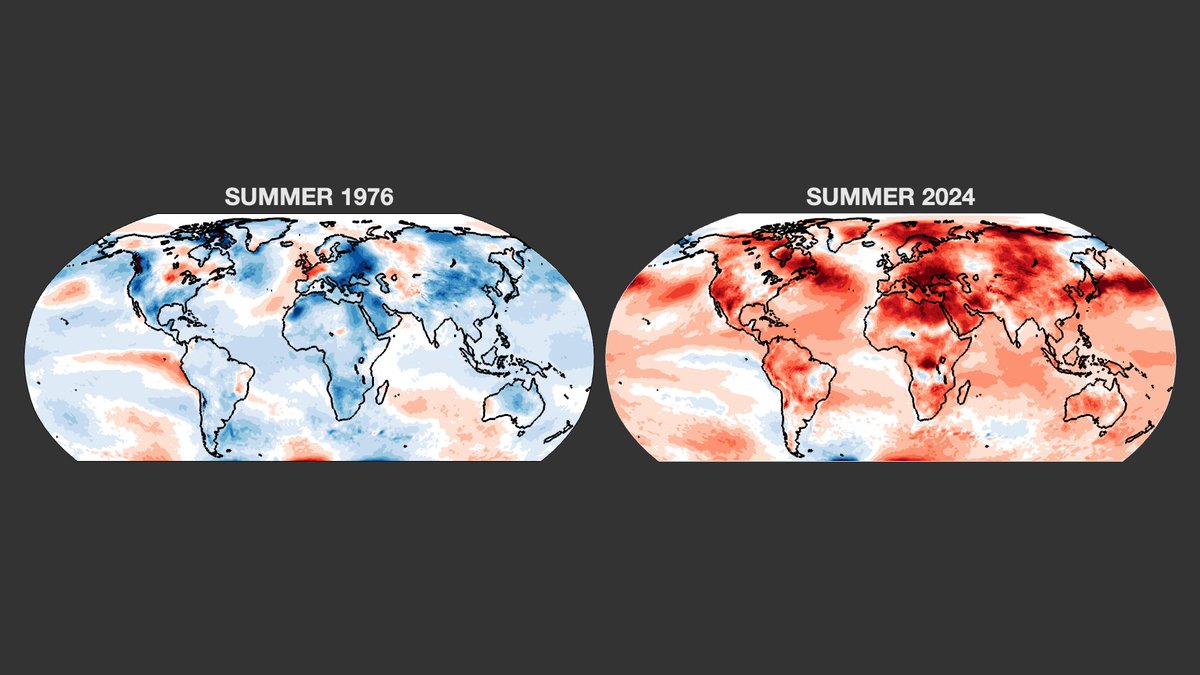
50 years on, the summer of 1976 is often misused by those wanting to downplay the risks from climate change as it still holds a small, but reducing, number of temperature records.
https://t.co/1vPL8028F6
34.8°C in the UK.
In May.
Warmest spring day ever.
Beating the previous record by 2°C.
Burning fossil fuels has made this heatwave hotter.
True for the UK today, and everywhere else, all of the time.
Spiralling global temperatures (1850-2026)
It is exactly 10 years since I first put this animated graphic of changes in global temperature online. #ClimateSpiral
It instantly went viral.
People watched it over and over again.
It still offers the power to shock a decade on.
These examples highlight that the ReBASE approach is flexible to explore a wide range of extreme event types, all over the world.
Get in touch if you have specific events you want to look at, especially in 1909-1911, 1975-1976 & 2014-2025.
Project: https://t.co/uJsEOJGh2U
How would observed extreme events differ in warmer or cooler climates?
First results from the ReBASE (Reanalysis-Based Attribution and Storylines of Extremes) project are now available, with analysis by Rhidian Thomas & Vikki Thompson.
#EGU26 Poster: https://t.co/L5JIubN8QW
Example 3: wet month in the UK
January 2014 was extremely wet for SE England, but had the same weather patterns happened in a cooler 1950s climate it would have been 10-20% less wet, with reduced impacts.
The summer of 1976: putting a very hot & dry summer into context
50 years on, the summer of 1976 is often misused by those wanting to downplay the risks from climate change as it still holds a small, but reducing, number of temperature records.
https://t.co/1vPL8028F6
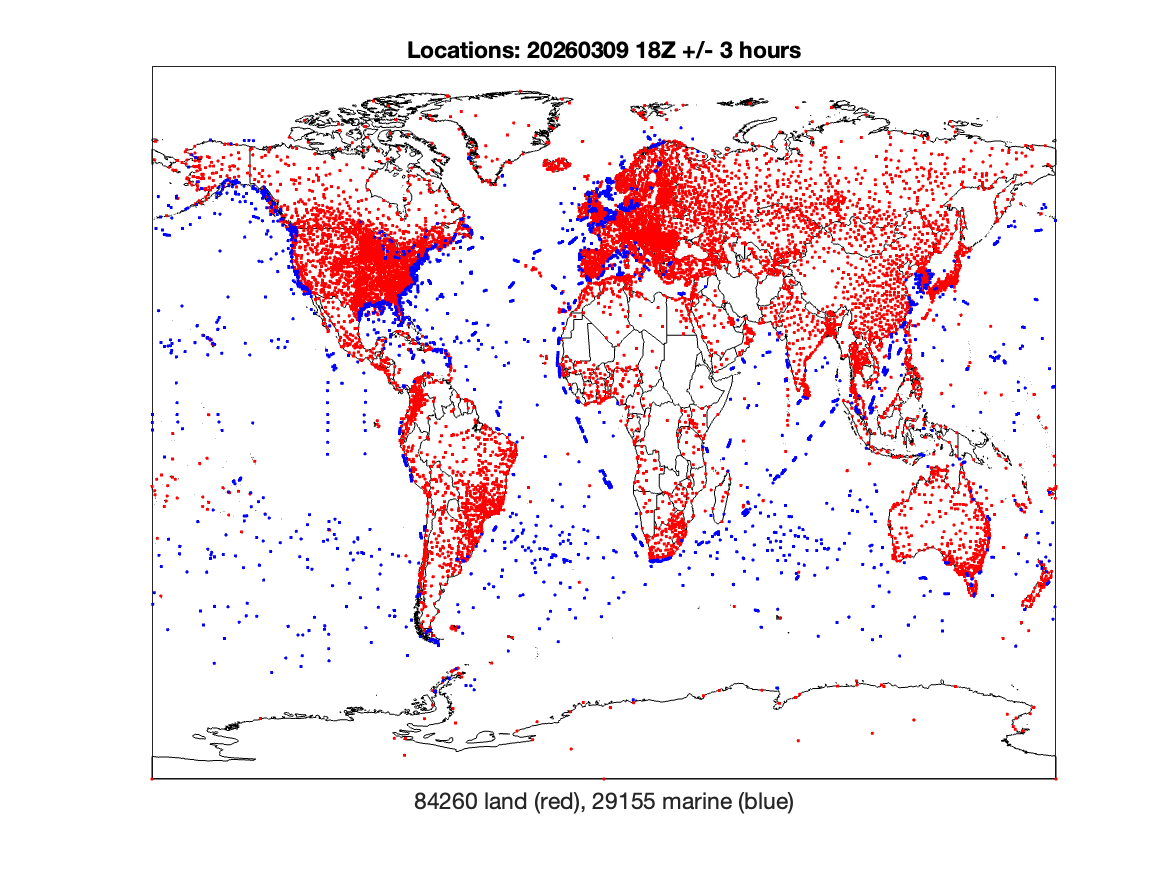
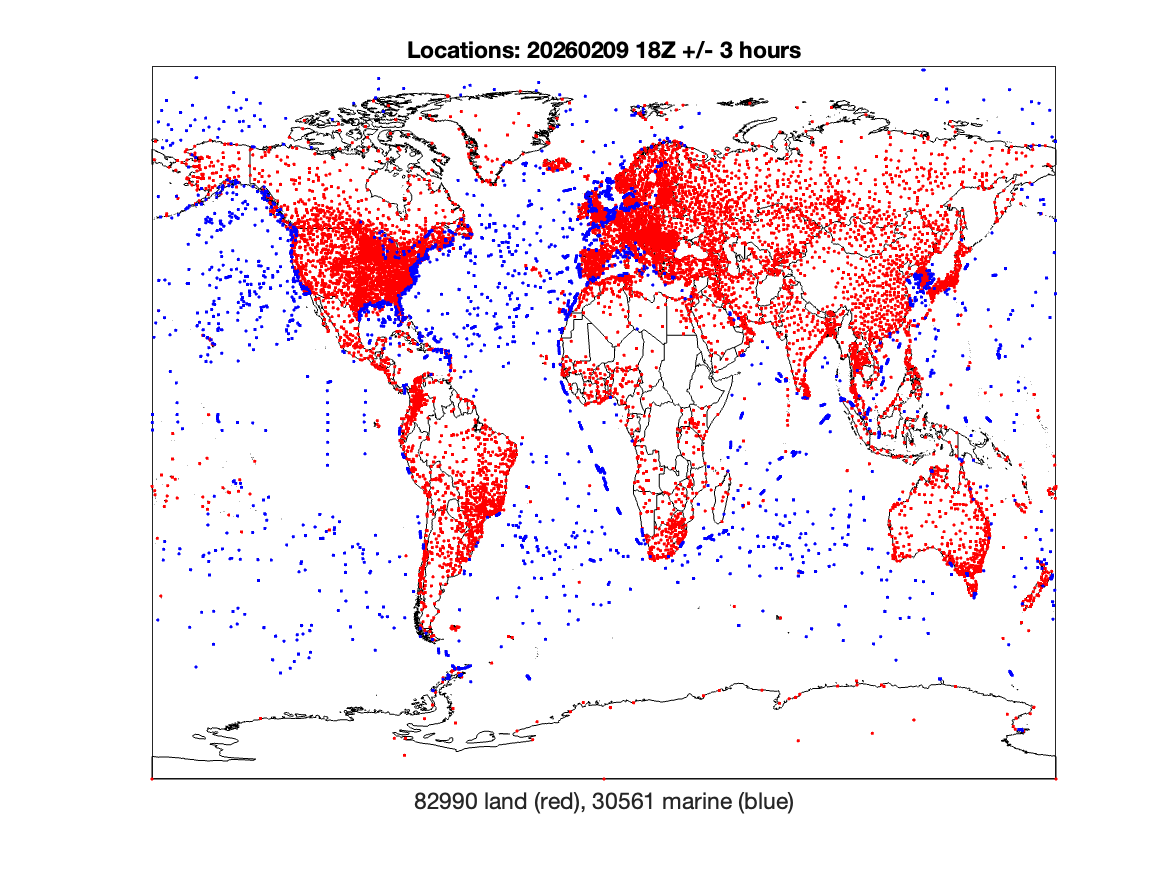
Certainly not the most important issue with the current situation in the Middle East, but there is a new Iran shaped hole in our surface weather observation network.
In this example, measurements of surface pressure fed into operational weather forecasts on 9th Feb and 9th Mar.
The decision by @NERCscience to scrap the UK's flying atmospheric laboratory (FAAM) after spending >£40M on an upgrade & with zero consultation, is short sighted. FAAM has saved the UK economy more than it costs through disaster response.
https://t.co/2ormcs4Tdu
The decision by @NERCscience to scrap the UK's flying atmospheric laboratory (FAAM) after spending >£40M on an upgrade & with zero consultation, is short sighted. FAAM has saved the UK economy more than it costs through disaster response.
https://t.co/2ormcs4Tdu
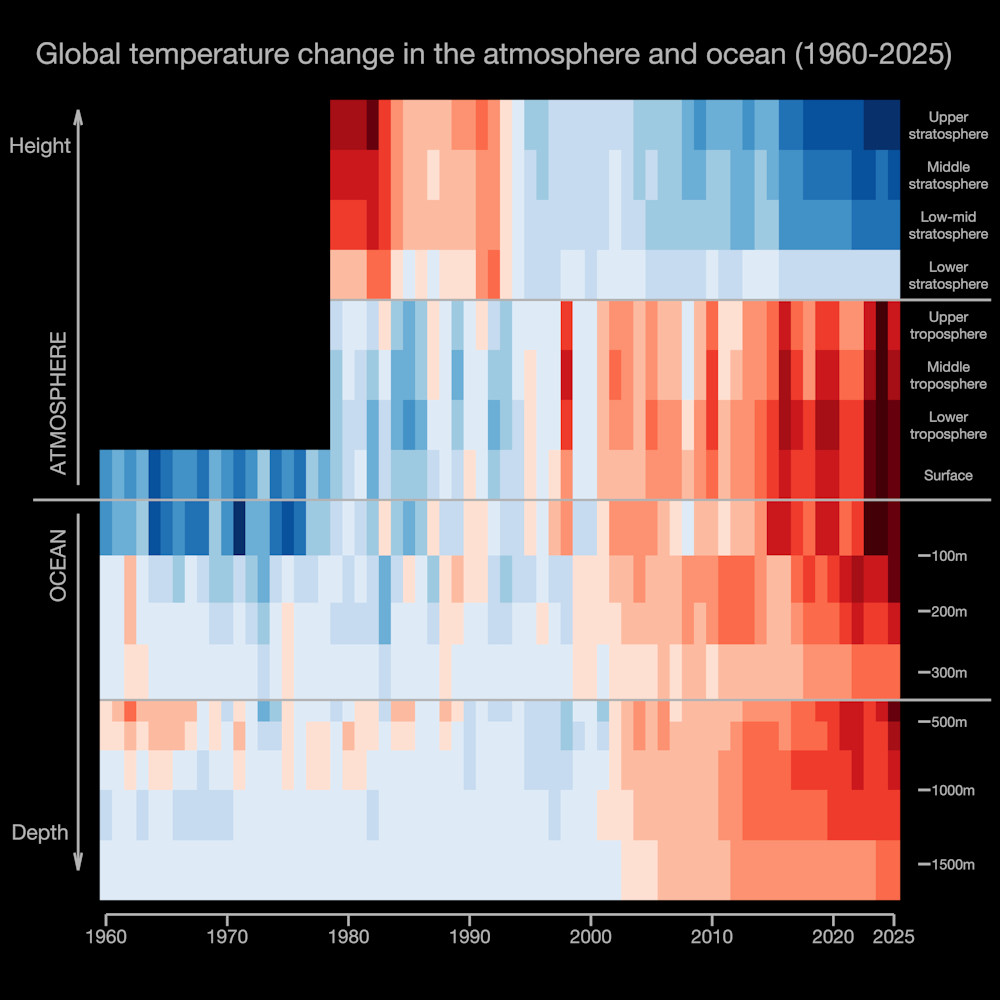
Climate 'fingerprints' mark human activity from the top of the atmosphere to the bottom of the ocean
See this article for details of why the lower atmosphere warms and the upper atmosphere cools, giving this human-induced warming fingerprint: https://t.co/UGWZbxF9o9
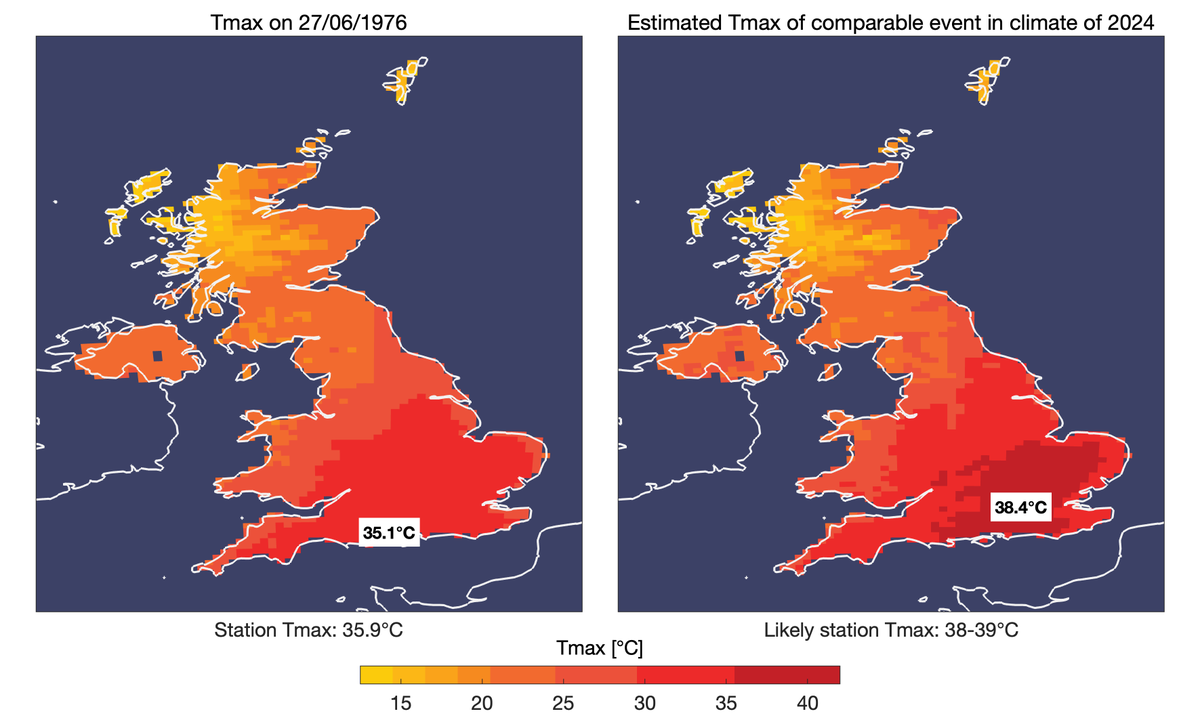
What would the hottest UK day of 1976 look like today?
35.9°C back in 1976 would be 38-39°C now.
The hot extremes are warming faster than the average for the UK.
https://t.co/1vPL802GuE
The summer of 1976: putting a very hot & dry summer into context
50 years on, the summer of 1976 is often misused by those wanting to downplay the risks from climate change as it still holds a small, but reducing, number of temperature records.
https://t.co/1vPL8028F6