No quería entrar al trapo, pero como siempre, se pierde el punto que Javi quiere compartir.
No va de si alguien cobra X o Y, o del ajuste del coste de vida. Va de ambición y de referentes. De ver que ciertas trayectorias existen y pensar: “yo también podría llegar ahí”.
Los comentarios demuestran el problema: en vez de preguntarnos cómo hacerlo posible, buscamos inmediatamente refutarlo. Es instintivo.
USA tiene muchísimos problemas, por supuesto. También tiene una desigualdad enorme. Pero esa desigualdad funciona en las dos direcciones: el suelo está mucho más abajo, pero el techo también está muchísimo más arriba.
España ha comprimido mucho más la distribución. El problema es que esa clase media no está subiendo. Está bajando.
Remote work has A LOT of problems. The biggest one is that people assume anyone can do it.
Everyone wants to wfh, but only a minority are self-motivated enough to thrive. That means you need better screening, more perf management, and ultimately better managers.
Overall, in-person (or at least same-timezone) is a lot less painful.
But when you get the people, processes, and culture right across 8–10 time zones, something pretty magical starts happening.
Otra de las señales de que España damos una pena tremenda y que enseña de forma práctica el porqué la gente no monta empresas:
Una empresa en un sector en ebullición como Freepik hace un ERE para adaptarse e incluso gente formada, "del sector", se asombra o aprovecha para tirar mierda.
Los despidos así forman parte del juego, tenemos que entender que estas empresas no son telefónica, que sí se puede permitir pagar (gracias al dinero de todos) unas prejubilaciones fantásticas. Aquí hay que moverse rápido porque en dos años te han reventado vivo y si no te adaptas, en vez de irse 100 a la calle, se van todos.
En una empresa de este tipo muchas veces apuestas, cuando no sale bien una de las cosas que pasa es que la gente se va a la puta calle, tristemente. La gente se piensa que haces estas mierdas porque eres un empresario despiadado detrás del beneficio. Menuda alegría es despedir a la plantilla, no te jode.
Somos gilipollas. Nadie se alegra de los despidos pero si no entendemos que hay un "mal necesario" cuando haces ciertas cosas, al final nadie hace cosas.
We’re now hiring in Spain! 🇪🇸
Madrid is our starting point, but we’re hiring remotely across the country. Explore 70+ open roles: https://t.co/ywKPy3PCSz
@javilop Yo tenía algo parecido para un tumor que he sufrido. Estos últimas semanas me ha gustado https://t.co/QHd50pn6yM igual os puede ayudar
cc/@elisenda_bou
🔴 NECESITO TU ATENCIÓN
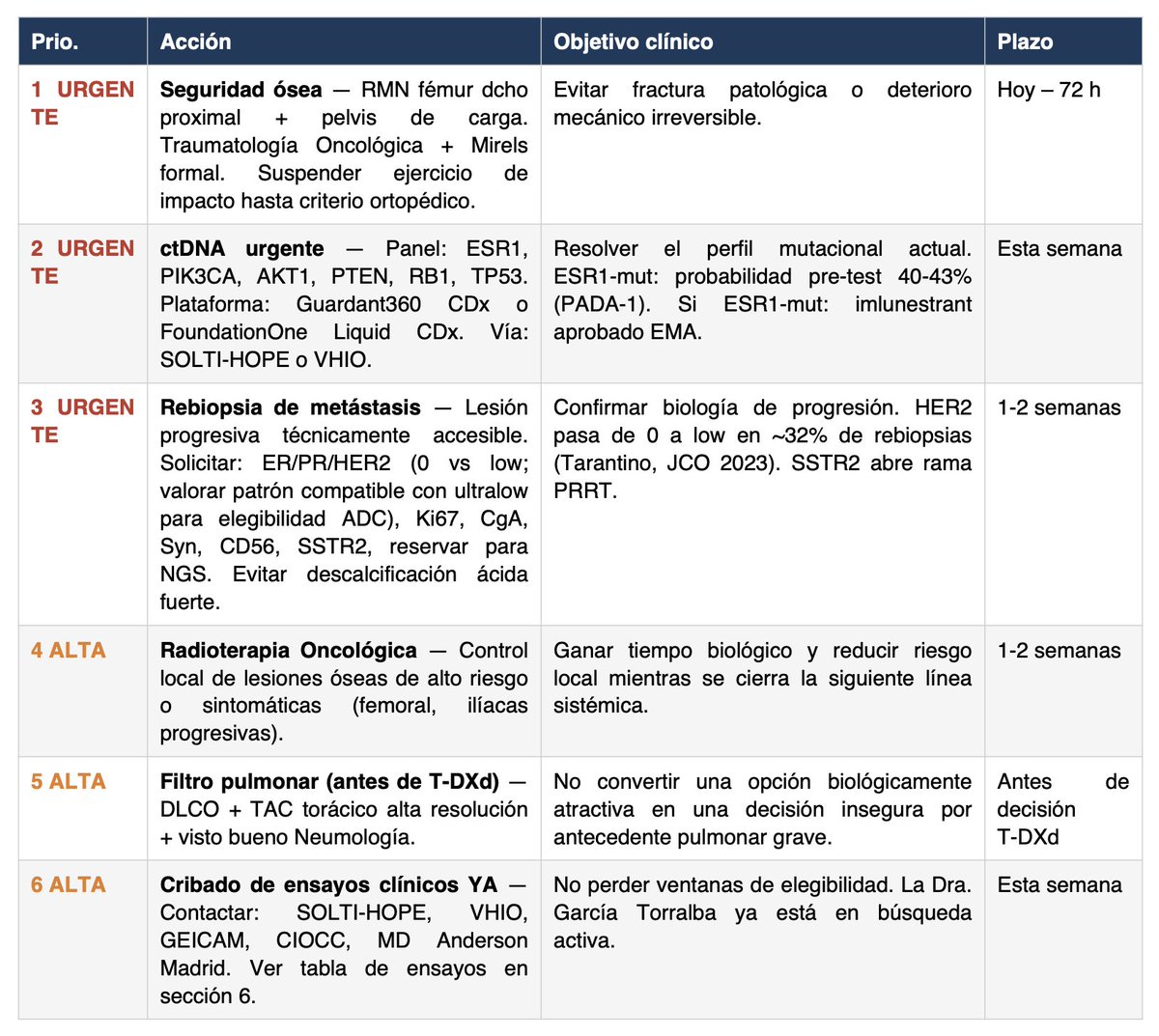
Llevo una semana ayudando a Miriam en su caso de cáncer metastásico y quiero compartir la metodología que he estado usando porque es absolutamente replicable.
Pienso que, con suerte, puede ser ÚTIL A OTRAS PERSONAS con cáncer (o con cualquier otra enfermedad).
Los resultados que hemos conseguido no son un milagro, pero pensamos que son realmente útiles y pueden significar una diferencia crucial en un caso médico de vida o muerte.
Aquí va paso a paso el método:
1/ Usar los modelos más avanzados del momento (por desgracia de pago, y no son baratos, opino que Sanidad Pública debería invertir en esto):
- ChatGPT Pro + Extended (40min de pensamiento aprox por llamada)
- Claude Opus 4.6 MAX
Pendientes de probar a fondo:
- Perplexity Sonar Pro
- Notebook LM
2/ Dárselo MUY MASCADO a la IA todo el historial. Esto parece una tontería pero es muy importante.
- Lo primero que pido, con Claude Cowork que tiene acceso al disco duro, es que entre en la carpeta en la que está TODO EL HISTORIAL (pueden ser más de 100 pdfs) y lo unifique todo en:
- Un único PDF (puede ser de más de 1000 páginas o lo que sea necesario)
- Un único txt legible, que debe hacer correctamente usando un script con OCR y luego comprobar con lupa que está bien hecho.
Insisto: no saltar al siguiente paso antes de tener muy bien hecho lo anterior, sobre todo el txt.
3/ Una vez tenemos lo anterior utilizar este prompt junto con el txt y el PDF como archivos de entrada y lanzarlo en AMBOS modelos (y en más si es posible) a la vez.
👉 Os lo dejo aquí, este prompt es increíble complejo/avanzado: https://t.co/KEEWc8WNvW Está pensado para el caso concreto de Miriam, pero con los modelos del punto 1/ podrías adaptarlo a tu caso particular sin problemas.
4/ La PUNTA DE FLECHA enfrentando un modelo al otro: esta metodología no la he escuchado a nadie, pero funciona increíblemente bien. La sensación es la de ir afilando una estaca hasta que adquiere una punta reluciente.
Funciona así: con paciencia y en sucesivas iteraciones (aconsejo mínimo 5 veces, y en en cuenta que si ChatGPT tarda 40min te va a llevar un buen rato) enfrenta el resultado (el PDF) de un modelo a otro. Con un prompt sencillo del estilo:
"Otro comité de expertos opina esto. ¿Cómo lo ves? Si estás de acuerdo o lo contrario dime por qué, y genera un nuevo PDF si lo ves preciso".
El resultado se lo cruzas al modelo contrario. Así, en sucesivas iteraciones, búsquedas de internet, papers, etc. irán encontrando y afilando más cosas.
¿Cuándo acabar? Cuando AMBOS modelos digan que está perfecto y no puedan mejorar más el trabajo del contrario. Esto es tan absurdamente rompedor que pienso que los resultados de TODOS los modelos actuales mejorarían si siguieran esta metodología (apoyándose en una espiral rollo "adversarial model". No entiendo por qué nadie se ha dado cuenta de esto, si lo ha hecho, por qué no se le da más bombo. Funciona impresionantemente bien en cualquier ámbito, inclusive programación y matemáticas.
Es mas, mi teoría es que esto podría hacerse todavía mejor haciéndolo no solo con dos modelos: sino con una mayor combinatoria, añadiendo quizás Perplexity Sonar Pro, etc.
RESULTADOS
Increíbles. Obviamente no puedo saber si mejores que el mejor de los comités científico-sanitarios del mundo, pero le están dando a Miriam una nueva dimensión del caso, tests adicionales que hacer, posibles pruebas, etc.
Obviamente la IA milagros no hace, pero pienso que puede ya, a día de hoy, ayudar a muchos pacientes. Y Sanidad Pública debería invertir mucho, pero mucho, en esto.
Voy a preguntarle a Miriam si puedo poner el PDF completo de resultados más avanzado que conseguimos, para que os hagáis una idea de su calidad. Ya me ha dado más o menos permiso, pero quiero asegurarme 100%.
recommended listening. some interesting thoughts in there, specifically wrt kids + education + agency + ai. i think it's easy to solve for the n=1 case, that is, your own kid, if you have the means and time as a parent.
the hard part is to make this work across all socioeconomic levels. our education system isn't set up for that. would be a tremendous economic unlock.
proposal is: llms become the 1:1 tutors. but that requires a driven kid, that actually asks questions. for such a kid, it doesn't matter if the tutor is another person, a book, a website, or an llm (tho person is probably best).
the problem is actually how to elicite curiosity in kids at scale.
https://t.co/0lSLnSBeTJ
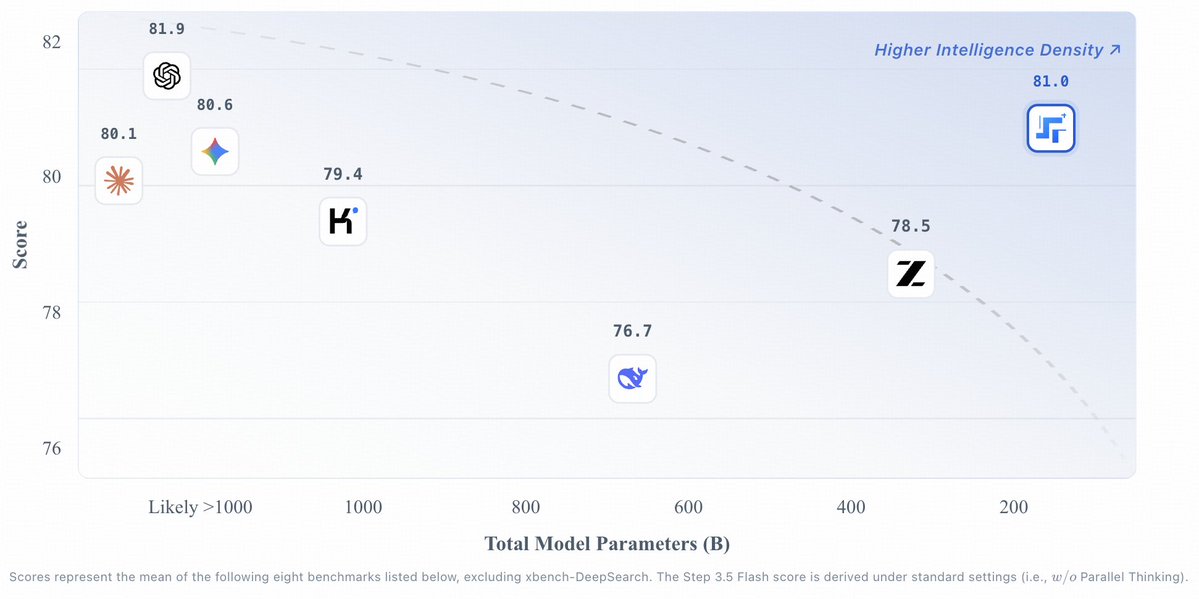
⚡️ Step 3.5 Flash is coming: Fast Enough to Think. Reliable Enough to Act!
We’re dropping our most capable open-source foundation model yet. Frontier reasoning meets extreme efficiency.
It leverages a sparse Mixture of Experts (MoE) architecture, 196B total → 11B active.
Key Capabilities:
✅Reasoning at Speed: MTP-3 powered throughput at 100–300 tok/s (350 tok/s peak for single-stream coding tasks).
✅Agentic Power: ⚡️ 74.4% SWE-bench Verified ⚡️ 51.0% Terminal-Bench 2.0. Proven stability for complex, long-horizon tasks.
✅256K Efficient Context: 3:1 SWA ratio + Full Attention. Massive datasets or long codebases support with minimal overhead. Consistent performance, hybrid efficiency.
✅Local-First Deployment: Optimized for Mac Studio M4 Max, NVIDIA DGX Spark. Secure, private, and frontier-capable. Your data, your hardware, your agent.
You can try Step 3.5 Flash right now:
👉 OpenRouter: https://t.co/MRDG3R4F64
👉 GitHub: https://t.co/qqmpslxK9t
👉 HuggingFace:https://t.co/y70Qzsc8DE
👉 Blog:https://t.co/rMH67kYmvA
👉 ModelScope: https://t.co/T4W7we5GEr
🌌 The Next:Step 4 training is officially LIVE!
We're calling on the world's boldest builders to co-creat the Step 4 right now. Let's define the Agentic Era together!
Join our Discord:https://t.co/NJJhxnjqfO
@bcherny quick question, there is no way to use templates for Plans, no?
Sometimes I ended using two kind of plans, and I would love to know if it's possible. Also, to keep always the same format and dealing better with them.
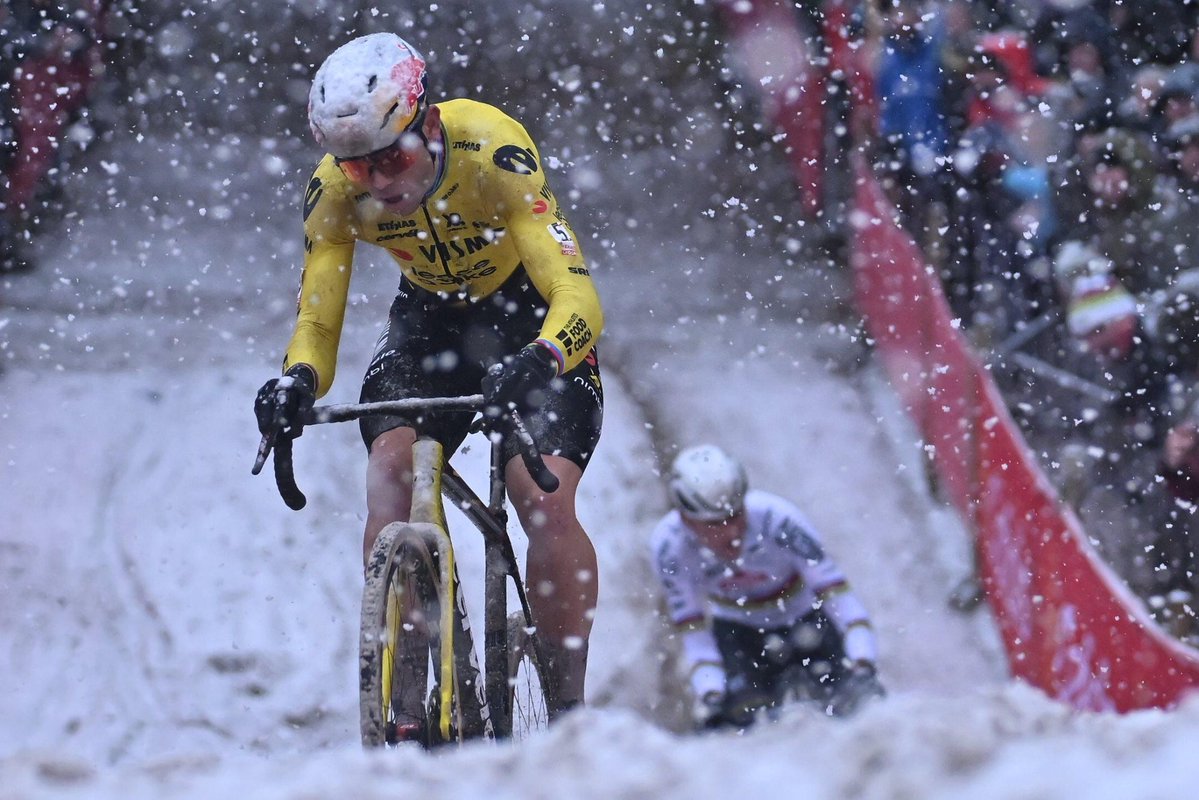
After his crash in the cyclocross race in Mol, Wout van Aert sprained his ankle and sustained a small fracture. He will undergo surgery on Saturday, after which he will focus on his recovery. Unfortunately, this means his cyclocross season is over.
“Of course I am very disappointed to have to end my cyclocross season like this,” Van Aert says. “I was feeling better and better, including today in Mol. I was really looking forward to the race in Zonhoven and the Belgian Championships. But my focus will now be on recovery and, later on, the preparation of the road season.”
@veryboldbagel hi!
Quick question, on the new middleware classes, on after_model/after_agent, if we add a human message is a way to returning to the beginning? It always go to the end.
Thanks
Wout van Aert to ‘The Athletic’:
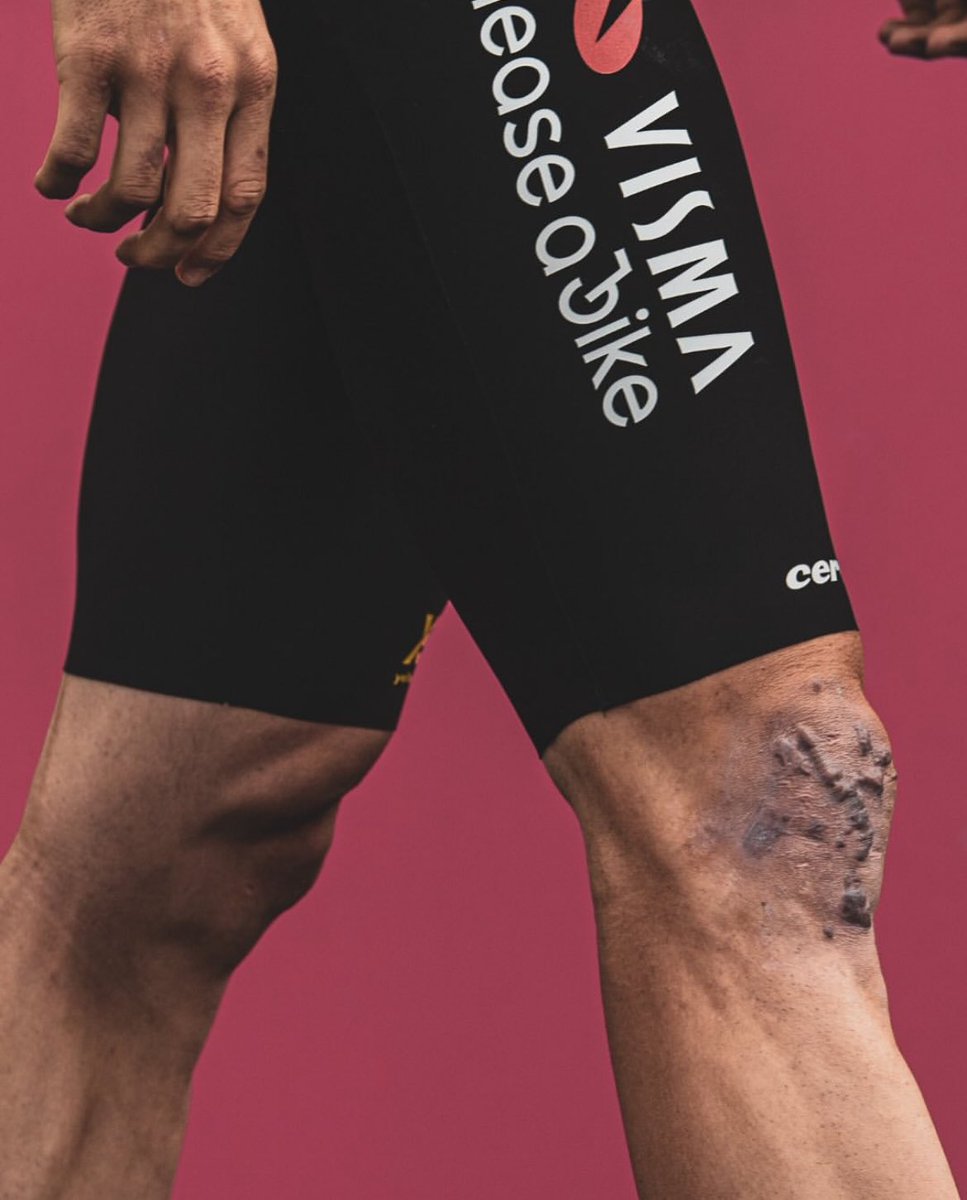
“Luckily, a lot of my scars are covered when I wear cycling kit, because, unfortunately, there are a lot of them. The knee looks pretty bad. And that makes it a little more difficult, because every time you look down, it reminds you of what happened before. I'm not really seeing it and dramatically thinking: 'Wow, look at me, I'm proud'. Sometimes it's harsh because it's there every moment of the day.”
“When you’re younger, when you’re twenty years old, you don’t even really think that you’ve been crashing. But then after a couple of injuries, you understand what it’s like. Every injury gets more complicated, and it doesn’t help when you get a family and have children.”
“The start of the Giro was complicated for me, especially being a bit sick before. So with all these things summed up, the Siena win was a bit more emotional than usual.”
About Champs Elysees win… on television, it always looks pretty clear what’s going on. But in the moment itself, I could not hear anything. At points, on parallel sections, I was passing groups and they were shouting on their radio to support me. But every time the radio was open I just thought, f***, they are there, I couldn’t look back properly with the rain and motos behind me. It was only on the final straight that I could believe I was so far in front.”
“Tour of Flanders and Paris-Roubaix… they would mean the world to me. I feel already that I’ve been chasing them my whole career. But I’m still chasing them.”
📷: pocispix
@joantubau viendo el podcast de hoy, y lo de salirse del mercado para tener opciones, igual deberías hacer un podcast con Carlos Verona, por lo que cuenta aqui:
https://t.co/PTW3JXm89Y