2. It’s OK to have bad days (or longer). Going through tough times is more common than you might think. You’re not alone in how you feel and there’s no shame in it.
1. You won’t feel like this forever. It might not seem like it now when you’re in the thick of it, but feelings do change and not every day will be this hard. Talking, even a little bit could help, could help lighten the weight you’re carrying.
Right, we all know Blue Monday isn’t real and our mental health doesn’t fit neatly into a calendar. But as it’s trending again this year, we’ll use this moment to share some words that could hopefully bring comfort when tough days do happen.
Retweet to help us get real info out.
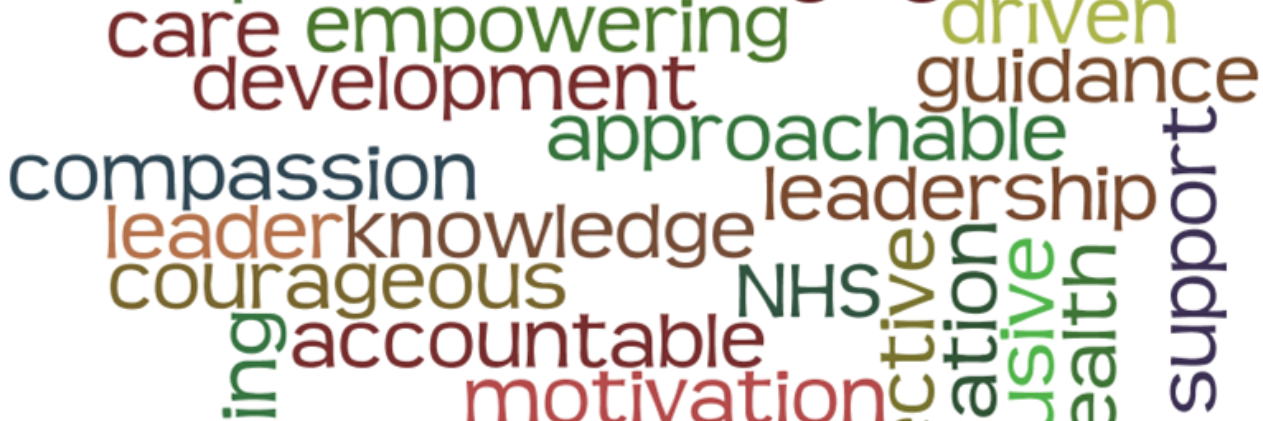
Unlock the power of collective problem-solving with Action Learning Sets. Learn how to facilitate these dynamic sessions and drive real change within your team.
#NHS#Leadership#ActionLearning
Discover More: https://t.co/ocHK9PGrGt
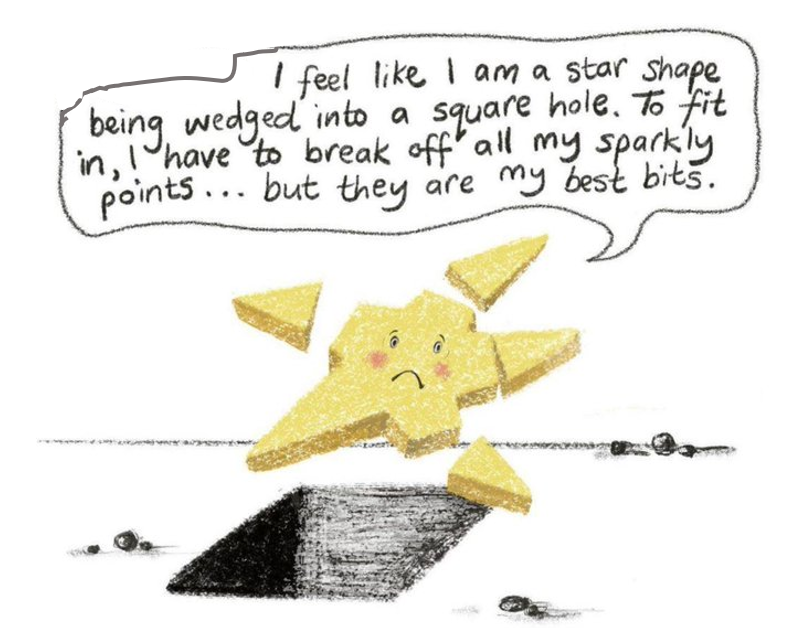
How to say no. A superb article: "In a world that often values compliance over authenticity....we find ourselves entangled in a web of obligations, constantly saying yes to requests that may not align with our true desires or priorities. Yet, buried beneath the layers of societal expectations & internalised guilt lies the power to reclaim our autonomy".
This article explains:
- the reasons why we always say yes
- why we should learn to say no
- how to recognise when not to say yes
- tips for learning how to say no
- different (positive) ways of saying no
- how to deal with unwelcome responses
https://t.co/T4jymB3H4m. By @LauraCopleyLPC. I paired it with a graphic on the same topic by @donnellycss.
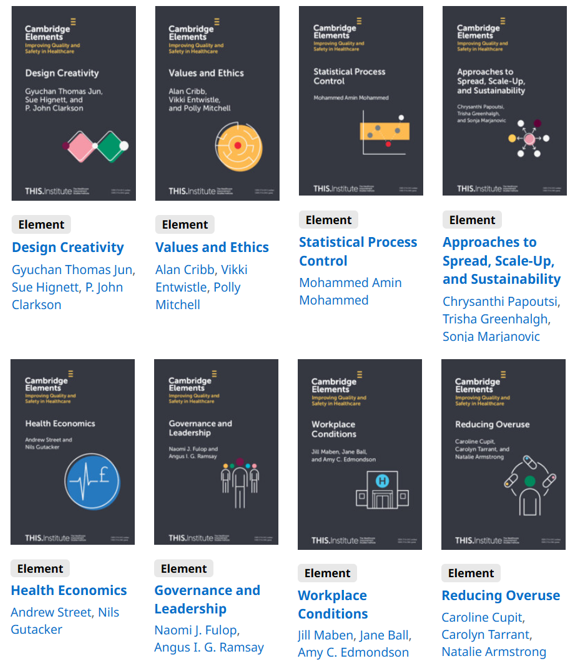
I want to help make sure people in the leadership & practitioner communities know about the "Cambridge Elements" series on major approaches to improving quality & safety in health & care. They're written by leading authors & free to all. In date order:
1) Design creativity (coming soon)
2) Values & ethics (coming soon)
3) Statistical process control
4) Approaches to spread, scale-up & sustainability
5) Health economics
6) Governance & leadership
7) Workplace conditions
8) Reducing overuse
9) Simulation as an improvement technique
10) Implementation science
11) Operational research approaches
12) Making culture change happen
13) Collaboration-based approaches
14) Co-producing & co-designing
15) The positive deviance approach
https://t.co/Cet2bcouoD.
Edited by @THIS_Institute, published by @CambPressAssess. Thank you @MaryDixonWoods
Building a sense of belonging is one of the most important factors in improving performance & productivity. Research in @HarvardBiz showed high belonging was linked to a 56% increase in job performance. By fostering an environment of acceptance, understanding & appreciation for the unique talents that each person brings, we can help everyone feel like they belong: https://t.co/Yd4gktPAka. A new article by @inspiredleader. I've paired it with a graphic via @mme_hopkins
It’s #EndometriosisAwarenessMonth.
In this video, we explain how endometriosis is diagnosed, what you can expect at your first GP appointment, and what happens if you are referred to a gynaecologist for further help.
https://t.co/ENC6itCDqH
#RamadanMubarak to those who are observing this month. @NHSEmployers have published guidance explaining what the holy month means and how to provide support for #OurNHSPeople. Find out more: https://t.co/7rp6IegpRd
1/2: Happy International Women’s Day to all the brilliant women working in the NHS! Women make up 76% of #OurNHSPeople. Support for women should not be limited to only one day. We must continue to work towards delivering the best experience for women across the NHS. #IWD2024
Flattered to have been nominated for a Shine award this #InternationalWomensDay for leadership. It is literally my specialism, so feels special to be recognised for practising what I preach. We lift as we rise and we shine together 💫