Judgment has been given this morning in the matter of For Women Scotland Ltd (Appellant) v The Scottish Ministers (Respondent) UKSC 2024/0042: https://t.co/QGmrliNOsG
Judgment has been given this morning in the matter of For Women Scotland Ltd (Appellant) v The Scottish Ministers (Respondent) UKSC 2024/0042: https://t.co/QGmrliNOsG
We are hugely grateful to @ForWomenScot for bringing this case.
At great personal cost, they have provided women in the UK with essential clarity about the way equality law works. Their bravery cannot be overstated.
It’s been a long road and we have been proud to intervene on their side in the Supreme Court along with the lesbian intervenors.
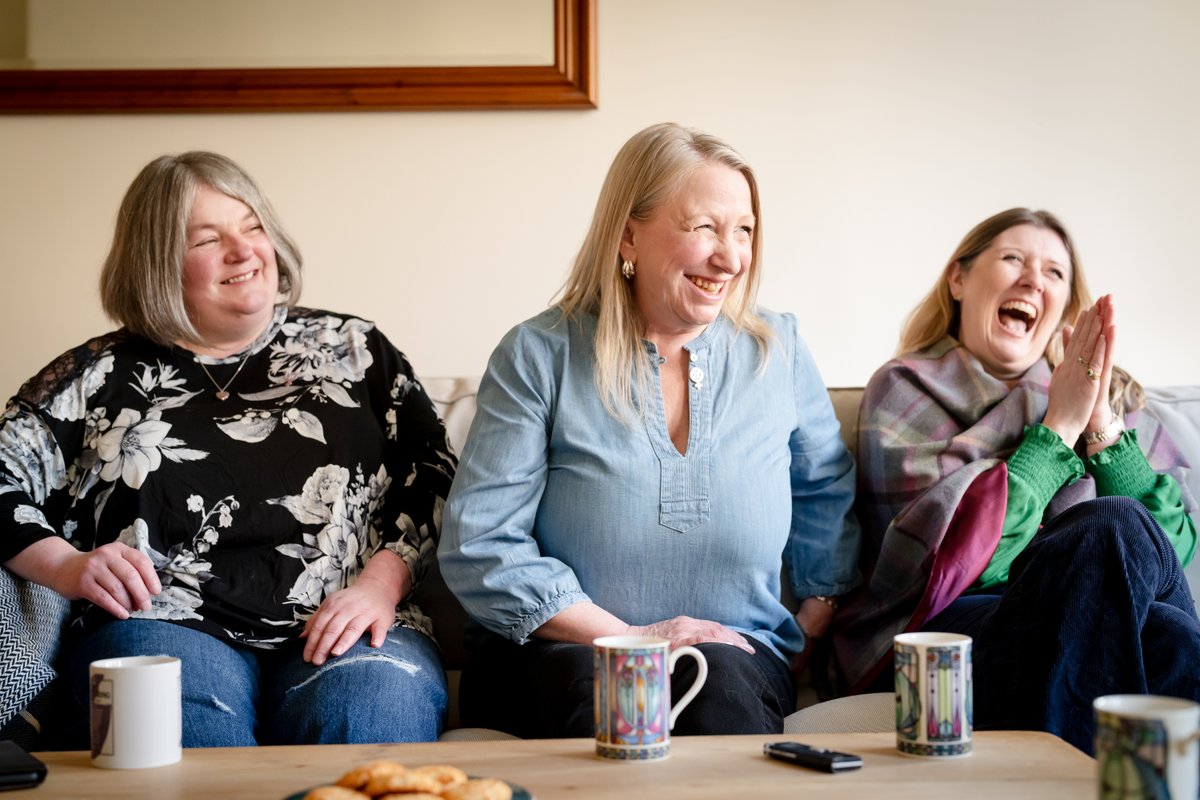
Photo credit: @Anna_Moffat
This is what a strong woman and a weak man looks like.
This woman can look her future daughters and granddaughters in the eye and tell them she took a stand for their rights.
Sigh.
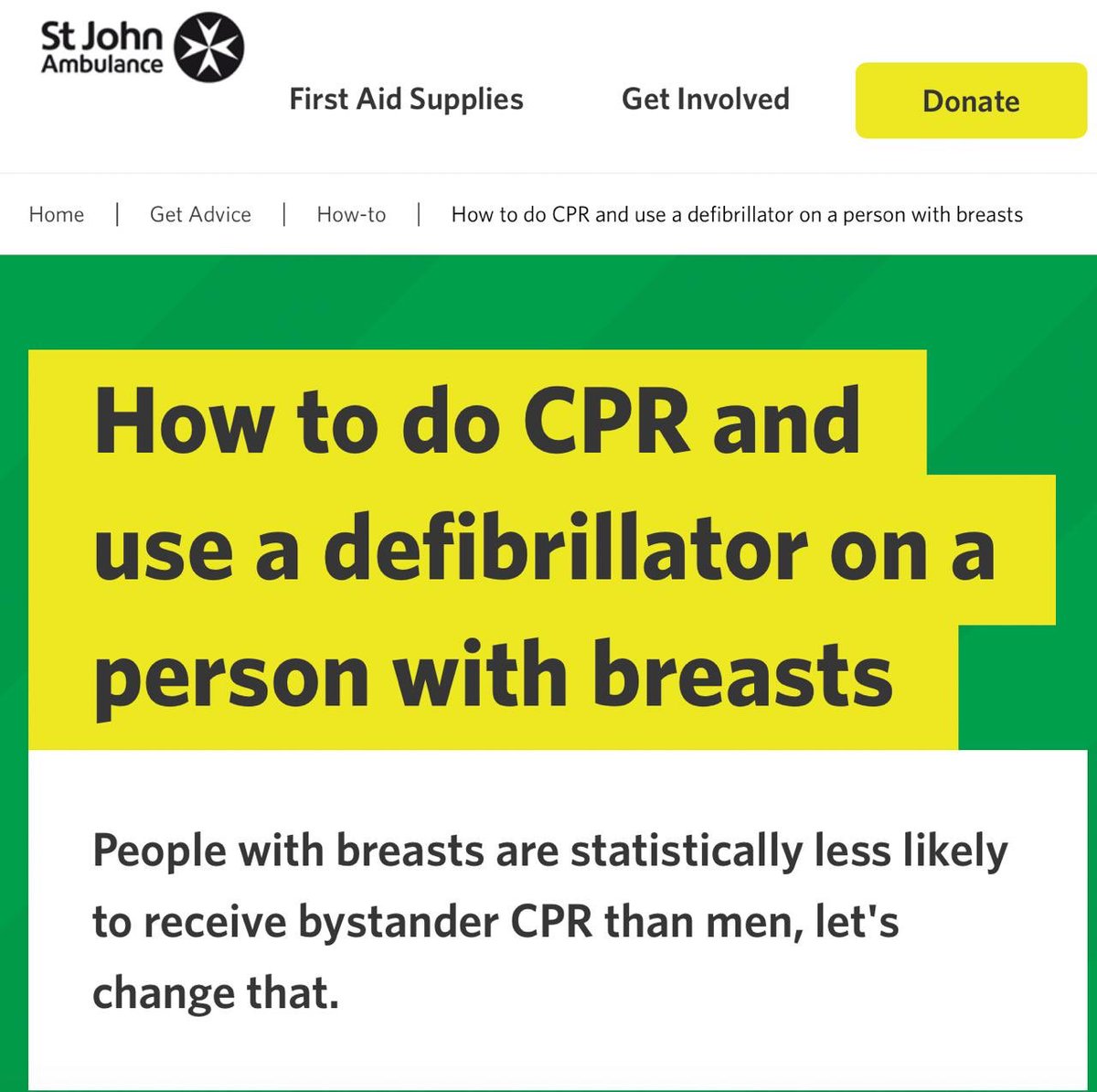
Immediate medical treatment is required for @stjohnambulance. They’ve developed chronic amnesia and forgotten the word for half the population.
Those ‘people with breasts’ are women They have no problem with saying ‘men’ so why don’t we merit the same respect?
Day 9 Peggie v NHS Fife & Dr Upton – Afternoon Session
Science Denied, Due Process Ignored – NHS Fife’s Trainwreck Continues
If Esther Davidson thought she could navigate Naomi Cunningham’s cross-examination with vague answers and corporate doublespeak, today proved otherwise. The afternoon session exposed not only NHS Fife’s blind adherence to gender ideology, but also the complete failure of the so-called investigation into Sandie Peggie’s treatment. Under pressure, Davidson tied herself in knots trying to avoid defining what a woman is, while simultaneously admitting that NHS Fife’s handling of Peggie’s case was riddled with bias, incompetence, and a blatant lack of due process.
The most embarrassing moments came when Cunningham forced Davidson to confront the simple question of what makes someone a woman. The exchange was excruciating. Does growing long hair make someone a woman? No. Does wearing makeup? No. Does dressing in women’s clothes? No. But when Cunningham asked, "So what does?", Davidson panicked and pivoted to the standard ideological script, insisting that if a man identifies as a woman, then he is one. The shift was immediate and obvious. Up until that moment, she had been answering questions logically, but now, when faced with the core contradiction of NHS Fife’s position, she abandoned reality entirely.
Cunningham didn’t let her off the hook. If “identifying” was all it took, then what objective criteria exist to define a woman? Davidson floundered. She mumbled about respecting beliefs and not being an expert, but could not explain the policy she was defending. At one point, Judge Alexander Kemp intervened, trying to soften the blow by stating that Davidson wasn’t a biology expert. But that wasn’t the issue—Cunningham wasn’t asking for a scientific thesis, she was asking a senior NHS official to say out loud that women are female. And she couldn’t do it.
With NHS Fife’s core argument now in tatters, Cunningham turned to the practical consequences of ignoring sex. Davidson initially claimed that biological sex had no relevance in medicine, but under questioning, she was forced to admit this was false. Blood tests, heart attack markers, medication dosages, and even basic diagnoses all rely on knowing whether a patient is male or female. Bizarrely, she insisted that pregnancy was the only medical issue where sex mattered, prompting the judge to intervene again to clarify that she was speaking from ignorance rather than fact. The irony was staggering—an NHS official, pushing policies that erase biological sex, openly admitting she didn’t understand the medical implications of doing so.
But the biggest collapse came when Cunningham turned to the utter failure of the investigation (IX) process. If NHS Fife was hoping to maintain the illusion that Peggie had been treated fairly, Davidson destroyed it herself. She admitted that NHS Fife condemned Peggie before she was even identified as being involved. On December 30th, Dr. Beth Upton’s supervisor, Kate Searle, had already “condemned” Peggie’s actions—despite the fact that, at that stage, Upton’s version of events had been the only one heard, and Peggie hadn’t even been spoken to. Under cross-examination, Davidson had to acknowledge that this was premature and entirely one-sided.
The process only became more absurd when Cunningham revealed that Davidson had no experience in conducting an investigation, no training, and had only been in her role for three weeks. Yet she was suddenly responsible for leading the inquiry that would decide whether Peggie lost her job. When asked why it fell to her, she couldn’t provide a real answer, other than stating she was the clinical nurse manager. This was not a serious, structured process—it was a rushed, pre-determined exercise in justifying Peggie’s removal.
Perhaps the most damning moment came when Cunningham exposed the so-called patient safety allegations—the “missing patient” and “resus” incidents, which had been repeatedly cited as serious concerns. Under questioning, Davidson admitted that no patient had actually been harmed, that these incidents hadn’t been flagged as urgent at the time, and that they were only suddenly treated as major problems after Peggie had objected to Upton in the changing room. If these were genuine safety concerns, why hadn’t they been investigated immediately? Why were they only brought up when NHS Fife needed a reason to suspend Peggie? The answer was obvious: they were looking for something—anything—to justify their actions after the fact.
Cunningham then delivered the final blow. If Peggie had truly refused to work with Upton out of prejudice, as was claimed, then it would have been career-ending. She walked Davidson step by step through the consequences—if Peggie had walked out of resus because she couldn’t work with Upton, she would have been struck off and fired. Davidson agreed. But then came the problem—no one had actually investigated whether it was true before she was suspended. NHS Fife simply took Upton’s word for it and punished Peggie accordingly.
By the end of the day, Davidson’s credibility was in tatters. She had admitted that she could not define what a woman is, could not justify NHS Fife’s policy, could not explain the medical consequences of ignoring sex, and could not defend the way Peggie had been treated. The tribunal room had become a graveyard for NHS Fife’s credibility, with Cunningham standing over the wreckage, methodically ensuring that every contradiction was exposed and every weak justification dismantled.
Tomorrow, Cunningham will finish what she started. If today was anything to go by, Davidson will not last much longer under scrutiny, and the tribunal’s patience with NHS Fife’s evasions is already wearing thin.
@MindCharity Amazing! A 13 tweet thread about the menopause that doesn't once mention WOMEN, the "people" who actually go through the menopause. Get a grip, Mind.
‘This change is a small victory for those who bleed and for the students at Neale-Wade Academy’
Appalling, erasing language from @bloodygood__
@BBCNews also fails to say ‘girls’
Women and girls are not bodily functions. https://t.co/tx0EpRqK5W
I repeat:
To be crystal clear.
There is no human right for males to play in female sport.
This is an asymmetric rights claim benefitting males with trans identities & athletes with disorders of male sexual development.
Female people have human rights too.
Oh no, @EndometriosisUK. A long thread describing the effects & symptoms of this serious condition….without even mentioning girls or women🙄. Erasing sex avoids the fact that *female* healthcare is under-resourced & *girls*’ pain under-estimated.😡
https://t.co/sEalkn1eVH
Interesting that the activist-popular phrase ‘assigned female at birth’ goes out of the window when discussing athletes to whom it actually applies.
Now they are ‘born female’ according to the IOC and all those onside with it.
@iocmedia - they were ‘assigned female at birth’