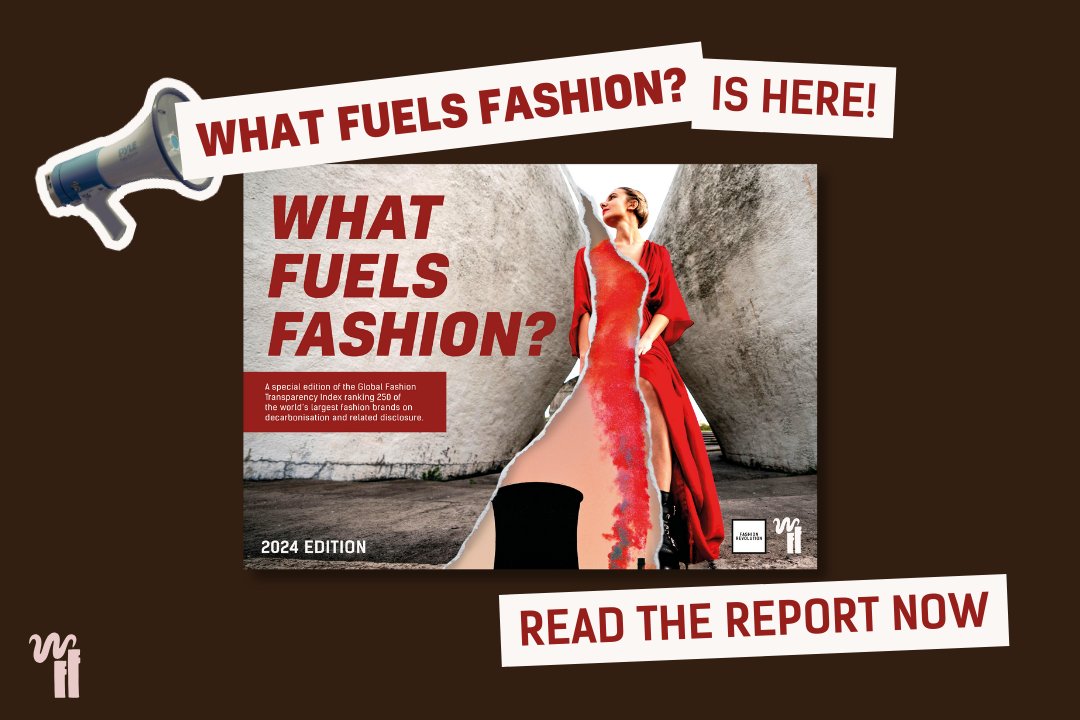
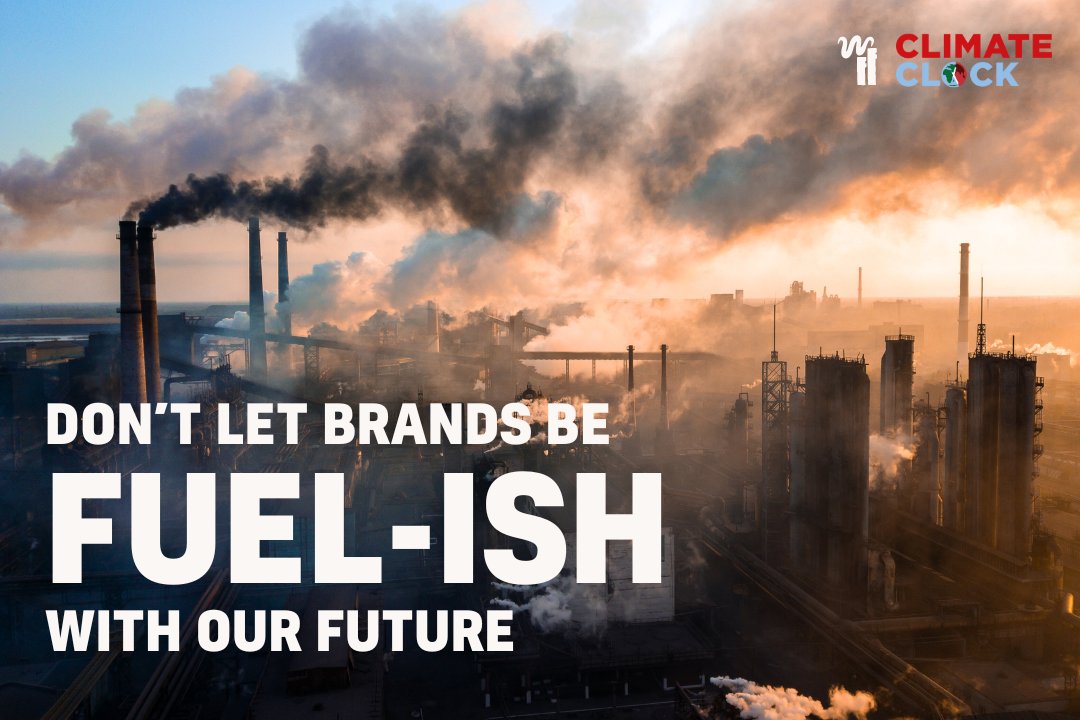
#WhatFuelsFashion is finally here! 🏭
It is more urgent than ever before to move away from fossil fuels. Yet brands are not acting fast enough to curb their emissions and invest in clean, renewable, energy 🚨📈
Read the full report now at https://t.co/EHhoz0u1o4
Our new research shows that no major fashion brand has developed a decarbonisation strategy that meaningfully integrates workers’ rights.
It is imperative brands set out a clear pathway for decarbonisation based on social dialogue and negotiation with suppliers and workers.
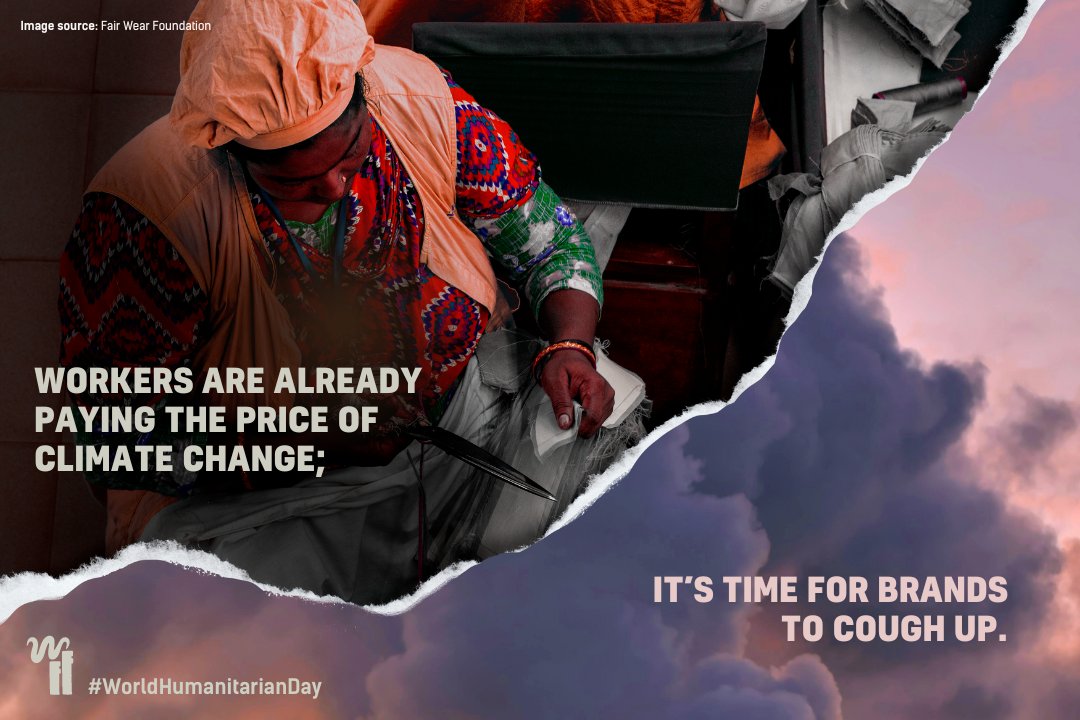
The people who make our clothes are on the front lines of a crisis they didn’t cause 🪡🌎
✉️ Send an email to the world’s largest fashion brands and tell them to put their money where their emissions are!
https://t.co/02GNiTeMG2
#WhatFuelsFashion#WorldHumanitarianDay
How can suppliers navigate the evolving legislation landscape? 🏭
Big brands have made ambitious promises for sustainability, but the work of addressing the fashion industry’s impact disproportionately falls to their suppliers.
Read more: https://t.co/H9e2umftj4
Our clothes are fuelling environmental breakdown and global disaster 🚨
We are calling on brands to invest at least 2% of their revenues into a clean, fair and just energy transition.
📣 Take action at https://t.co/EHhoz0u1o4
#WhatFuelsFashion#DontBeFuelish
Catch up on our talk at the Hope: Weaving Communities Together seminar, where we discussed holding brands accountable, making loved clothes last and the power of collective action 🌱✊💗
Watch the conversation now: https://t.co/RWeulyElq8
#ECCItaly#PersonalStructures
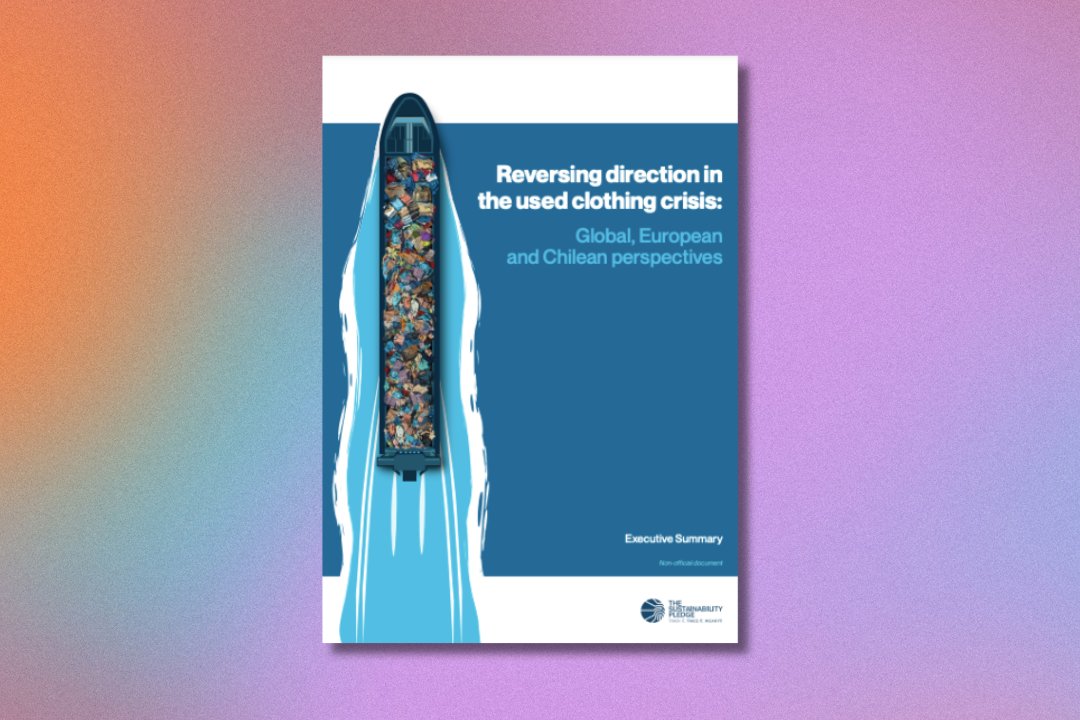
New report from the UN calls for action on clothing waste 👗🗑️🌎
The report claims that the EU is lagging behind on its efforts to curb the impacts of secondhand clothing exports on communities affected by waste colonialism.
Read the report: https://t.co/dEnDPYpmcC
Human Rights Watch is calling on the ILO to denounce threats against Cambodian labour group CENTRAL, following the publication of their Freedom of Association Report.
Read more: https://t.co/Di8TURdZEt
Secondhand shopping is surging! 🛍️🇬🇧
A survey reveals that 77% of Britons have purchased pre-owned clothing in the past year.
Buying pre-loved, secondhand and vintage is so important to reduce clothing waste and make #LovedClothesLast ❤️
Read more: https://t.co/jQApyNW5fa
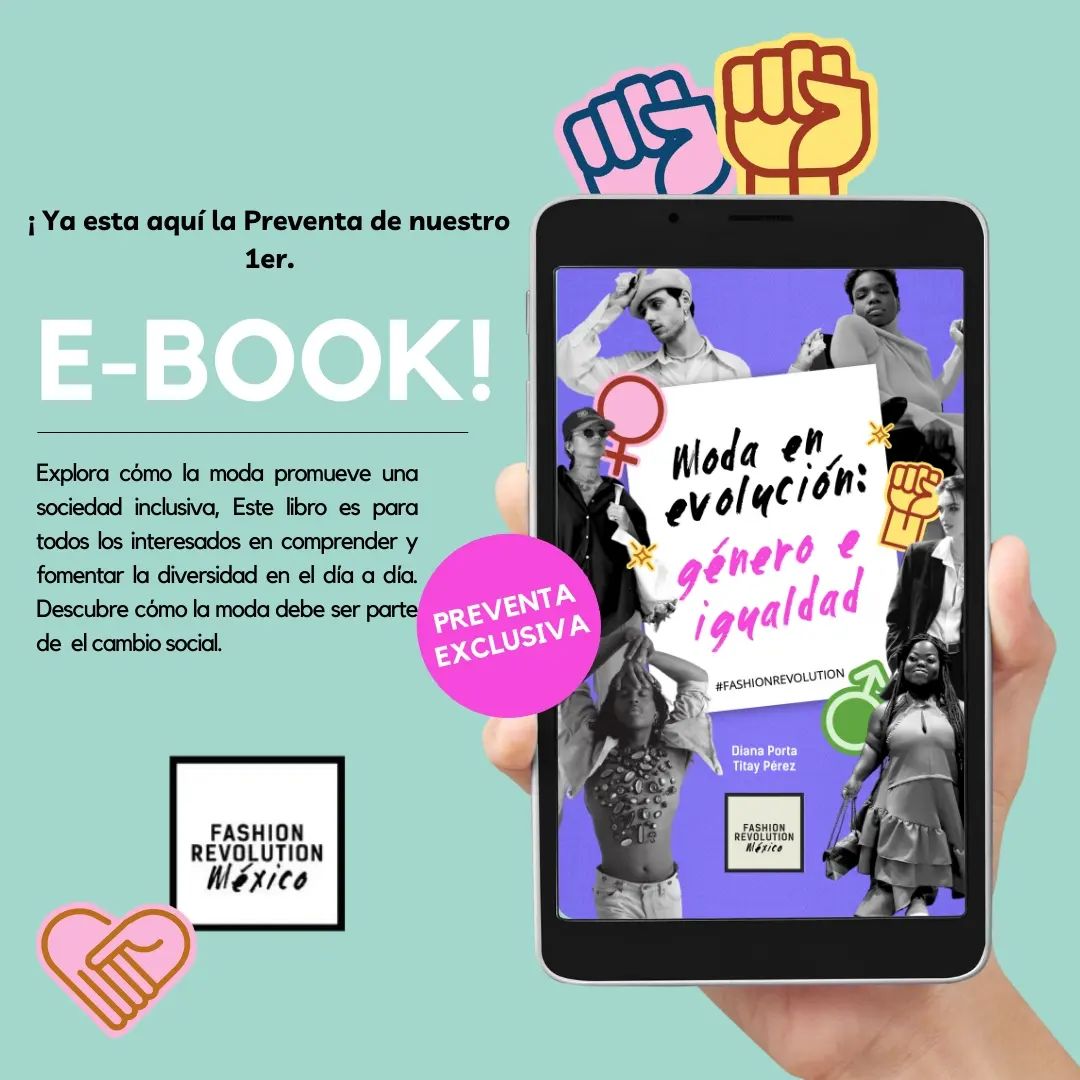
@Fash_RevMexico are pleased to announce the pre-sale of their first eBook: "Moda en Evolución: Género e Igualdad" (ESP) 🇲🇽📚
Message the team on Instagram to pre-order: https://t.co/ovluzw0Tkb
Need a new outfit? Try the library! 📚
Last winter, Dover Public Library offered an alternative to buying new by lending clothes.
The project was designed to encourage a shift in behaviour, bridging the gap between buying and borrowing.
Read more: https://t.co/6TGHrvXQyl
The people who make our clothes are already suffering from the impacts of the climate crisis 🪡🌎🚨
As dangerous, record-breaking heat waves hit some of the biggest production hubs, they underscore a challenge the industry is not prepared for.
Read more: https://t.co/trc3t53jDE
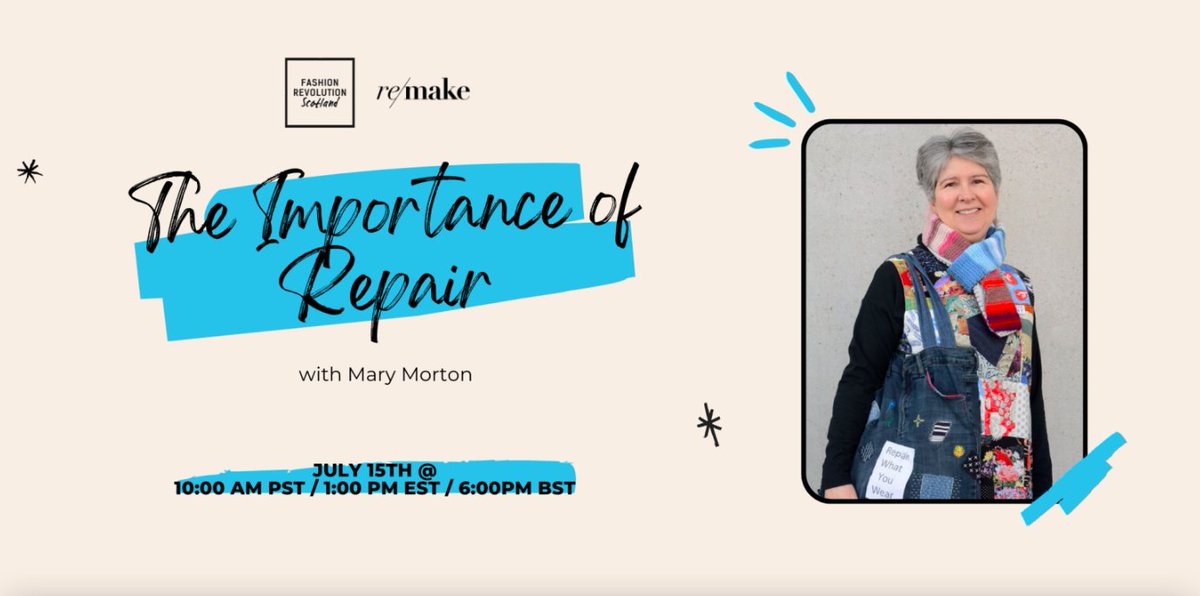
Online: The Importance of Repair 🪡🏴
Join @Fash_Rev_Scot and @remakeourworld as they hear from sustainability legend, Mary Morton. Learn about local action, how repair is an important part of #NoNewClothes and how we can sustain local initiatives!
RSVP: https://t.co/nBqx90LOU5
Is the EU about to give synthetic fibre makers a competitive advantage? 🛢️⚖️🌱
The proposed Green Claims Directive has been designed to to stop greenwashing. But farmers and their supporters claim that the policy unfairly favours synthetics.
Read more: https://t.co/nvQ0njjnkb
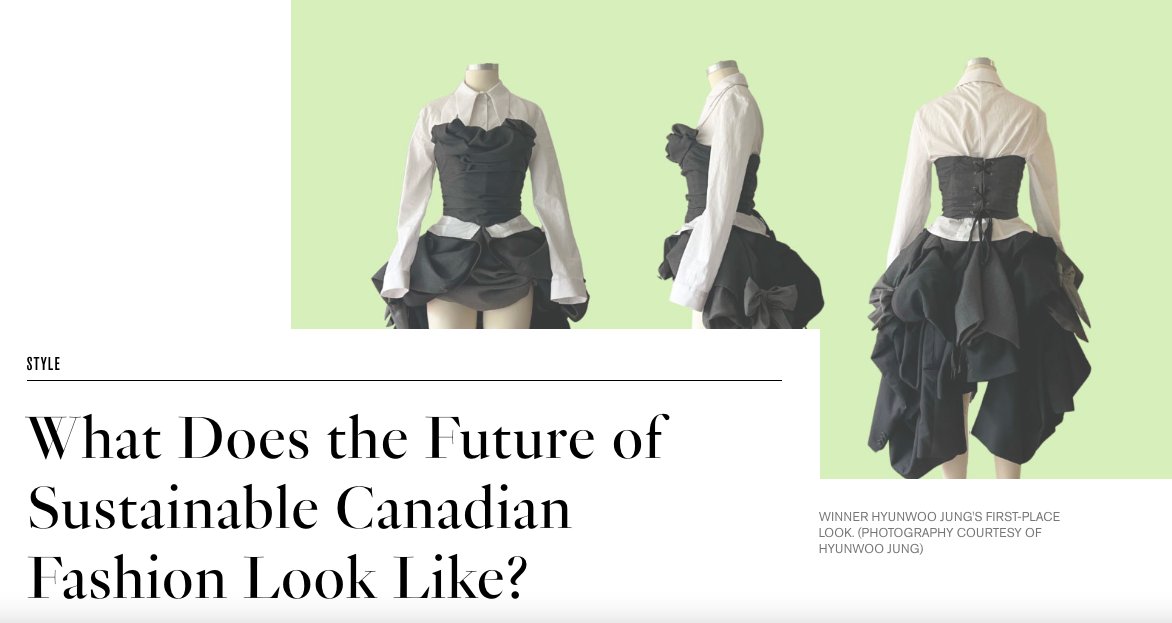
Meet the three winners of @Fash_RevCan Student Upcycling Challenge! 🇨🇦♻️👗
The winning designs featured exceptional technical skills and made use of numerous types of source materials ranging from bed sheets to shopping bags.
Read more: https://t.co/0MWjQjoDOz
Threads of Opportunity: Good Work for Refugees in the Fashion Industry
The UK textile industry has been vocal about skills shortages. This paper advocates for bridging the skills gap in the industry with the skills owned by refugees in the UK.
Read more: https://t.co/sVkJVGteGn
Shoppers want fashion from sustainably managed forests. Brands are letting them down 🌲
Just 12% of brands publish commitment to zero deforestation. Its unsurprising that only 25% of consumers believe that brands are addressing their concerns.
Read more: https://t.co/Qe9GjRno5s
A new report from @BHRRC & @cleanclothes finds that suppliers are undermining trade unions and blocking meaningful dialogue with workers.
Read more: https://t.co/RefUc2mArs