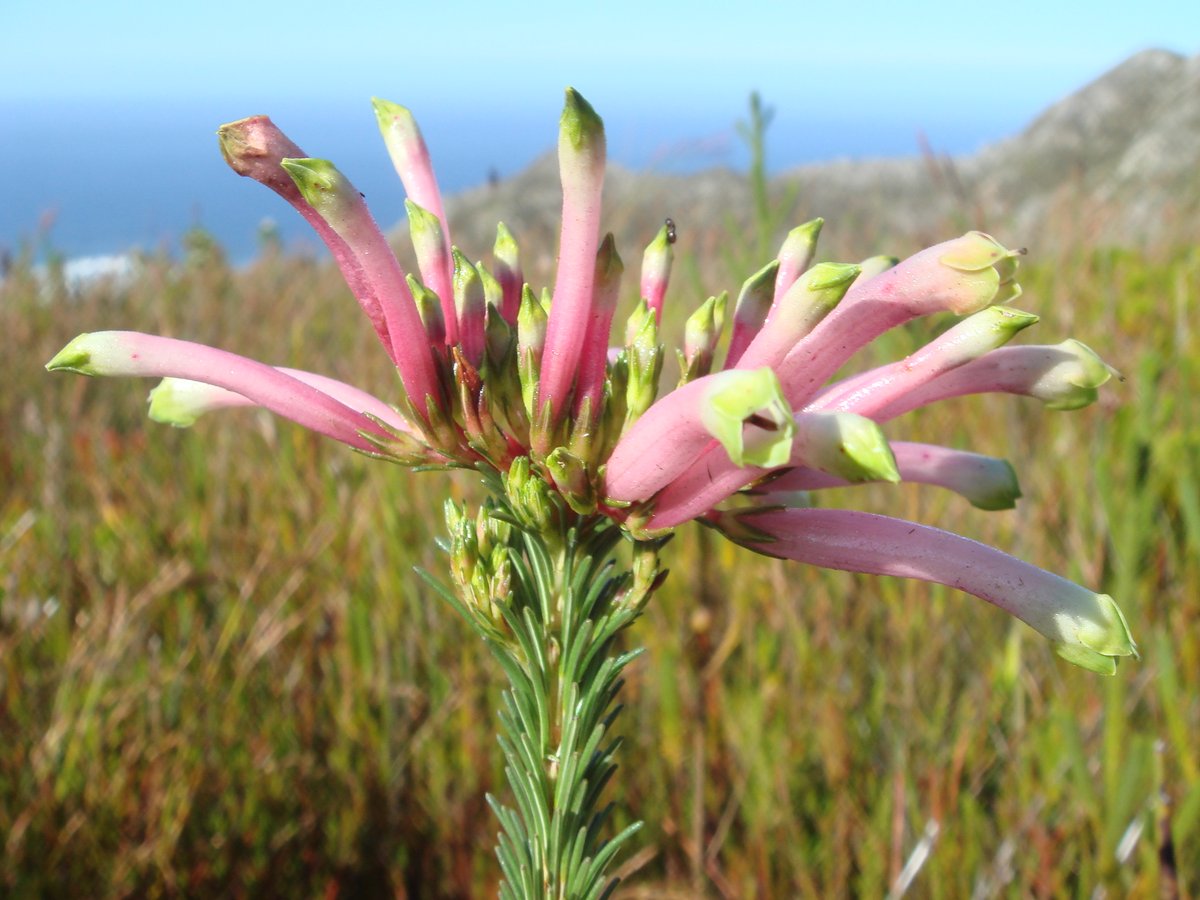
#ERICACEAE:#Erica#fascicularis
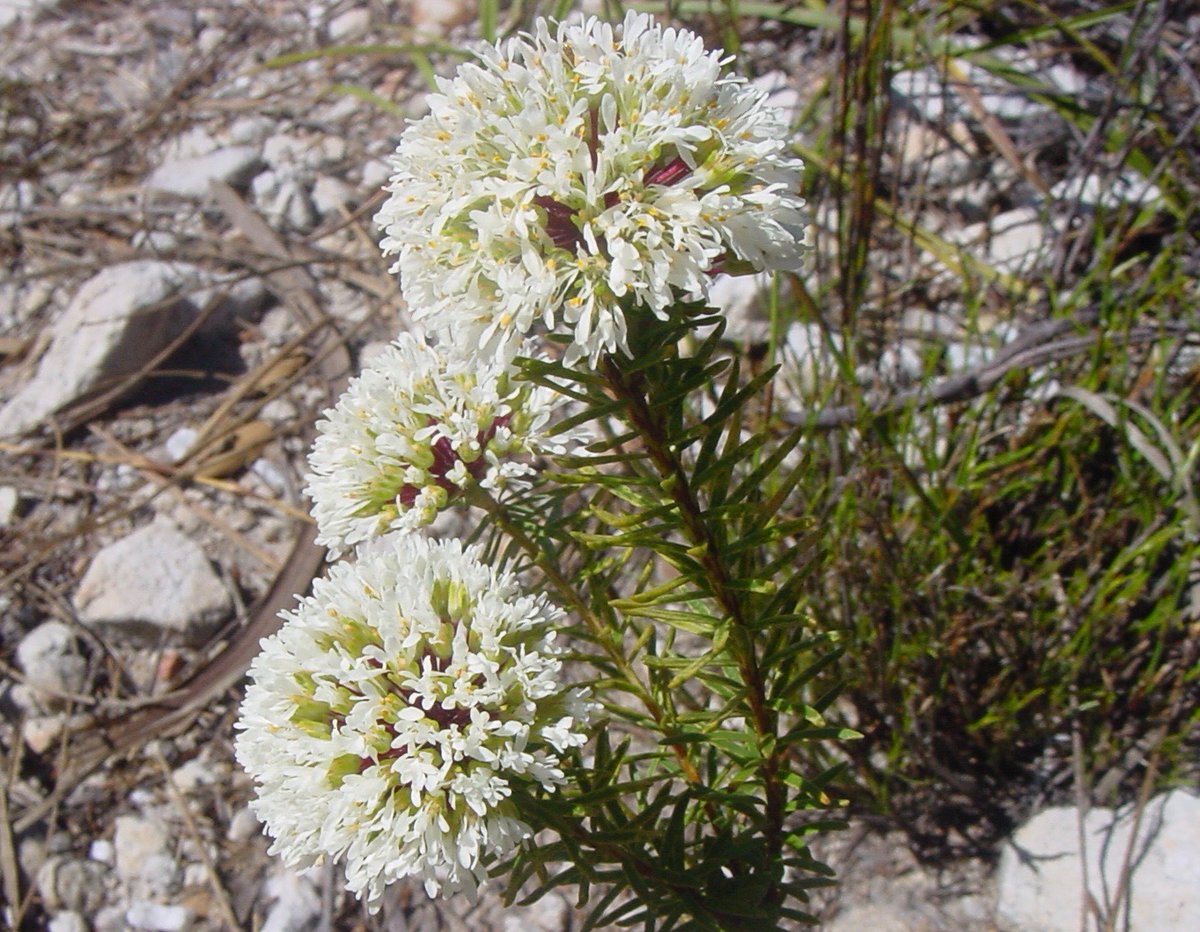
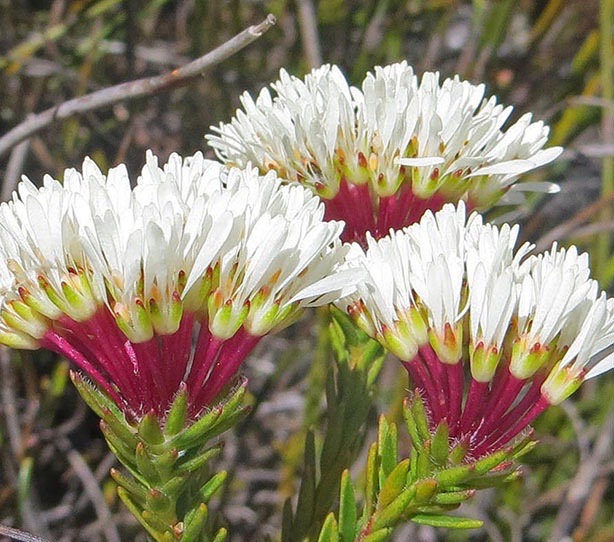
Erect sparsely-branched shrub with a long slender stem up to 1.8m. Leaves are non-hairy, shimmering; whorls of large, tubular, sticky, pink flowers with pale green lobes.
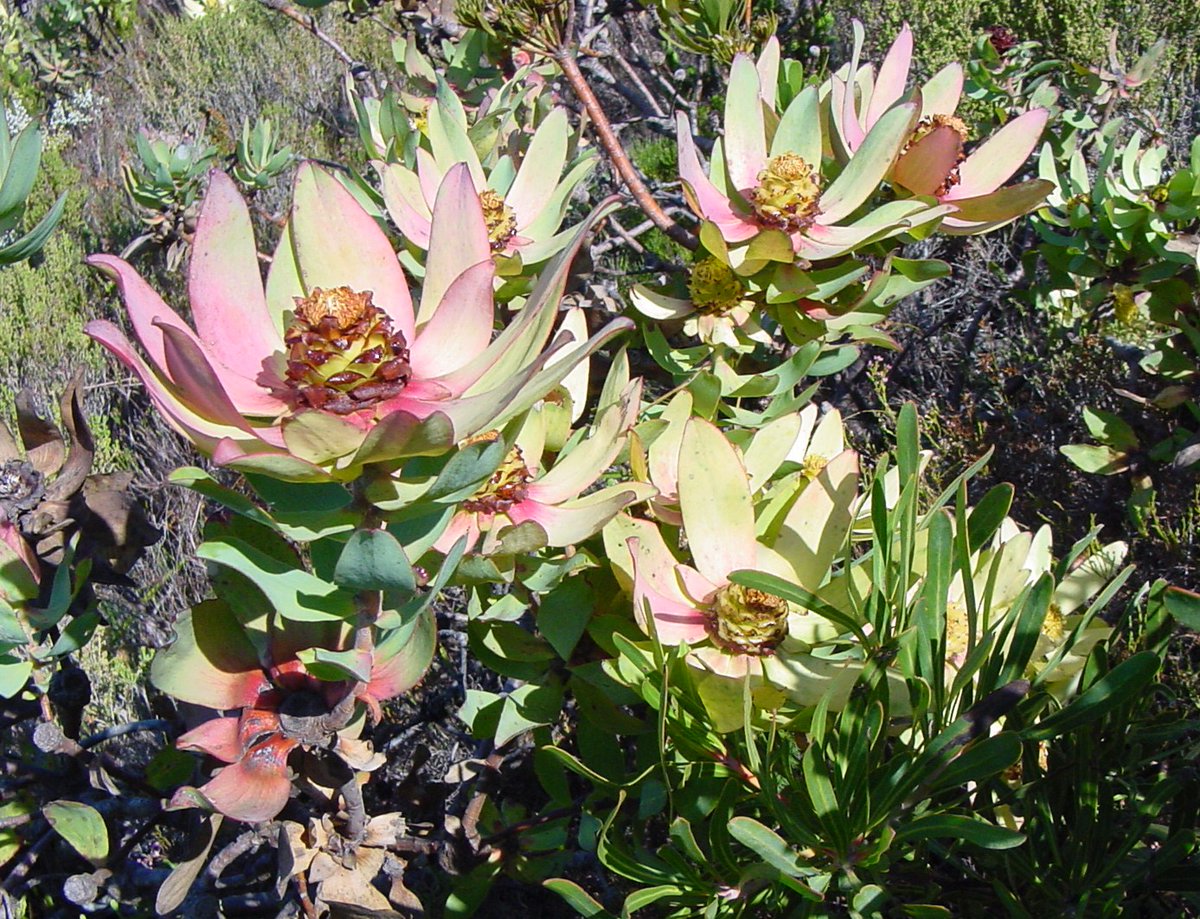
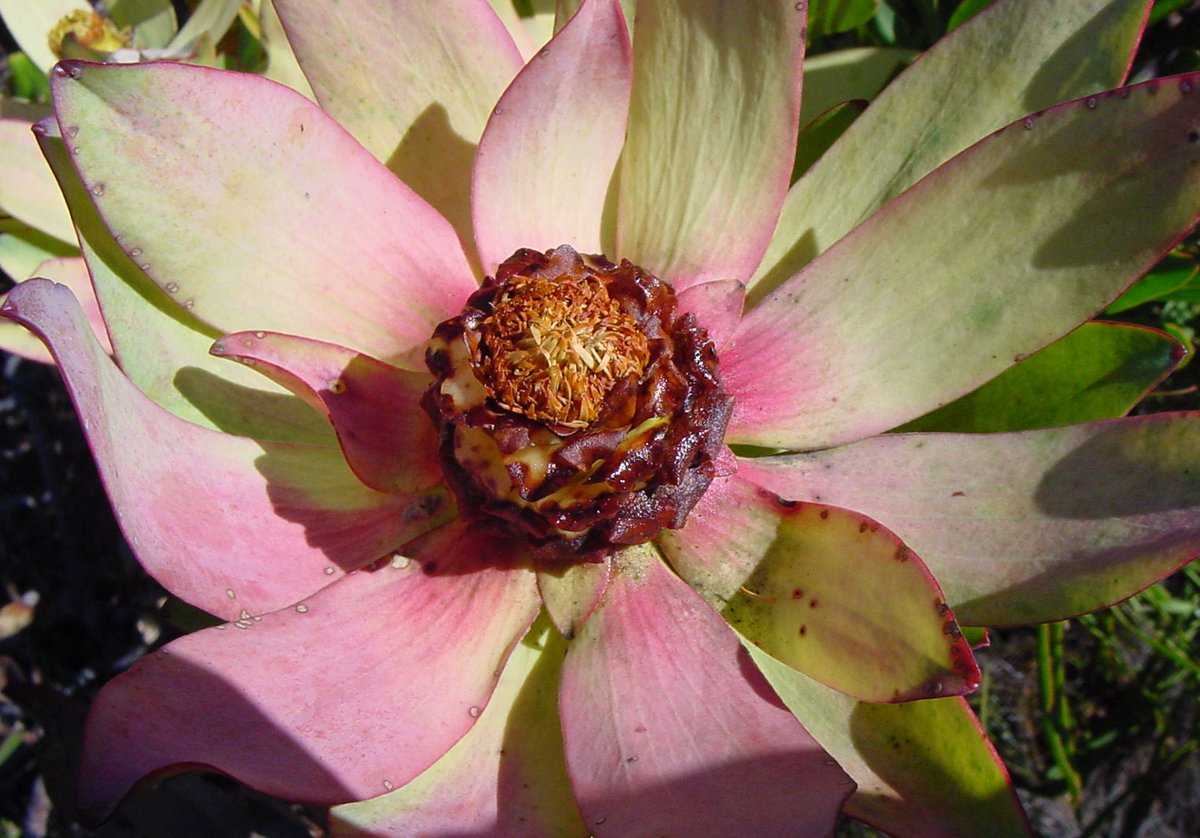
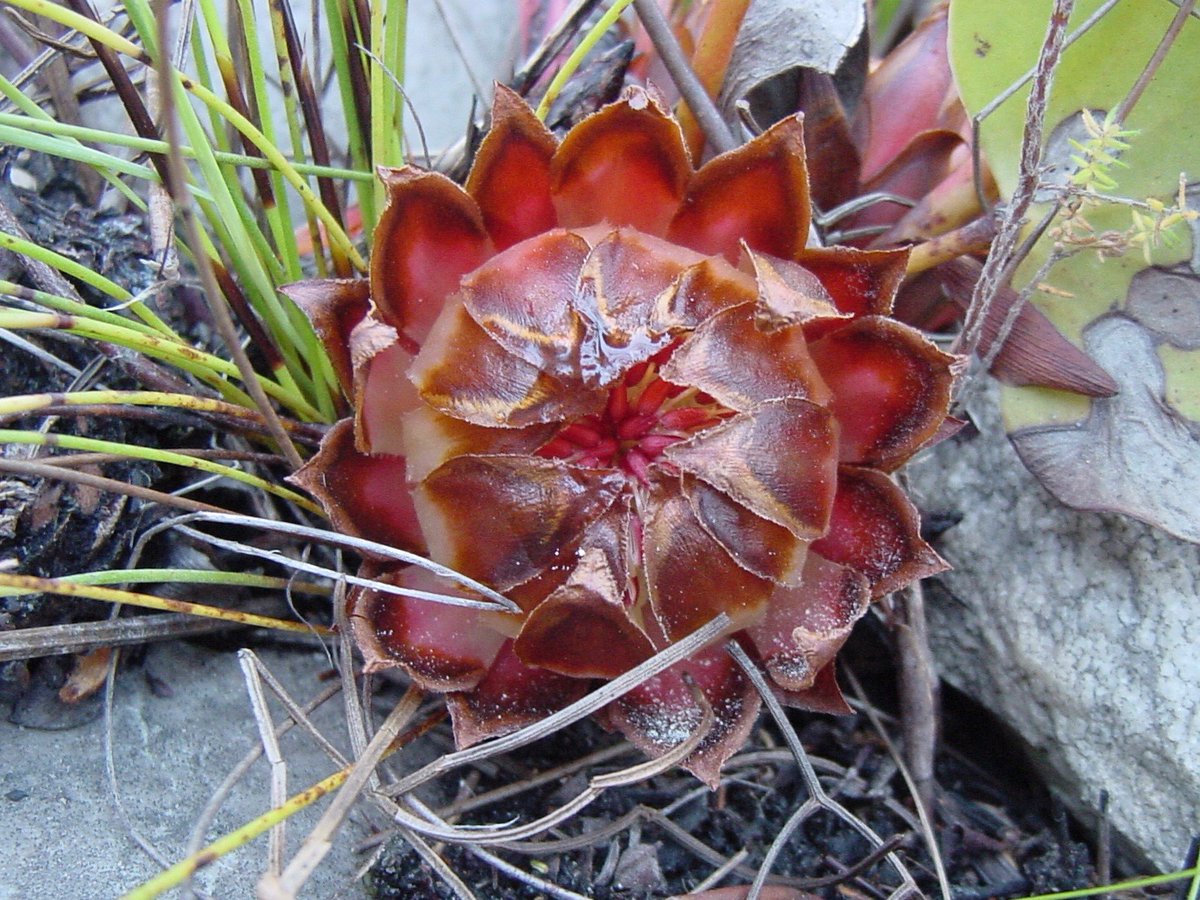
#PROTEACEAE : #Leucadendron#tinctum#Status: #Near#Threatened
The female plant produces conspicuous red cones and rose-red bracts. The male plant is much less colourful.
Flowering from mid-Winter to Spring.
Grows on Sandstone slopes.
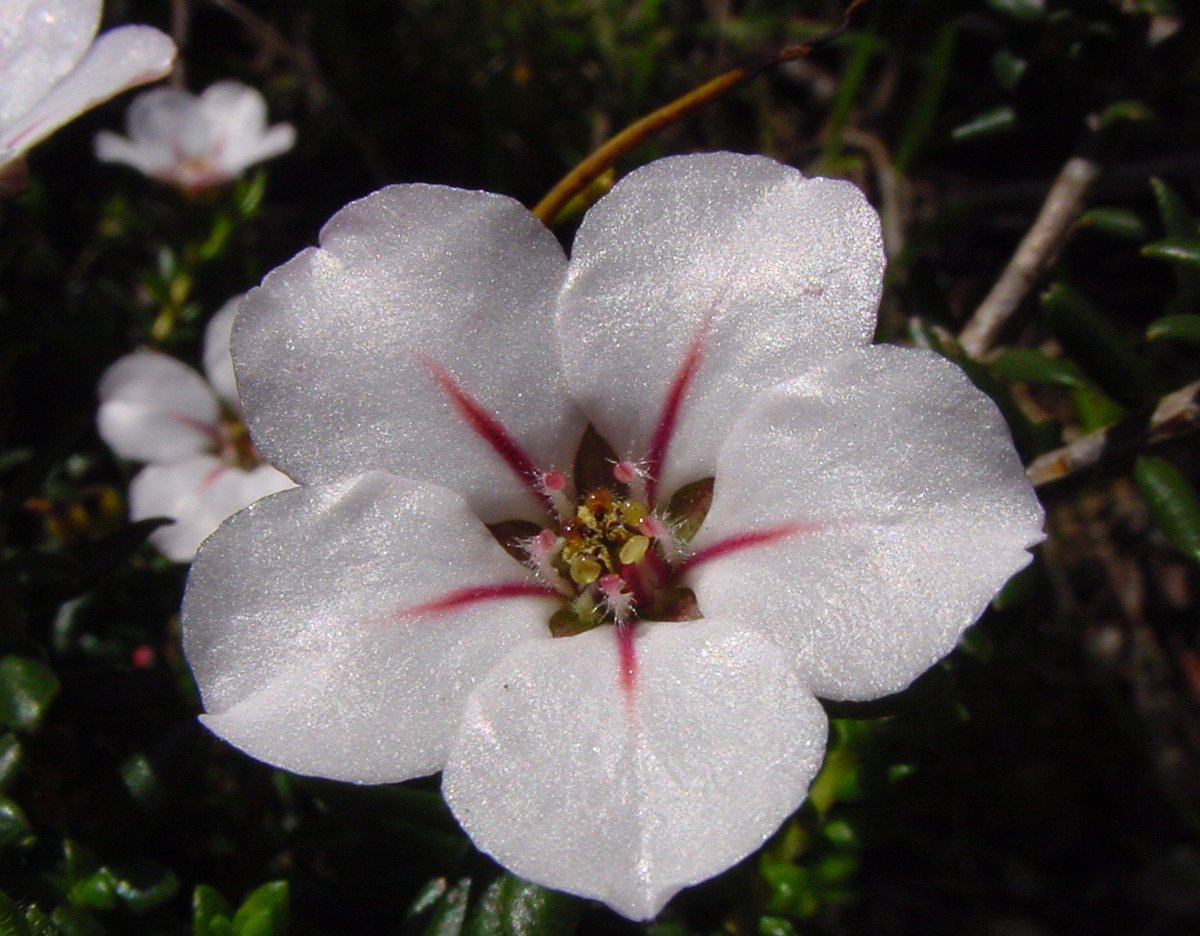
#RUTACEAE: #Agathosma#bifida
Common name: #Buchu,
In the Rutaceae family many parts of the plant, especially the leaves, are dotted with oil-glands which produce a pungent scent when rubbed.
Greek: "agathos=good; "osme"; referring to fragrant oils in the glands of the leaves.
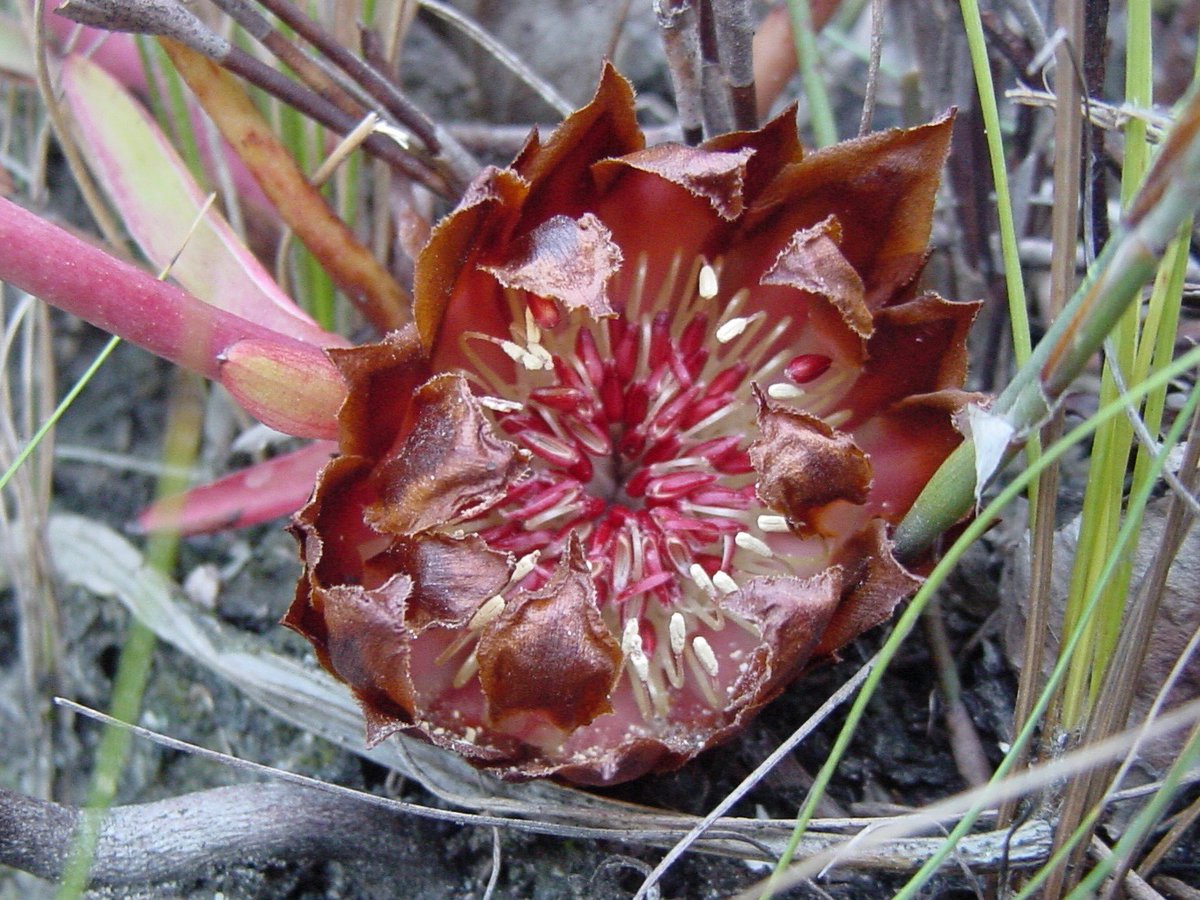
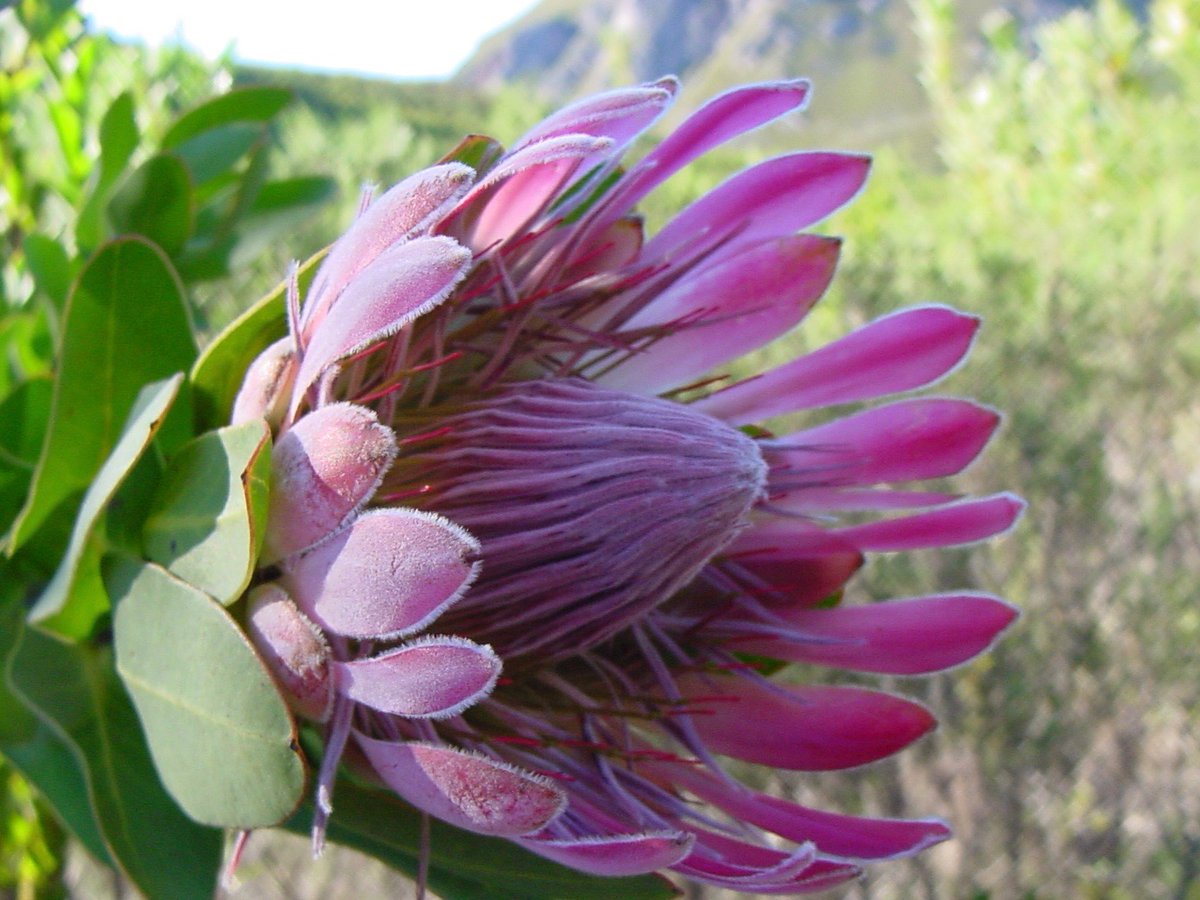
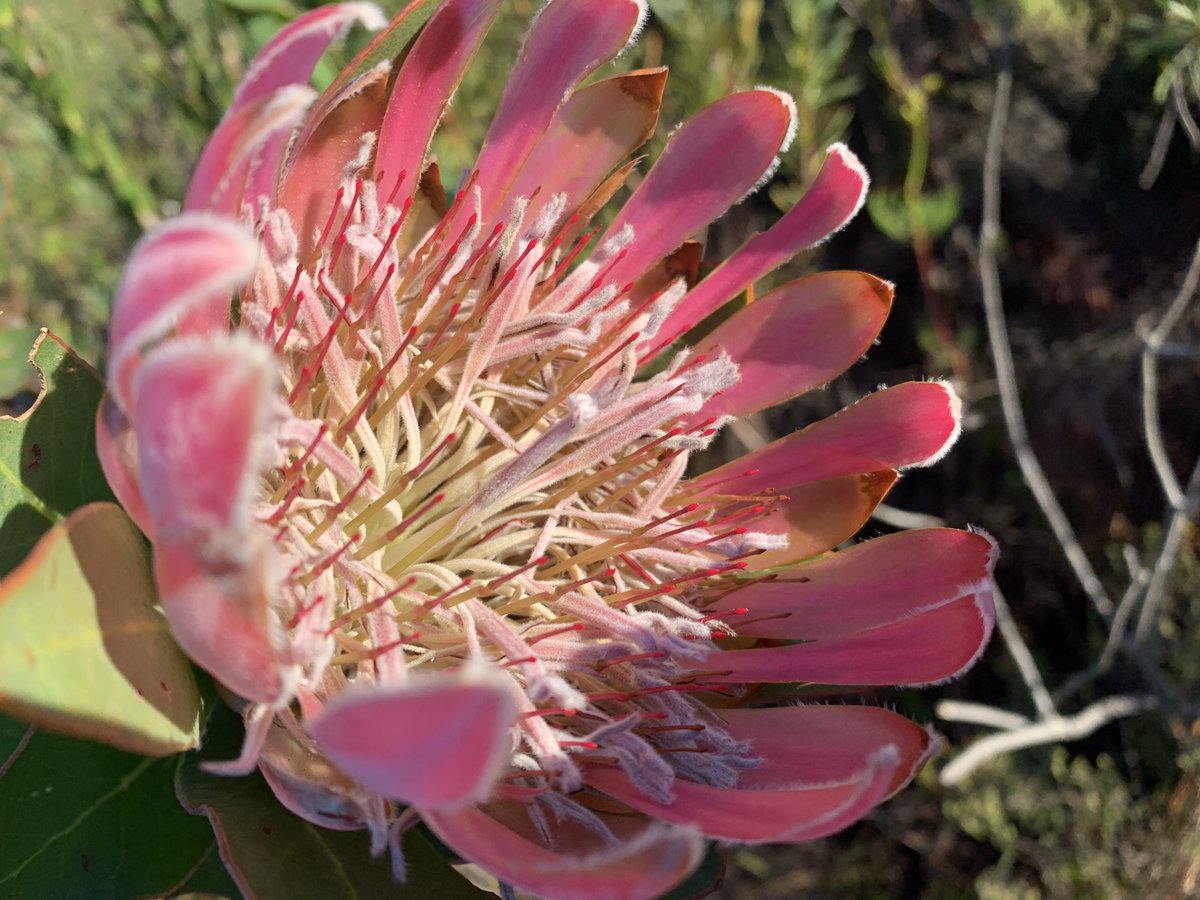
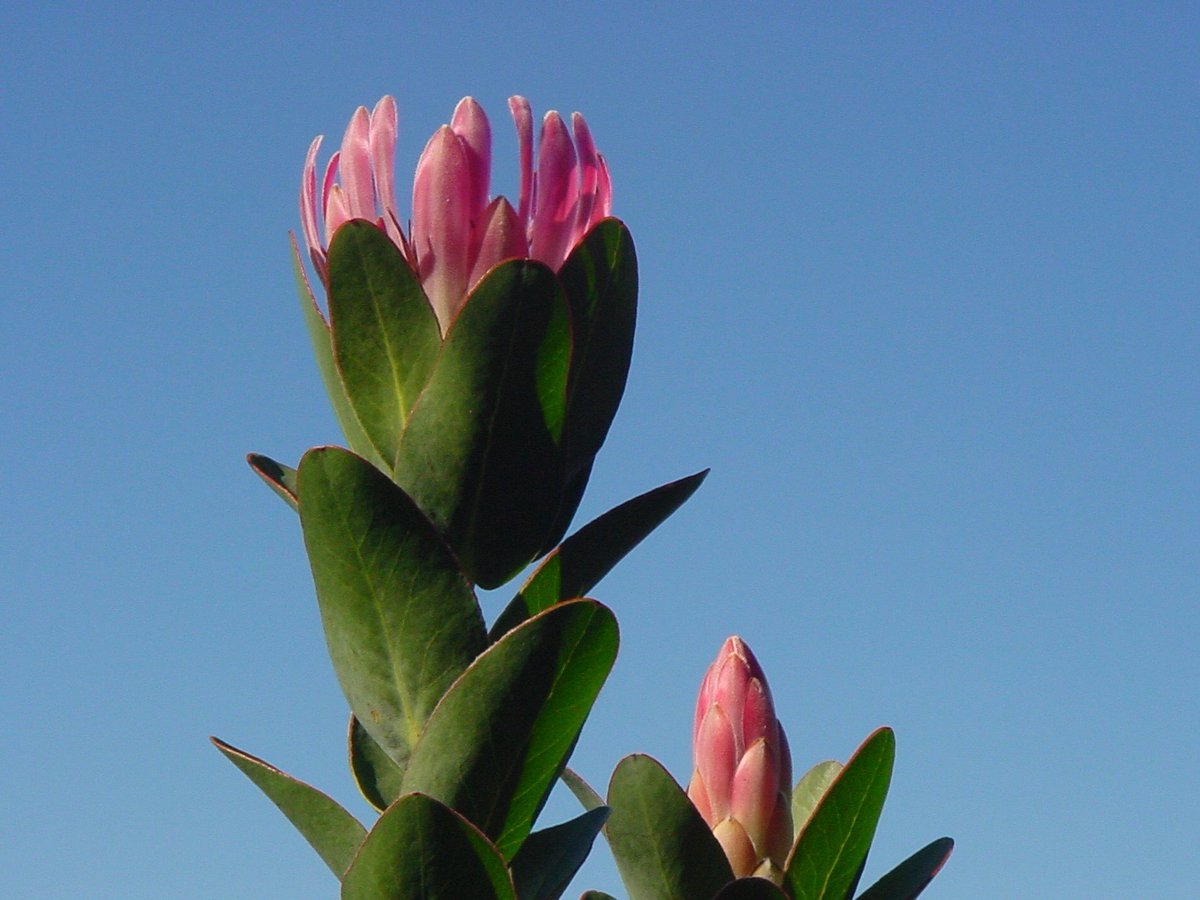
#PROTEA#CORDATA or "Heart-leaved Protea.
#Near-#Threatened"
Recent studies have shown that this species is mostly pollinated by the Cape Spiny Mouse, the Pygmy Mouse and the Rock Mouse. The mice are mostly nocturnal and are attracted to the flowerhead by its yeasty odour.
On our walk this morning!
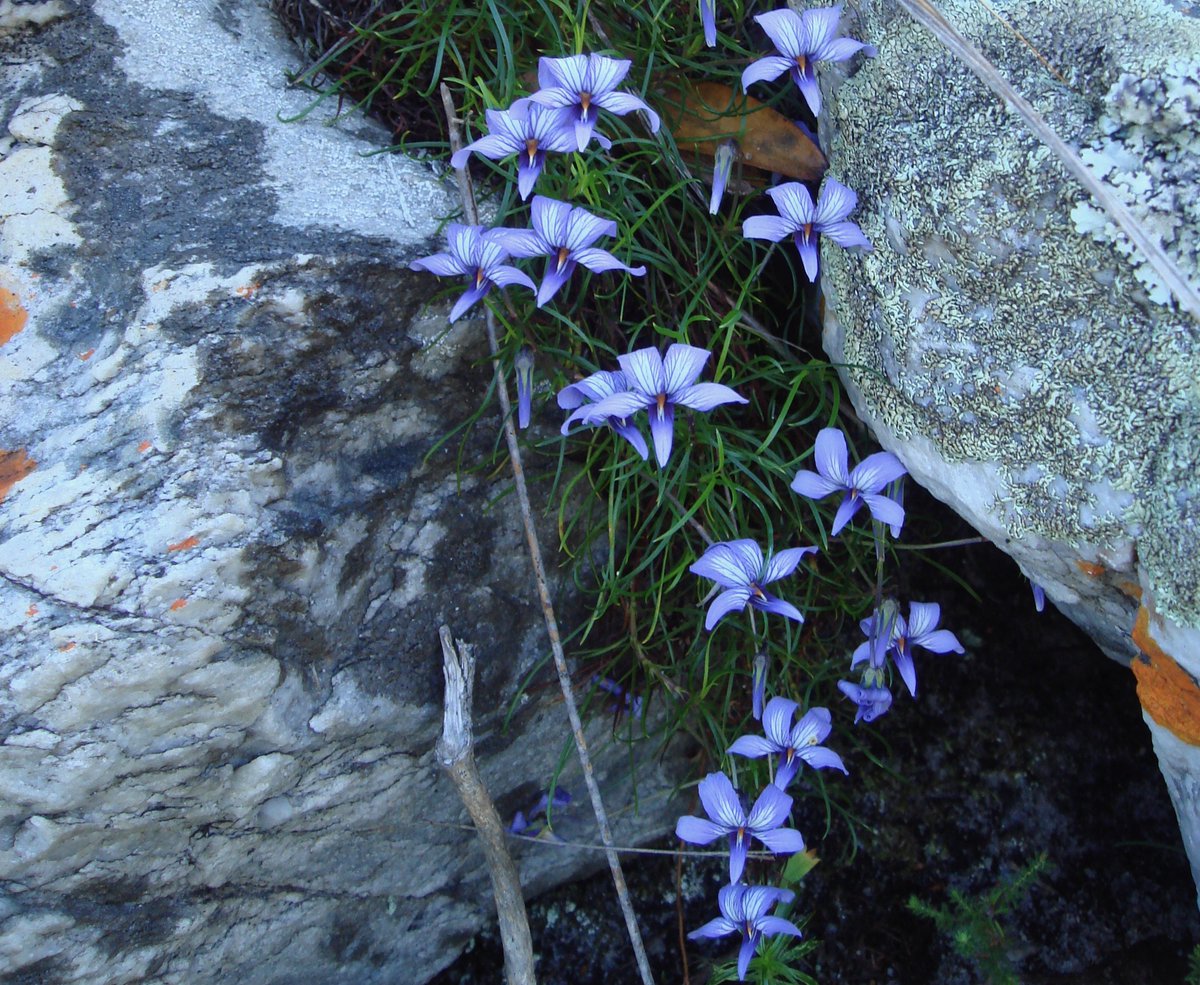
#VIOLA#DECUMBENS, a sweet scented flower, are quite early this year.
There are over 500 species worldwide, of which 2 occur in South Africa and only one in this area.
Lower mountain slopes in damp sandy soil.
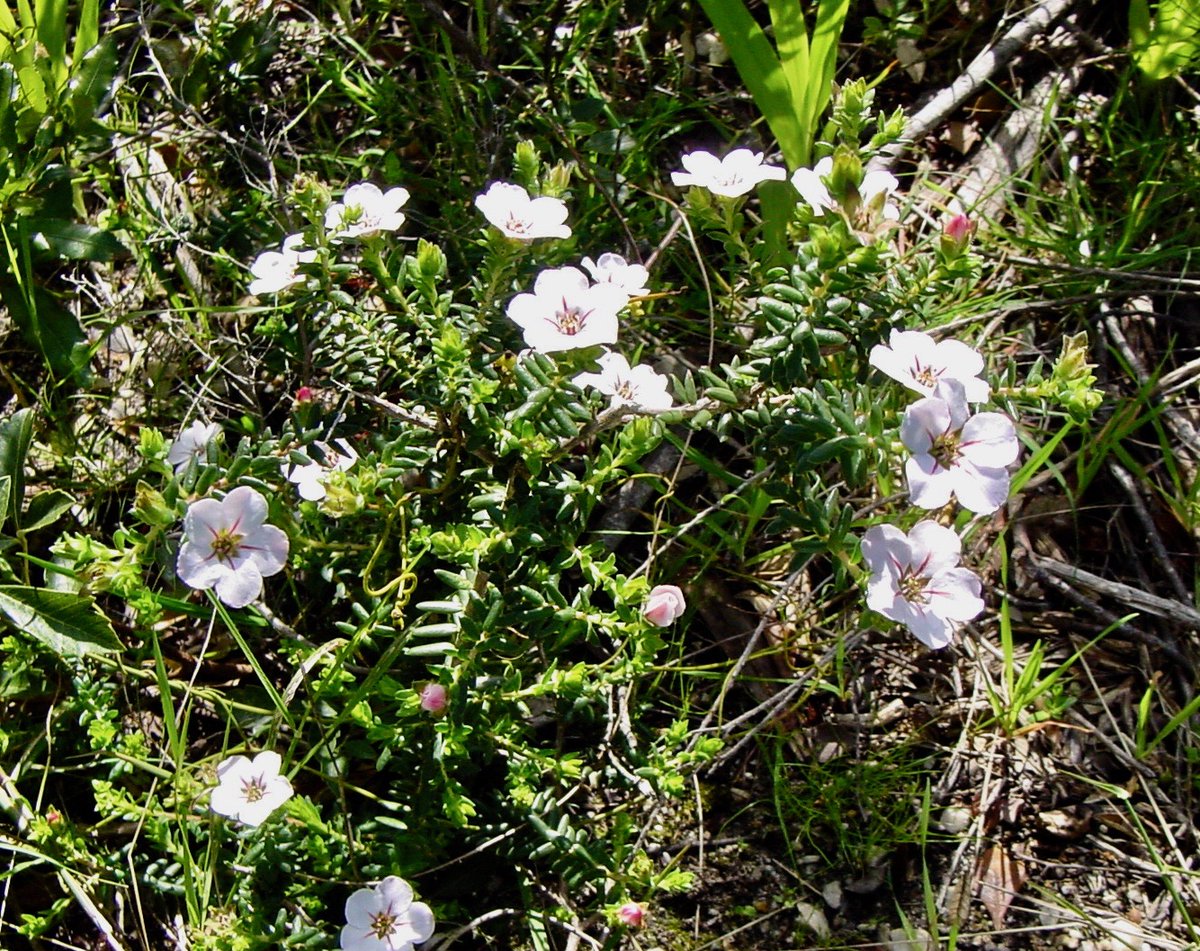
#RUTACEAE: #Adenandra#uniflora
Common name: China flower, Kommetjie Teewater, Porseleinblom.
An aromatic plant up to 50cm which grows on lower sandstone slopes from June to October.
Greek: aden = gland; aner = a man: referring to the gland-bearing anthers.
#IRIDACEAE:
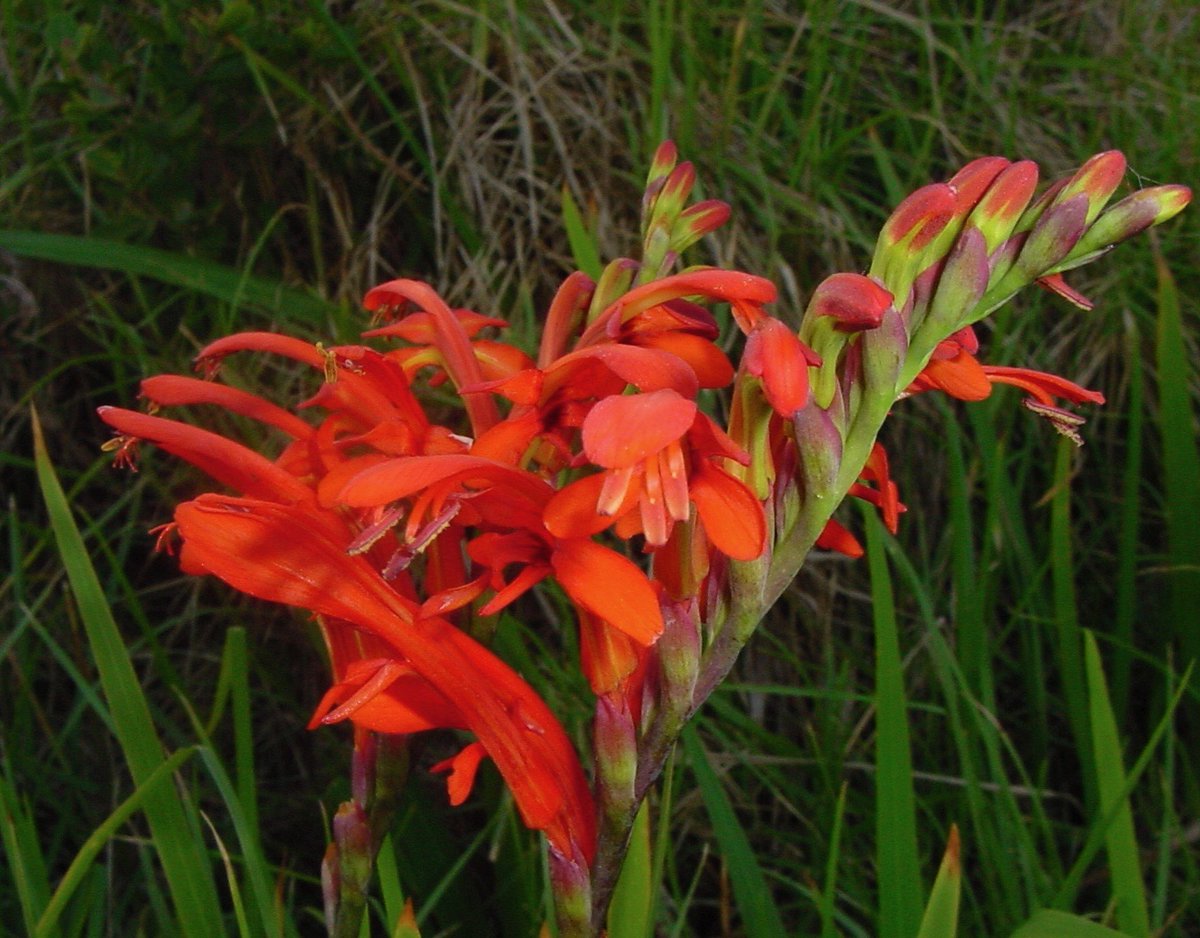
#Chasmanthe#aethiopica
Common name: Suurkanol, Suurpypie
or Cobra Lily.
"khasma" = a yawning hollow, a chasm, gulf.
"anthos" = flower.
Flowering on the cliffpath #FERNKLOOF#NATURE#RESERVE from April to July on granite, sandstone or shale.
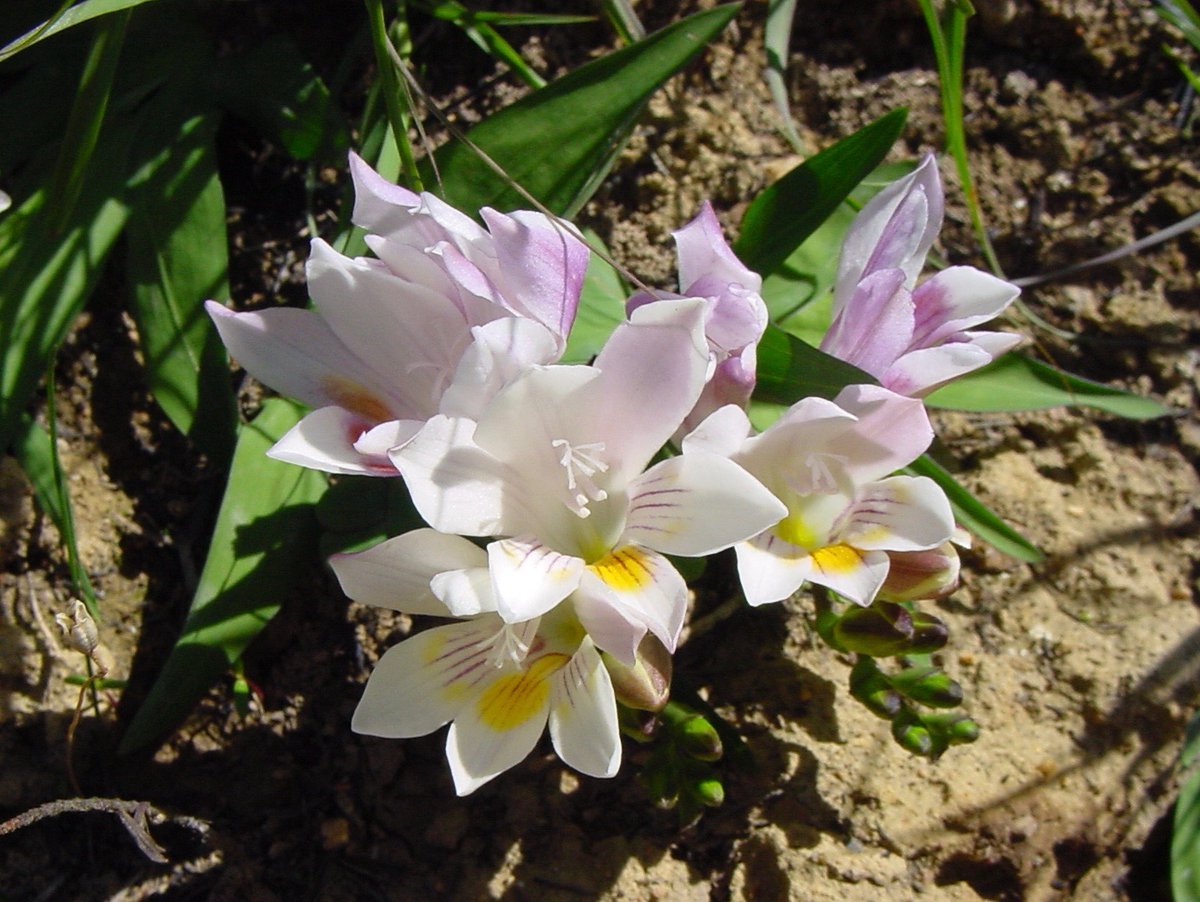
#FREESIA#LEICHTLINII#SUBSP. #ALBA#Iridaceae's previous name was Freesia alba.
Flowers sweetly scented and found from May in sandy, stony soils, mainly coastal.
After: Friedrich H. T. Freese (1795 -1876), German physician and botanist from Kiel who studied South African plants.
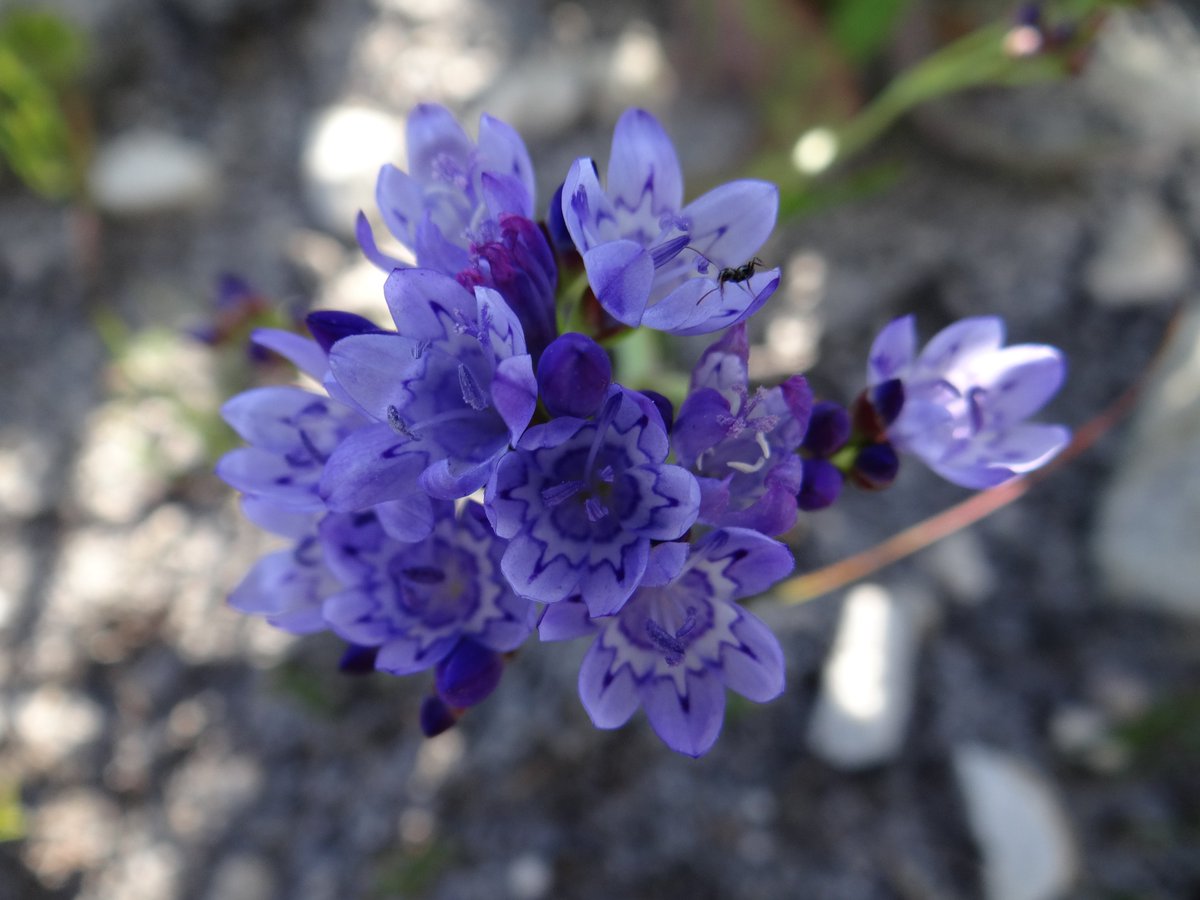
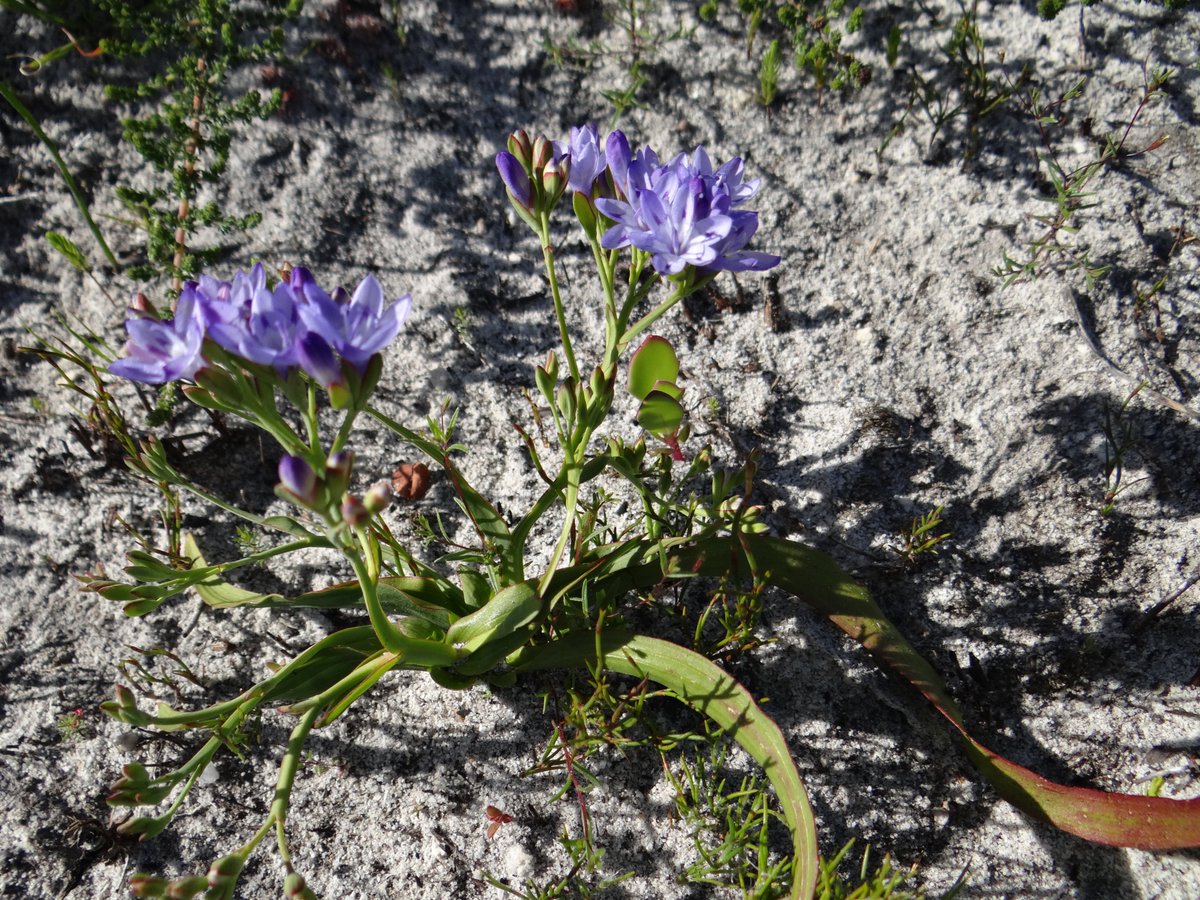
#CODONORHIZA#CORYMBOSA,
formally Lapieirousia corymbosa.
Cormous geophyte with a single leaf much longer than the stem and few smaller leaves on the stem, often undulate or crisped.
Found on sandy granite slopes. Flowering mostly after fire from September to November.
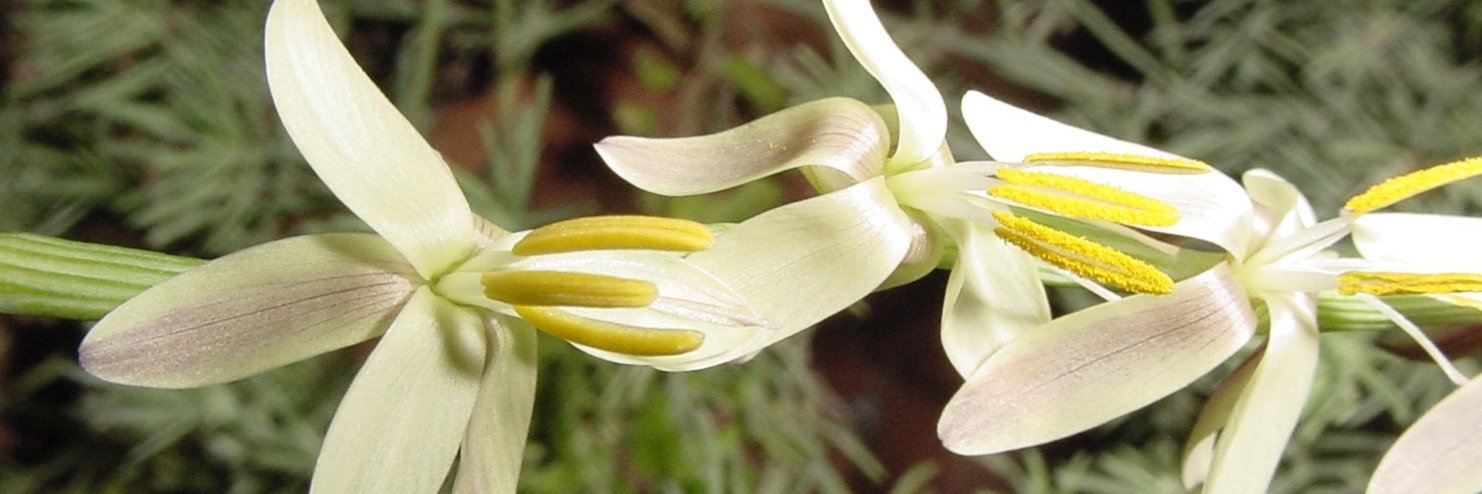
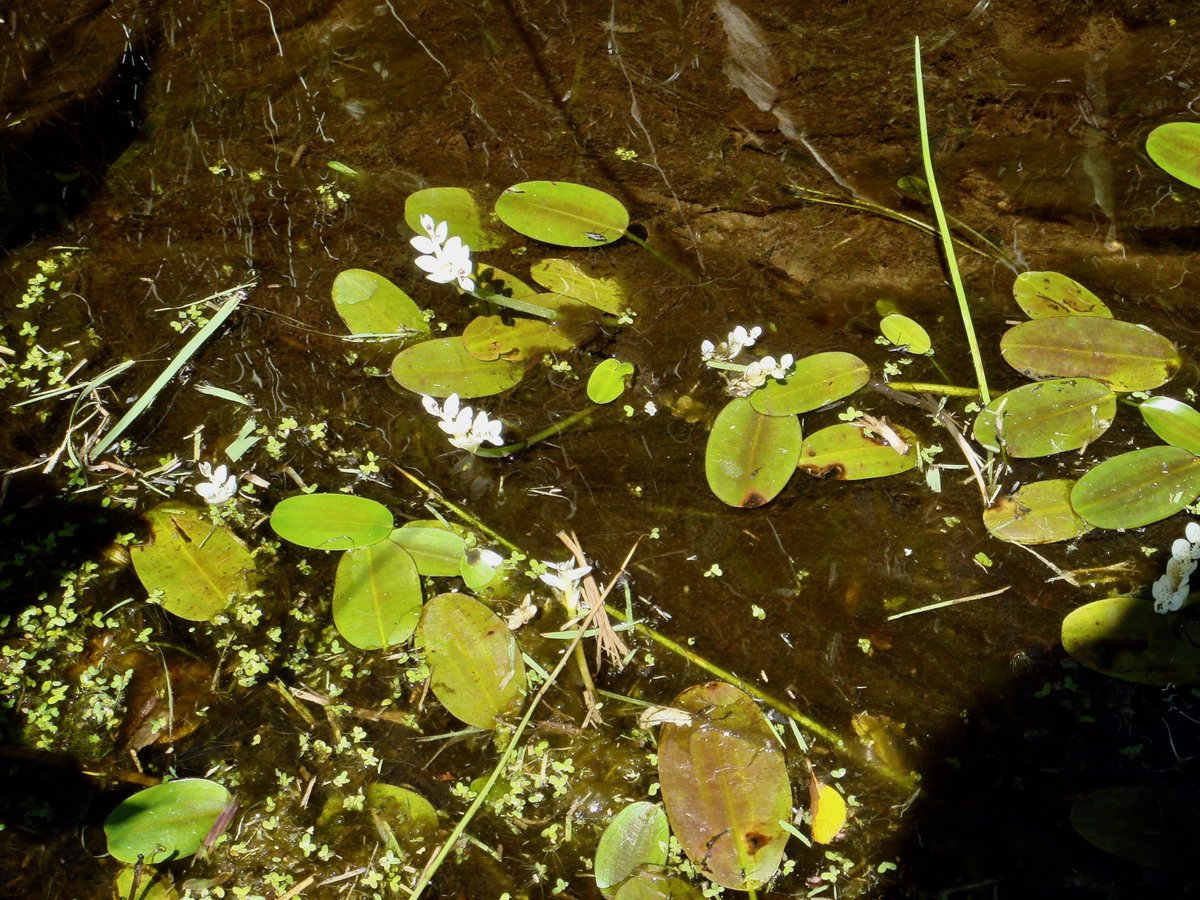
APONOGETONACEAE:
#Aponogeton#distachyos;
Wateruintjie or Waterblommetjie
Fresh water perennial with tuberous roots. Leaves blunt-tipped, oval, floating on long stems rooted in the mud of ponds and deep sluggish streams.
Fruiting spikes are used to make"Waterblommetjie bredie".
#PROTEA#COMPACTA#Botrivier#Protea,
Status of this Protea in "Near Threatened"
A single-stemmed, erect and sometimes untidy shrub up to 5m tall. They occur as large, dense stands in acid sand proteoid fynbos of both mountainous and flat areas. Flowering from May to September.
FERNKLOOF TREES:
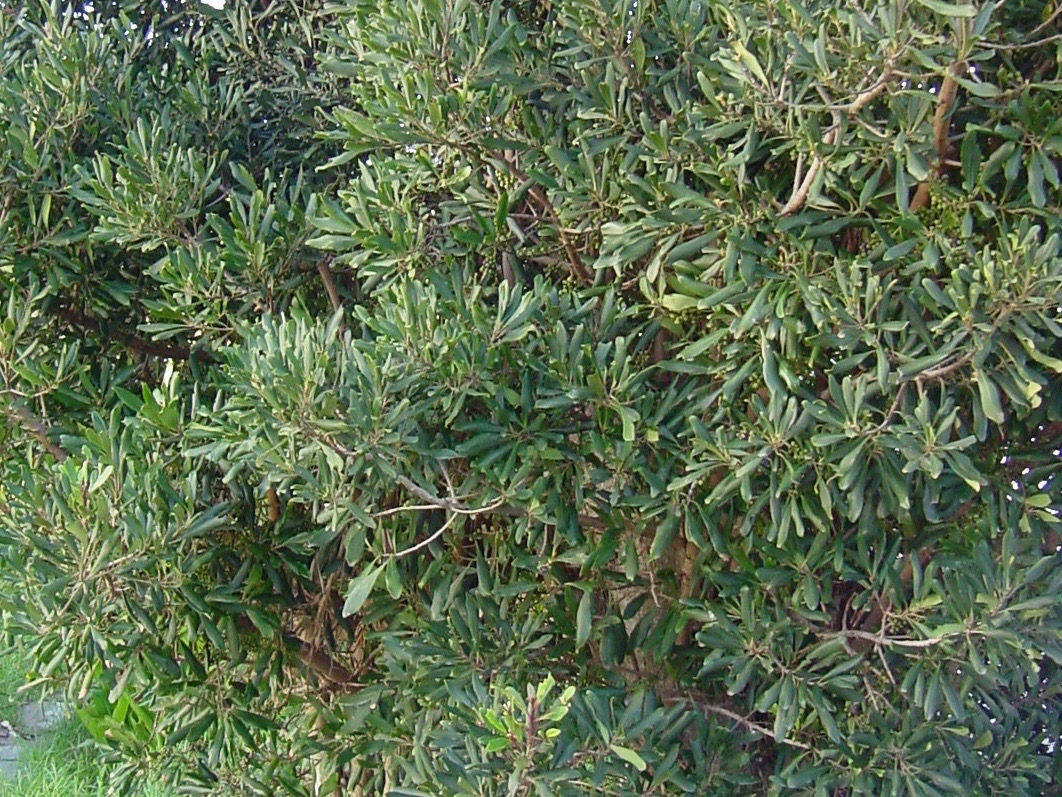
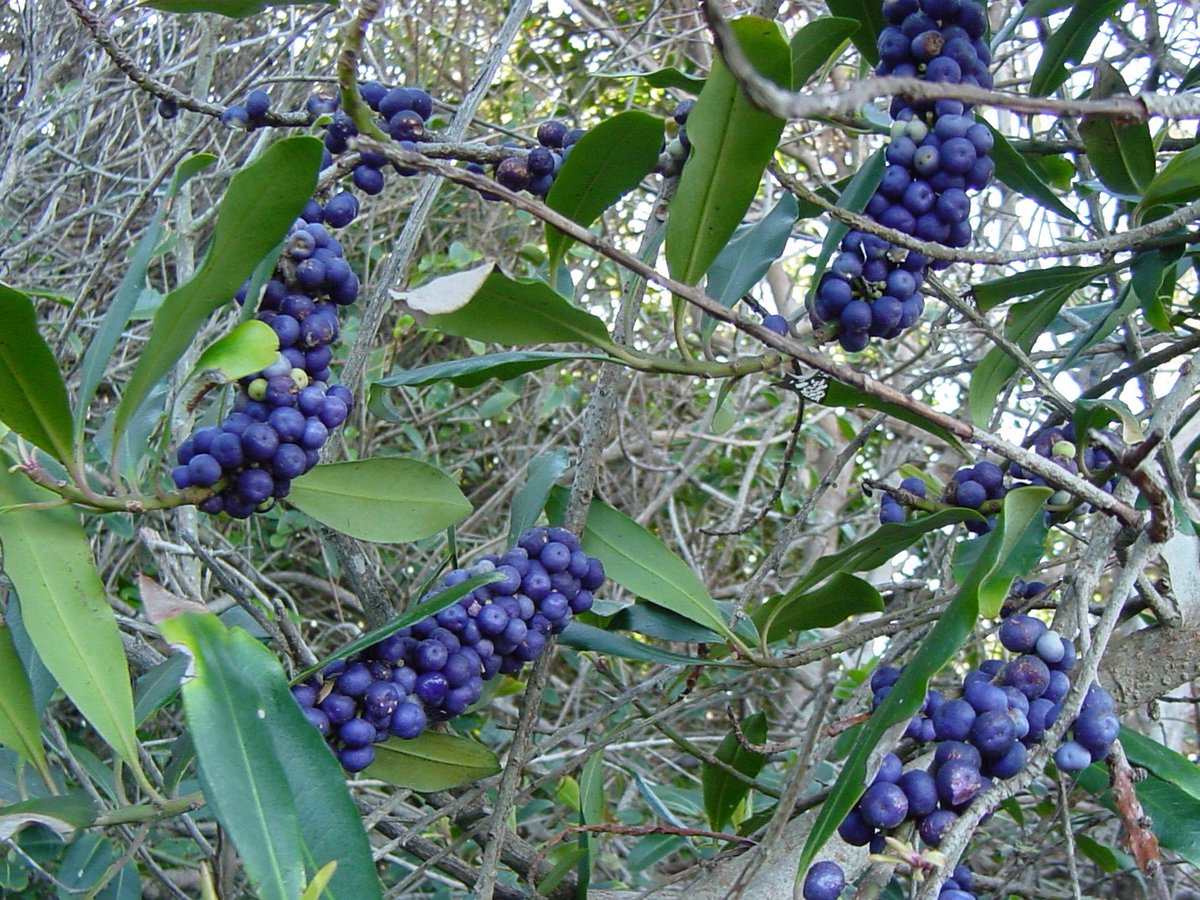
RAPANEA MELANOPHLOEOS - SA Tree no: 578
Common name: Cape Beech, Kaapse Boekenhout.
Found in damp coastal forest. The wood is pinkish-brown, fine-grained, takes a fine polish and was used to make furniture and violins.
#FLOWERING NOW IN #FERNKLOOF:
#Tritoniopsis#lata#var#lata.
Grootrietpypie or Snake flower.
Wiry, unbranched, study-stemmed, cormous geophyte up to 50cm with mauve pollen.
Flowering from February to May on rocky sandstone slopes.
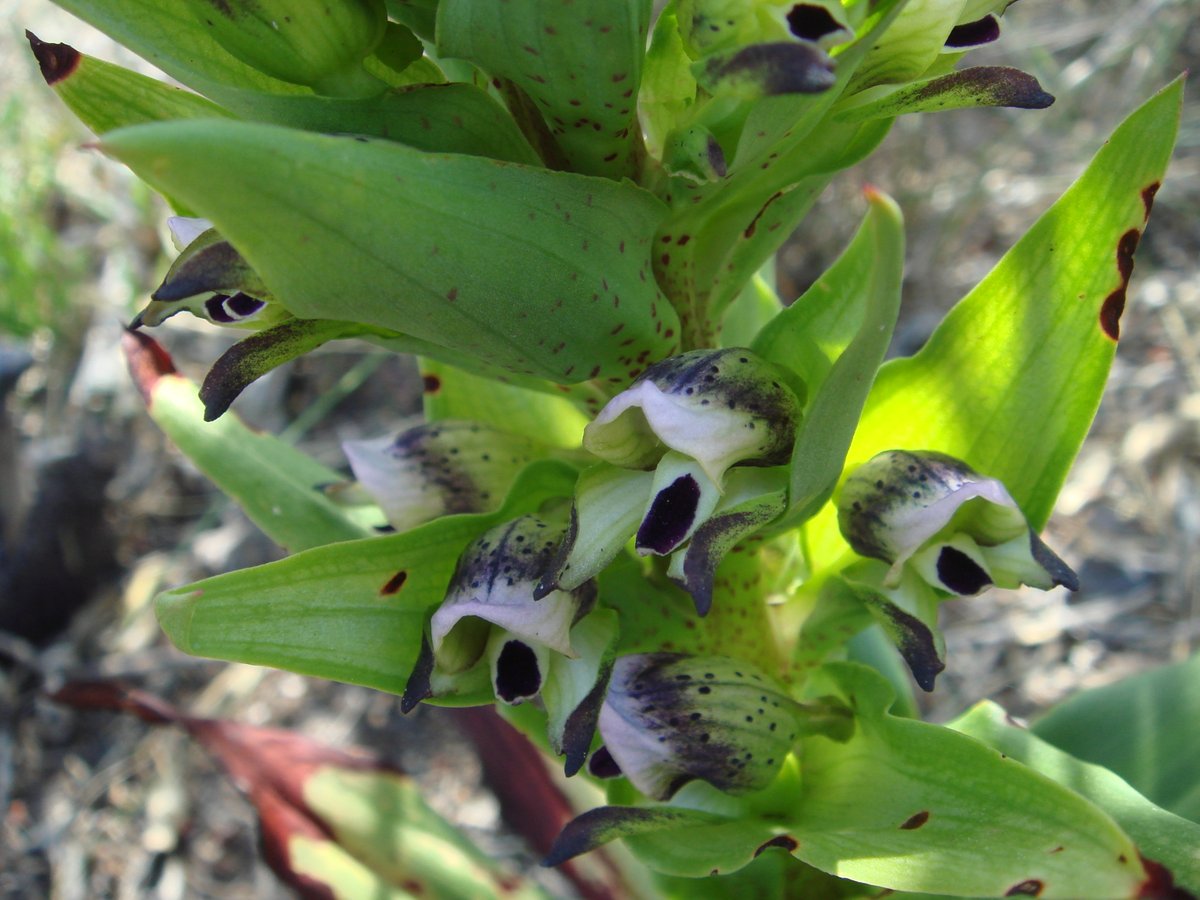
#ORCHIDACEAE: #Disa#hallackii.
This "#Endangered" orchid found on sandy slopes or coastal areas from October to November. A robust plant to 50cm. Spur almost hanging, sharply decurved, notched and slightly club-shaped, 5mm long. Lip spear-shaped to narrowly oblong, 8-11mm long.
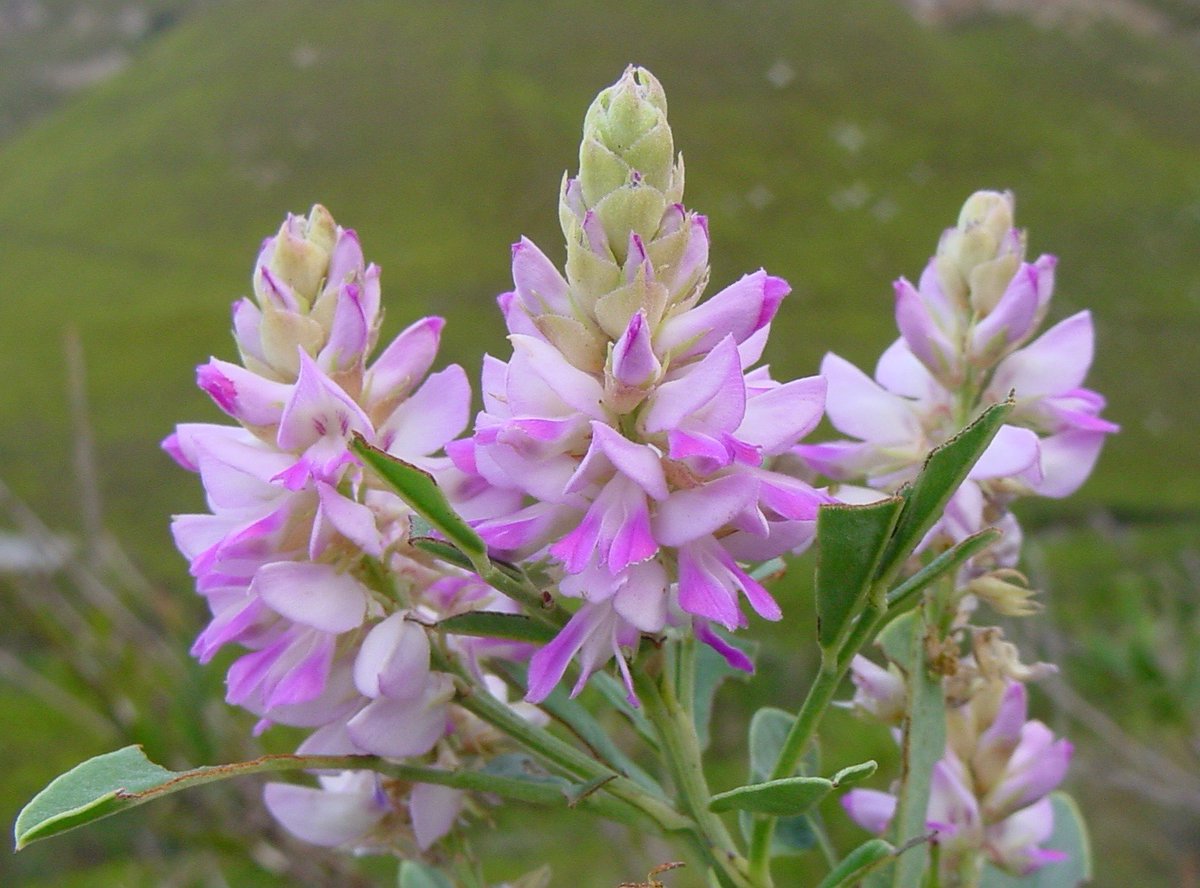
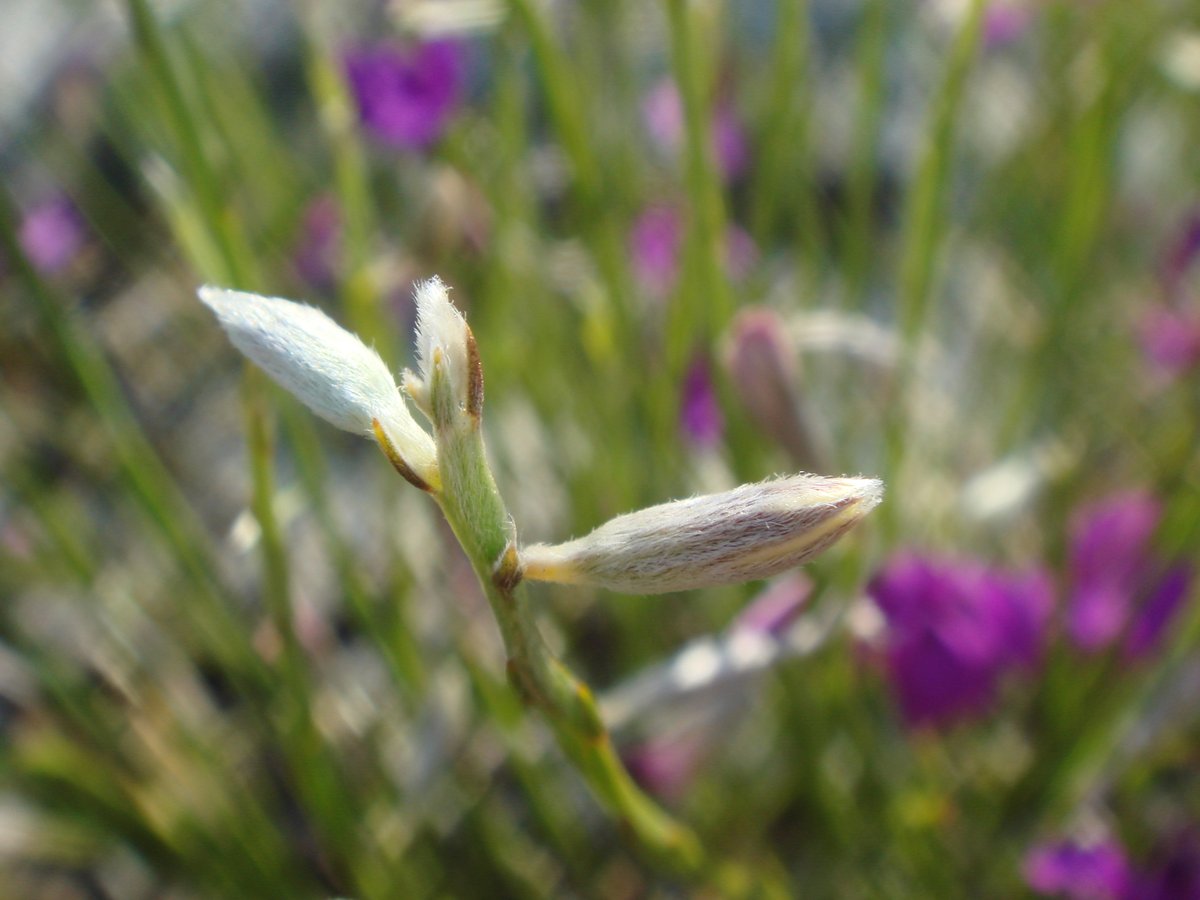
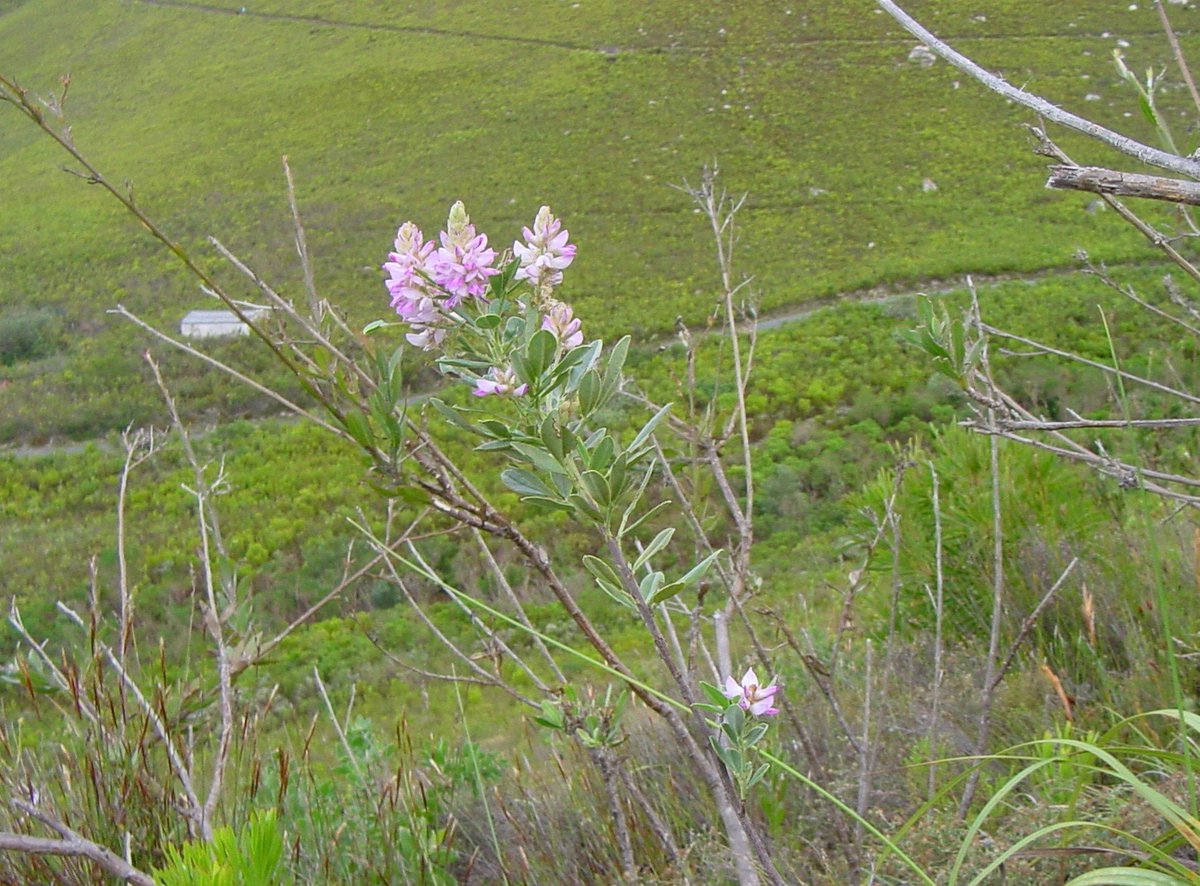
#Indigofera#cytisoides from the #FABACEAE family.
"cytisus" - shrubby plant mentioned by Greek and Roman writers as a useful fodder; adopted by #Linnaeus as the name of a genus of leguminous shrubs and trees.
Did you know that many plants and families are having name changes?
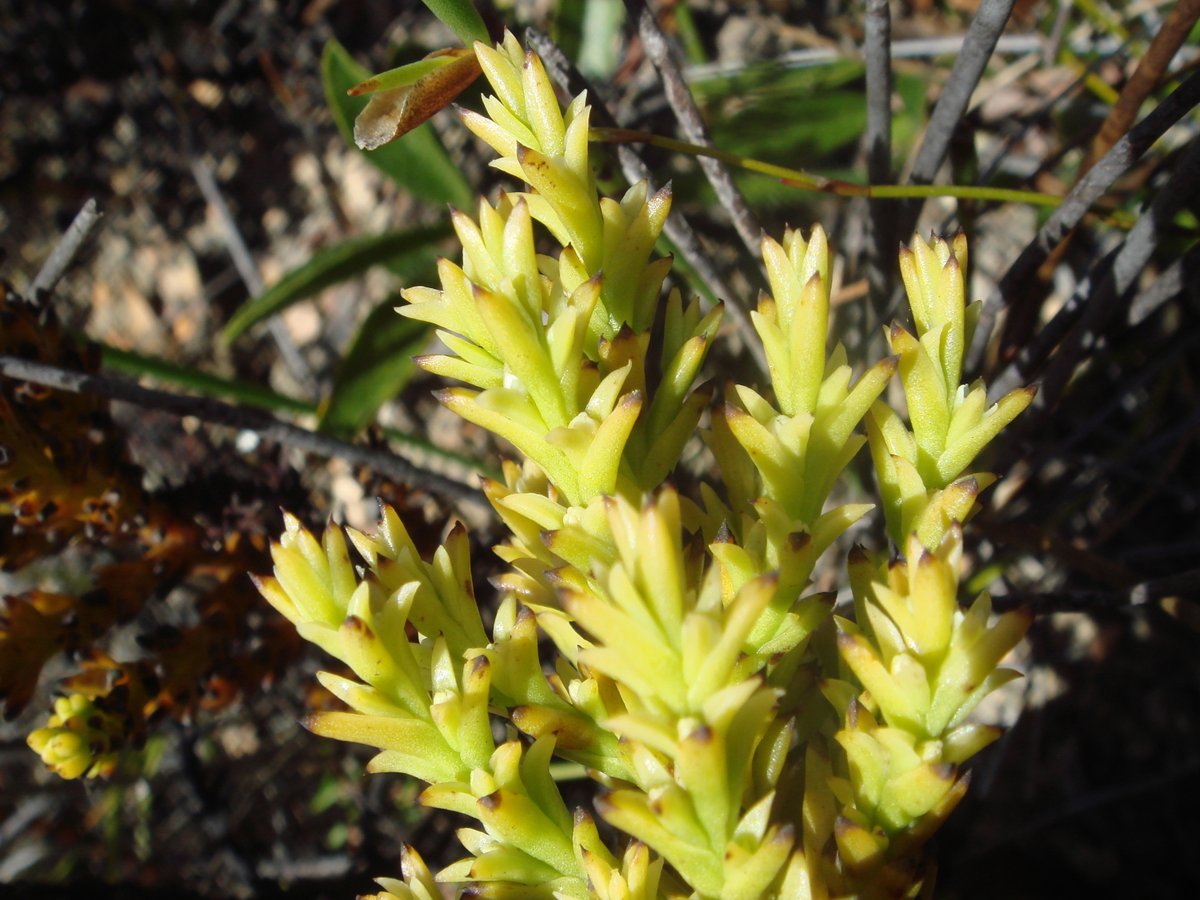
This is #Thesium#sedifolium of the #Santalaceae family.
Its Synonym (old name) was #Thesium#crassifolium.
#Hemiparasitic shrublet up to 20cm which grows on sandstone slopes and flowers from February to April.
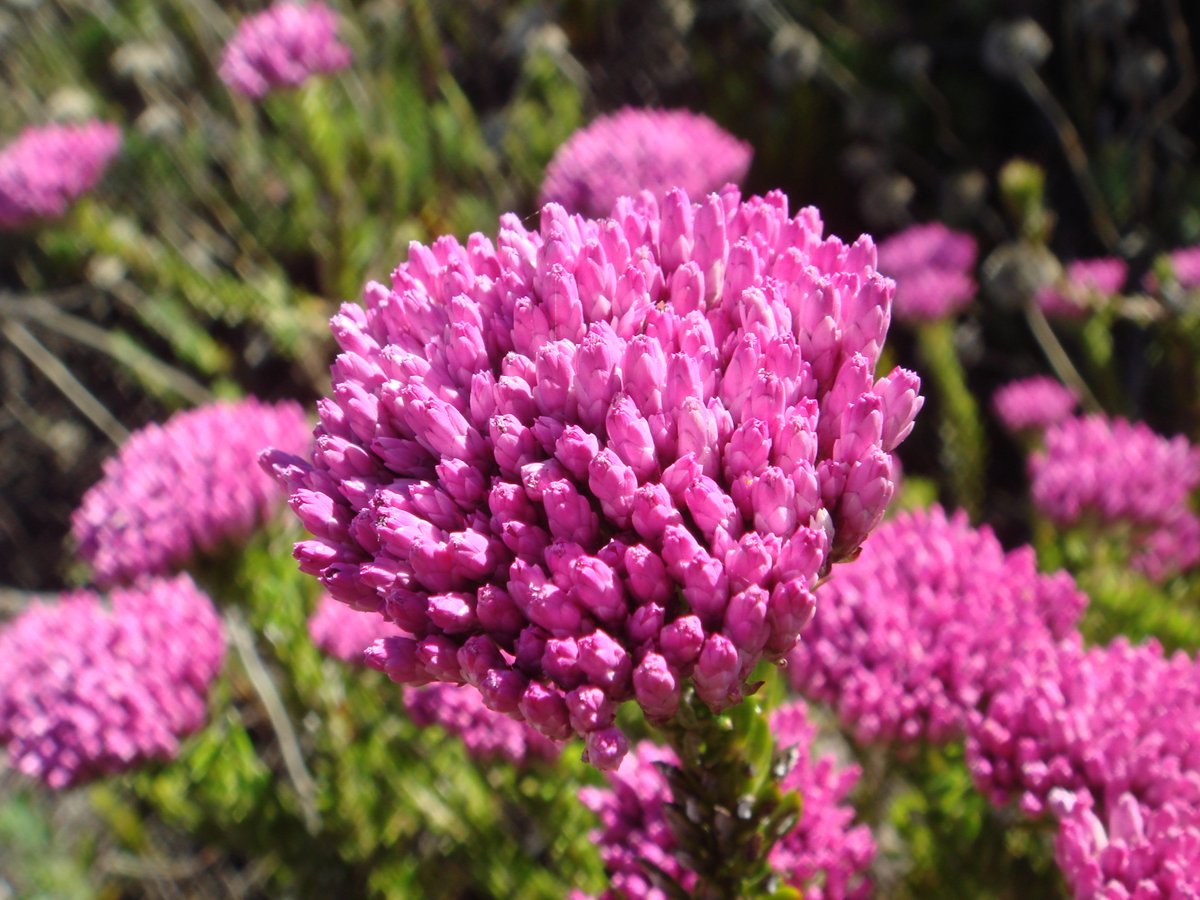
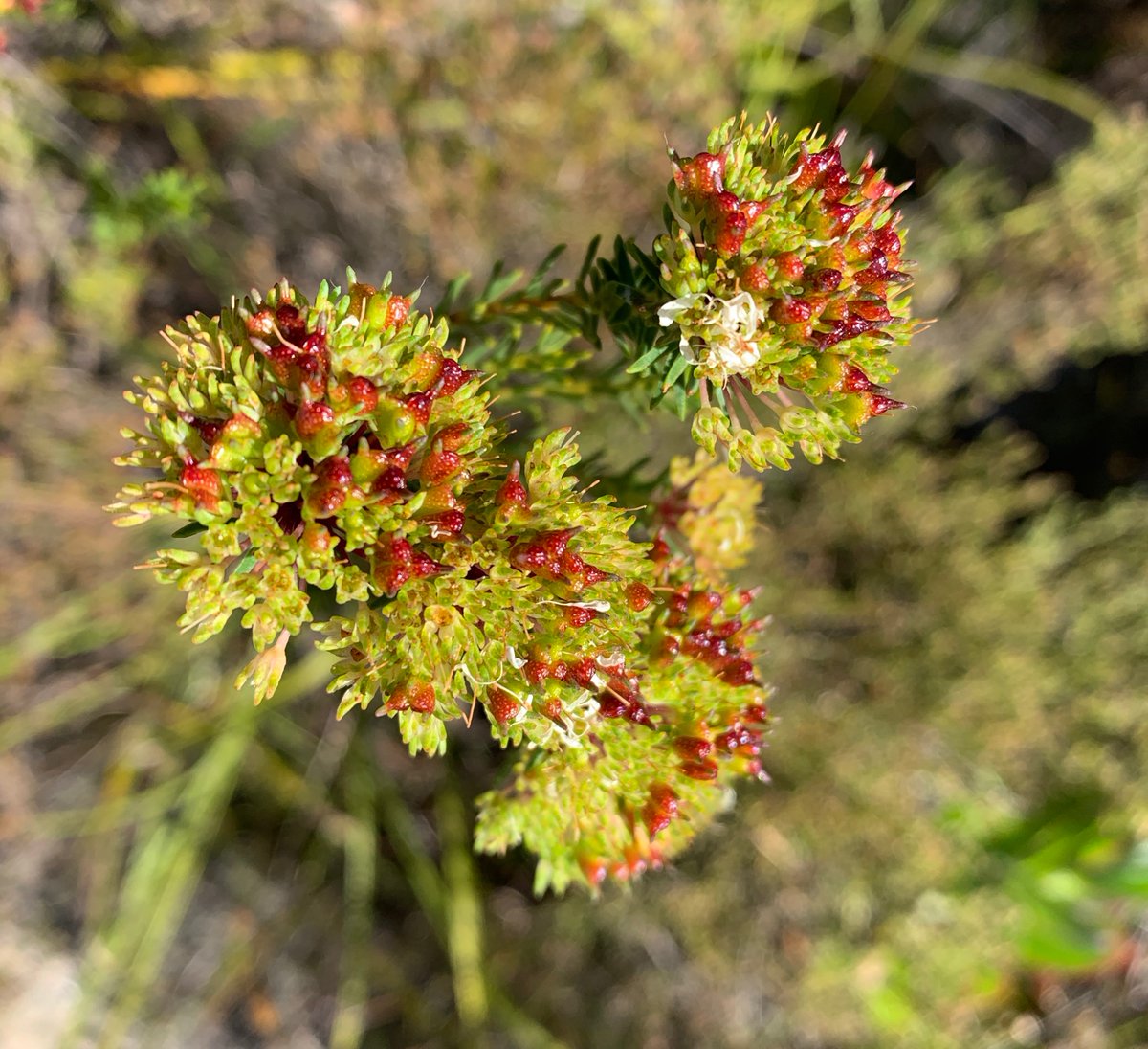
#ASTERACEAE: #METALASIA#ERUBESCENS
Pienkblombos.
Latin: rubeus, red: referring to the deep pink flowers: Greek: lasios, shaggy, woolly; referring to the shaggy woolly leaves of this genus
Growing on sandy flats and lower slopes in #Fernkloof#Reserve from September to February.
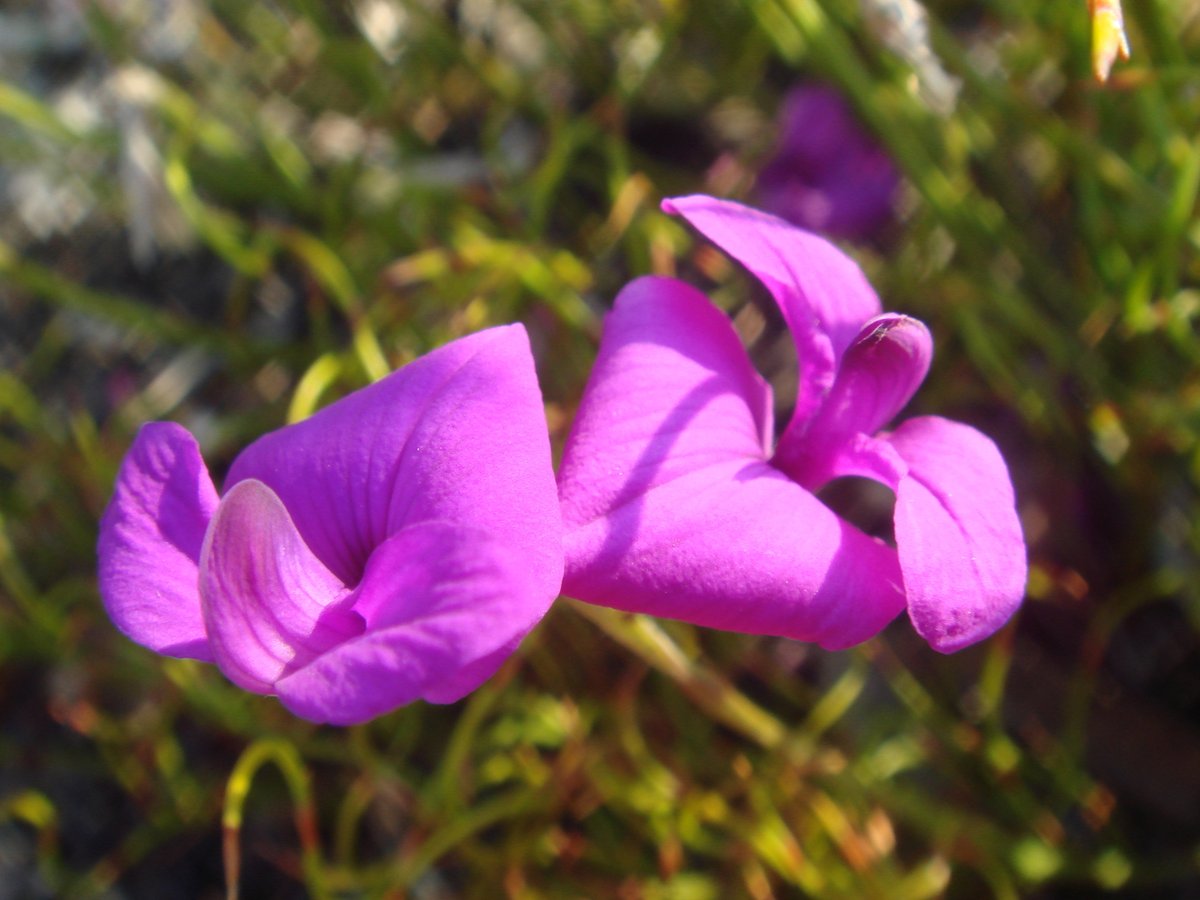
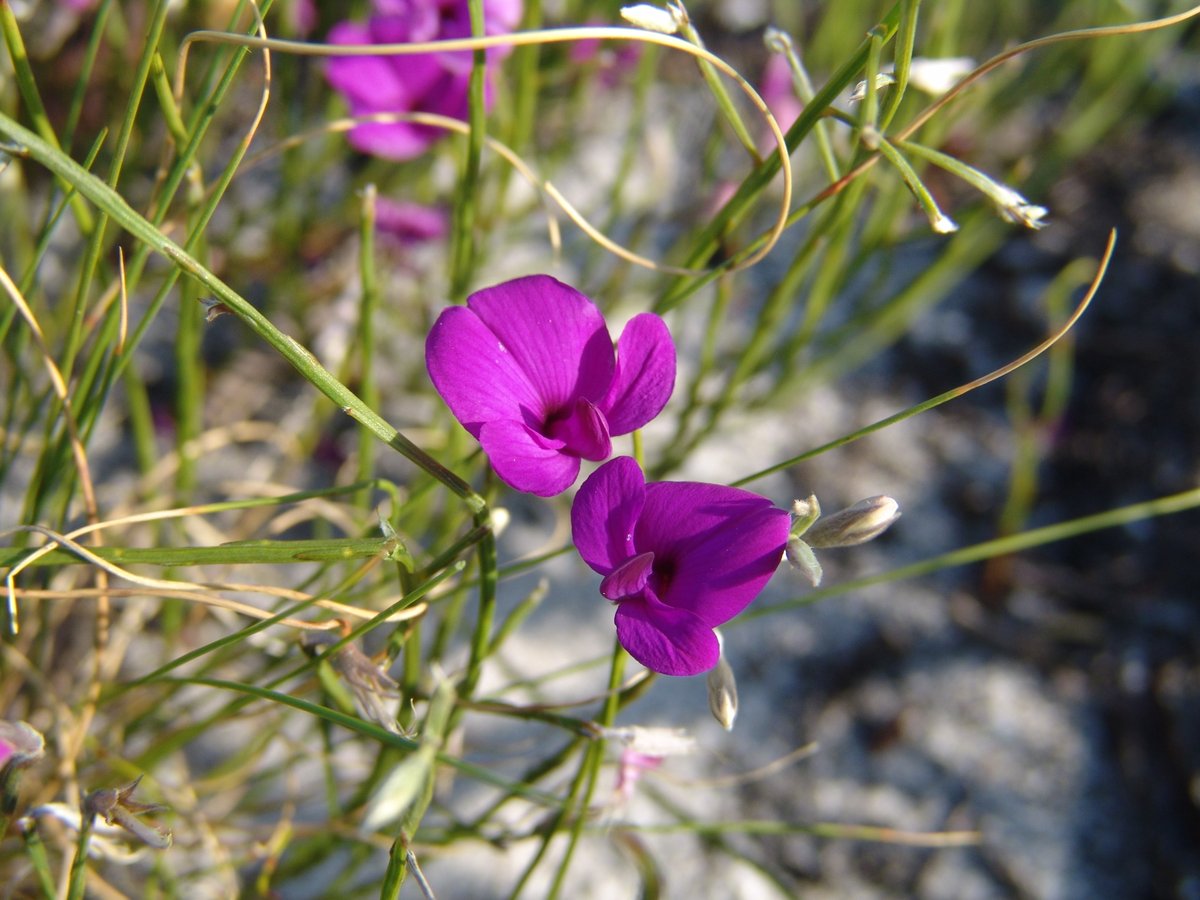
#FABACEAE:
#Amphithalea#biovulata
Fine, dainty, sprawling shrublet up to 30cm. Widely spaced alternate lanceolate leaves with margins incurved above and glabrous beneath. Two bright purple-blue flowers at the ends of side branches.
Habitat: Lowlands.