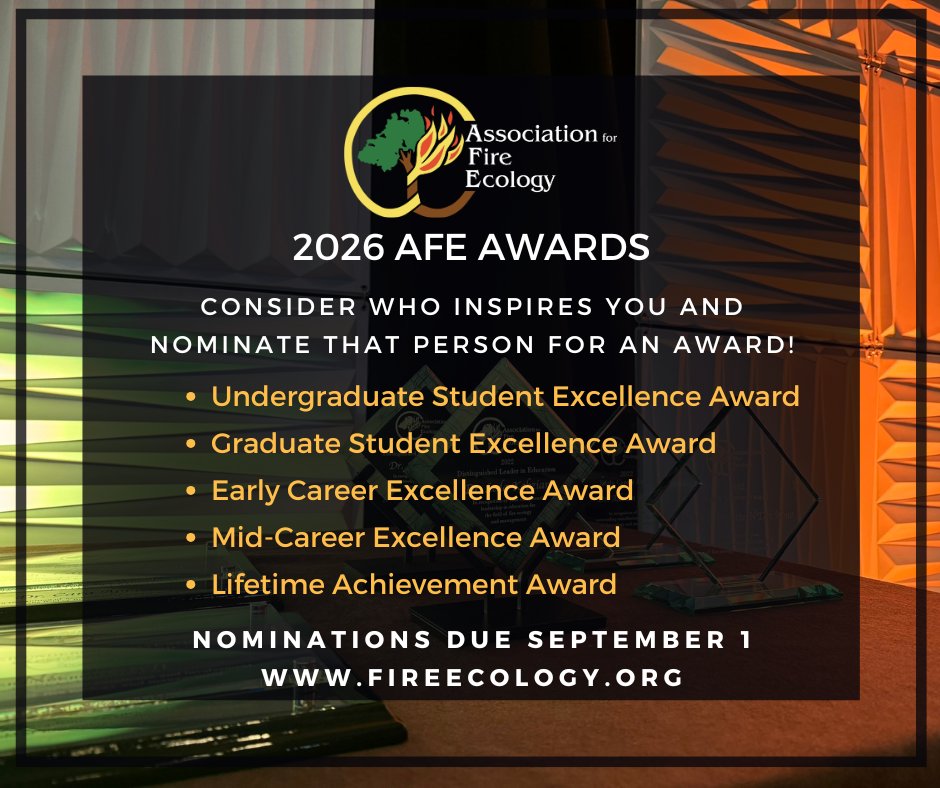
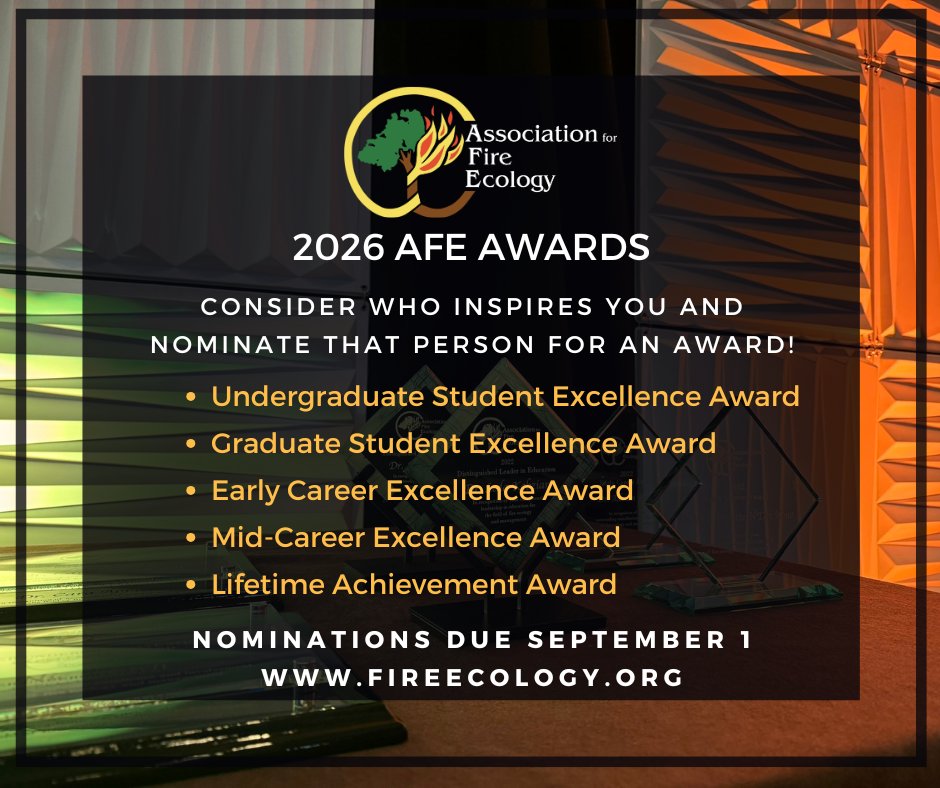
Reminder to nominate someone who inspires you for an AFE award before September 1! We welcome nominations that reflect the breadth of talent, experiences, perspectives, and career paths helping to shape the field of fire ecology. Learn more here: https://t.co/RtI21dEB1K
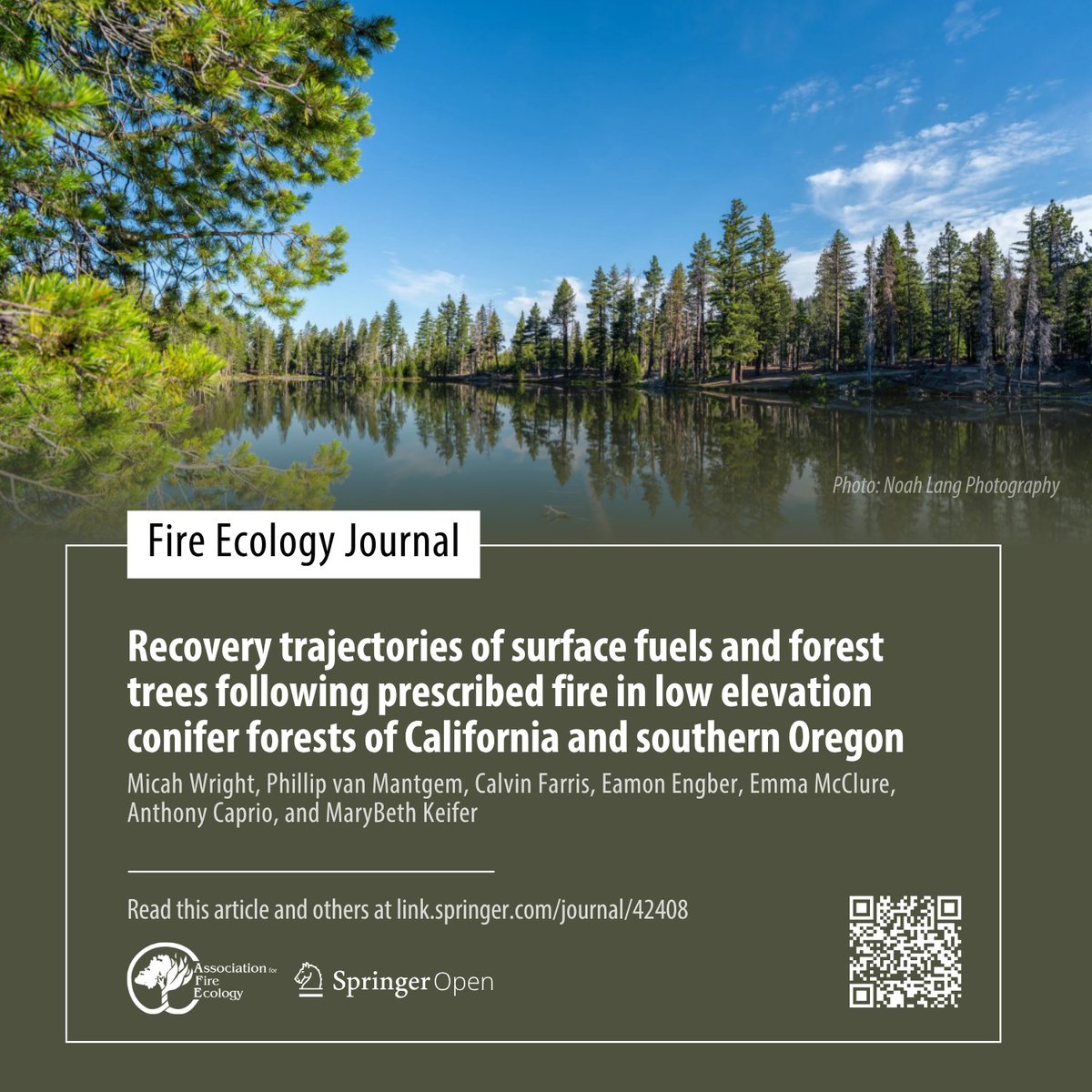
Read "Recovery trajectories of surface fuels and forest trees following prescribed fire in low elevation conifer forests of California and southern Oregon" in the #FireEcology Journal #SNFECO https://t.co/17GzG7EVad
NEW EPISODE of #FireEcology Chats! 🔥Claire Rapp and Melanie Colavito discuss how practitioners on the ground can better use wildfire management support tools #SNFECO Listen here: https://t.co/jda5QMs6Ee
Read "Long-term forest understory recovery and tradeoffs in response to prescribed fire return interval" in the #FireEcology Journal #SNFECO https://t.co/yYfgdNh8Kk
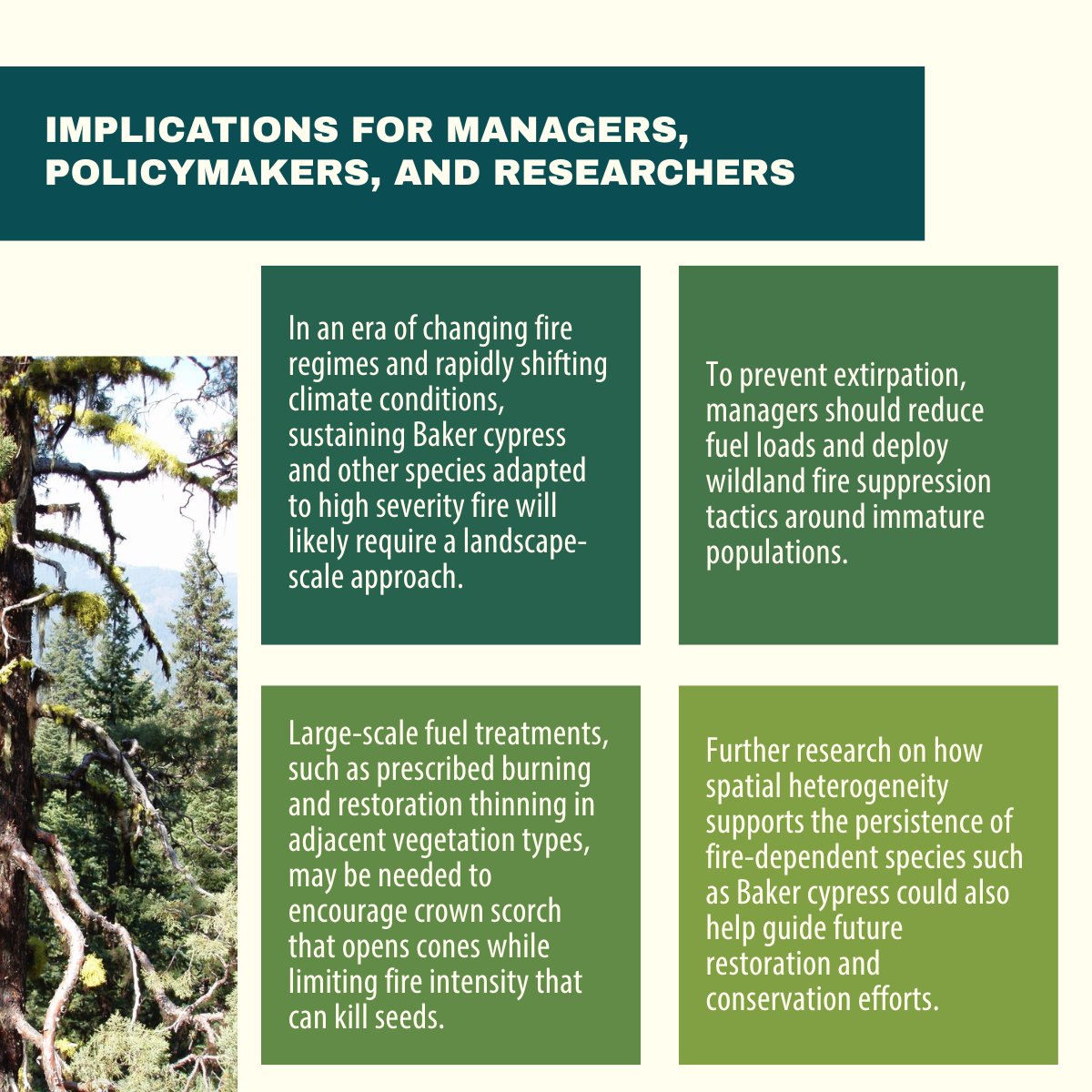
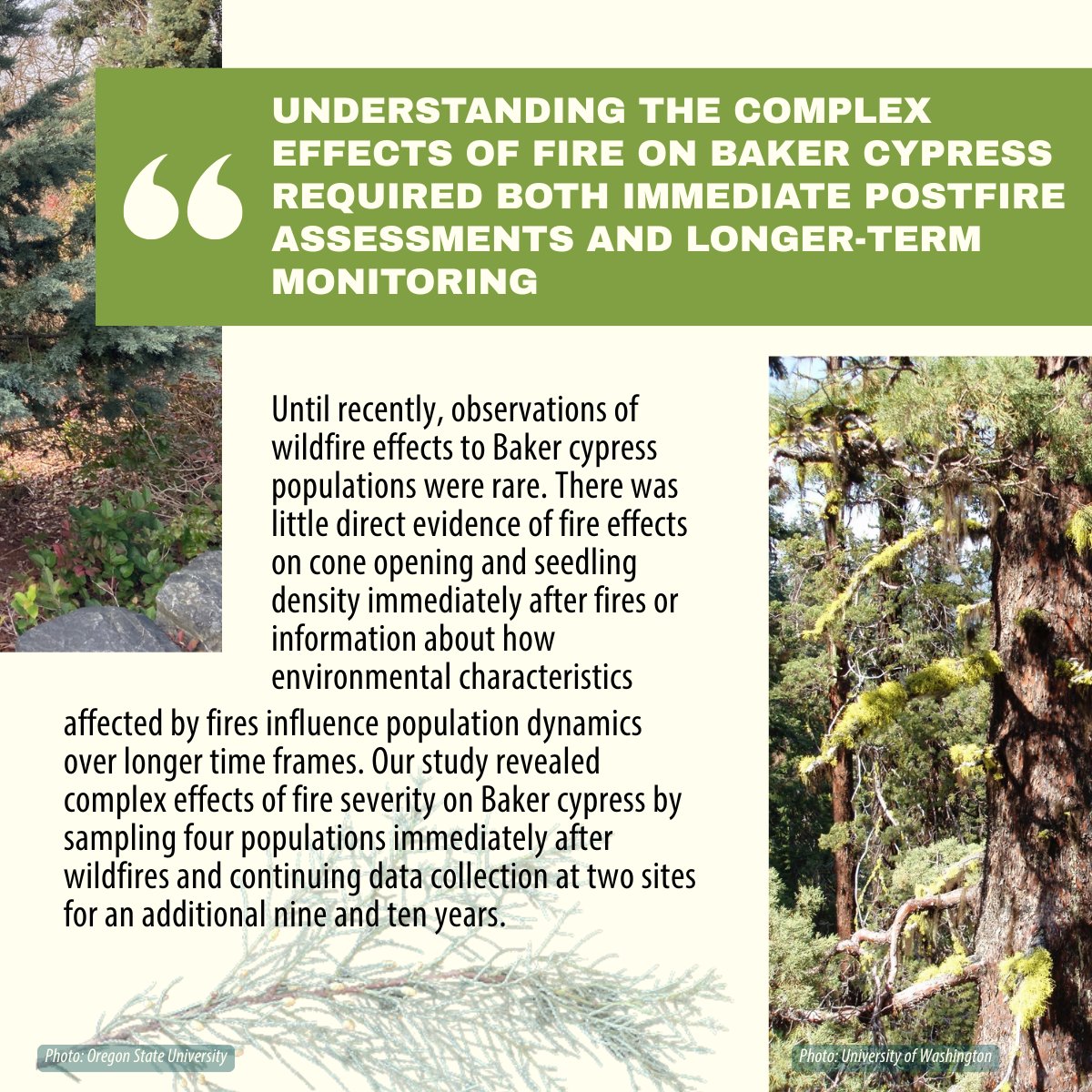
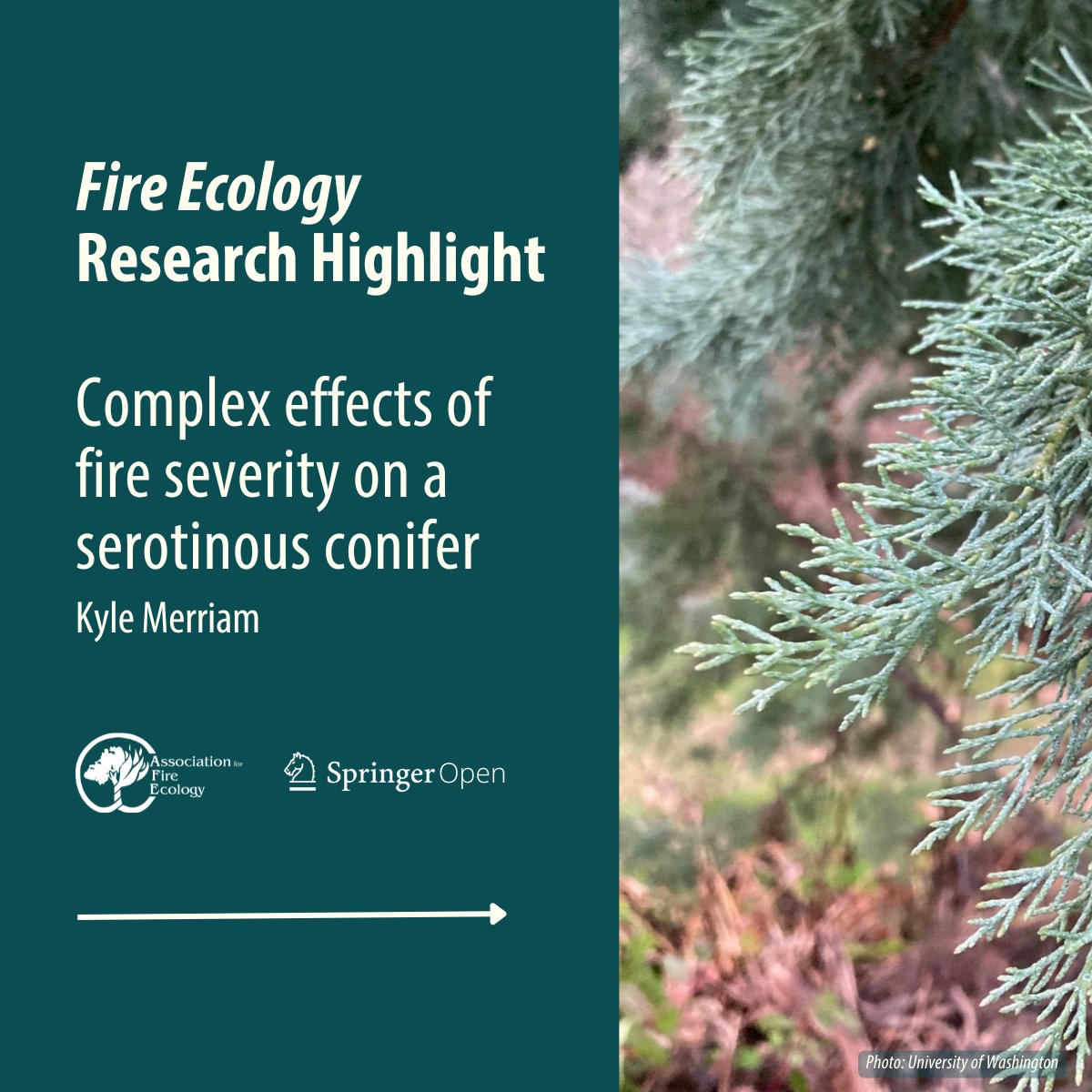
Want to learn more about fire severity and Baker cypress? Read a recent research highlight on "Complex effects of fire severity on a serotinous conifer" https://t.co/cyaRuUaKTg (1/2)
Read "Quantifying understory fuel structure and biomass using coupled terrestrial lidar scanning, close-range photogrammetry, and field sampling" in the #FireEcology Journal #SNFECO https://t.co/UKXMlC4V91
NEW EP of #FireEcology Chats! Peter Breigenzer and Jay Wason discuss using terrestrial lidar (TLS) to better understand how forest cover influences understory temperature, relative humidity, and dead fuel moisture in northeast US mesic forests #SNFECO https://t.co/aRZYZfaTWR
Read "Repeat terrestrial laser scanning for documenting and monitoring prescribed fire efficacy" in the #FireEcology Journal #SNFECO https://t.co/WqaUCqZiom
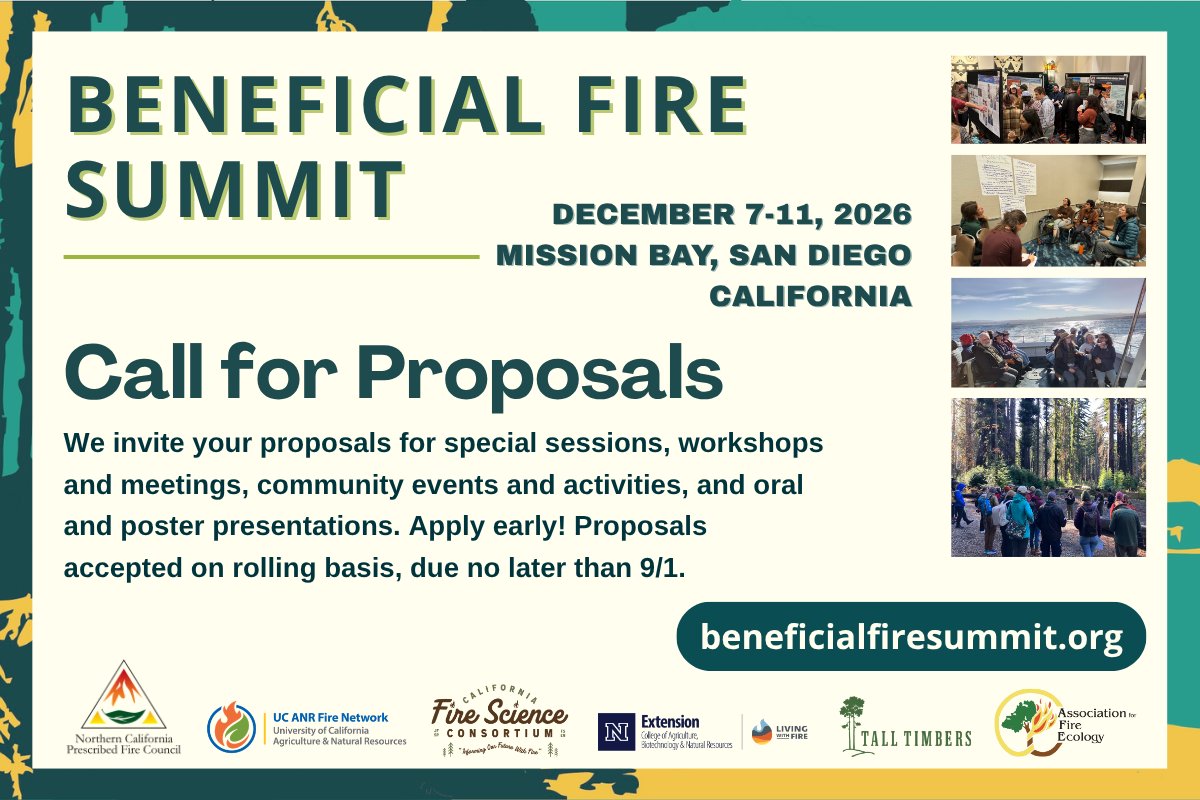
Reminder that the call for proposals for the Beneficial Fire Summit is OPEN! 🔥Proposals for special sessions, workshops and meetings, events and activities, and oral and poster presentations are being reviewed on a rolling basis https://t.co/v6rmkwI74f
"Can governance networks restore forest landscapes? An examination of nonfederal partners in implementation of the wildfire crisis strategy" by Jesse Abrams, Courtney Schultz, Heidi Huber-Stearns, Michelle Greiner, and Jess Downey in #FireEcology#SNFECO https://t.co/lxmaEj8eKq
Each year, the Association for Fire Ecology celebrates the accomplishments of exceptional individuals in the field of fire ecology and management. 🔥We are accepting awards nominations until September 1 - see https://t.co/RtI21dEB1K for more details on how to nominate someone!
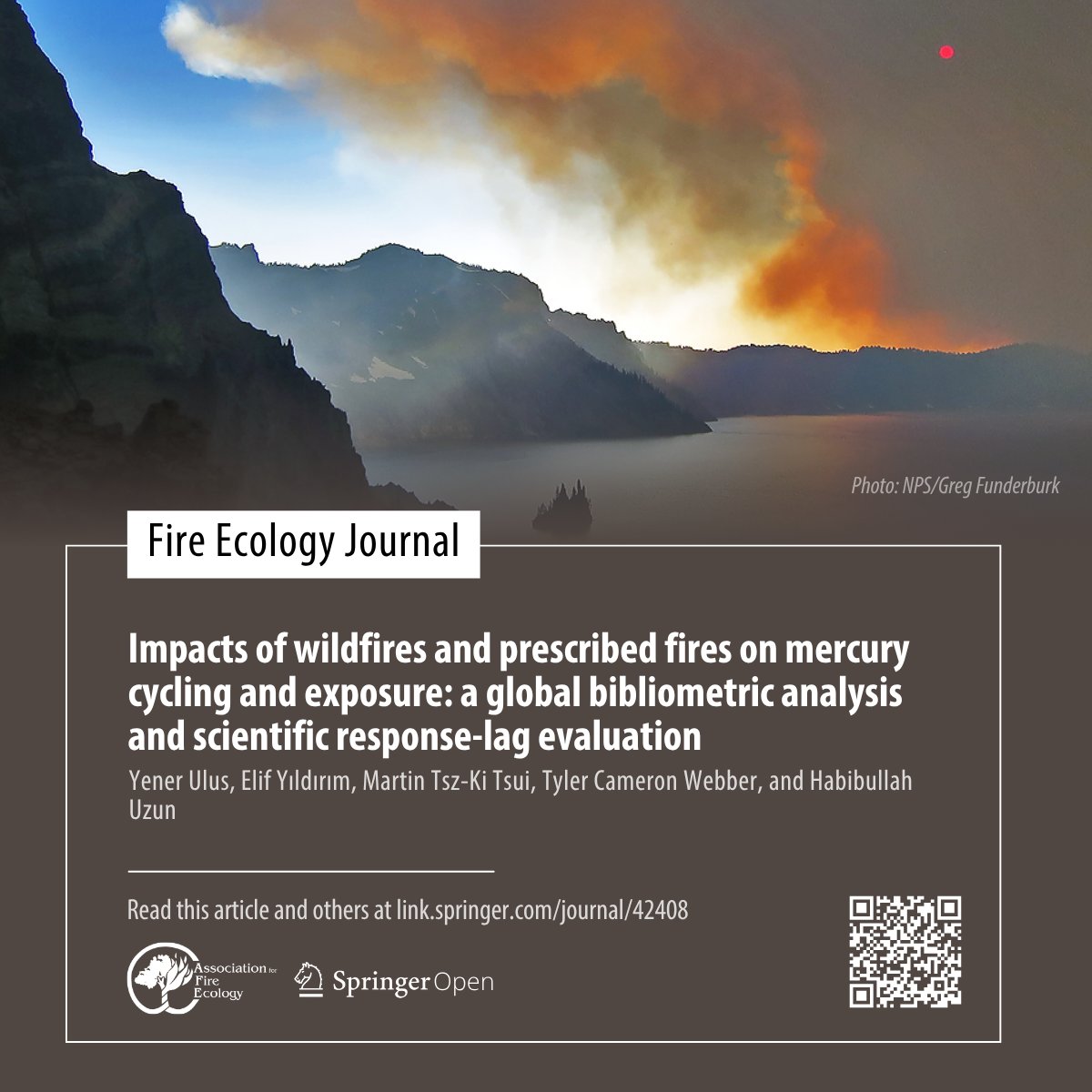
Read "Impacts of wildfires and prescribed fires on mercury cycling and exposure: a global bibliometric analysis and scientific response-lag evaluation" in the #FireEcology Journal #SNFECO https://t.co/2IyQ1bZnmy
Read "High-severity fire increases seed predation of non-fir tree species in a California mixed-conifer forest" by Victoria E. Mattsson, Nina E. Venuti, Andrew M. Latimer, and Derek J. N. Young in the #FireEcology Journal #SNFECO https://t.co/ZtEN76Cdl1
This quarter's member-only newsletter comes out later this week - join AFE today to receive the AFE Edition as well as the many other benefits AFE members enjoy! https://t.co/uN5b8DtQpQ
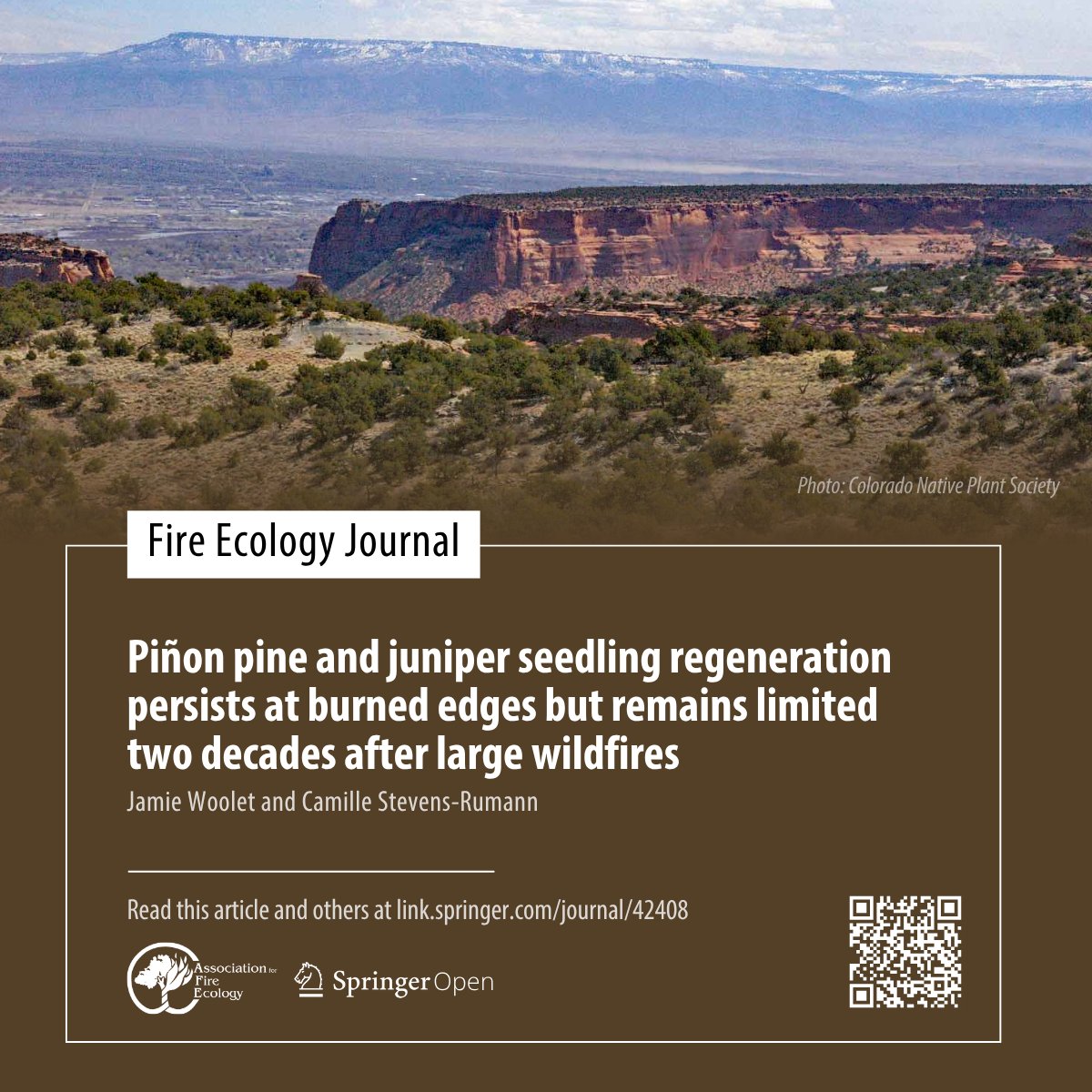
Read "Piñon pine and juniper seedling regeneration persists at burned edges but remains limited two decades after large wildfires" by Jamie Woolet and Camille Stevens-Rumann in the #FireEcology Journal #SNFECO https://t.co/MCKZ110NPl
Read "Fire shifts the structure and dynamics of woody plant communities in a Mediterranean coastal dune ecosystem" in the #FireEcology Journal #SNFECO https://t.co/R2oS8Ka5d7
The call for proposals for the Beneficial Fire Summit is OPEN until September 1! 🔥For more details about proposals for special sessions, workshops and meetings, community events and activities, and oral and poster presentations, visit https://t.co/v6rmkwI74f