When history is preserved for generations yet unborn, it becomes a beautiful gift to humanity.
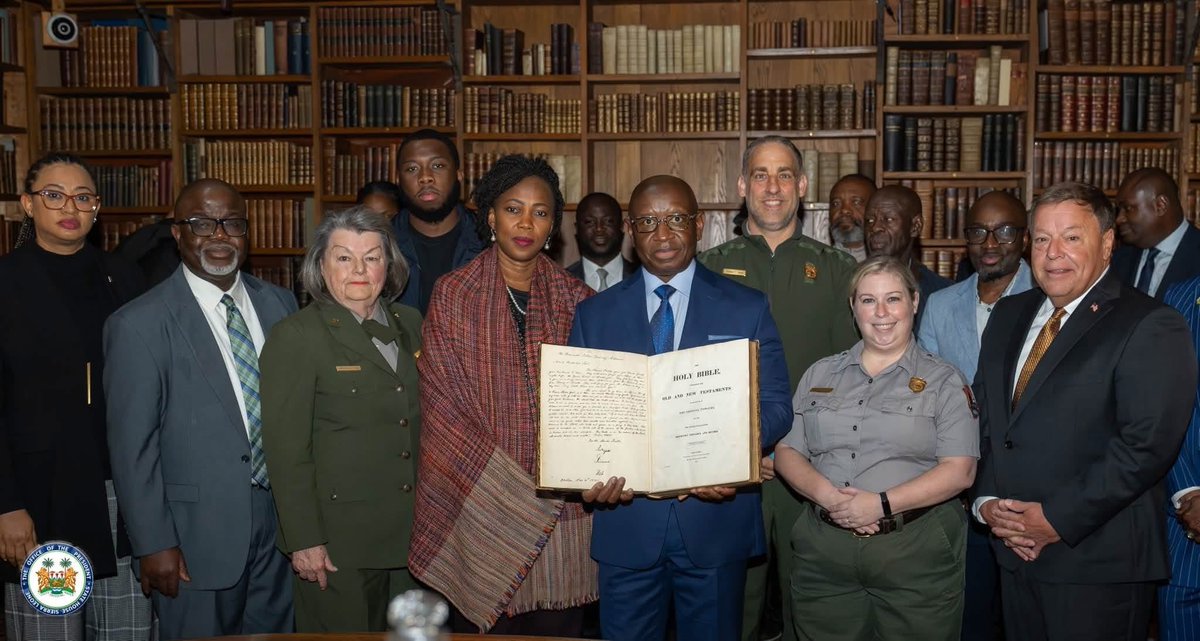
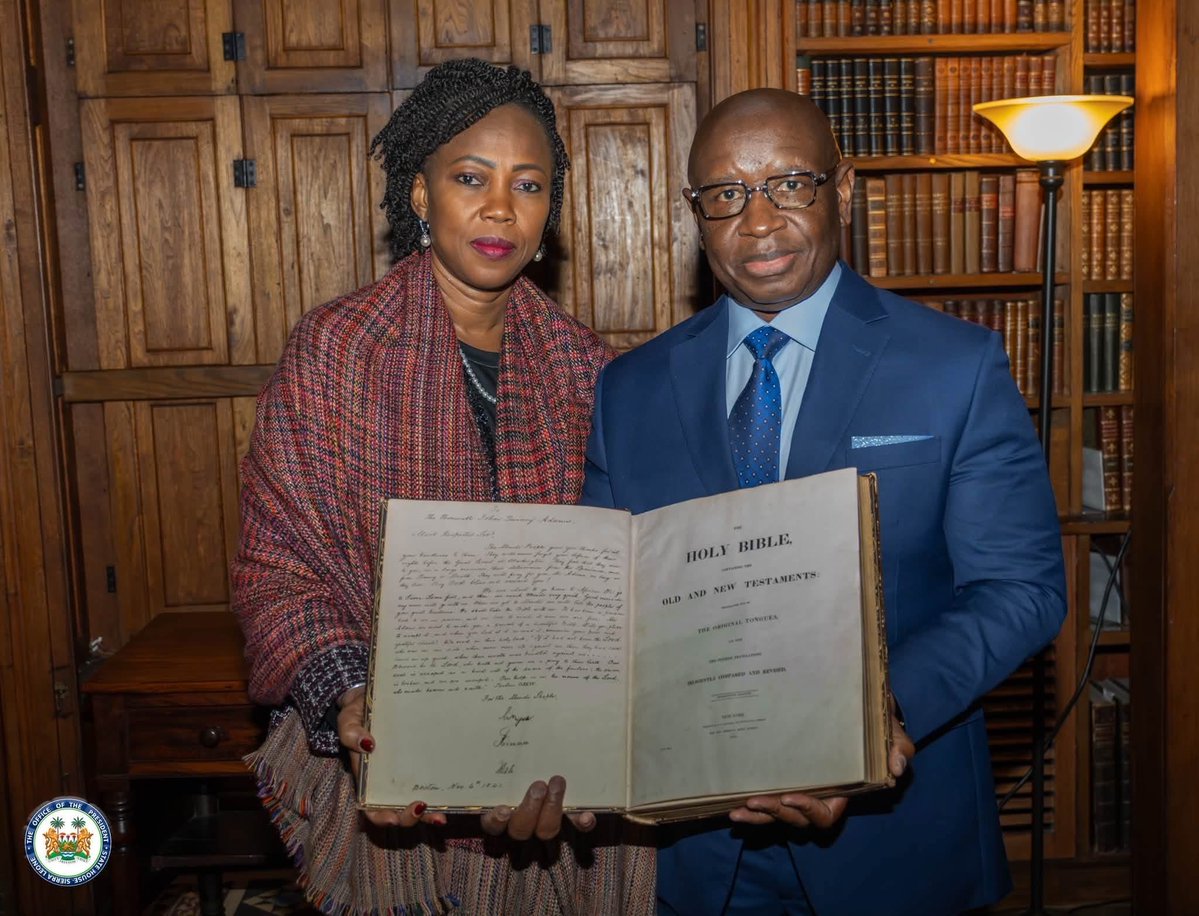
It was a profound honour to visit the Adams National Historical Park and see the Mende Bible on display, a powerful reminder of the historic connection between Boston, Massachusetts, and Bonthe in Sierra Leone.
For us, this was far more than a visit to a place of historical significance. It was a deeply touching journey through a shared history of bravery, dedication, compassion and the enduring pursuit of freedom.
Standing in a place where the stories of our Sierra Leonean compatriots who paved the way for generations to come are preserved was deeply moving. The courage of the Africans aboard the Amistad, the story of Sengbe Pieh, and the compassion and conviction associated with President John Quincy Adams all form part of a remarkable chapter in the history of the struggle for freedom and human dignity.
I was especially honoured to make this visit alongside my husband, H.E. President Julius Maada Bio, who himself hails from Bonthe, Sierra Leone. For both of us, the connection between Bonthe and this historic place in Massachusetts carries a very special meaning.
To see a piece of our heritage preserved here, allowing people from across the world to learn, reflect and remember, is truly touching.
We honour those who came before us, whose courage opened doors for generations yet unborn. Their stories remind us that the pursuit of freedom, dignity and justice transcends borders and generations.
From Boston to Bonthe, this history continues to connect our peoples.
With gratitude, pride and love for Sierra Leone. 🇸🇱
FMB
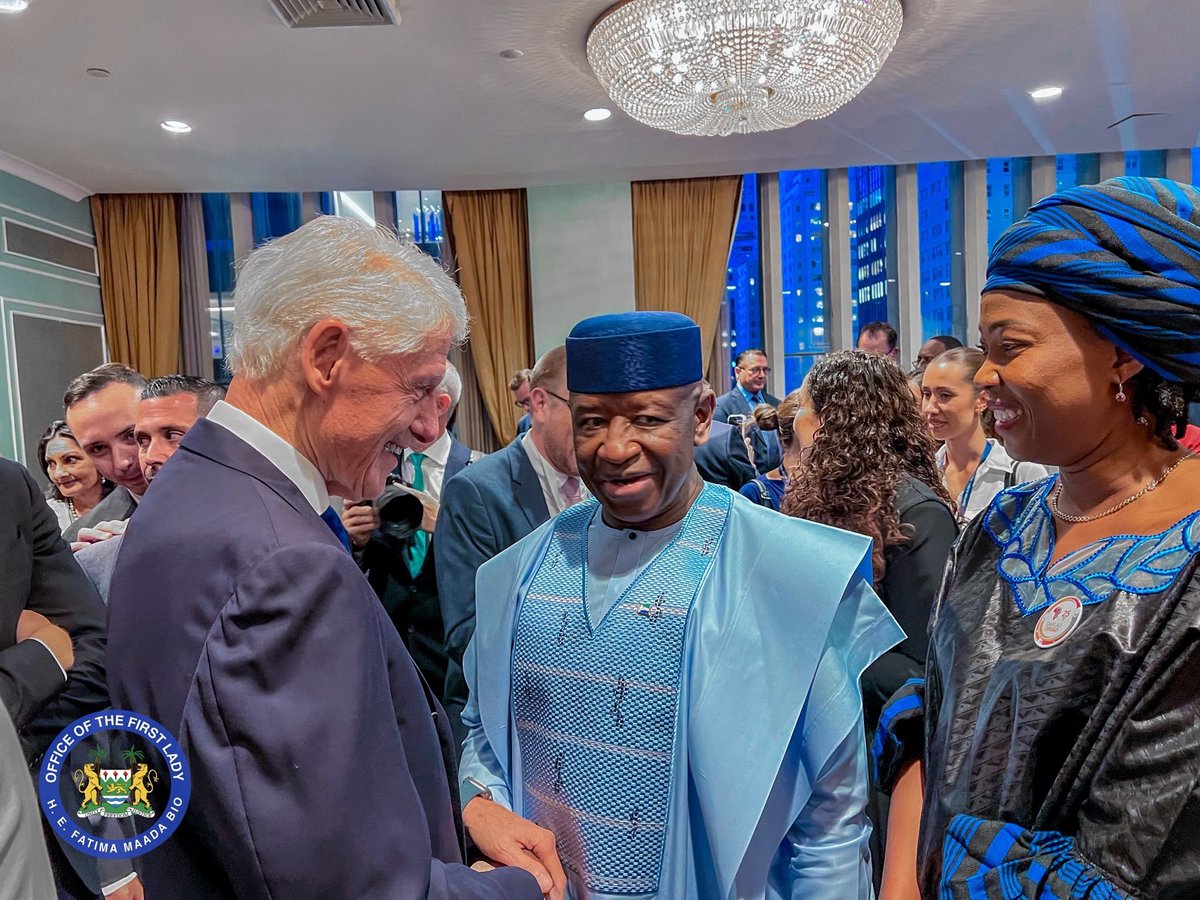
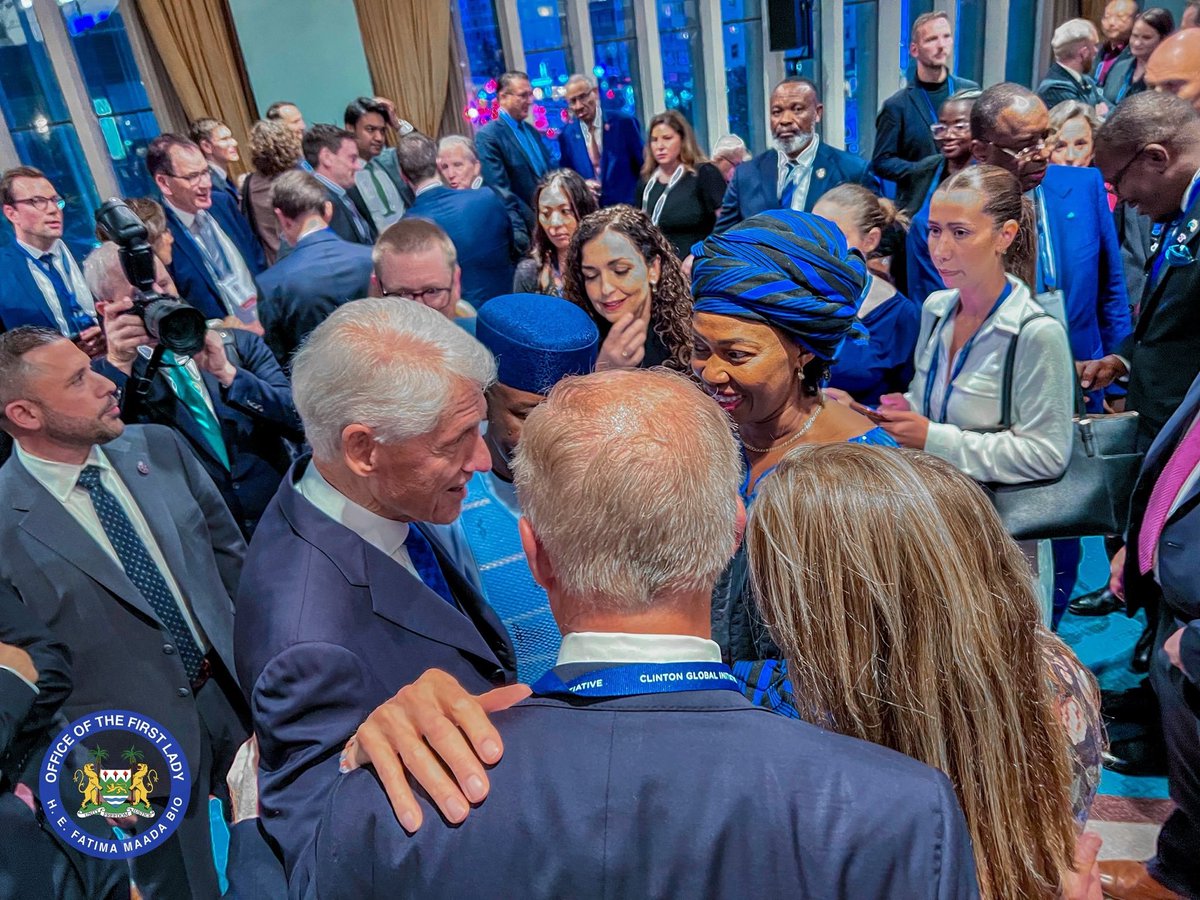
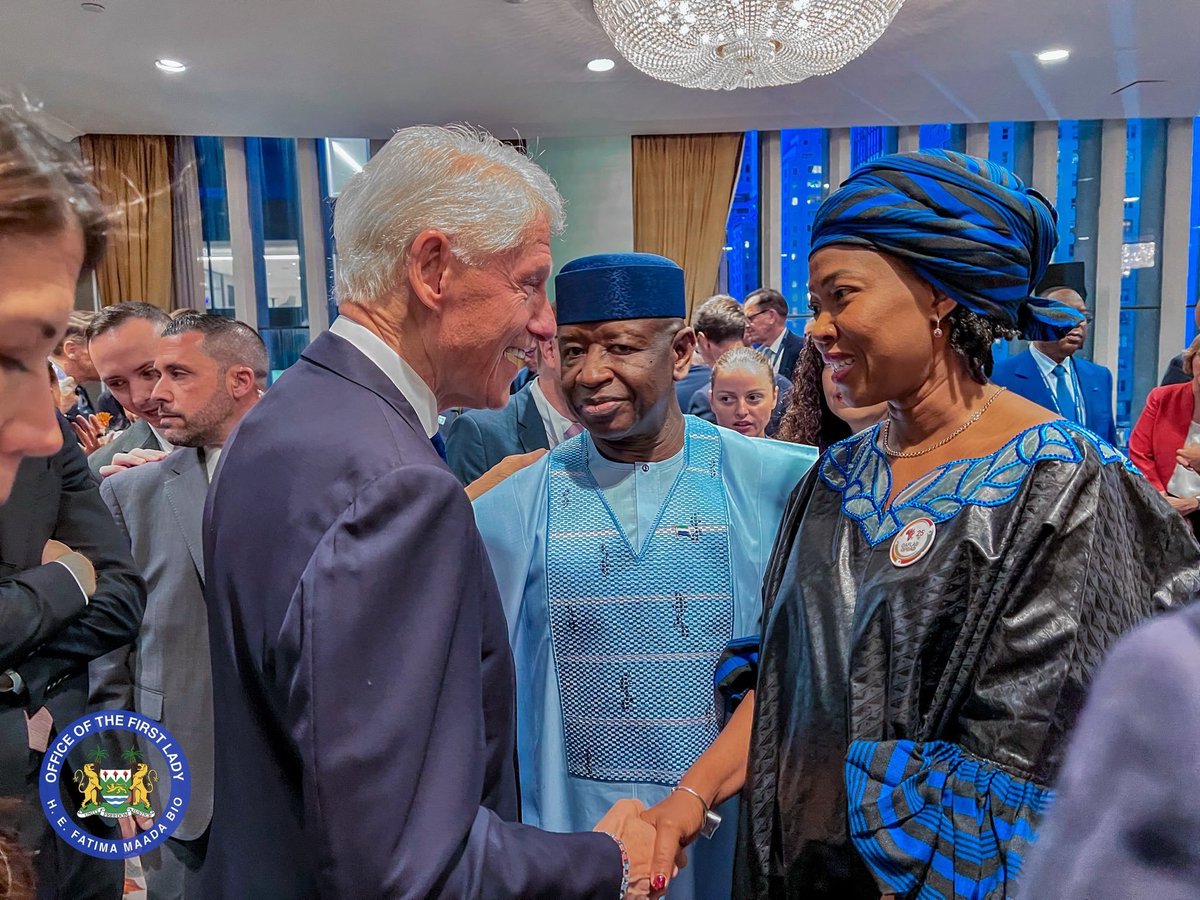
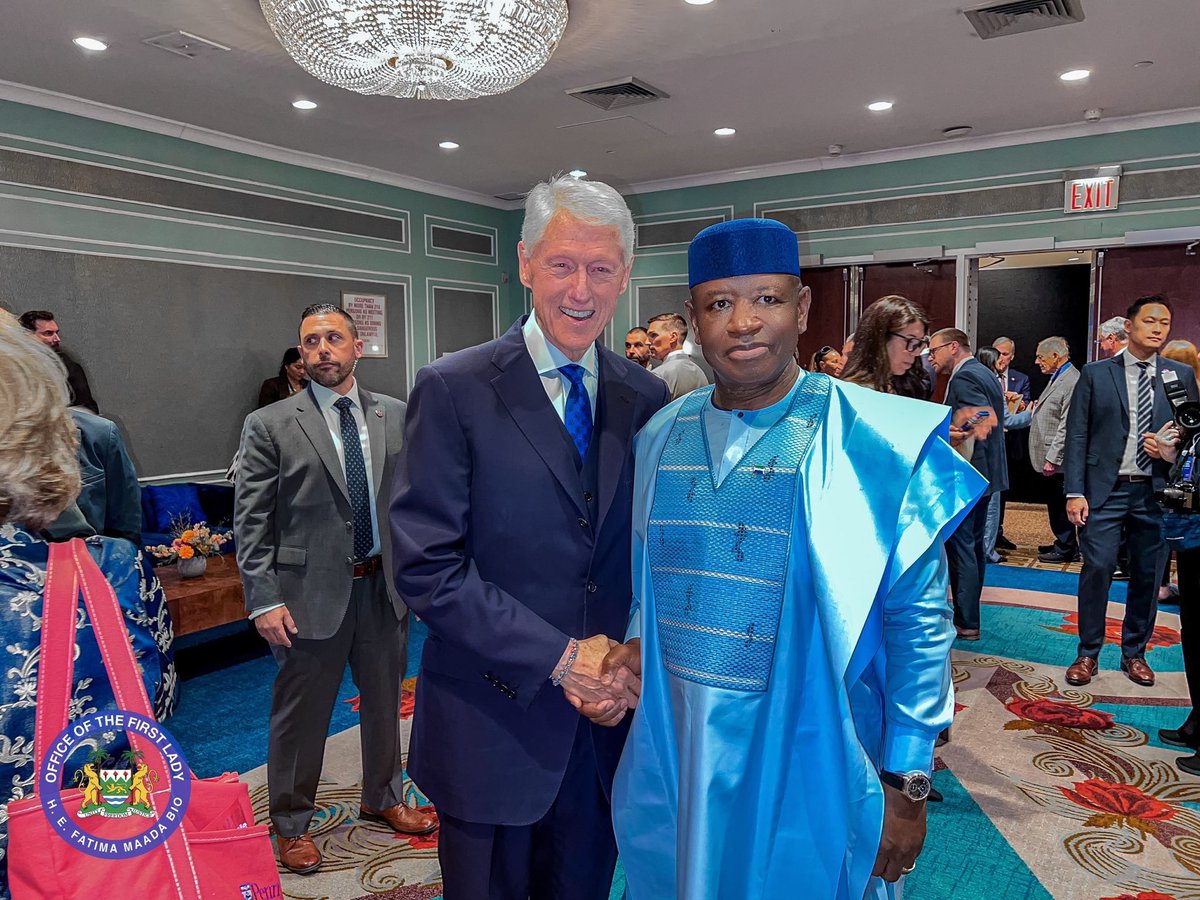
During the 81st United Nations General Assembly in New York, I had the honour of joining H.E. President Julius Maada Bio at the Clinton Global Initiative dinner, where we came together in support of an important project and a shared commitment to advancing meaningful change.
We were honoured to be hosted by Former President Bill Clinton, whose longstanding commitment to bringing leaders together around solutions to some of the world’s most pressing challenges continues to inspire.
It was a particularly special evening for President Bio and me — an opportunity to stand together, represent Sierra Leone, and support an initiative that speaks to the importance of partnership, leadership and collective action.
Moments such as these remind us that progress is strongest when leaders, institutions and communities come together with a shared purpose.
I was deeply honoured to be part of this memorable evening during UNGA81, and grateful for the opportunity to continue championing initiatives that create opportunities and a better future for our people and our continent.
FMB
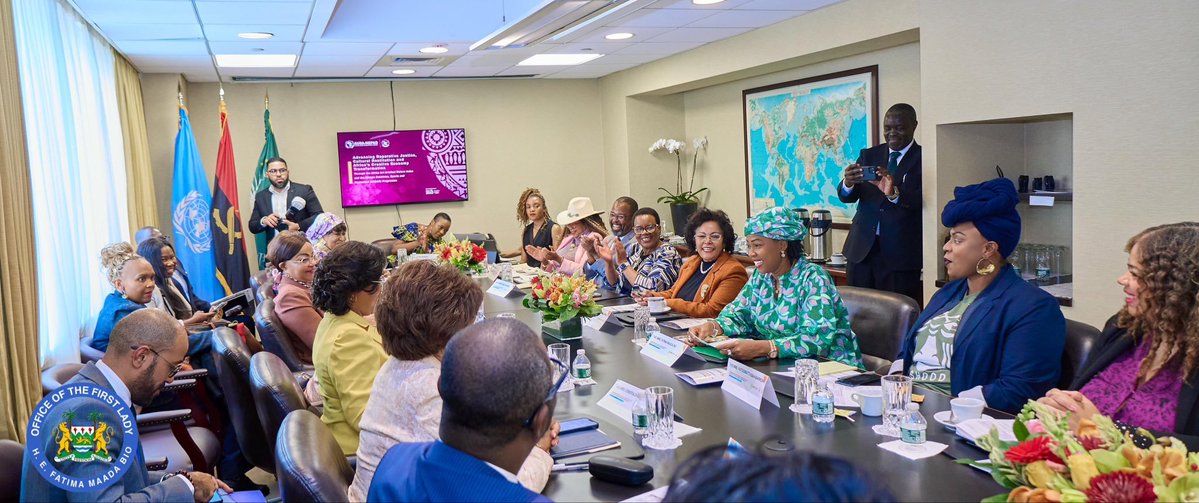
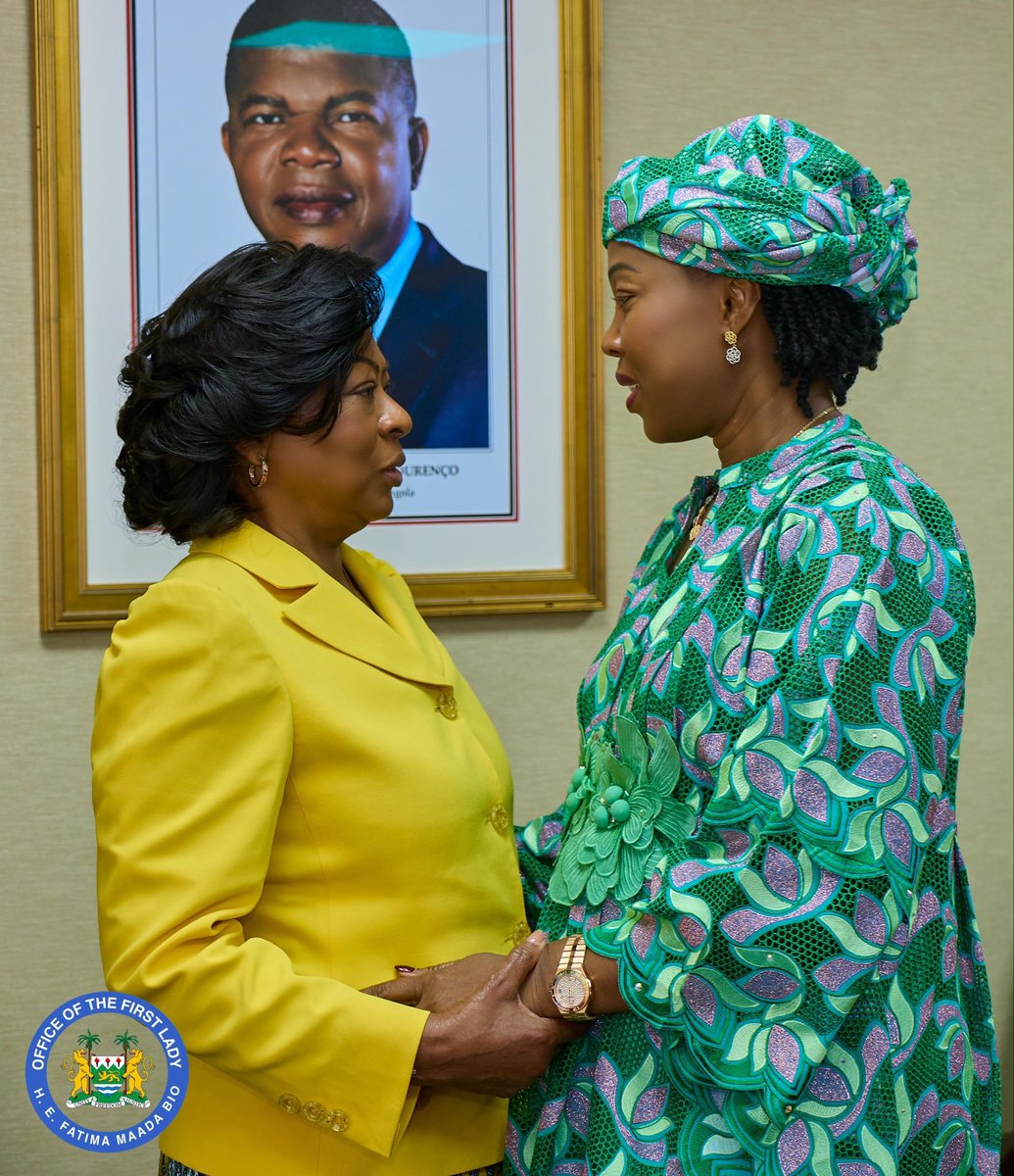
During the 81st United Nations General Assembly in New York, I was privileged to join my sister First Lady H.E. Ana Dias Lourenço of Angola and distinguished African leaders for an important high-level dialogue on Advancing Reparative Justice, Cultural Restitution and Africa’s Creative Economy Transformation.
This was more than a conversation about the past. It was a conversation about Africa’s future.
Africa’s cultural heritage tells the story of our people, our identities, our civilizations and our contributions to the world. For generations, precious artefacts and cultural treasures have been taken from our continent, while much of Africa’s creative wealth and intellectual contribution has not always translated into opportunities for our people.
Cultural restitution is therefore not simply about the return of objects. It is about restoring history, dignity, identity and ownership, while creating pathways for future generations to learn from and build upon their heritage.
Equally important is the transformation of Africa’s creative economy. Our artists, filmmakers, musicians, writers, designers, performers, artisans and young innovators possess extraordinary talent. With the right investment, infrastructure, intellectual-property protection, markets and opportunities, Africa’s creativity can become an even stronger driver of jobs, entrepreneurship and sustainable economic growth.
The dialogue, including the work of AUDA-NEPAD’s African Art and Artefact Return Initiative (A3RI) and Africa Creatives, Sports and Recreation Programme (ACSAR), is an important step toward turning recognition into practical action.
As we move through the 2026–2036 Decade of Reparations, Restitution and Justice, Africa must continue to shape this agenda on its own terms — ensuring that our heritage is protected, our stories are told by us, our cultural assets are valued, and our young people can build prosperous futures from the richness of who we are.
I was honoured to stand alongside fellow First Ladies in support of this important continental journey.
Our heritage is our identity. Our creativity is our strength. Our future is ours to shape.
FMB.
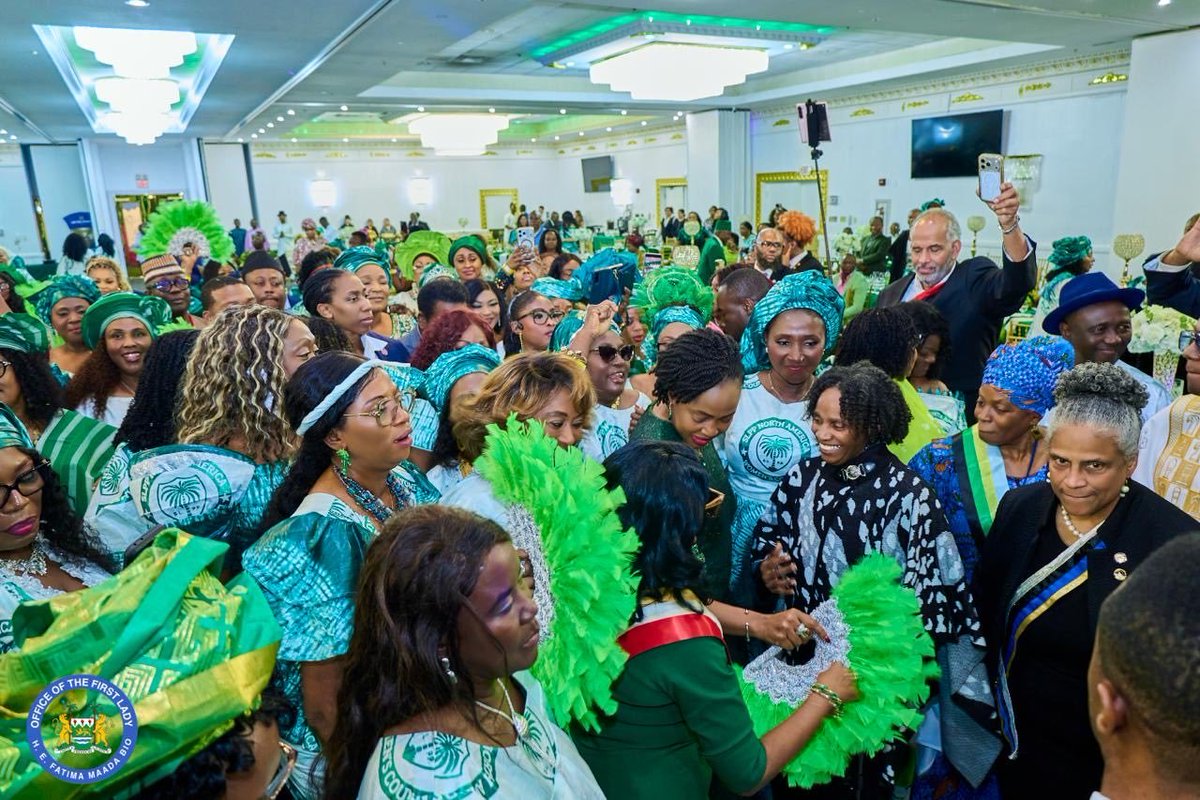
What a night we had!
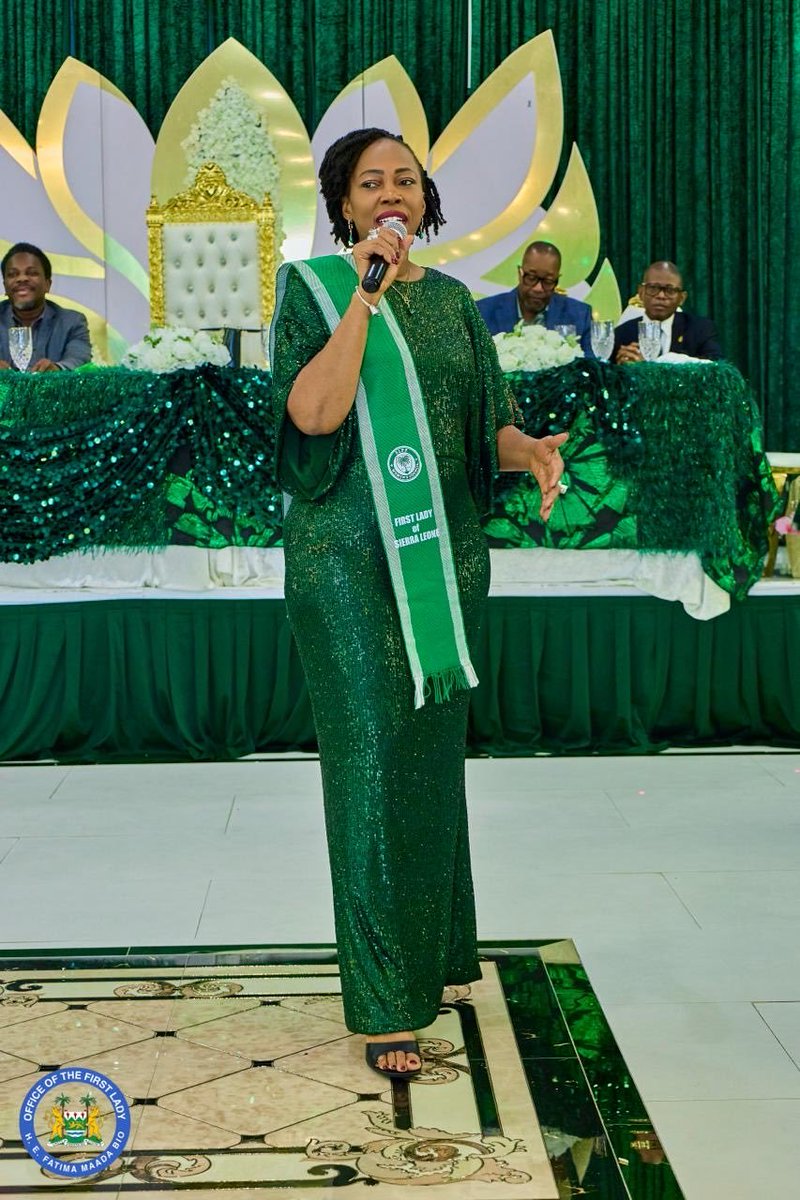
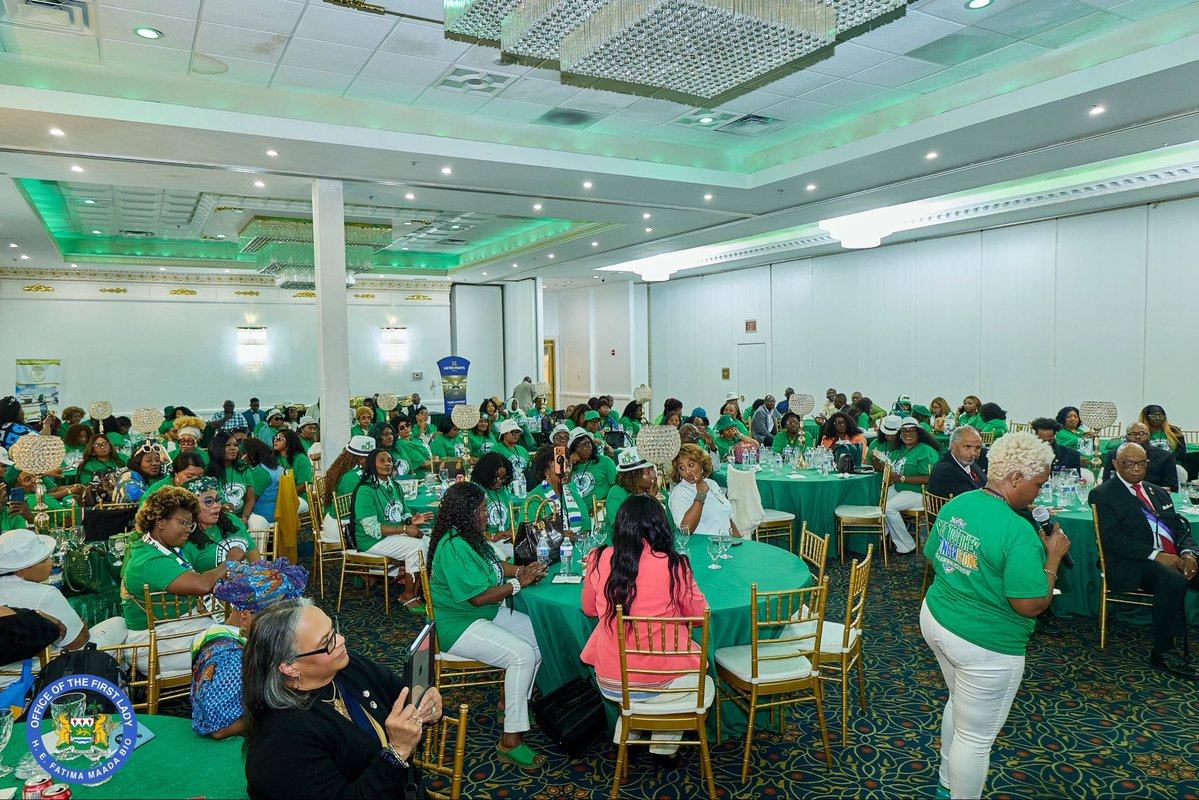
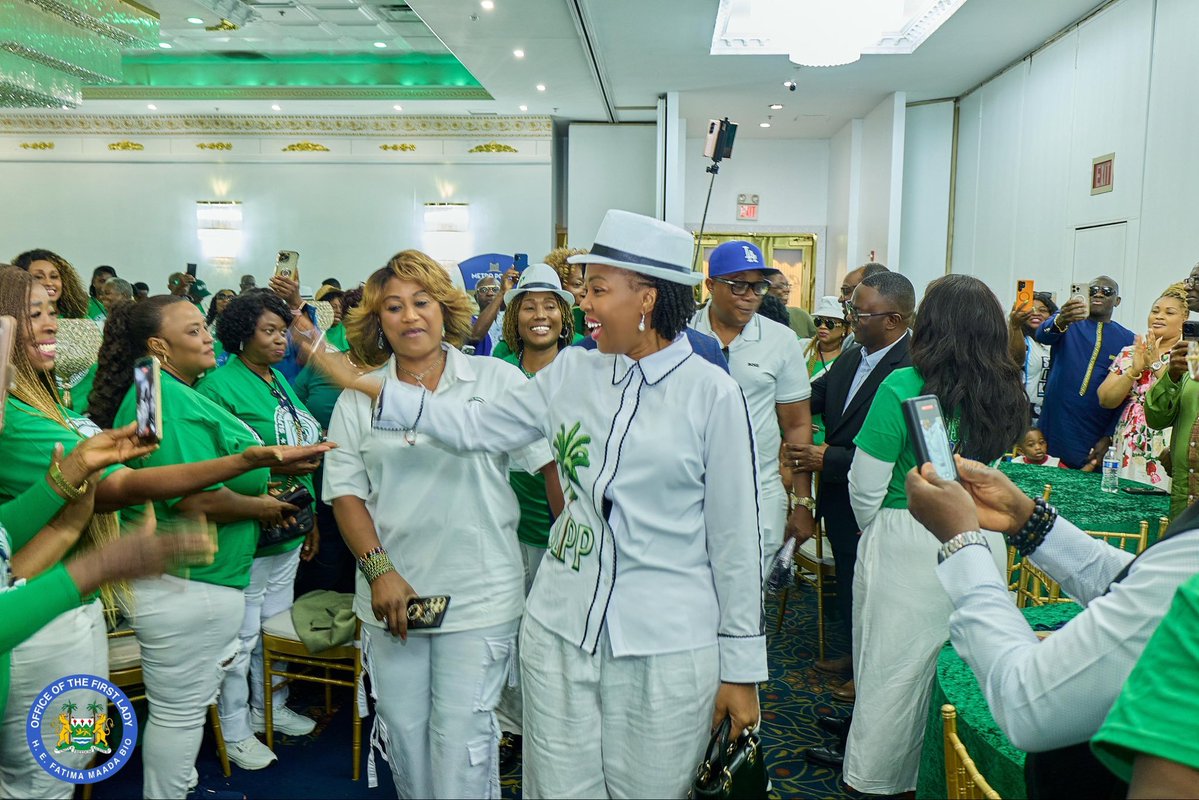
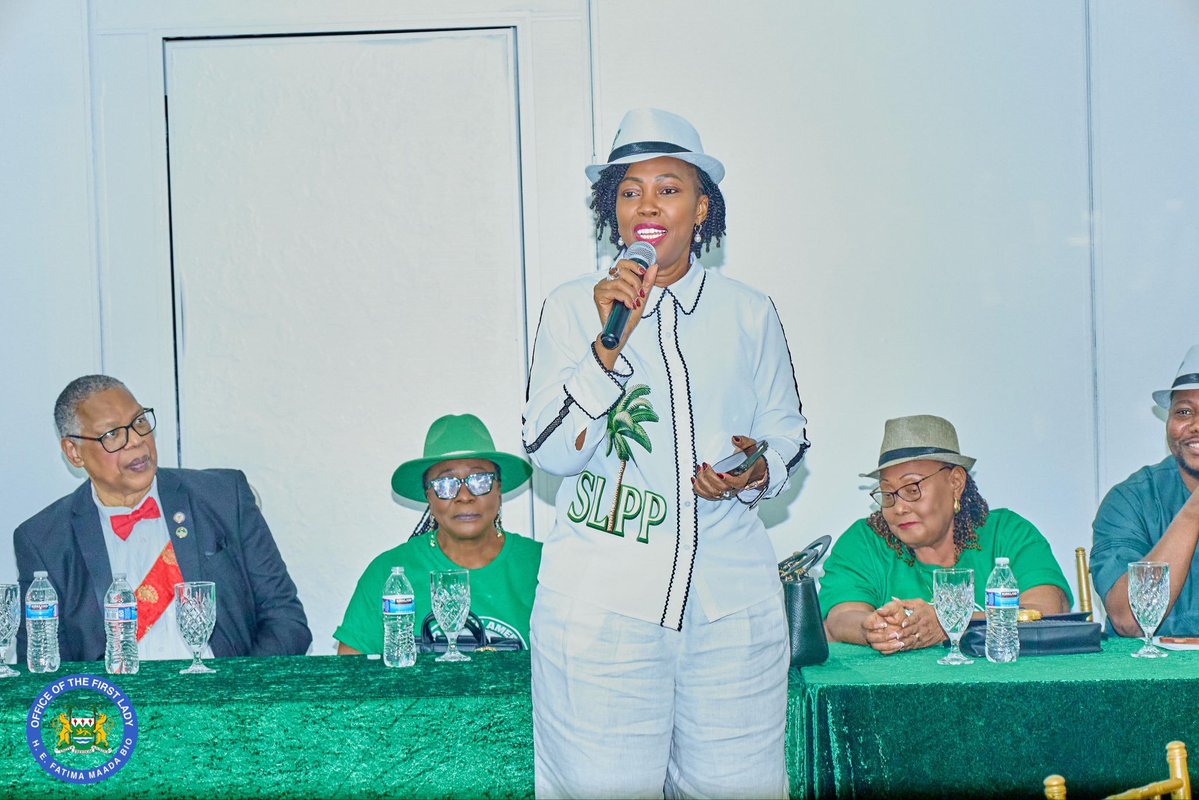
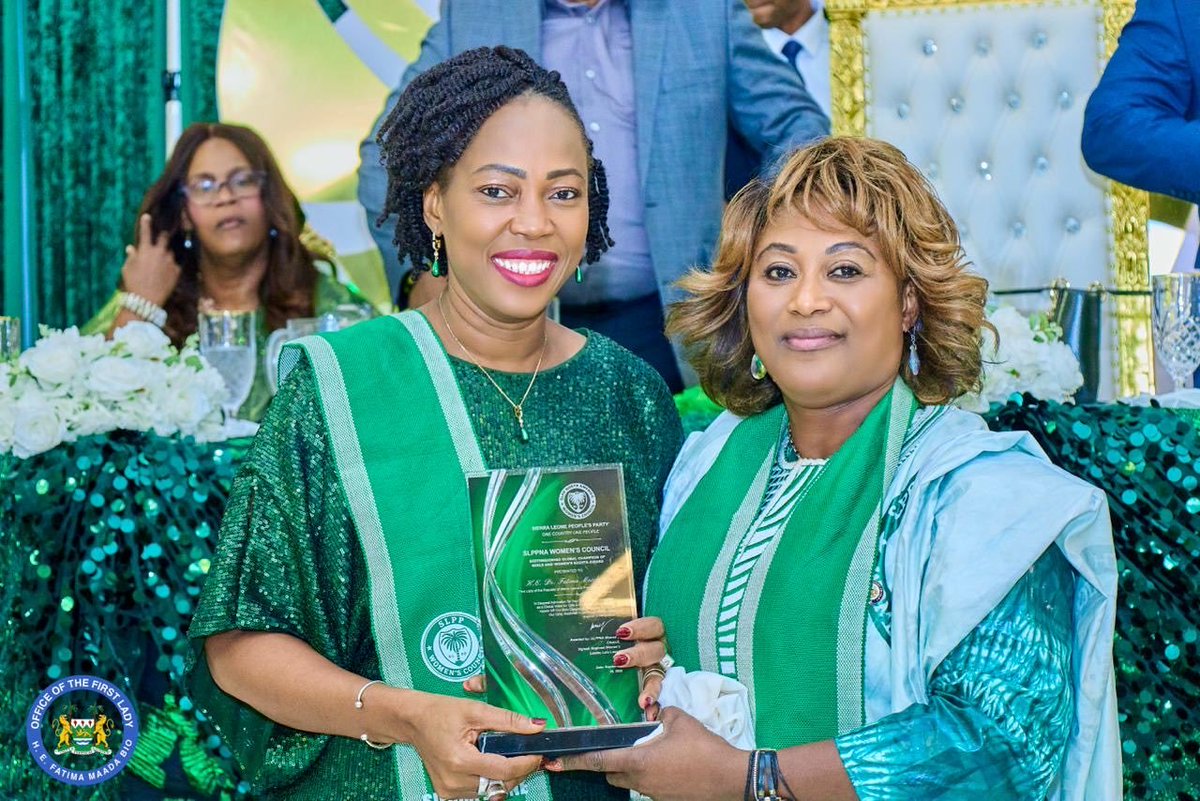
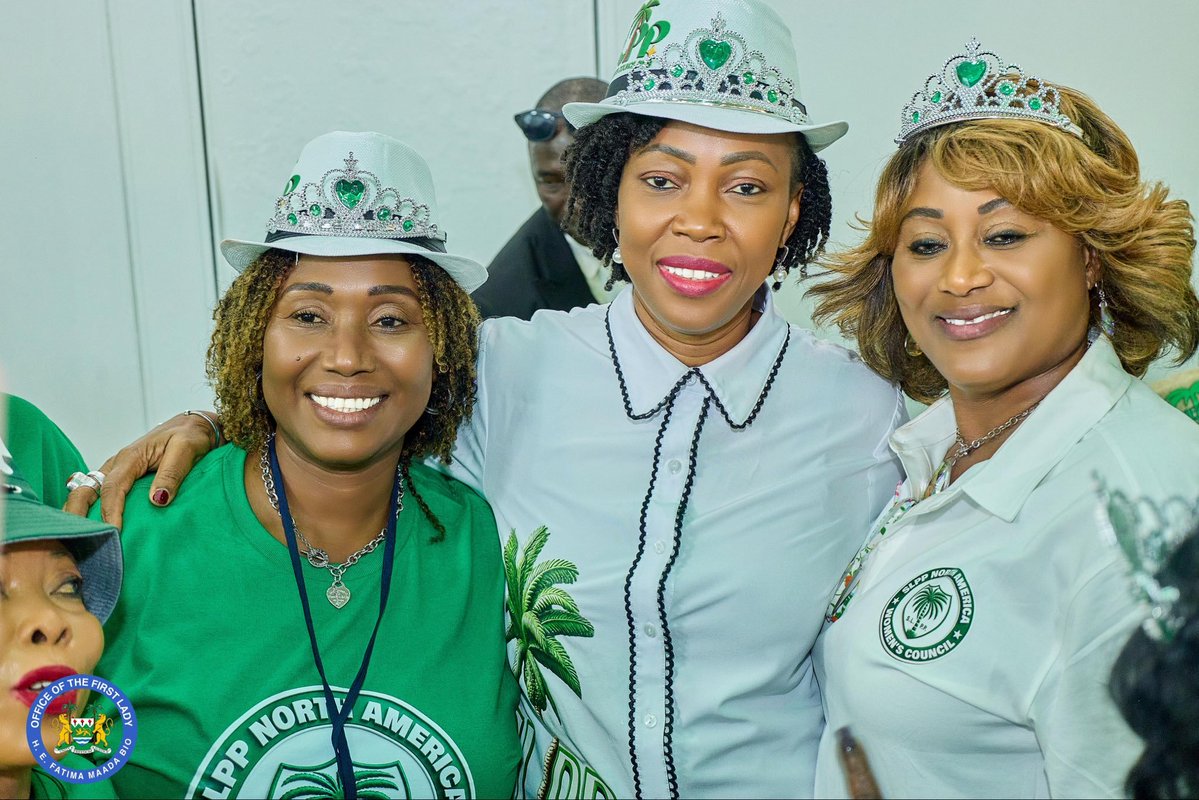
The women of the SLPP North America came together in a beautiful spirit of sisterhood, unity, and solidarity to celebrate our great party and the important role women continue to play in its growth and development.
It was a celebration not only of our political family, but also of the progress we have made in creating greater space for women to participate meaningfully in governance, leadership, and national development. When women are given the opportunity to lead, contribute, and shape decisions, our communities and our nation benefit.
I was deeply honoured to stand among so many strong, committed, and inspiring women who continue to believe in the values of service, inclusion, and progress. Our strength lies in our unity, and our voices are even more powerful when we stand together.
To the women of SLPP North America, thank you for your dedication, your resilience, and your unwavering commitment to our party and our beloved Sierra Leone. Let us continue to support one another, lift each other up, and create opportunities for the next generation of women to lead.
One Country, One People.
FMB
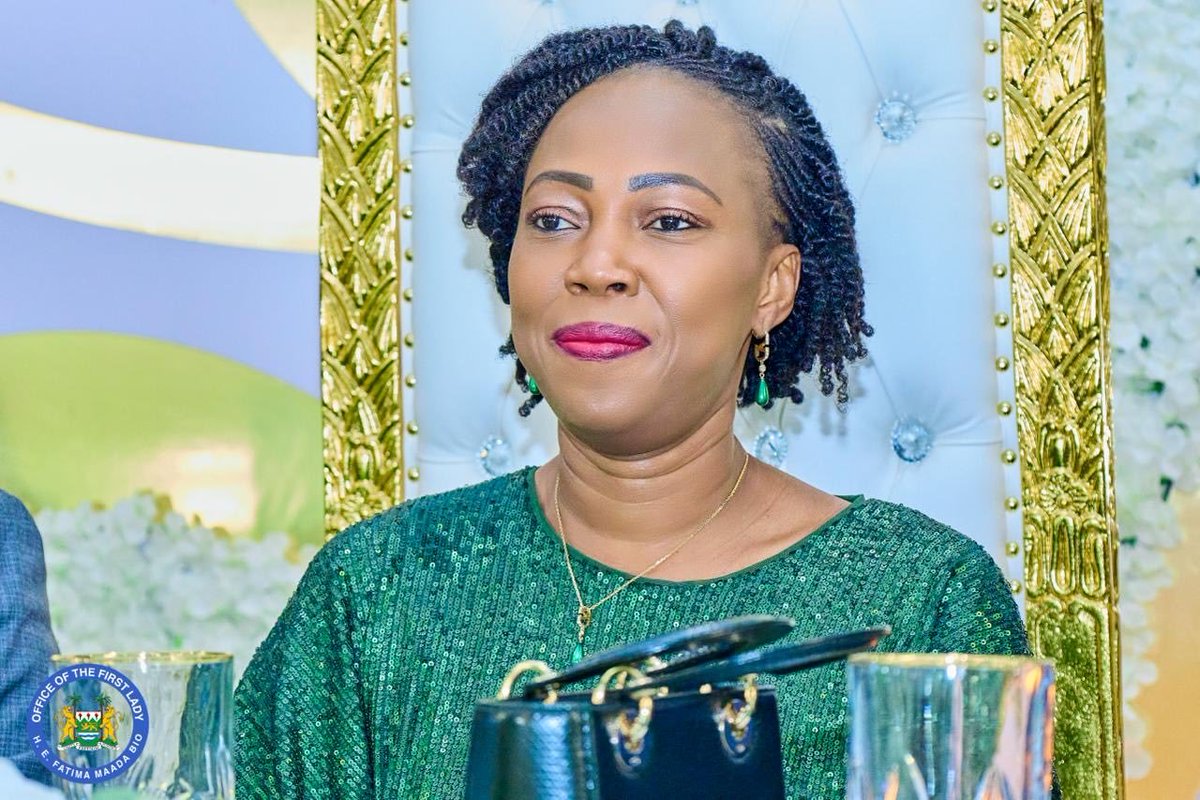
I am an SLPP member, with a track record of commitment, service, and loyalty to our great party.
It was a true honour to stand among the remarkable women of our party as we celebrated the North America Women’s Council. Women remain a powerful force within the SLPP, contributing their voices, strength, ideas, and dedication to the continued growth of our party and our nation.
I am proud to be part of this family and to celebrate the sisterhood, resilience, and leadership of our women across North America and beyond.
Together, we continue to build, serve, and strengthen the values that unite us. 🇸🇱💚
One Country, One People.
FMB
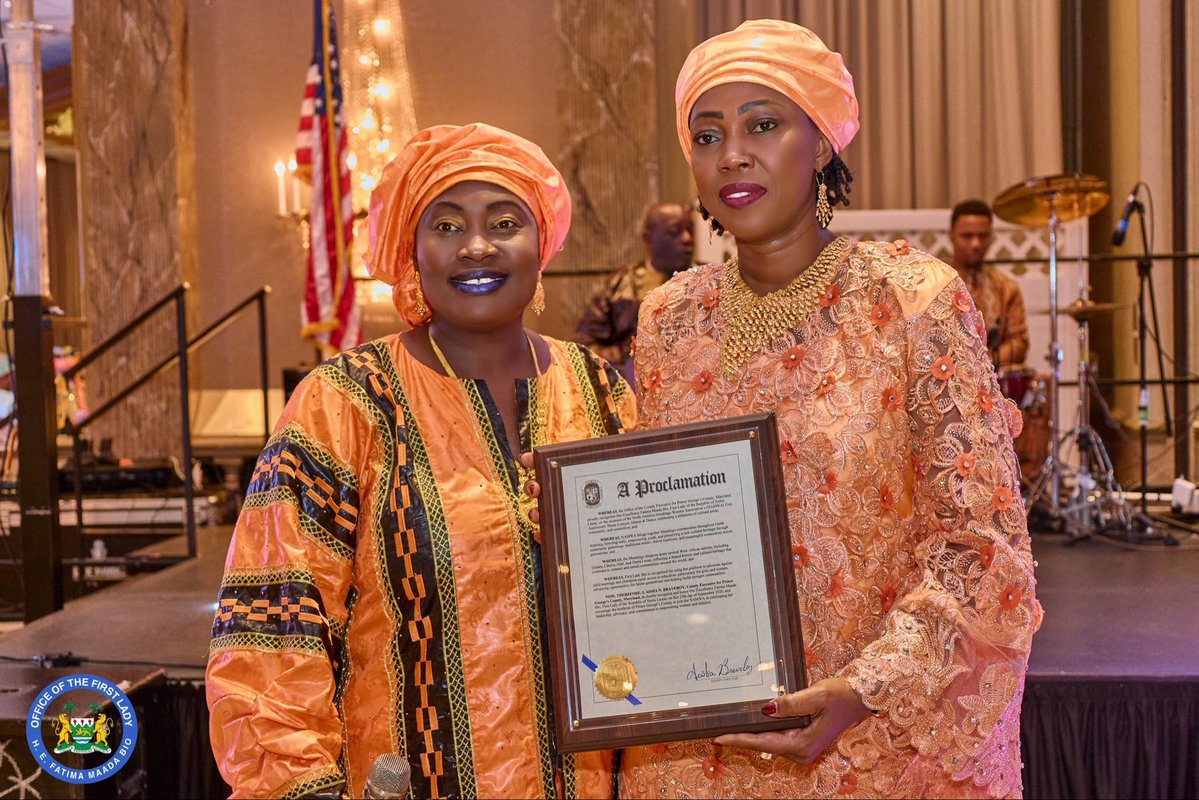
Yesterday, I had the honour of joining the Mandingo women’s celebration of empowerment and education as a special guest.
It was a deeply meaningful occasion for me—not only because we were celebrating the achievements, strength, and potential of women, but because we were also celebrating our culture, our heritage, and the values that have shaped us as Mandingo women.
I am immensely proud to be a Mandingo woman. Our culture carries a rich history of resilience, dignity, family, community, leadership, and respect for education. To see our women come together with such pride and purpose was truly inspiring.
Education remains one of the greatest instruments of empowerment. When a woman is educated, she gains greater opportunities to make decisions, lead, contribute to her family and community, and help shape the future of her nation. And when we educate our girls, we are investing in generations yet to come.
Yesterday was therefore more than a celebration. It was a reminder of who we are, where we come from, and the responsibility we carry to ensure that the next generation of Mandingo girls grows up knowing that their heritage is a source of strength and their dreams are worthy of pursuit.
I was proud to stand among these remarkable women, celebrating our identity while embracing the future. We can honour our traditions while empowering our daughters to become educated, confident, compassionate, and courageous leaders.
My heartfelt appreciation to the organisers for bringing us together and for creating a platform that celebrates Mandingo women, education, empowerment, and our beautiful culture.
May we continue to lift one another, open doors for our daughters, and preserve the richness of our heritage for generations to come.
Proud to be Mandingo. Proud to be a woman. Proud to celebrate our culture. And proud to stand for the empowerment and education of our girls.
— FMB
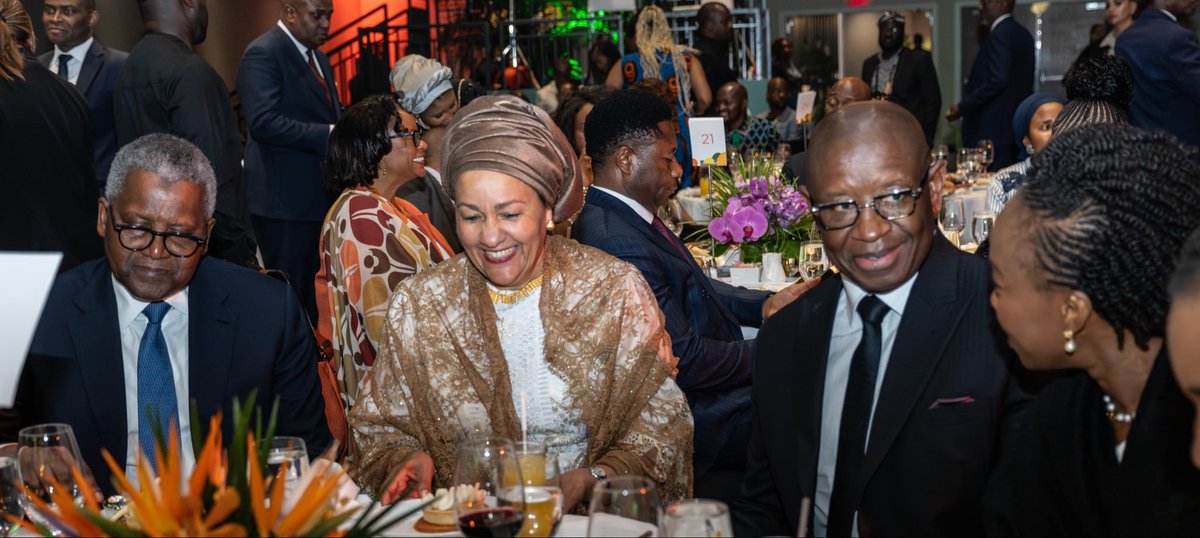
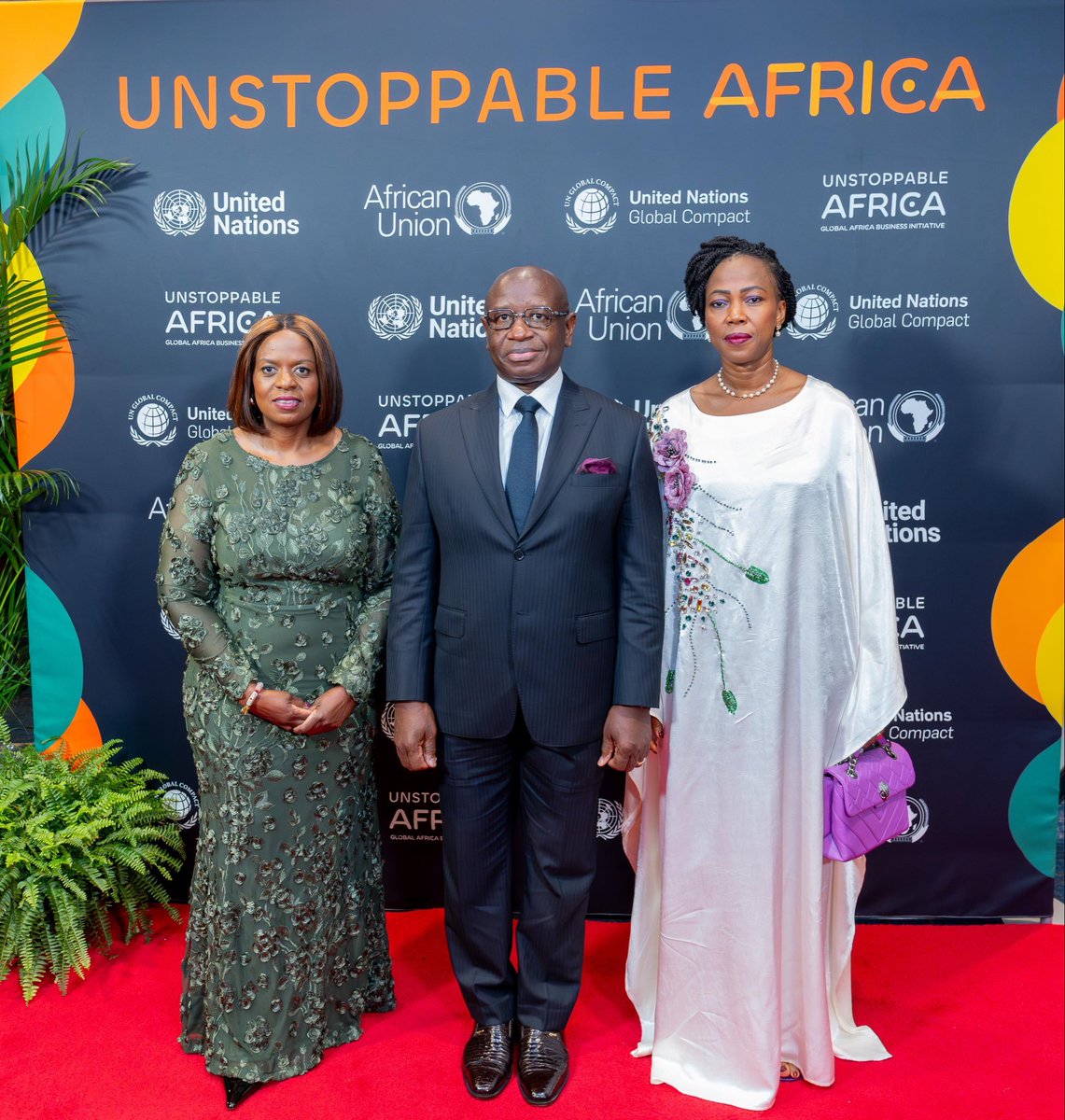
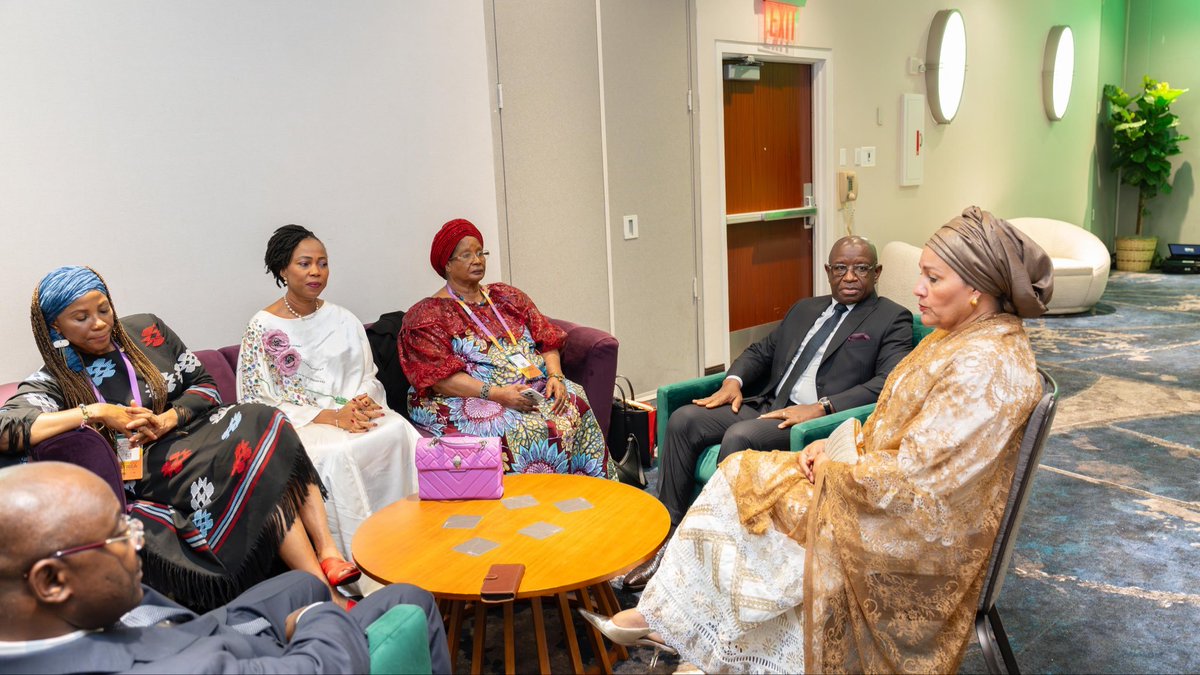
During the Unstoppable Africa Dinner at the UNGA81, we had the honour of celebrating an extraordinary woman and global champion for women’s leadership, Madam Amina J. Mohammed, Deputy Secretary-General of the United Nations.
It was a truly special evening, as speaker after speaker shared powerful stories of her remarkable journey, her courage, her wisdom, and her unwavering commitment to advancing women and girls around the world.
Her life and leadership remind us that when women rise, they create pathways for generations to come. Madam Amina has not only opened doors for women in leadership; she has helped transform the conversation about what is possible for women across Africa and the world.
It was a privilege to celebrate a woman whose impact transcends borders and whose legacy will continue to inspire generations.
FMB
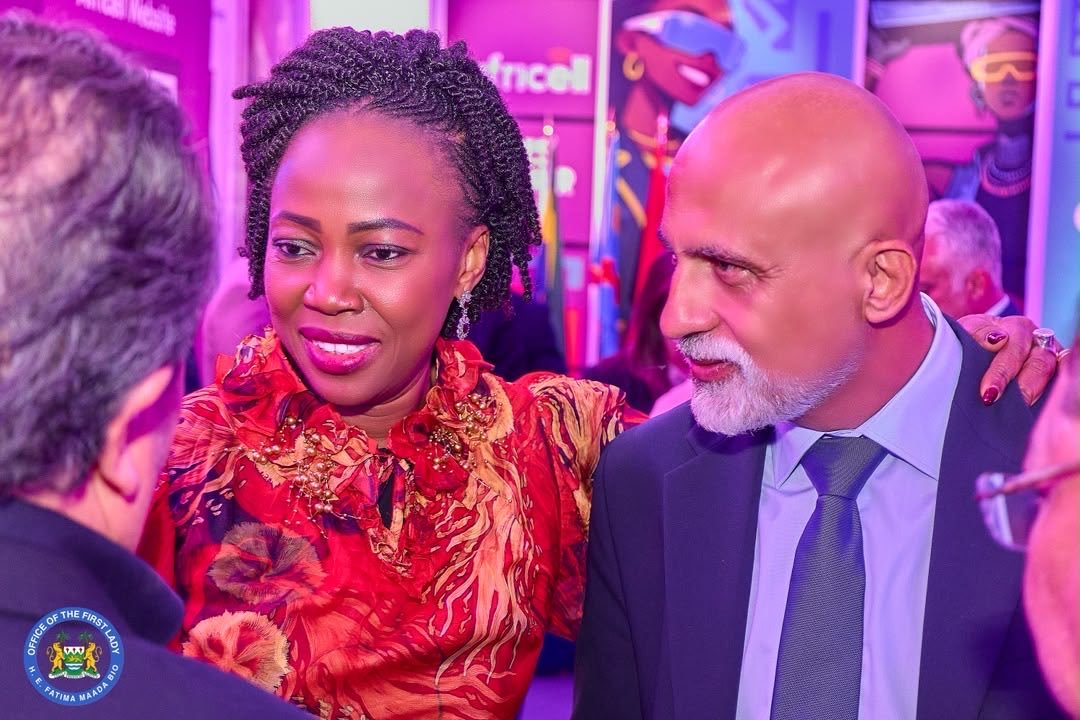
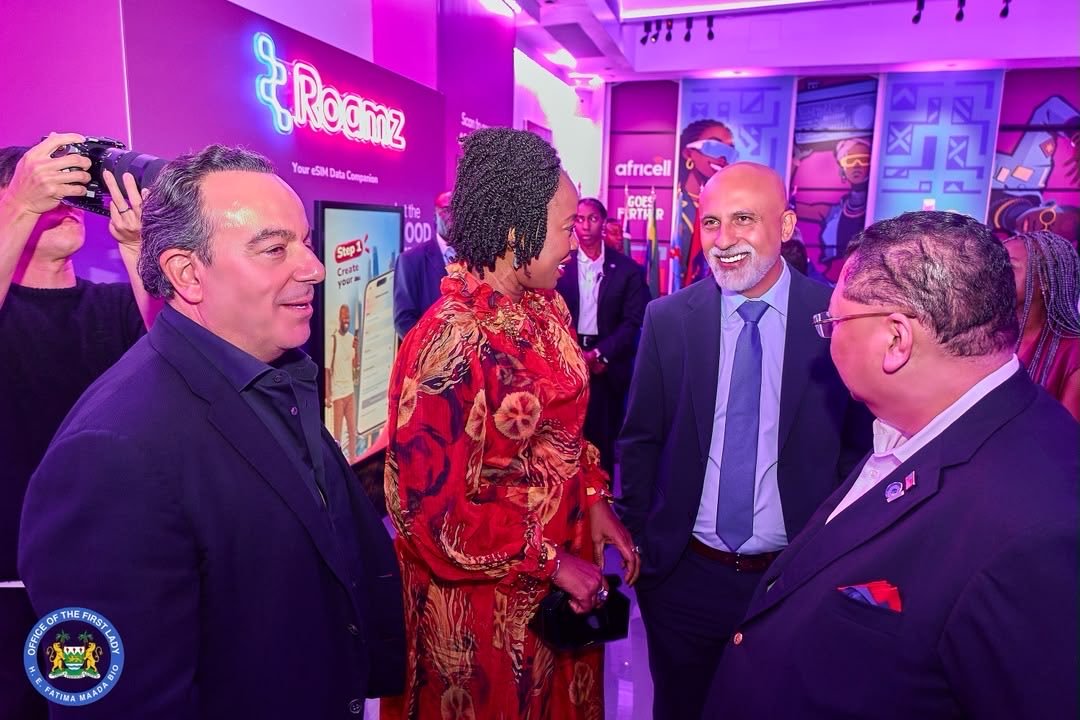
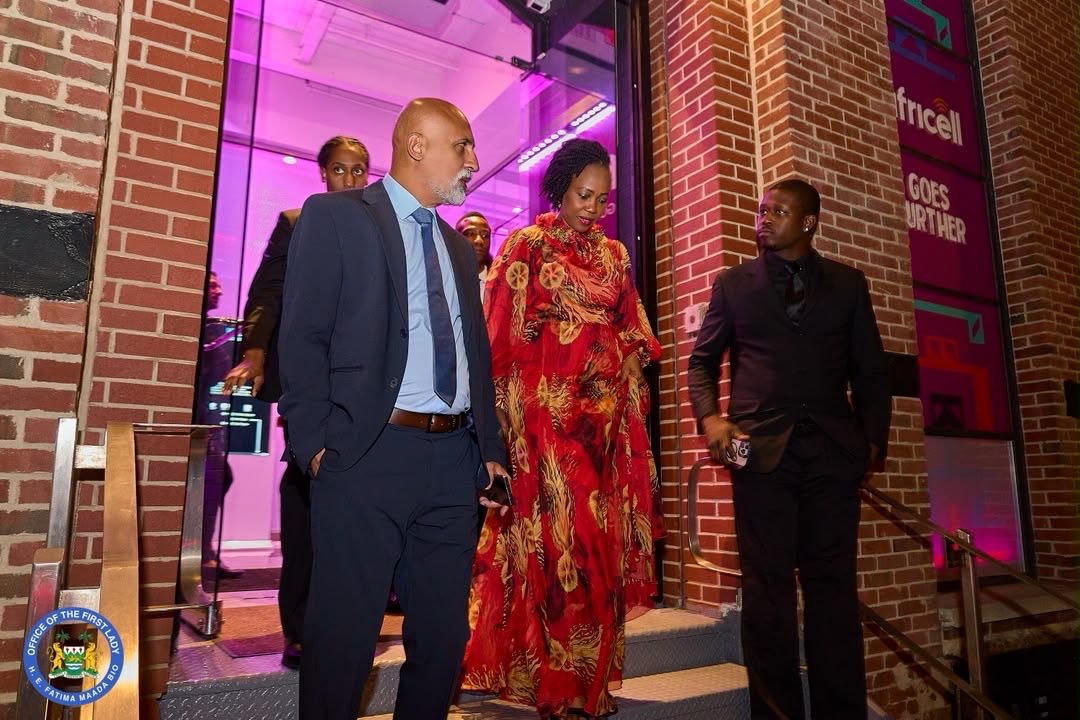
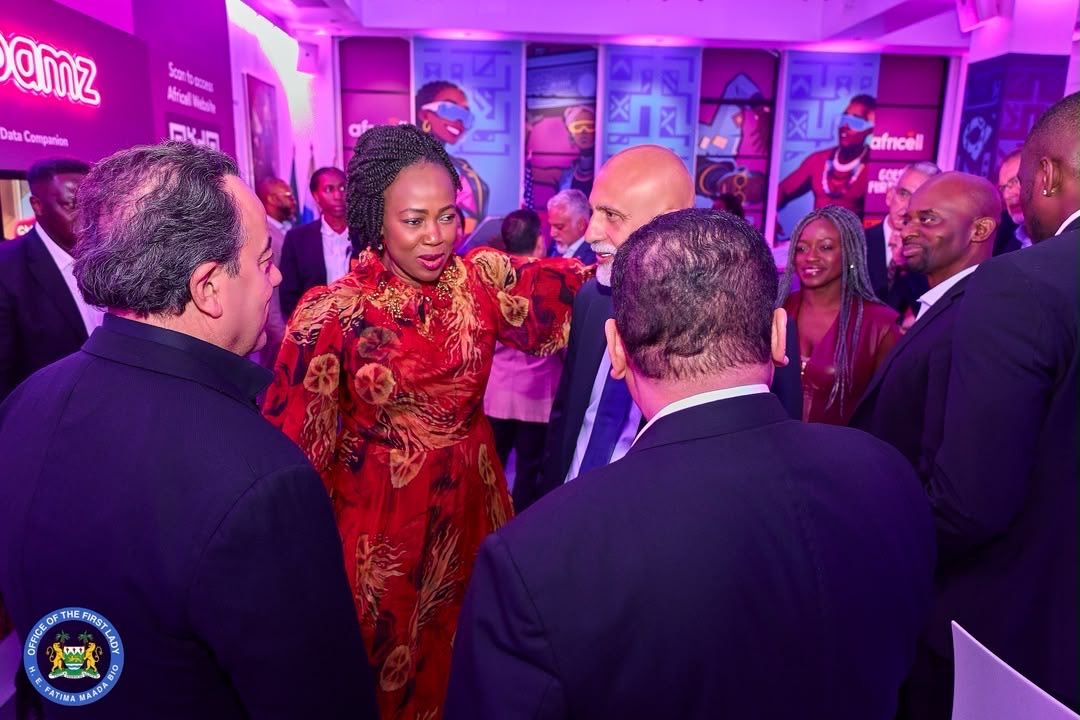
Last night, I had the pleasure of going to support my dear brother and friend, Shadi, at the Africell UNGA81 side event in New York.
Africell has been a true partner in the work we have done for women and girls in Sierra Leone. From the very first day we launched Hands Off Our Girls, Africell stood with us, believing in the vision and supporting our efforts to protect, empower and give a voice to our girls.
That kind of partnership goes beyond business. It is about shared values, commitment and a genuine belief in the future of our young people.
I want to sincerely thank Shadi and the entire Africell family for standing with me and my office from day one. Your continued support has helped us take the message of Hands Off Our Girls from Sierra Leone to the global stage.
As we continue this journey, I look forward to strengthening our partnership and doing even more for women, girls and communities across Sierra Leone and Africa.
Thank you, Africell, for standing with us.
FMB
Sierra Leone Ready to Welcome West Africa and the World for WAIIS 2026
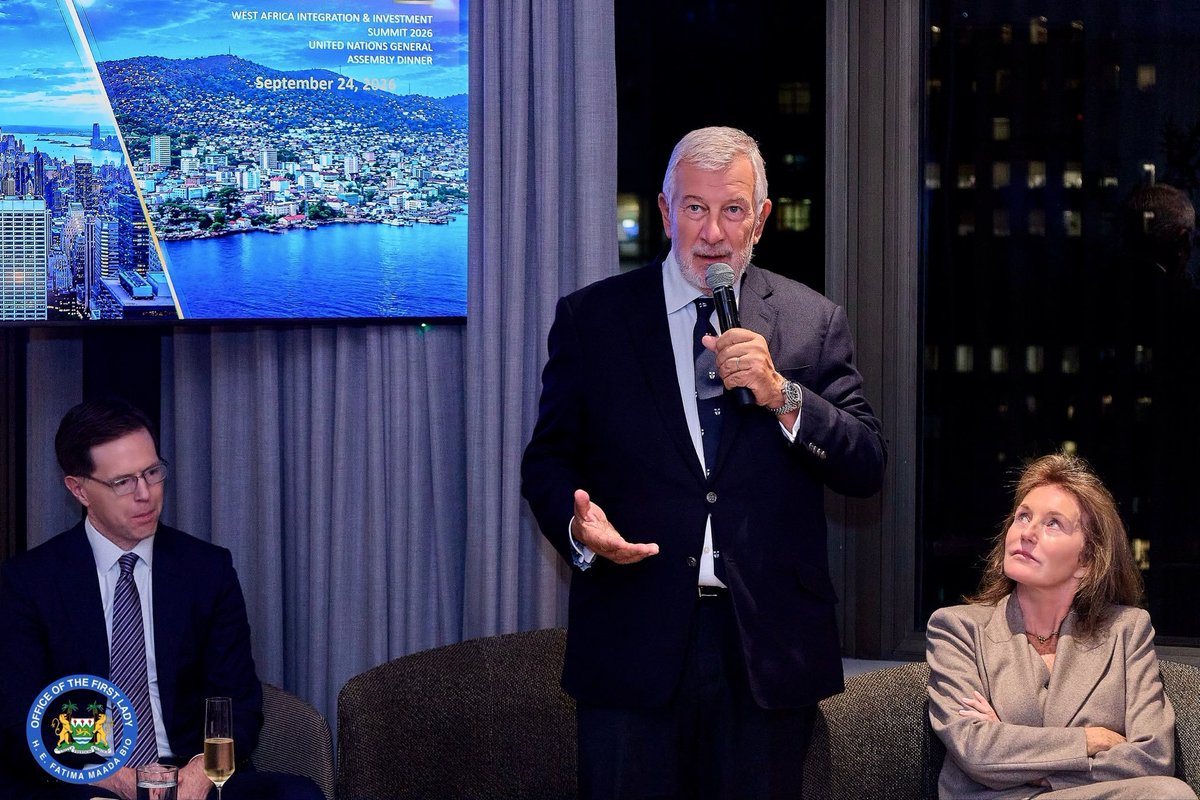
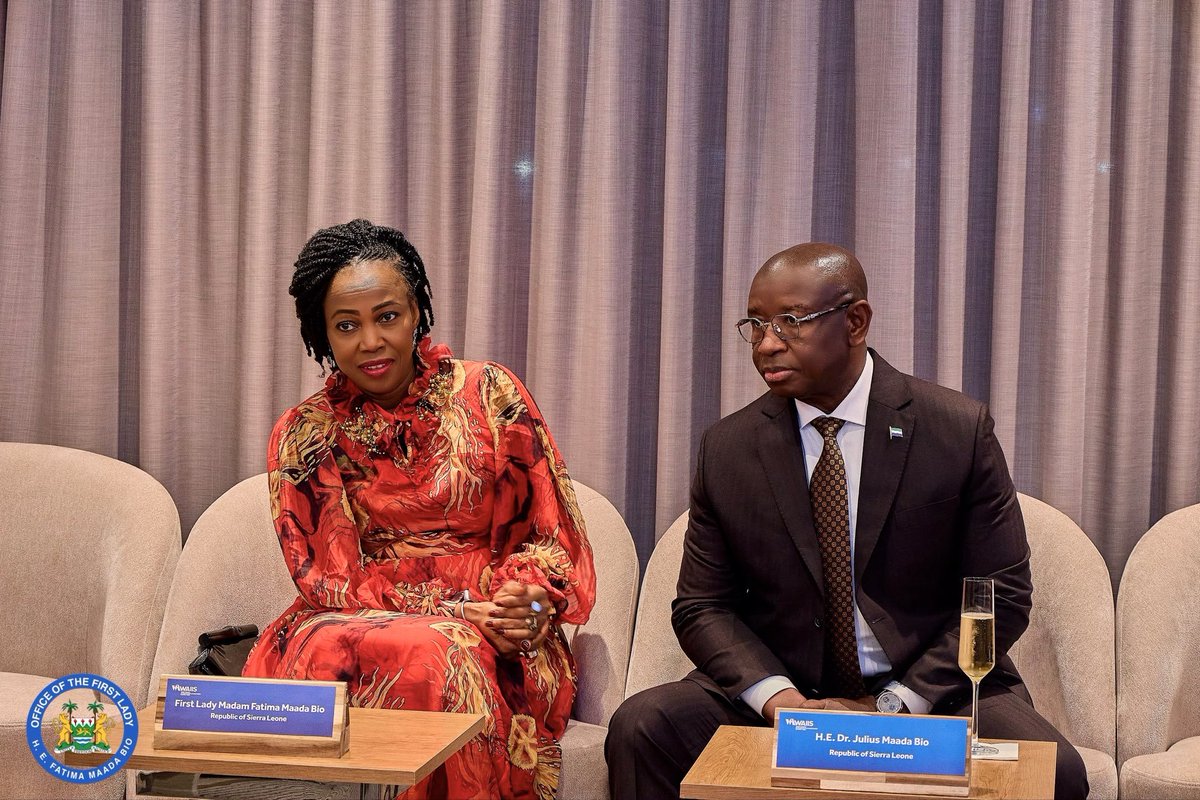
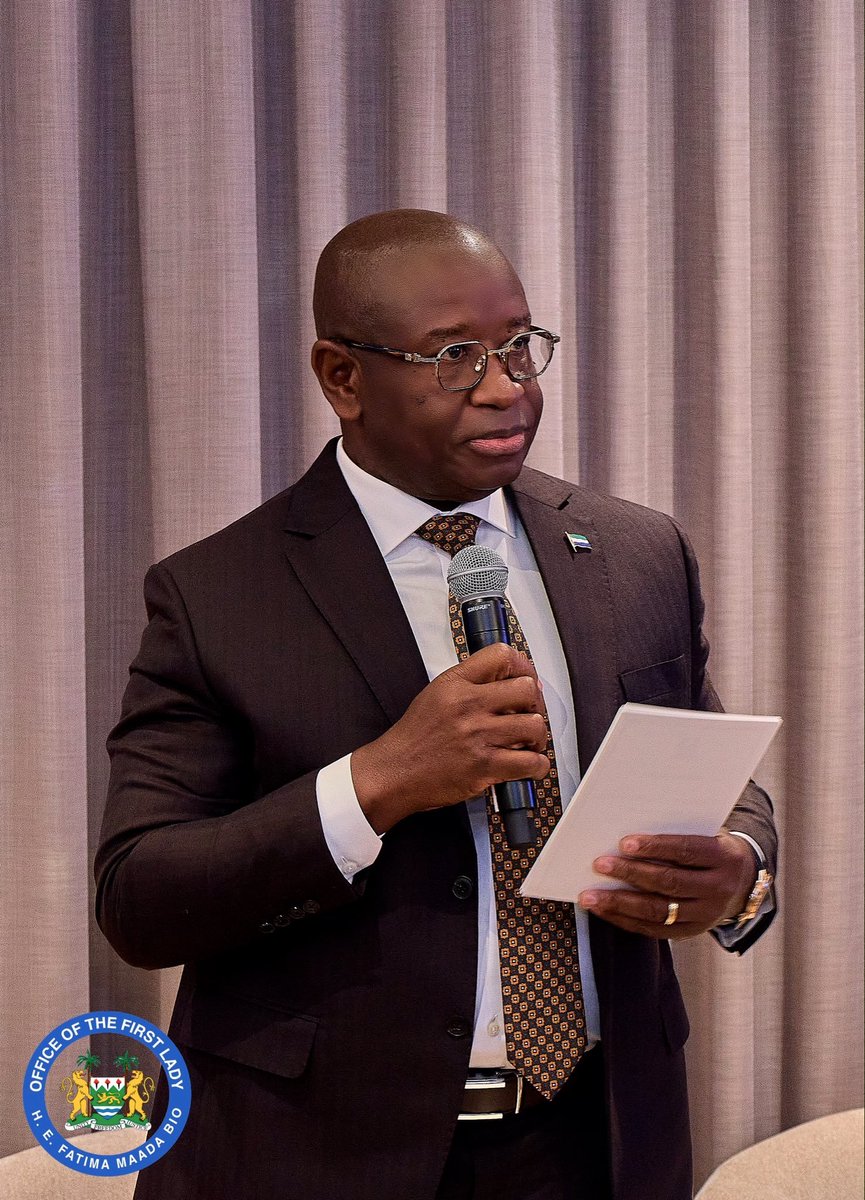
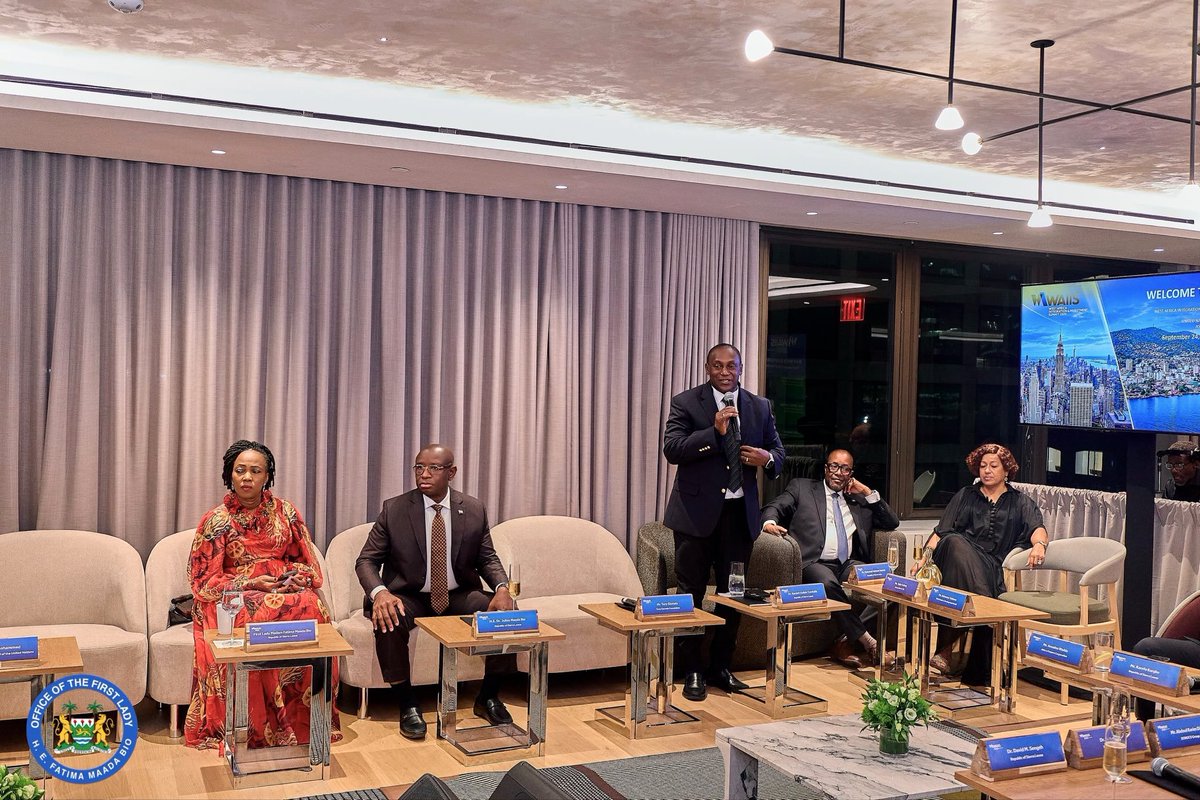
It was an honour to stand alongside His Excellency President Julius Maada Bio on the sidelines of the 81st United Nations General Assembly as he launched the countdown to the inaugural West Africa Integration and Investment Summit (WAIIS), which will take place in Freetown this November.
I was proud to be there to support President Bio as Sierra Leone prepares to welcome Heads of State, investors, development partners, business leaders and other key stakeholders to our country.
WAIIS is much more than a summit. It is an opportunity for Sierra Leone to position itself at the heart of West Africa’s economic and investment agenda, while opening doors for partnerships, investment and opportunities that can directly contribute to the prosperity of our people.
With its focus on energy, strategic minerals, agribusiness and digital transformation, the Summit speaks directly to the future we want for Sierra Leone and our region—one driven by investment, innovation, regional cooperation, job creation and inclusive economic growth.
As Sierra Leone gets ready to welcome the world to Freetown, I am confident that WAIIS will provide an important platform to showcase our country’s potential and strengthen partnerships that can translate into tangible opportunities for our people.
Sierra Leone is ready. Freetown is ready. Africa is ready.
FMB
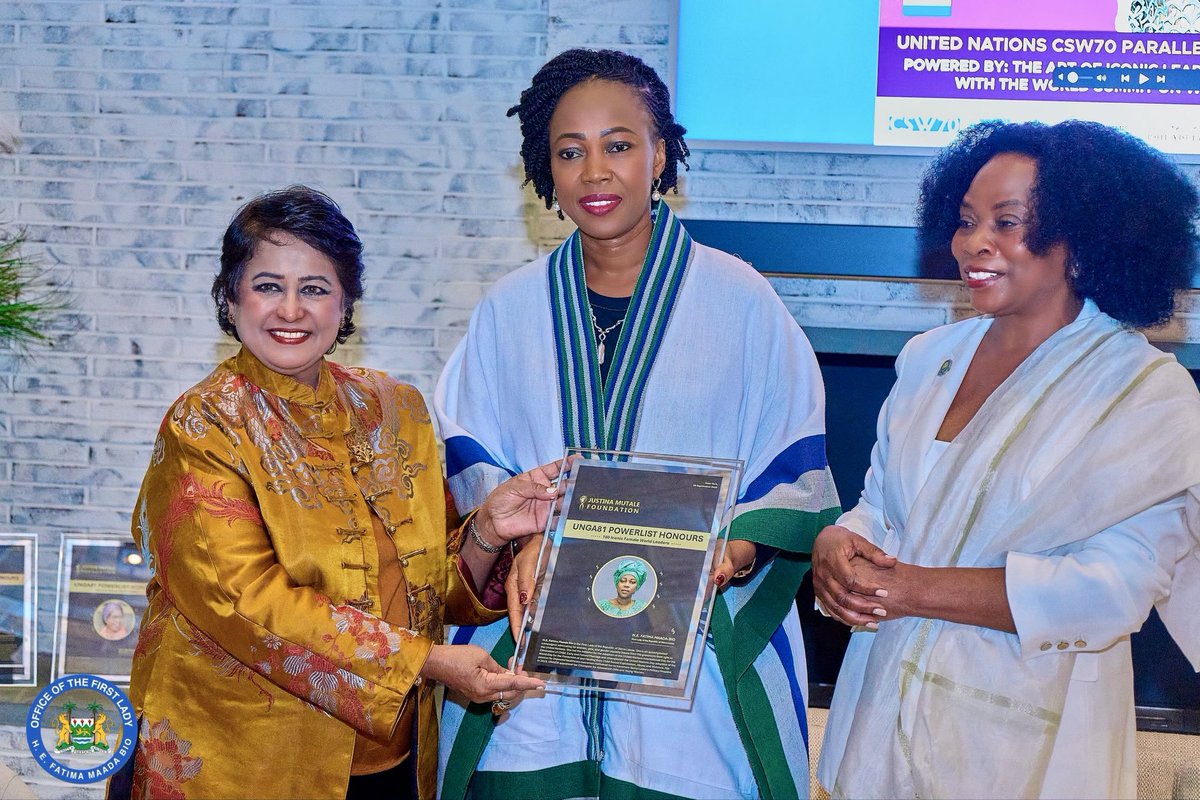
Honoured Among Icons: A Moment of Gratitude and Reflection
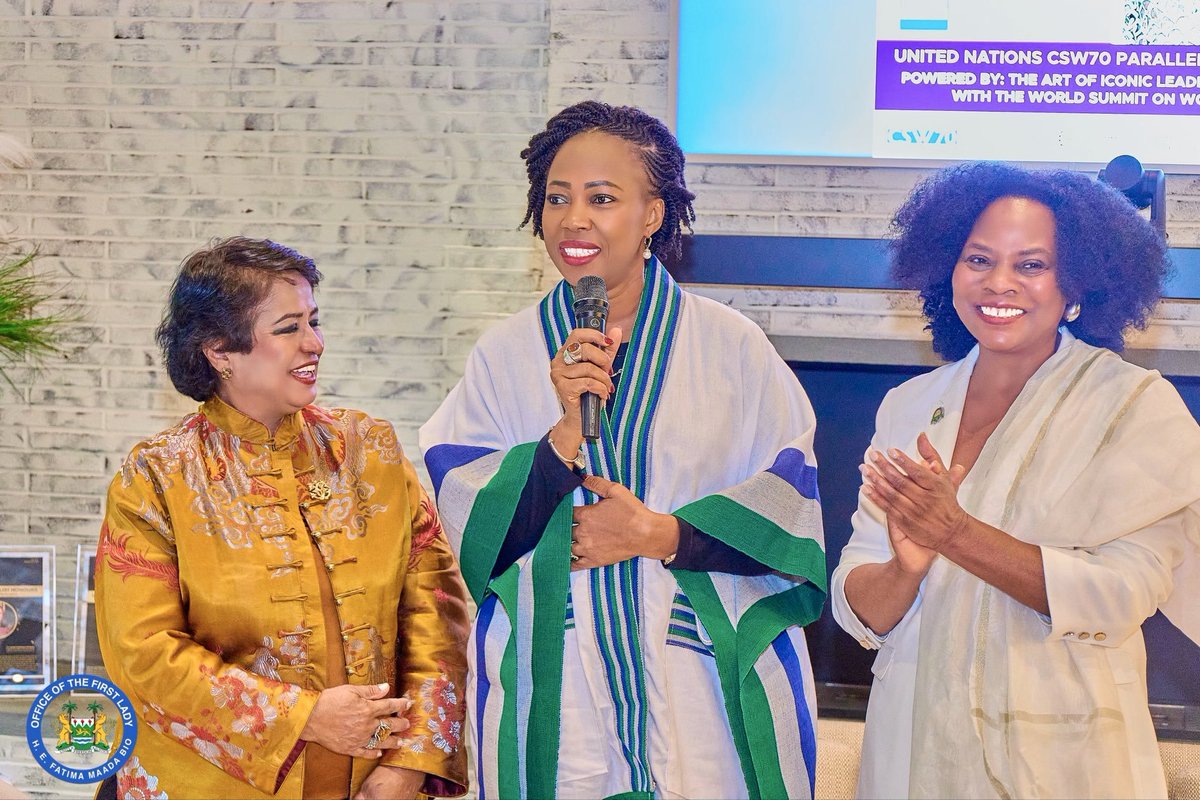
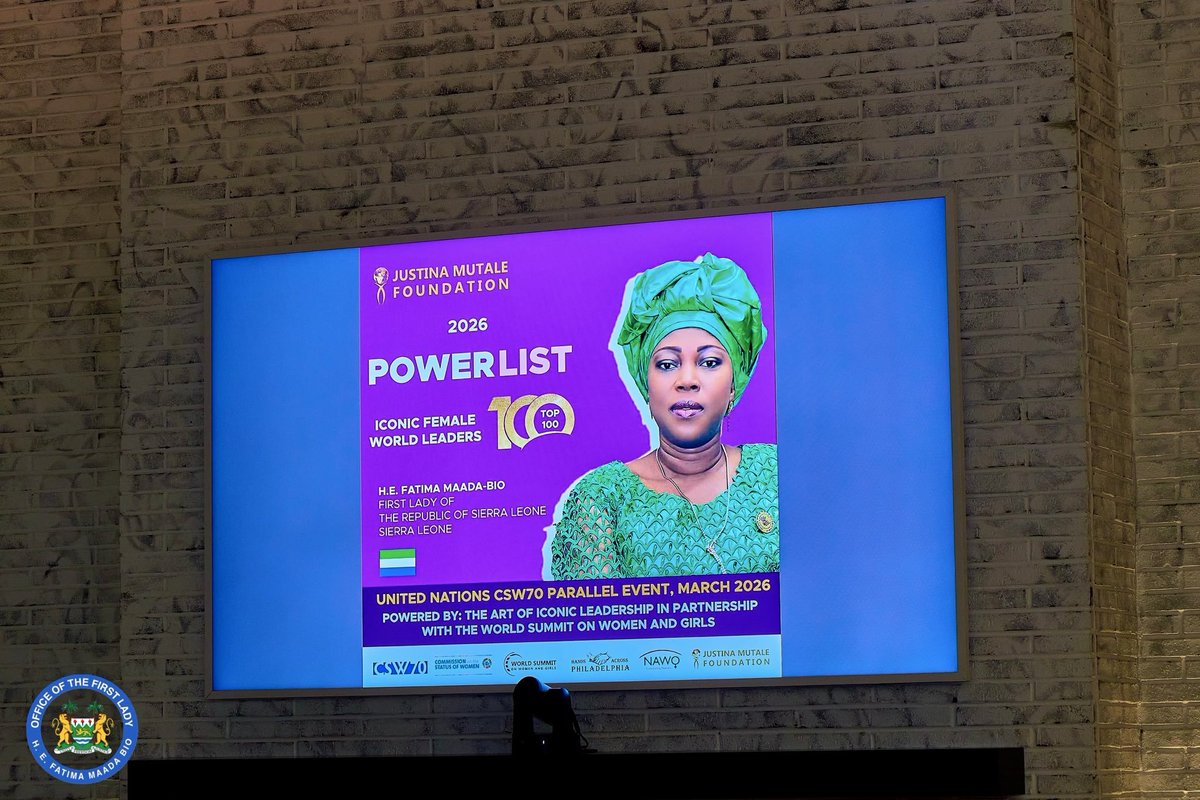
I am deeply honoured and humbled to have been recognised as an Iconic Woman of the Year at the UNGA81 Powerlist Honours in New York.
To receive this recognition during the United Nations General Assembly is a privilege I accept with immense gratitude—not only as First Lady of Sierra Leone, but as a woman committed to using her voice and platform to advance the lives of women and girls, both in Sierra Leone and across Africa.
What makes this moment particularly special is the privilege of being honoured alongside three remarkable women who have served their nations at the highest level: H.E. Dr. Joyce Hilda Banda, former President of the Republic of Malawi; H.E. Dr. Ameenah Gurib-Fakim, former President of the Republic of Mauritius; and H.E. Rosalía Arteaga Serrano, former President of the Republic of Ecuador.
Standing in the company of such distinguished women is a reminder that leadership is not simply about the positions we hold, but about the lives we touch, the doors we open for others, and the legacy we leave behind.
My own journey has always been deeply connected to the voices of women and girls. From Hands Off Our Girls and the fight against child marriage and gender-based violence, to advancing girls’ education, women’s health, empowerment and dignity, I believe that every girl deserves the opportunity to determine the course of her own life.
I dedicate this recognition to the women and girls of Sierra Leone, Africa and beyond whose courage continues to inspire my work.
I remain grateful to everyone who continues to believe in the power of women’s leadership and to those who walk alongside me in this journey.
With gratitude, humility and renewed determination.
FMB
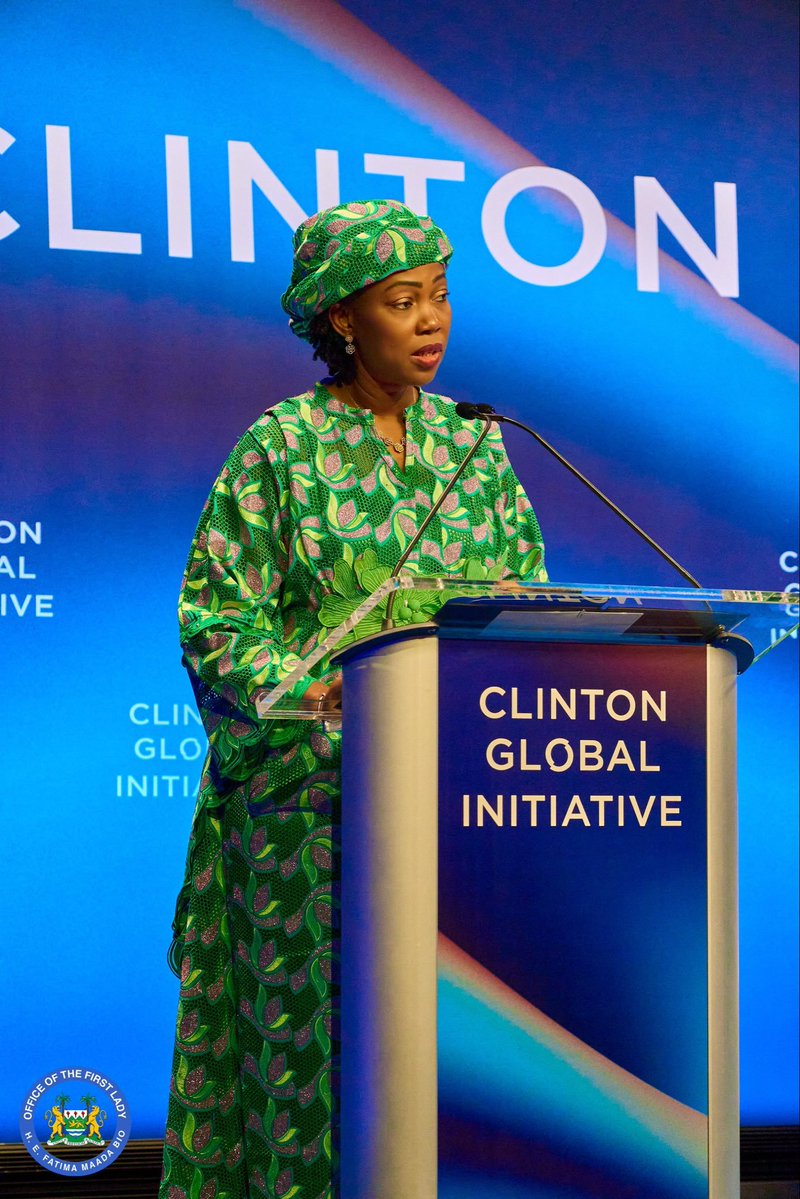
At the Clinton Global Initiative, I had the privilege of sharing my perspective on the future we are creating for our children and the responsibility we all carry to ensure that no child is left behind in a rapidly changing world.
I spoke about the importance of digital safety and the urgent need to protect our children as technology becomes an increasingly central part of their education, development, and everyday lives. But protection must go hand in hand with opportunity.
Africa must not simply be a consumer of technologies, policies, and ideas developed elsewhere. We must be partners in the conversations, the planning, the innovation, the invention, and the decision-making that shape our digital future.
Africa has extraordinary young talent, creativity, and ingenuity. Our young people have solutions, and they deserve to be given the opportunity to help design the future—not simply receive it.
The safety of our children is a shared global responsibility. It requires governments, technology leaders, educators, parents, civil society, and young innovators to work together across borders and continents.
My message at CGI was simple: Africa must have a seat at the table, our children must be protected, and collaboration must be at the heart of building a safer and more inclusive digital future.
FMB
At the Clinton Global Initiative, I had the privilege of sharing my perspective on the future we are creating for our children and the responsibility we all carry to ensure that no child is left behind in a rapidly changing world.
I spoke about the importance of digital safety and the urgent need to protect our children as technology becomes an increasingly central part of their education, development, and everyday lives. But protection must go hand in hand with opportunity.
Africa must not simply be a consumer of technologies, policies, and ideas developed elsewhere. We must be partners in the conversations, the planning, the innovation, the invention, and the decision-making that shape our digital future.
Africa has extraordinary young talent, creativity, and ingenuity. Our young people have solutions, and they deserve to be given the opportunity to help design the future—not simply receive it.
The safety of our children is a shared global responsibility. It requires governments, technology leaders, educators, parents, civil society, and young innovators to work together across borders and continents.
My message at CGI was simple: Africa must have a seat at the table, our children must be protected, and collaboration must be at the heart of building a safer and more inclusive digital future.
FMB
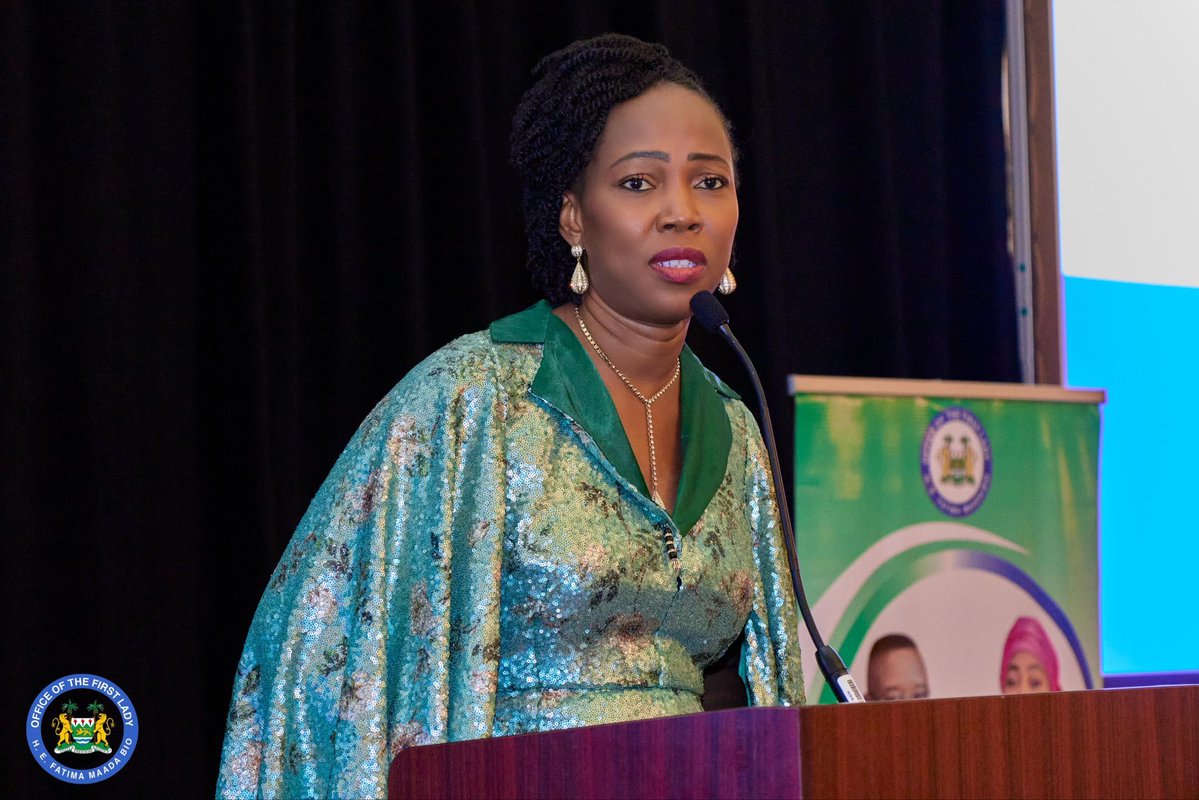
When we talk about digital safety for our children, we must take the conversation seriously. The digital world is evolving rapidly, and while it creates tremendous opportunities for our children, it also exposes them to risks that require urgent and collective action.
I had the privilege of addressing world leaders and key stakeholders in the digital space at the United Nations, where I called for Africa to be fully included in the planning, innovation, development, and implementation of solutions that shape our digital future.
Africa cannot continue to be viewed only as a recipient of concepts, technologies, and products developed elsewhere. We have the talent, creativity, knowledge, and innovation to contribute meaningfully to the global digital agenda. Our people must be in the room when decisions are being made about the future of our digital space.
Most importantly, our children deserve a digital environment that protects their dignity, privacy, education, wellbeing, and safety. No child should have to choose between accessing the opportunities of technology and being protected from its dangers.
This requires genuine collaboration—governments, technology companies, educators, parents, civil society, young innovators, and international institutions working together, with Africa not at the table as an afterthought, but as an equal partner.
Our children are the future. Their safety must be at the heart of every digital conversation, and Africa must be part of shaping that future.
FMB
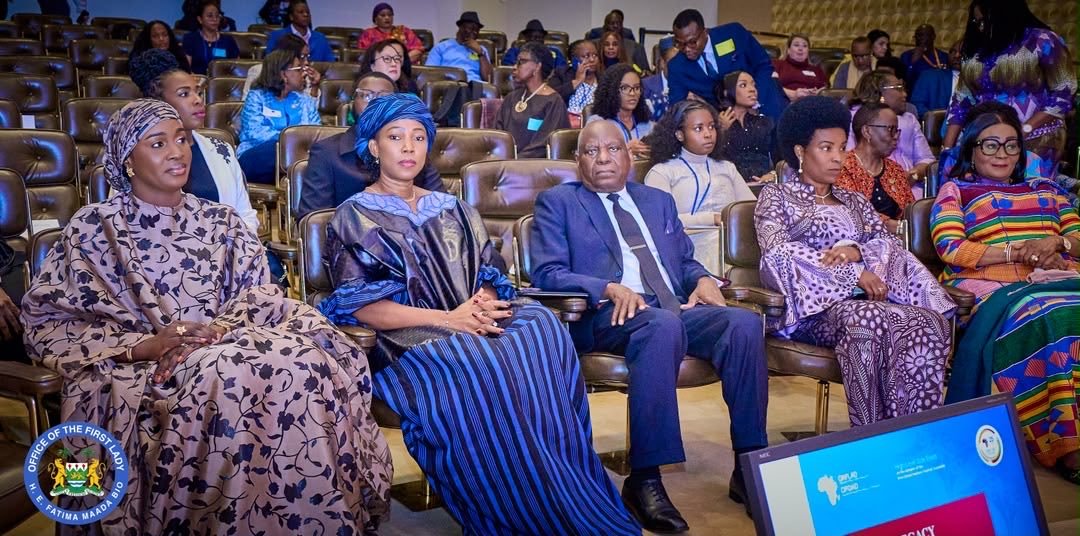
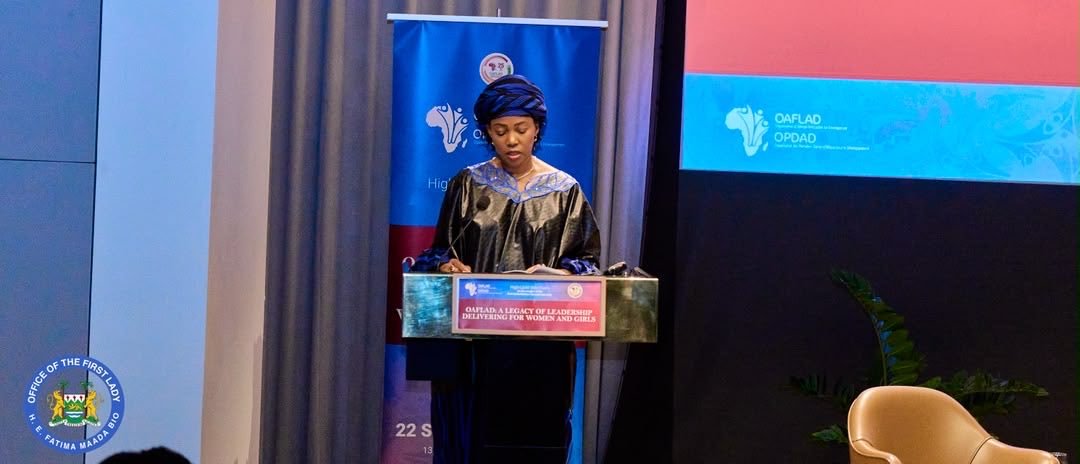
Serving my continent as President of OAFLAD has been one of the greatest honours and responsibilities of my life.
Yesterday, at the Ford Foundation, I had the privilege of hosting some of the great women and men of our continent—leaders who have served as the mothers and fathers of their respective nations. We came together not simply to reflect on where we have been, but to look honestly at the progress we have made, the challenges that remain, and, most importantly, the legacy we want to build for OAFLAD.
Leadership is not only about the position we hold today. It is about what we leave behind for those who will come after us. It is about building institutions that can continue to serve our people long after our individual terms and titles have ended.
OAFLAD represents a unique platform where African First Ladies can use their collective voice, influence and experience to advance issues that directly affect the lives of women, children and families across our continent. From women’s and girls’ health to education, economic empowerment, climate resilience, gender equality and the protection of our children, our work must remain firmly rooted in the realities of African communities.
As President, I believe our responsibility is to strengthen this institution, deepen partnerships across Africa and beyond, and create a legacy of meaningful action—not merely words. We must continue to listen to our people, learn from one another and build bridges between governments, development partners, civil society, academia, the private sector and the next generation of African leaders.
The conversations at the Ford Foundation reminded me that Africa’s greatest strength is found in its people, its resilience and its ability to come together around a shared purpose.
I am deeply grateful to every leader who continues to lend their wisdom, experience and voice to this journey. Together, we have an opportunity to shape an OAFLAD that is stronger, more united and even more impactful for generations to come.
For me, this presidency is not simply an honour. It is a responsibility to serve, to listen, to build and to leave a legacy that makes a difference.
Africa is our home. Its women and children are our responsibility. And the future we build together will be our greatest legacy.
FMB
President, OAFLAD
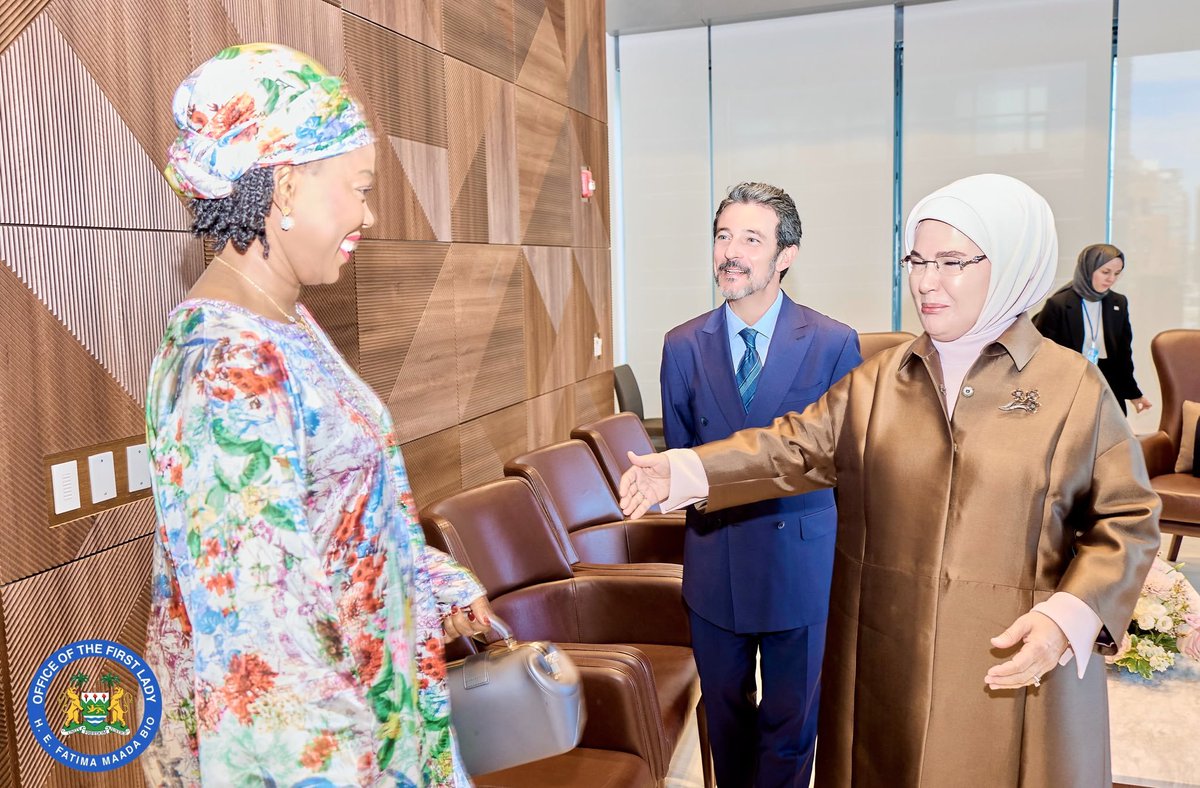
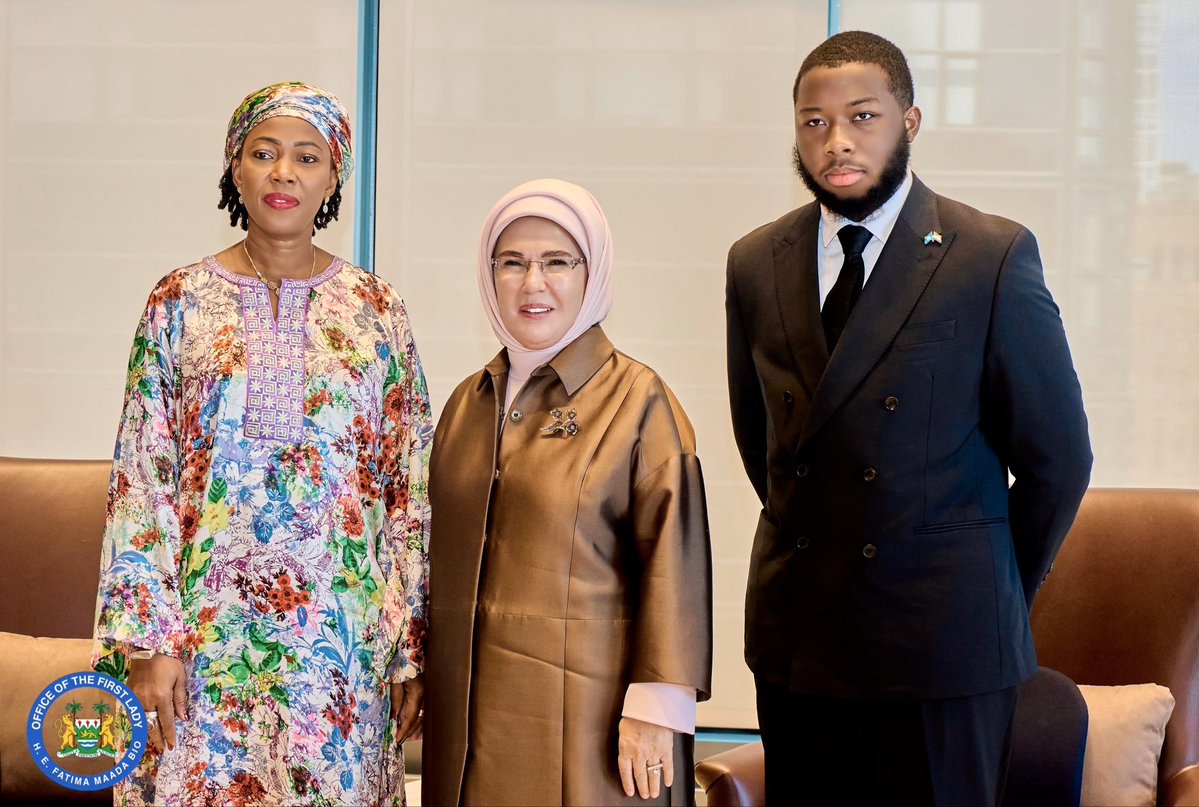
I had a very productive and meaningful meeting with my dear mother, Her Excellency Emine Erdoğan, First Lady of the Republic of Türkiye, where we discussed the timeline and progress of our important hospital project in Bo, Sierra Leone.
This 150-bed pediatric hospital, being built in partnership with TİKA, is a significant investment in the health and future of Sierra Leone’s children. For me, this project is deeply personal because it speaks directly to my commitment to ensuring that no child in Sierra Leone is denied quality healthcare simply because of where they are born.
The hospital will serve children and families in Bo and communities across the Southern Region, while strengthening Sierra Leone’s capacity to provide specialized pediatric care closer to home. It is a project that represents hope, dignity and a better future for our children.
I am profoundly grateful to my dear mother, Her Excellency Emine Erdoğan, and to the Government and people of Türkiye for their love, friendship and continued support to Sierra Leone. The partnership between our two nations is a beautiful example of how international friendship can translate into tangible opportunities and better lives for our people.
For Sierra Leone, this is more than a hospital. It is an investment in our children, an investment in our families, and an investment in the future of our nation.
With love and commitment to the people of Sierra Leone.
FMB
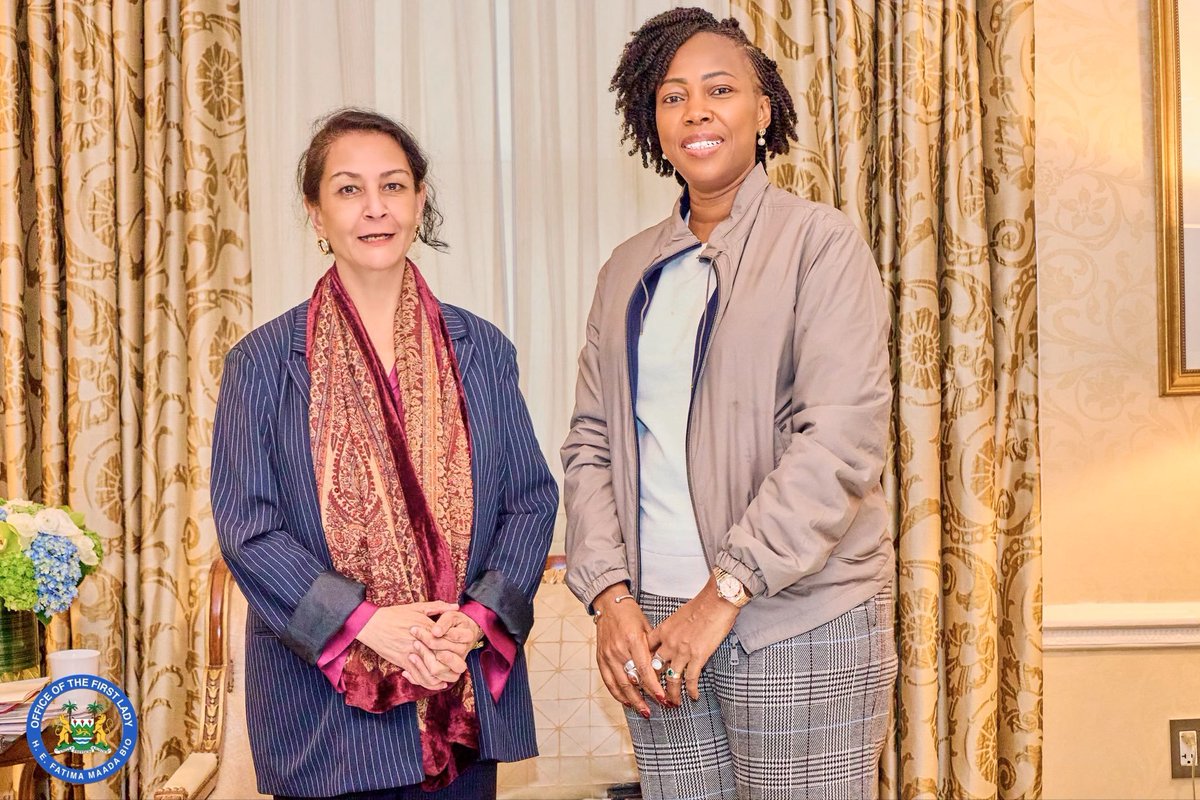
It was a great pleasure having a meaningful meeting with the leadership of Plan International, where we discussed some of the critical issues affecting women, girls and children across Africa.
Our conversation focused on the importance of protecting the rights of girls, investing in their education and wellbeing, and strengthening partnerships that can create sustainable opportunities for the next generation.
I deeply value partnerships with organisations that share our commitment to ensuring that every girl can grow up safe, educated, empowered and free to fulfil her potential. There is still much work to be done, and collaboration remains key to achieving lasting change.
FMB
Yesterday, I had the great privilege of articulating my vision for Sierra Leone and Africa at Harvard Medical School and MIT.
For me, this was more than an address—it was an opportunity to bring Africa’s voice, experiences and solutions to two of the world’s leading institutions. It reaffirmed my belief that our advocacy for women’s health, the wellbeing of children and girls, education, and the elimination of child, early and forced marriage must continue to reach every corner of the world.
Africa must not only be part of the global conversation; we must help shape it.
FMB
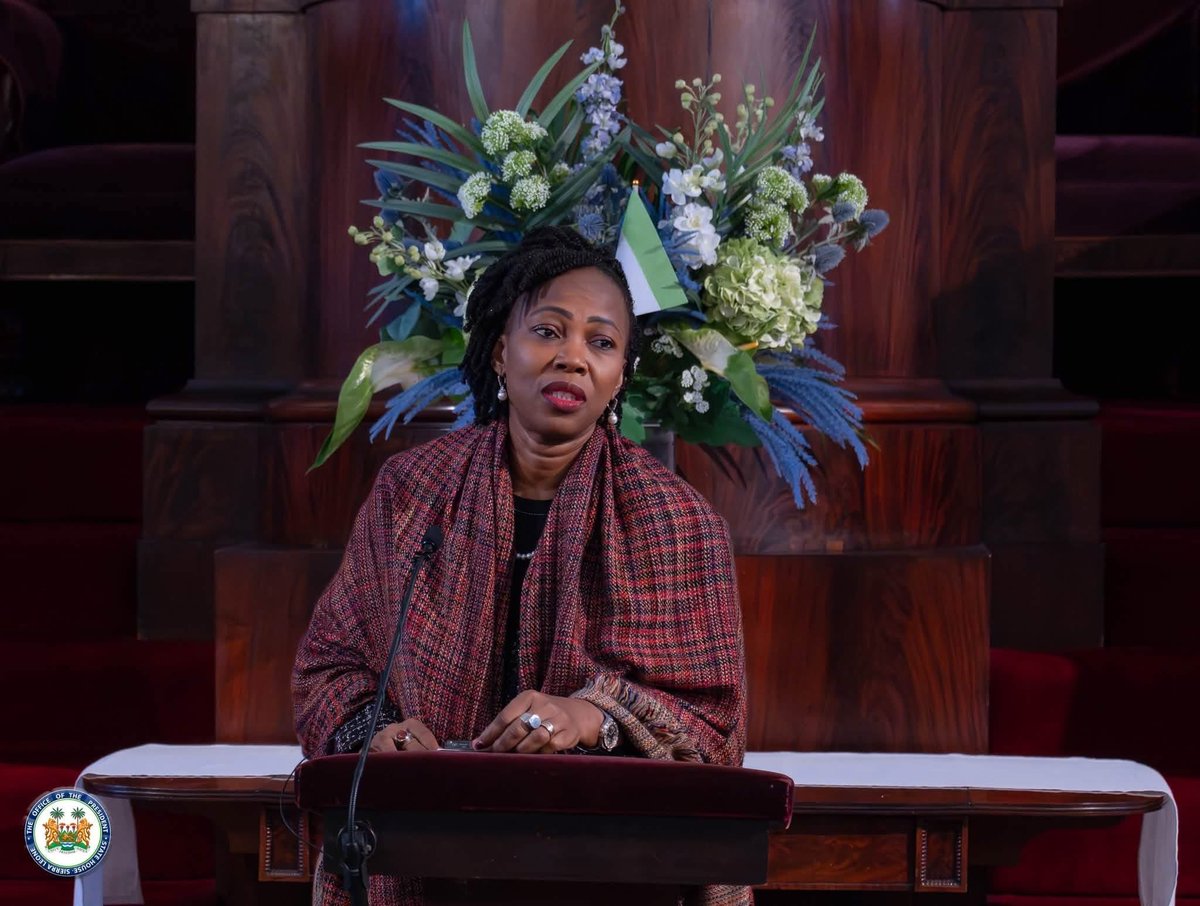
I had the distinct honour of delivering a landmark public lecture at the 2026 Global Health Catalyst Summit, hosted by Harvard University and the Massachusetts Institute of Technology (MIT).
Standing before two of the world’s most renowned institutions of education and innovation, I spoke about the urgent need to place women’s health at the centre of global health, and why meaningful collaboration with Africa is essential to building a healthier and more equitable world.
For me, this moment is not only a personal honour; it is a reflection of the voices, experiences and aspirations of women and girls across Africa and beyond.
I remain deeply committed to building bridges between Africa and the global health community, because when we invest in women’s health, we invest in families, communities and the future of our world.
FMB