Former President Joe Biden's prostate cancer has spread further since his diagnosis, his son Hunter Biden revealed in a BBC interview Friday.
The 83-year-old was first diagnosed in May 2025 after a routine exam found a small nodule. His office initially said the cancer appeared to be hormone-sensitive, allowing for effective management — but Hunter Biden now describes his father's condition as "very painful" and "very debilitating in many respects."
For metastatic prostate cancer that has spread to distant areas of the body, the five-year survival rate drops to 37%, according to the American Cancer Society.
Prostate cancer is the second-most common cancer in men behind skin cancer. About 333,830 new cases are expected to be diagnosed in the U.S. in 2026, with roughly 36,320 deaths expected from the disease. One in eight men will be diagnosed with prostate cancer in their lifetime.
Biden's diagnosis came just months ago. In May 2025, his office announced a "small nodule" had been found during a routine exam and said the family was "reviewing treatment options with his physicians." Common treatments for prostate cancer include hormone therapy, chemotherapy, targeted therapy, immunotherapy and radiopharmaceutical treatments.
WHEN ANTIBIOTICS FAIL: What happens when the medicines we rely on stop working against dangerous bacteria?
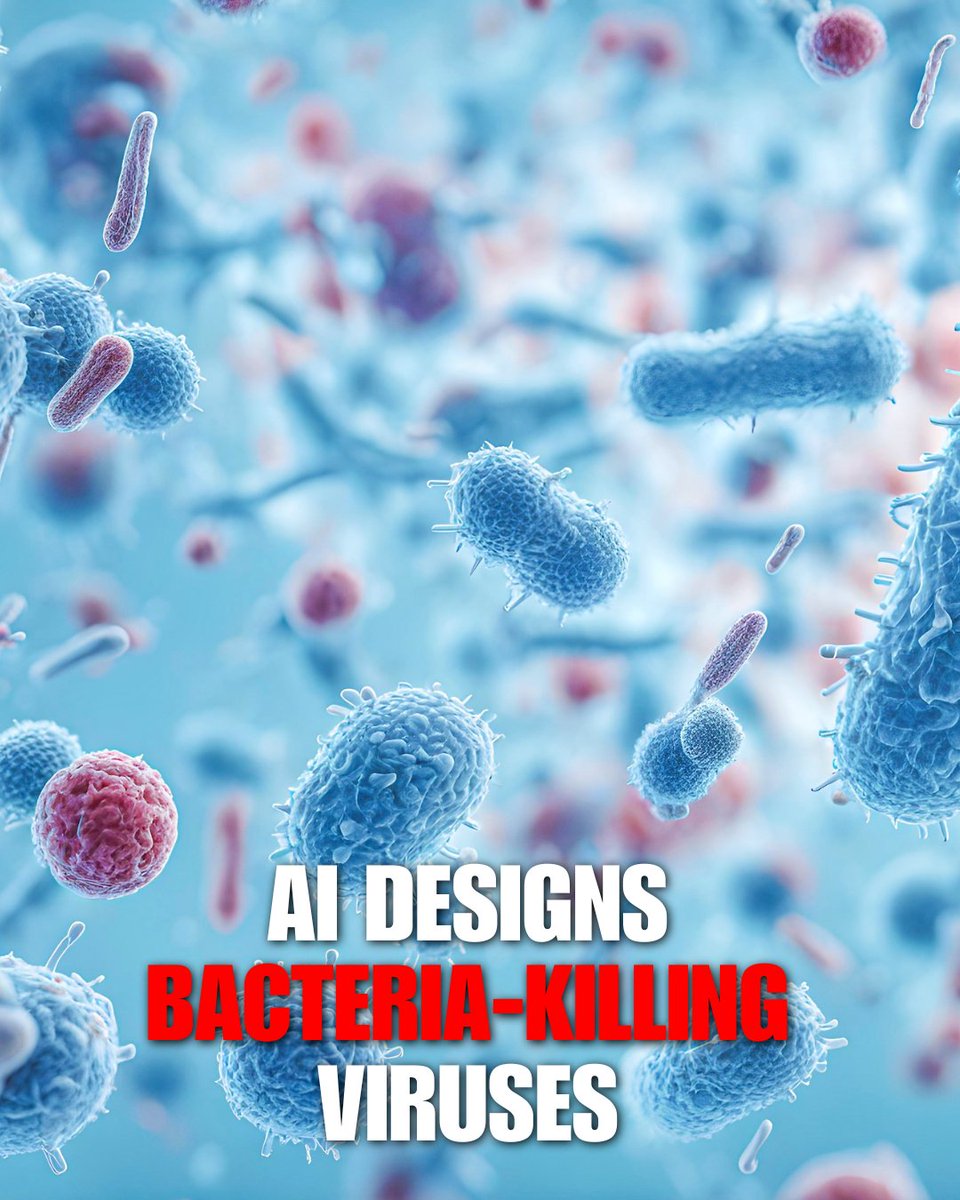
Stanford researchers are exploring whether AI could help find another way.
Using generative AI, scientists designed new bacteriophages — viruses that specifically attack bacteria — and tested nearly 300 of them against E. coli. They identified 16 standout performers, some of which performed better in lab testing than the natural phage they started with.
Why should you care? Antibiotic resistance is making some infections increasingly difficult to treat. AI-designed phages could someday give doctors another tool for fighting bacteria that no longer respond to traditional antibiotics.
It’s early research, but it’s a compelling example of AI being used to tackle a health challenge that could affect all of us.
Read more: https://t.co/mQJTNzMWi5
See more health news: https://t.co/3t9mqAXqqe
INTIMACY CHECK: There’s no magic number for how often married couples should have sex. Experts say mutual fulfillment — not frequency — may be the better measure of a healthy intimate relationship.
The fix isn't more sex. It's intentional reconnection. "Healthy relationships require intention," an expert says. "Both partners should share responsibility for initiating connection and creating the conditions where desire can develop."
Here’s what couples should know.
When to seek professional help: if one or both partners consistently feel rejected, lonely, or resentful — or if sex becomes painful, erectile difficulties arise, or hormonal concerns, trauma, or persistent desire differences are creating distress.
Elton says addressing these early makes all the difference.
⬇️ Full story here:
DEADLY WATERS: Five people in Louisiana have died this year after contracting the rare “flesh-eating” bacteria Vibrio vulnificus.
Health officials say all nine reported cases involved seawater entering open wounds. Here’s what beachgoers should know.
Prevention is straightforward but critical: avoid entering warm saltwater with any open cuts or scrapes, don't consume raw oysters or shellfish, and wear protective gloves when handling raw seafood. Early signs of infection include fever, redness, swelling and skin discoloration.
Network for Hope's CEO says the organization plans to appeal the federal decision, claiming full compliance with organ procurement policies.
📌 Full story here:
SAFETY FAILURES: A federal investigation found 73 cases in which patients showed neurological signs that officials said were incompatible with organ donation.
Now HHS is moving to decertify the organ procurement organization involved. Secretary Kennedy says 30% of the procedures examined had something wrong with them. Network for Hope says it plans to appeal.
Dr. Marc Siegel: "If there's a bad organization that's willing to do things that are unethical, they're going to get away with things at any place where they operate."
Kennedy says he strongly supports organ donation when done ethically — his own nephew, Michael Hines, saved multiple lives by donating his organs after his death at age 20.