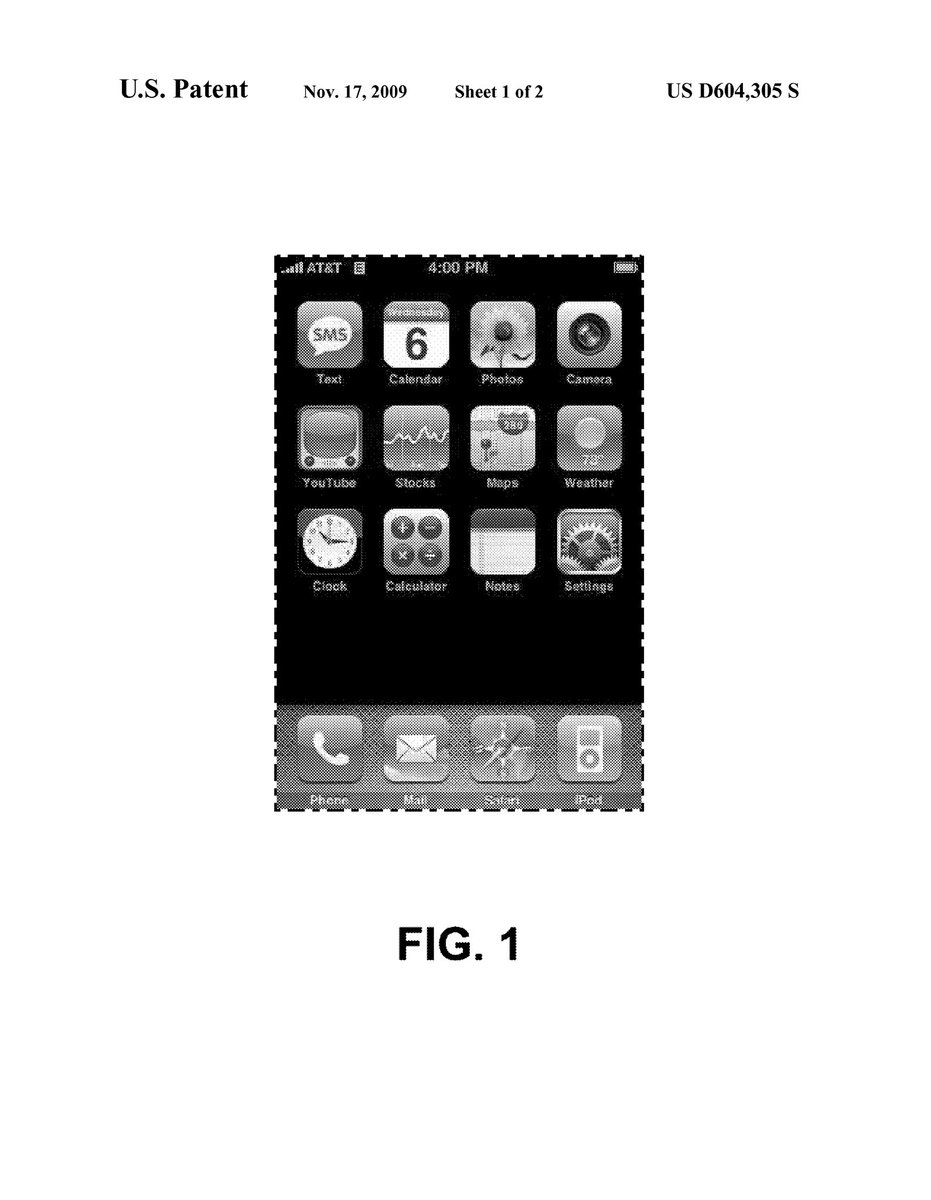
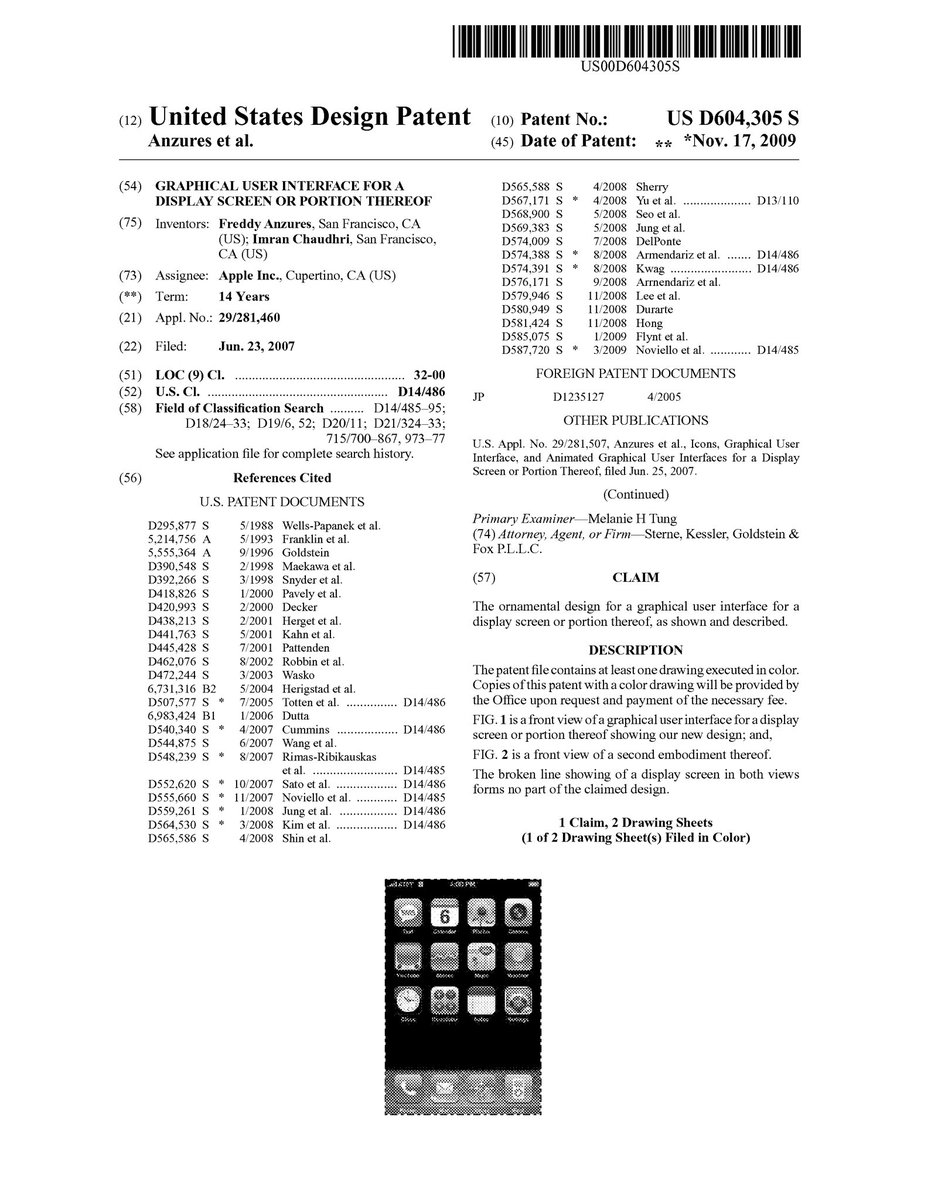
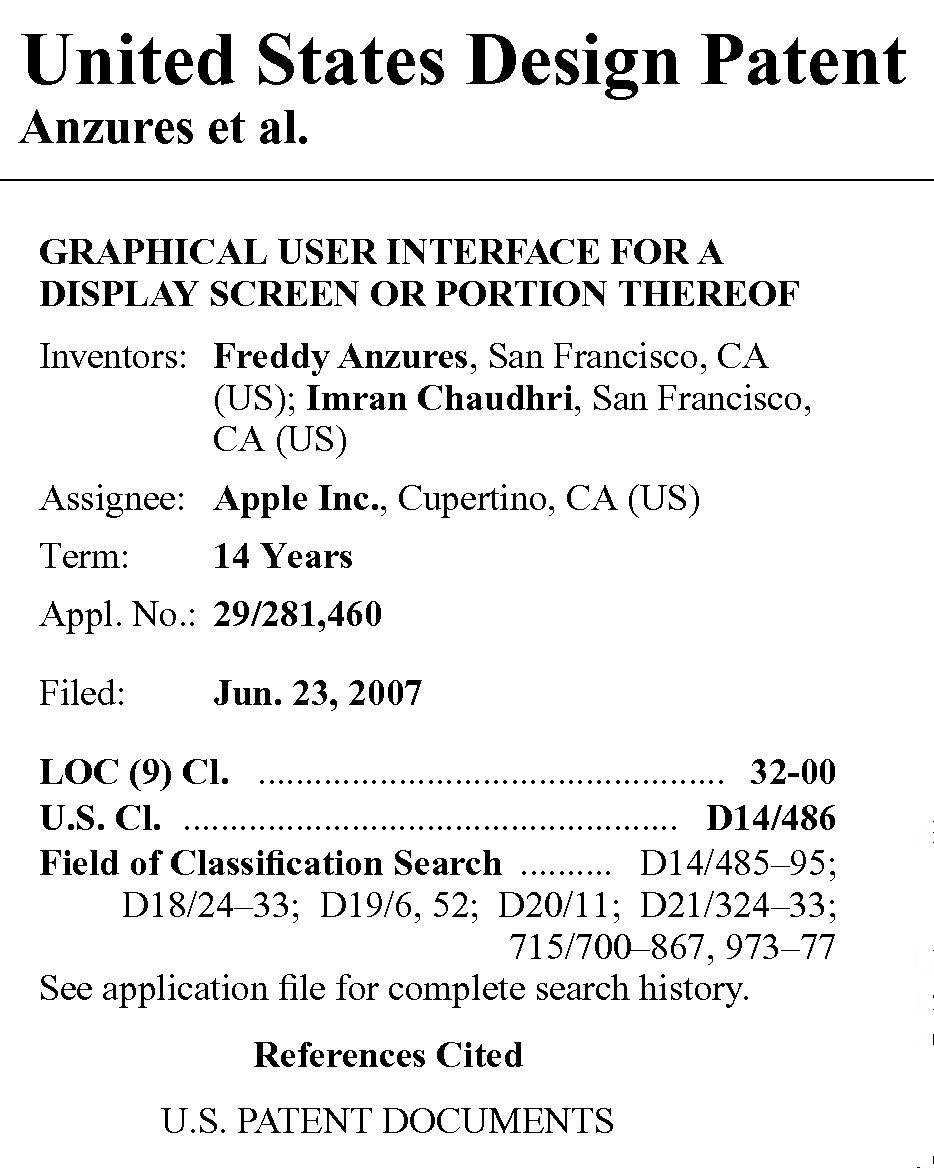
15 years ago, working from home was a little less permissible than it is now, given the mission of the company at the time. But on this day in 2011, the day after we unveiled the 4S and the original design for Siri, I thought to take a moment to reflect on what we'd accomplished.
I was in my sketchbook, developing alternatives for a storyboard of some human interface that would eventually land in everyone's hands. As is my practice, I let music and film set my imagination somewhere in the future. That day it was Back to the Future Part II (1989) on my Sony TV. Those self-lacing Nikes and that hoverboard captured my imagination before I even knew what industrial design was.
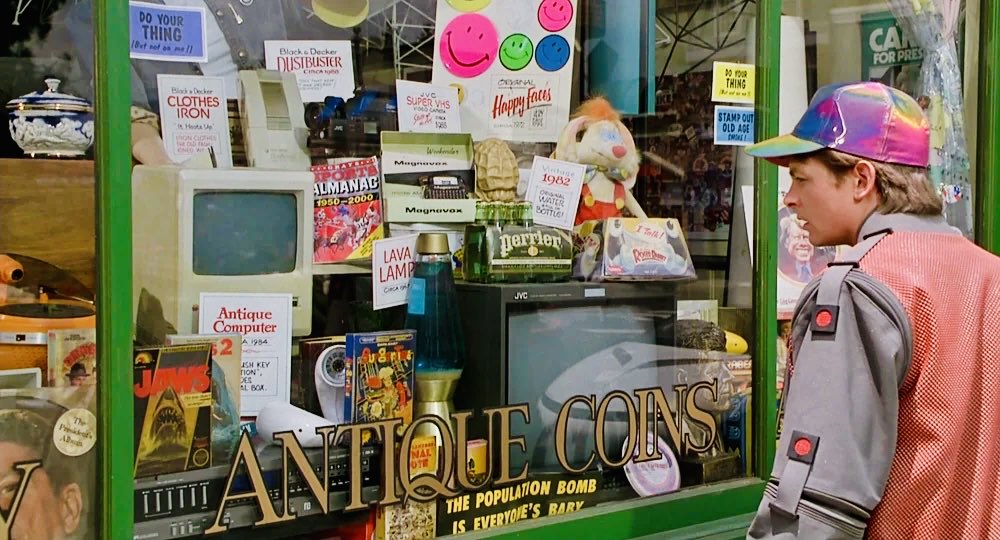
I looked up from my sketchbook just as Marty, 30 years out of 1985, wanders through Hill Valley on October 21, 2015, and stops at Blast from the Past, an antique shop selling his own present back to him. And there in the window, under a little card that read "Antique Computer circa 1984," it was. The Macintosh. The one Ridley Scott introduced in Orwellian fashion during the Super Bowl that year, two years after he and visual futurist Syd Mead imagined the Los Angeles of 2019 in Blade Runner (1982).
Around then, Hartmut Esslinger was giving Cupertino's design language its quantum leap. Hartmut founded frog, the firm where I started my professional design career in 1999, and then in 2004, the Mac's 20th anniversary, I joined the Human Interface group. I couldn't help feeling a connection to that machine in the window.
And then (((Tri-tone))) a notification on another product I have a connection to — turning 20 next year — caught my attention…
Steve Jobs, 1955-2011
Born the same year Marty went back to the future the first time around.
@UcfSO@Aurelien_Gz this one was designed by the incomparable @freddyanzures and I built the app. this was actually the third design we went through because SJ wanted it to look like “a larry king mic”. I managed to sneak in an easter egg where tapping the mic would pop the vu meter. very nostalgic!
At #HPImagine, we shared a vision of work where technology does the heavy lifting in the background—connecting people, spaces, and ideas so teams can focus on what matters
We introduced HP IQ as the intelligence built for that new reality: a workplace AI layer that brings together HP AI PCs, meeting spaces, and edge devices into one coordinated experience.
By running AI closer to where work actually happens, on devices, in rooms, at the edge, HP IQ helps teams move from juggling tools to simply working. It’s part of how HP is rethinking the future of work: not just faster or smarter, but more meaningful for the people behind every screen.
🔗 https://t.co/AeshF6ieLU