During the activity, 400 tree seedlings were planted. The species planted included such as Makha Mong (Afzelia xylocarpa), Siamese Rosewood (Dalbergia cochinchinensis), Daeng (Xylia xylocarpa), Siamese Cassia (Senna siamea), and Indian Gooseberry (Phyllanthus emblica).
25 June 2026, Freeland organized the Community Outreach & Reforestation activity, bringing 40 students from Romklao School, Buriram Province, to learn about forest conservation and participate in tree planting at Ban Sapsomboon Community Forest, Pakham District, Buriram Province.
The activity was conducted alongside a forest plantation maintenance program organized by Dong Yai Wildlife Sanctuary, with the support and cooperation of government agencies in Buriram Province. In total, more than 200 participants joined the event.
Protecting species like the Barking Deer starts with understanding where wildlife still survives. Through camera trap deployment in critical landscapes across Thailand, Freeland monitor elusive species, gather vital conservation data, and support efforts to protect species
#FurryFriday!
The Barking Deer, also known as the Indian Muntjac, is one of Asia’s smallest and most secretive deer species. It gets its name from the sharp dog-like bark it makes when alarmed.
Their excellent hearing and cautious nature make them one of the forest’s most effective early warning systems for other wildlife
Although the Barking Deer is currently listed as Least Concern, populations in several regions are steadily declining as forests continue to disappear
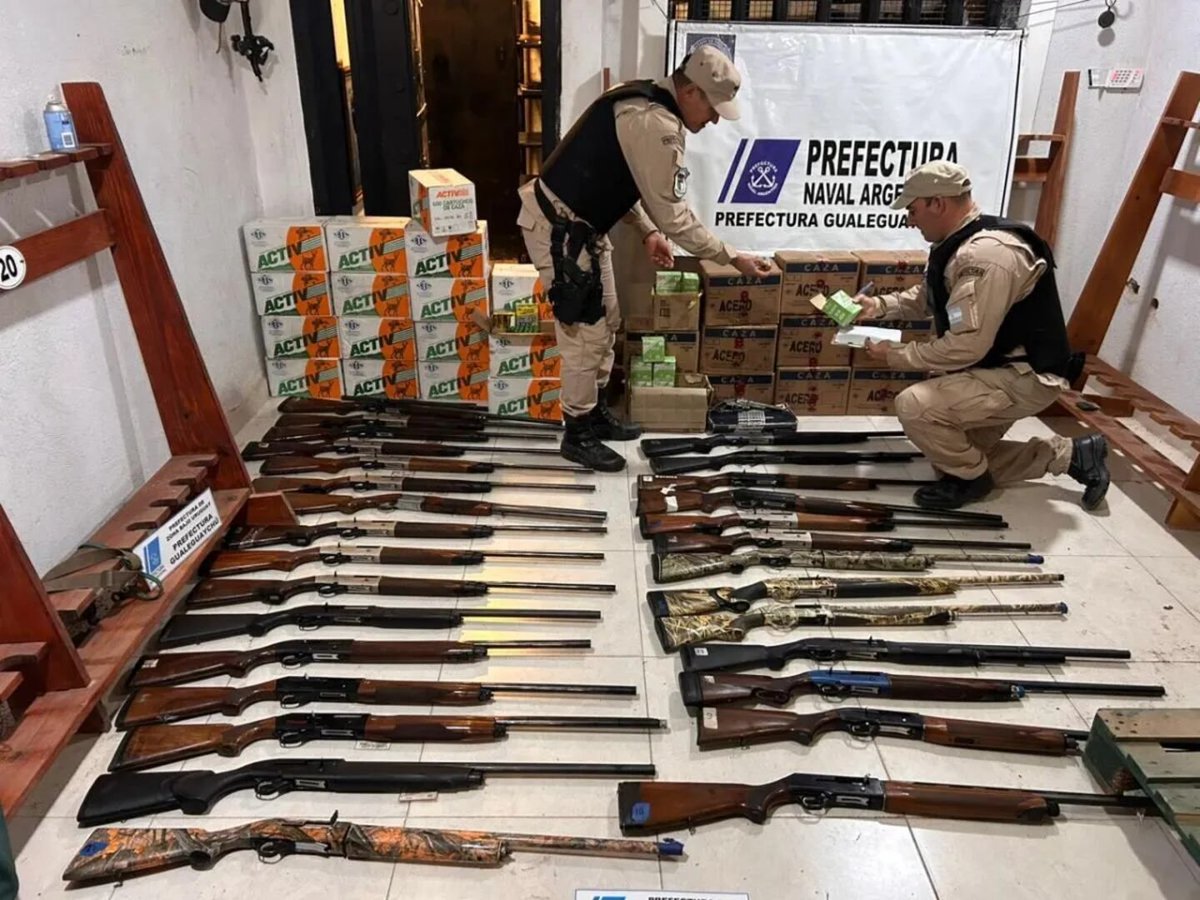
Another reminder that trophy hunting and wildlife trafficking are deeply connected industries — and that exposing these networks is critical to protecting wildlife.
Photo: Environmental Control Brigade (BCA) and Naval Prefecture
After a complaint from Freeland triggered by an anonymous denounce based on information posted on the hunting reserve’s own social media, authorities in Gualeguaychú, Argentina raided an illegal hunting operation tied to suspected wildlife trafficking.
Beyond the criminal investigation, Argentine authorities have now begun proceedings to financially sanction the owner for violating national environmental law.
Freeland joins the Coalition for Multilateral Action against Environmental Crimes
Announced by the Ministry of Foreign Relations of the Brazilian Government, the expansion of the "Coalition for Multilateral Action against Environmental Crimes", with the inclusion of five new
the United Nations Convention against Transnational Organized Crime (UNTOC). Freeland, which has been involved since the beginning due to its role on the Steering Committee of End Wildlife Crime, now also supports the Coalition individually,
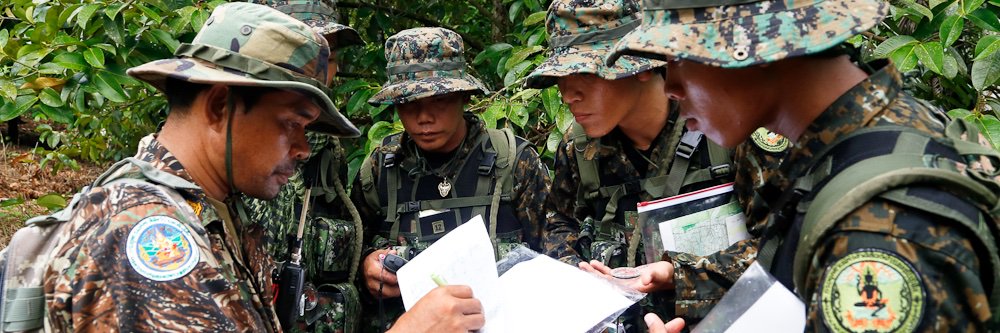
Participants received both classroom and field-based training, covering essential skills for conservation area management, including the use of maps, compasses, and GPS devices, as well as the SMART Mobile system, also included hands-on drone operation.
📍15–19 June 2026
Freeland organized the SMART Patrol Enforcement Ranger Training Course at Pang Sida National Park, Sa Kaeo Province, to strengthen the capacity and enhance the effectiveness of quality patrol operations for park rangers.
#FurryFriday
The name pangolin comes from the Malay word “penggulung,” which translates to “roller” — a nod to the animal’s instinct of curling into a tight ball when threatened. Sadly, that same defense offers little protection against wildlife traffickers.
Pangolins are heavily targeted for their scales, used in traditional medicine markets, and their meat, considered a luxury product in parts of Asia.
Today, all eight pangolin species are listed on the IUCN Red List, with species classified as Vulnerable, Endangered, and