🚨 We’re Moving! Fruit and Spice Park is now @MiamiDadeParks! ✨ Follow us for events, outdoor fun, and community updates. —follow @MiamiDadeParks today!
Golden hour turns muscadine grapes into a glowing kaleidoscope. Native to Florida and naturally resilient, these grapes shine with sweet flavor and thick, nutrient-rich skins. A reminder that some of the best backyard fruits are the ones already rooted in this place.
VC:IL
🌿 Garcinia livingstonei (Imbe-Male) — an African fruit tree bearing small, orange-yellow fruits with a sweet-tart flavor. Beyond its edible fruit, Imbe supports local wildlife and reflects the rich plant traditions of tropical Africa.🌱
PC:GB
Meet the Lotus Plum! ✨🌿 Also known as Date Plum, Diospyros lotus is a fruit tree prized for its sweet, plum-like fruits, enjoyed fresh or dried. 🍇🌳 Its fruit, leaves, and bark have a long history of traditional food and ethnobotanical uses. 🌱
PC:RJ
Meet the Cocoplum! ✨🌿 Also known as Icaco, Chrysobalanus icaco is a tropical native valued for its edible fruits and ethnobotanical importance. 🥥🌳 The fruits can be enjoyed fresh or used in jams and preserves, while other plant parts have traditional uses.
PC:RJ
Meet the Plumeria! ✨🌿 Also known as Frangipani, this tropical favorite is prized for its fragrant, colorful flowers used in leis, ceremonies, perfumes, and cultural traditions. 🌺🌴 Its long history also includes diverse ethnobotanical uses.
PC:RJ
🌿 Artocarpus altilis (Breadfruit) is a tropical tree native to the Pacific and Southeast Asia, providing food, shade, and habitat. In South Florida, it is considered low-risk for invasion and not a problem species. 🌱
PC:GB
There’s always something new to discover at Fruit & Spice Park. 🌿✨
From tropical fruits growing overhead to colorful blooms hiding in plain sight, you never know what you’ll find along the way!
Come take a closer look. 👀🌺
🌿 Carica papaya (Papaya) is a fast-growing tropical plant native to Central America. Widely grown in South Florida, it provides fruit, habitat, and plant diversity—and can even regrow naturally from dropped seeds. 🍈🌱
PC:GB
🌿 Ficus carica (Common Fig) is a Mediterranean and West Asian fruit tree cultivated for thousands of years. Though nonnative to Florida, UF/IFAS considers it not a problem species. Its delicious fruit adds diversity and provides food for local garden ecosystems. 🍃🫒
PC:GB
Ficus elastica (Rubber Tree) is a tropical favorite known for its glossy leaves and impressive growth. At Fruit & Spice Park, volunteers help care for our diverse tropical landscape—from maintaining garden spaces to supporting plant health.
PC: GB
Automeris io | Io Moth 🦋🌿
A striking nocturnal moth and important part of local food webs. Its caterpillars provide food for wildlife, while adults contribute to nighttime pollination. Spotted resting on a mango leaf at Fruit & Spice Park.
PC: MT
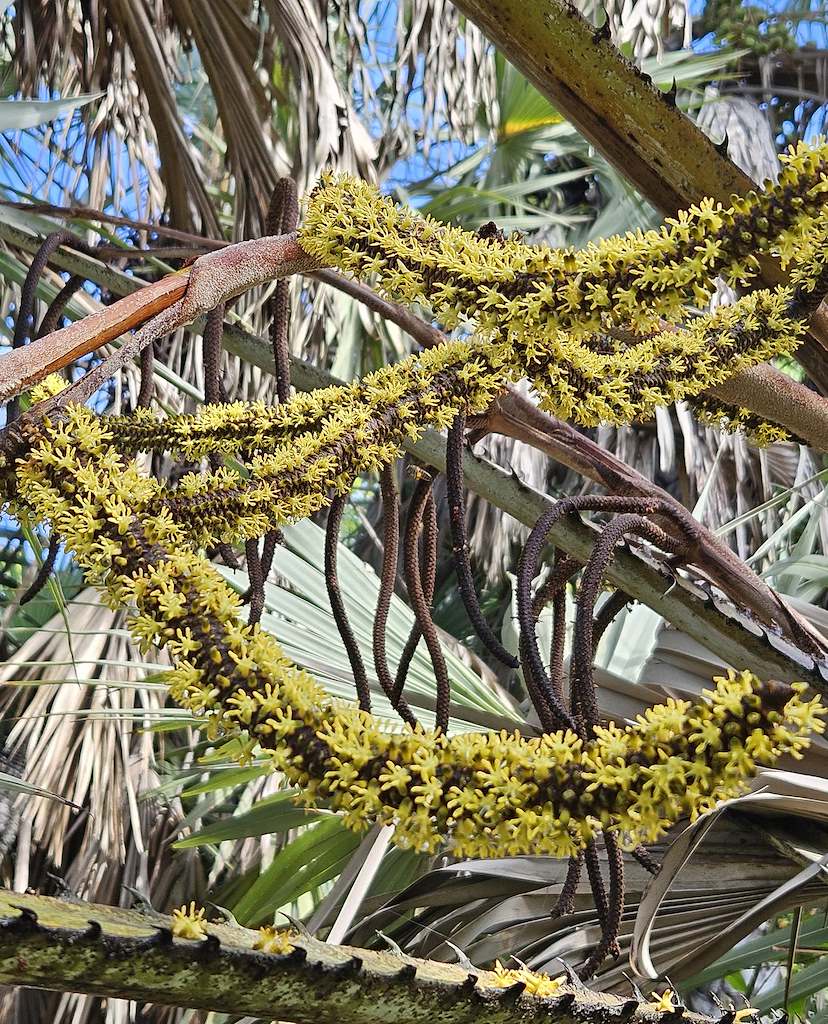
Hyphaene coriacea | Gingerbread Palm Inflorescence
A striking stage in the Gingerbread Palm’s life cycle. Across Africa, H. coriacea provides fruit, leaves, and strong fibers for food, shelter, weaving, and craft—reflecting generations of botanical and cultural knowledge.
PC: MT
Blighia sapida | Ackee 🌿
Native to West Africa, ackee is deeply rooted in Caribbean foodways, especially Jamaica, where it is the national fruit. Its ripe, naturally opened rails are prized, while unripe fruit contains natural toxins and traditional harvesting
PC: Madelyn Tucker
Dimocarpus longan (Longan) is a tropical fruit tree native to southern China and Southeast Asia. Known as the “dragon eye,” its fruit is enjoyed fresh, dried, and in desserts. Introduced to Florida in the 20th century, longan is now an important SF crop.
Photo credit: David Brown
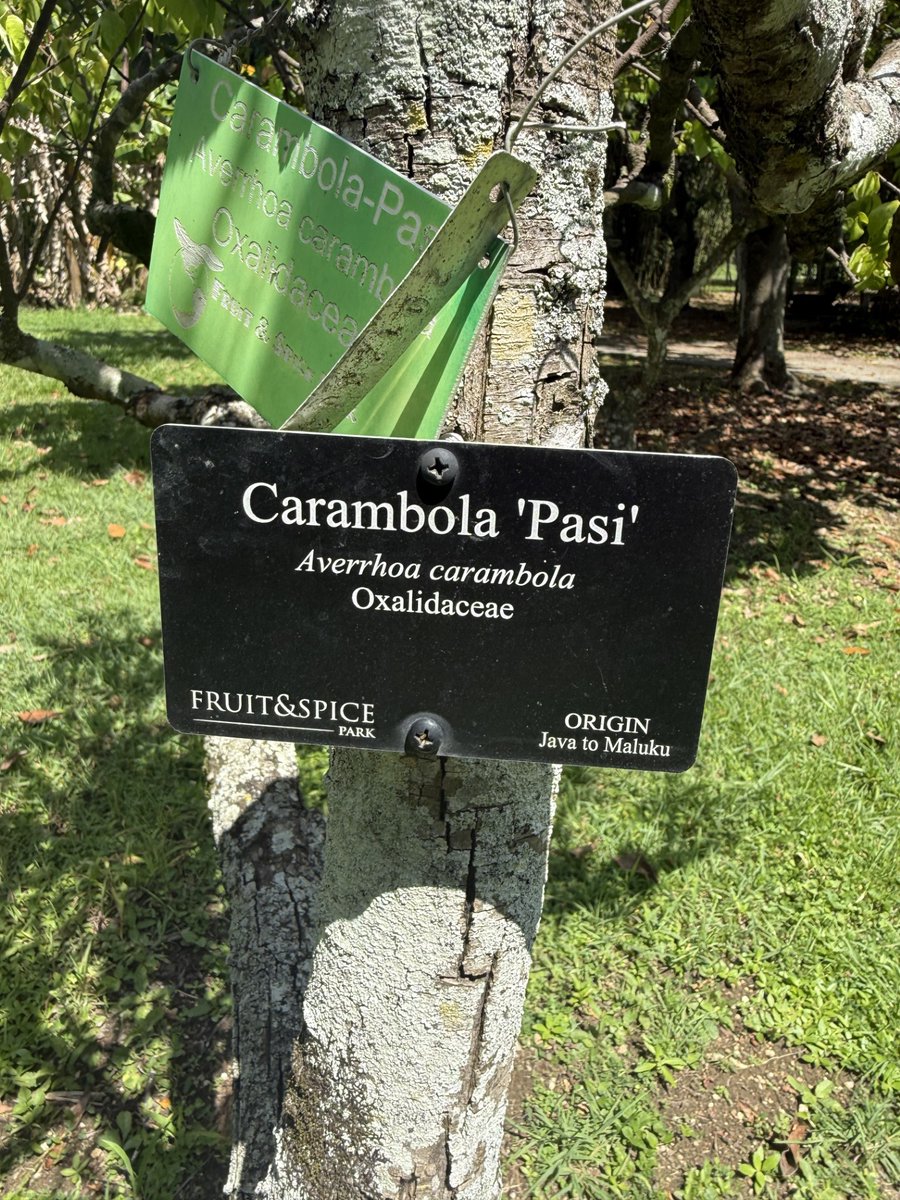
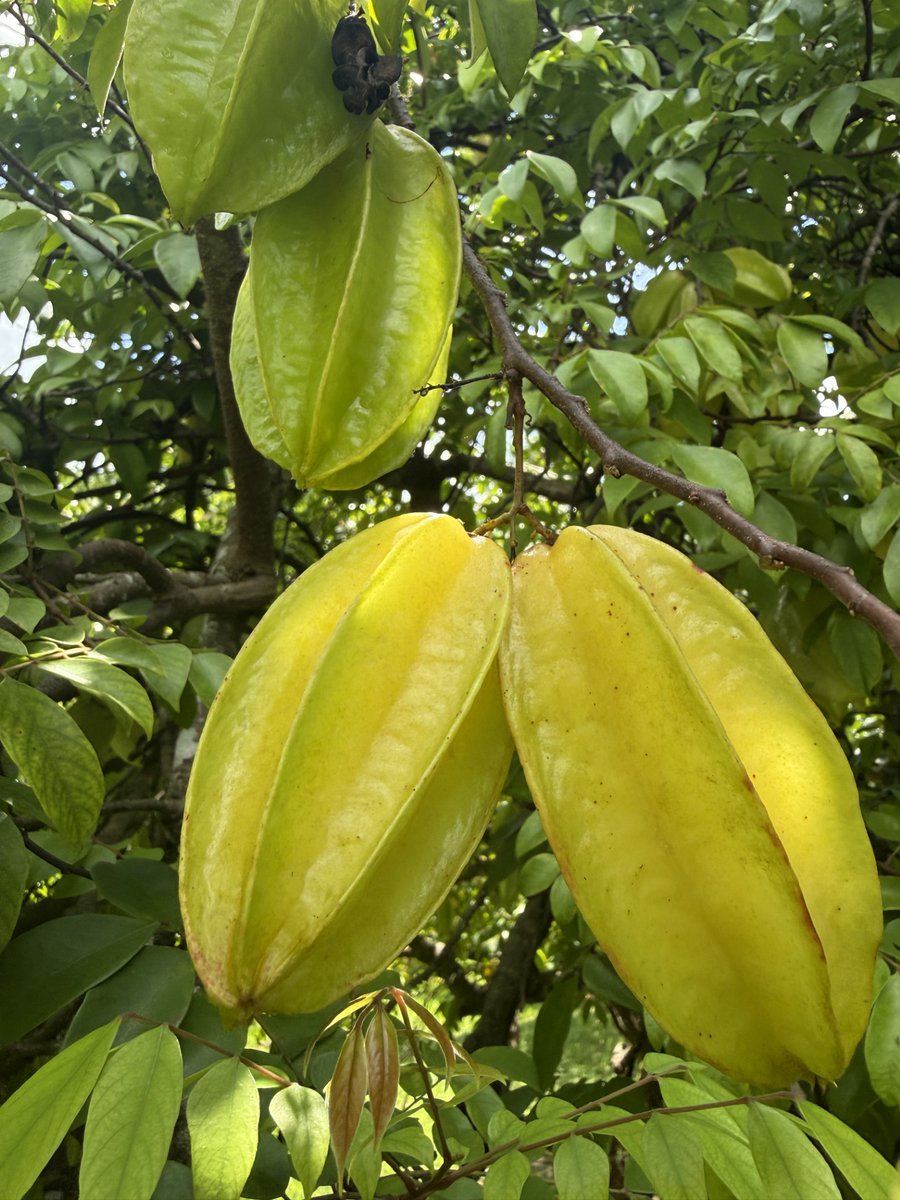
Averrhoa carambola (Carambola, Star Fruit) is a tropical fruit tree whose fragrant flowers provide nectar for pollinators, while its fruit supports birds and other wildlife. It plays a valuable role in promoting biodiversity in tropical landscapes. 🐝
Photo credit: Gonzalo Baeza
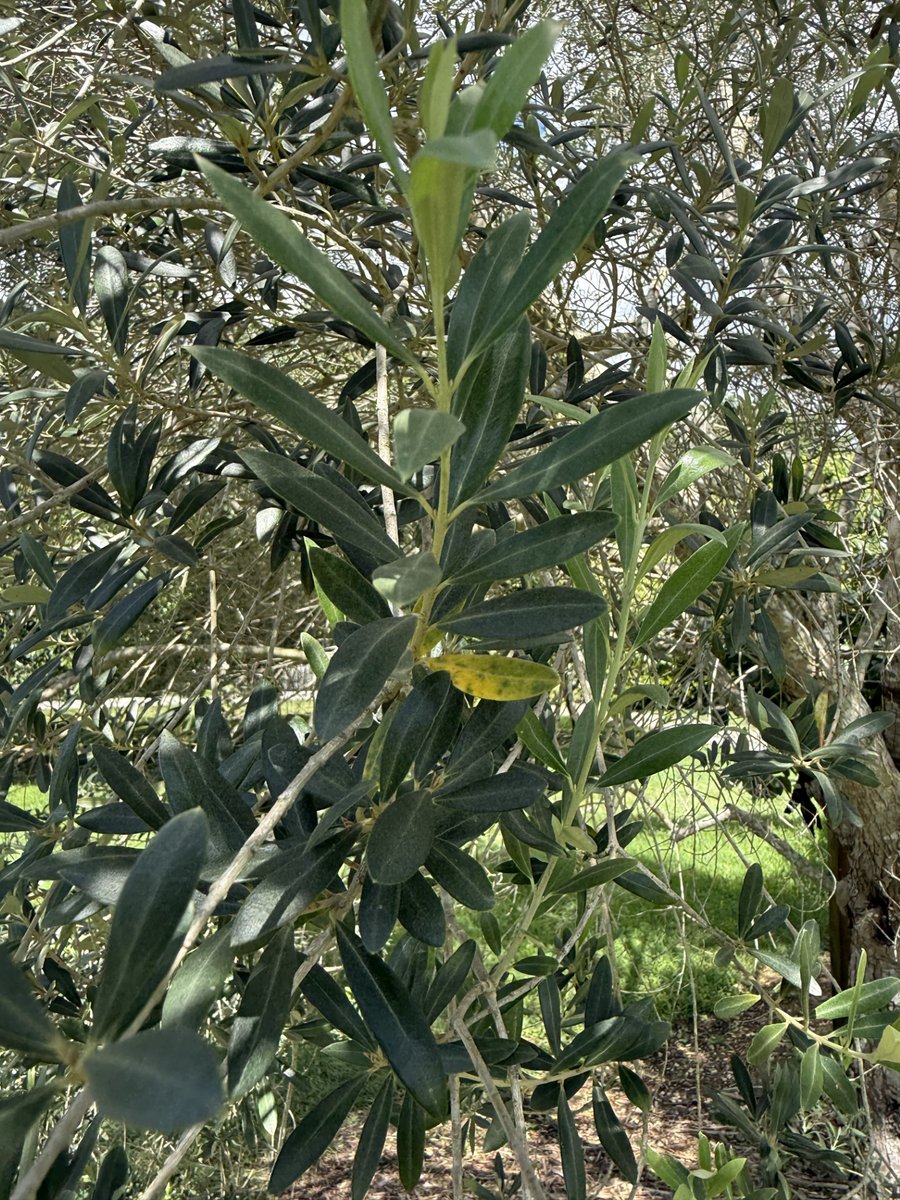
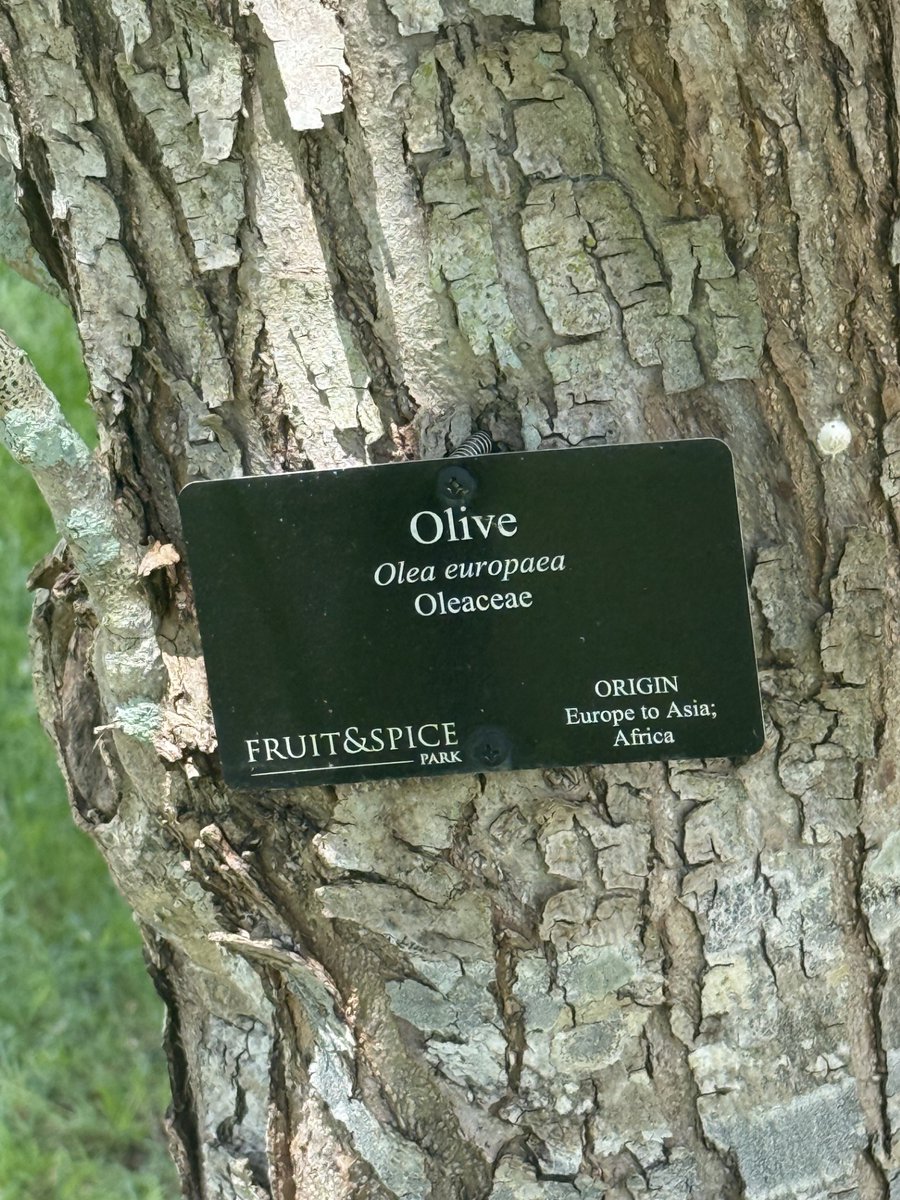
Olea europaea (Olive Tree) is a long-lived evergreen whose fragrant flowers attract pollinators, while its dense canopy provides shelter for birds and beneficial insects. Cultivated for thousands of years, it remains an ecological tree worldwide.🌳
Photo credit: Gonzalo Baeza
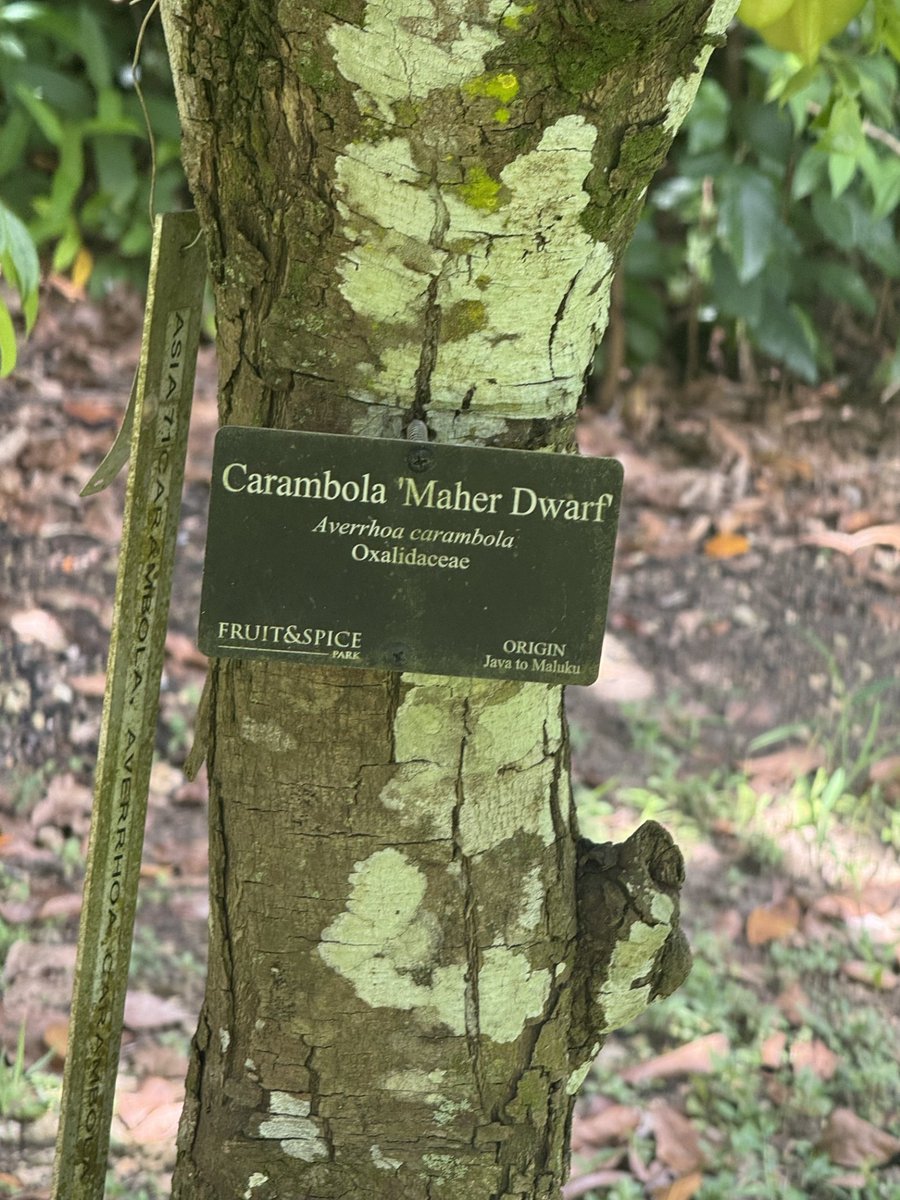
🌟 Averrhoa carambola ‘Maher Dwarf’ (Maher Dwarf Star Fruit) is a compact tropical fruit tree whose fragrant flowers attract bees and other pollinators, while its fruit supports local wildlife. It highlights how productive tropical plants can enhance🐝
Photo credit: Gonzalo Baeza
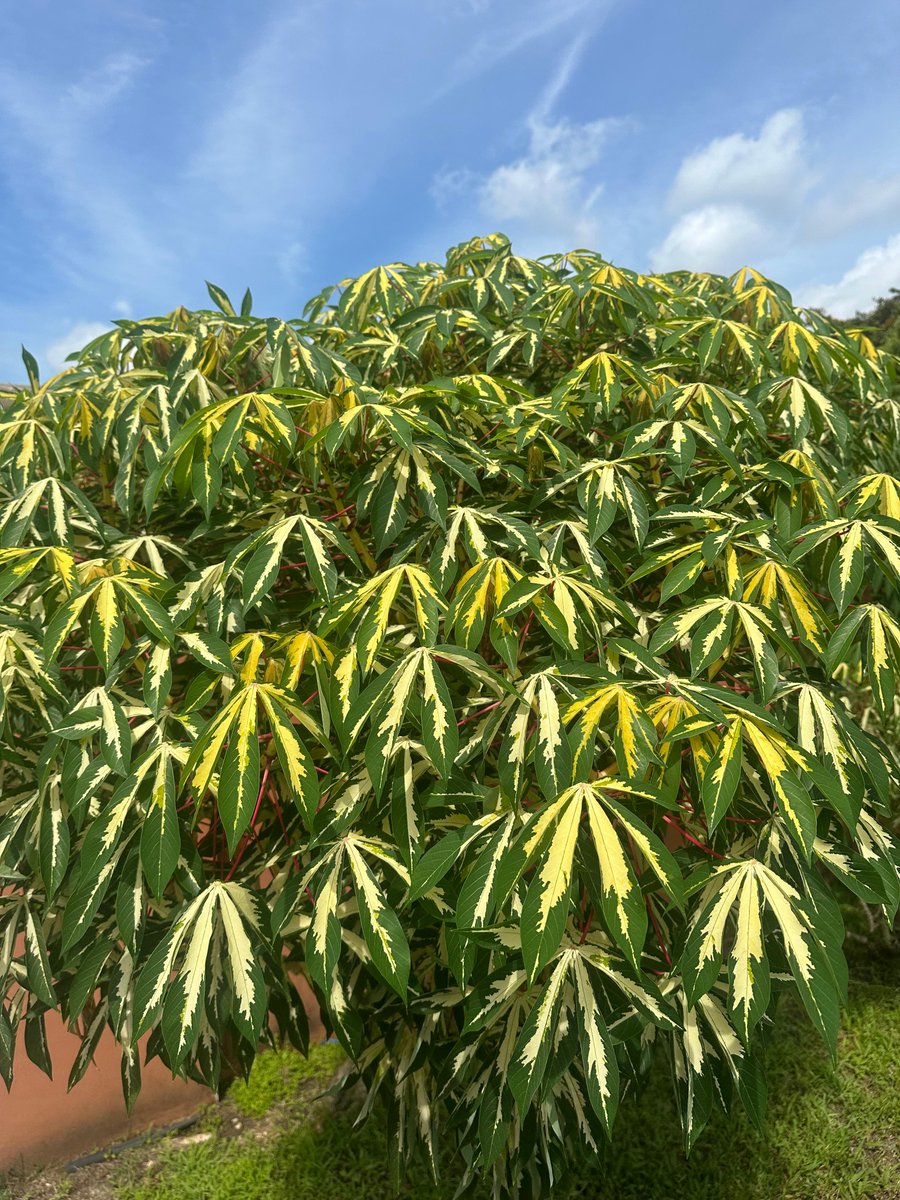
Manihot esculenta — Cassava, Yuca, Tapioca
Did you know yuca and boba come from the same plant? Native to South America, cassava became a staple across the tropics. Tapioca is the refined starch from its roots, which must be properly processed and cooked Photo credit: David Brown
🌴 Arenga pinnata (Sugar Palm) is a remarkable tropical palm native to Southeast Asia. Its flowers provide nectar for pollinators, while its fruits and canopy support wildlife. Long valued by local communities and remain culturally important species. 🌿
Photo credit: Gonzalo Baez
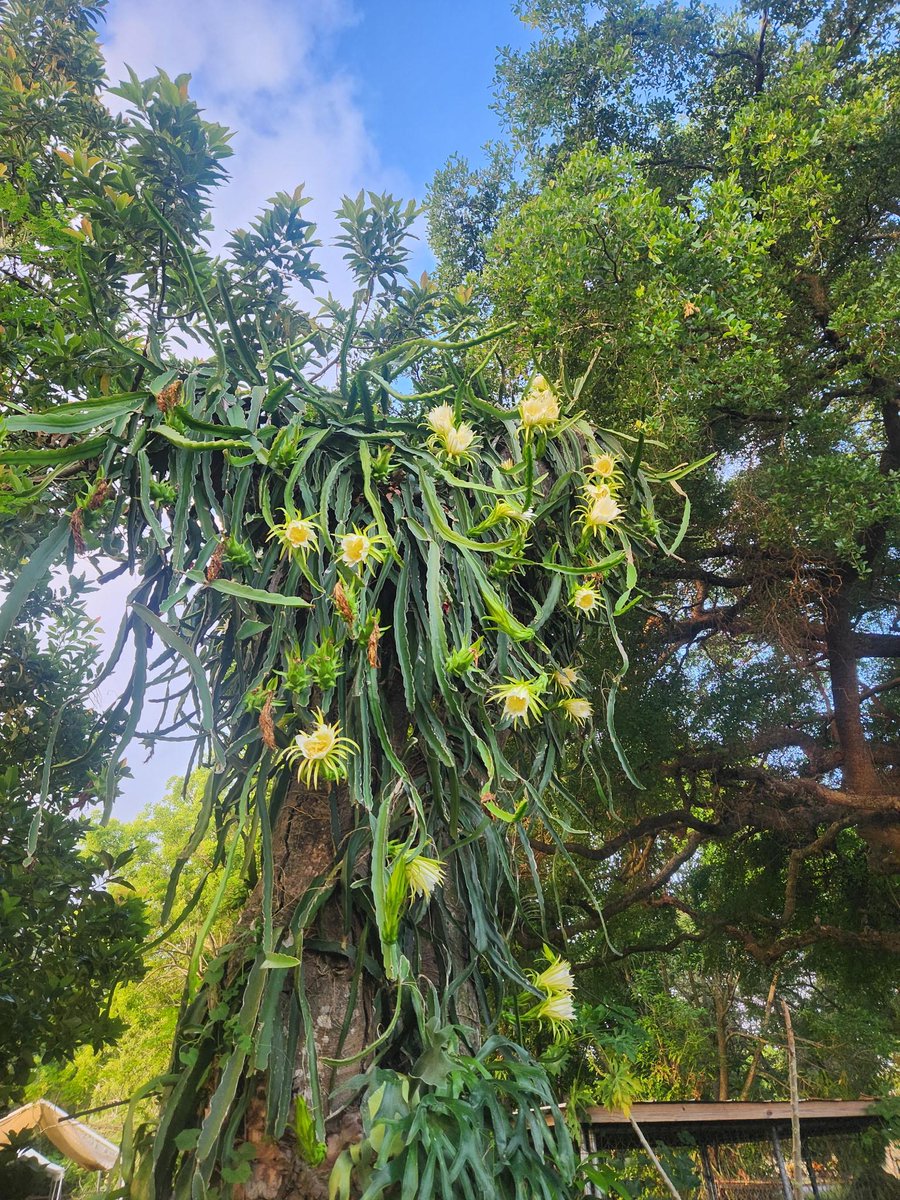
Selenicereus ‘Halley’s Comet’ — Dragon Fruit
A modern hybrid of pitaya, a crop cultivated in Mexico & Central America since pre-Hispanic times. Known for its vibrant pink-purple flesh, refreshing flavor & spectacular night-blooming flowers.
Photo Credit: Iva Hegg & David Brown