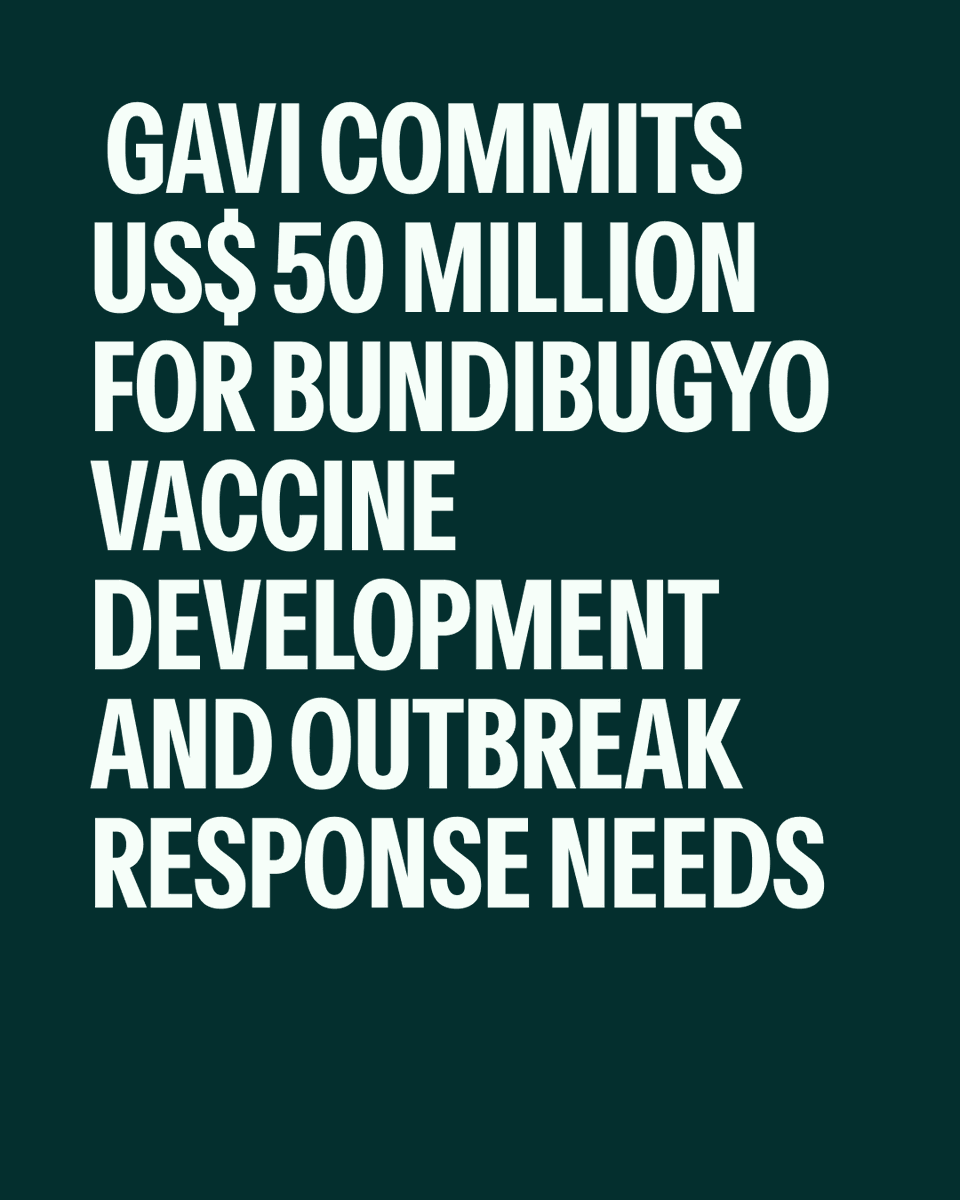
We are committing to make up to US$ 50 million available through our First Response Fund to support the response to the ongoing Bundibugyo ebolavirus outbreak:
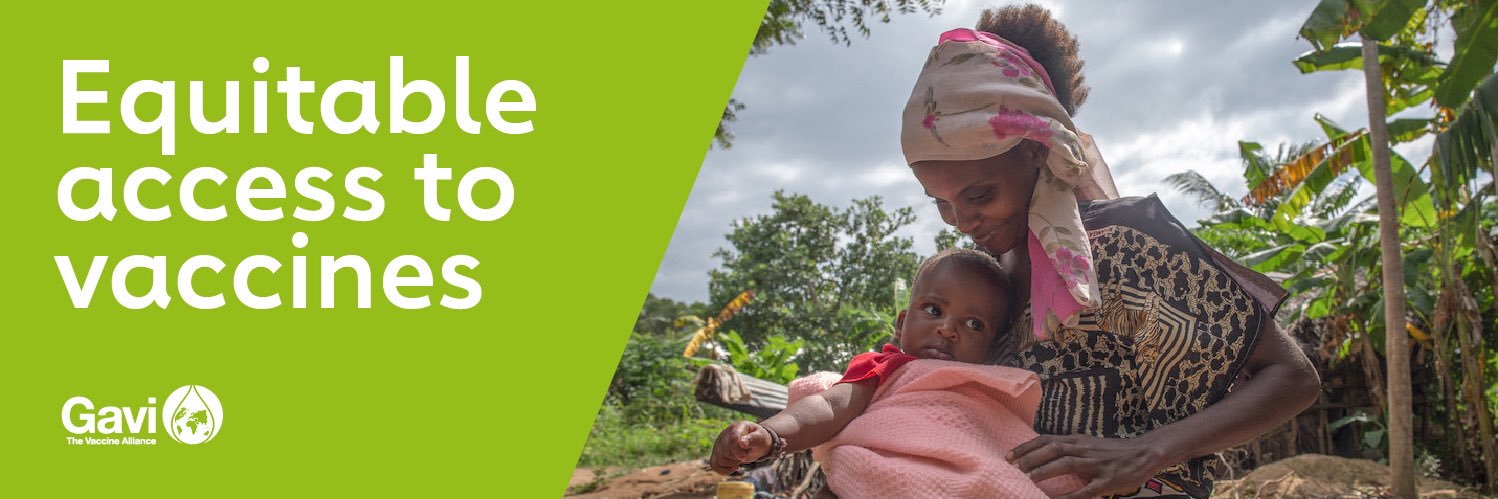
In parts of Kenya, deeply entrenched patriarchal norms mean female children face higher barriers to routine immunisations than their brothers.
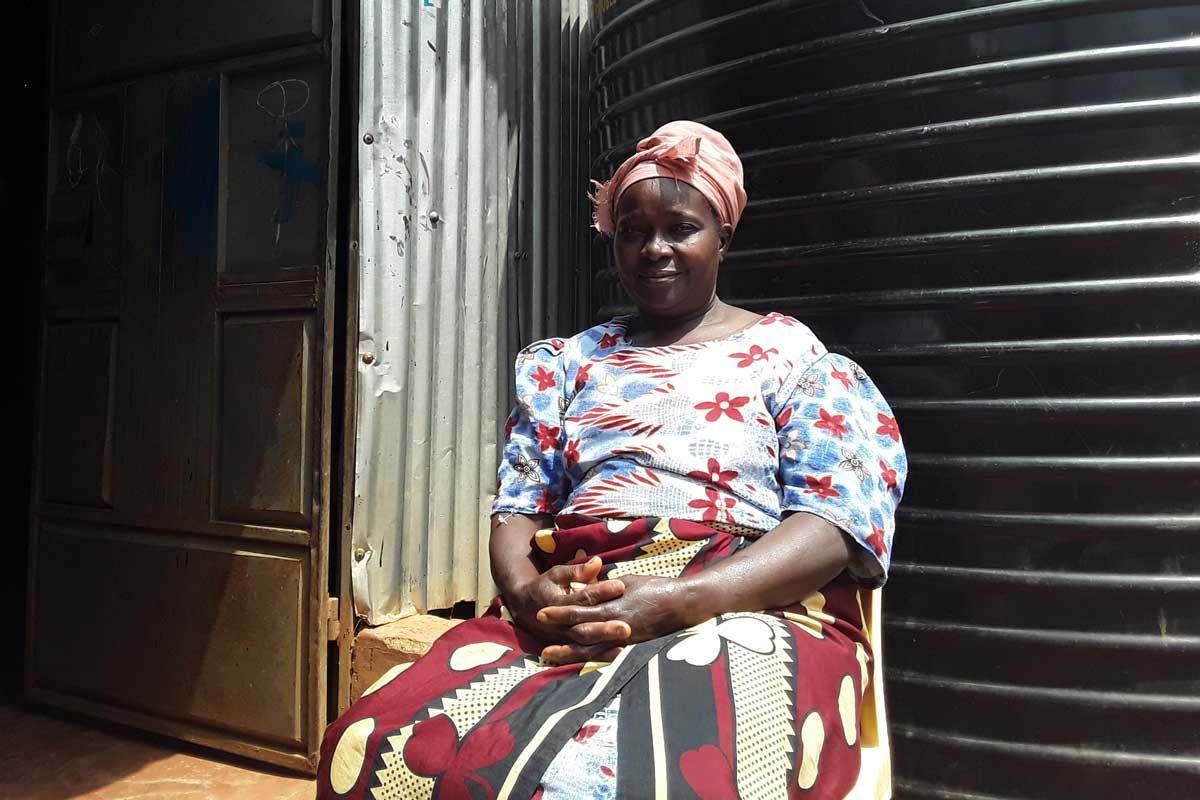
Public health teams have found an unexpected group of local allies to help them fight vaccine equity gaps: grandmothers.
The story: https://t.co/TJuHSb82hj
I congratulate Burundi’s Ministry of Health for reaching the majority of eligible girls during a #HPV vaccination campaign to tackle the biggest cancer killer in Burundi. This achievement is testament to @msp_burundi’s commitment to raising awareness and addressing misinformation to build trust and safeguard futures: https://t.co/0B2hDZ0NPi
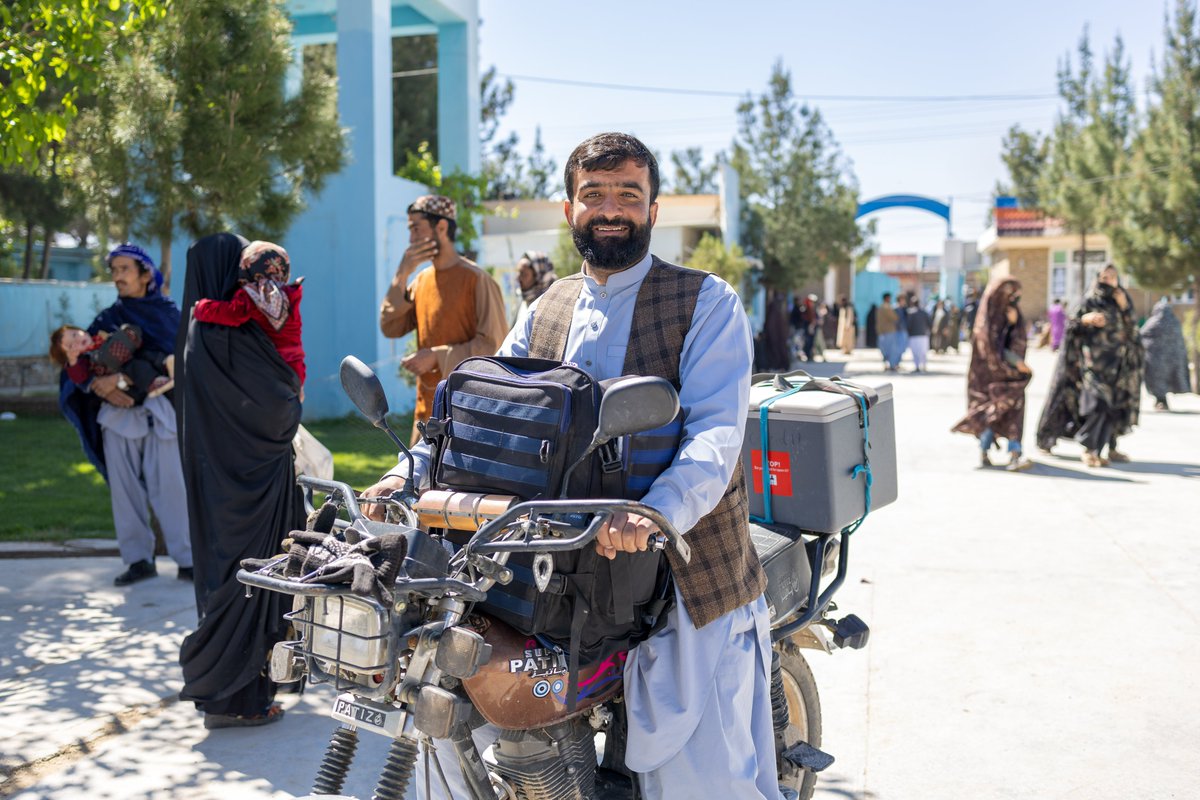
Omid and Nadia are a husband-and-wife vaccinator team riding by motorbike into hard-to-reach villages across Afghanistan.
Their cold box keeps vaccines at the right temperature. With support from @gavi, no family is too far to reach areas.
Noma is a devastating disease that causes severe facial disfigurement in children, with fatality rates as high as 90%.
It is closely linked to malnourishment but its cause has been a mystery. Now scientists may have made a breakthrough.
Here’s what to know about a previously unknown species of bacteria that appears to be strongly associated with it, and could aid early detection and treatment of the disease: https://t.co/NsD6ik2MZi
We were honored to welcome Rt. Hon. Helen Clark, Chair of the Board of @gavi, to IVI headquarters in Seoul.
She and @drjeromekim discussed the future of global immunization, vaccine equity, and the importance of sustained investment in solutions for persistent disease threats
Cervical cancer is Burundi’s leading cancer killer.
When the country prepared to roll out the protective HPV vaccine, they faced a massive wave of misinformation, especially fake rumours about infertility.
But Burundi fought back with a nationwide mission to educate communities about the HPV vaccine, resulting in an incredible 84.4% coverage rate in just 3 days. 🙌
The story: https://t.co/WPIAza9tTv
There are currently no approved vaccines or treatments for the rare Bundibugyo strain of Ebola rapidly spreading in the DRC and Uganda. To face this threat, Gavi and @CEPIvaccines have joined forces with an urgent joint plan of action.
Read more in this piece from Gavi’s CEO Dr @SaniaNishtar and CEPI’s head Dr Richard Hatchett: https://t.co/siHOm4IhN8
The reason for the discrepancy is that Ebola does not have a single fixed death rate. Factors including the viral species involved, the speed and quality of supportive healthcare and how effectively cases and deaths are detected can all dramatically shape outcomes.
Just like experts use wastewater to track human disease outbreaks, scientists are using blood-sucking and dung-eating insects to monitor wildlife diseases.
The fascinating read from @knowablemag: https://t.co/CPtYWpW5dm
Vaccination is entering a new era, shaped by new technologies, new strategies and lessons from outbreak response. These topics, and more, are discussed in this week’s Global Health Notes newsletter: https://t.co/61Ncz7OXUG
In Eswatini, 80% of people consult a traditional healer before visiting a formal western clinic.
Instead of viewing this as a barrier to public health, the country is turning it into a powerful opportunity, training healers as first responders to bridge the gap between traditional medicine and routine immunisation.
The full story: https://t.co/MKGt71Xt2X
With over 1,000 suspected cases of the rare Bundibugyo Ebola strain in the DRC & Uganda, the window to prevent a regional crisis is narrowing.
Because this strain has no approved vaccine, community health workers are our most vital line of defence. But current system gaps are delaying case detection by 5–7 days.
Why community-led surveillance is the key to stopping the spread: https://t.co/0kK7t4LAW8 via @SciDevNet
Why are women more likely to get autoimmune diseases like MS and lupus?
A new study published in the American Journal of Human Genetics analysed differences in more than 1.25 million immune cells from nearly 1,000 men and women.
The findings 👇🧵
But the research has some positive news for women, too: a more reactive immune profile means women are generally better at fighting off viral infections and tend to mount stronger responses to vaccines.
I welcome @Gavi making up to US$50 million available to support response to #Bundibugyo outbreak. This will accelerate access to vaccines when available & support countries to implement their response plans. Vital to stop spread of #Ebola.
https://t.co/ySBlqxrxI8