Reserved for a generation’s most influential aerospace professionals, the recognition honors Smith’s contributions to rotorcraft aerodynamics & aeroelasticity as well as her global leadership in vertical flight. A well-deserved honor!
A bit of history this fall: Georgia Tech has enrolled more than 10,000 engineering undergraduates for the first time.
It’s timely growth, as demand for engineering talent continues to increase here in Georgia and across the U.S. https://t.co/CmBeSdyjNX
In @laurenkstewart's civil engineering lab, a strong community of veterans and active-duty military members works alongside students with civilian backgrounds. Their perspectives help shape the research, and their experiences help prepare them for what's next, whether in uniform or beyond. #VeteransDay https://t.co/ld0AJezSWB
This microscopic STAR particle could offer a better — and biodegradable — way to deliver medicine through the skin. Inspired by his microneedle patches, it’s the latest innovation from Mark Prausnitz’s lab in @GTChBE. https://t.co/KJLZTIvv5J
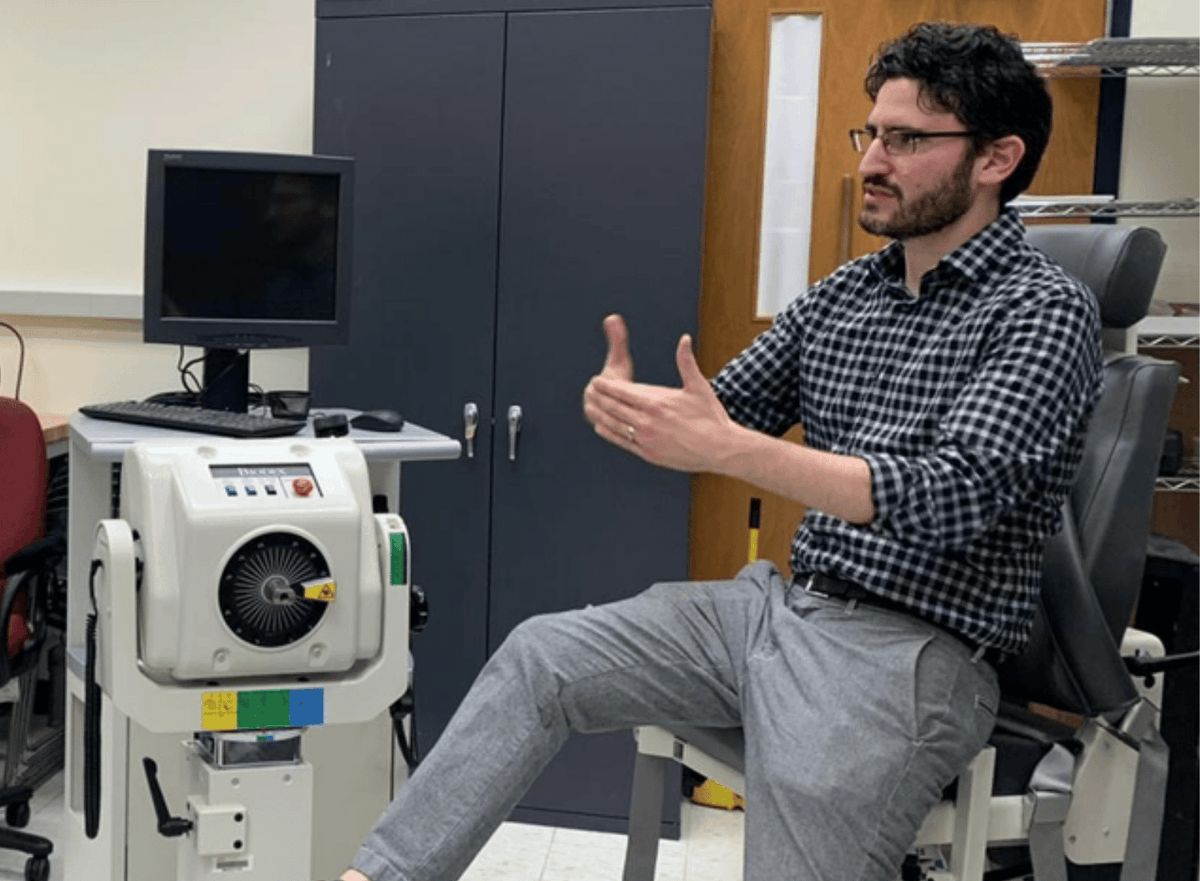
How do neural signals become movement, and what happens when they fail?
Zachary Danziger explores AI-enabled brain-computer interface research, bladder control, and the nervous system's hidden communication networks: https://t.co/Q4Q90vQP73
#BiomedicalEngineering#CoulterBME
Excited for the launch of a new online master's in systems engineering next fall!
With the combined power of @GeorgiaTechISyE & @GTaerospace, the program will prepare professionals to solve complex challenges that increasingly span technologies, disciplines, and industries. More info: https://t.co/VfSJk3XeBZ
For more than eight years, the Woodruff School and Manufacturing Resources International (MRI) have partnered to give graduate students hands-on research experience, publish findings, and improve the performance of MRI’s rugged outdoor digital displays.
https://t.co/Id0QjbxWeF
Can diet help influence symptoms of Sjögren’s disease?
@CoulterBME's @ahmetfcoskun is using a “diet-on-a-chip” to study how different diets affect salivary gland cells, with the goal of making nutritional guidance more precise. Read more: https://t.co/qjCIiyzCz2
Raghupathy Sivakumar has been appointed interim executive vice president for Research (EVPR) at the Georgia Institute of Technology, effective Nov. 1, 2026. https://t.co/4bwaA8BSLB
Our students' visit with @blueorigin CEO Dave Limp & his fireside chat with Dean @Mitch_lr_Walker were a real treat. They discussed the future of space exploration, Blue Origin’s plans, leadership, the critical skills future engineers need, and more.
A collaboration between @GeorgiaTech_ECE & TSMC is creating new opportunities for undergrads to participate in semiconductor research & engage with one of the industry’s most influential companies. And it extends across @GTChBE, @MEGeorgiaTech & @GTMSE_3. https://t.co/qcIGlQwo1g
We’re partnering with our friends at @EmoryMedicine on a new dual-degree program for medical students to earn a robotics master’s alongside their MD. First class enrolls next fall. Details: https://t.co/kkYCFWBPom
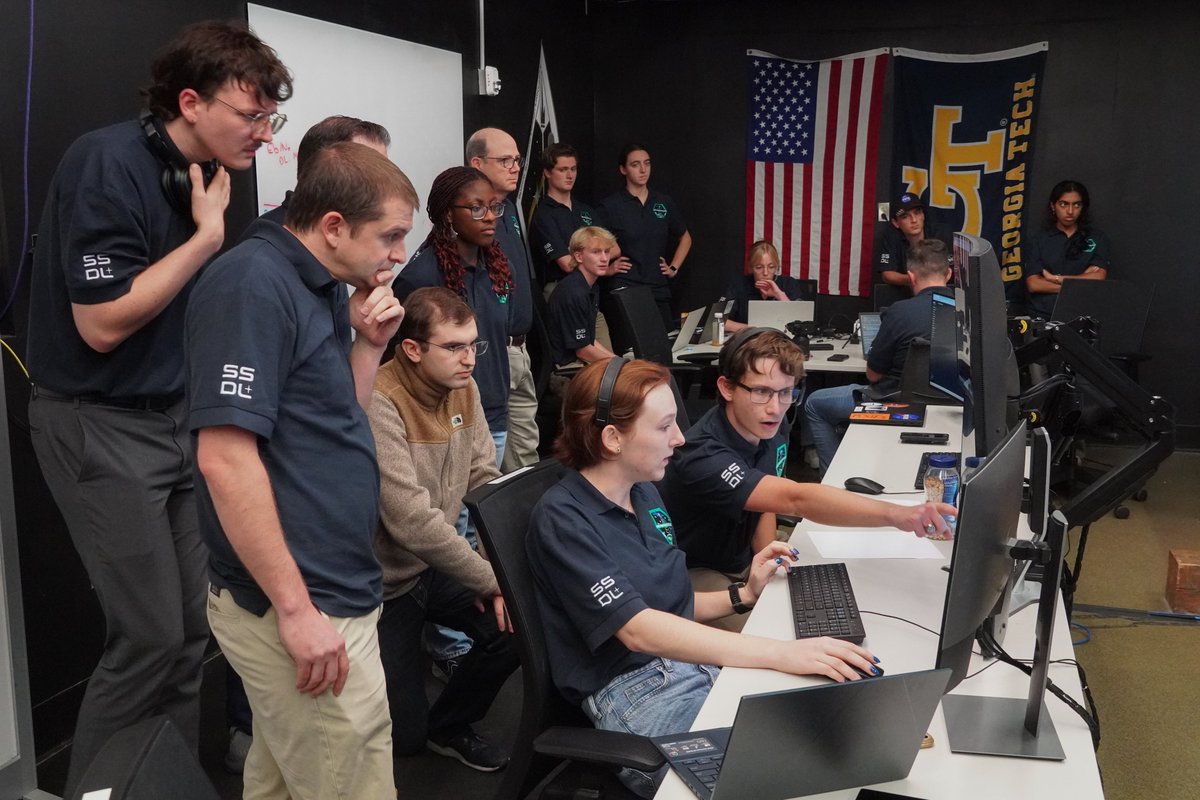
Orbit achieved for these @GTaerospace students! With NASA, they’re operating a small CubeSat now flying ~300 miles above Earth and will test a new kind of dual-mode propulsion for the next 9 months or so. https://t.co/rilxQaH9s8
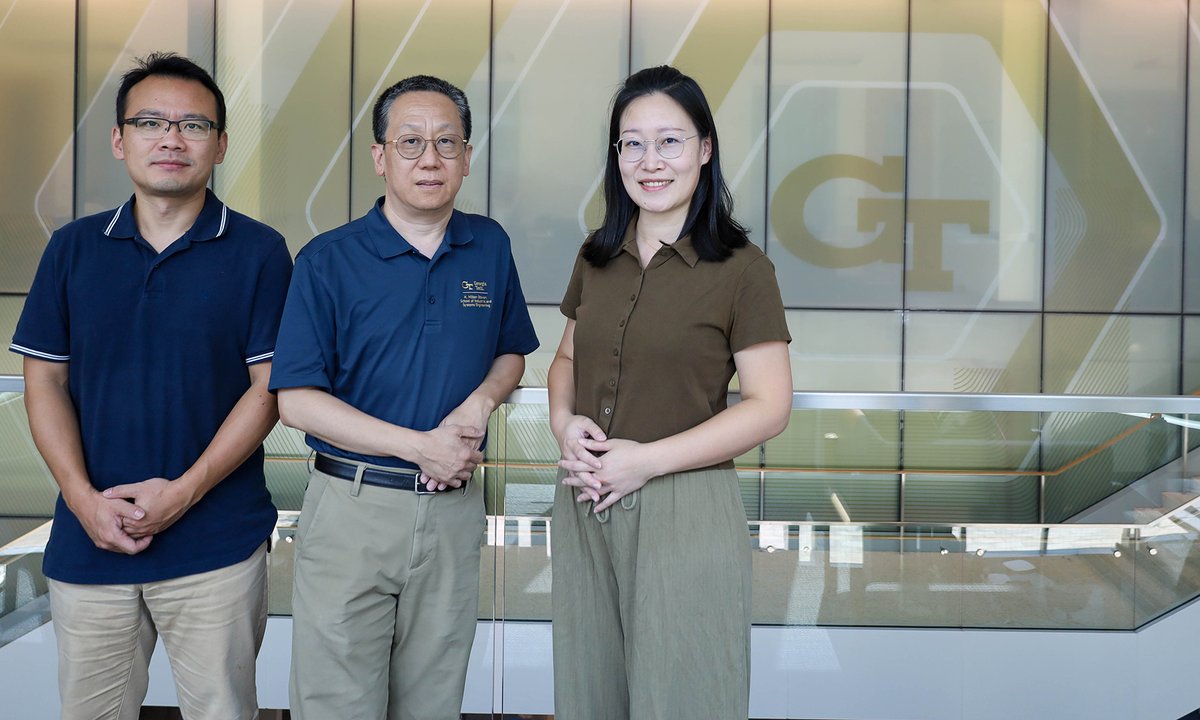
Georgia Tech engineers are teaching autonomous systems how to be “surprised” — to recognize when situations change & adjust. A @GeorgiaTechISyE team created a framework to help machines identify the unexpected, determine if it matters, and then decide how to respond. https://t.co/Dy707NBwx5
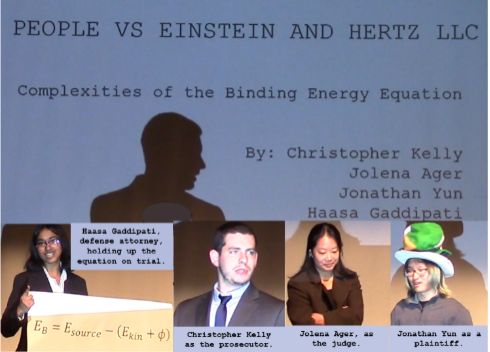
In this @GTMSE_3 materials science class, students don’t present — they perform. Faisal Alamgir's students mix theater & science, creating mini plays about important equations as they learn about atomic-scale structure-property relationships and materials characterization. https://t.co/qY1ge2IaPp
Inspired by our nervous system, Georgia Tech engineers have built a wireless network to allow wearables & implants to work together like never before. With it, they can use sensors in one part of the body to trigger a therapeutic response elsewhere. https://t.co/4Aac8qLxjZ
We’ve risen to No. 2 in the nation in the new undergrad engineering rankings from @usnews — and we’re still tied as the top public program!
@GeorgiaTechISyE is No. 1 for its 26th straight year and 7 other degrees are first or second. See the full list: https://t.co/GzCysFsPuR
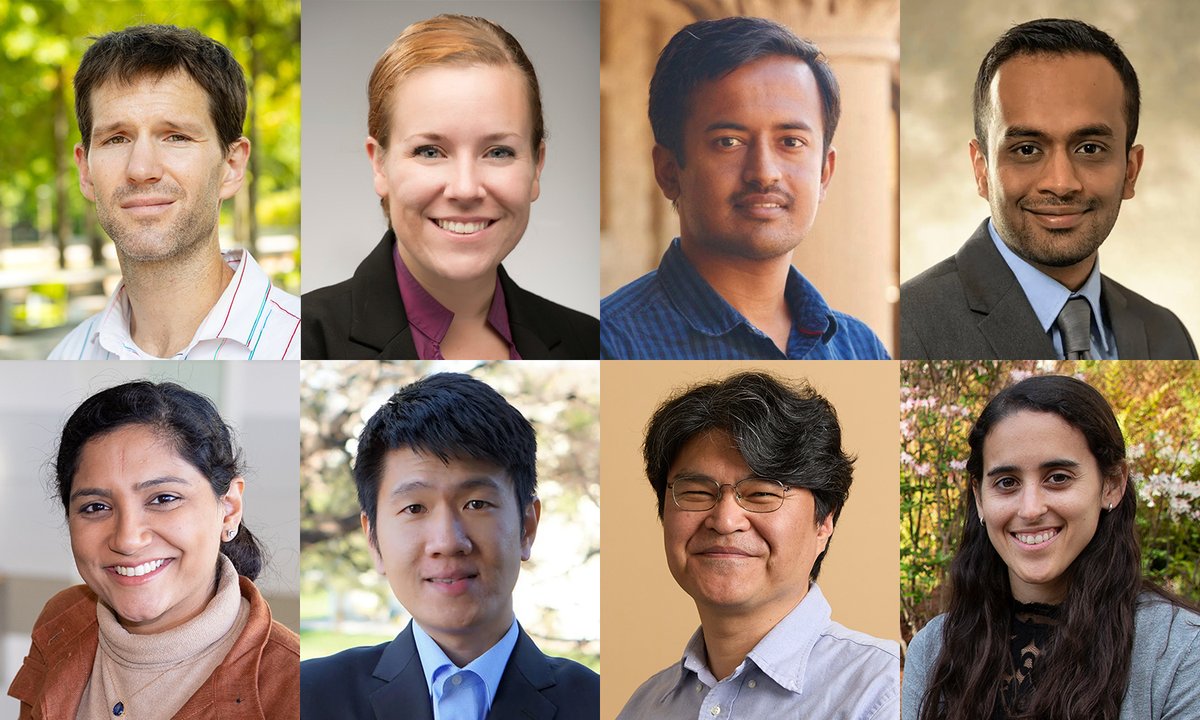
8 of our engineering researchers have earned @NSF CAREER awards in recent months — the NSF's most prestigious early career grant. They study antibodies, the behavior of composite materials, data center energy efficiency, atmospheric nitrogen & more. https://t.co/FkHuxu0llr