The WSJ article on hyperliquid is a good overview. The world will be quickly moving to efficient low cost 24-7 trading of real world financial assets not just crypto assets. The liquidity is moving to decentralized exchanges and away from more costly centralized exchanges .
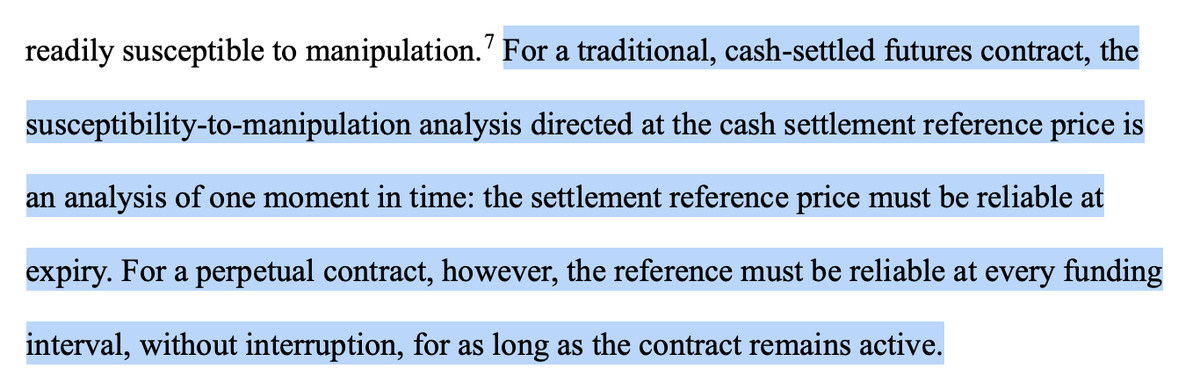
Today's @CFTC statement is clear: continuous reference price reliability is the key to open the full range of innovation in perpetual futures. Price feed oracles with anything less than sterling reliability can only hold back this wave.
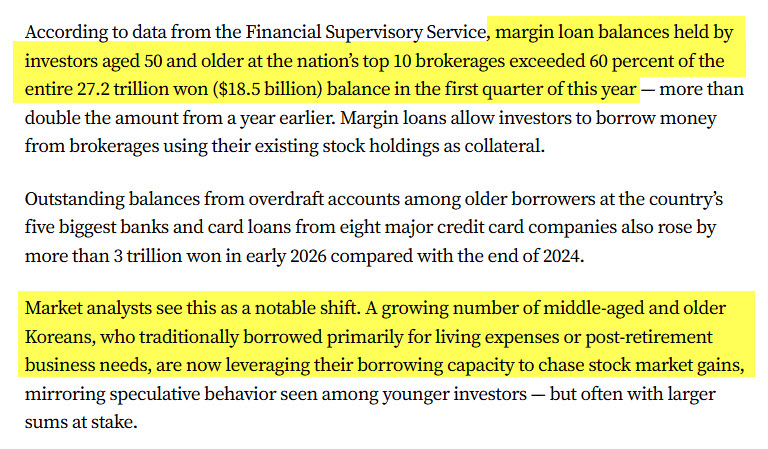
crypto is dominated by speculators and younger traders who have virtually no time horizon or attention span
as crypto takes over, same thing is happening to all markets
in such a world, there's great edge in simply having a boomer time horizon
all my big wins have been buying distressed assets, working to improve them, and thinking in terms of years vs. weeks
cryptographically voted my onchain GLXY shares (issuer-sponsored, native tokenized $GLXY) in galaxy’s annual proxy. felt like connecting a wallet to defi
afaik first publicly listed onchain equity to proxy vote cryptographically in history. props to broadridge + superstate
This growth in equities could be signs of perpetual futures maturing.
In trad markets, commodity derivatives trade far less notional volume than equities and indexes, but in RWA perps, commodities are around 80%.
Guesses as to why:
1. Distortion: Exchange operators are in "growth mode": slashing fees and rewarding active traders at the least. Undoubtedly some are wash trading.
2. History: The first derivs markets traded agricultural contracts (Dojima Rice Exchange, Osaka, 1697; Chicago Board of Trade, 1898). Financial futures didn’t arrive til the 1970s.
3. Chasm: RWA perps are still mostly traded by crypto natives, who are comfortable with "digital gold" and "gas."
Guesses as to what's next:
- Growth in rates perps, like @nunchi: Rates dominate traditional derivatives markets but are nascent in RWA perps
- Growth in stock index derivs, which @tradexyz has cornered (for now). These dominate vs single stocks in traditional markets, in perps they are tiny.