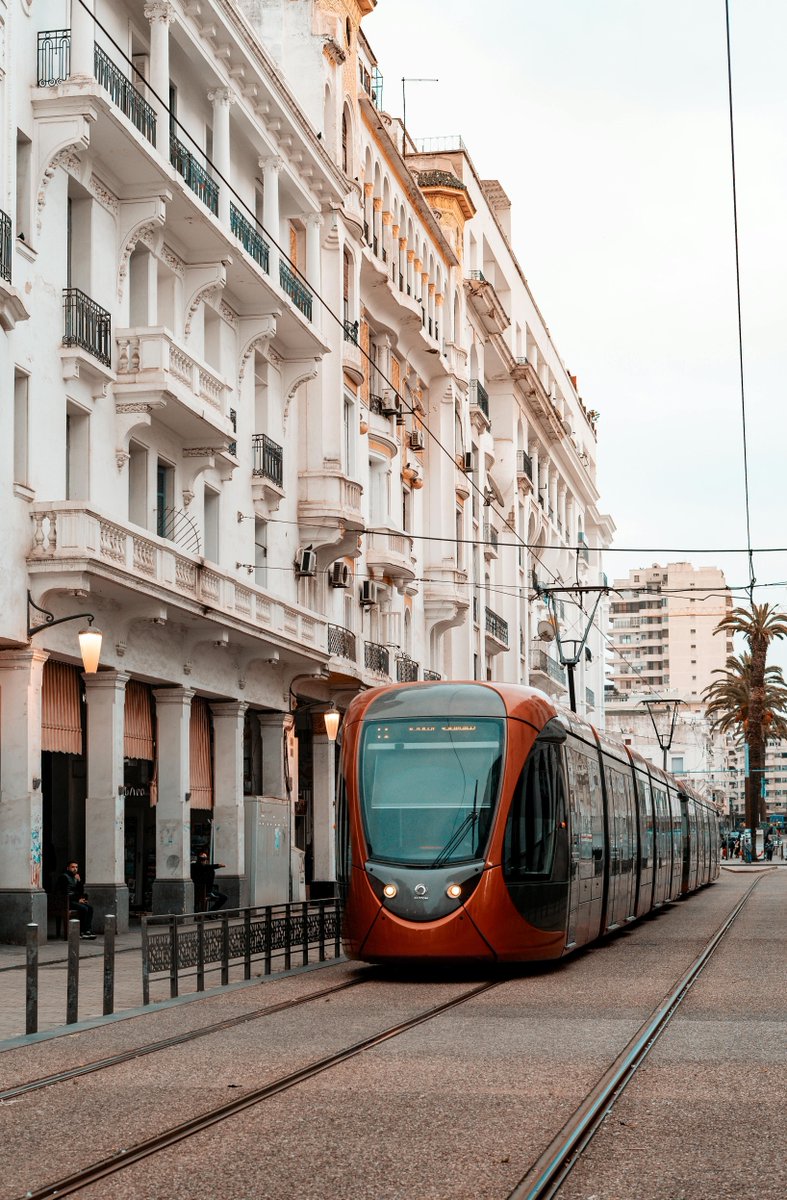
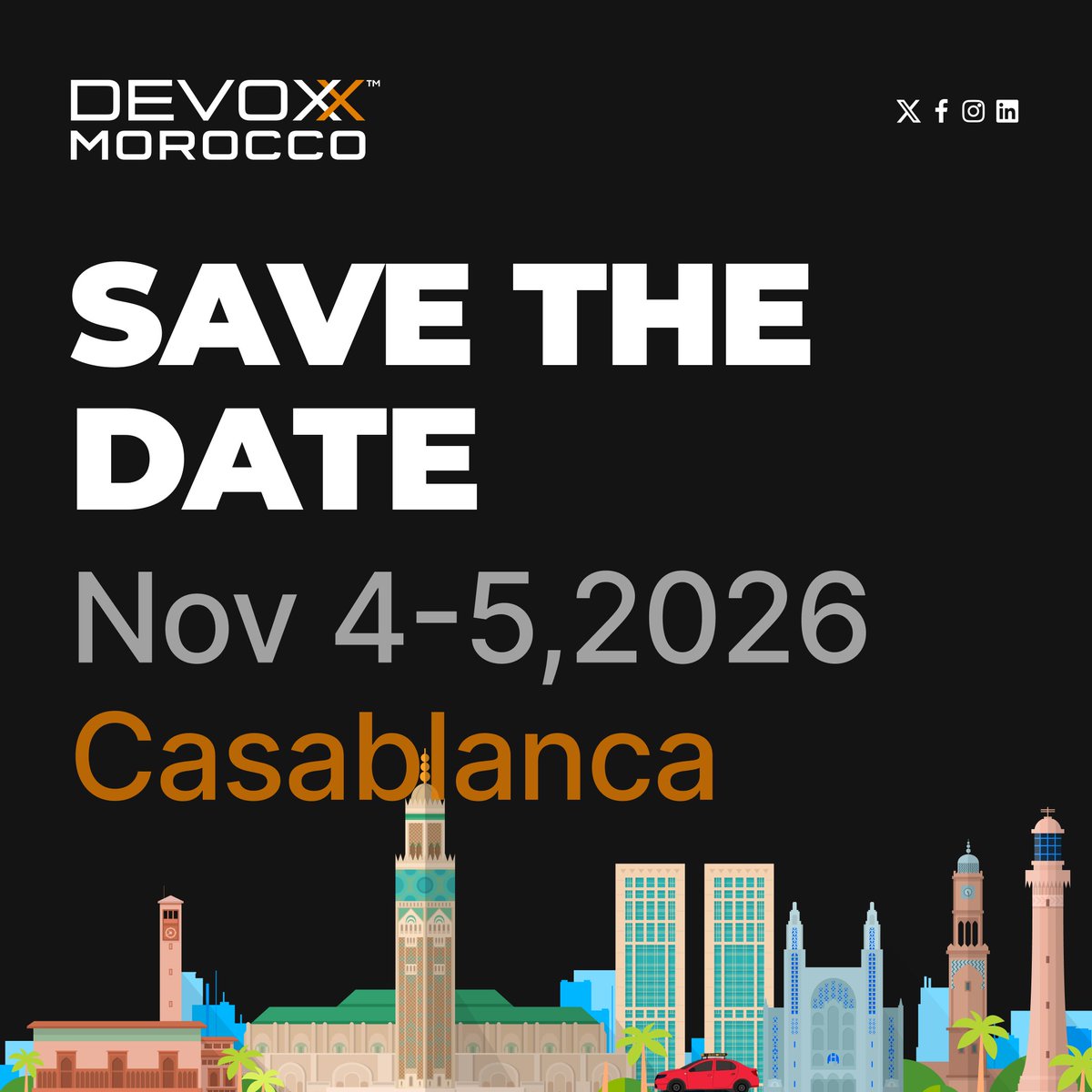
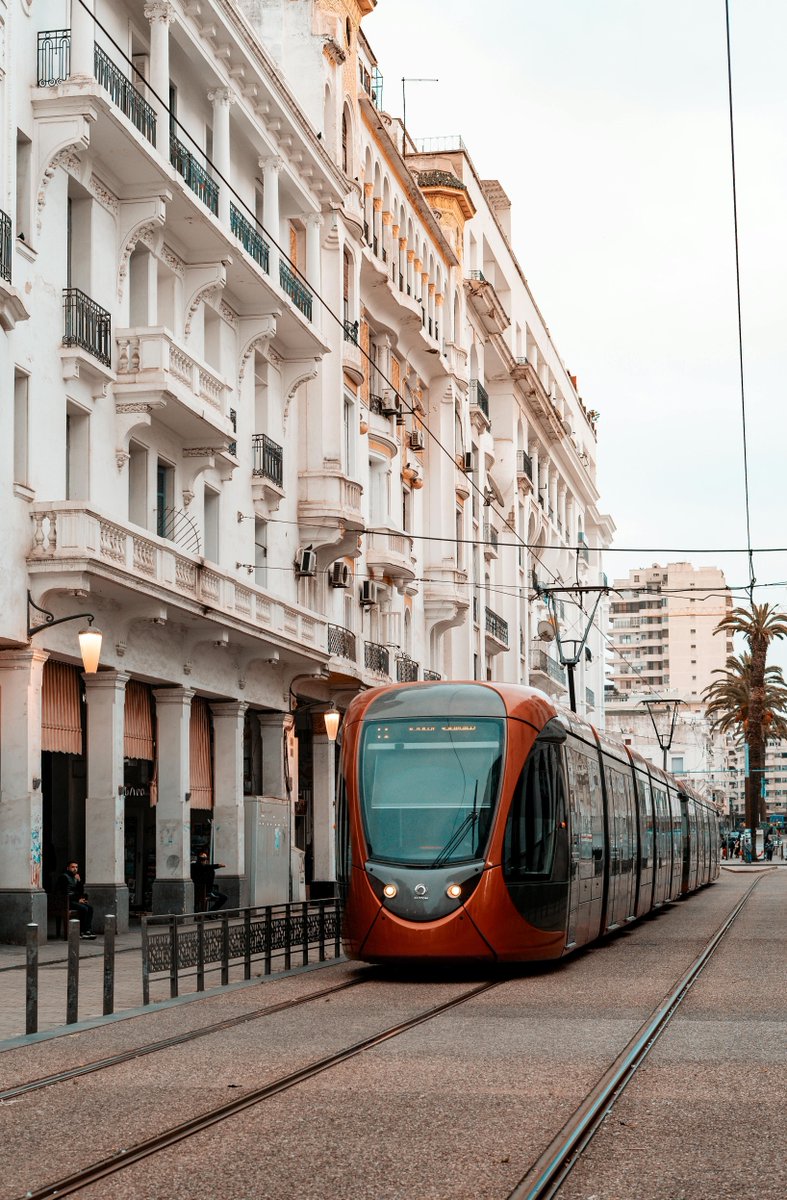
🚀 The #DevoxxMA Call for Papers has been open for a few weeks, and we're still looking for inspiring stories, technical insights, and real-world experiences from the community.
Have something to share? We'd love to hear from you: https://t.co/kIs5LMO2iy
Casablanca is calling! Share your knowledge with the world's dev community at Devoxx Morocco. CFP is open, Submit your talk now: https://t.co/rfwxtalXoX
hi hi,
@cursor_ai Community Meetup is coming to one of the closest cities to my heart AGADIR, THIS SUNDAY !
looking forward to see many of the tech community there and to have nice conversations as usual 🫰🏻
make sure to register here :
https://t.co/0RyzikuHDF
hi hi,
@cursor_ai Community Meetup is coming to one of the closest cities to my heart AGADIR, THIS SUNDAY !
looking forward to see many of the tech community there and to have nice conversations as usual 🫰🏻
make sure to register here :
https://t.co/0RyzikuHDF
السلام الشباب👋👋
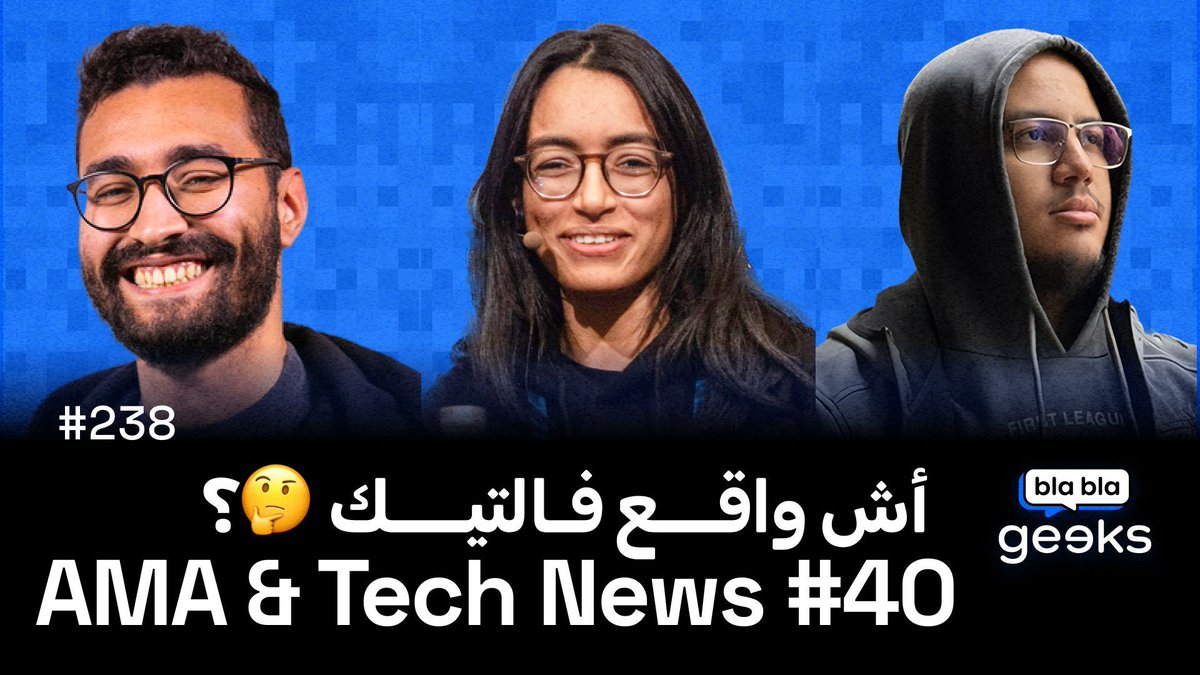
موعدنا فالحلقة 238 لي غادي تكون الحلقة الشهرية الخاصة بكل ماهو جديد في عالم التكنولوجيا، وناقشو معكم أيضاً أسئلتكم المتنوعة. إلى كان عندك شي سؤال خاص والى عندك شي خبر مهم تبغينا نتكلمو عليه، حطو لينا فالتعليقات.
متنساوش تبارتاجيو مع صحابكم يحضرو معانا 🙏
السلام الشباب، غبرنا عليكم شوية من بلابلاكونف.
غادي نرجعو ليكوم ب حلقات جديدة من البودكاست، هاد الأحد ب حلقة جديدة حول AMA & Tech News.
كيفما واعدناكم أن كيكسبلابلا هي عمل للكومينيتي، فراحنا كانقلبو على متطوعين يحضرو معانا في الحلقة. إلا بغيتي تشارك معانا ماعليك غير تخلي لينا ميساج على الخاص، و تهلاو !
الاخوان الافاضل، كيداز نهاركم اللول ؟
غادي نبداو واحد الهيت جديد، نحاولو يكون اكثر تفاعلا و عفوية من الحلقات الاسبوعية اللي كنديرو. نتلاقاو ف X ف سبايس كل جمعة انشاءالله باش ندويو فكلشي و فوالو ههه
موعدنا غدا مع 10 الليل ورا التراويح.
السلام الشباب، عواشركم مبروكة
حلقة جديدة نهار الاحد غادي نعلنو فيها النتائج ديال الاستطلاع لي كنديروه كل عام، غادي تكون فرصة ناقشو النتائج مع اصدقاء البرنامج . كونو في الموعد ومتنساوش وتبارتاجيو مع صحابكم
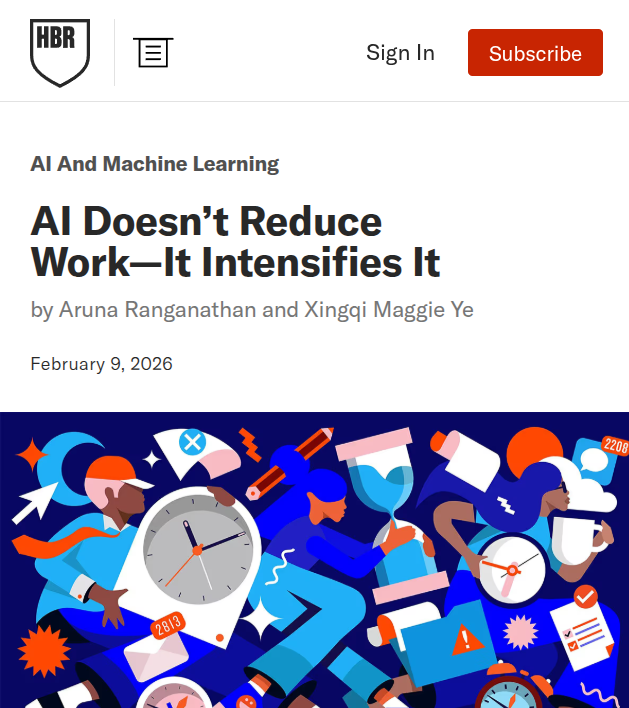
Powerful new Harvard Business Review study.
"AI does not reduce work. It intensifies it. "
A 8-month field study at a US tech company with about 200 employees found that AI use did not shrink work, it intensified it, and made employees busier.
Task expansion happened because AI filled in gaps in knowledge, so people started doing work that used to belong to other roles or would have been outsourced or deferred.
That shift created extra coordination and review work for specialists, including fixing AI-assisted drafts and coaching colleagues whose work was only partly correct or complete.
Boundaries blurred because starting became as easy as writing a prompt, so work slipped into lunch, meetings, and the minutes right before stepping away.
Multitasking rose because people ran multiple AI threads at once and kept checking outputs, which increased attention switching and mental load.
Over time, this faster rhythm raised expectations for speed through what became visible and normal, even without explicit pressure from managers.