Images:
- A Manticore (detail), about 1250–1260, English. Getty Museum
- A Siren and a Centaur (detail), about 1270, Franco-Flemish. Getty Museum
- Inhabited Initial H (detail), about 1170–1180, French. Getty Museum
- Plastic Aryballos, 580–560 B.C., East Greek. Getty Museum
- Statuette of a Giant Hurling a Rock (detail), 200–175 B.C., Greek. Getty Museum
- Caeretan Hydria (detail), 520–510 B.C., attributed to Eagle Painter (Greek (Caeretan), active 530 - 500 B.C.). Getty Museum
- Scylla and Sirens (detail), about 1475, Flemish. Getty Museum
- Wall fragment with Architecture and Sphinx on Black Ground (detail), A.D. 50–79, Roman. Getty Museum
- Cupid in the Underworld, 1871, John G. Unnevehr. Getty Museum
- A Basilisk (detail), about 1250–1260, English. Getty Museum
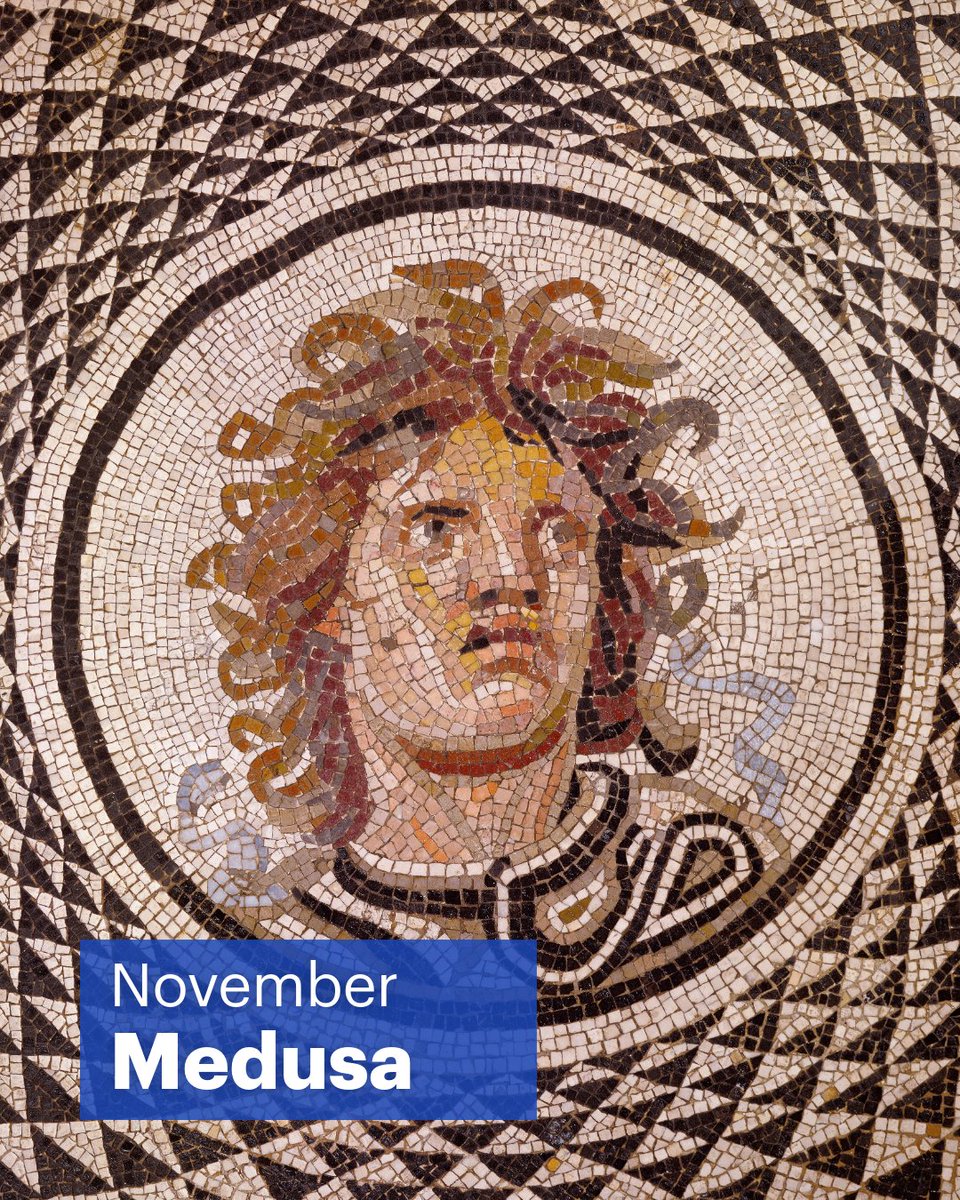
- Mosaic Floor with Head of Medusa (detail), about A.D. 115–150, Roman. Getty Museum
- A Dragon (detail), about 1270, Franco-Flemish. Getty Museum
If you guessed Penelope, you’re correct! For more, check out Getty Publications's Gods and Heroes in Art. Available now.
🖼️: Penelope Unraveling Her Web, 1783–1784, Joseph Wright of Derby. Getty Museum
https://t.co/p8AOxGtmVT
Can you guess the mythological figure in this artwork?
Some clues:
🔎 She’s featured in Homer's Odyssey
🔎 Wife of Odysseus
🔎 Known for weaving (and unravelling) a funeral shroud
What did the end of the world look like to people in the Middle Ages?
Dive into medieval depictions of doomsday taken from the pages of the Getty Apocalypse (yes, that's really the name) in this Macabre Minute with Mel.
Follow Eartha's lead—read a banned book. #BannedBooksWeek
From the Catholic Church’s “Index of Forbidden Books” to Cold War-era underground publishing networks, people have always found a way to share forbidden ideas and stories: https://t.co/ZNCGulR261
This drawing was inspired by a poem.
Odilon Redon often responded to the novels and poetry he read by making art. For this macabre but playful drawing, he drew inspiration from The Battle of the Bones—a poem by his friend Maurice Bouchor.
Despite its original source of inspiration, Redon leaves the meaning of this work open to interpretation. By placing the skeletons in a dark void, he separates the animated figures from the poem's context.
Are the skeletons friends or foes?
How did they end up in this chaotic situation? Are they, perhaps, at play?
Afraid you'll miss your chance to see this work in person? Fear not! You have nearly two weeks left before it descends back into the underworld (a.k.a. Getty drawings storage). 💀
See Odilon Redon: Otherworldly Visions at the Getty Center until October 18, 2026.
https://t.co/VktryhlCyJ
The Battle of the Bones, about 1881, Odilon Redon. Getty Museum
Thank you for asking such a thoughtful question! We reached out to exhibition curator Julieta Pestarino, and this is what she said:
The title of the exhibition is drawn from Instante y revelación (Instant and Revelation), a book that pairs photographs by Manuel Álvarez Bravo with short poems by Octavio Paz. In that publication, Paz recounts how, as a teenager, he experienced a moment of revelation through vision, when he encountered Álvarez Bravo’s photographs in a Mexican literary magazine. Through these images, he came to understand the mechanisms of modern poetry. In this same spirit of fluidity and collaboration, Instante/revelación borrows the concepts of instant and revelation from literature as a lens through which to view the photographs in the exhibition, offering audiences a series of visual “instants” that reveal the many ways Mexico can be seen.
What inspired this photograph? Hear artist @ceciliasalcedom describe in her own words how close looking over time inspired her creative process.
Enjoy this photograph alongside works by 13 prominent photographers who recorded the "instantes y revelaciones" (instants and revelations) of a remarkable century of Mexican creativity.
Open through January 3, 2027 at the Getty Center.
ℹ️ https://t.co/F7vl67nMGh
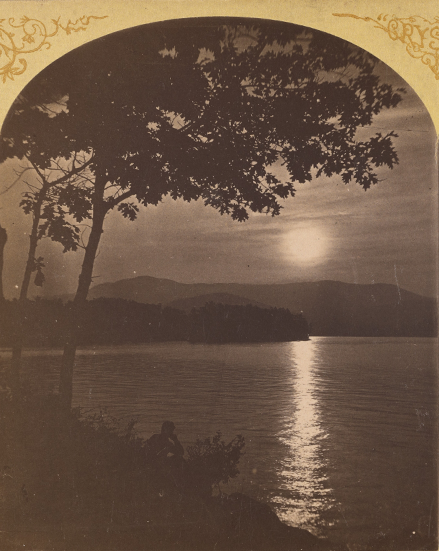
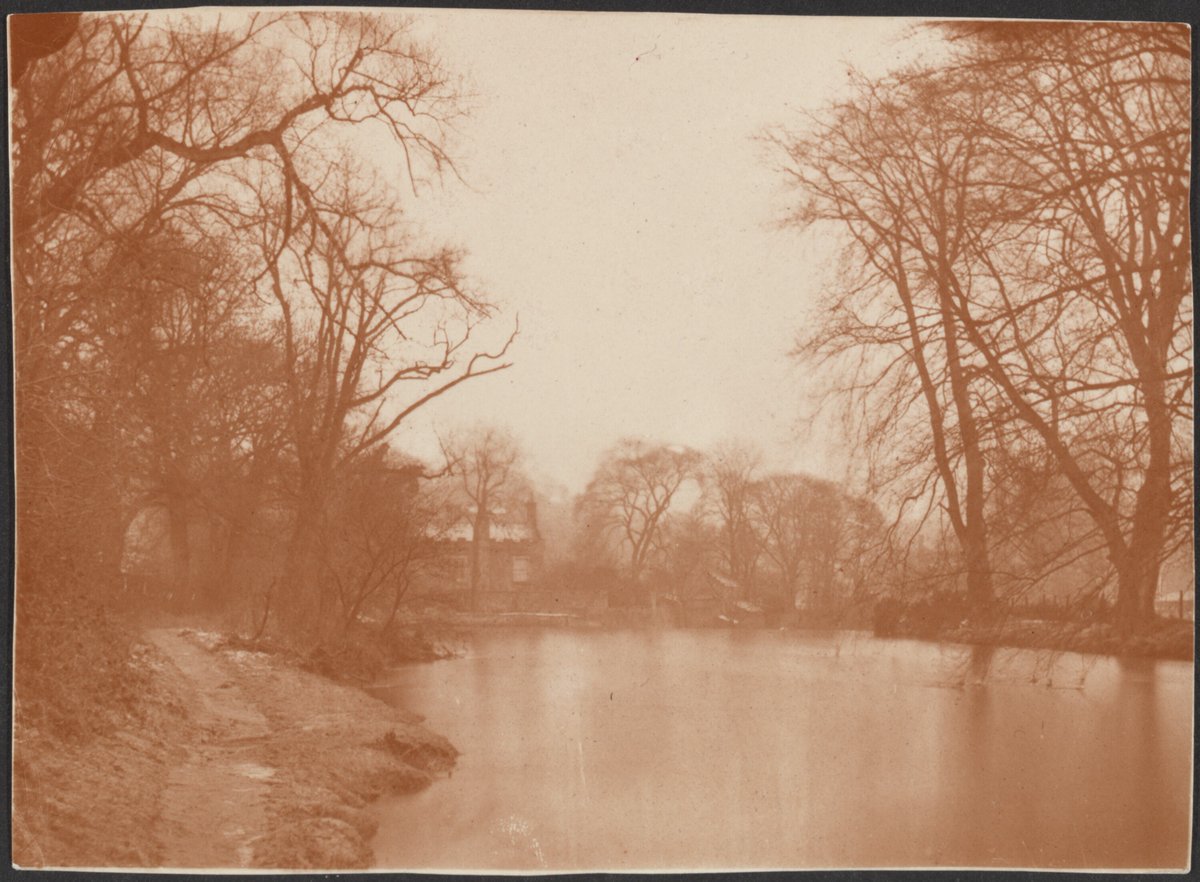
Um, yes, hello! It's Spooky Lake Month and we're showing you a collection of our spookiest lakes. 👻 🌊
Rate these seven lakes on a scale of 1-10 spookies: ⬇️
For conservation professionals, Getty runs an International Course on the Conservation of Modern Heritage (MAC) which includes hands-on learning, site visits, discussion, and more. Learn more and apply: https://t.co/t5YvuNrLOv
Today is World Architecture Day!
Did you know many of the world’s most iconic 20th-century sites are made of reinforced concrete? As concrete ages, it requires specialized care.
Want to learn more about the iconic Modernist sites featured in this video? Many received funding for preservation efforts through Getty’s Keeping It Modern initiative. https://t.co/MctjtzyzI9