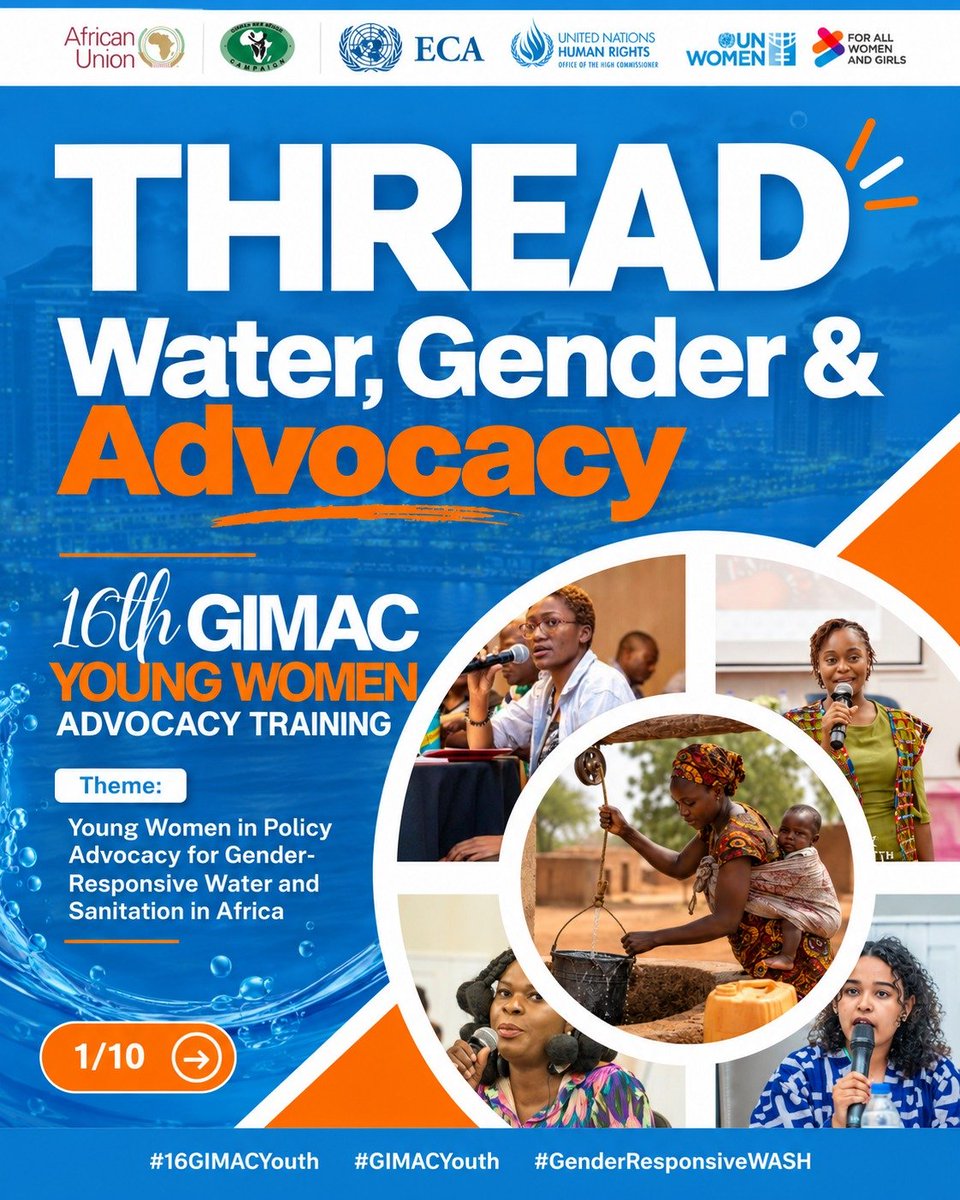
𝐍𝐄𝐖 𝐃𝐀𝐓𝐄 | 𝟏𝟔𝐭𝐡 𝐆𝐈𝐌𝐀𝐂 𝐘𝐎𝐔𝐍𝐆 𝐖𝐎𝐌𝐄𝐍 𝐀𝐃𝐕𝐎𝐂𝐀𝐂𝐘 𝐓𝐑𝐀𝐈𝐍𝐈𝐍𝐆🌍💧
📢 The wait is over! We are pleased to announce the new date for the 16th GIMAC Young Women Advocacy Training, bringing together young women across Africa to strengthen their voices, leadership and influence in policy processes.
✨ Theme: Young Women in Policy Advocacy for Gender-Responsive Water and Sanitation in Africa
📅 27 September 2026
🕘 09:00 AM – 05:00 PM EAT
📍 Ractus Hotel, New Alamein, Egypt | Online via Zoom
This training will create a dynamic space for young women to build advocacy skills, engage in policy dialogue and champion gender-responsive water and sanitation solutions across the continent.
💧 Young women. Stronger voices. Transformative policies.
🔗 Scan the QR code on the flyer to register for online participation.
Join us and be part of the movement shaping Africa’s water future!
#16GIMACYouth #GIMACYouth #YoungWomen #WomenInLeadership #PolicyAdvocacy #GenderResponsiveWASH #WaterJustice #AfricaWaterVision2063 #WomenAndGirls #YouthLeadership #GIMAC
How do you turn a problem people care about into an advocacy ask a decision-maker can act on?
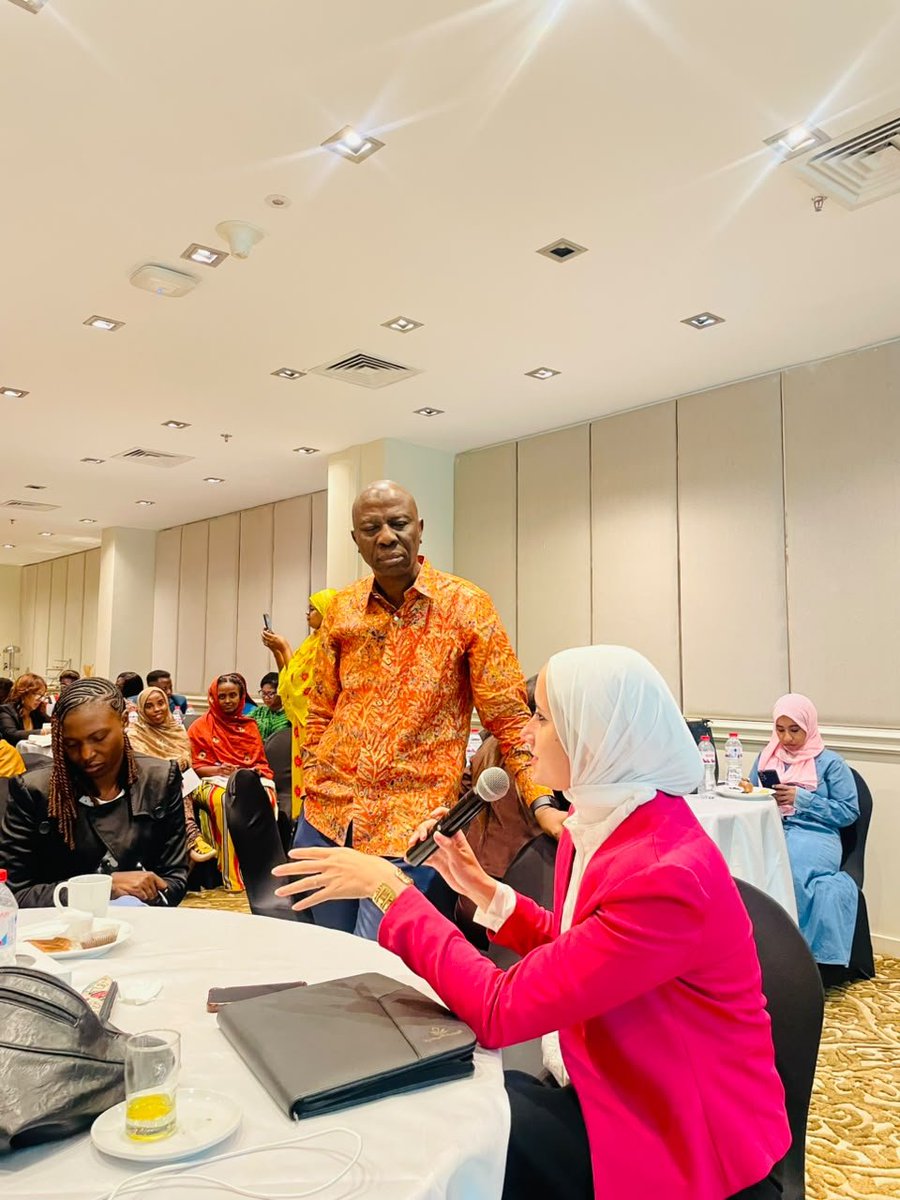
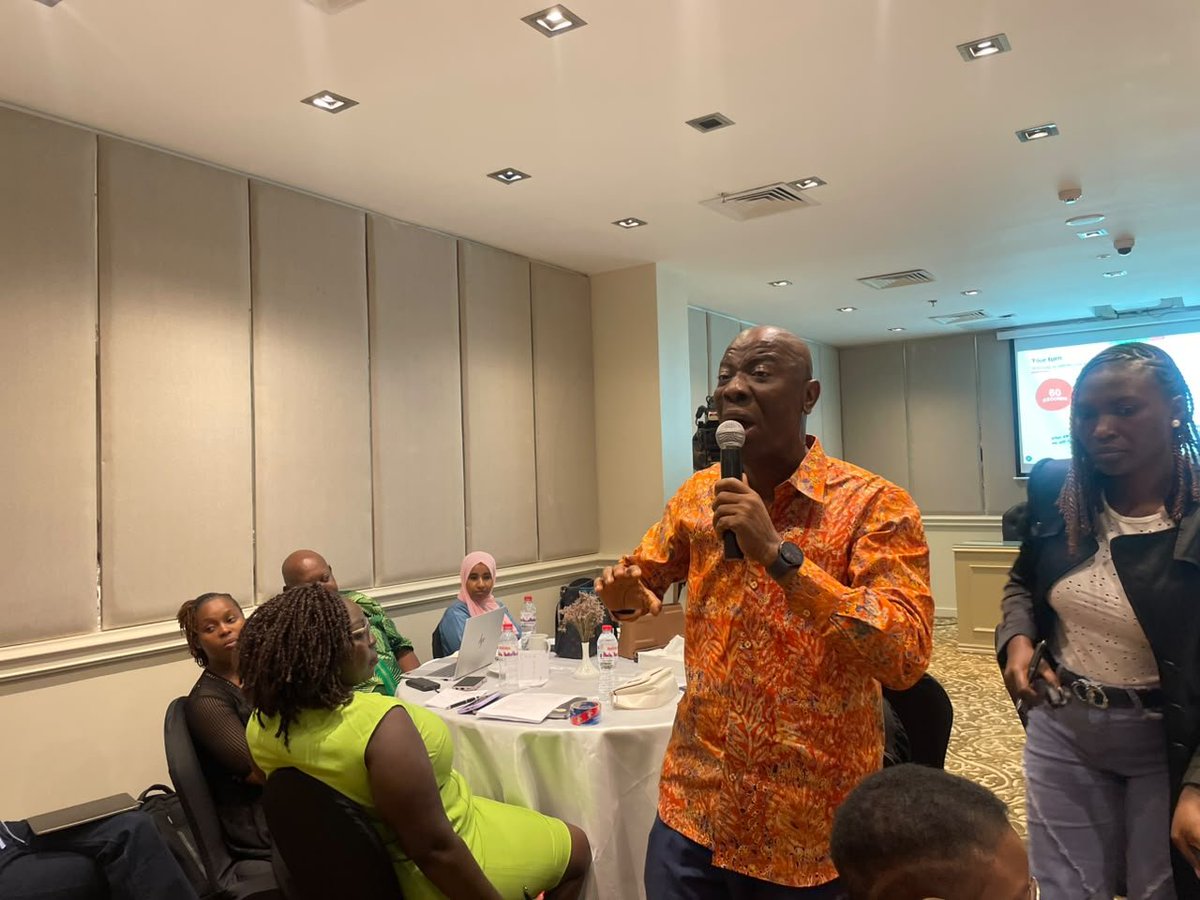
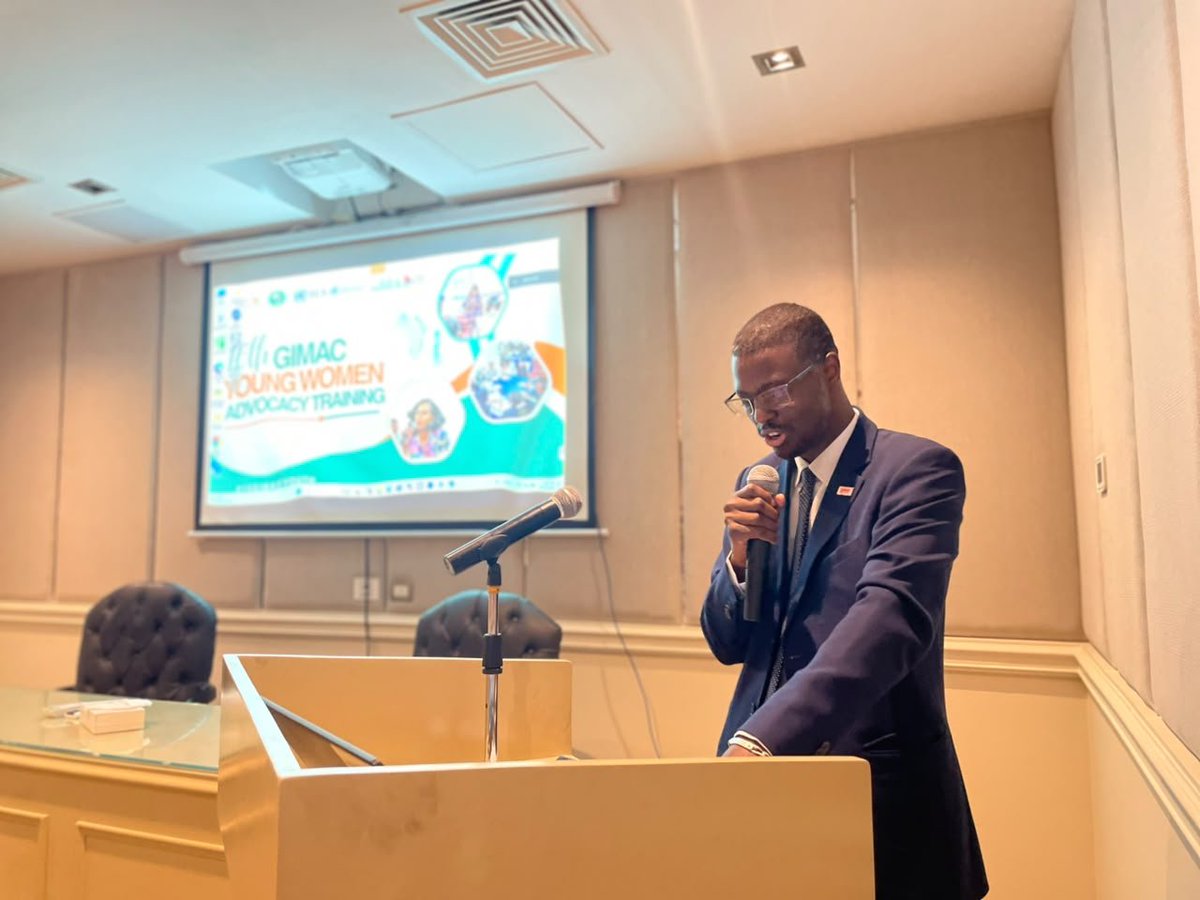
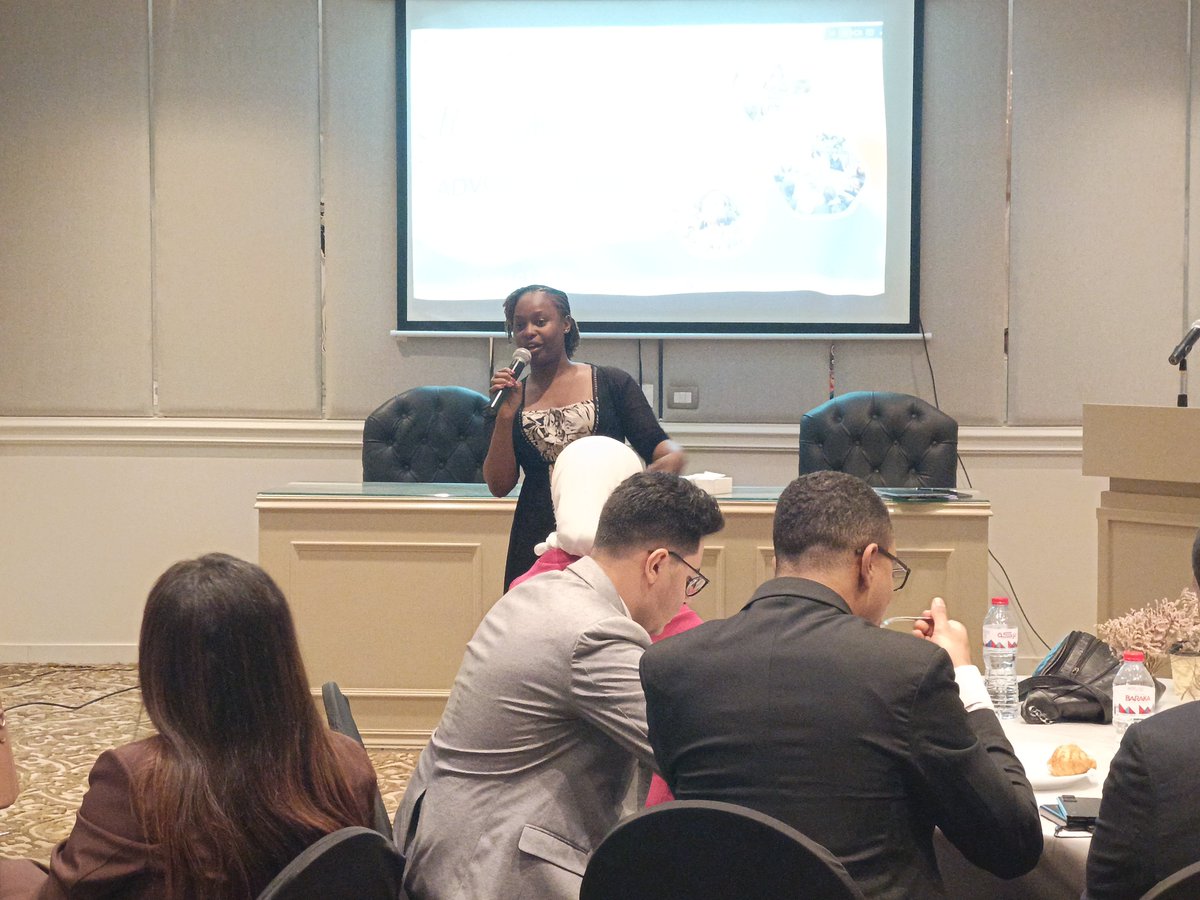
At the 16th GIMAC Young Women Advocacy Training, Dr Olumide Ajayi, Executive Director of the Africa Leadership Foundation, took participants from lived experience to practical advocacy. The session began with real stories of people who saw a problem and chose to act, from mobilising resources for a school borehole to producing reusable sanitary pads so girls could stay in school.
The lesson was simple: change begins when a problem is clearly defined, backed by evidence, connected to a human story, and matched with a specific ask to the right decision-maker.
Participants learned to:
✅ Define one clear problem
✅ Turn a story into an evidence-backed advocacy message
✅ Match the ask to the right level—from the AU and RECs to national and local authorities
✅ Move from broad concern to a specific, actionable request
✅ Deliver the message in a compelling 60-second pitch
By the end of the session, every participant had developed and practised her own advocacy pitch.
“A good advocacy story gets attention. A good advocacy ask tells the decision-maker what to do with that attention.”
Now the challenge is to move from story → evidence → ask → action.
#16GIMACYouth #AdvocacySkillsLab #FromStoryToAsk #YoungWomenLead #GenderResponsiveWASH
@alf_NGR
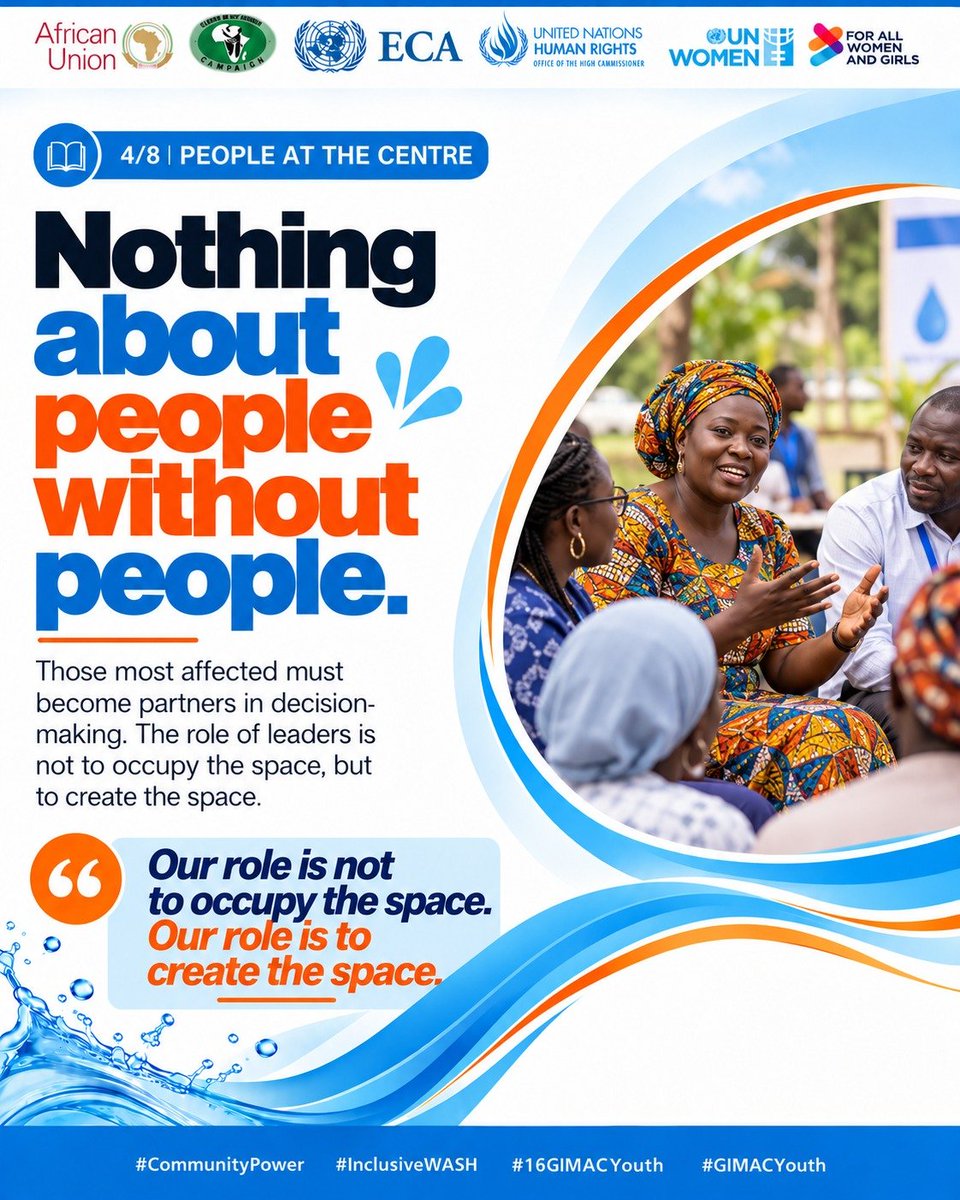
1️⃣What does leadership look like when communities are not simply consulted, but trusted as partners?
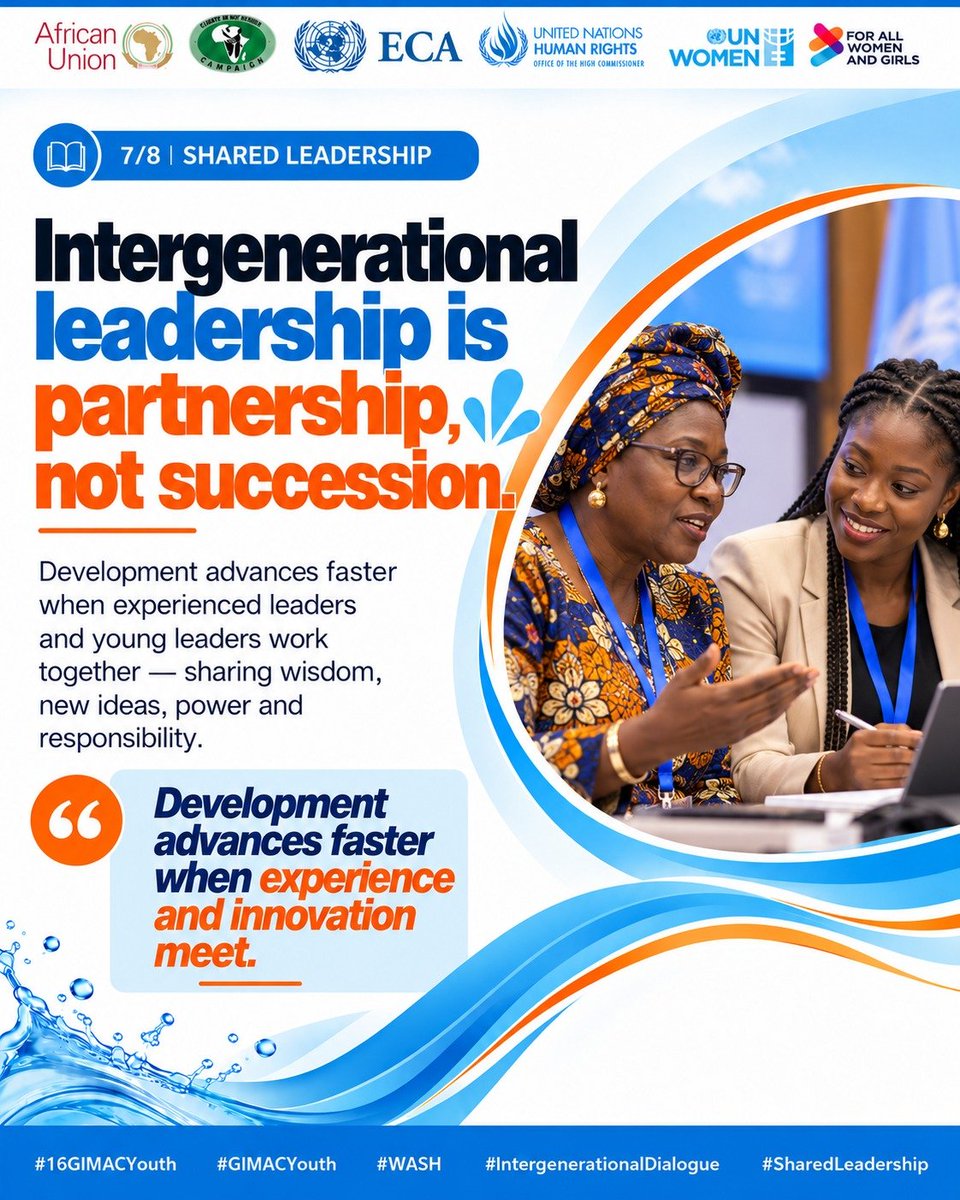
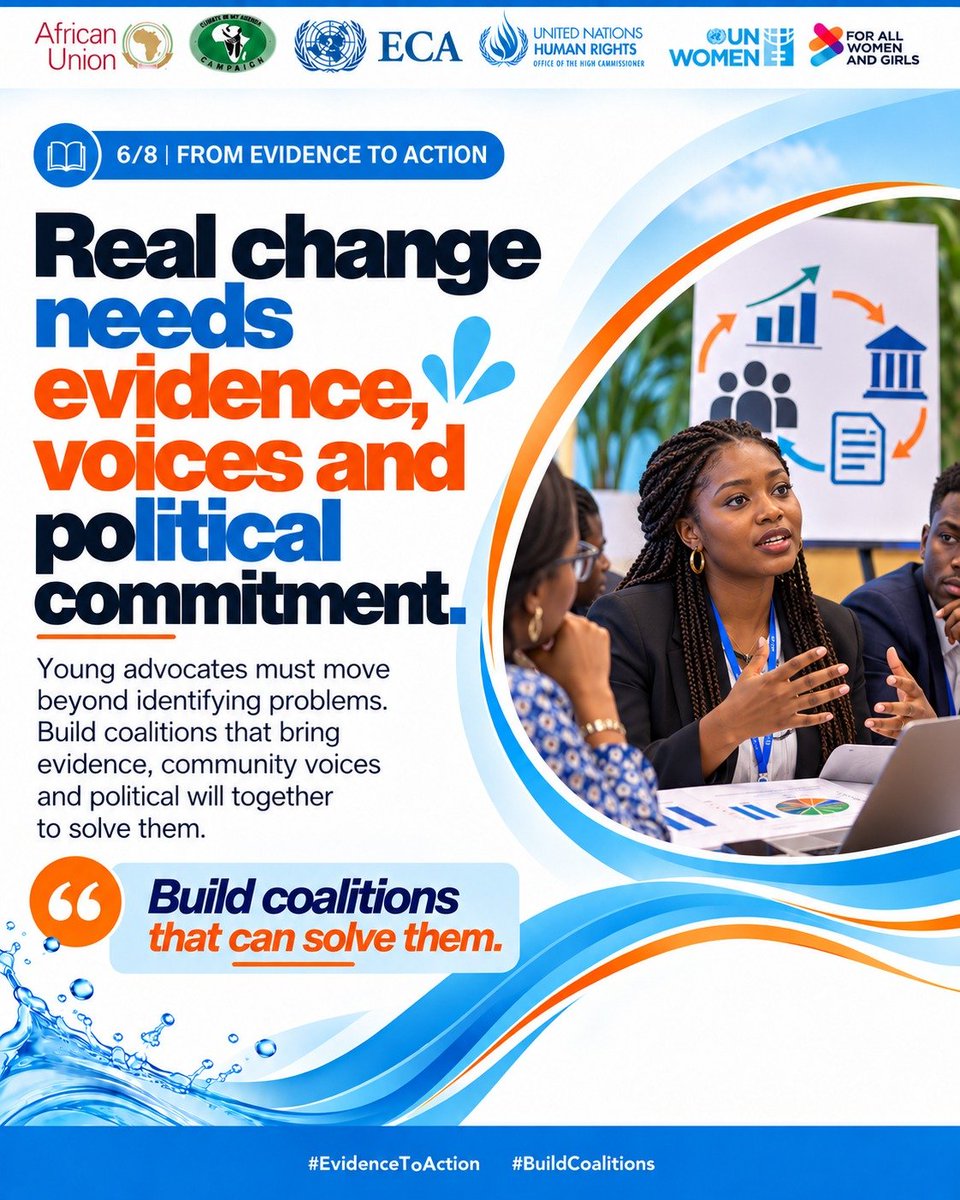
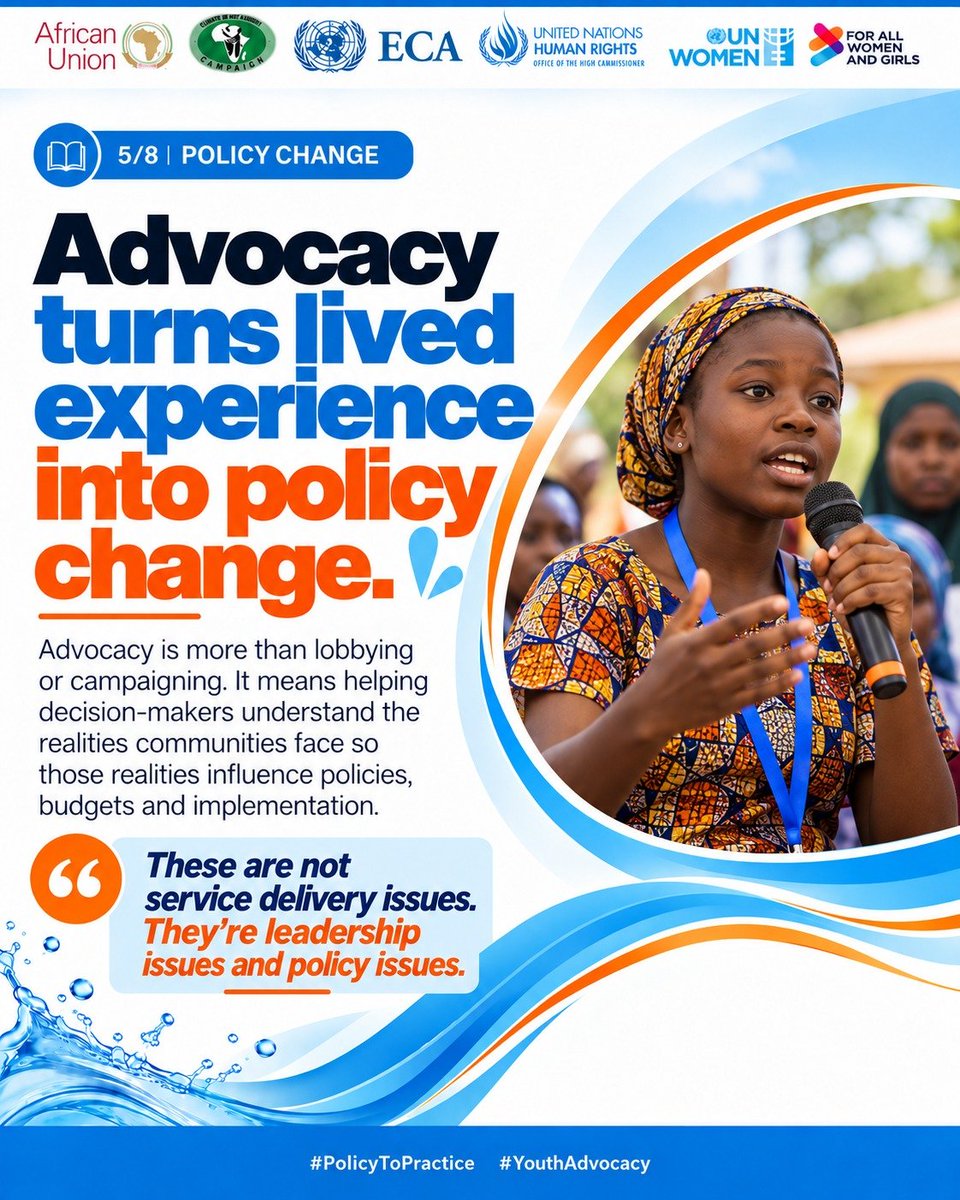
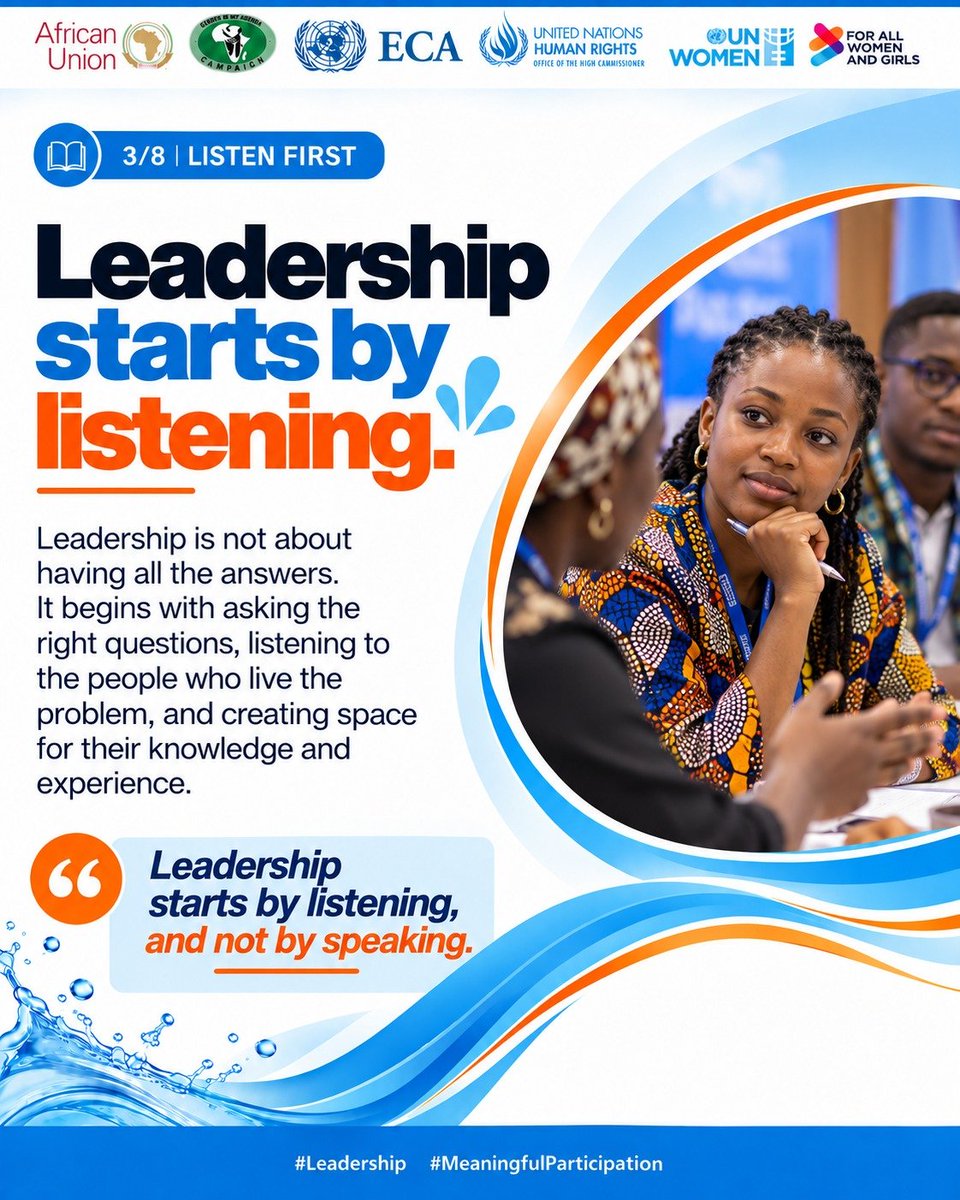
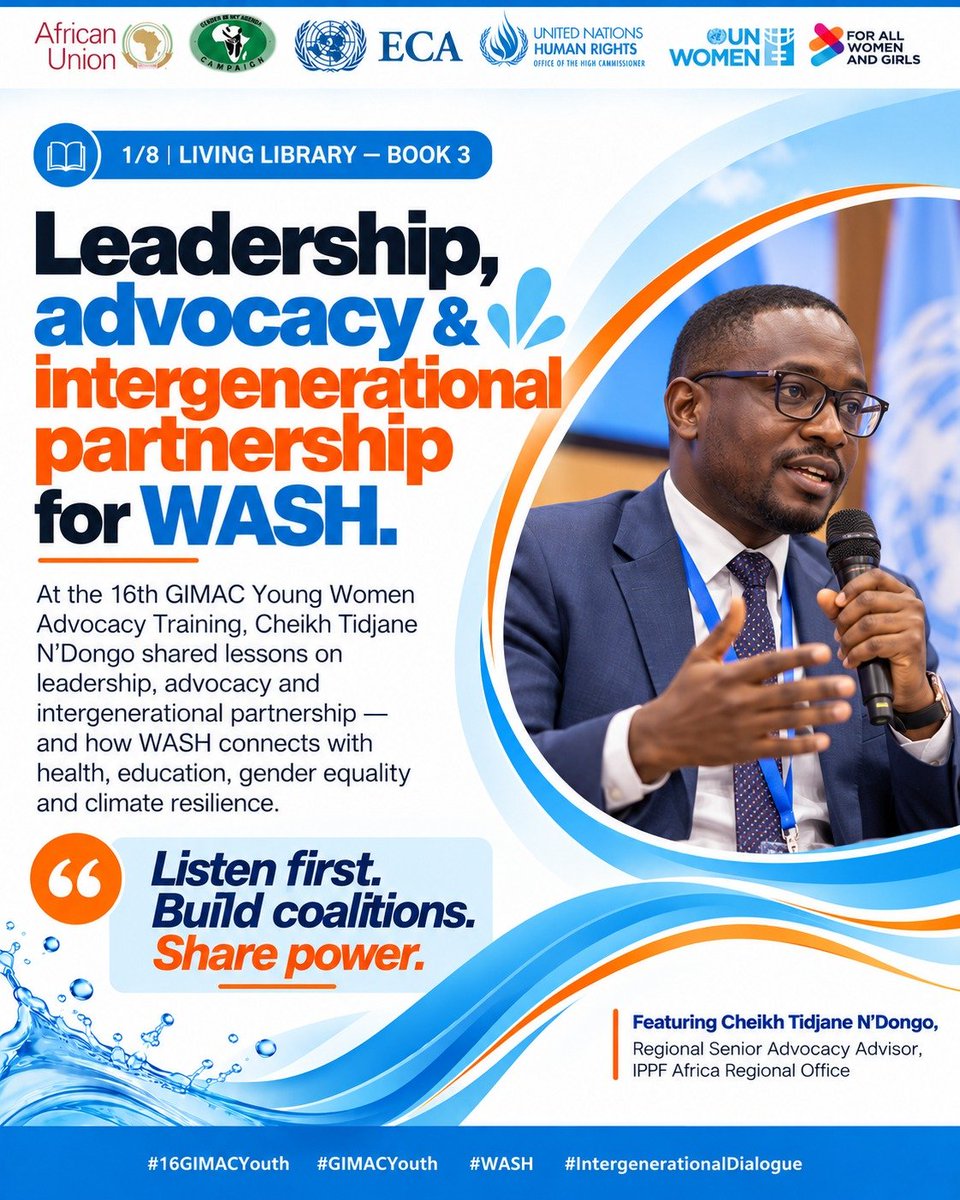
At the 16th GIMAC Young Women Advocacy Training, Cheikh Tidjane N’Dongo, Regional Senior Advocacy Advisor at IPPF Africa Regional Office, challenged young advocates to rethink leadership, advocacy and intergenerational power. His message was clear: sustainable change begins by listening first, centring lived experience, turning evidence into policy action, building coalitions and sharing power across generations.
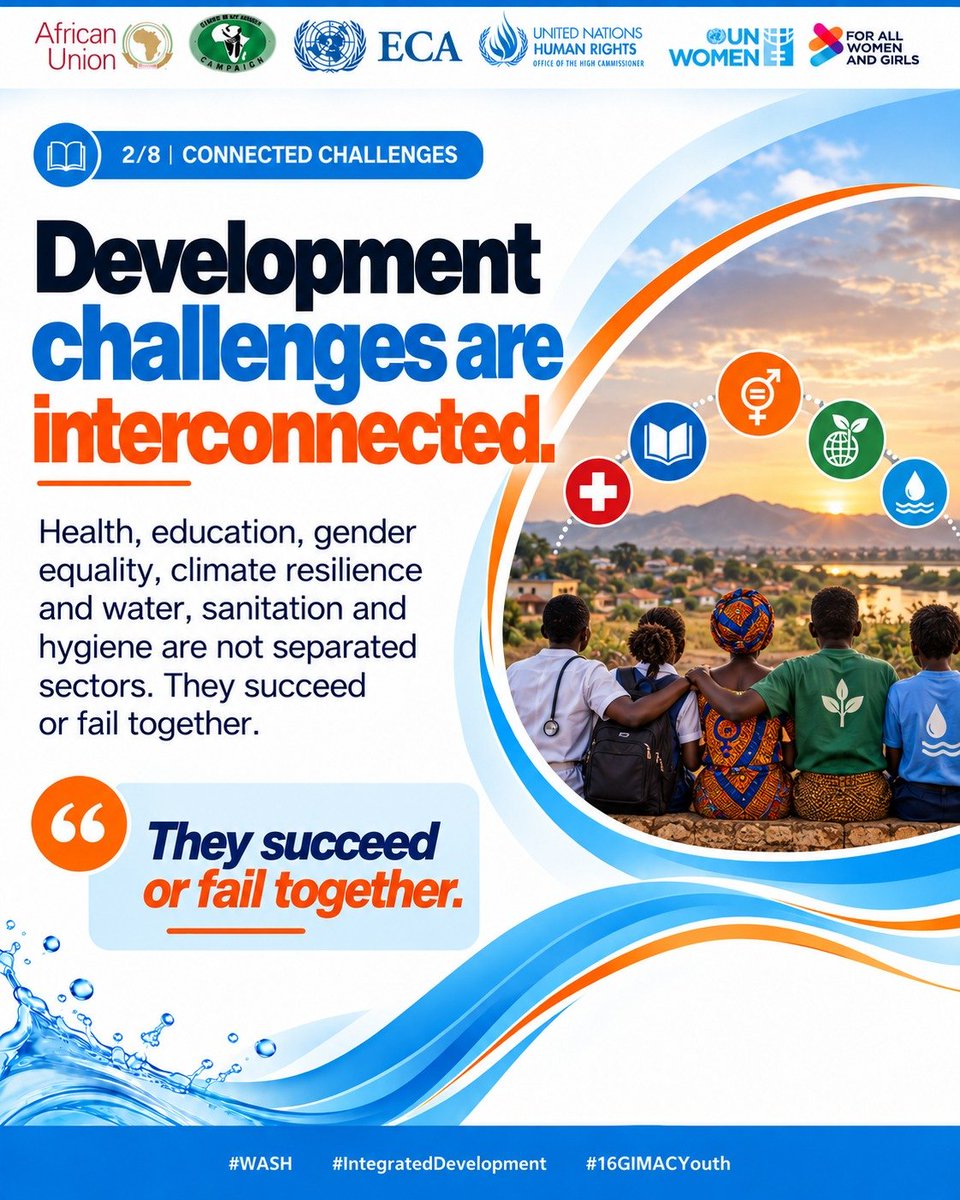
From WASH to health, education, gender equality and climate resilience, development challenges cannot be solved in isolation. Communities—especially young people, women and those most affected by inadequate services—must help shape the decisions that affect their lives.
“Nothing about people without people. As leaders, our role is not to occupy the space. Our role is to create the space.” #16GIMACYouth #GIMACYouth #GenderResponsiveWASH #WaterJustice #YoungWomenLead
@IPPFAR@ippf
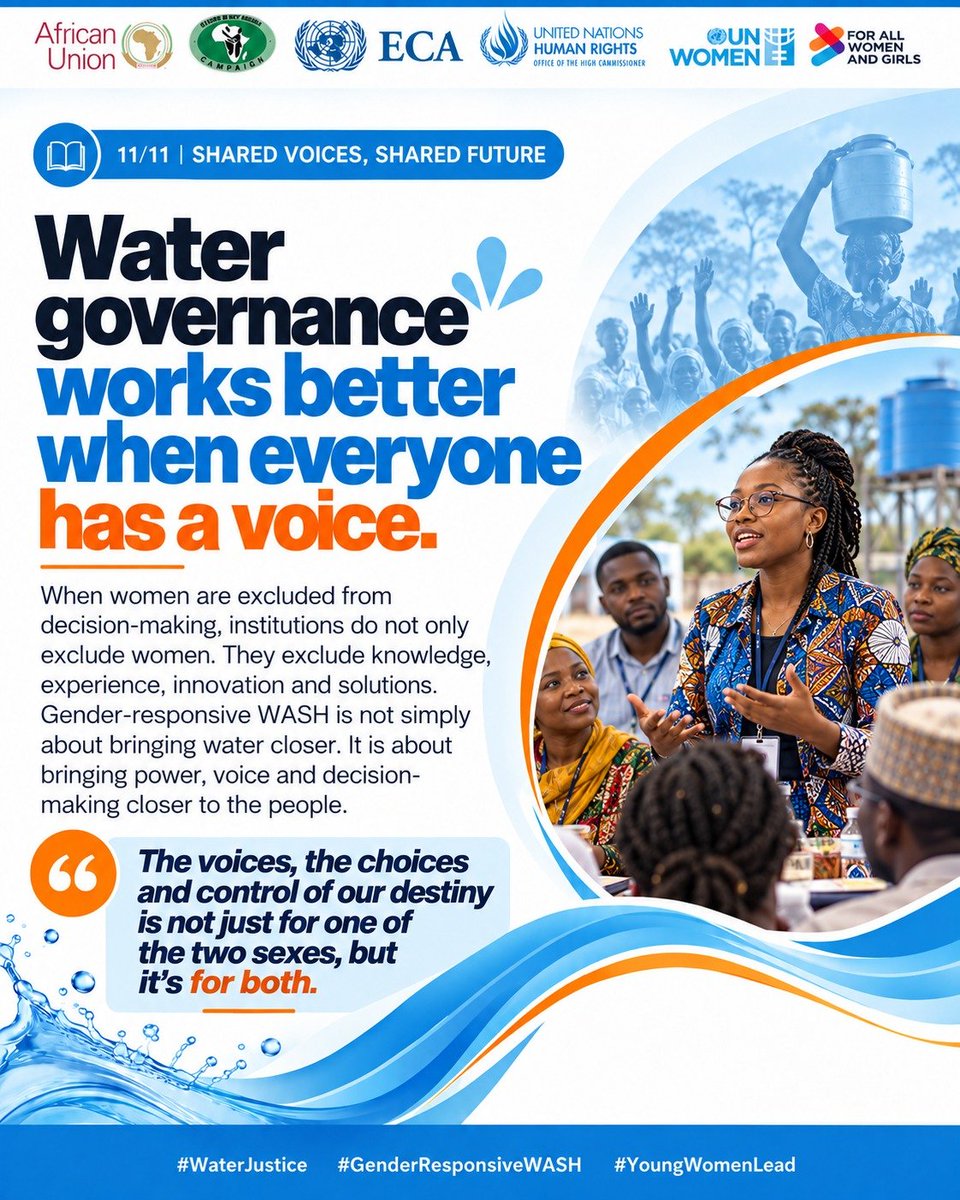
1️⃣What happens when we stop talking about women as beneficiaries of water policy—and start recognising them as experts, decision-makers and agents of change?
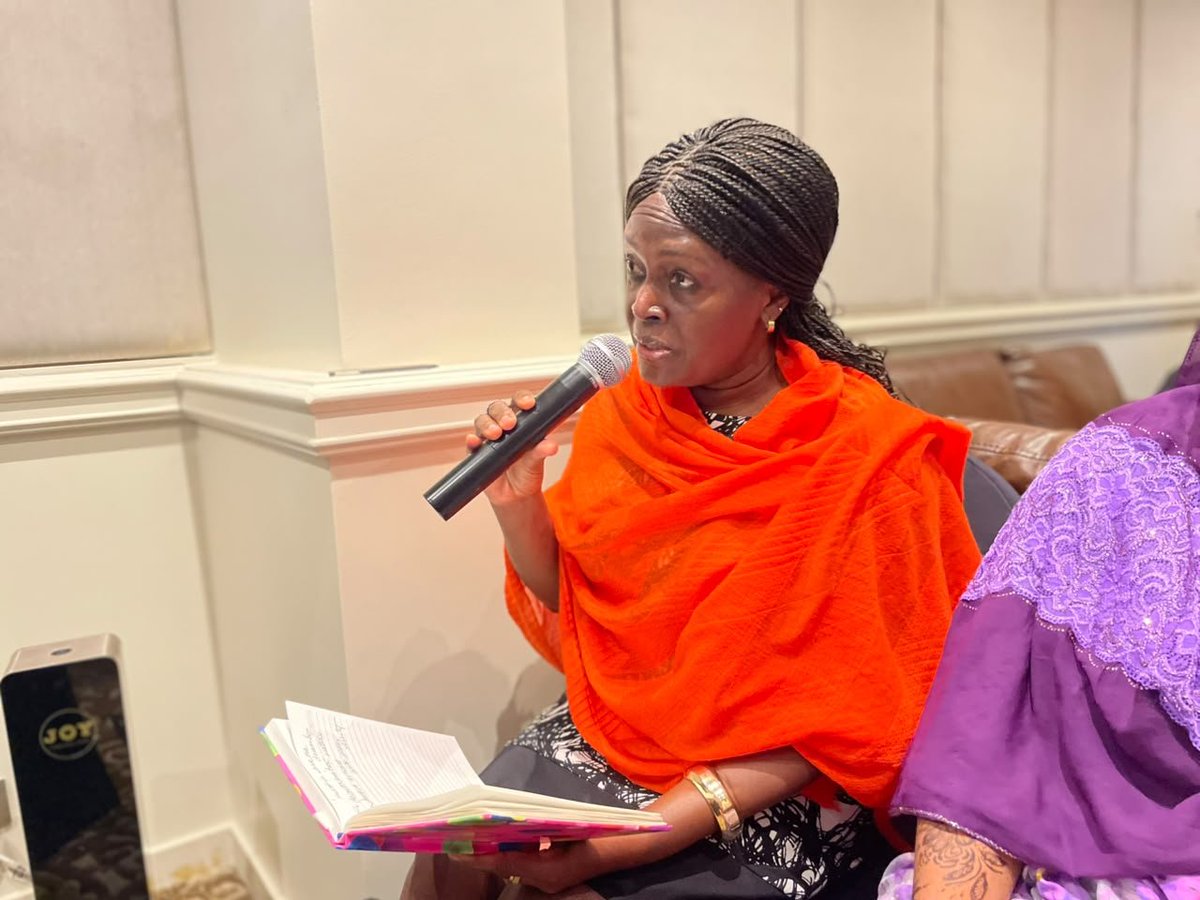
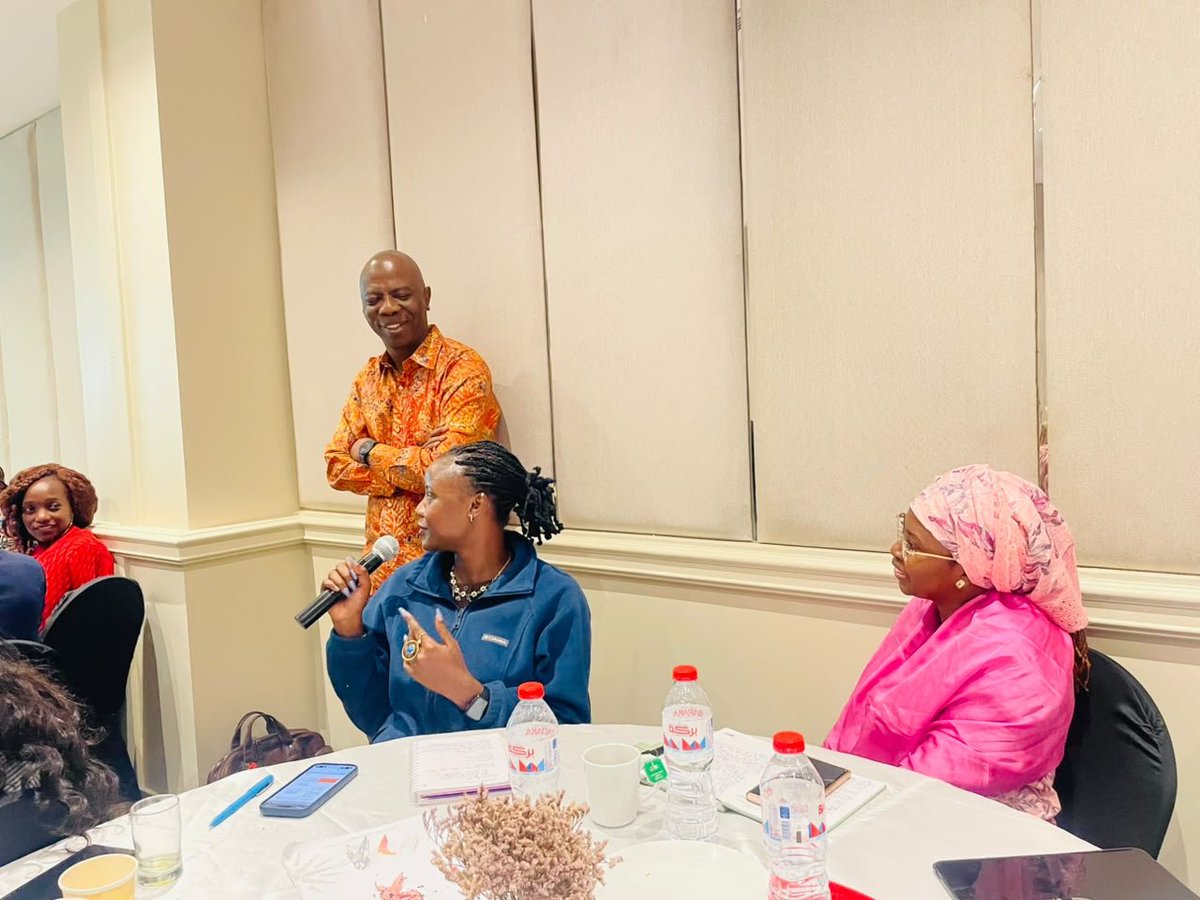
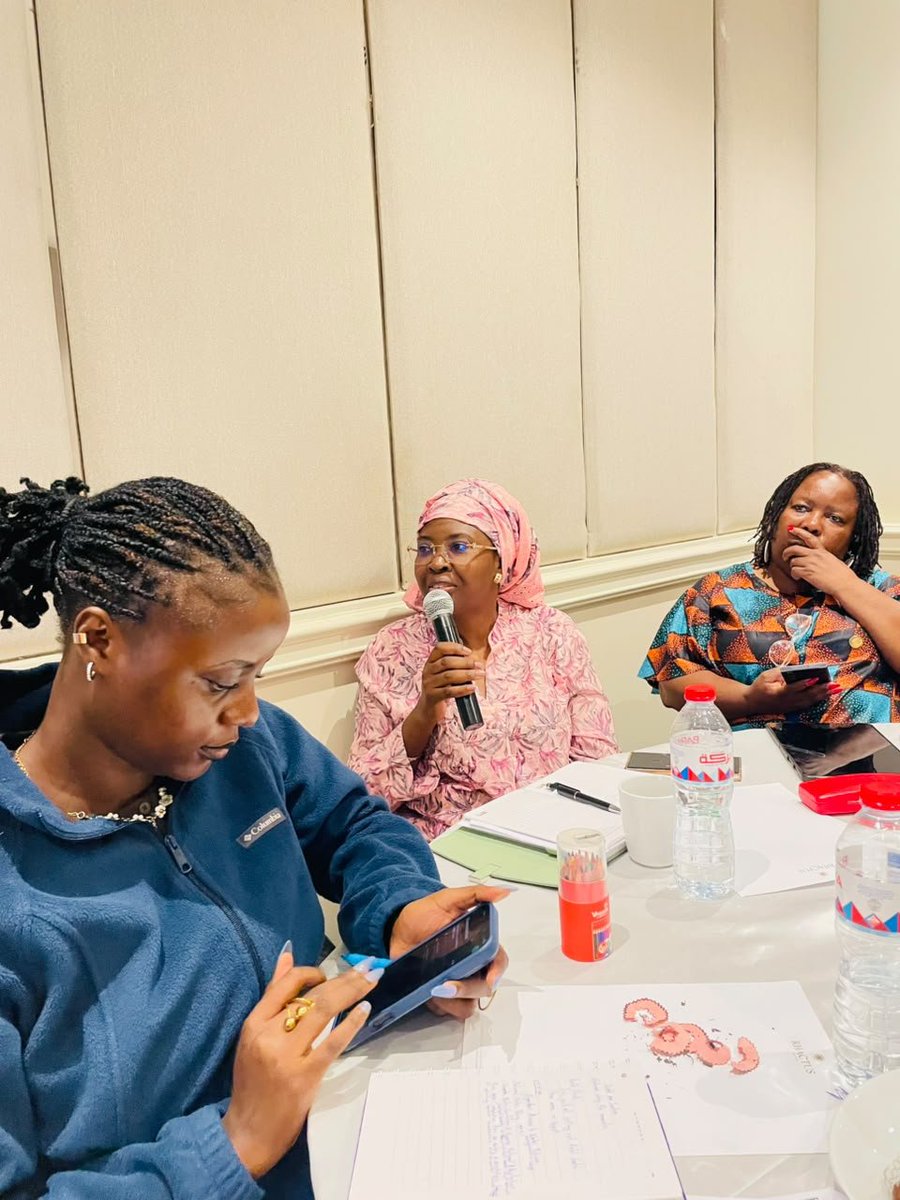
During the Living Library at the 16th GIMAC Young Women Advocacy Training, Virginia Muwanigwa, CEO of the Zimbabwe Gender Commission, challenged participants to look beyond infrastructure and ask harder questions about power, access, inclusion, accountability and who actually gets to shape water policy.
Her intervention left us with a powerful advocacy question:
When we say “gender-responsive WASH,” responsive to whom?
Follow the thread. 🧵👇
#16GIMACYouth #GenderResponsiveWASH #WaterJustice #YoungWomenLead
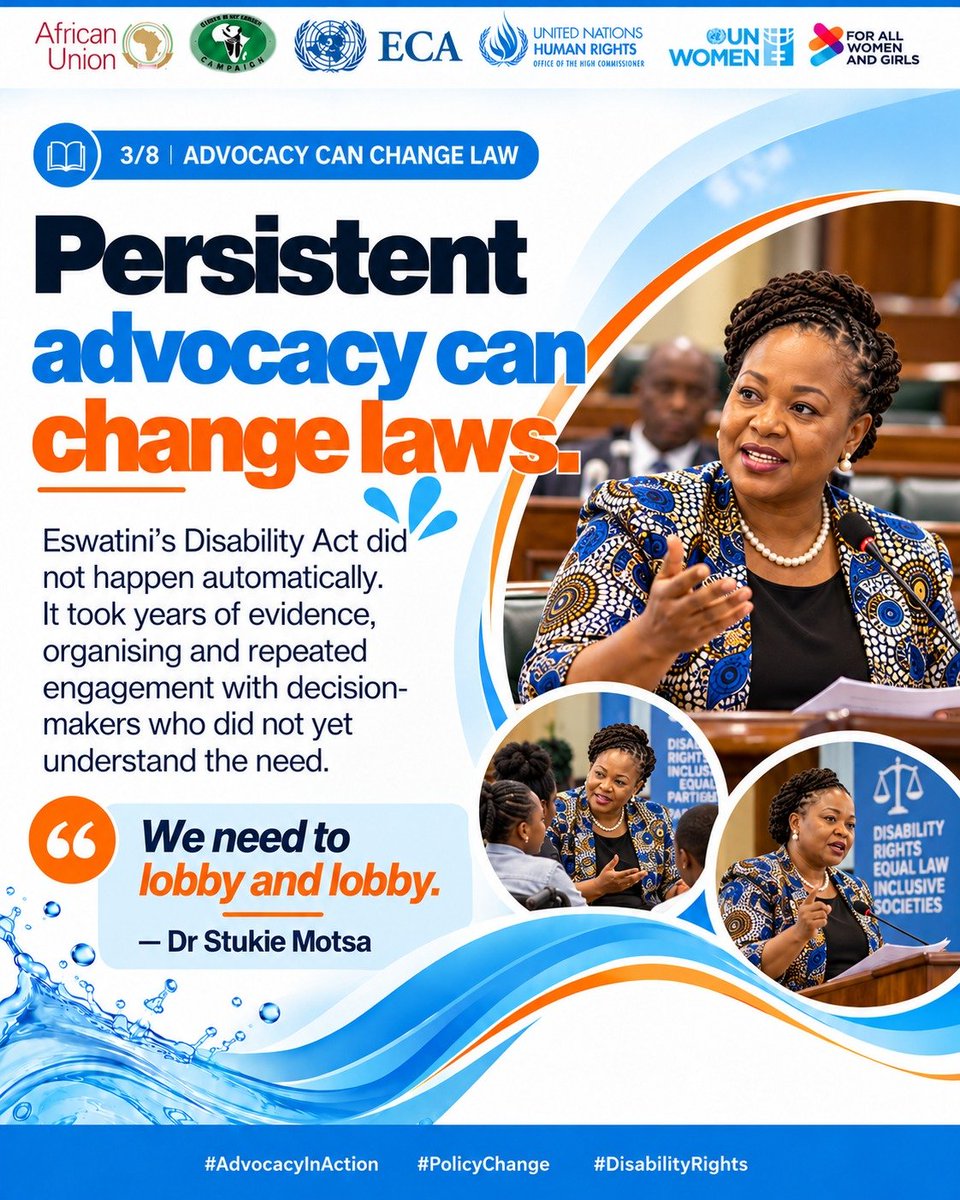
1️⃣What happens when advocacy enters Parliament and refuses to leave disability at the margins?
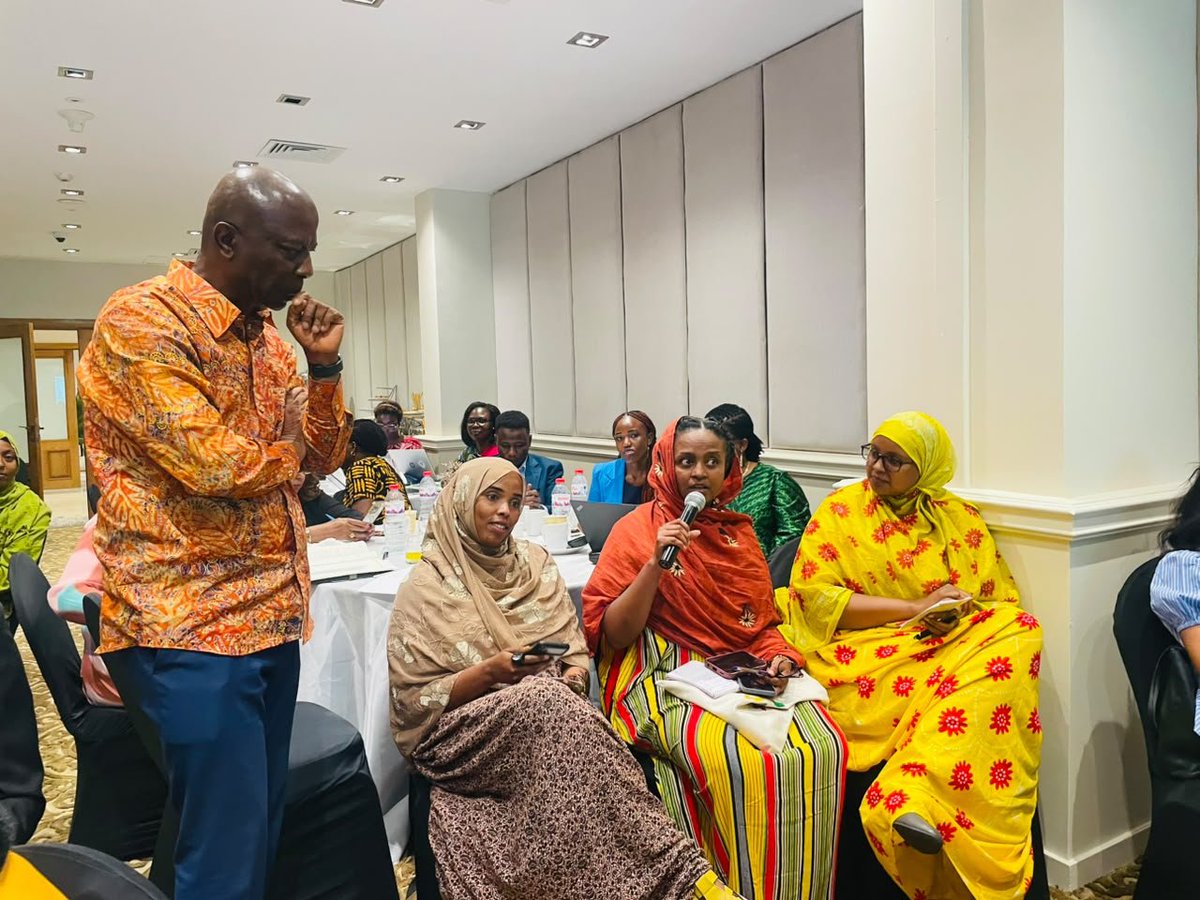
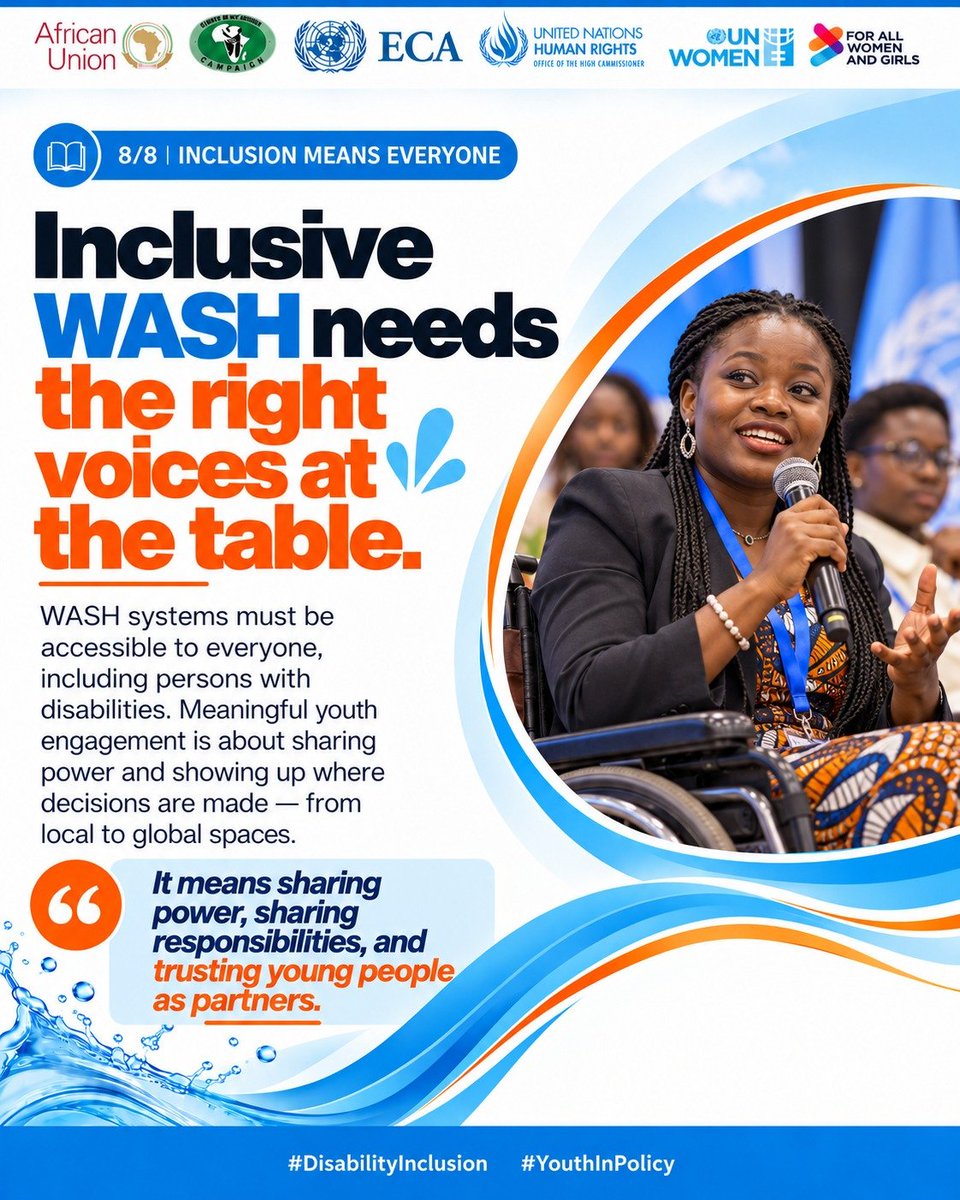
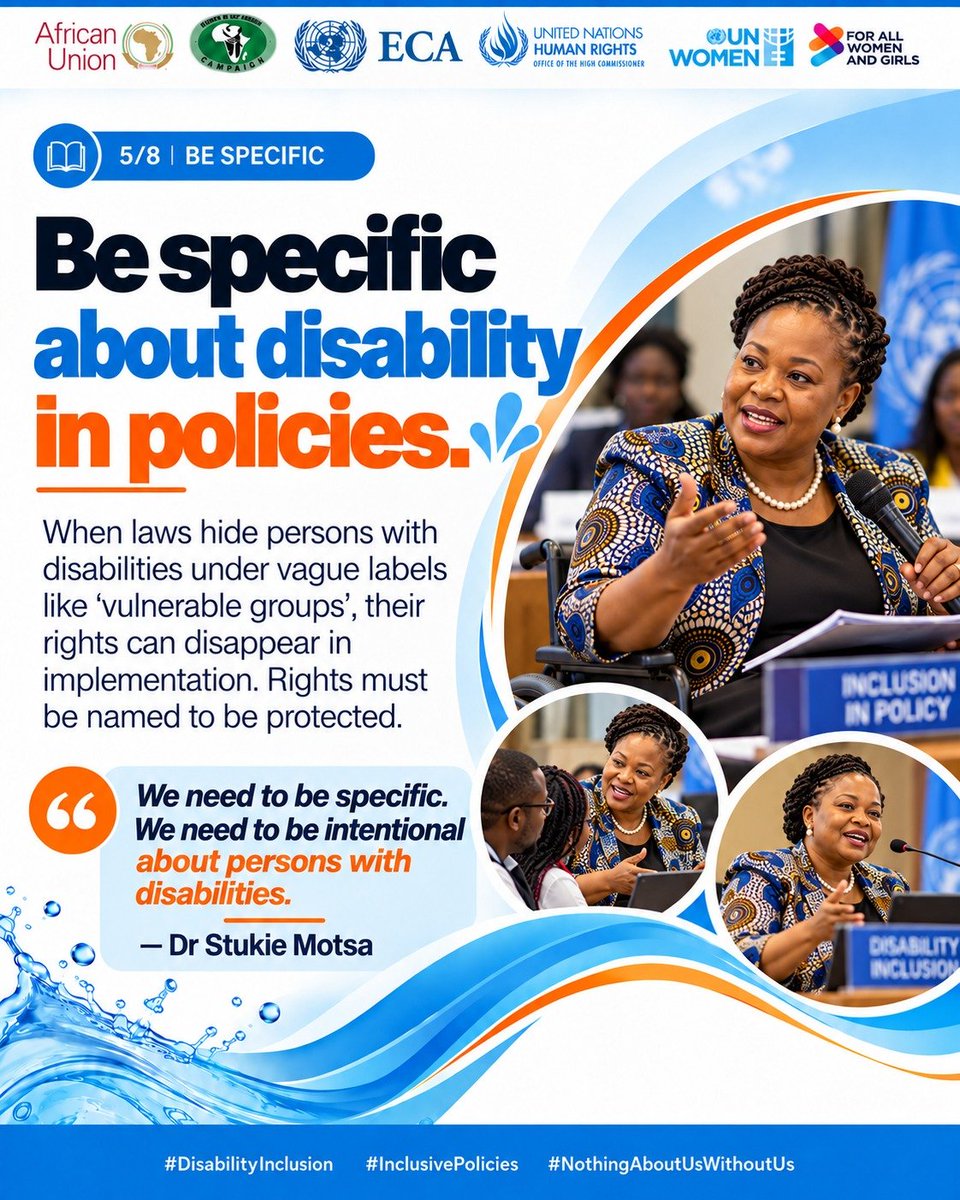
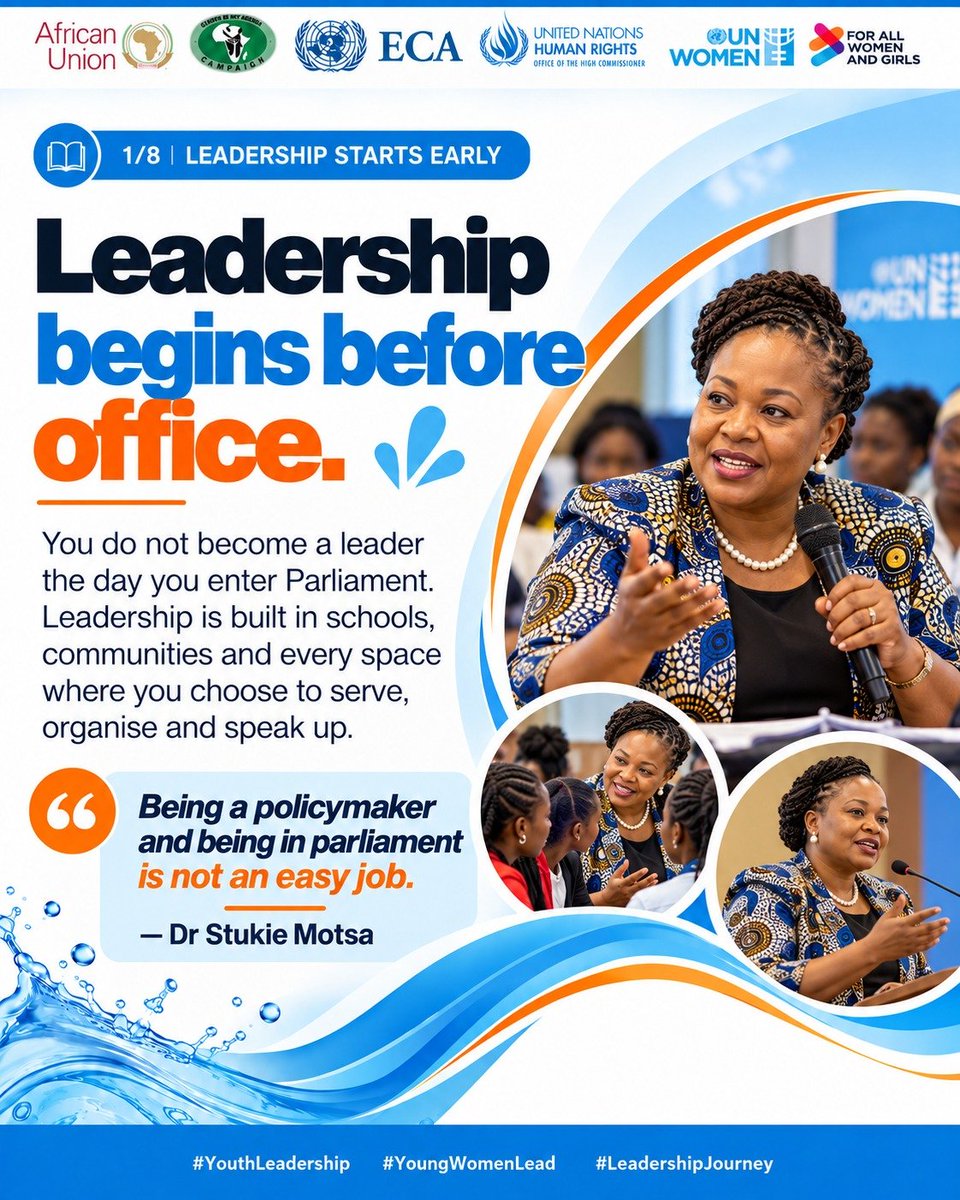
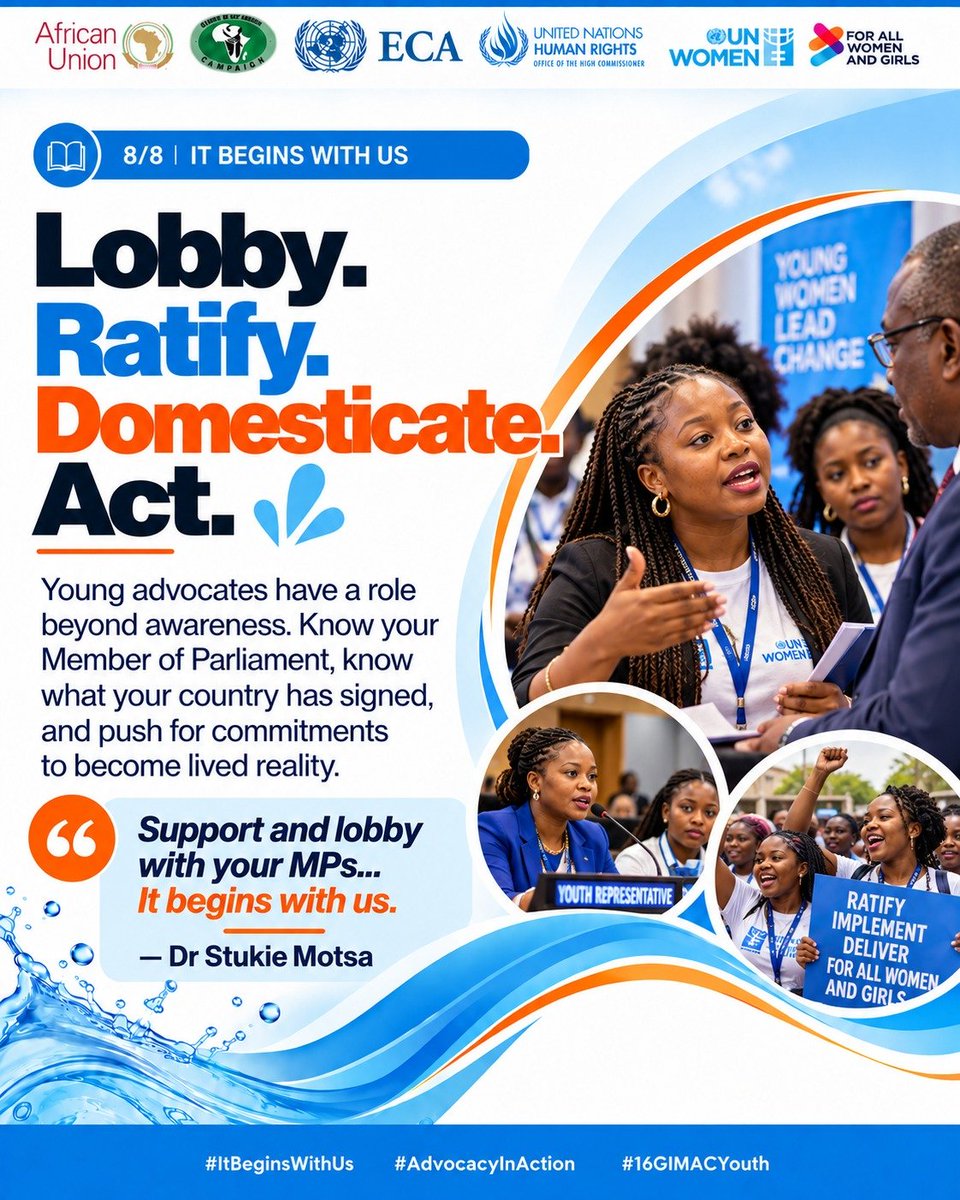
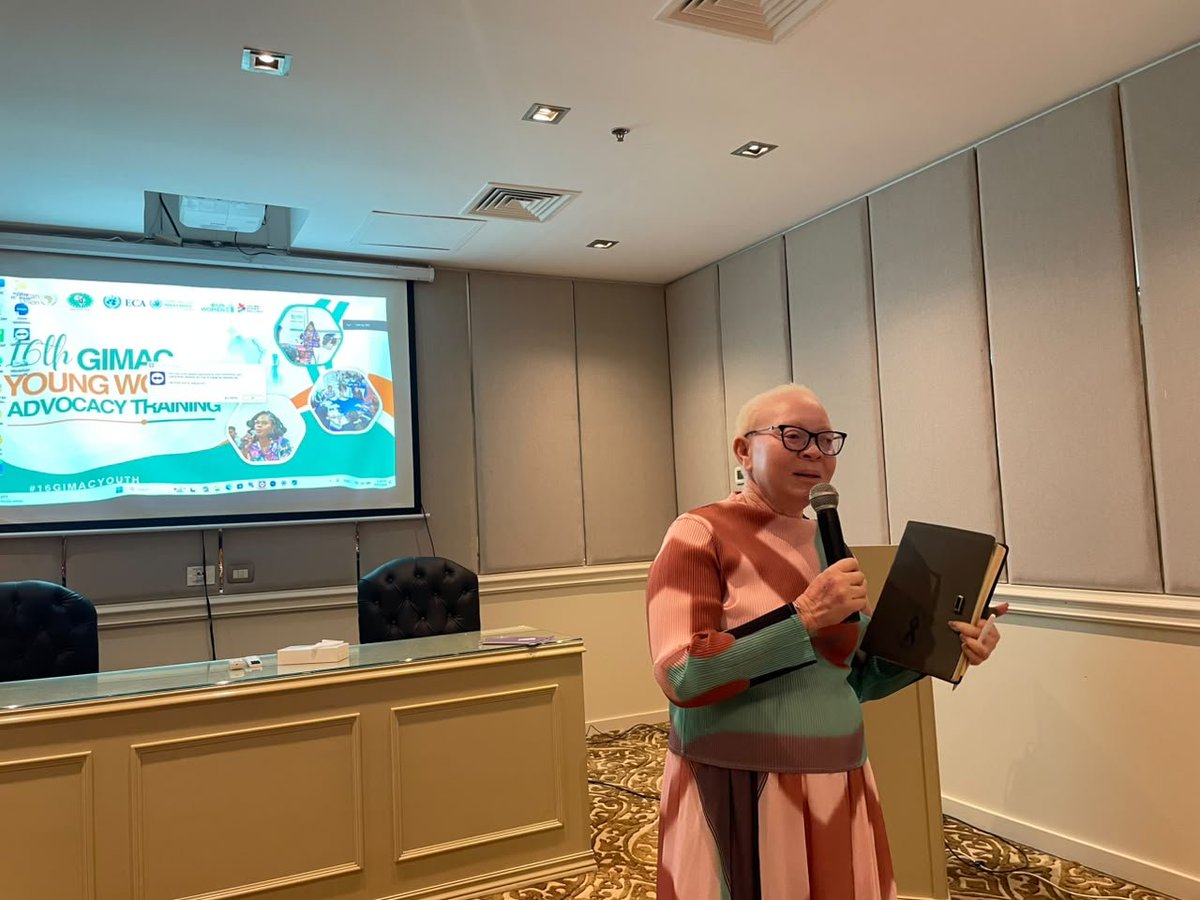
At the 16th GIMAC Young Women Advocacy Training, Dr Stukie Motsa, Senator in the Parliament of Eswatini and Member of the Pan-African Parliament, brought a powerful perspective on what it takes to move from advocacy to law, and from law to implementation. Drawing from her experience as a lawyer, legislator and disability-rights advocate, she challenged young women to confront harmful myths, arrive with evidence, lobby persistently, and insist that persons with disabilities are named explicitly in laws and policies rather than hidden under broad categories such as “vulnerable groups.”
Her message was clear:
“We need to be specific. We need to be intentional about persons with disabilities.”
#16GIMACYouth #GenderResponsiveWASH #WaterJustice #YoungWomenLead
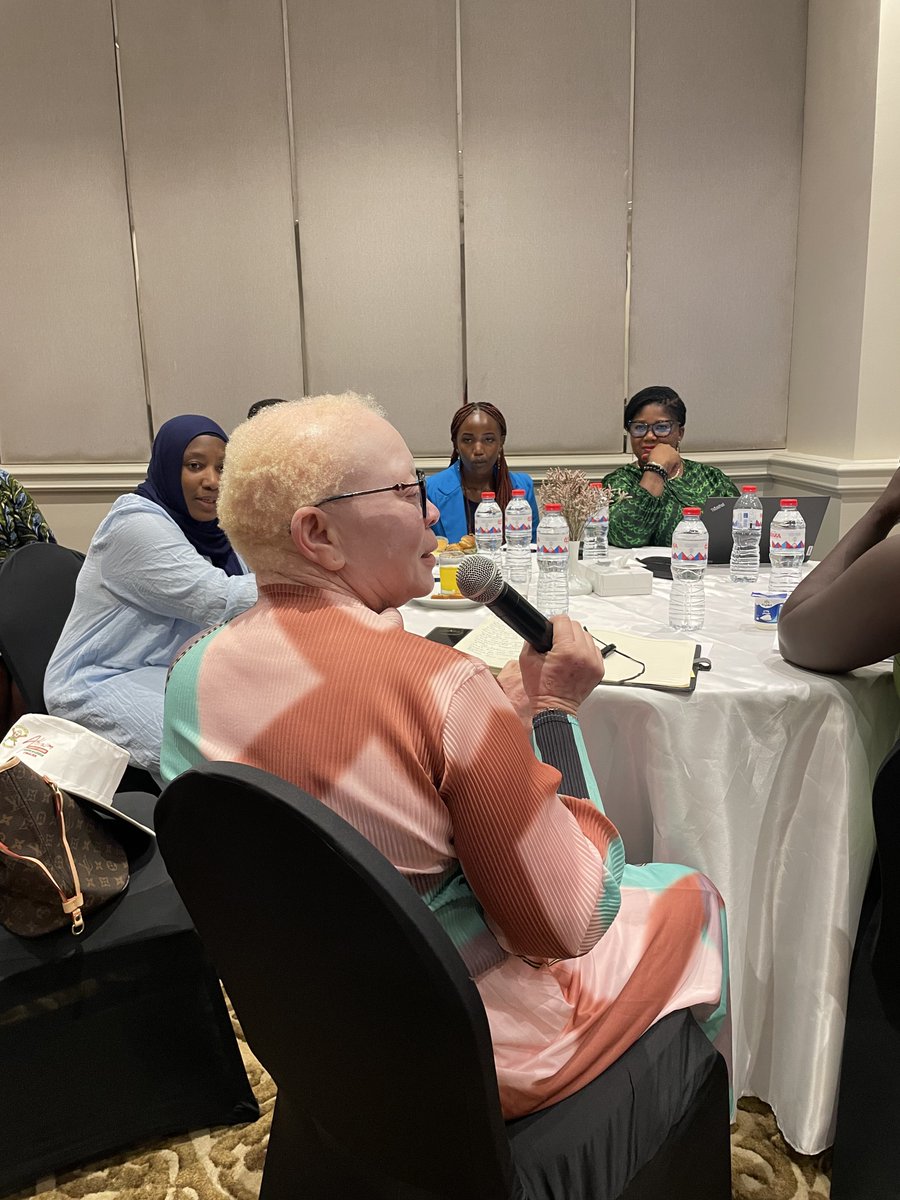
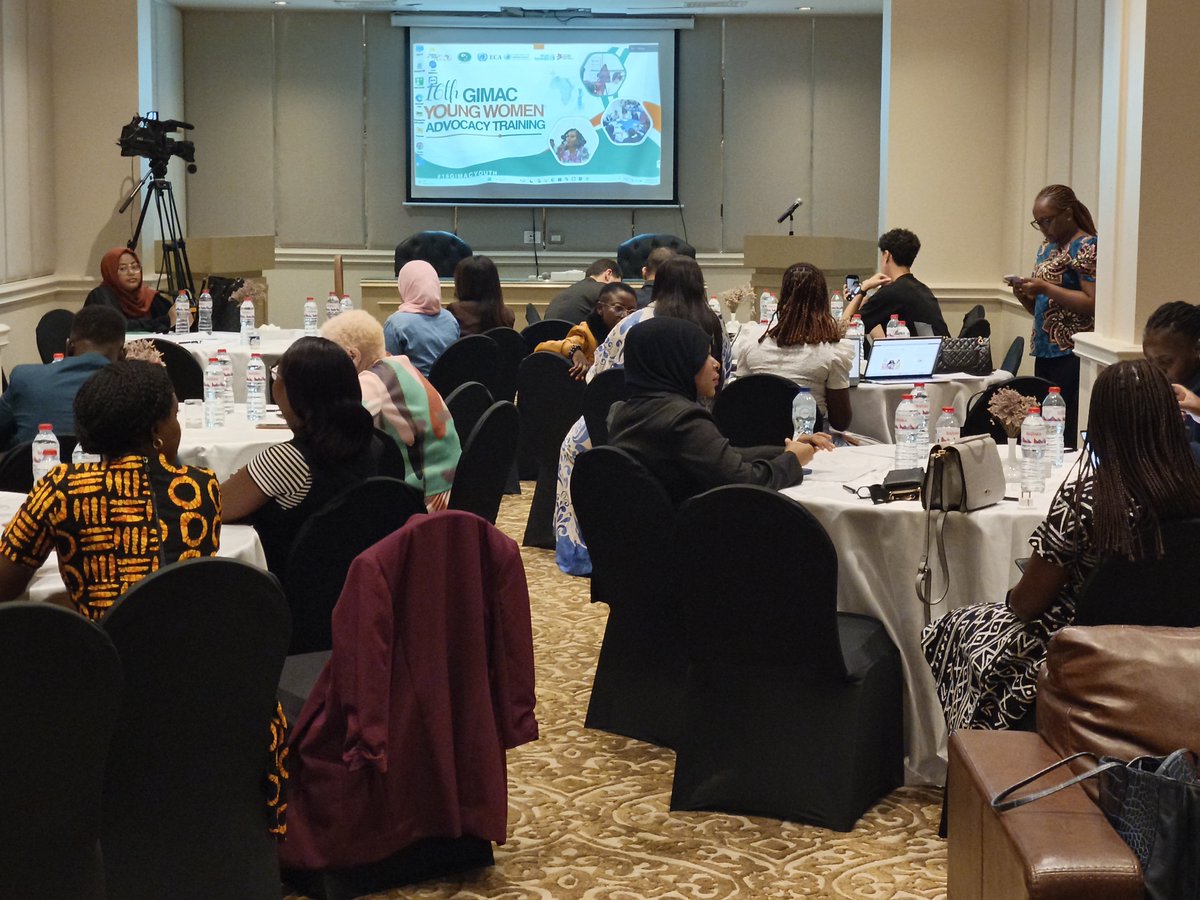
One room, one continent, one mission. 💧 The 16th GIMAC Young Women Advocacy Training brought young leaders together to champion gender-responsive water and sanitation, because water justice is gender justice. ✊🏾 #16GIMACYouth#GenderResponsiveWASH#GIMACYoungWomen
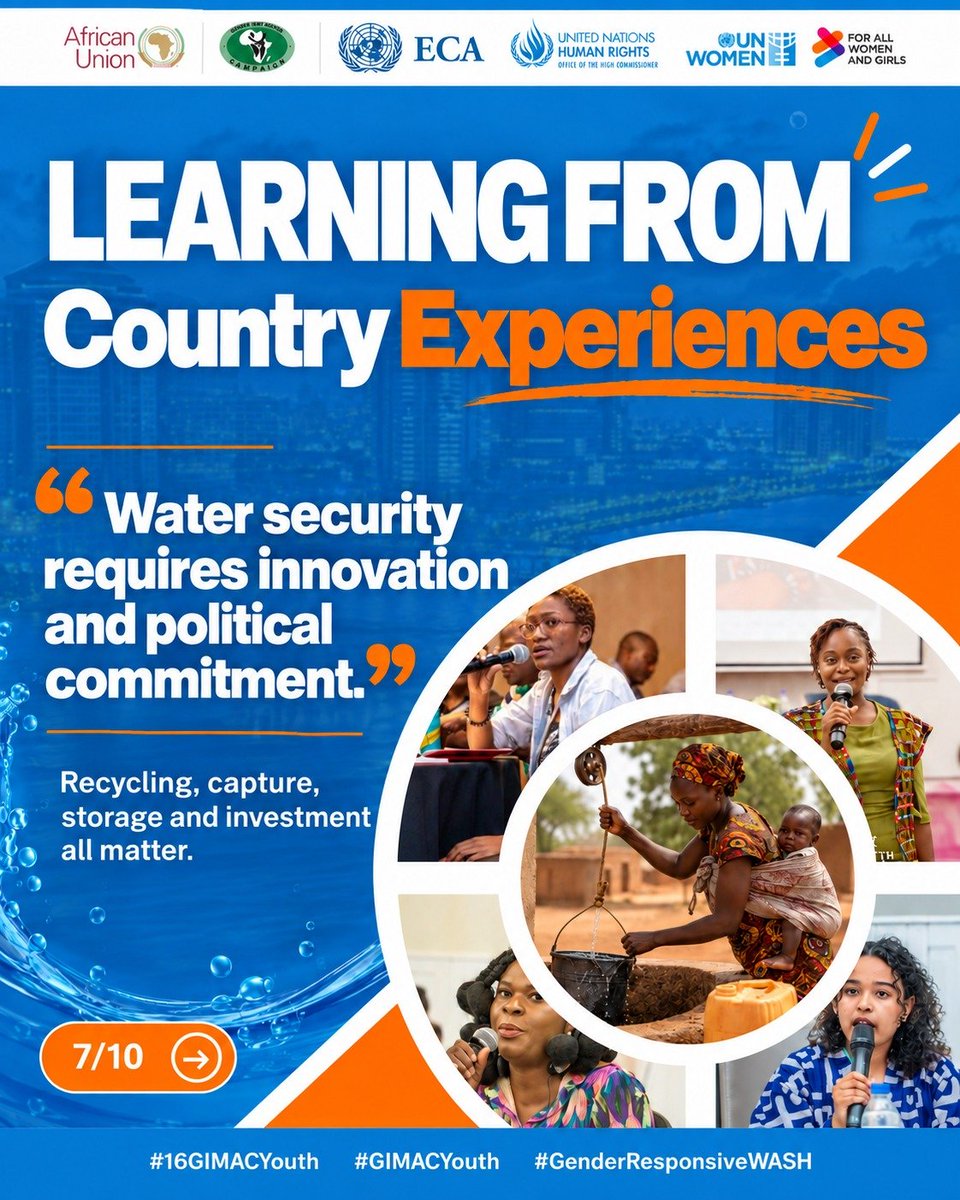
Water and sanitation is the AU Theme of 2026. At the 16th GIMAC Young Women Advocacy Training, participants linked the Africa Water Vision 2063 to the Maputo Protocol, AU CEVAWG, the GEWE Strategy and UNSCR 1325, because water justice is gender justice. Thanks to Charles Nyukuri of @PlanGlobal . 💧 #GIMACYouth #GenderResponsiveWASH #GIMACYoungWomen @planghana@Plan_Youth@PlanAULiaison
The tone is set for the 16th GIMAC Young Women Advocacy Training. 🌍💧
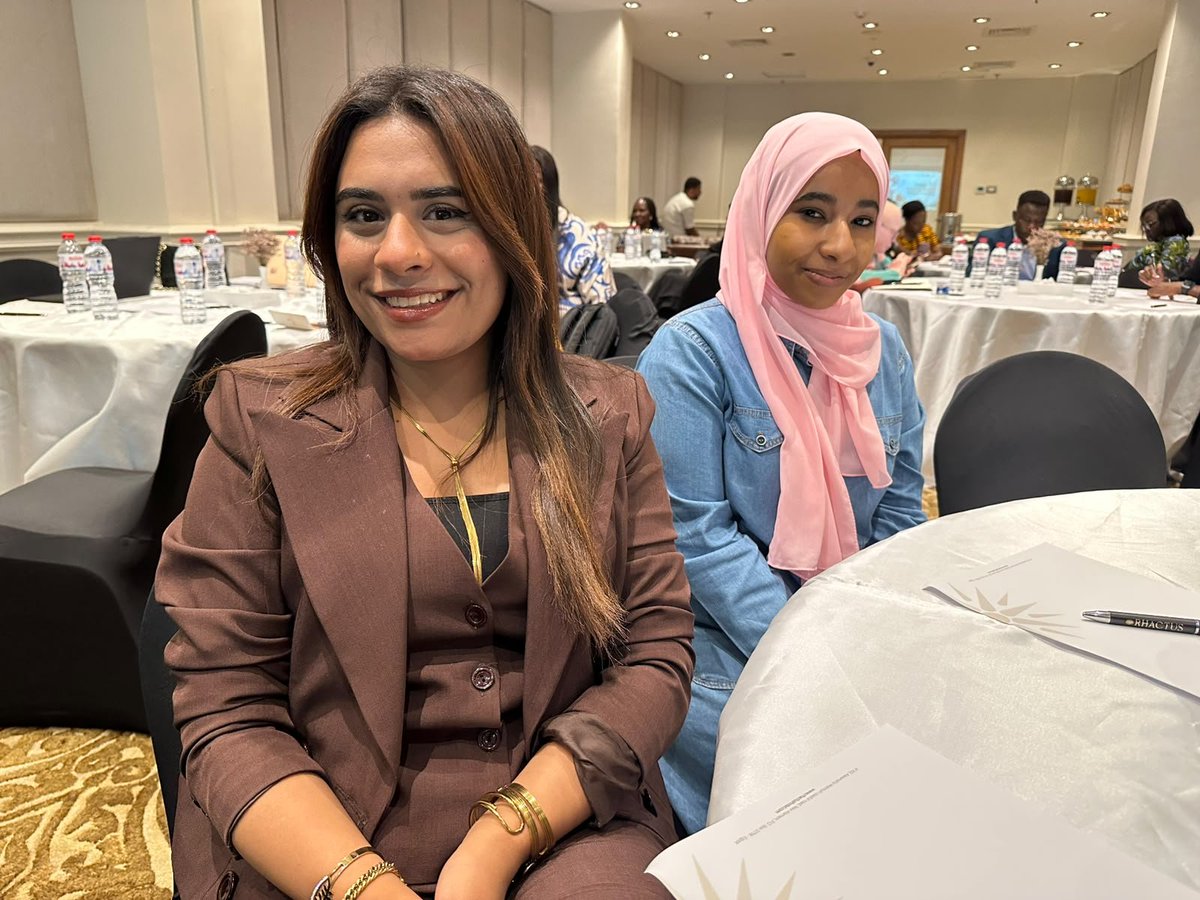
Opening the session, Melissa Kubvoruno, Chair of the GIMAC Young Women Network and RMT Board Vice Chair, encouraged participants to engage fully, connect, learn and enjoy the experience.
Antoinette MBROU, GIMAC Young Women Cluster Co-Lead and Coordinator at Women in Law & Development in Africa, reminded participants that leadership must translate into advocacy and action. Building on the online training series, she highlighted the importance of strengthening young women’s understanding of African Union frameworks while developing practical skills in policy analysis, advocacy, strategic communication, gender-responsive budgeting and accountability.
The message was clear: young women are not only leaders, they are advocates and agents of change.
#16GIMACYouth #YoungWomenLead #GenderResponsiveWASH #WomenInLeadership
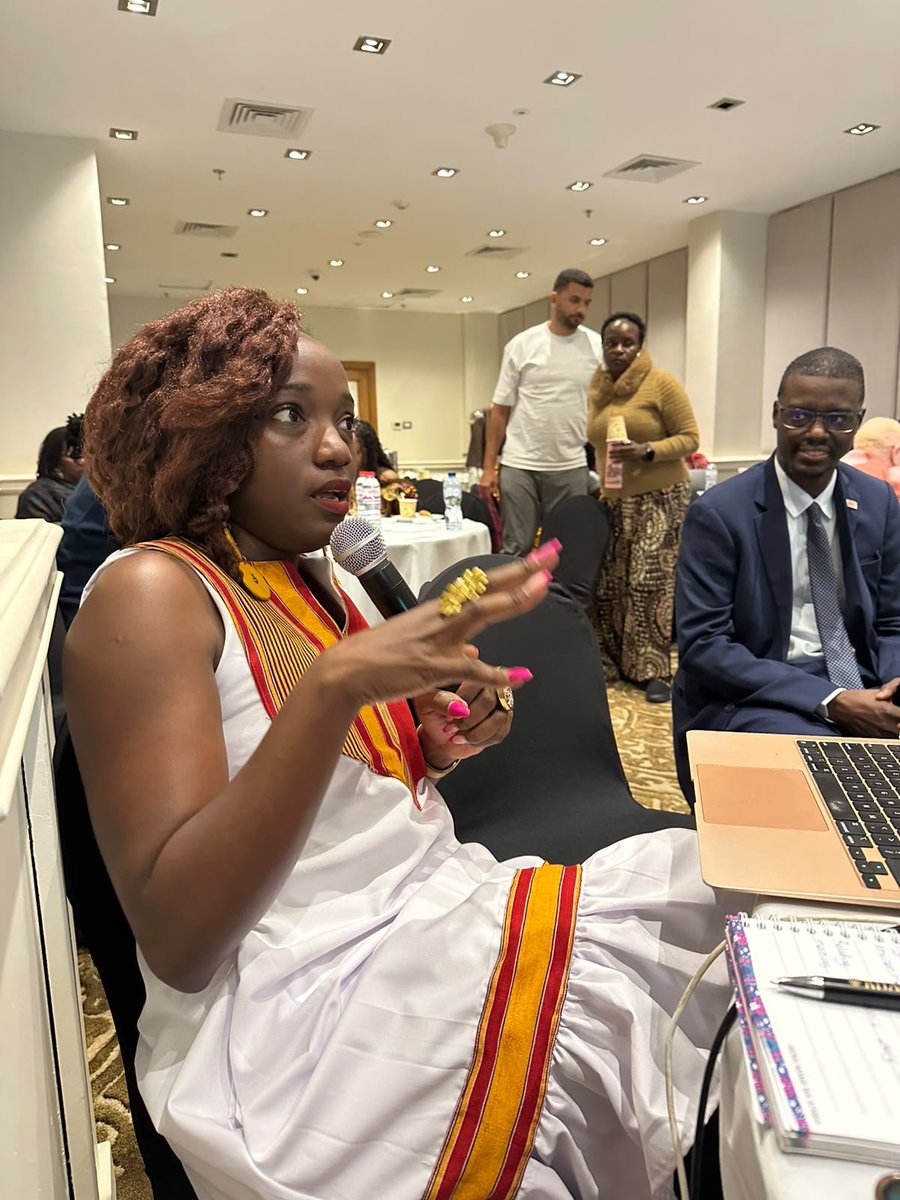
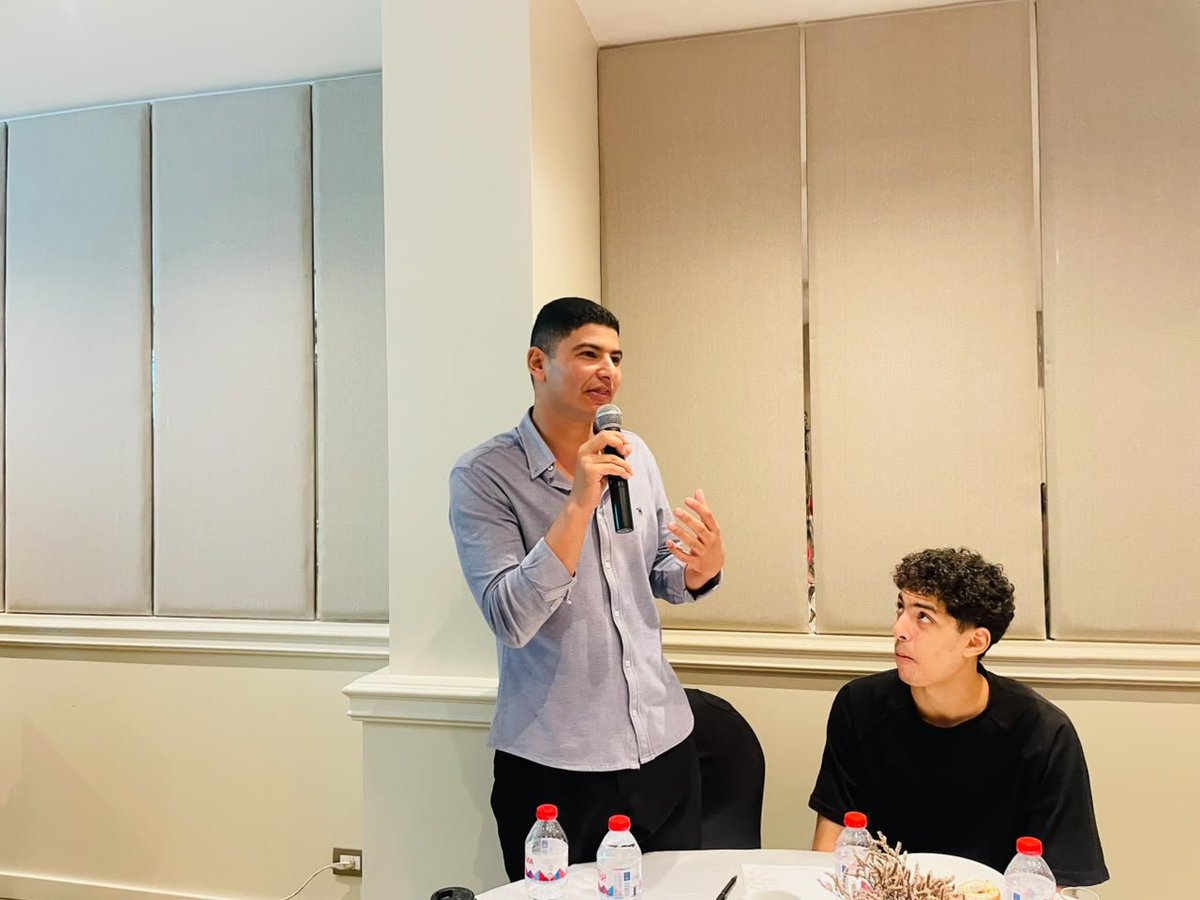
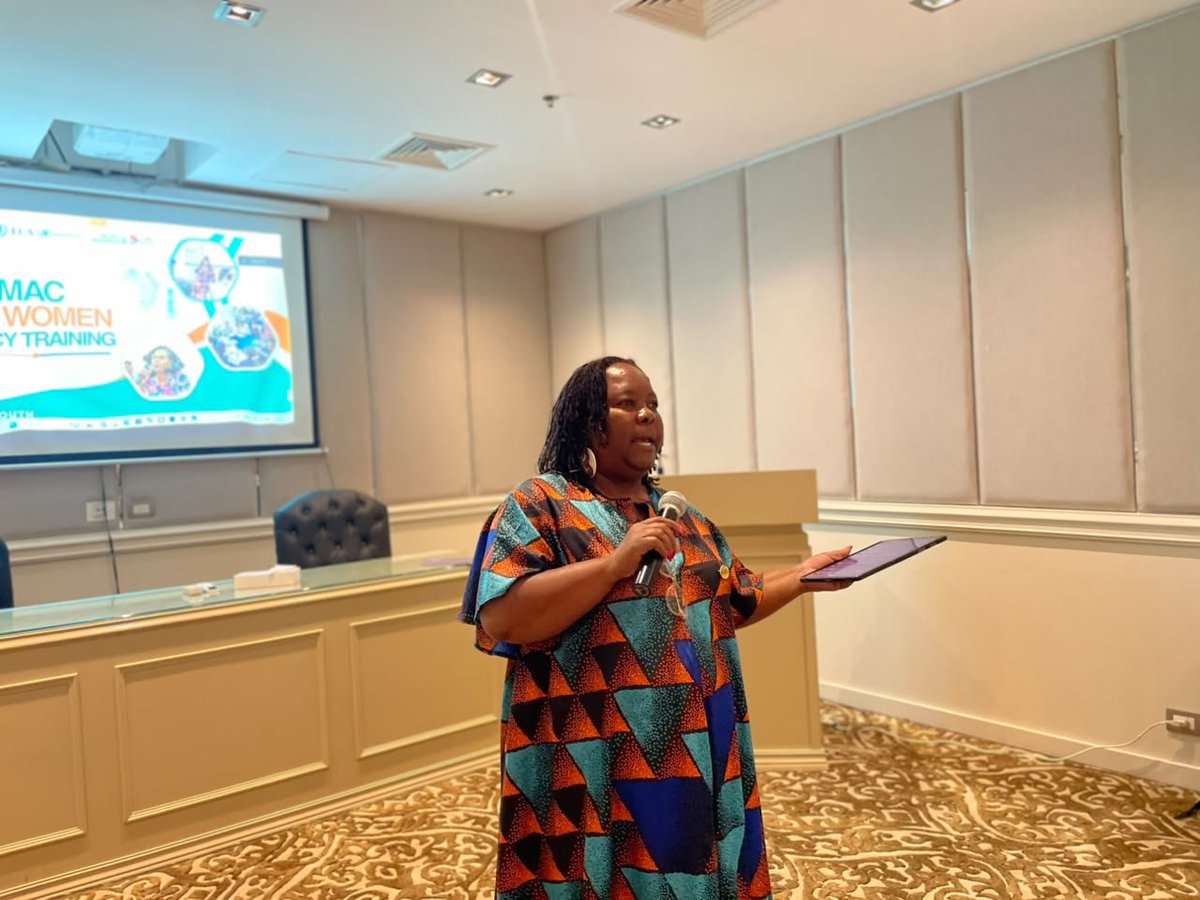
Young women must have a voice in the policies that determine access to water and sanitation across Africa. Today in New Alamein, the 16th GIMAC Young Women Advocacy Training brings young women together to strengthen policy advocacy skills, deepen understanding of Africa’s water and sanitation agenda and connect across generations.
💻Please join the conversation online here: https://t.co/e36QMckca8
#16GIMACYouth #GenderResponsiveWASH #YoungWomenLead
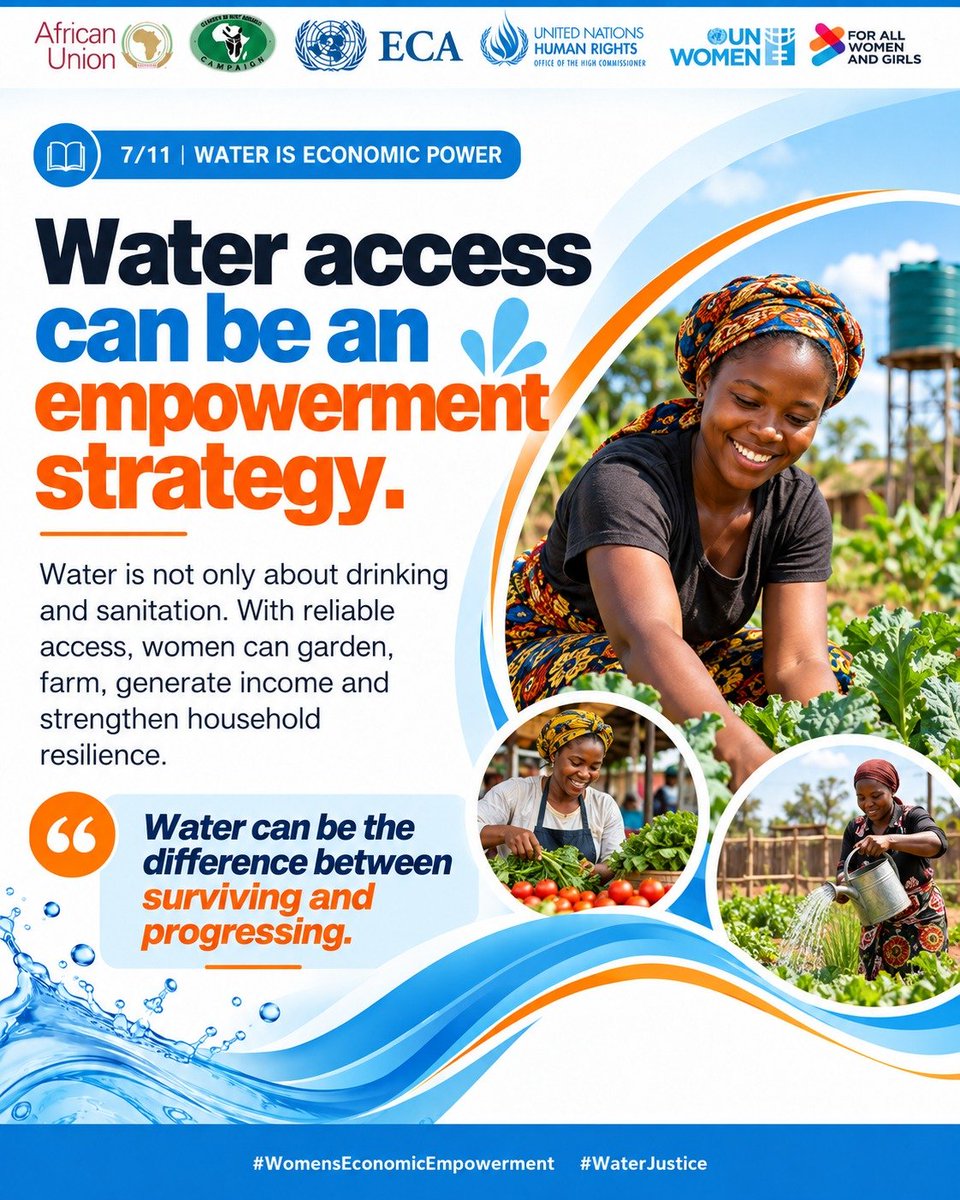
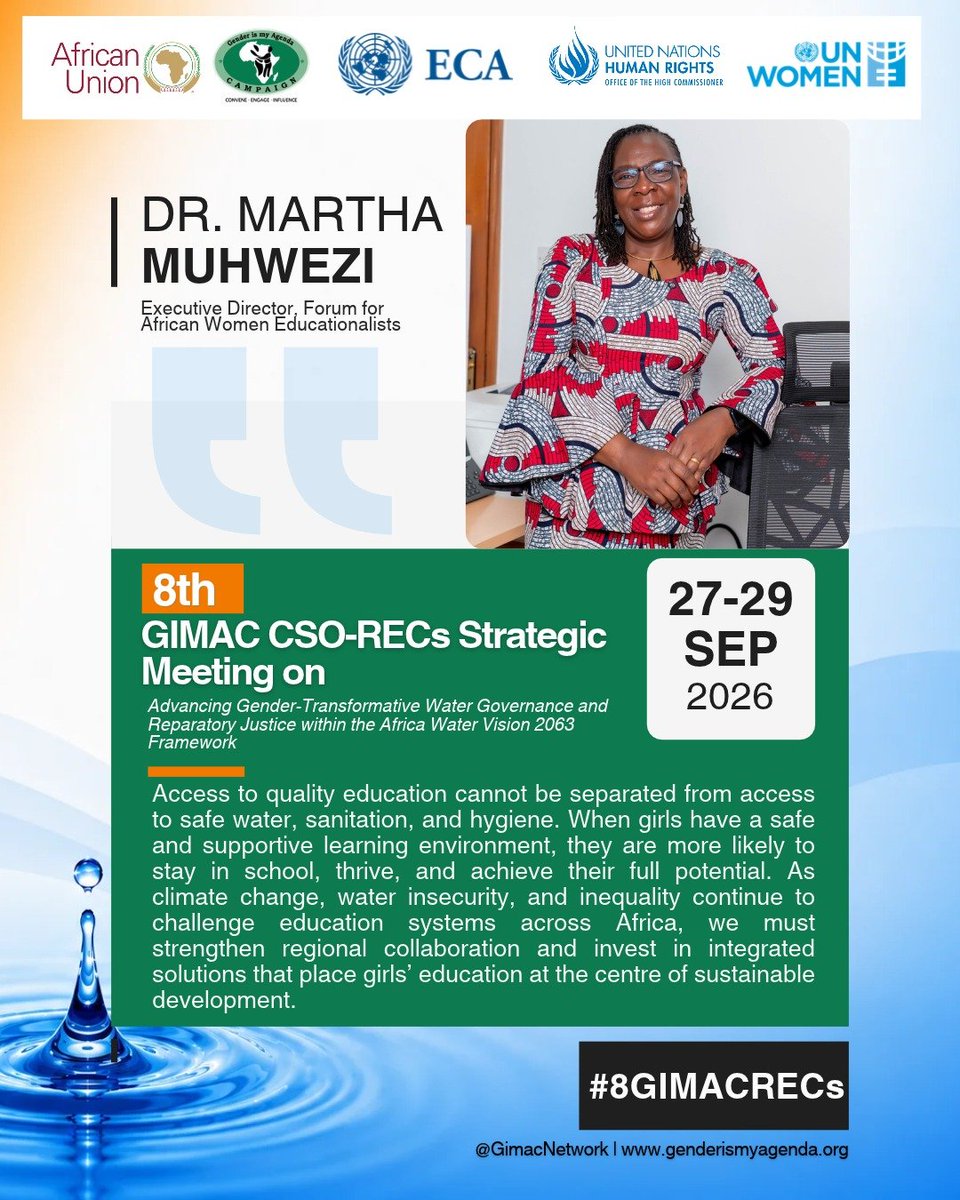
Water, education and opportunity are deeply connected.
Dr. Martha Muhwezi, Executive Director of the Forum for African Women Educationalists, reminds us that safe water, sanitation and hygiene are essential to creating learning environments where girls can stay in school, thrive and reach their full potential.
Young people will help set the tone at the GIMAC Youth Convergence on 26 September, ahead of the 8th GIMAC CSO–RECs Strategic Meeting, 27–29 September 2026.
Youth participation:
Register here for the Youth Convergence: https://t.co/kghd6LgYbN
#8GIMACRECs #GIMACYouth #GirlsEducation #WASH #GenderEquality #AfricaWaterVision2063