mPedigree is known for our work in sensitive and critical consumer goods supply chains such as pharmaceuticals, agro-inputs, cosmetics, and automotive parts.
From our start in the anti-counterfeiting space, we have long been associated with quality assurance and certification through a consumer safety and regulatory support lens.
But our platforms like Chiron have long expanded that scope. It is best to see our contribution as offering a "Trust Engine for the Social Economy".
Case in point: our partnership with Oryx in Tanzania is driving the uptake of clean cookstoves. Working with them and relevant government agencies to shift consumers from dirty fuels demonstrates the power of mPedigree's technologies to impact both climate response and health (dirty fuels = soot in lungs) in far-reaching ways.
Trust is the ultimate currency of social change.
#CantFakePassion
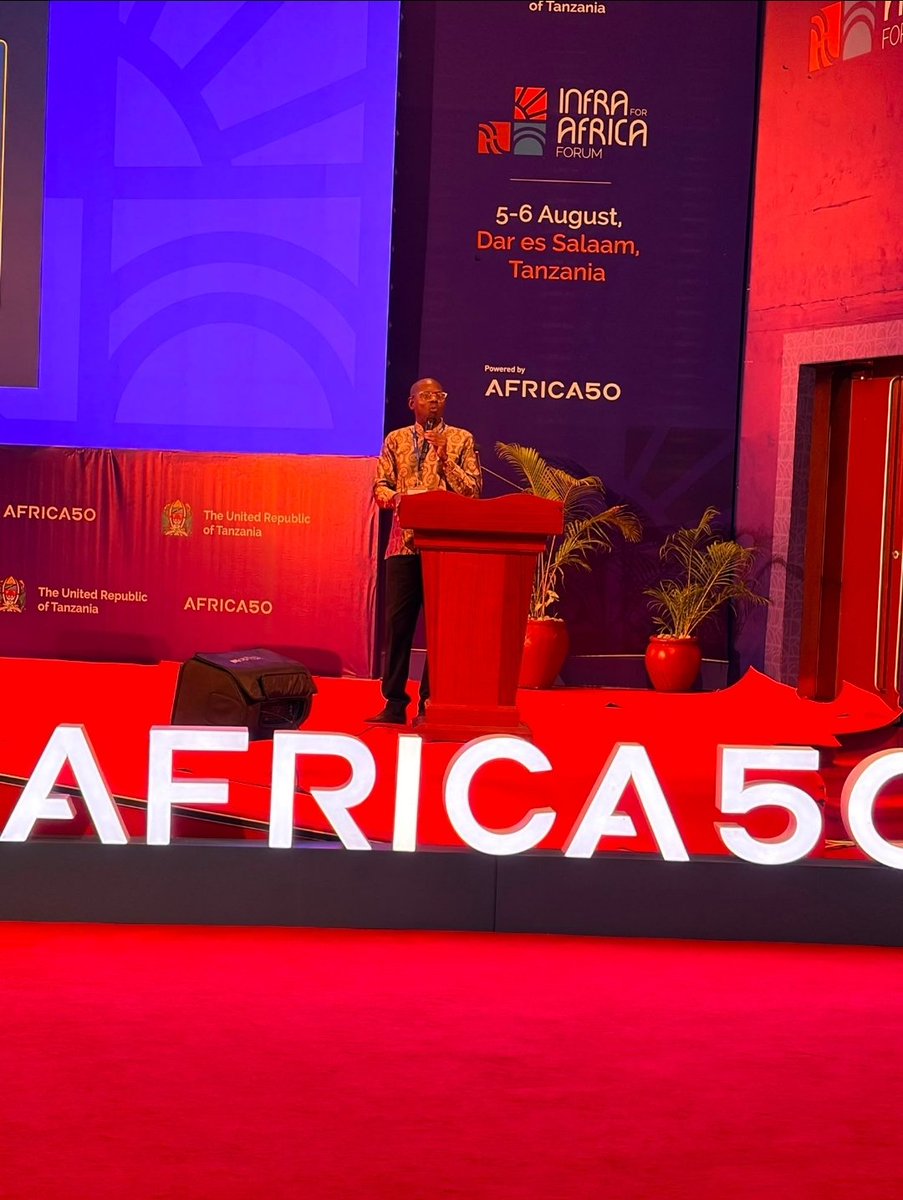
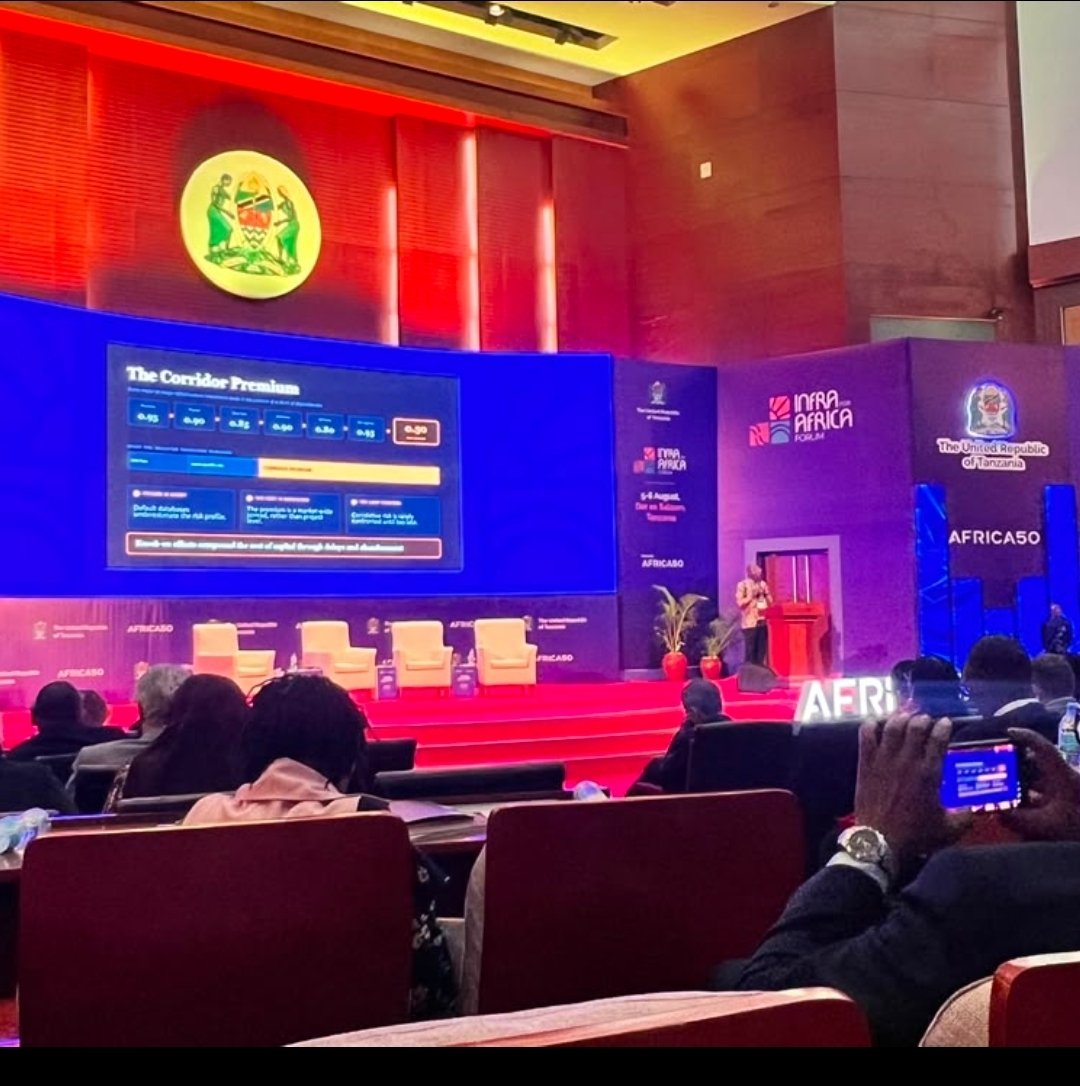
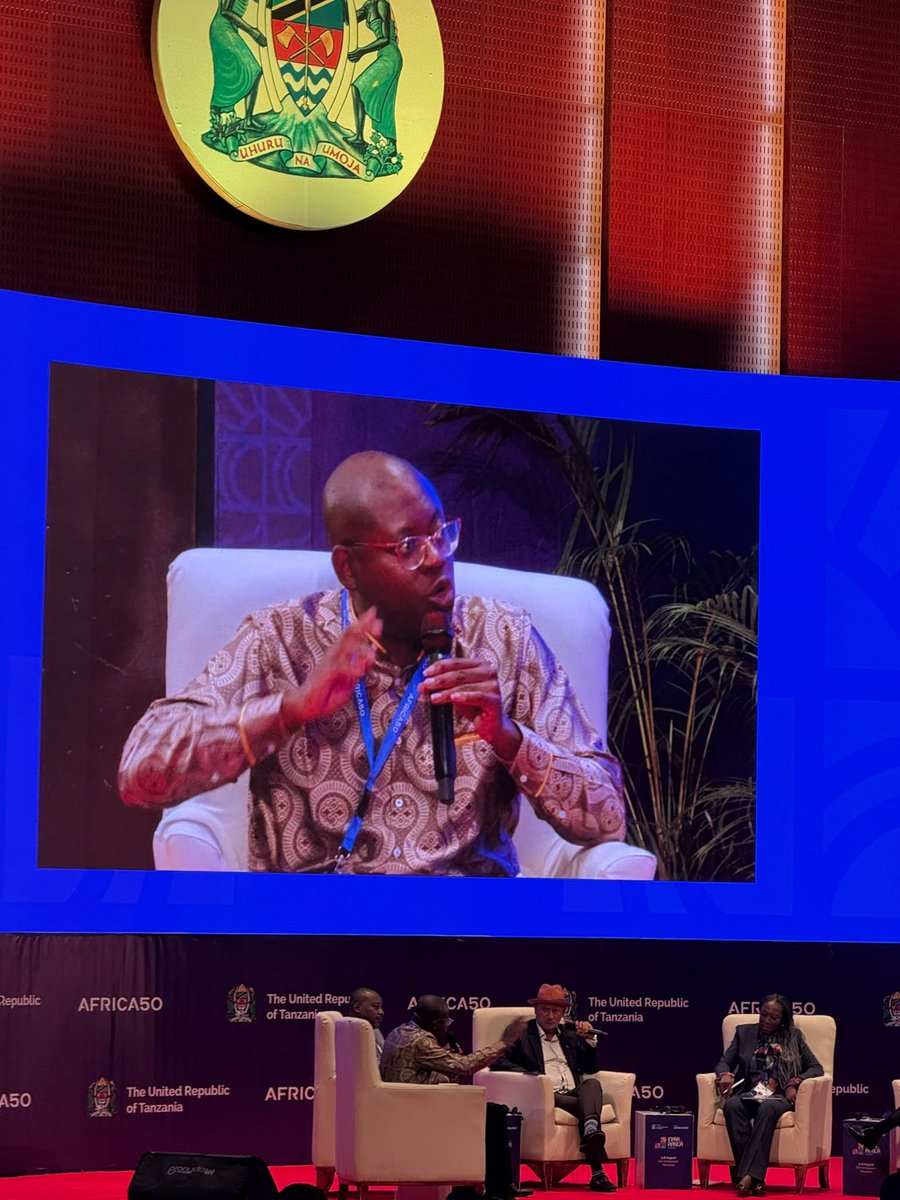
Ongoing in Dar es Salaam, Tanzania: Infra for Africa Summit, powered by Africa50.
After President Kikwete's rousing keynote, Bright takes the stage to set the scene for the ministerial discussion on how tech Infrastructure can become an economic multiplier to boost jobs.
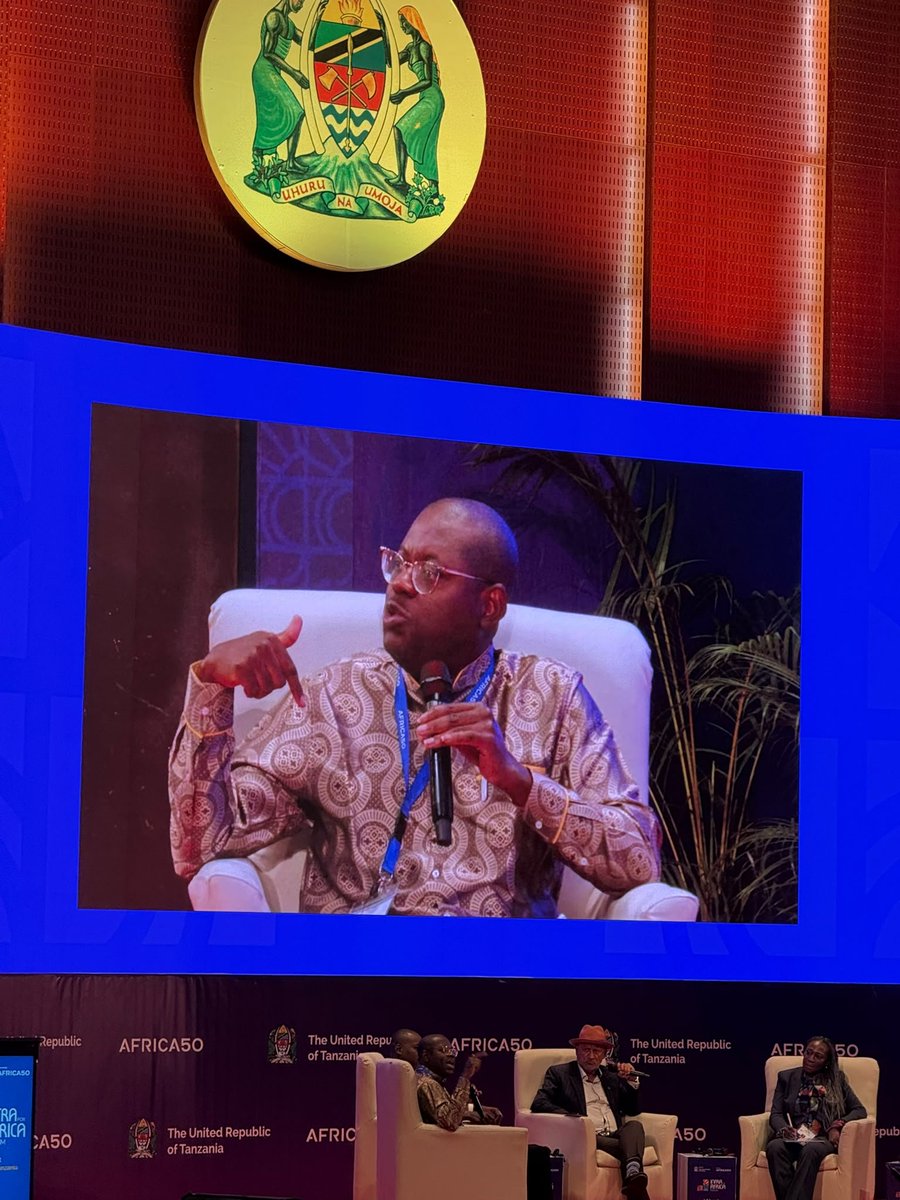
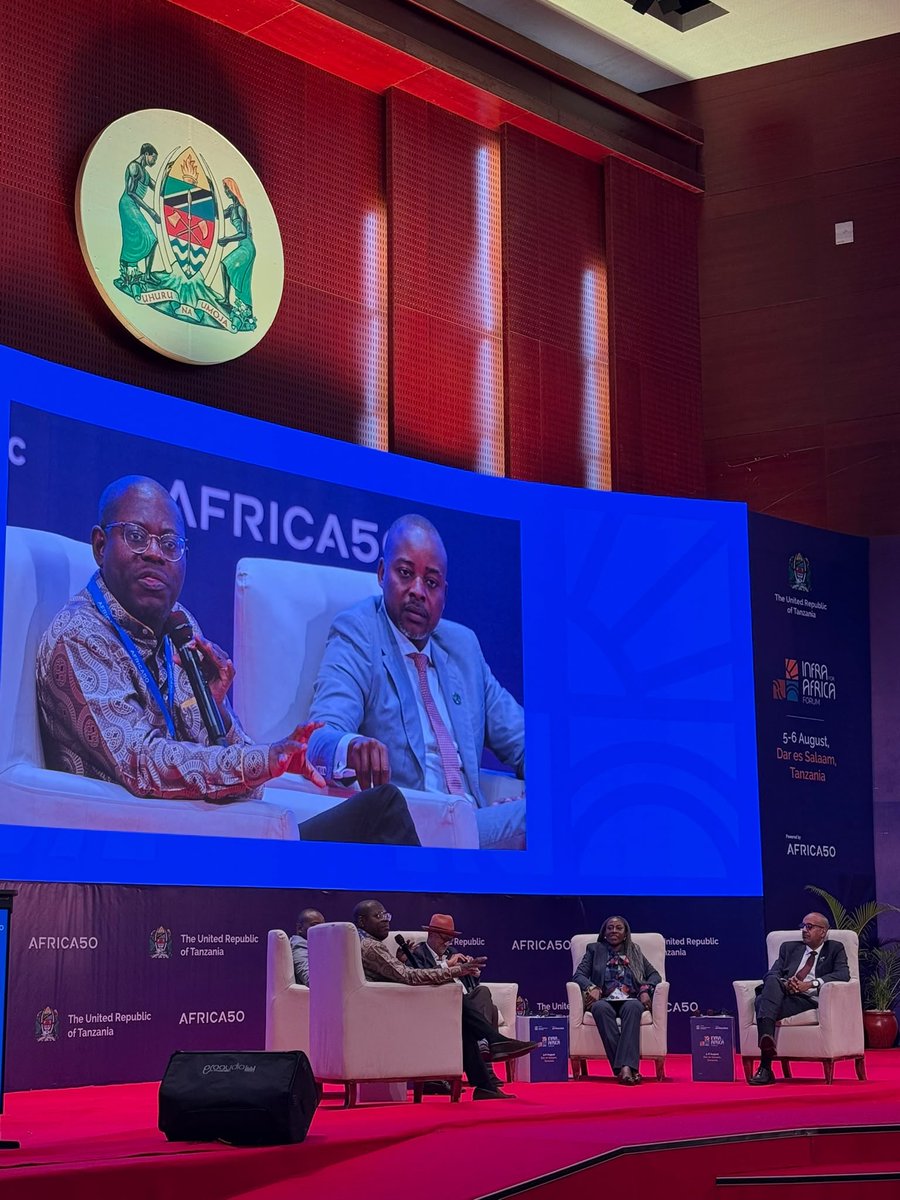
Closing debate panel of the Infra for Africa Summit (powered by Africa50) just wrapping up in Dar es Salaam, Tanzania.
Fascinating points on the pros and cons of multilateralism by Bright and his co-debaters.
Loving this visual story-telling by New African based on my recent piece (link in first comment) on what Ethiopian Airlines has to teach African countries about how to smartly win in a world of cutthroat competition over strategic interests.
Thrilled to see our "corridor premium" theory make its debut in this stellar piece of sharp reporting by the Economist on the resurgence of "mega-projects" in Africa (see thread for the link).
Detailed solutions to the corridor premium party-pooper in African infrastructure are upcoming in an exciting new publication.
Every society has a Bra Kofi.
Mine was a self-taught auto-technician at Suame Magazine in Ghana.
He could whip up carbide fireworks and several goofy but delightful gizmos.
He exuded a different kind of intelligence from the one I have encountered a lot in my adult life in lecture rooms and book pages.
He was the childhood inspiration behind our turning of milk tins into swanky cars and wood scraps into birdcages.
My TEDxBerlin talk asks a disturbing question: as we put more intelligence into machines, are we creating fewer spaces where humans learn, improvise and think together?
For Africa, the danger is even deadlier. AI can help us produce polished contracts, reports and manuals while leaving factories, farms and workshops untouched. We may automate the *façade* and neglect the engine room.
The ease with which AI can make our setups look sophisticated on the outside but hollow on the inside can actually hold us back in our industrialisation drive.
The alternative is to build for the Bra Kofis: connect tacit knowledge to sensors, credentials, capital and institutions through a new generation of cross-thinkers. Might you be one, a cross-thinker?
AI’s future should not belong only to Big Tech and the few big moneybags in Silicon Valley. It should be inherited by the MANY in Suame and beyond.
Watch the talk, then think about it: are there still some Bra Kofis in your world? Waiting to be recognised and amplified?
If so, be on the lookout: the "social edge framework" was built for that mission. We would like you onboard.
https://t.co/RpZl0LqY6m
Bright quoted among five experts on the subject of how innovative new models can open frontier markets and humanitarian corridors to fresh investment.
Take a read:
https://t.co/8KnwsuphQn
This week, as part of its InvestFrontier Initiative, the World Economic Forum convened leaders from around the world in Villa Mundi, Geneva. The speakers represented organisations working at the frontline of a new vision for development in frontier markets that brings the private sector on board while preserving humanitarian values. Bright represented mPedigree on a panel with reps from CoAction, Amahoro, Interpeace, WFP, and Circle.
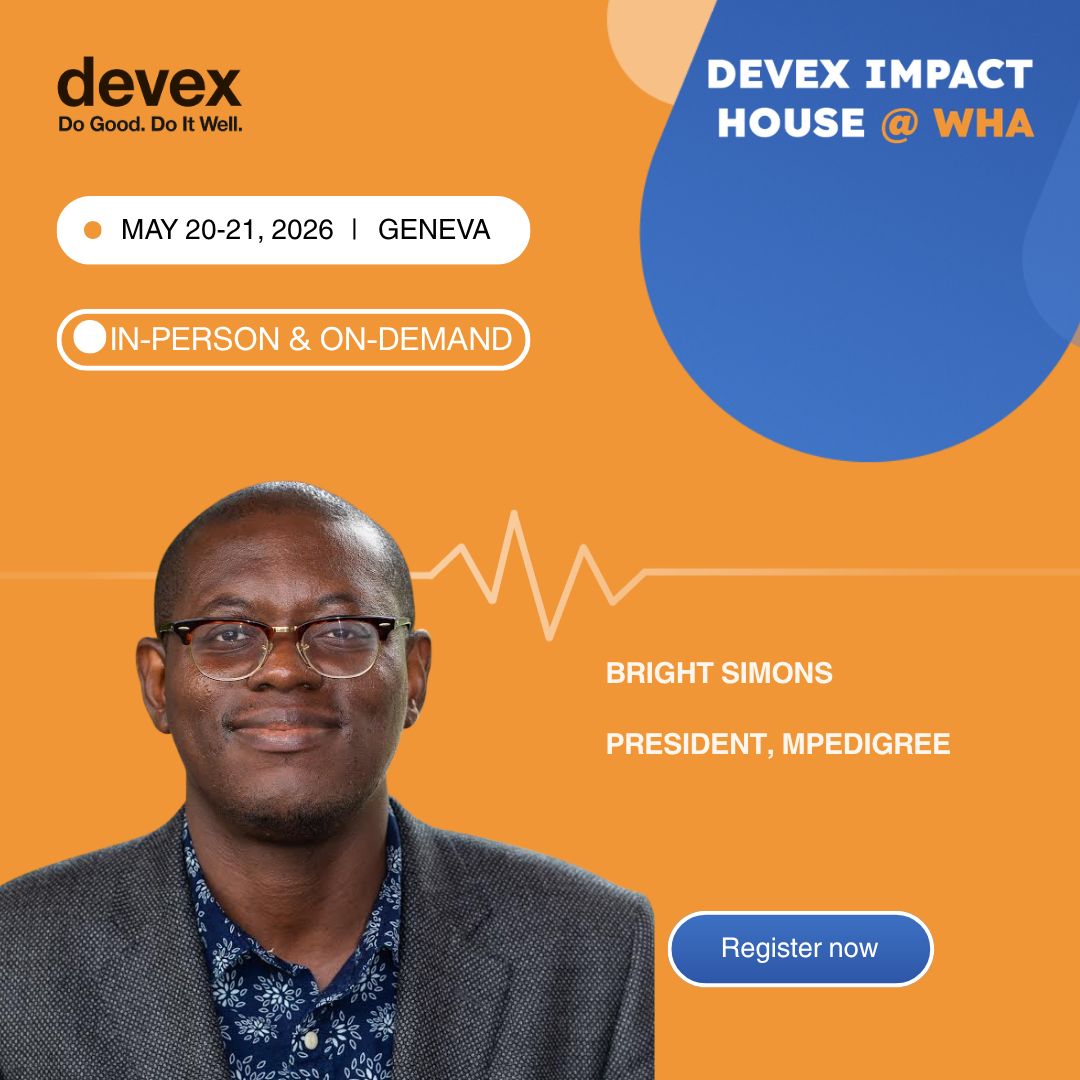
At Devex's WHA event, Bright Simons argued that AI systems ultimately depend on human relationships, judgment, and collaboration — and warned that overly automating healthcare could erode the very intelligence these systems rely on. https://t.co/4ZIFGUSA2n
Watch Bright make the argument that "...that AI systems ultimately depend on human relationships, judgment, and collaboration" and also warn that... "overly automating health care could erode the very intelligence these systems rely on."
Video: https://t.co/JiWTXHmgHI
He was speaking about his recently published "Social Edge Framework" on a panel at Devex Impact House at the ongoing World Health Assembly in Geneva moderated by Rumbi Chakamba of Devex. Co-Panelist: Dr. Mary-Ann Etiebet of Vital Strategies.
Thinkers and practitioners in the field of global development are gathering in London this week to take stock of the seismic developments reshaping their sector. Stay tuned as the insights and pledges roll in.
(Tip: Bright's keynote will be on "transmediation", a concept many years in the making.)
It is heating up seriously at the OECD Center in Paris. So much energy on a wet Parisian day. The focus this week is on rethinking development and international cooperation radically. Bright will be delivering a keynote tomorrow. He will, as usual, bring an entrepreneurial perspective to the deep policy changes required to improve the lives of the marginalised populations of the world.
Happening right now in Oxford:
Bright and colleague panelists will be discussing the future of work and talent management in Africa. What will the continent look look like in 2045? AI, economic growth, higher education shifts, policy innovation, etc. The whole nine yards.
A thoroughly packed agenda at the Spring Meetings (World Bank - IMF) for us!
Our Bright was spotted in a few places.
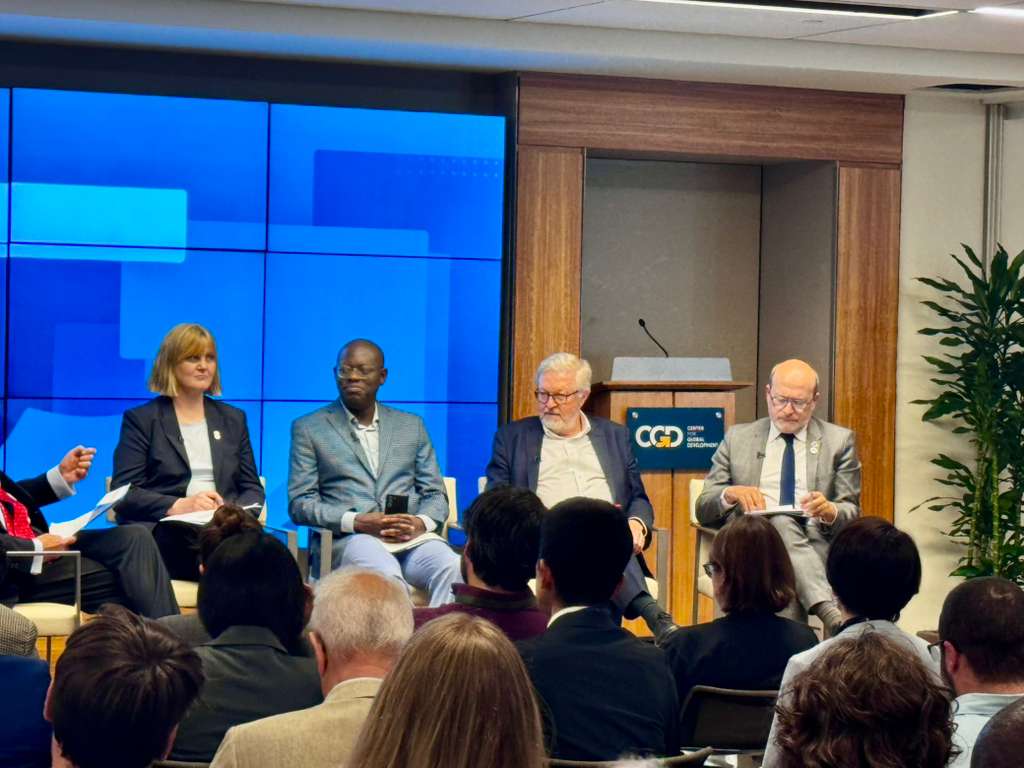
1. At the HQ of the Center for Global Development, where he joined Carsten Staur of the OECD DAC, Gunn Jorid Roset of NORAD, and Rémy Rioux of AFD to discuss the prospects and challenges of development aid. Expertly moderated by Masood Ahmed.
One key contribution was a suggestion that the crisis in the development aid arena must be assessed as a symptom of a deeper crisis in "development" itself. The concept has been losing its moorings for a while now, and much that provided direction has become unhinged. The merits, personnel, directions, processes, priorities, endgames, they are all in flux now. Aid is meant to be fuel for an engine. But the rocket to host the engine has become disassembled and it is no longer clear what kind of machine it is anymore.
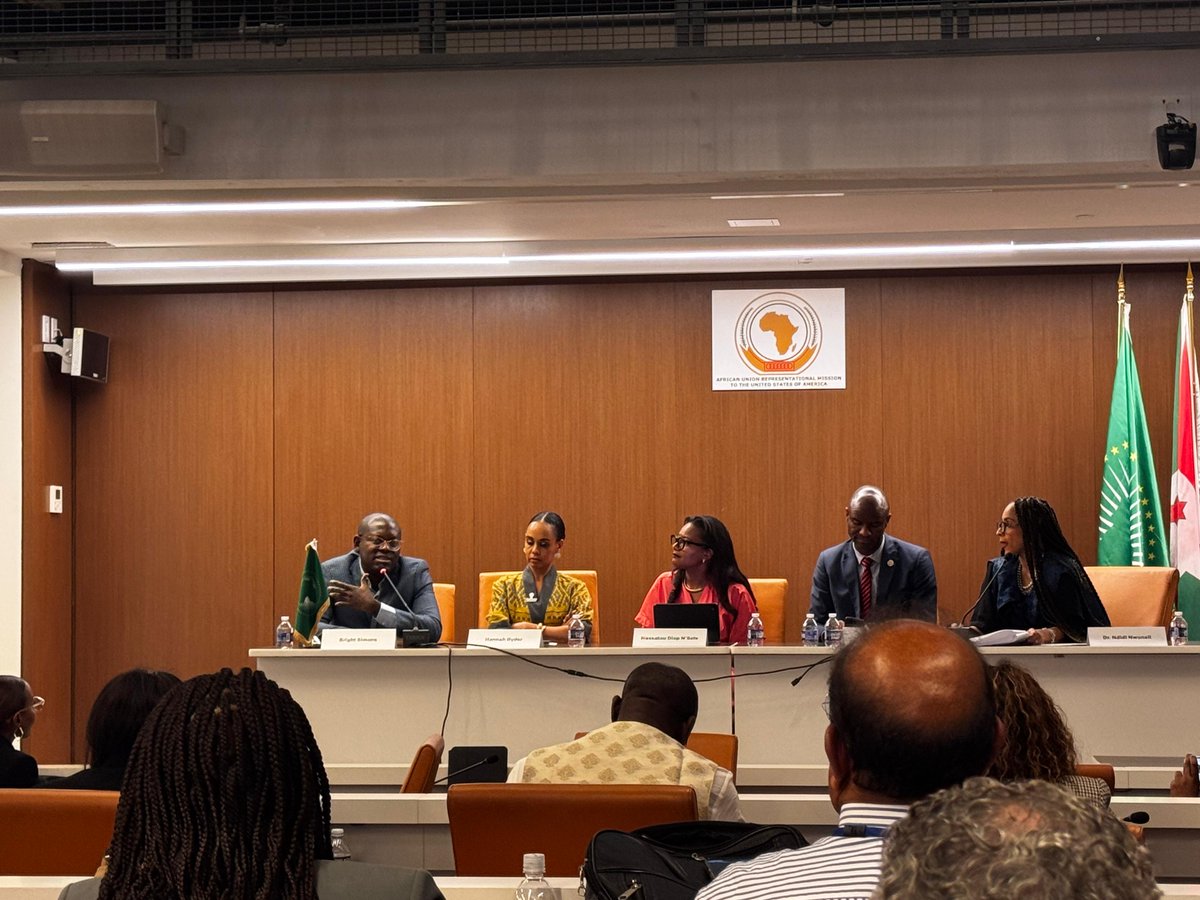
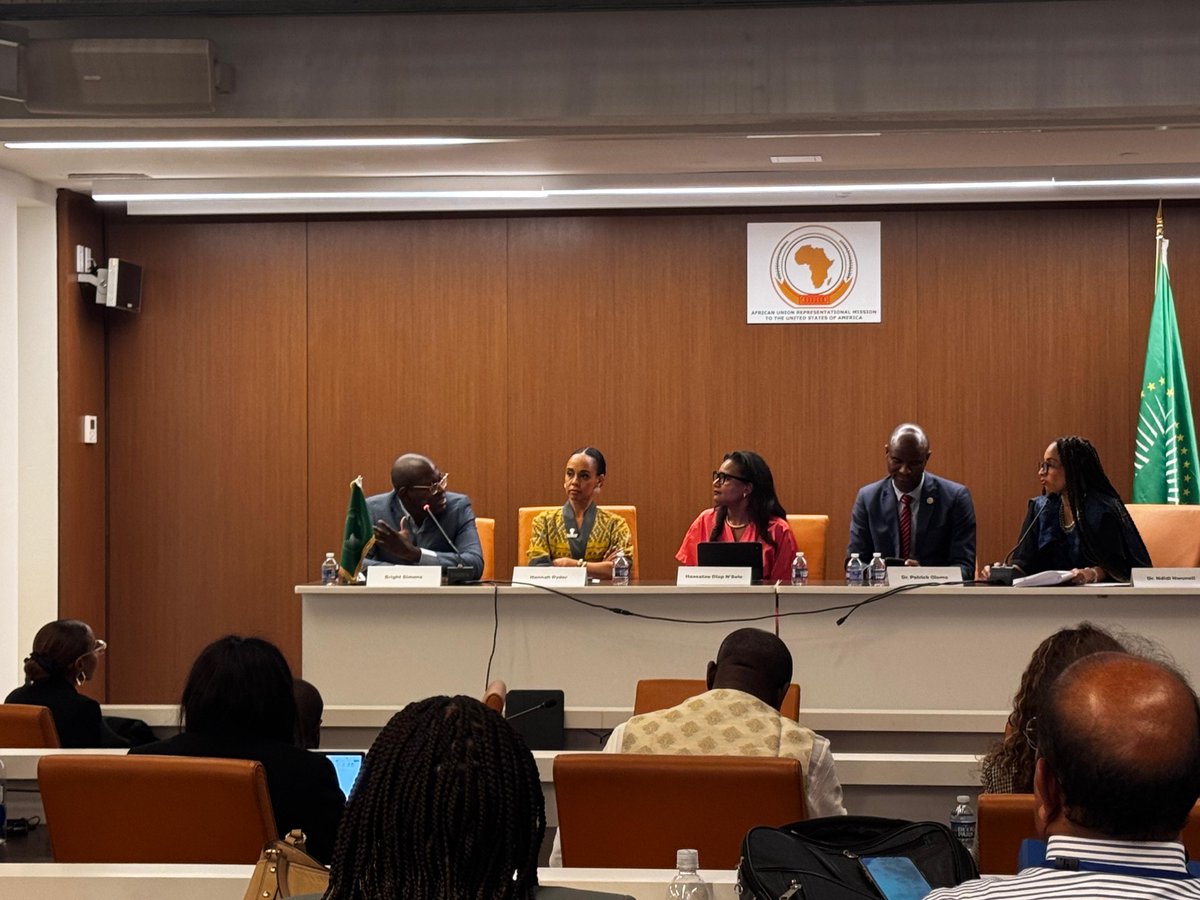
2. At the African Union Mission in Washington, where he joined Hassatou Diop N'Sele of the AfDB, Dr. Patrick NDZANA OLOMO of the African Union, and Hannah Ryder (芮 婉 洁) of Development Reimagined to discuss Africa's geostrategic focuses as various processes pick up momentum to address burning issues such as the debt and cost of capital/living crisis. Expertly moderated by Ndidi Okonkwo Nwuneli.
Bright's one key contribution was that the time of comfortable narratives about Africa's condition that everyone can rally behind is behind us. Most did not lead to sustainable and effective action. We must move towards resolving challenges at the level of uncomfortable detail, where tradeoffs and contradictions are inevitable. On matters such as one currency, one central bank, one credit rating agency, and one payment system, the fragments abound. What remains is the very hard work of piecing together conflicts and tensions, clarity and intuition, and go all in. We must plunge deep or not at all.
Two more days to go!
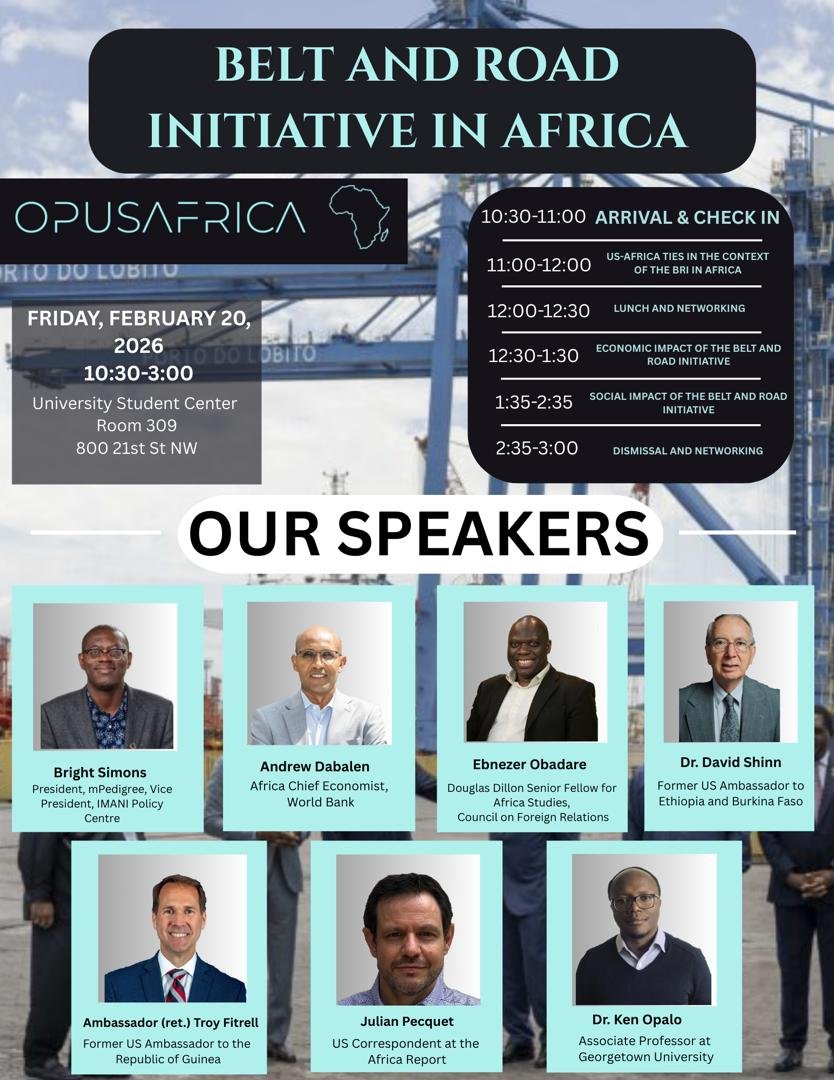
Join our Bright and a group of international analysts discuss and debate the economic impact of China's Belt & Road Initiative at Georgetown University this Friday.