Geologist/oceanographer & national park fan, would rather be outdoors... #NASASocial, JOIDES Resolution & NOAA TAS Alum, science storyteller w/quilts, she/her
Working on processing events of the past 24 hrs and what will take place in the future - so I spent the day today creating a #quilt I've titled "Processing". Also processing that I should move off this platform - find drlauraguertin at bsky/threads/IG
https://t.co/VzmwEJ56y9
Geotweeps! @deepseadawn made a fantastic list of her favorite ocean-themed @ArcGISStoryMaps in a blog post - and I can't find the URL! Anyone have it handy? Thank you!
Congratulations to this year’s winners of the #EarthScienceWeek Photo Contest at @PSUBrandywine! Students and faculty/staff took their photos to match the theme and used Adobe Express to enhance their images. And thanks to the Brandywine Library for displaying our winners!
It was a perfect activity for #EarthScienceWeek - my students connected with @EVNautilus for a ship-to-shore conversation around hydrographic surveying, as well as overall learning about marine technology and living/working at sea.
Scientists still cannot explain the recent spike in global temperatures.
"It’s still pretty much amateur hour in terms of assessing what actually happened," says NASA's top climate scientist, Gavin Schmidt.
Read his conversation with Elizabeth Kolbert:
https://t.co/FKacAVvcWr
Looking forward to sharing this @Chikyu_JAMSTEC video with students tomorrow, learning how preparing for hazards in the coastal zone involves looking offshore and at depth in the ocean #IODP#Chikyu#JTRACK#JAMSTEC
https://t.co/VGrt6Jm9od
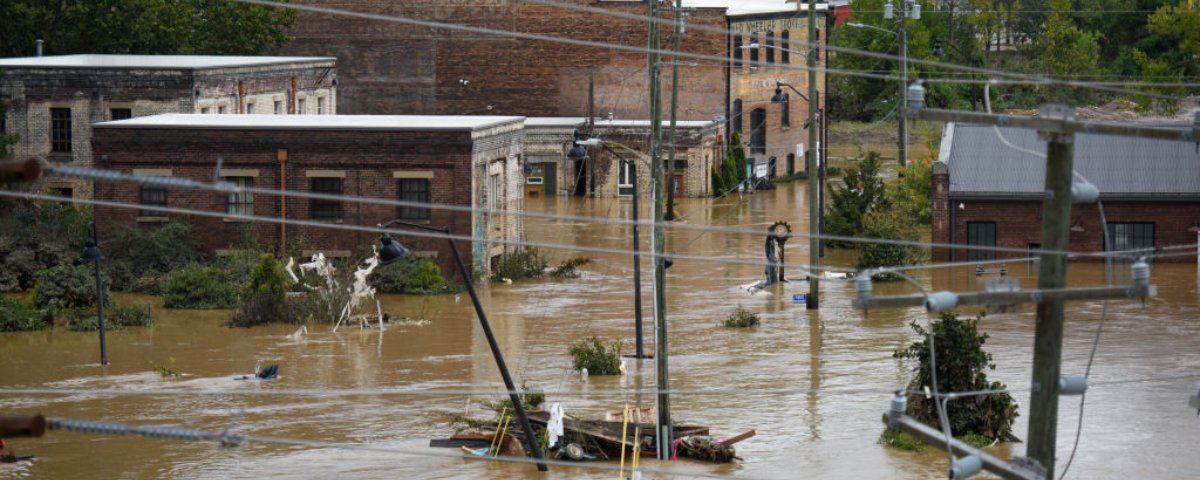
I tried to do an exercise with students this week in my coastal oceanography course, but when I went to the website to finalize assignment details, I found out the data were inaccessible. I showed the site to students, so they can see such wide-ranging impacts from this hurricane
NCEI headquarters in Asheville, NC, has been severely impacted by Hurricane Helene. We’re grateful to report that all employees and staff have been accounted for and all data holdings are safe, though archived data is currently unavailable.
More info: https://t.co/AW3L6NrqAl
Artwork by 13yr old Slovenian student Anja Rozen, chosen from 600,000 children around the world to create a piece of art to show what #peace looks like.
“My drawing represents the land that binds us and unites us.”
(via EnmaK Fb)
As the #IODP program/@TheJR concludes, it's important to reflect upon how we got here (CUSS 1, Glomar Challenger, JR) & know we will continue forward. In the words of Harry Hess, "It is too important a scientific project to be relegated to the next decade"
https://t.co/LorUT33K8e
It's time to celebrate the amazing achievements of the International Ocean Discovery Program (#IODP) - which officially ends today.
Over the week, we'll highlight some of the monumental ways that IODP has contributed to our understanding of the world around us.
Stay tuned!
I'm not sure why there is a spike in the number of people looking at this blog post the past couple of days... but for those that still haven't seen it, learn the history behind the JOIDES Resolution (@TheJR) mascot, Patrick the Safety Penguin!
https://t.co/cEI54YiKXf
Today, my team announced our open educational resource on scientific ocean drilling during our talk at #GSA2024! The first 1/3 of the #OER is now available on @pressbooks & includes some history about #SciOD, drilling vessels, video/audio/H5P & more!
https://t.co/TY3E9g2hEz
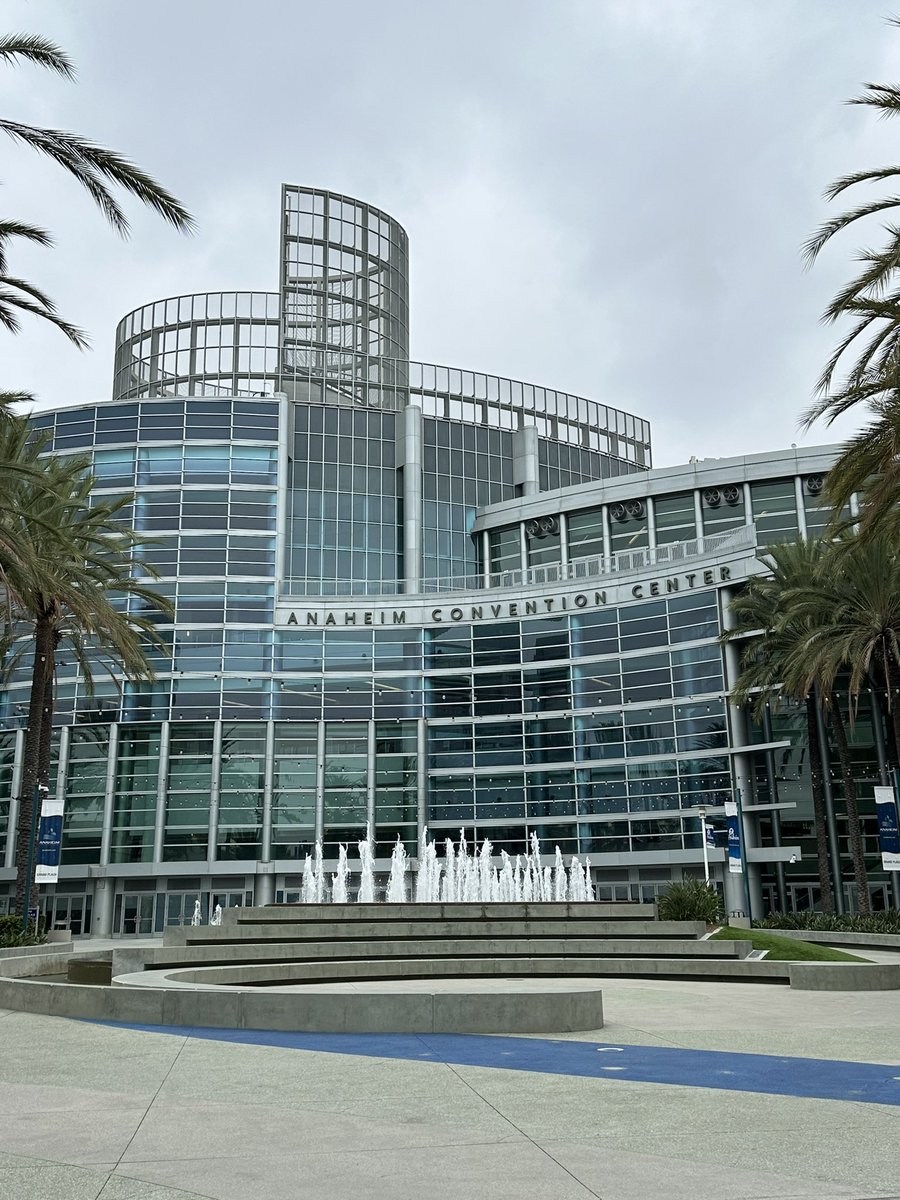
So far, this is the only spot in Anaheim I haven’t seen anyone wearing mouse ears - but I’ve only been in the Convention Center to pick up my name badge so far. Let’s see if any ears appear when #GSA2024 kicks off its technical program tomorrow….
“Challenger was one step in a gradual evolution from “ship as instrument” to “ship as laboratory.” But in recent years… many ships today are now “invisible technicians”” - it’s fascinating to reflect upon how the process of science at sea has changed through time
Sailing ships were once used as scientific instruments themselves, but in the 1800s, ships like the HMS Challenger were transformed into floating laboratories. https://t.co/HLoMdY6Q2s