Enslaved and free Black men formed the backbone of the American colonies' maritime industries. This work offered enslaved men unique autonomy and provided free Black men with pathways to financial independence, political agency, and community leadership. #SC250#America250
Gullah is closet to Bajan. The British who successfully colonized what is now South Carolina, and brought their trafficked and enslaved workforce with them, came from Barbados. The slave codes instituted in South Carolina were primarily modeled directly after the Barbados Slave Code of 1661 (and its subsequent 1688 revision). https://t.co/SQMVxSgR59
Amazing food to “nyam” at the Penn Center Heritage Days on St. Helena Island! The brother from Burkina Faso who made this shrimp dish done did that thing!!!! Drink some sorrel—spiced hibiscus tea—from Kidogo Farms with it! Stop by today or Saturday for food, culture, and more! https://t.co/0TPGZh6xVs
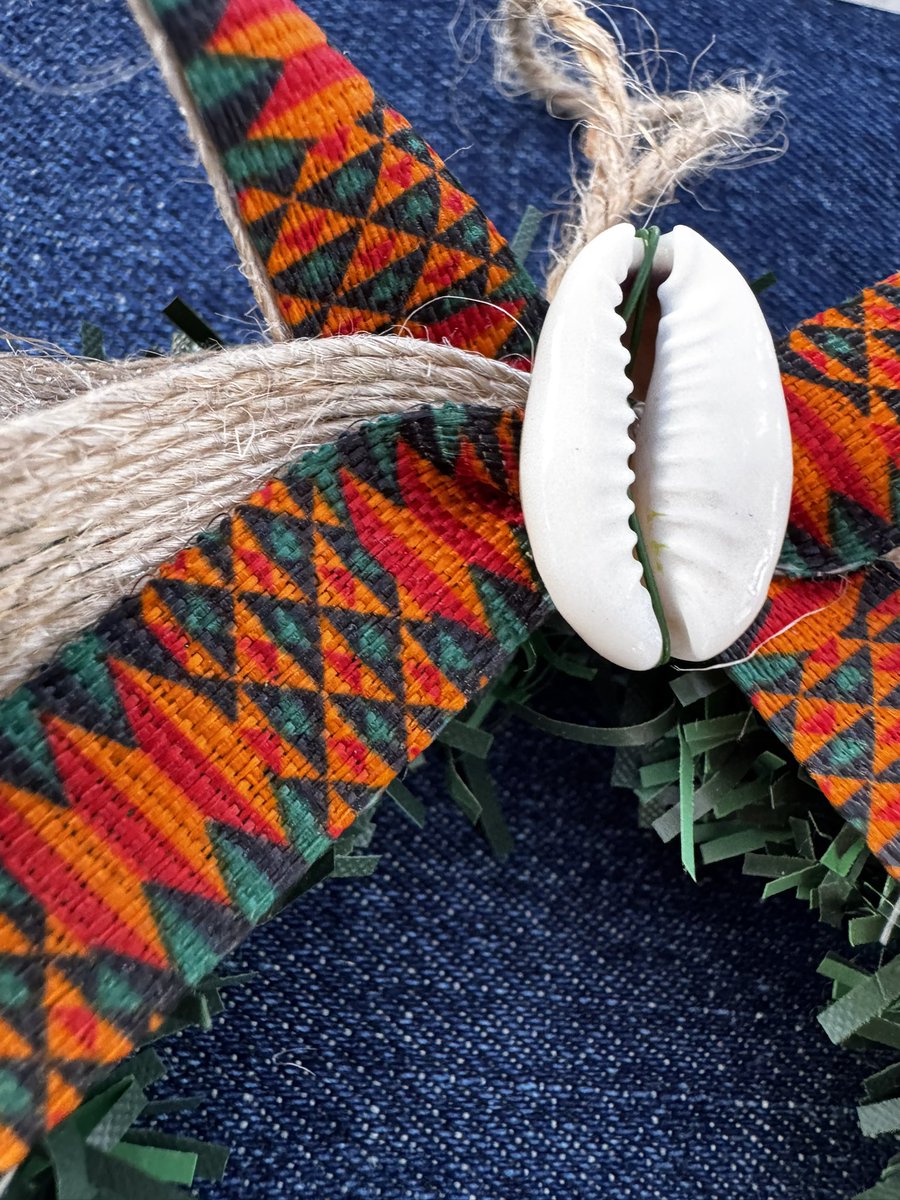
We’re doing the Penn Center Heritage Days 42nd Annual Celebration takes place from November 12–14, on the historic campus at 16 Penn Center Circle W. on St. Helena Island, South Carolina. We hope to see you there! I’m working on Christmas/Kwanzaa ornaments, cameos, Krobo bead necklaces, and cowrie shell jewelry! Should I add cowrie shells to the ornaments?
Happy Birthday to the handsome man profiling in the dark shirt—that’s our father Andrew J. Rodrigues, J.D., co-founder of the Gullah Museum. He would have been 90 years old today. He was a brilliant speaker, researcher, amateur historian, and Gullah Geechee culture warrior. This is one of my favorite photos of him sitting with my mother and their friends on Cape Cod in the early 1960s. Daddy was a Roxbury boy from Boston—if you know you know—but he came down to South Carolina on a track scholarship in the 1950s, fell in love with Vermelle “Bunny” Smith, and the rest is history. They moved to Boston after graduation, and had the first of four girls. Bunny was a high school home economics teacher, while he worked as a chemist for the FDA, but that wasn’t where his heart was. He went to night school at Suffolk University Law School in Boston. This photo is a moment in time in a life well lived—we miss him, his dry New England wit, and the way he looked over his glasses at us when he was about to use it.
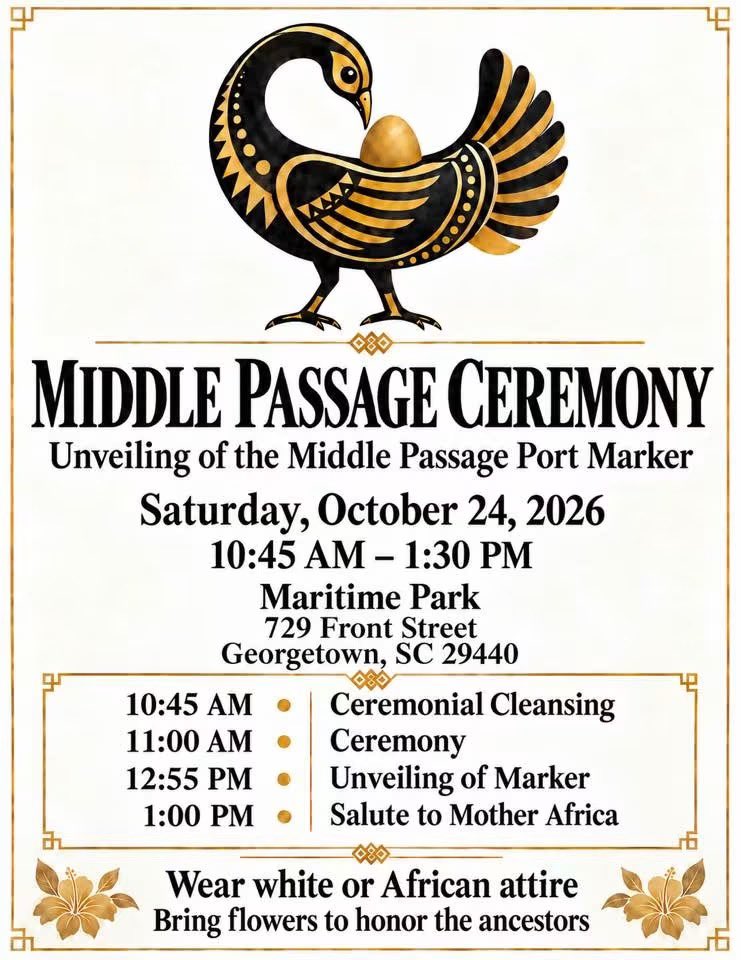
Celebrate the installation of Georgetown’s Middle Passage Port Marker at 10:45 am on Saturday, 10/24, and commemorate the lives lost during that treacherous journey across the Atlantic Ocean. The city’s historic recognition as an official UNESCO Middle Passage Port Marker site has been a year in the making.
An estimated 2 million Africans perished during the Middle Passage. Lives were lost to slavers’ violence, disease, and despair—the names of the dead were largely unrecorded. The Atlantic has been referred to as the largest gravesite in history or the largest crime scene.
Georgetown was once one of the most important ports associated with the rice economy and the forced migration of Africans to the U.S. The installation of a Middle Passage Port Marker publicly acknowledge this history while honoring the lives, resilience, and cultural legacy of the Gullah Geechee.
The Middle Passage Marker Ceremonies and Port Markers Project is a national initiative developed to acknowledge and memorialize sites connected to the Transatlantic Slave Trade. The project places permanent markers at significant ports where enslaved Africans were brought to the Americas.
For centuries, the stories of the Africans who arrived through ports like Georgetown have been underrepresented in public memory.
The Middle Passage Port Marker downtown on the river will help ensure that their history, sacrifice, and cultural legacy are permanently recognized.
HAPPENING TODAY: Join us for “1526: African Arrivals — The Afrofuturism They Set in Motion” with Sara Makeba Daise, MA, at 5:30 pm today, 10/22, at the Georgetown County Library, 405 Cleland Street in Georgetown, SC!
Sara, (she/her), is a Black, queer, fifth-generation Gullah-Geechee writer, public historian, griot, healer, and energy worker from the South Carolina Lowcountry. The daughter of storytellers, culture bearers, and Gullah Gullah Island stars Ron and Natalie Daise, Sara is the author of “Sankofa Shadow Work” and “Be Here Now: The South is a Portal.”
As a cultural worker, Sara explores the intersections of Afrofuturism, Literary Hoodoo, ancestor elevation, Black queer erotics and desire, and African Diasporic rituals—particularly in the South.
Join us for an evening connecting African arrivals, ancestral knowledge, and the futures they set in motion.
SC do you know where your photo ID is? Early voting in SC starts tomorrow, Monday, October 19, and ends Saturday, October 31. SC residents can cast their ballot at any early voting center in their county during the early voting period. Early voting centers are open 8:30 a.m.- 6:00 p.m. (Monday-Saturday). Click on the link to find early voting sites in your county. https://t.co/qr1zue9O5v
Dropped by Fandom Fest 2026 today, 10/17, from 11:00 AM to 5:00 PM at the Southern Georgetown Community Library located at 4187 Powell Road, Georgetown, SC! They have exhibits on Star Wars, old Hollywood, vendors, and more! Stop by and getcha geek on! #StarWars#LARP#fantasy
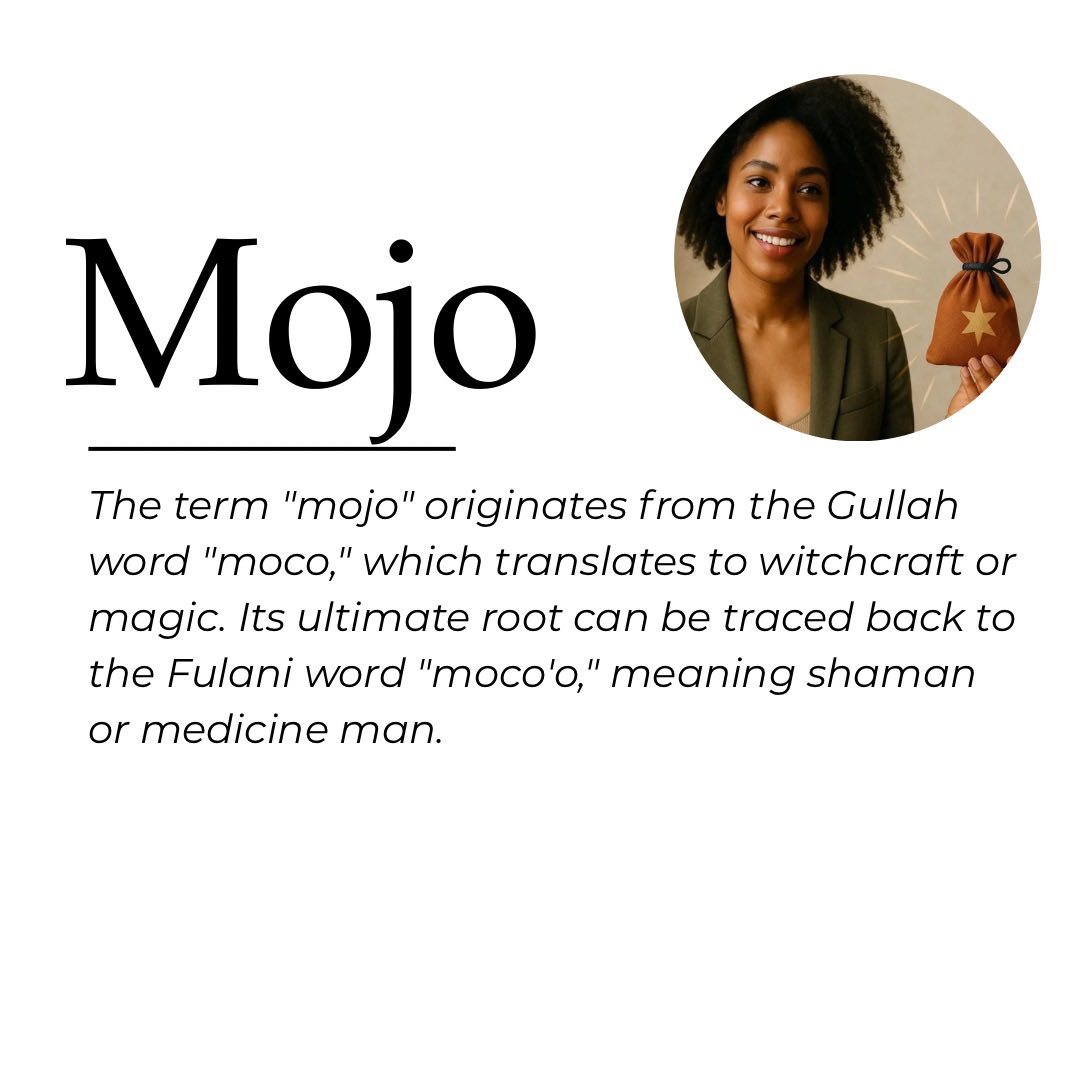
Your Gullah word of the day is “Mojo!” It originates from a specific Fulani word—moco'o—for a shaman, medicine man, or traditional healer specializing in spiritual remedies and esoteric knowledge. In Gullah, mojo means magic, a spell, or a charms bag. It’s one of the many Gullah words that made its way into standard American English.
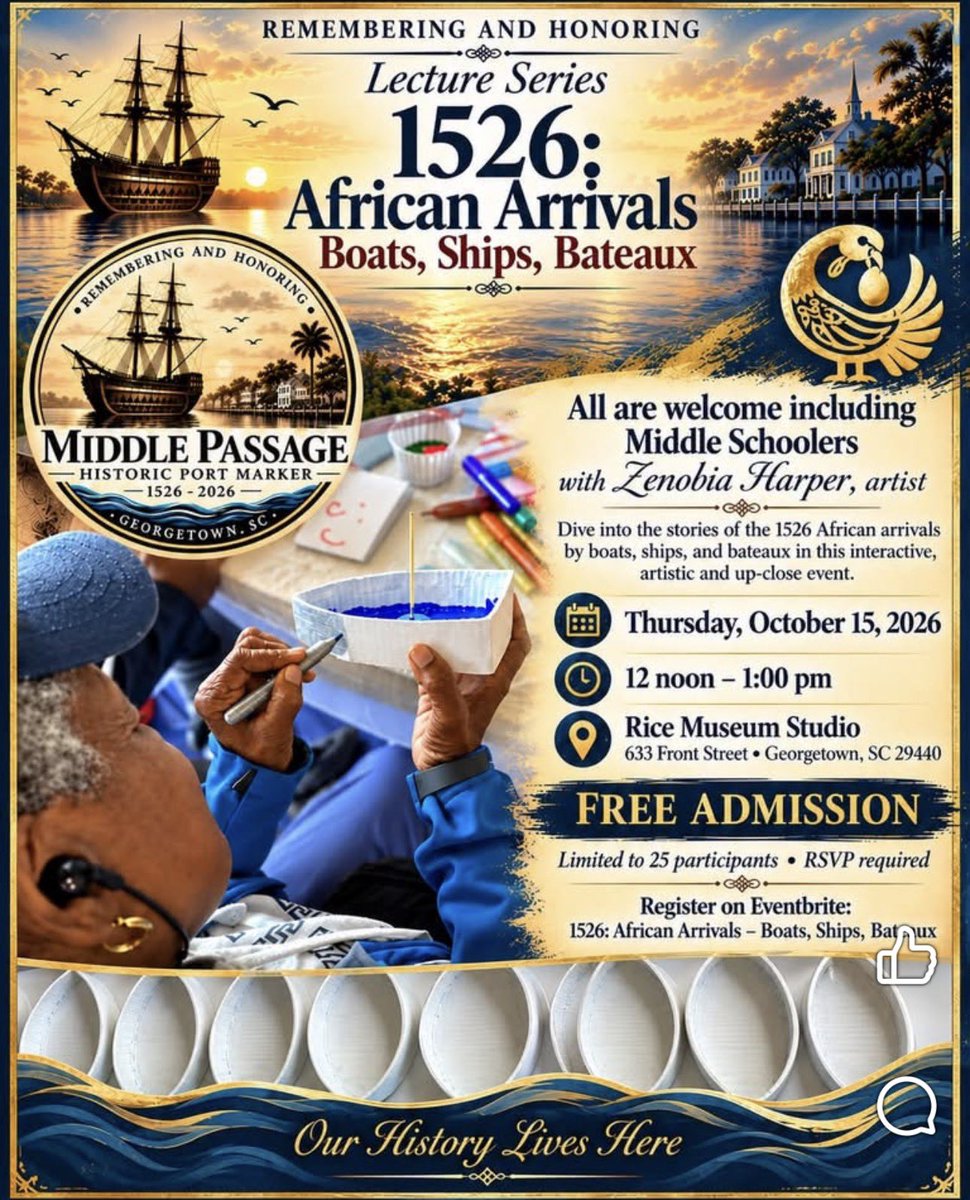
A "Remembering and Honoring" Lecture Series Event: 1526: African Arrivals – Boats, Ships, Bateaux. Join us on Thursday, 10/15, from 12-1 pm, for an insightful dive into the story of African arrivals back in 1526. This lecture series is part of Georgetown’ss Middle Passage Historic Port Marker Unveiling celebration!
Discover the journey across boats, ships, and bateaux, exploring the rich history that shaped these early voyages. Whether you’re a history buff, artist or just curious, this event promises a fresh, engaging hands-on perspective.
Don’t miss out on connecting with history firsthand! wine tastings hosted by 5th Ave Wines and Spirits. REGISTRATION REQUIRED!
Date: Thurs: 10/15/26
Time: 11:30am-1pm
Location: The Rice Museum
633 Front Street Georgetown, SC
https://t.co/MzaMo5W4Tz
Foodways Historian Julian Barrett Gooding is giving a talk at the Rice Museum right now on “The Foodways They Sustained,” a program on Gullah Geechee food traditions, a live cooking demonstrations, and small food tastings designed to highlight how African agricultural knowledge and traditional cooking techniques reshaped Southern cuisine and continue to sustain communities today.
I just learned that dry spices should be added to the oil and not the liquid when making a dish. And gumbo literally means “to thicken.” In Gullah, “gumbo” means okra, which is used to thicken the stew. The rice he’s making smells amazing!
This month marks The 500th anniversary of the arrival of the first recorded enslaved Africans to what is now Winyah Bay near what would eventually become the city of Georgetown, SC—where or museum is located.
Less than 35 years after Christopher Columbus’s first voyage, the actions of Spanish colonists incited what was perhaps one of the earliest rebellions of enslaved Africans anywhere in the New World, writes historian Daniel C. Littlefield, PhD, in the forward for “Yes, Lord, I Know the Road: A Documentary History of African Americans in South Carolina, 1526 - 2008.”
Much is made of 1619 as being the arrival of enslaved Africans, but that was to English North America. In September 1526 there was what would became San Miguel de Gualdape—a short-lived colony of about 600 people was in Spanish North America.
The colony included sailors, Spanish colonists (including women and children), several priests, enslaved indigenous people, and some 100 of the first African people documented to be brought to this land—taken either directly from West Africa or through the brutal slave markets of the Caribbean.
The expedition was led by Lucas Vasquez de Ayllon, who had permission from the Spanish crown to establish a colony in North America. But the leading ship smashed into a shoal, an underwater sandbank, becoming grounded on the shifting sands that makes parts of Winyah Bay a nightmare to navigate.
Supplies were now scarce due to the loss of the flagship and its cargo in the shallows of Winyah Bay. The wreck was an omen of the unraveling to come. After abandoning an attempt to create “New Andalusia’s” first settlement, the colonists traveled south along the coast to try again.
Scholars place San Miguel de Gualdape at various sites along the coast of South Carolina and Georgia, but only an archaeological discovery will resolve this debate. (We’re going with the colony moving south along the South Carolina coast to Beaufort and Port Royal Sound area.)
In these harsh conditions, the colonists soon began to sicken and die. De Ayllon was among those who perished. After his death, some of the Spaniards mutinied and imprisoned the town’s authorities. The Africans set fire to the leader’s house, and they killed some colonists.
By mid-November 1526 the colonists had abandoned San Miguel de Gualdape. Of the expedition’s initial 600 participants, only 150 survived.
This doomed expedition predates the arrival of the first recorded enslaved Africans in Point Comfort, Virginia, in English North America by nearly 100 years, and the Pilgrims at Plymouth Rock, Mass., by 94 years.
Modern historians have identified between 250 and 313 total uprisings and planned conspiracies spanning from the colonial era through the Civil War in the continental U.S. And the first—and perhaps only successful one on what is now U.S. soil—was by the African freedom seekers of the San Miguel de Gualdape settlement.
There is no record of what happened to the Africans. We do know that they weren’t included in the ship’s manifest for the return trip back to Spain. They may have lived with the indigenous people or started a maroon community of their own.
Sources:
https://t.co/t5nwCibJTu
https://t.co/F4i0dlwhhv
https://t.co/BG0Zh4LCyY
https://t.co/0qQiZqtpqo
https://t.co/ogTOHXI8xI