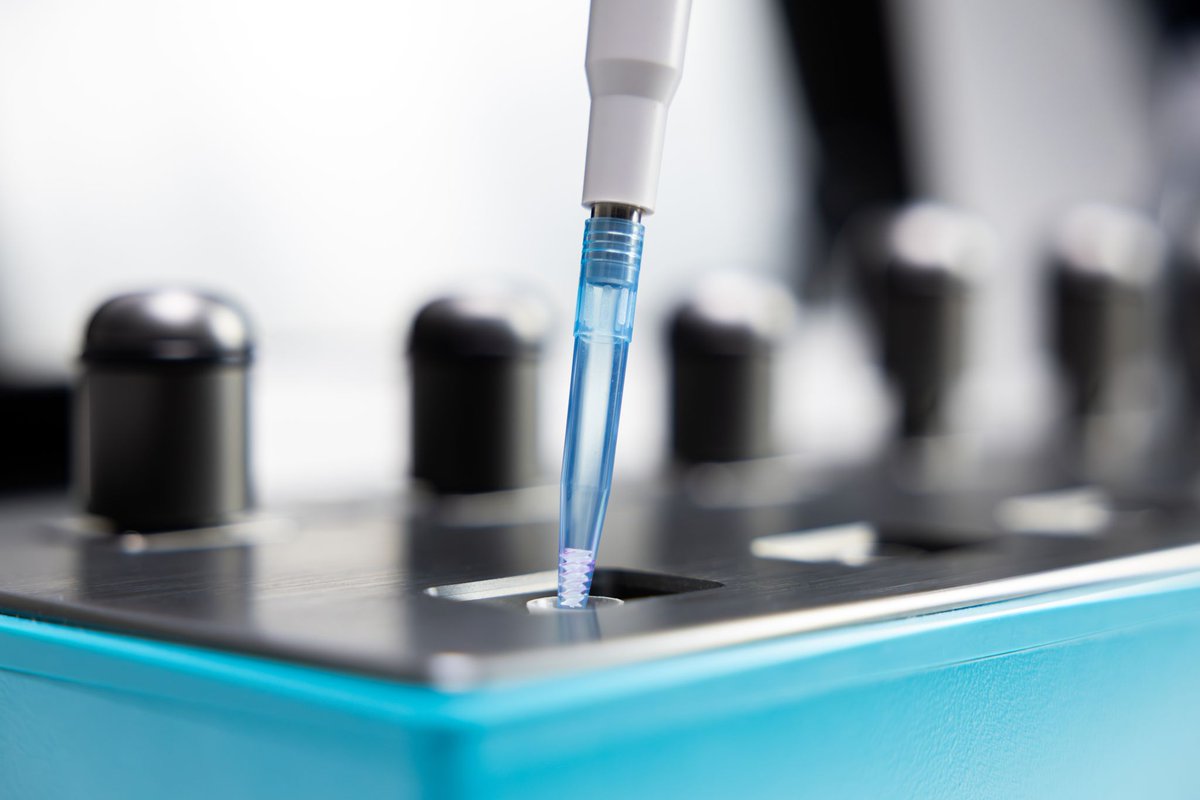
It’s exciting to witness and be part of another exceptional #viscoelastic testing platform making its mark on the market.
#MultiClot from APIRO Diagnostics Kft. represents years of collaboration, dedication, and innovation from a diverse international team
The #ClotPro guided algorithm by Hofmann et al. for managing haemostasis in bleeding #trauma patients sounds like a significant development. Such algorithms have the potential to enhance decision-making in critical scenarios. What are the main advantages over existing methods? Discussion around this could greatly benefit us on Sci-Quest, a platform designed for all your biomedical queries and comprehensive reviews: https://t.co/4Y9Imt8uIJ. #Medicine #TraumaCare
How confident are we really in anti-Xa monitoring? advance this field through collaborative research using #Multiclot viscoelastic assays, to better understand real-time coagulation dynamics and support more individualized anticoagulation strategies in ECMO.
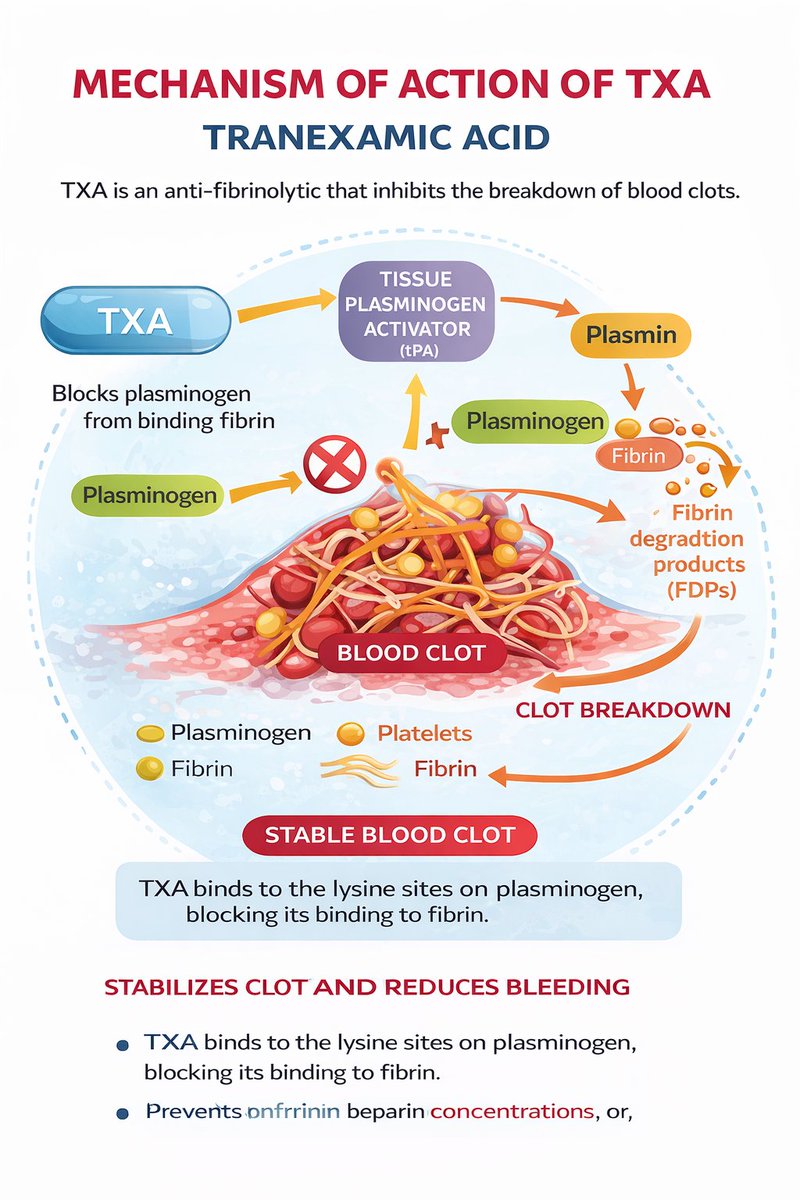
Triple-Bolus vs Continuous TXA in CABG – Does Dosing Strategy Matter? https://t.co/CdDA6N9LMJ Australia offers outstanding opportunities to collaborate in cardiac surgery, haemostasis, and viscoelastic testing research.#multiclot#txa#fibrinolysis#Research
A story of innovation, passion and medical value continues. It has been a privilege to support Andreas’s innovations. The journey is not only a testament to technological excellence but also to the persistence of a vision to make a difference #calatzis#multiclot
A privilege to be given the opportunity to talk at ISTH #ISTH2024 Especially in the same session as the Excellent Prof’s Brohi @karimbrohi and Curry @nicola_curry Thank you 🙏🏼 @isth
Elucidating the molecular mechanisms of fibrinolytic shutdown after severe injury: The role of thrombin-activatable fibrinolysis inhibitor https://t.co/5TK52WVfel
Venous thromboembolism (VTE) is a major problem in trauma patients and earlier prophylaxis is thought to be better.
But how much better is it?
Should 'door-to-prophylaxis' time be a quality metric for trauma centers?
Van Gent et al explore this:
➡️https://t.co/Pv5wzvECuH
AAST 2023 Podium. Out today in @TSACO. Incredible work by @MikeVanGent1 showing every 1-hr delay in initiation of chemoprophylaxis was associated 1.5% increase in VTE
From the same peeps that told u NOACs were better, didn’t need antidotes, didn’t need labs.
⬆️ clot events, ⬆️ ischemic stroke, no diff in modified Rankin or 💀 in 30d
Andexanet for Factor Xa Inhibitor–Associated Acute Intracerebral Hemorrhage | NEJM https://t.co/9iTkcdtDry
📷
Using #ClotPro#TPAtest, patients undergoing cardiac surgery who demonstrated an association between the severity of fibrinolysis resistance on the first post-operative day, required extended postoperative ICU level support. Check out the study:https://t.co/pM8wQuWosS
Good to see #clotpro becoming integrated into widespread use . Being able to incorporate the device specific tests makes it top of its class https://t.co/hwiY50jIU6
Fibrinolytic shutdown (versus hypofibrinolysis) = plasmin burst followed by diminished fibrinolysis. After thrombin and plasmin burst, fibrinolysis is inhibited, mediated by increased TAFI
@JuliaColemanMD@OhioStateSurg@CUDeptSurg@mitchelljayc#TAFI
https://t.co/CiZBTifGFk
Investigators include:
Prof Robert Medcalf and Dr Charithani Keragala,Dr Luis Schulz, Dr Scott D'Amours,
Prof Zsolt Balogh ,Prof Manoj Saxena,
Prof Steve Frost, Epidemiologist
A/Prof Kenny Lawson, Health Economist
Dr David Rabbolini, Haematologist
This research team developed and published a way to rapidly assess and guide treatment of this condition by adapting approved bedside technology. This project aims to validate this method,
Great to be back for 2024. It has started with some great news. Dr Lucy Coupland has been awarded a National Health and Medical Research Council (NHMRC) Ideas grant for the project '#Fibrinolysis Resistance in the Critically Ill'.
Project Summary in Plain English:
Our body has a system to break down clots, but in critically ill patients, such as those suffering severe infection or trauma, the system becomes disordered potentially resulting in extensive blood clot formation, organ damage and death.
With the support of #UNSW Medicine & Health and the #Ingham Institute for Applied Medical Research for the project '#Fibrinolysis Resistance in the Critically Ill'. Prof Anders Aneman, Senior Intensive Care Clinician and ICU Research Director at Liverpool Hospital.