Thank you, dear book lovers, for making my book, #ForTheRecord, a best-selling tome in this year. I enjoyed the chats, the signing sessions, and your incisive questions about my story of political betrayal, legislation, nation-building, and leadership. I have received the invitations for additional book-signing sessions and for conversations with fellow authors. As soon as I get some breathing room, I will honour those. For now, I just want to say a big big thank you to all of you!
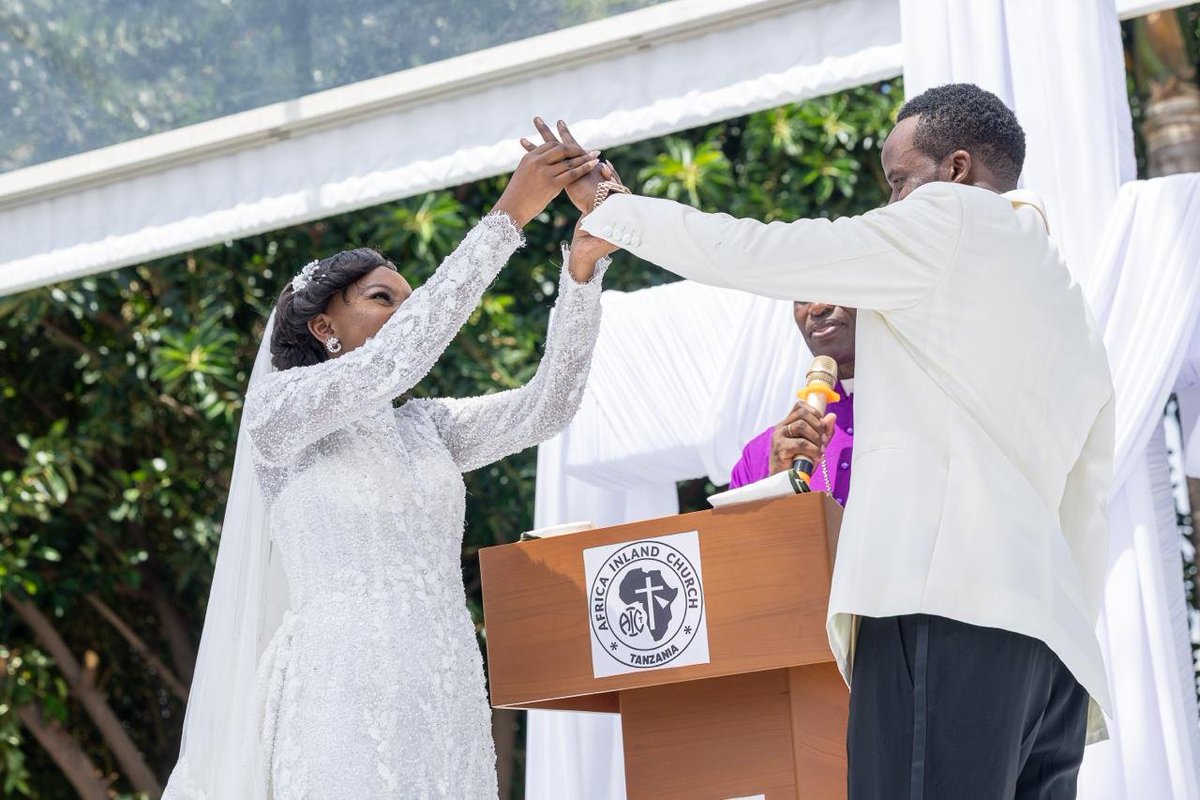
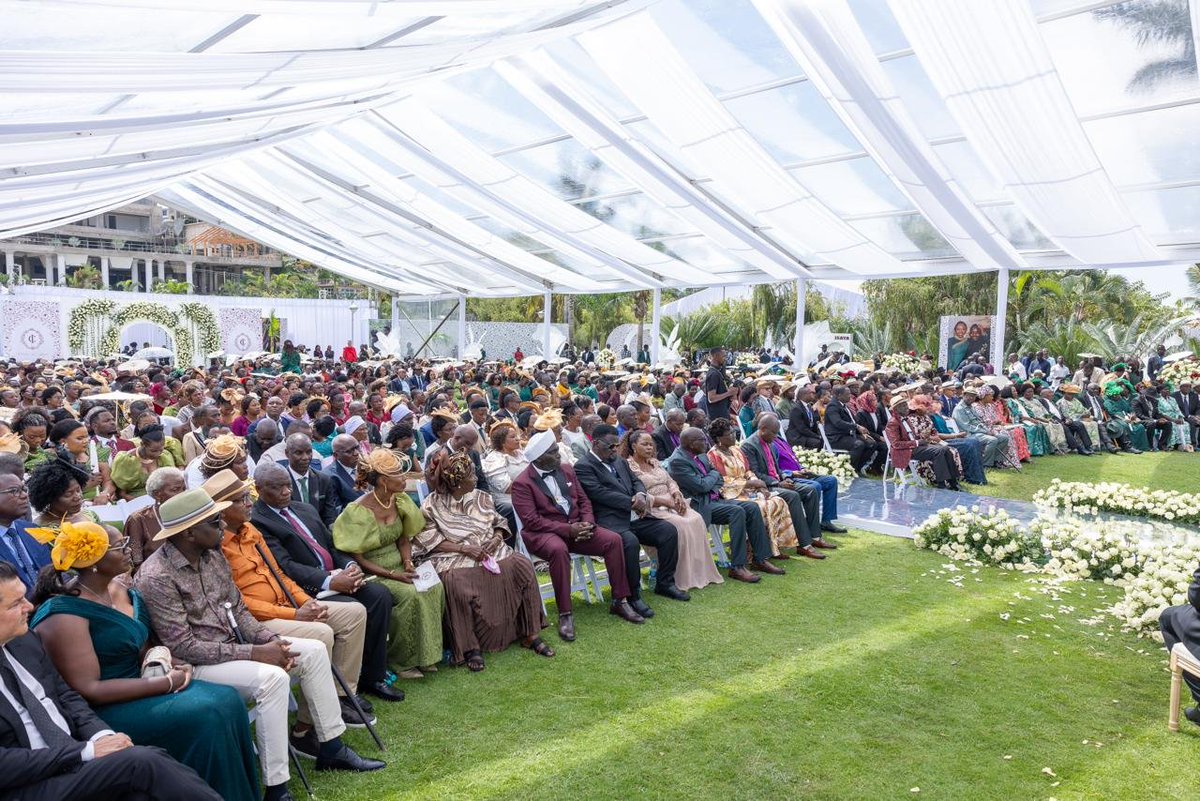
There is a special kind of joy in giving your child's hand in marriage. It is the beautiful realisation that the little hand you once held, guided and protected is now being entrusted to someone who will walk beside them through life.
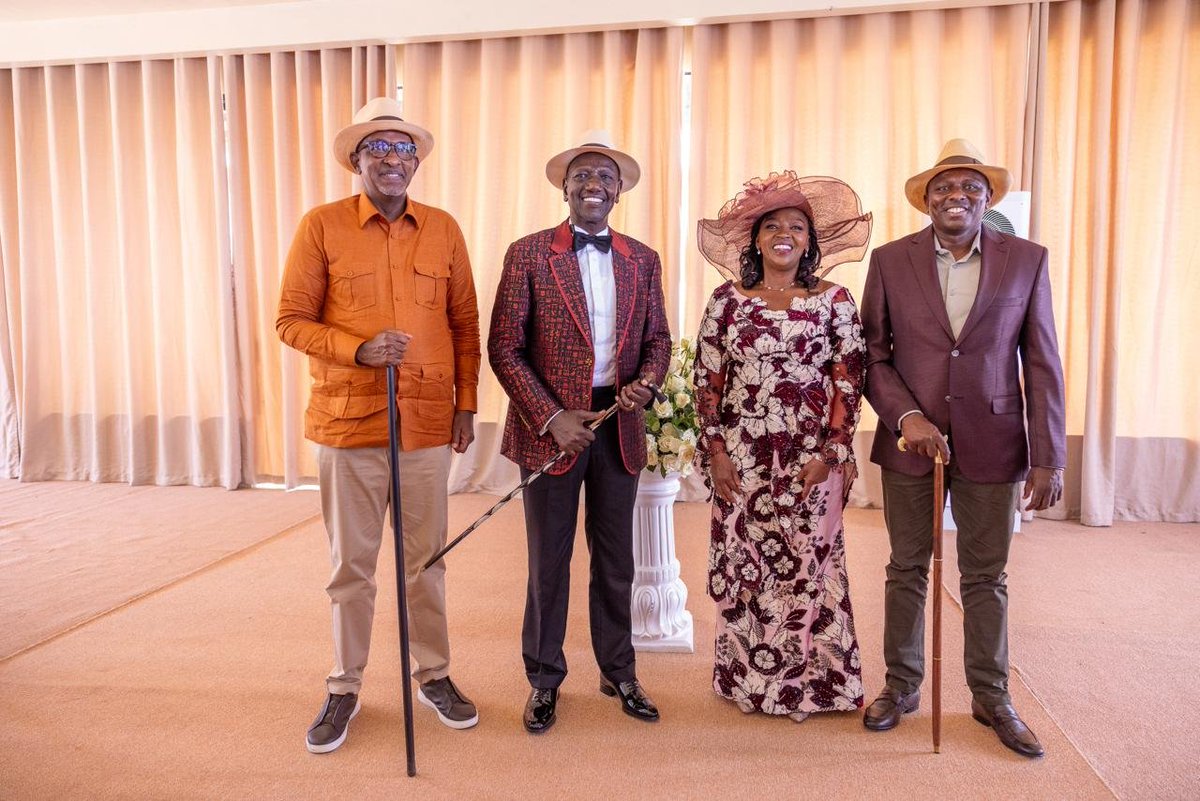
Shared in the joy of H.E. President @WilliamsRuto and the First Lady, H.E. @MamaRachelRuto, as they celebrated the marriage of their daughter, Charlene, to Isaya Yunge in Mwanza , Tanzania. Charlene is a special girl to the family as I knew her many years on my political journey with my boss , her dear Dad
May their union be filled with enduring love, grace and countless blessings.
May every chapter you write together be more beautiful than the last. Congratulations to the lovely couple!”
Wrapped up my official visit to Botswana with an engagement at the Kenyan Embassy in Gaborone, where I was hosted by H.E. Amb. Sabdiyo Dido Bashuna and the embassy team.
I commended the staff for their service and urged them to pursue new opportunities for cooperation in trade, health innovation, education and technology.
I also emphasised the strong ties between Kenya and Botswana, calling for broader collaboration in digital solutions, agri-tech and skills exchange, building on the momentum of the high-level malaria dialogue.
Amb. Bashuna reaffirmed the mission's commitment to deepening bilateral relations and highlighted ongoing efforts to promote investment and people-to-people ties.
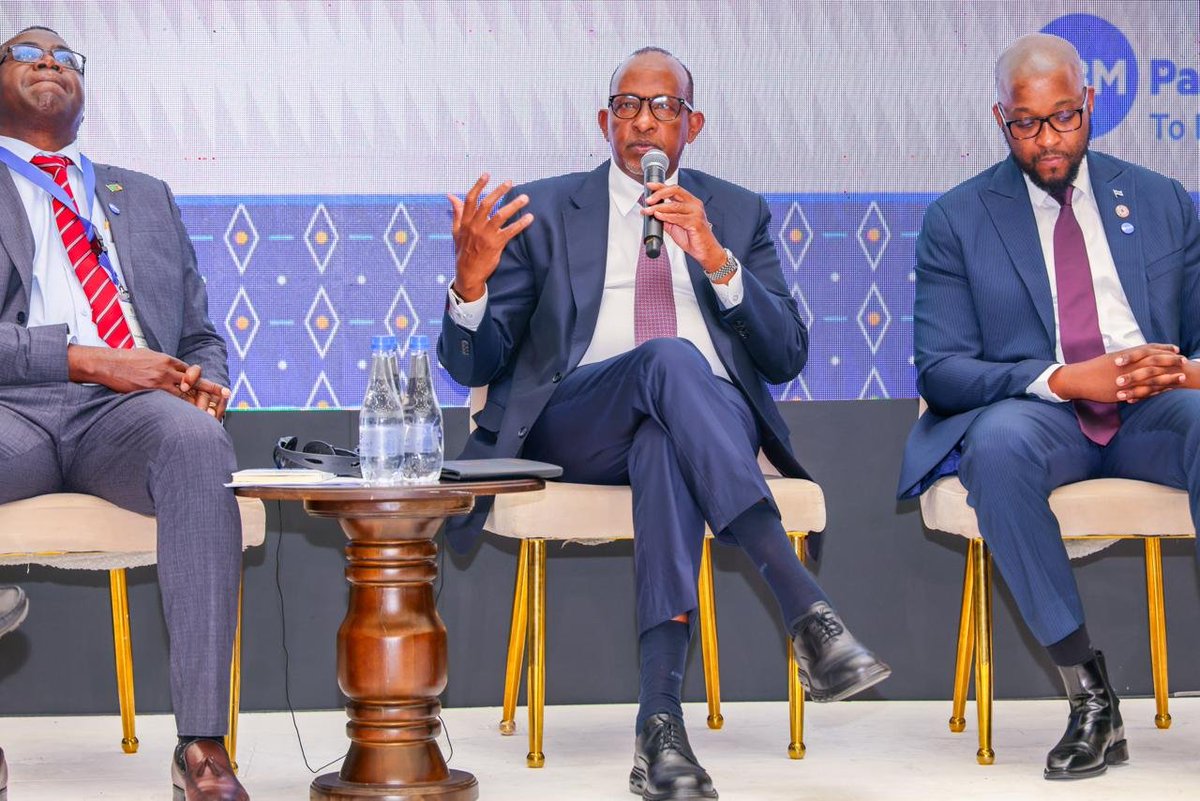
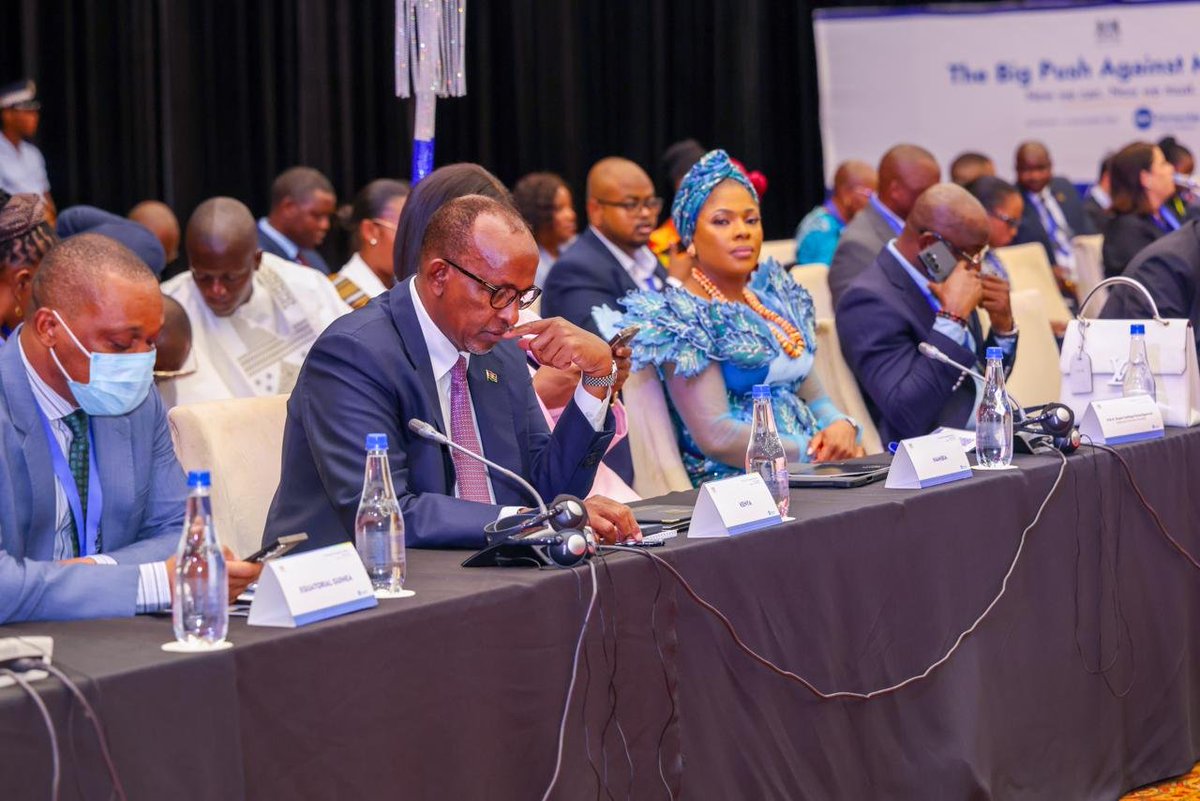
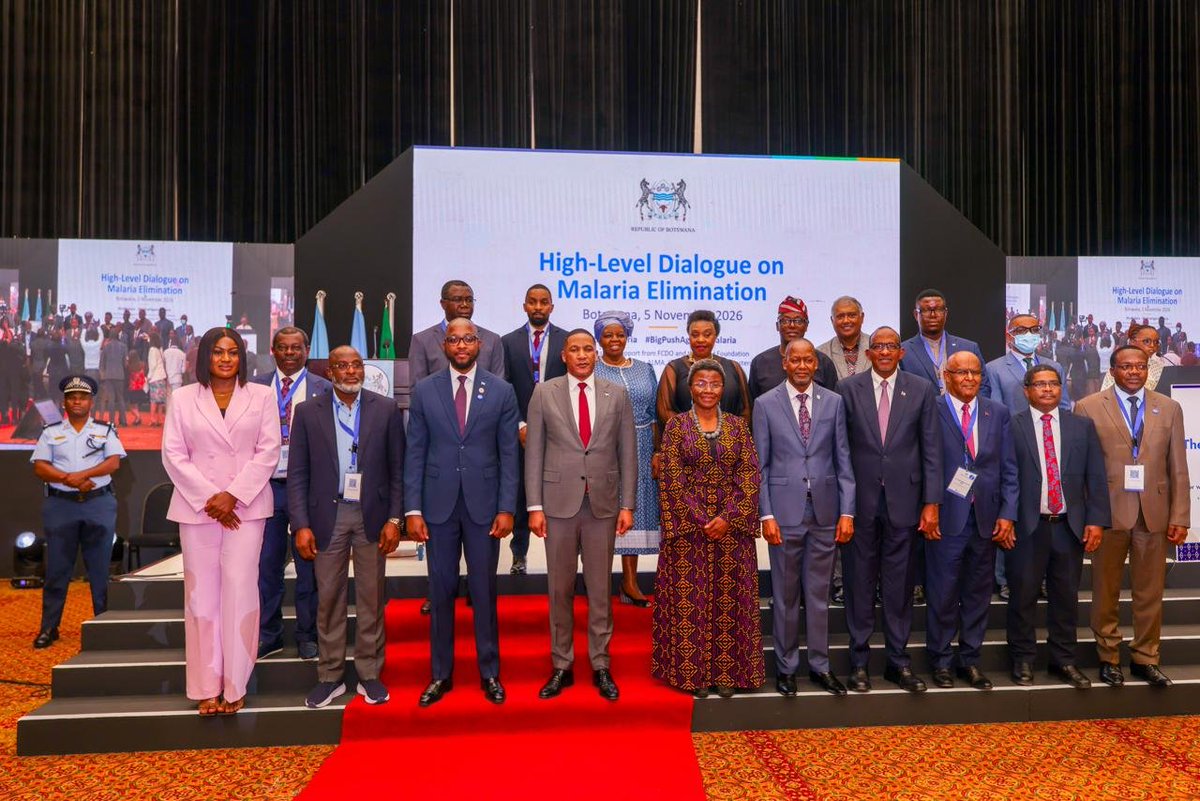
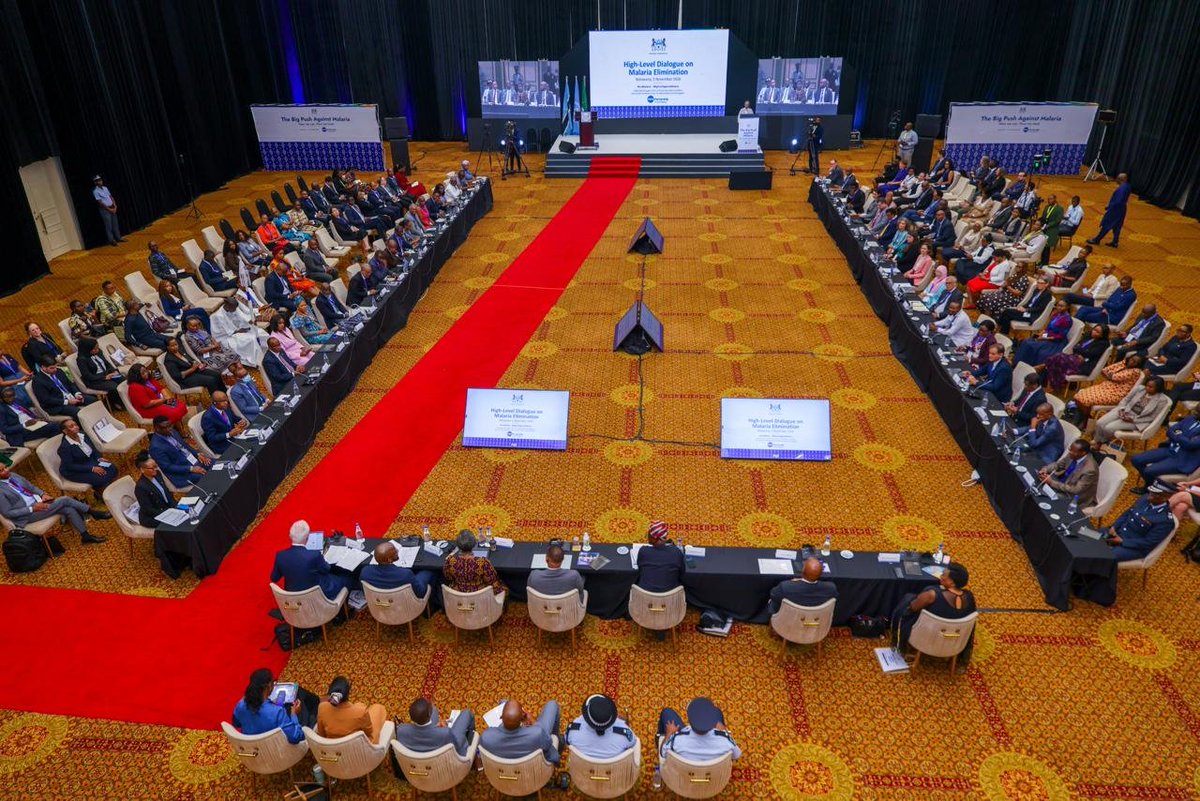
Representing H.E. President William Ruto at the High-Level Dialogue on Malaria Elimination in Gaborone, Botswana, I joined fellow African ministers in a panel discussion on accelerating malaria elimination through increased investment, stronger partnerships and local manufacturing of essential health products.
I called on African governments to translate political commitments into action by strengthening domestic resource mobilisation and taking greater ownership of the malaria response amid declining international financing.
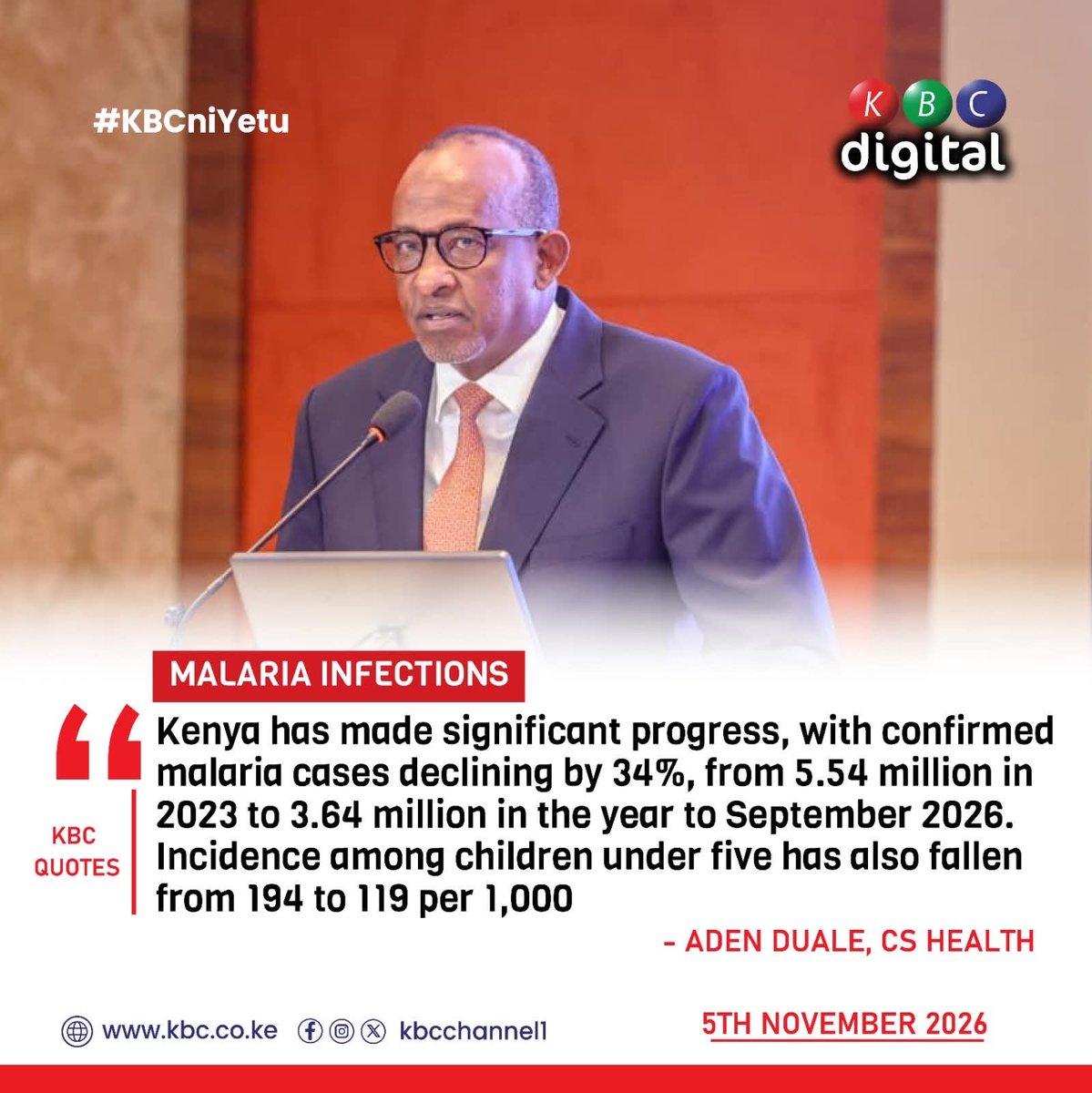
I highlighted Kenya's progress, with confirmed malaria cases falling by 34%, from 5.54 million in 2023 to 3.64 million in the year to September 2026, while incidence among children under five declined from 194 to 119 per 1,000. However, the annual financing requirement of KSh17.7 billion against KSh2.66 billion available this year leaves an 85% funding gap.
Kenya is integrating malaria interventions into its Universal Health Coverage (UHC) reforms, strengthening community health services, primary care and digital surveillance. We are also addressing drug resistance through multiple first-line therapies and enhanced pharmacovigilance.
I underscored the importance of African health sovereignty, highlighting Kenya's target of producing 50% of essential health commodities locally. Nairobi also hosts large-scale production of spatial repellents, which have demonstrated an approximately 33% reduction in infections in trials.
I urged participants and partners to prioritise African-made mosquito nets, medicines and diagnostics, strengthening local industries and advancing the continent's path towards sustainable malaria elimination.
The panel was moderated by Dr. Michael Adekunle Charles, Chief Executive, and brought together Dr. Stephen Modise (Botswana), Dr. Esperance Luvindao (Namibia), Dr. Haitham Mohamed (Sudan), Mitoha Ondo'o Ayekaba (Equatorial Guinea) and H.E. Carlos Alberto Pinto (Angola).
Representing H.E. President @WilliamsRuto at the High-Level Dialogue on Malaria Elimination in Gaborone, Botswana, I called on African nations to urgently mobilise domestic resources, strengthen partnerships and invest in local production of essential malaria medicines, mosquito nets and other health commodities.
I also urged countries to translate political commitments into concrete action, warning that declining international financing threatens gains made in the fight against malaria.
Kenya has made significant progress, with confirmed malaria cases declining by 34%, from 5.54 million in 2023 to 3.64 million in the year to September 2026. Incidence among children under five has also fallen from 194 to 119 per 1,000.
However, sustaining these gains requires adequate financing. Kenya needs KSh17.7 billion annually to implement its malaria strategy, against the KSh2.66 billion available this year, leaving an 85% funding gap.
We are addressing these challenges by integrating malaria interventions into our Universal Health Coverage (UHC) reforms, strengthening community health services, primary care and digital surveillance. We are also stepping up efforts to contain antimalarial drug resistance through multiple first-line therapies and enhanced pharmacovigilance.
A central message of my address was the need for greater African health sovereignty. Through the Health Products and Technologies Local Manufacturing Strategy, Kenya is targeting local production of 50% of essential health commodities.
Our growing capacity to manufacture spatial repellents, with trials showing a reduction in malaria infections of about 33%, demonstrates the potential of African innovation to advance disease prevention.
I further called for greater regional cooperation, including joint surveillance with Uganda and stronger coordination through the East African Community (EAC), recognising that malaria knows no borders.
The dialogue took place alongside the 36th Board Meeting of the RBM Partnership to End Malaria, chaired by Botswana President Duma Gideon Boko.
Also in attendance were Dr. Michael Adekunle Charles (Chief Executive Officer, RBM Partnership to End Malaria); Peter Sands (Executive Director, Global Fund to Fight AIDS, Tuberculosis and Malaria); Health Ministers Dr. Stephen Modise (Botswana), Dr. Esperance Luvindao (Namibia), Dr. Haitham Mohamed (Sudan) Mitoha Ondo'o Ayekaba (Equatorial Gunea), Carlos Alberto Pinto (Angola).
Accompanying me was Amb. Sabdiyo Dido (Kenya's High Commissioner to Botswana).
A huge and well-deserved congratulations to the honorable Congresswoman Ilhan Omar!
Your courage, resilience, determination, and unwavering commitment to serving the people continue to inspire millions around the world. Keep rising, keep inspiring, and keep making history!
‘Tonight we can turn that inshallah into alhamdulillah’.
Democrat Abdul El-Sayed gave an impassioned victory speech as he beat Republican Mike Rogers in the Michigan senate race.
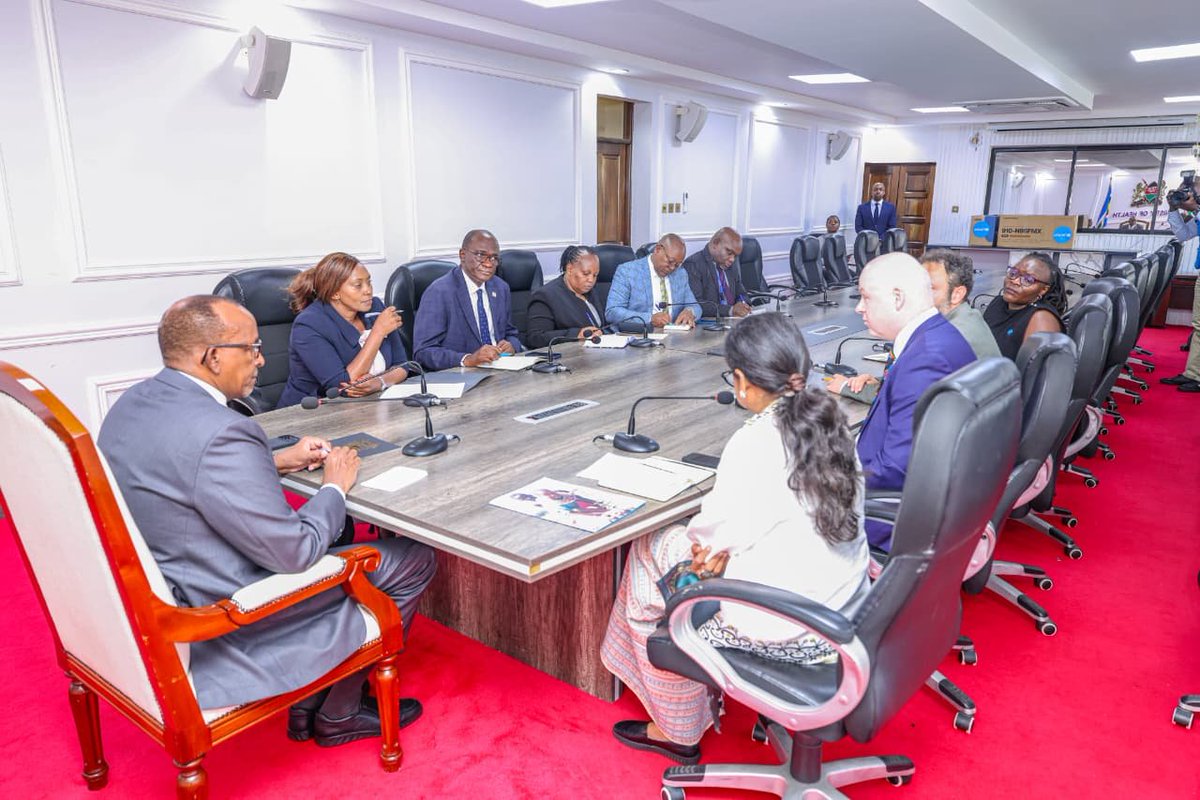
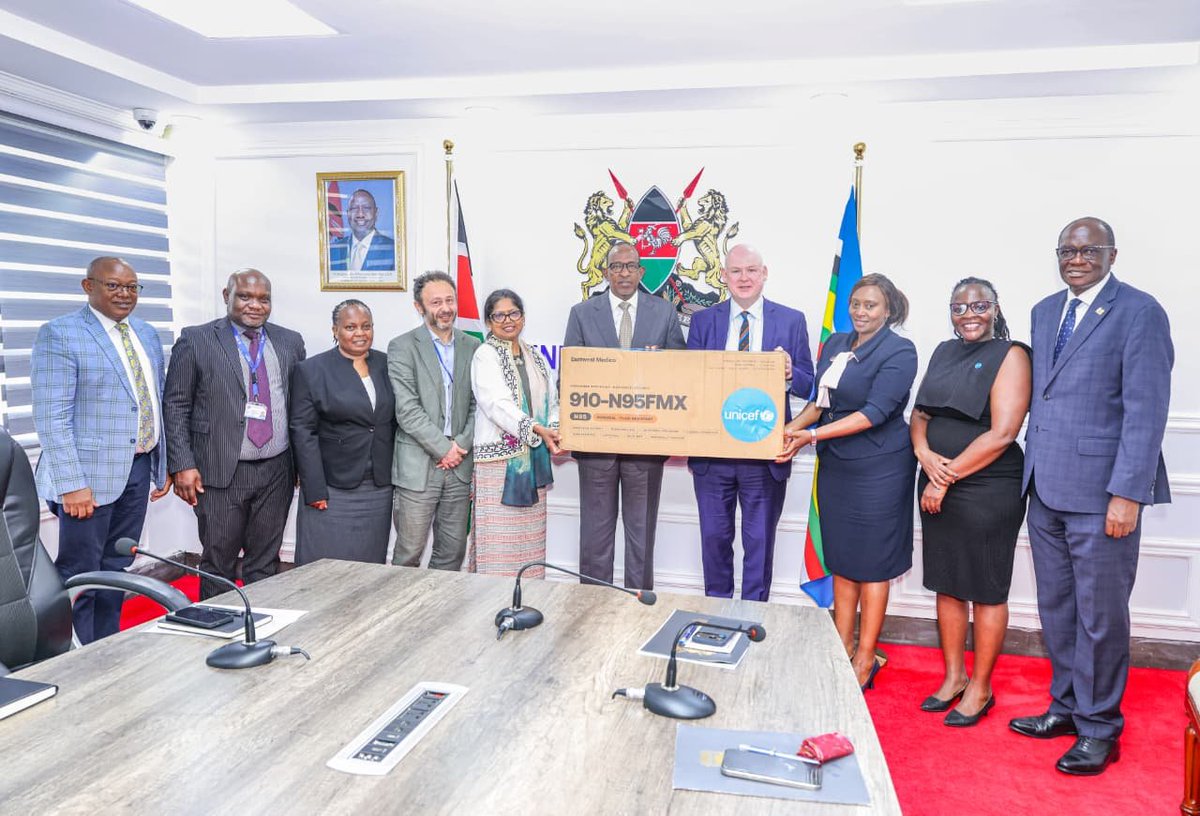
Led by Country Representative Ms Shaheen Nofer and Associate Director for Public Health Emergencies Preparedness and Response Dr Douglas Noble, I held a high-level meeting with the United Nations Children's Fund (UNICEF) delegation to review our preparedness and response to the regional Ebola (Bundibugyo) virus outbreak.
The delegation commended Kenya's coordinated response, particularly contact tracing, data transparency and accountability, while emphasising the need for continued vigilance.
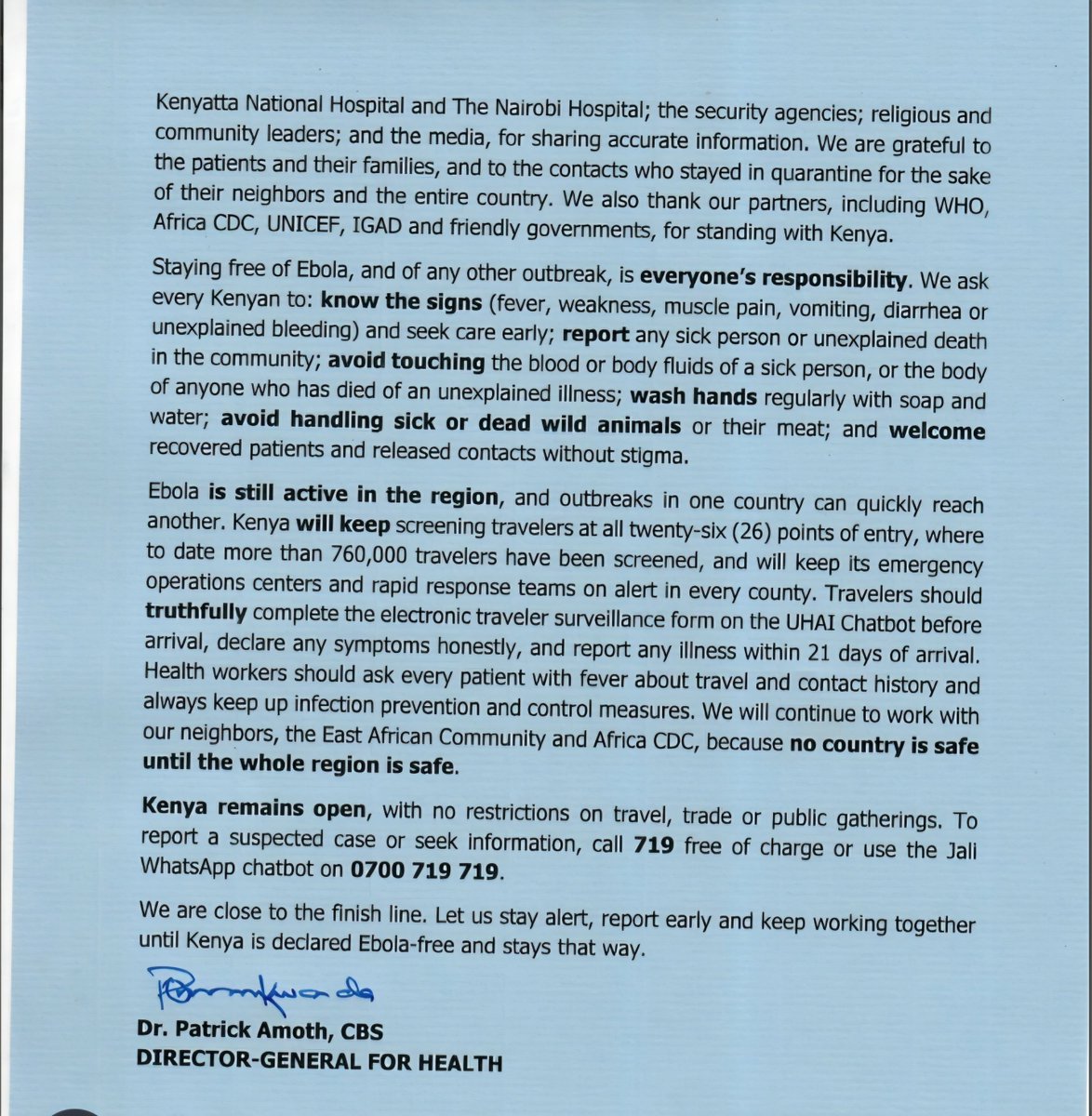
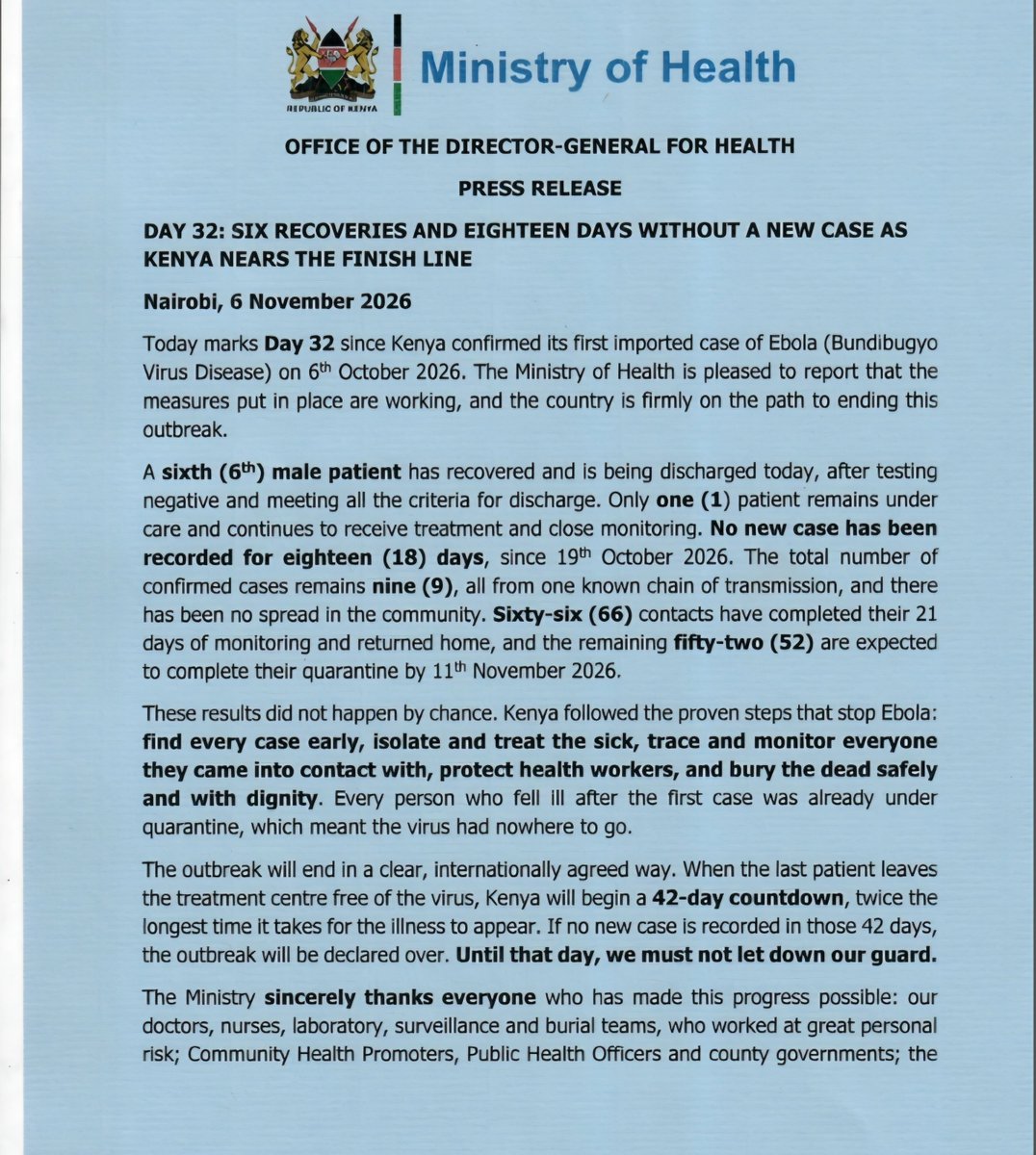
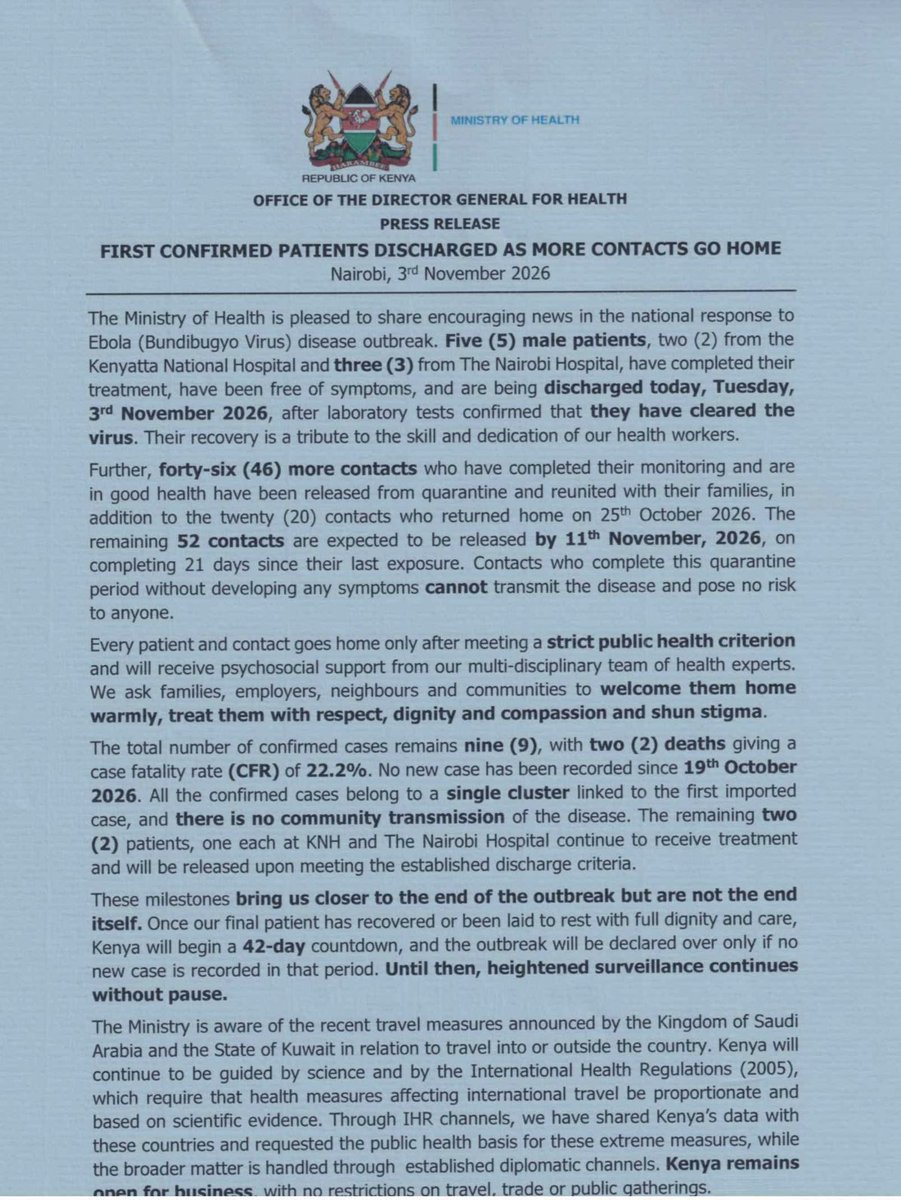
Kenya has recorded nine confirmed cases, all linked to a single chain of transmission, with no evidence of community transmission. No new cases have been reported since 19th October 2026.
Of the contacts under monitoring, 46 have completed the mandatory 21-day period and are due for release, while 52 remain under observation.
Our preparedness measures include strengthened surveillance across 26 designated points of entry, enhanced coordination with high-risk counties, training of more than 4,900 healthcare workers and 349 rapid response teams on standby. Five designated testing laboratories, complemented by mobile laboratory capacity, further reinforce our response.
We appreciated UNICEF's support, including more than 43,000 items of Personal Protective Equipment (PPE) valued at US$462,994.06, alongside additional PPE and Water, Sanitation and Hygiene (WASH) supplies, bringing its total supply contribution to US$716,625.26.
The support also includes the deployment of 25 public health personnel and targeted interventions in vulnerable border counties.
We agreed on the need for sustained investment in community health structures, critical response supplies and essential health services, as well as clear implementation timelines and regular joint progress reviews to address emerging gaps and strengthen partner coordination.
Kenya remains on high alert and committed to working closely with UNICEF, the World Health Organization (WHO), Africa CDC and other partners to consolidate the gains made, protect communities and ensure continuity of essential health and social services.
I was joined in the meeting by Principal Secretary for Public Health and Professional Standards Ms Mary Muthoni, Director General for Health Dr. Patrick Amoth, Director Public Health and Sanitation Dr. Stephen Muleshe and the Ag Director KNPHI Dr. Maureen Kamene.
Appeared before the National Assembly Committee on Delegated Legislation, chaired by Ainabkoi MP Hon. Samuel Chepkonga, at Bunge Towers, Nairobi, to deliberate on the Public Health (Declaration of Formidable Epidemic Disease) Order, 2026 and the Public Health (Ebola Disease) Rules, 2026, published under Legal Notices No. 203 and 204, respectively.
The two instruments, developed in collaboration with County Governments and the Office of the Attorney-General, provide the legal framework for coordinating our response to the imported Ebola case confirmed on 6th October 2026.
They derive their authority from the Public Health Act (Cap. 242) and provide for enhanced surveillance, screening at points of entry, case detection, testing, isolation, treatment, contact tracing, quarantine and infection prevention and control.
They also establish guidelines for safe and dignified burials, public communication and the respective responsibilities of health authorities.
I explained the urgency that necessitated their publication without prior public consultation, as permitted under Section 5A(2) of the Statutory Instruments Act and outlined ongoing work with County Governments and the Kenya National Public Health Institute (KNPHI) to develop additional substantive Rules under Section 36 of the Public Health Act.
I assured the Committee that Kenya has no Ebola outbreak but is managing an imported index case.
Contact tracing coverage stands at 100%, with no new cases reported since 19th October 2026. Our preparedness measures include surveillance across 26 designated points of entry, training of more than 4,900 healthcare workers, 349 rapid response teams on standby and five designated testing laboratories, supported by mobile laboratory capacity. Enhanced laboratory capacity has also enabled testing turnaround times of between 6 and 8 hours.
I called for the Committee's support in implementing the two instruments to strengthen preparedness, coordination and accountability, sustain the gains made and safeguard public health.
I was accompanied by Principal Secretary for Public Health and Professional Standards Ms. Mary Muthoni, Director-General for Health Dr. Patrick Amoth, Director Public Health and Sanitation Dr. Stephen Muleshe, Ag Director KNPHI Dr. Maureen Kamene among other Ministry officials.
On a courtesy visit, I hosted the newly elected Chair of the Council of Governors (CoG) and Tharaka Nithi Governor, H.E. Muthomi Njuki, accompanied by his Secretariat, for discussions on strengthening collaboration between the two levels of government in delivering healthcare under our devolved system of governance.
We discussed the proposed Presbyopia Glasses Project, supported by the Livelihoods Impact Fund, which is already underway in seven counties, with two providing free eye glasses.
Recognising health as a devolved function, we reaffirmed the importance of close cooperation in advancing Universal Health Coverage (UHC), implementing Taifa Care, strengthening primary healthcare and accelerating compliance with the Health Management Information Systems (HMIS).
Compliance among Level 2 and 3 facilities is approaching 100 per cent, while Level 4 and 5 facilities currently stand at 79 per cent. We also discussed extending implementation timelines to enable counties to meet the requirements.
We emphasised the need to prioritise the welfare of Community Health Promoters (CHPs), particularly through timely and consistent remuneration and reviewed ongoing efforts to strengthen Ebola preparedness, especially in border counties, through the provision of essential equipment, public awareness and capacity-building for disease surveillance teams.
On medical outreach programmes, we reiterated that free medical and surgical camps must remain free and should not be billed to the Social Health Authority (SHA). Counties will be required to submit patient lists, identification details and camp dates to strengthen accountability and safeguard public resources.
We committed to maintaining sustained dialogue, resolving implementation challenges and strengthening intergovernmental cooperation to ensure all Kenyans have access to quality, affordable and equitable healthcare.
I was joined in the meeting by PS Dr. Ouma Oluga (Medical Services), DG - Health Dr. Patrick Amoth, Director of Health at CoG Ms Khatra Ali, among the Ministry's Heads of Division and Directors.
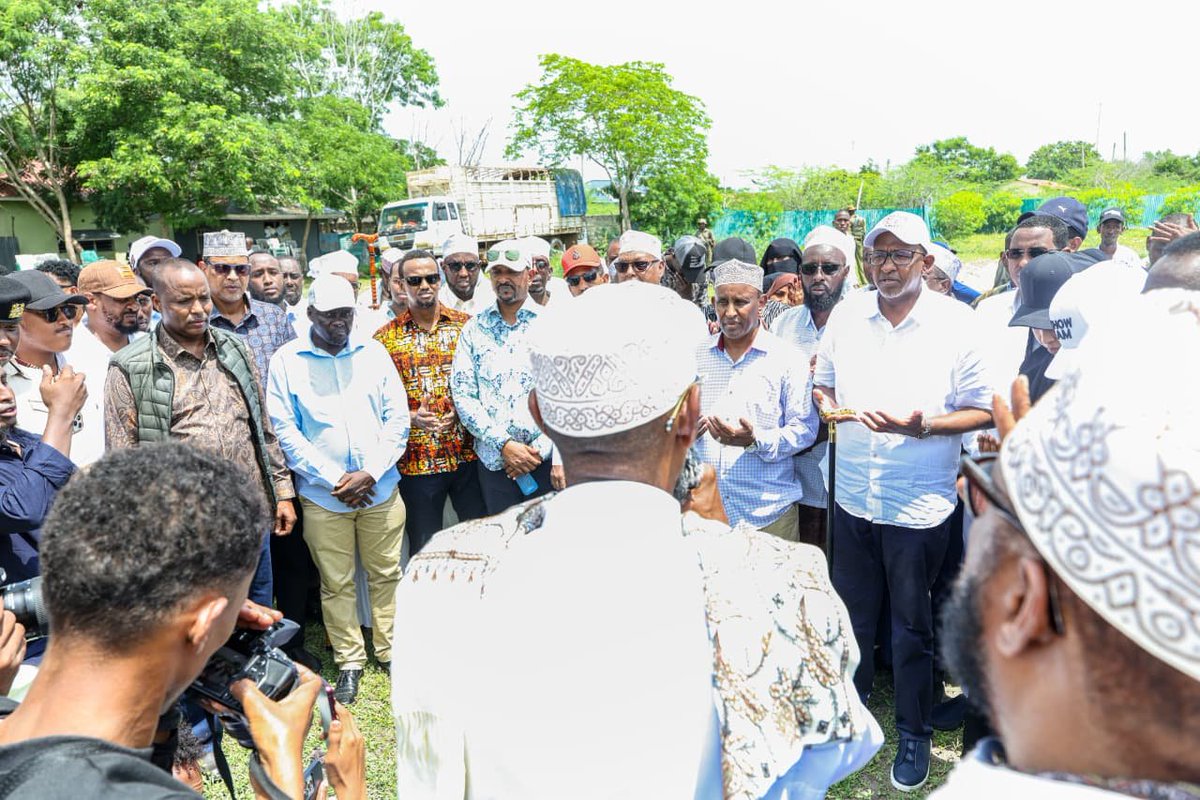
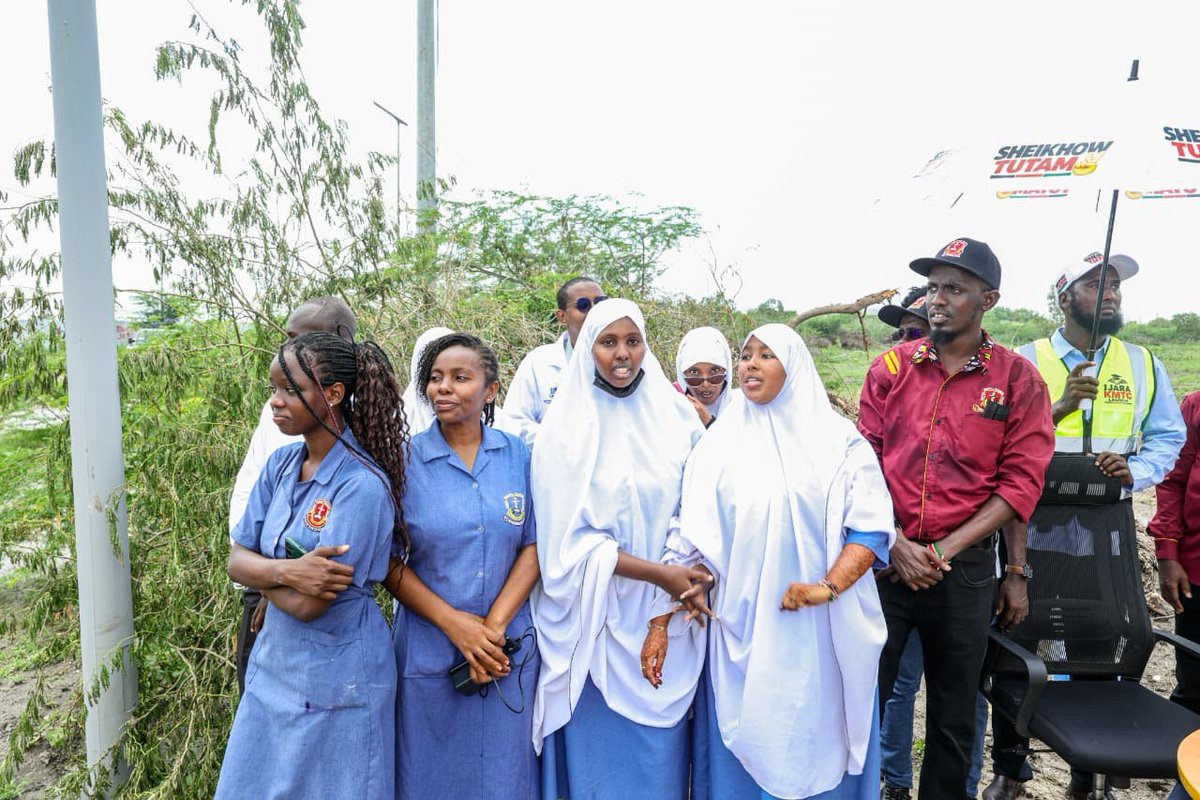
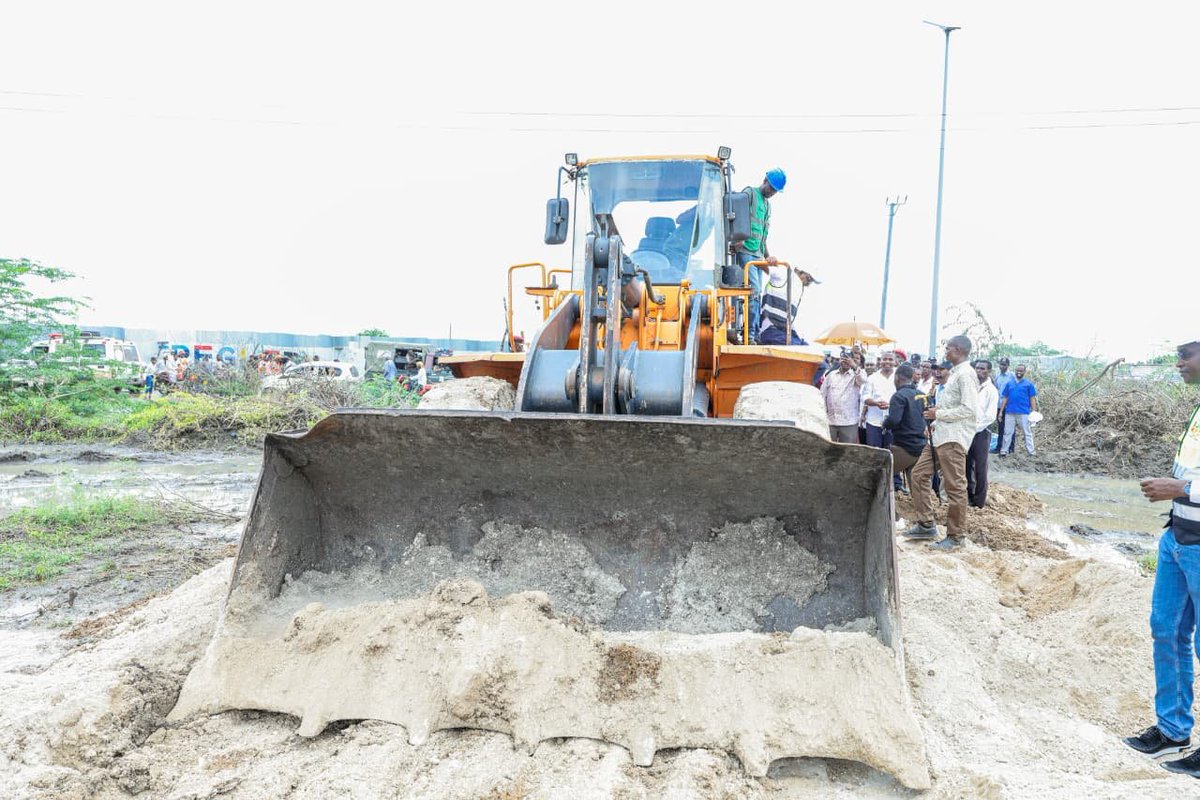
Presided over the groundbreaking ceremony for the construction of the KSh50 million Kenya Medical Training College (KMTC) Ijara Campus, Garissa County.
The facility will comprise modern classrooms, a library and an administration block, bringing medical training closer to the community and expanding opportunities for local youth to pursue careers in healthcare.
It will be the second KMTC campus in Garissa County and complement the ongoing upgrade of Ijara Sub-County Hospital by strengthening the supply of trained health professionals in the region.
I also inspected the ongoing Affordable Housing project in Masalani and urged the contractor to fast-track construction to ensure its completion by April next year.
I was accompanied by Dr. Kelly Oluoch (CEO KMTC), PS Ummi Bashir (Culture), MPs Hon. Abdi Ali (Ijara), Hon. Dekow Barrow (Garissa Town), Hon. Hussein Barre(Tarbaj), Hon. Jared Okello (Nyando) and Hon. Ummi Harun(Nominated).
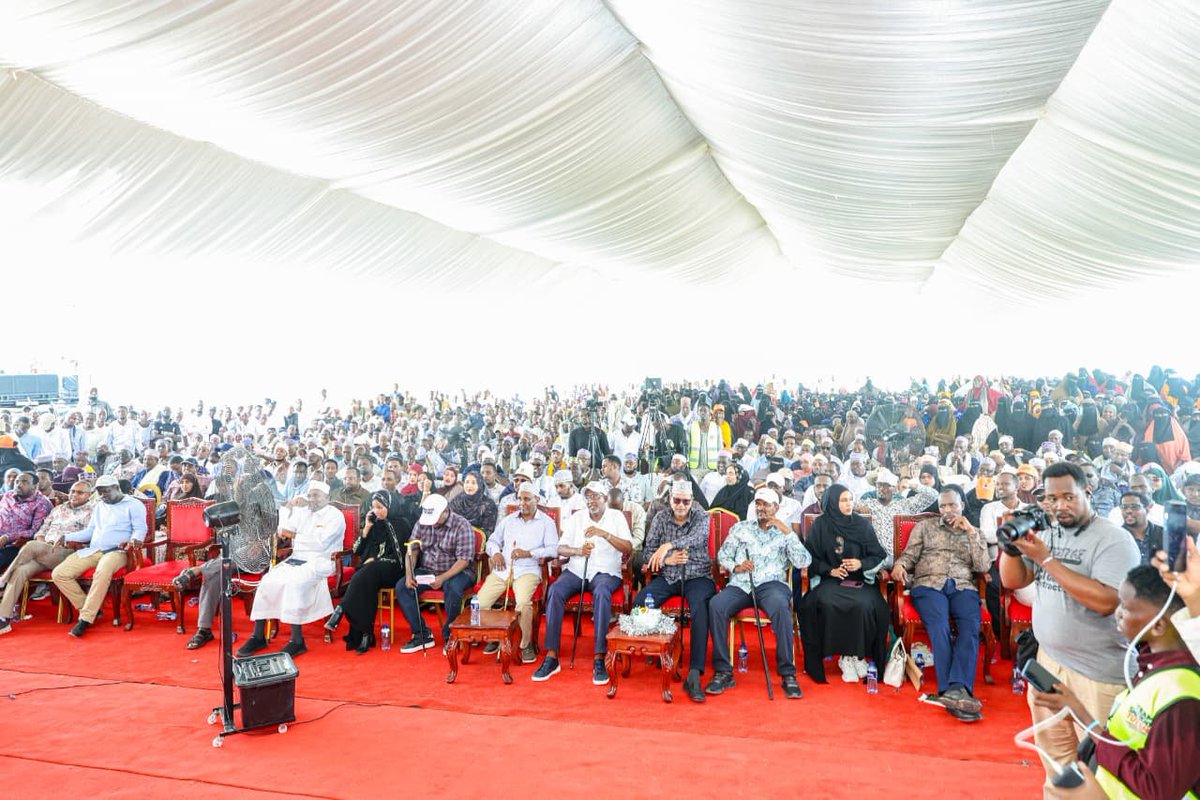
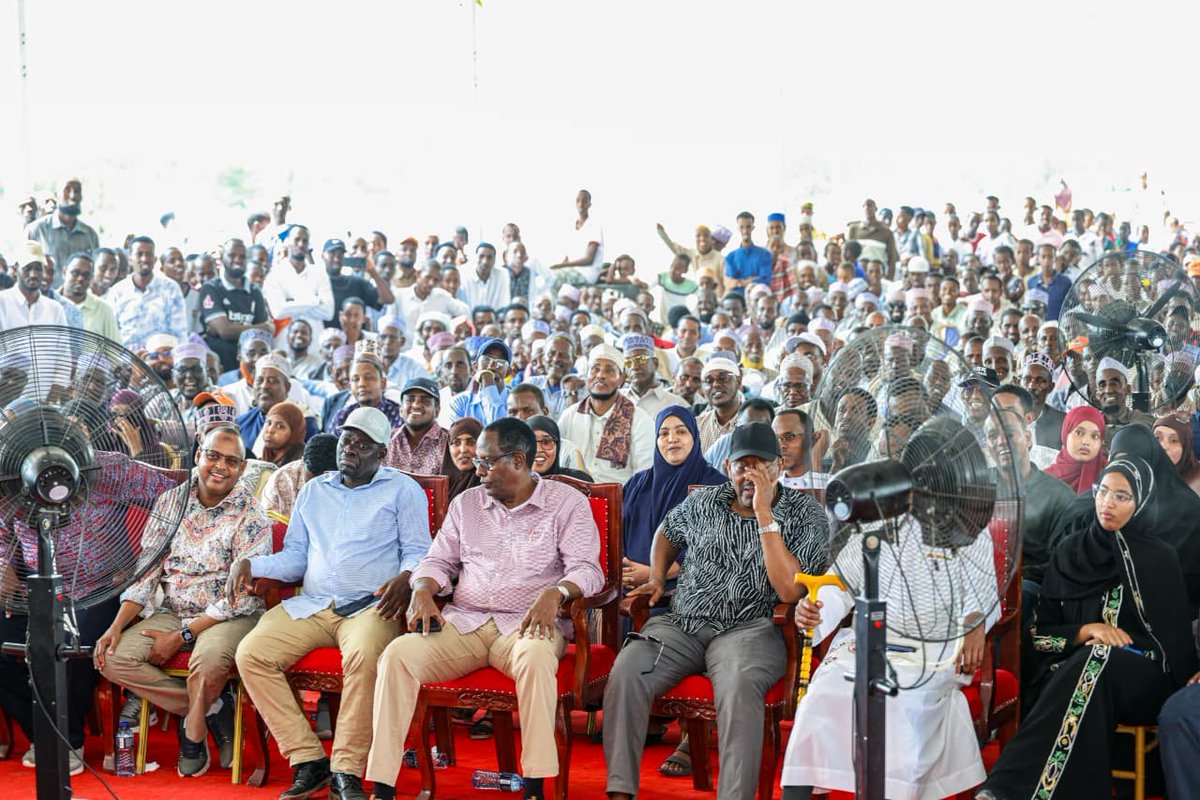
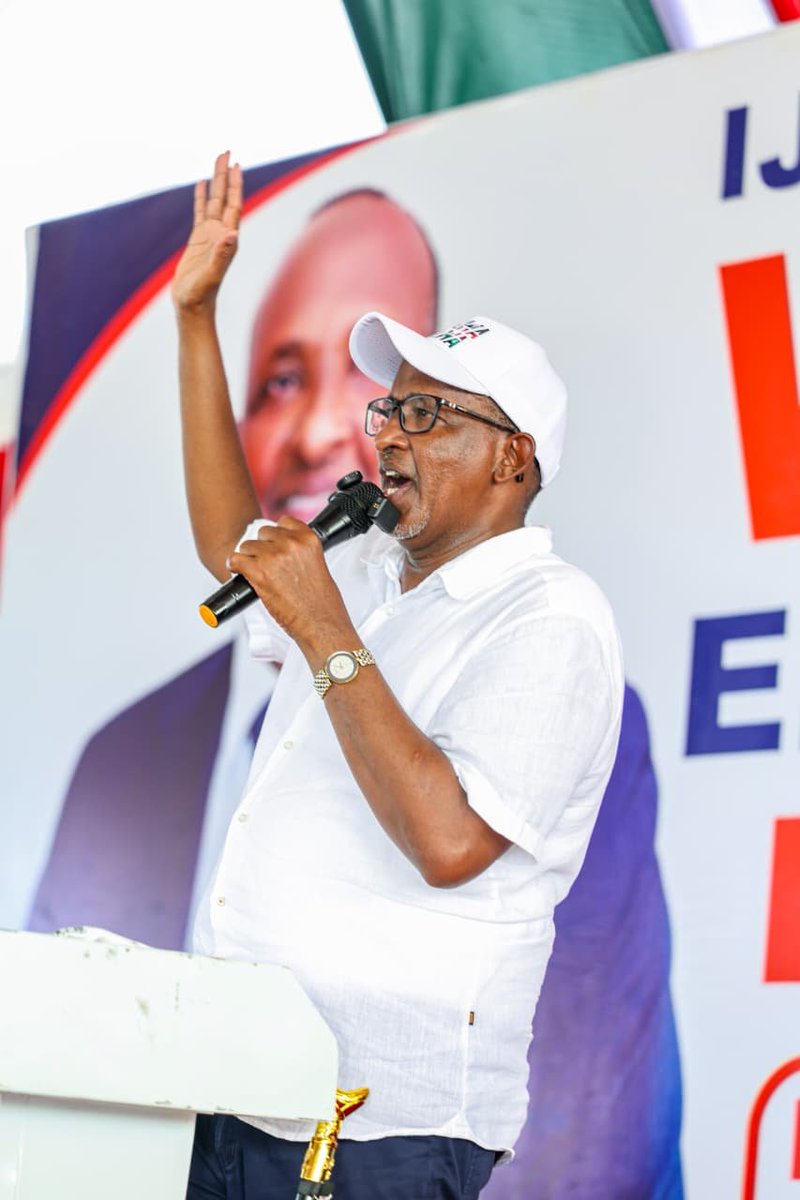
Concluded my Health Development Tour of Garissa County by presiding over a resource mobilisation drive in Masalani Town, Ijara Constituency, aimed at supporting women's groups.
Hosted by Nominated MP Ummi Harun and Ijara MP Hon. Abdi Ali, the event brought together women's groups from across the county.
I commended the initiative, noting that economically empowered women are better positioned to make independent decisions and contribute meaningfully to their families and communities. I called for sustained support for such programmes from both leaders and the private sector.
I also condemned the orchestrated heckling of Wiper Party leader Kalonzo Musyoka, describing it as an affront to the dignity of a statesman and elder who deserves respect. Political differences should never be an excuse for disrespect or public humiliation.
I was accompanied by Dr Kelly Oluoch, CEO - KMTC and PS Ummi Bashir (Culture). Also present were MPs Hon. Dekow Barrow (Garissa Town), Hon. Hussein Barre (Tarbaj) and Hon. Jared Okello (Nyando); former Garissa Governor H.E. Ali Korane; former Cabinet Minister Hon. Mohamed Elmi; Hon. Ahmed Abass, Hon. Weirah and Hon. IM Salat.
The host delegation also included Members of the Garissa County Assembly, led by the Majority and Minority Leaders and the Deputy Speaker, alongside religious leaders, women representatives and business leaders.