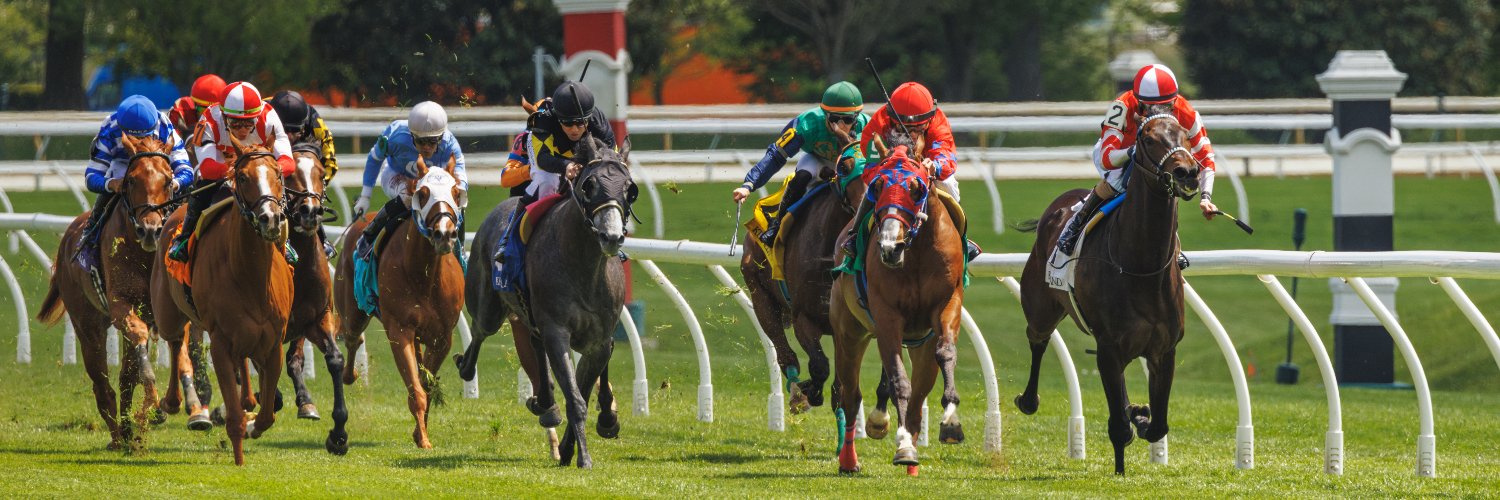
We all have a role to play in horse safety. We recently hosted a webinar on what owners and trainers can do to protect their horses from exercise-associated sudden death. Watch the replay here 👉 https://t.co/6kTmqQeYWs.
#SafetyInRacing#EquineWelfare#EASD
With the help of researchers like Dr. Cris Navas of @pennvet's New Bolton Center, we're working to significantly reduce exercise-associated sudden death in racehorses. As technology improves, sudden death becomes more preventable.
#EASD#AtrialFibrillation#Heart
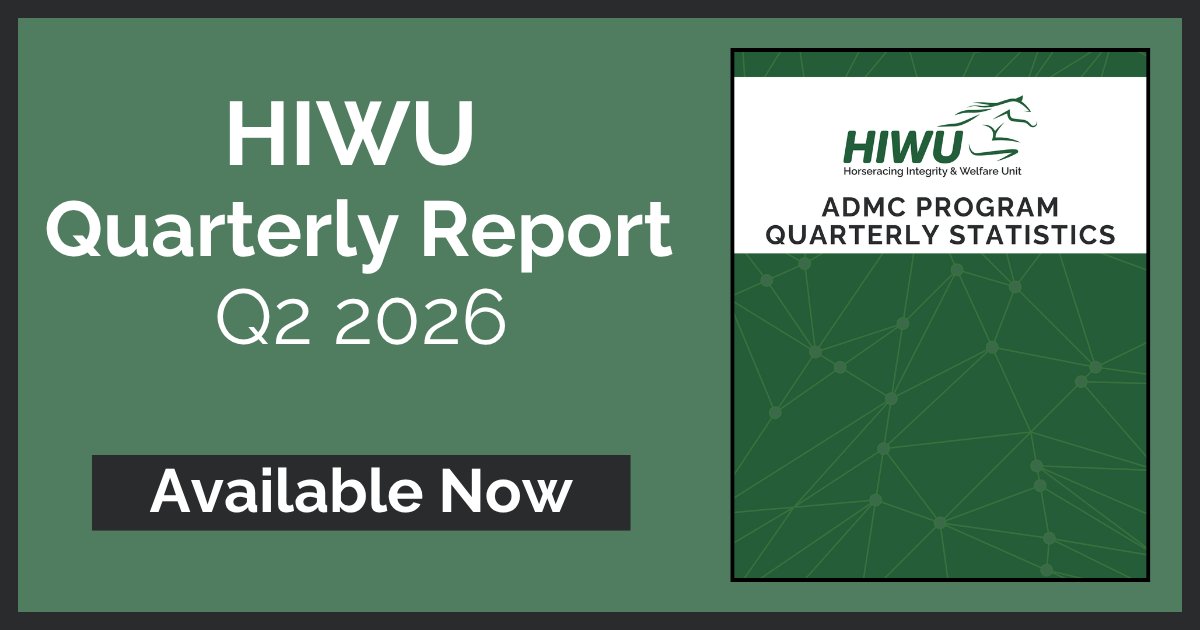
HIWU announces the release of our Q2 2026 Report, featuring testing statistics, results management, and case adjudication details from April 1 through June 30, 2026. Read the full report here: https://t.co/fYSTvWAdTd
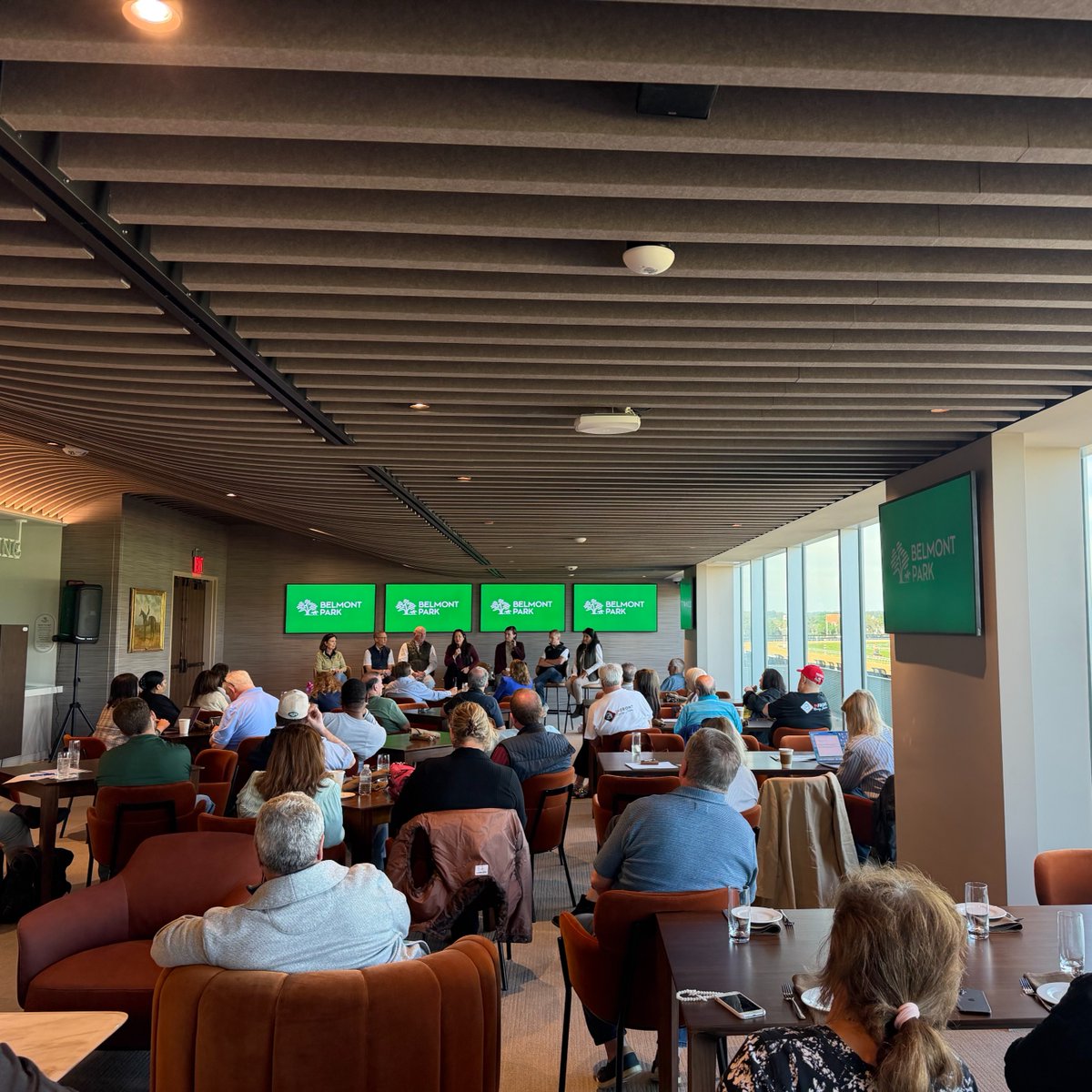
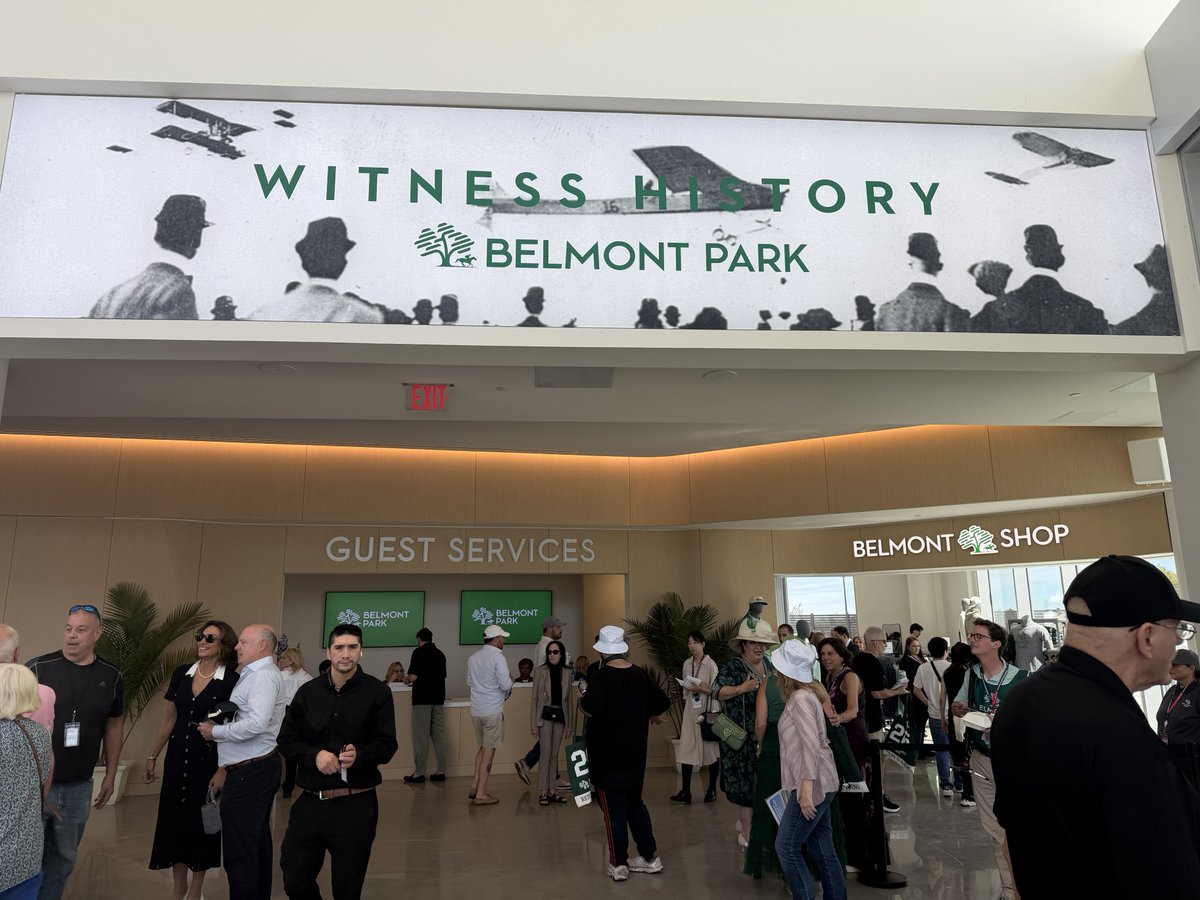
I was pleased to visit @BelmontPark1905 yesterday and have constructive conversations with everyone there. Horse racing is stronger when we all work together towards a common goal, and I'm thankful for Belmont's commitment to safety and integrity in racing.
Yesterday, HISA staff traveled to the recently reopened @BelmontPark1905 as part of our nationwide listening tour.
Hearing directly from our stakeholders helps us continue building a safer, stronger future for racing together.
#BelmontPark#ListeningTour#HorseRacing
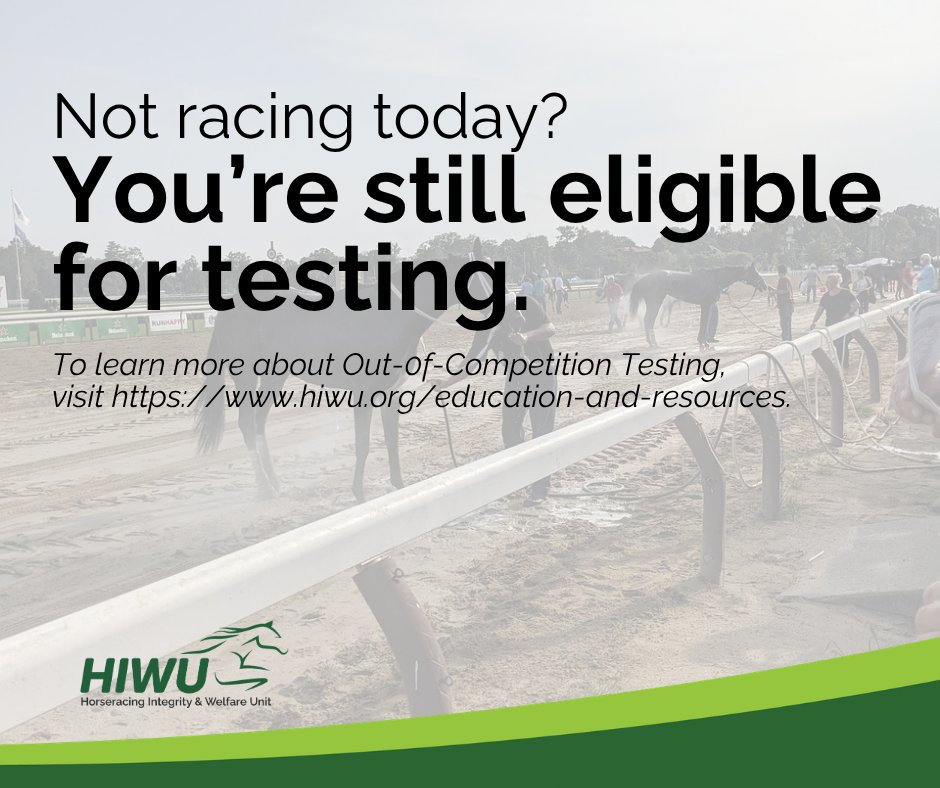
A Covered Horse doesn't have to be entered in a race to be tested. Out-of-Competition Testing allows HIWU to conduct testing beyond race day as part of its nationwide efforts to protect the integrity of the sport and promote fair competition.
Learn more: https://t.co/FmwUIa3qce
Did you know HISA has a 24/7 Help Desk? Whether you're just getting into racing or are a seasoned veteran, our team is here to support you and answer any questions you may have.
Give us a call at 1-877-513-2919 or email [email protected].
#HorseRacing#FieldSupport
Have you listened to your horse's #heart today? 🩺
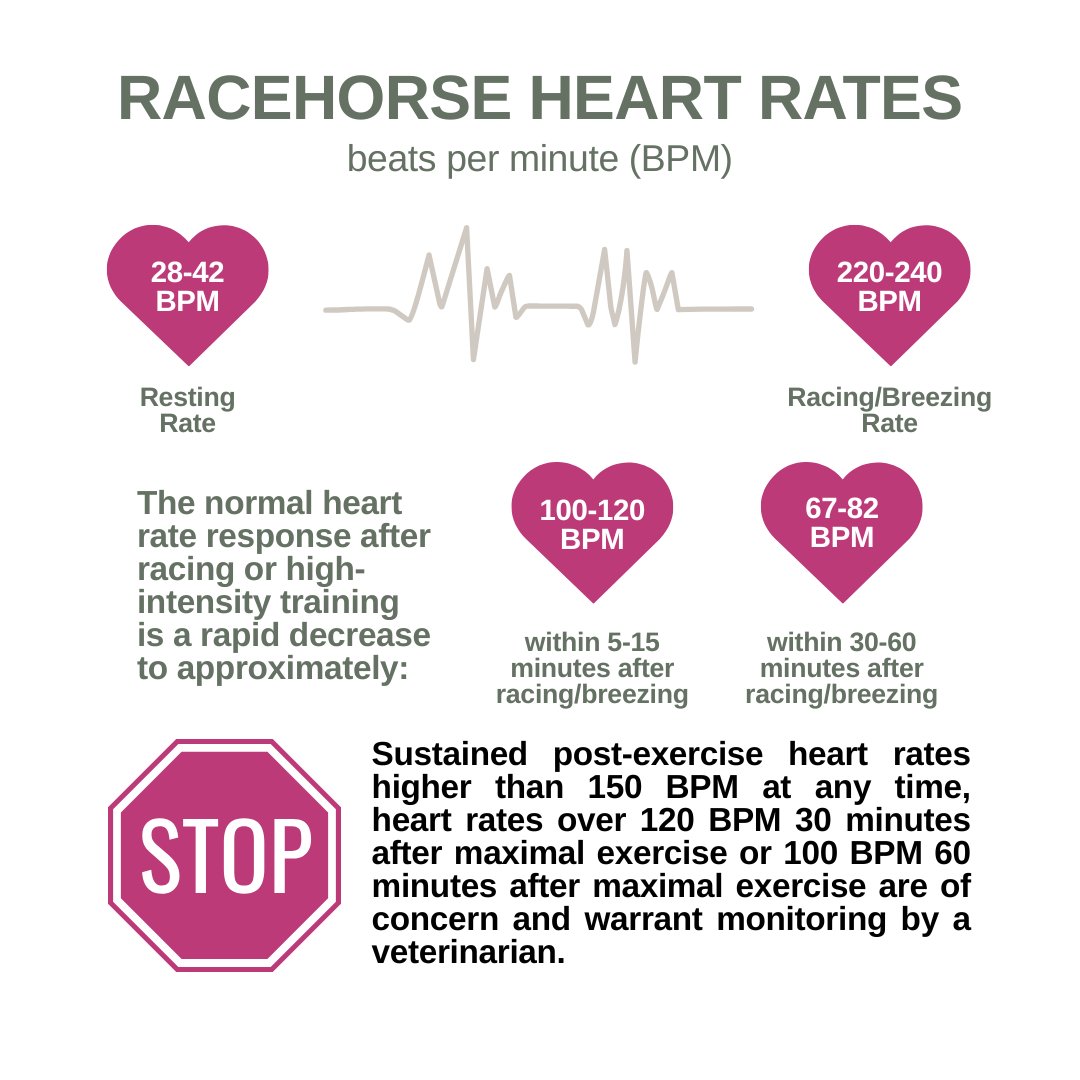
A quick listen to your horse's heartbeat can provide important clues about their health and help alert you to signs of distress, possibly including #AtrialFibrillation. Dr. Cristobal Navas de Solis explains.
📣 In observance of Atrial Fibrillation (AFib) Awareness Month, the @hisa_us is rolling out the third installment of its 'Don't Miss a Beat' webinar series for owners and trainers on Tuesday, Sept. 29 at 7:00 p.m. EDT.
https://t.co/n39qY2Dh2D
Join us on September 29 at 7:00 p.m. EDT for a virtual webinar on atrial fibrillation in racehorses and what you can do as owners and trainers to prevent exercise-associated sudden death.
Register here: https://t.co/opwLiiz4yE
#AtrialFibrillation#EASD#EquineWelfare
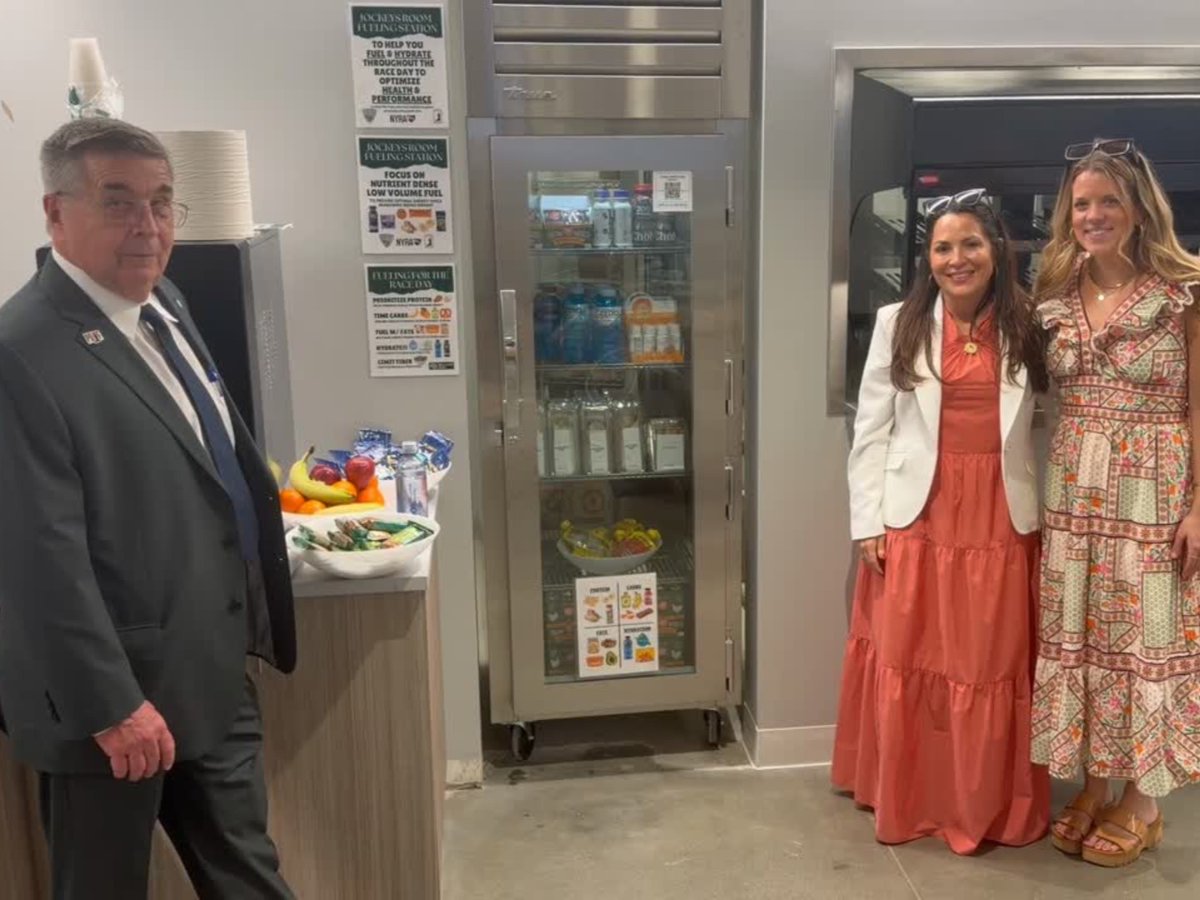
Last Friday, @BelmontPark1905, one of the most iconic venues in horse racing, reopened its doors, with a fully remodeled grandstand, four brand new track surfaces and a fueling station for jockeys to support their #nutrition needs.
Welcome back, Belmont!
@TheNYRA@JockeysGuild
Before administering a medication or substance to a Covered Horse, check HIWU's Substance Lookup Tool. The tool enables users to search substances and see their Banned or Controlled status under HISA's ADMC Program. Visit https://t.co/U2tmLVYCrF or the HIWU mobile app today.
Good nutrition and hydration habits are essential for jockeys during racing. We partnered with @TheNYRA to add a fueling station at @Saratoga1863 this summer to ensure jockeys there had everything they needed to perform at their best.
#Nutrition#Hydration#Jockeys
Do safety rates differ between claiming, allowance and stakes races❓
HISA's Q2 Metrics Report analyzes racing-related fatality rates by race type. As more data comes in, we'll be able to determine whether safety outcomes vary across different levels.📊
https://t.co/pW3utmF0Kn
With the help of researchers like Dr. Cristobal Navas de Solis of @Penn's New Bolton Center, we're working to uncover insights into EASD. We're focused on preventing sudden death in racehorses and making racing safer for horses and their riders.
#AFib#EASD#Heart
September is National Atrial Fibrillation Awareness Month! ❤️
AFib in Thoroughbred horses is a leading cause of exercise-associated sudden death.
Throughout the month, we'll be sharing special content on AFib prevention and what you can do to help. Stay tuned!
#AFib#Heart
Knowing the difference between Screening Limits, Thresholds, and Minimum Reporting Levels is important to understanding positive test results. Want to learn more? Watch our video to see how these testing specifications differ and why they matter: https://t.co/xZvpuKQf46