📢 Save the date | II Einstein International Symposium on Headaches
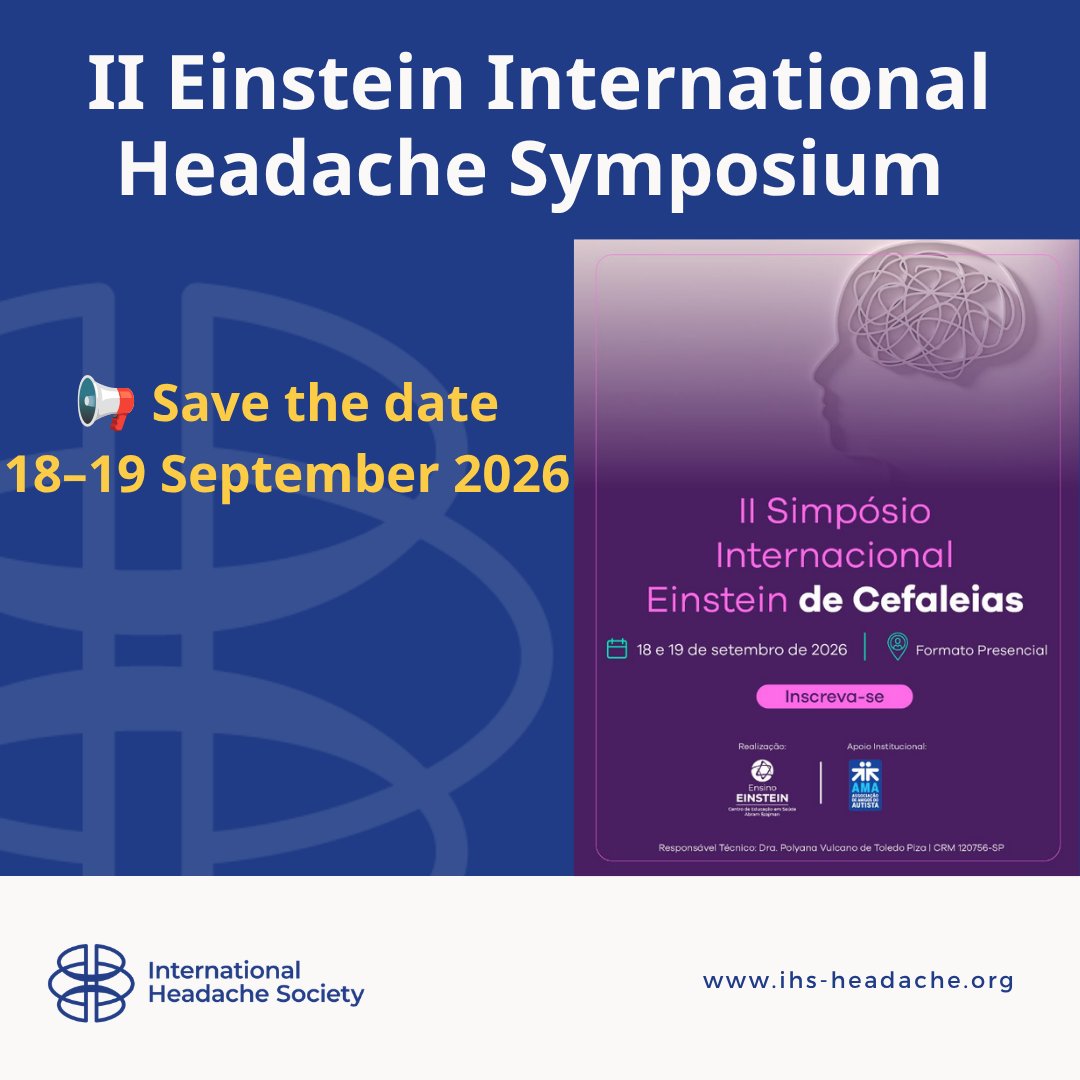
The International Headache Society is pleased to share the upcoming II Einstein International Symposium on Headaches, taking place on 18–19 September 2026.
Organised by Einstein Hospital Israelita, the symposium will bring together clinicians, researchers and healthcare professionals with an interest in headache and migraine medicine for two days dedicated to education, scientific exchange and advances in the field.
📅 18–19 September 2026
🔗 Programme, further information and registration:
https://t.co/qa7T8CXl0m
Follow @faculdadeeinstein for updates.
#Headache #Migraine #HeadacheMedicine #Neurology #HeadacheResearch #MedicalEducation #InternationalHeadacheSociety #IHS
New in Cephalalgia!
The triglyceride-glucose (TyG) index was associated with 50% response status after adjustment.
•
The TG/HDL-C ratio, TyG-BMI, and metabolic score for IR (METS-IR) were not significant in the final adjusted model.
•
Further validation is needed to assess the prognostic relevance of these indices in MOH.
https://t.co/crQmLvePAn
#migraine #headache #brain #pain #neurology #neuroscience
New in Cephalalgia!
This letter discusses that diagnostic criteria for burning mouth syndrome should balance accuracy with clinical inclusiveness. Also, the authors caution against making bilaterality and a ≥6-hour daily duration mandatory without broader external validation.
https://t.co/XWM0ePySvP
#migraine #headache #brain #pain #neurology #neuroscience
#SundayQuiz
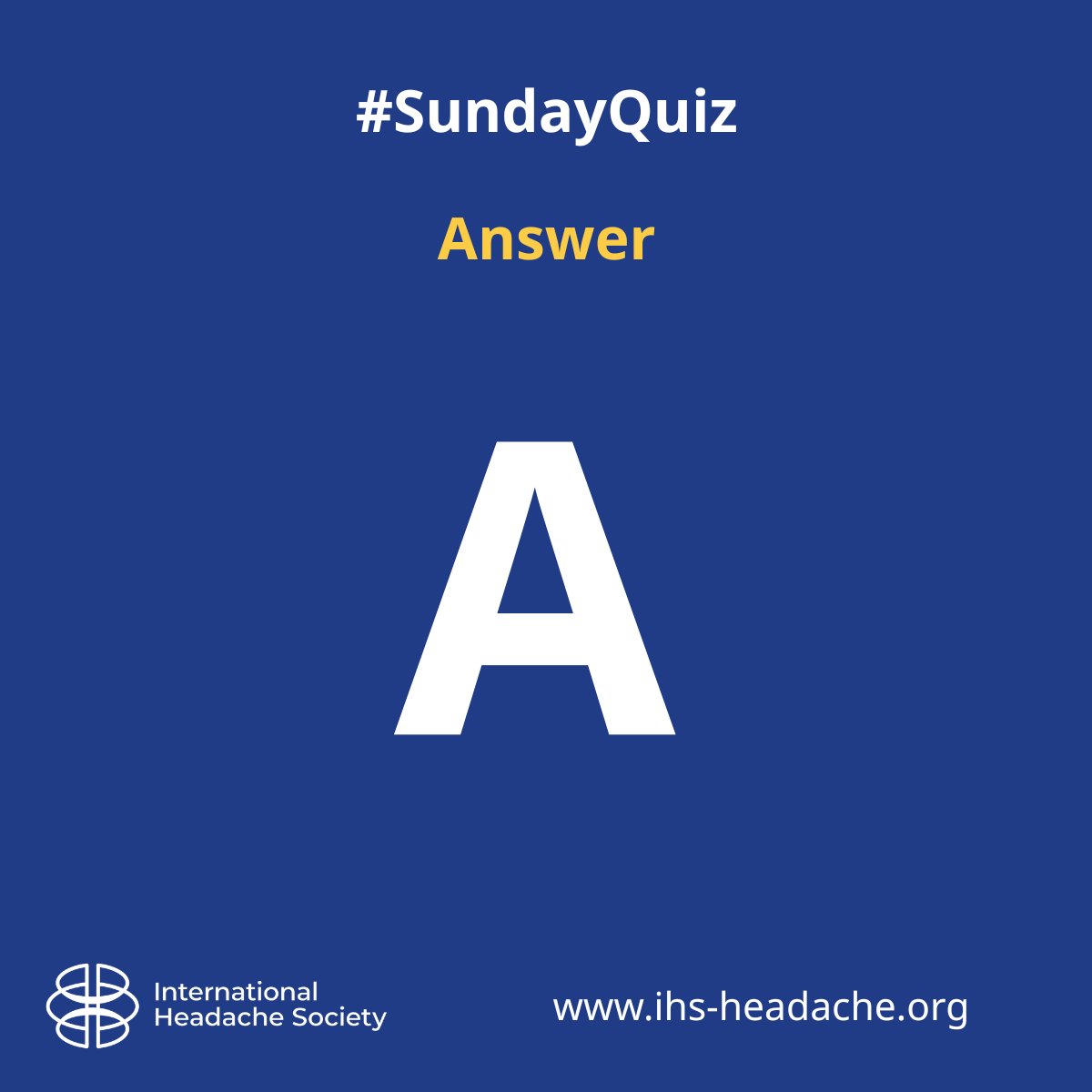
The answer for sunday quiz is: Epicrania fugax
It is a rare primary headache disorder according to the #ICHD-3 described as brief paroxysmal head pain, with stabbing quality, describing a linear or zig-zag trajectory across the surface of one hemicranium commencing and terminating in the distributions of different nerves, lasting 1-10 seconds.
To read more data about this type of headache: https://t.co/Xo13tfxz4f #IHS #ICHD-3
New in Cephalalgia!
CGRP monoclonal antibodies were associated with improvement in HIT-6 scores in adolescents with migraine.
•
Early clinically meaningful improvement was observed within about 3 months.
•
CGRP mAbs in adolescents with migraine may support participation in school and social activities during adolescence.
https://t.co/CLYkUJzsdD
#migraine #headache #brain #pain #neurology #neuroscience
New in Cephalalgia!
In vivo confocal microscopy reveals progressive corneal nerve degeneration and neuroinflammation in trigeminal neuralgia, highlighting its potential as a non-invasive biomarker for disease severity and progression.
https://t.co/nuLwsMrQaC
#migraine#headache #brain #pain #neurology #neuroscience
#SundayQuiz
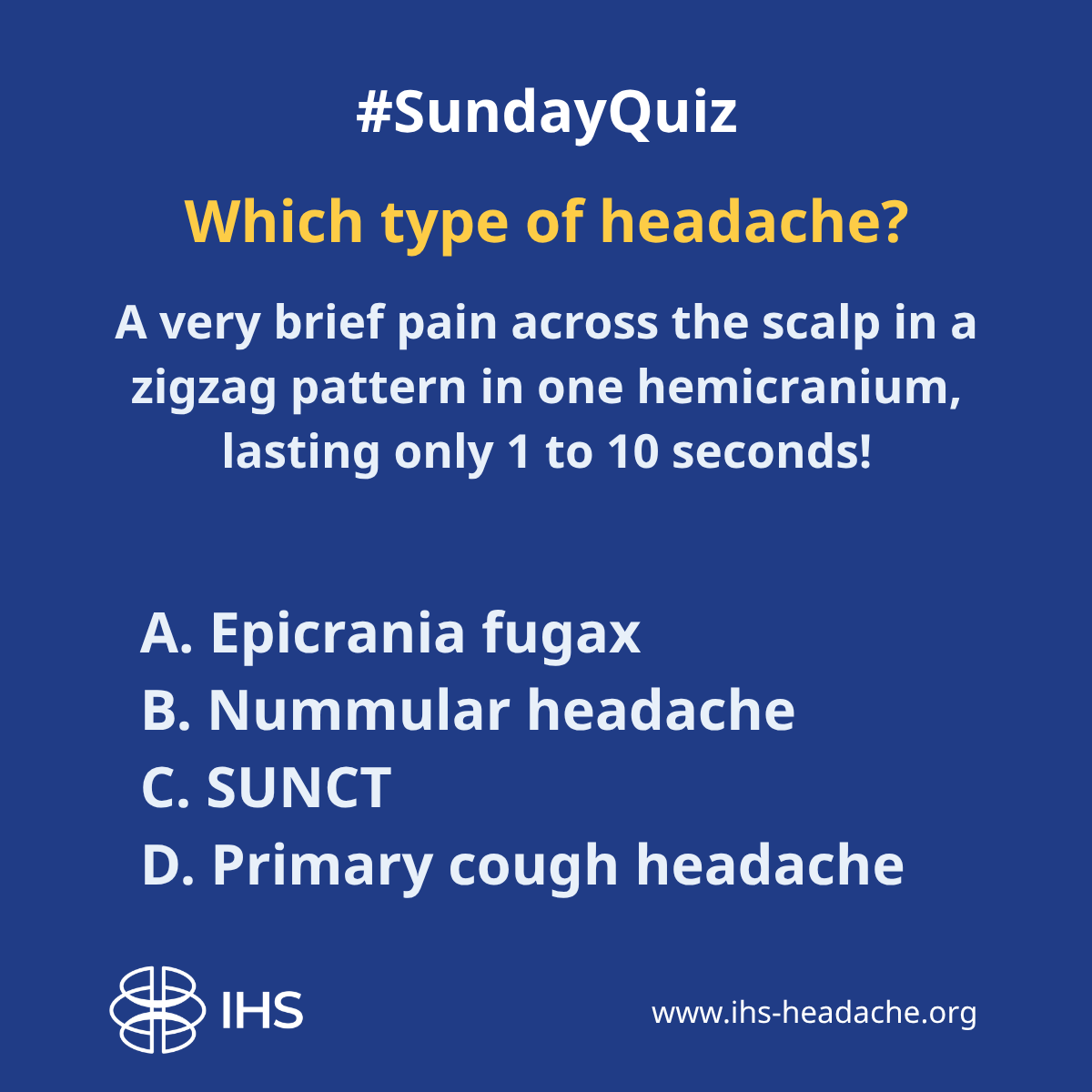
A very brief pain across the scalp in a zigzag pattern in one hemicranium, lasting only 1 to 10 seconds! What type of headache do you think this patient is experiencing? 🤔
A. Epicrania fugax
B. Nummular headache
C. SUNCT
D. Primary cough headache
#IHS#Headache # Awareness #education
New in Cephalalgia!
Evidence suggests that candesartan should have a stronger place in migraine prevention. Its success highlights the need for regular guideline updates, standardized trial outcomes, and deeper research into repurposed treatments.
https://t.co/77bOL1qSyO
#migraine #headache #brain #pain #neurology #neuroscience
New in Cephalalgia!
Migraine is associated with significantly reduced thalamic glutathione (GSH) levels, resulting in decreased GSH/glutamate (Glu) ratios that indicate diminished antioxidant buffering capacity.
•
This metabolic alteration is present in both migraine with and without aura but not in tension-type headache, supporting distinct pathophysiological mechanisms.
•
Tissue-corrected thalamic metabolic profiling may help clarify migraine vulnerability and guide therapeutic strategies targeting oxidative stress.
https://t.co/k5yV5u9eHf
#migraine #headache #brain #pain #neurology #neuroscience
New in Cephalalgia!
•
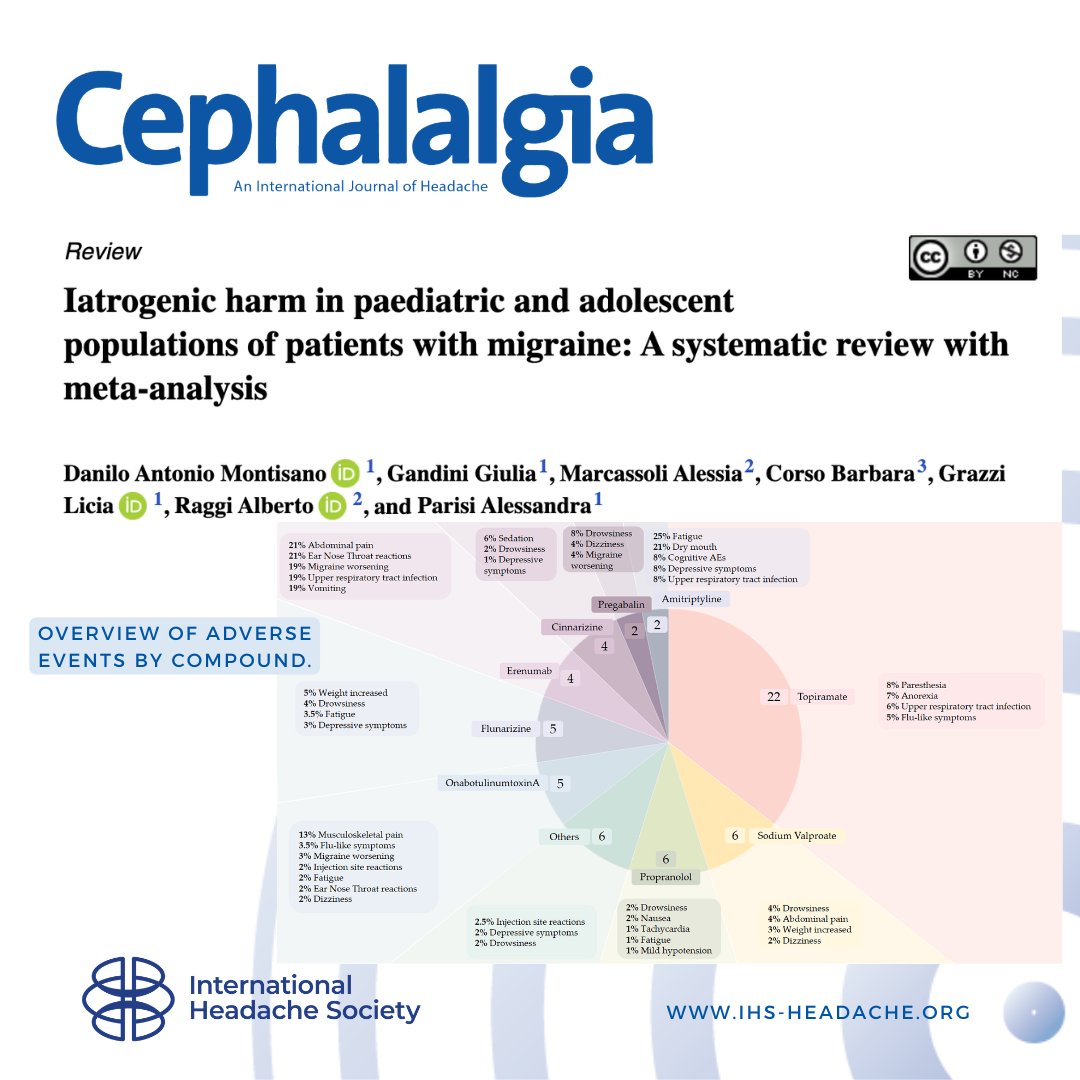
Migraine in children causes significant disability, yet preventive drug efficacy and safety remain a matter of debate.
•
Meta-analysis of 40 studies (2742 patients) found that 30% experienced adverse effects, mainly drowsiness, anorexia, fatigue and paraesthesia.
•
Safety data is crucial for clinicians to weigh risk/benefit, given the low efficacy of current prophylactic treatments.
https://t.co/7c6e9uwBAG
#migraine #headache #brain #pain #neurology #neuroscience
Now available in Cephalalgia! 🧠
The abstracts from the 2026 China Headache Congress (Xi'an, China, 15–17 May 2026) have now been published in Cephalalgia.
Congratulations to all authors and presenters on their contributions to advancing headache research.
Read the published abstracts and stay up to date with the latest developments in the field.
https://t.co/VjIfTcwM3x
#Cephalalgia #ChinaHeadacheCongress #HeadacheResearch #Migraine #Neurology #HeadacheMedicine #MedicalResearch #IHS
Have you heard about Visual Snow Syndrome?🤓
Looking back at one of the fascinating topics discussed at the International Headache congress 2025 in São Paulo- Brazil—Visual Snow Syndrome by Dr Francesca Puledda.
#ThrowbackThursday#VisualSnowSyndrome#IHS#IHC
⚠️ Fraudulent Email Alert
Another fake email is circulating among IHS members, falsely claiming to be from IHS President Mario Peres and requesting assistance with a board matter.
Subject: IHS
Sender: [email protected]
Please ignore this email. Do not reply, click any links, or provide personal or financial information.
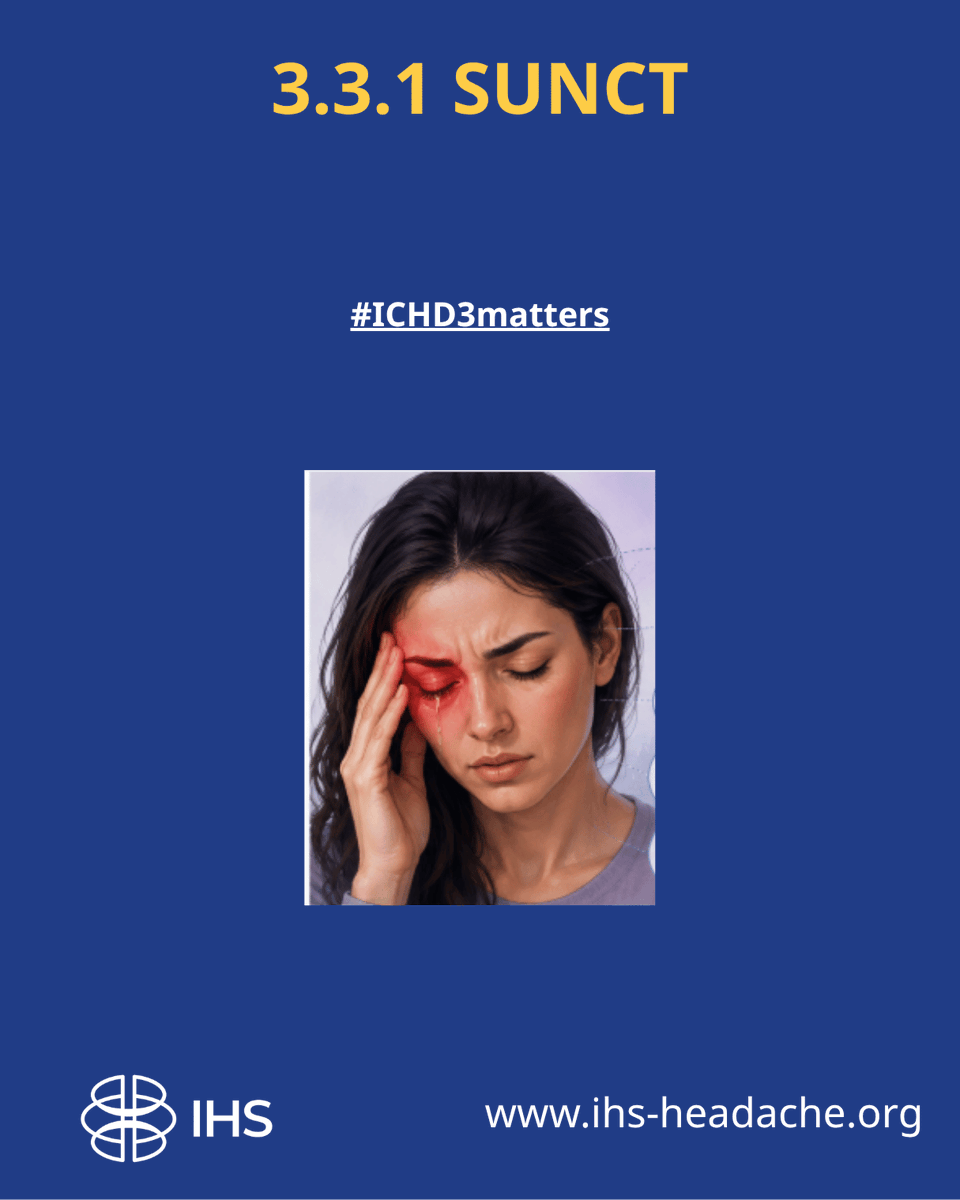
Can a headache last only seconds… yet be excruciating?
Some attacks strike suddenly, last just 1–600 seconds, recur many times a day, and are accompanied by striking autonomic symptoms such as:
💧 Tearing
🔴 Red eye
👃 Nasal congestion or runny nose
👁️ Drooping eyelid or a small pupil
These are the hallmark features of Short-lasting Unilateral Neuralgiform Headache Attacks (SUNHA)—a rare but highly disabling group of trigeminal autonomic cephalalgias that is often misdiagnosed.
According to ICHD-3 Classification 3.3.1 Short-lasting unilateral neuralgiform headache attacks with conjunctival injection and tearing (SUNCT) are attacks of moderate or severe, strictly unilateral head pain lasting seconds to minutes, occurring at least once a day and usually associated with prominent lacrimation and redness of the ipsilateral eye.https://t.co/8UrPVBFxob
Have you encountered a patient with attacks like these?
#ICHD3Matters #SUNHA #SUNCT #SUNA #TrigeminalAutonomicCephalalgias #Neurology #HeadacheMedicine #InternationalHeadacheSociety #IHS
Excited to share a new Call for Papers in Cephalalgia — the official journal of the International Headache Society.
🧠 Special Issue: Managing and Understanding Headache in the Context of Comorbid Conditions
Guest Editors: Faraidoon Haghdoost and Henrik Winther Schytz
Headache disorders such as migraine and tension-type headache rarely exist in isolation. They often sit alongside high blood pressure, dyslipidaemia, depression, anxiety, gastrointestinal disorders, and more. This special issue focuses on integrated, real-world approaches to care — from shared pathophysiology and overlapping risk factors to multidisciplinary management and treatments that address both headache and comorbid conditions.
We welcome:
• Original research and clinical trials
• Systematic reviews and network meta-analyses
• Real-world evidence
• Viewpoints and perspectives
If your work explores headache in the context of comorbidities — cardiovascular, mental health, gastrointestinal, or beyond — we would love to hear from you.
📅 Submission deadline: 31 December 2026
📌 Please note in your cover letter that your manuscript is for the “Headache and Comorbidities” special issue.
Let’s move toward more holistic, patient-centred headache care. Looking forward to your submissions and to advancing this important conversation together.
https://t.co/L8V2L4ELDU
#migraine #headache #brain #pain #neurology #neuroscience
@faradoost@Simona_Sacco_@HenrikSchytz
Excited to share a new Call for Papers in Cephalalgia — the official journal of the International Headache Society.
🧠 Special Issue: Managing and Understanding Headache in the Context of Comorbid Conditions
Guest Editors: Faraidoon Haghdoost and Henrik Winther Schytz
Headache disorders such as migraine and tension-type headache rarely exist in isolation. They often sit alongside high blood pressure, dyslipidaemia, depression, anxiety, gastrointestinal disorders, and more. This special issue focuses on integrated, real-world approaches to care — from shared pathophysiology and overlapping risk factors to multidisciplinary management and treatments that address both headache and comorbid conditions.
We welcome:
• Original research and clinical trials
• Systematic reviews and network meta-analyses
• Real-world evidence
• Viewpoints and perspectives
If your work explores headache in the context of comorbidities — cardiovascular, mental health, gastrointestinal, or beyond — we would love to hear from you.
📅 Submission deadline: 31 December 2026
📌 Please note in your cover letter that your manuscript is for the “Headache and Comorbidities” special issue.
Let’s move toward more holistic, patient-centred headache care. Looking forward to your submissions and to advancing this important conversation together.
https://t.co/L8V2L4ELDU
#migraine #headache #brain #pain #neurology #neuroscience
@faradoost@Simona_Sacco_@HenrikSchytz
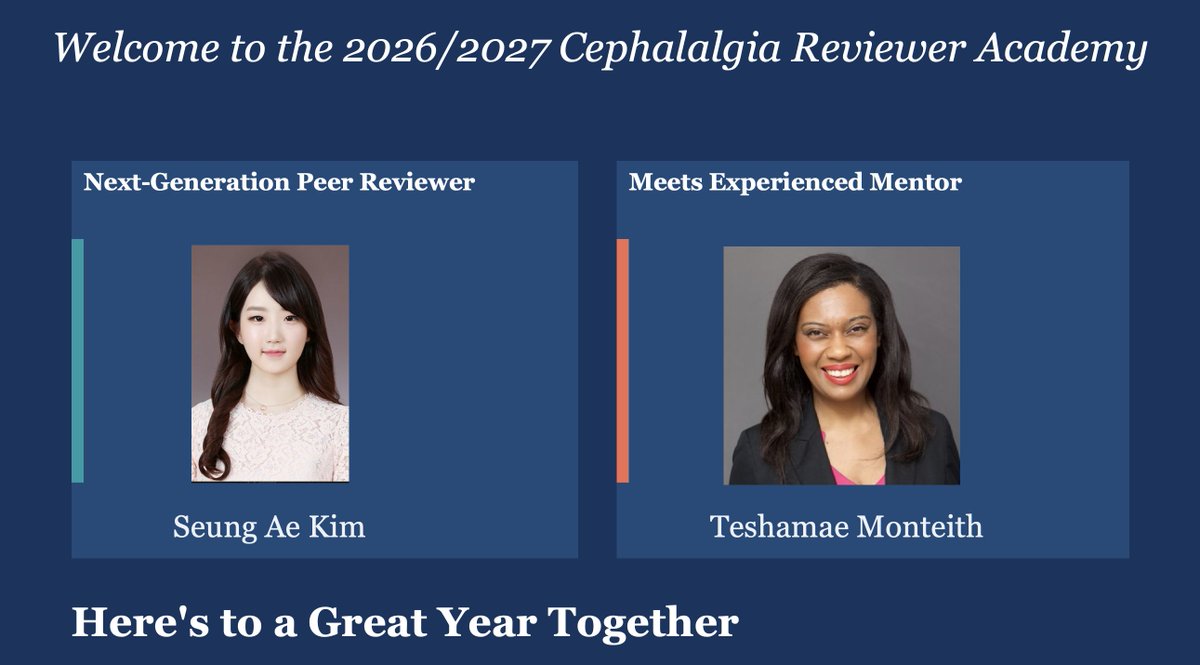
🌟 Mentor Spotlight | Cephalalgia Reviewer Academy 2026–2027
We are delighted to introduce another mentor–mentee pair from the 2026–2027 Cephalalgia Reviewer Academy.
👩🎓 Fellow: Seung Ae Kim
👩🏫 Mentor: Teshamae Monteith
Through the Cephalalgia Reviewer Academy, Fellows receive personalised mentorship from internationally recognised experts in headache medicine and research. Over the coming year, Seung Ae will work closely with Teshamae, gaining hands-on experience in peer review through structured training, supervised reviews, and constructive feedback.
We are excited to see this mentorship develop and look forward to following their journey as they contribute to the future of high-quality scientific publishing in headache research.
Please join us in welcoming Seung Ae and thanking Teshamae for supporting the next generation of peer reviewers.
#Cephalalgia #CephalalgiaReports #ReviewerAcademy #PeerReview #Mentorship #HeadacheResearch #Neurology #ScientificPublishing #MedicalEducation #ResearchIntegrity
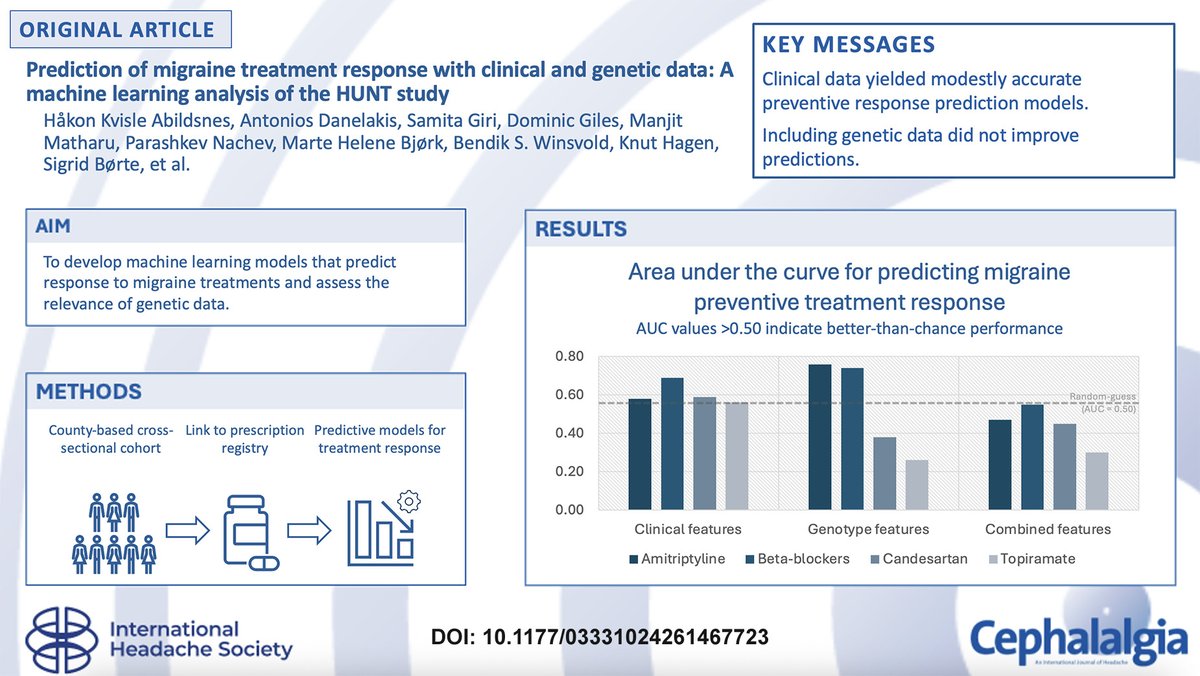
We are pleased to announce and congratulate the authors on their paper, “Prediction of migraine treatment response with clinical and genetic data: A machine learning analysis of the HUNT study” which has been selected as the Editor’s Choice for the July issue of Cephalalgia.
..................................
Article highlights
•
Machine learning models can predict treatment response to migraine preventives with modest accuracy.
•
Inclusion of genotype data in the models did not improve performance, however, this could be a result of the low sample size.
•
Predictions of triptan retention were unreliable.
https://t.co/sw5VoPzdrf
#migraine #headache #brain #pain #neurology #neuroscience
New in Cephalalgia!
This new study uses machine learning to predict individual responses to migraine drugs. Clinical data provided modest accuracy, while genetic data contributed little. Hormones, lipids and blood pressure look most informative.
https://t.co/sw5VoPzdrf
#migraine #headache #brain #pain #neurology #neuroscience
New in Cephalalgia!
First real-world study of rimegepant as preventive treatment (n=150), including prior anti-CGRP mAb exposure. Effective at 3 months, well tolerated, and associated with improved mood symptoms, even in highly treatment-resistant patients
https://t.co/hhTry37HOy
#migraine #headache #brain #pain #neurology #neuroscience