Bringing together 191 member countries to improve lives through global growth and economic stability.
@FMIactualites @FMInoticias @IMFAfrica @IMFAsiaPacific
The 2026 Annual Meetings of the IMF and World Bank will open in Bangkok, Thailand, on October 12, 2026. It’s a return to the country that hosted the Meetings 35 years ago. The countdown starts today. #IMFMeetings
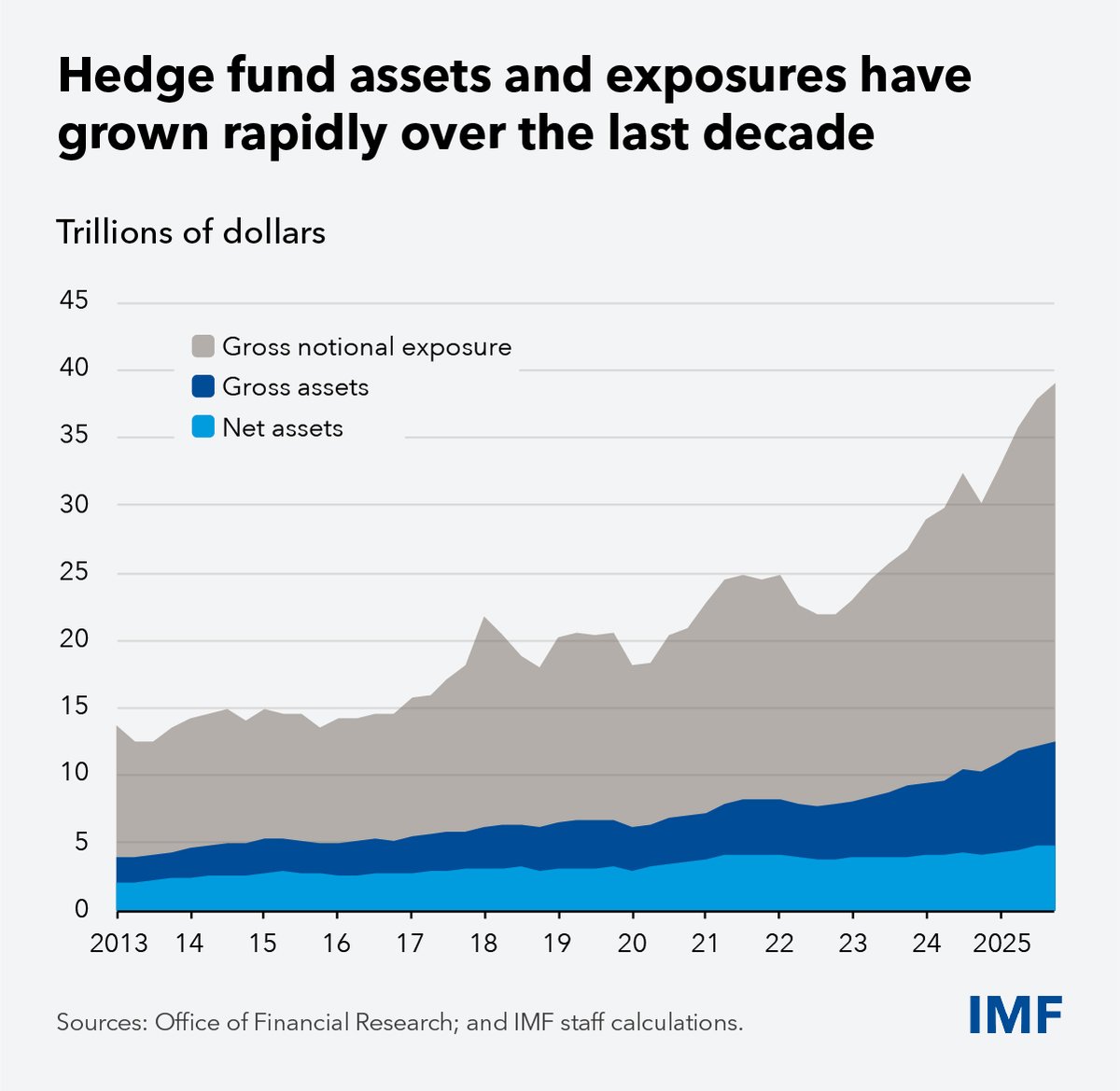
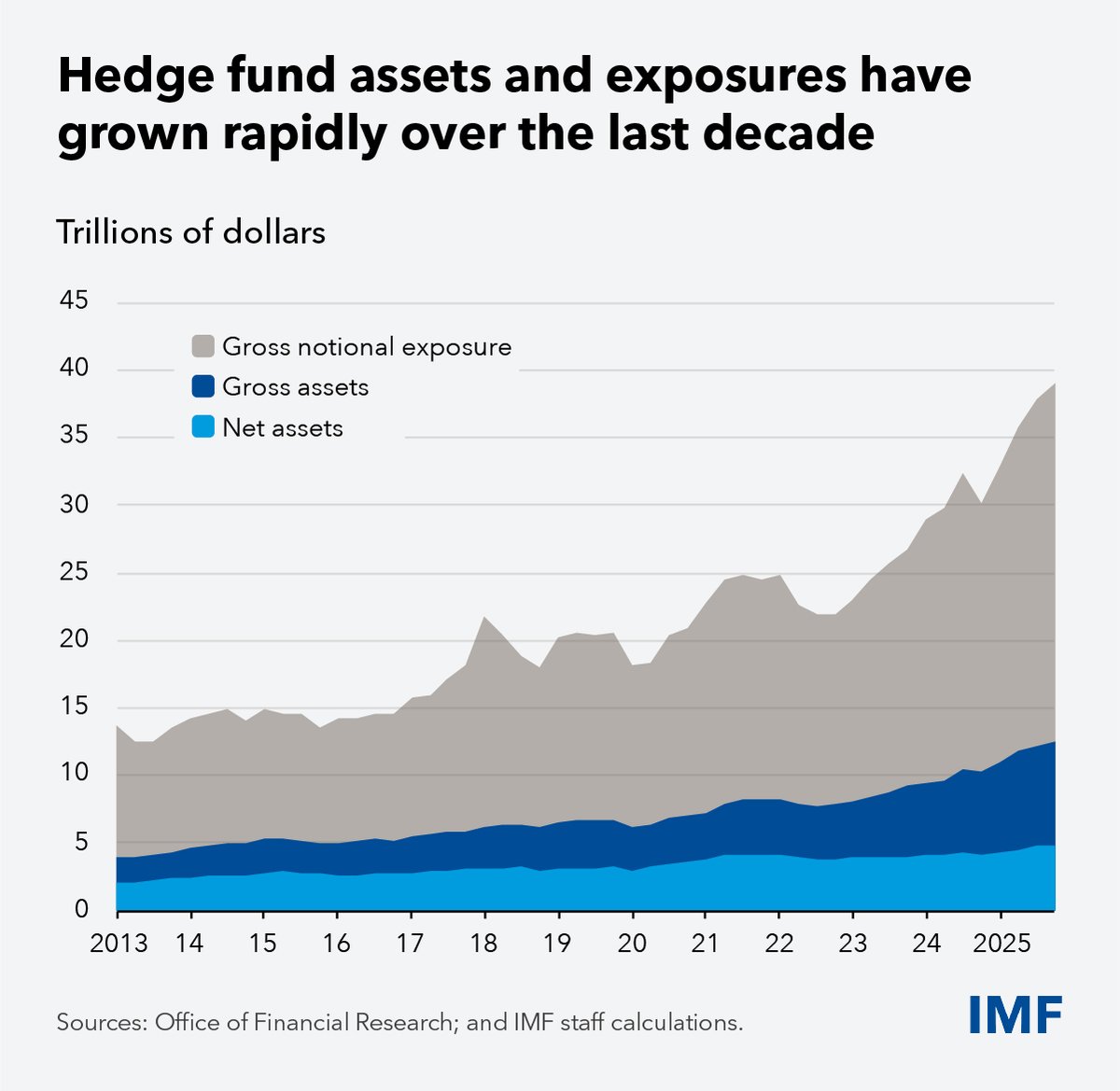
As hedge funds play a bigger role in financial markets, countries should better monitor their borrowing and interconnectedness, and calibrate policies to underlying vulnerabilities. See our new blog: https://t.co/5B9JlnCR02
Hedge funds help markets function but can amplify shocks if stress hits. As their footprint grows, policymakers need more visibility into their borrowing, linkages, and cross-border risks to strengthen financial resilience. Read our latest blog: https://t.co/nNKpPbiJZz
Hedge funds have become major players in global finance. Their growing influence brings benefits, but periods of market turbulence can also expose vulnerabilities and amplify volatility. Find out what this means for financial stability in our latest GFSR chapter: https://t.co/8AkdUPz99v
WATCH NOW: New IMF analysis looks at how hedge fund leverage, crowded trades, and redemption pressures can amplify market stress and create financial stability risks.
Launch event: https://t.co/9cT70LCj40
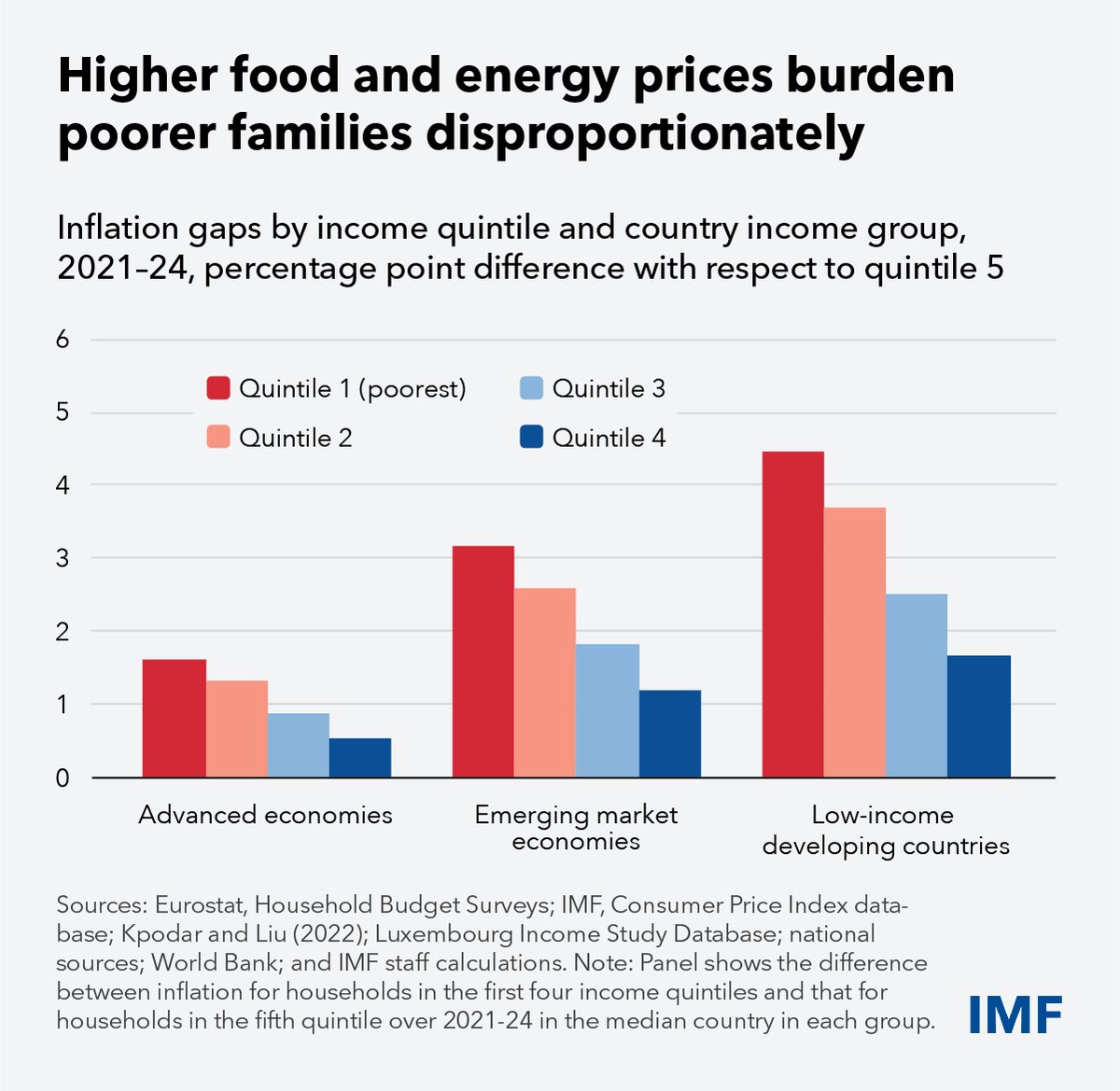
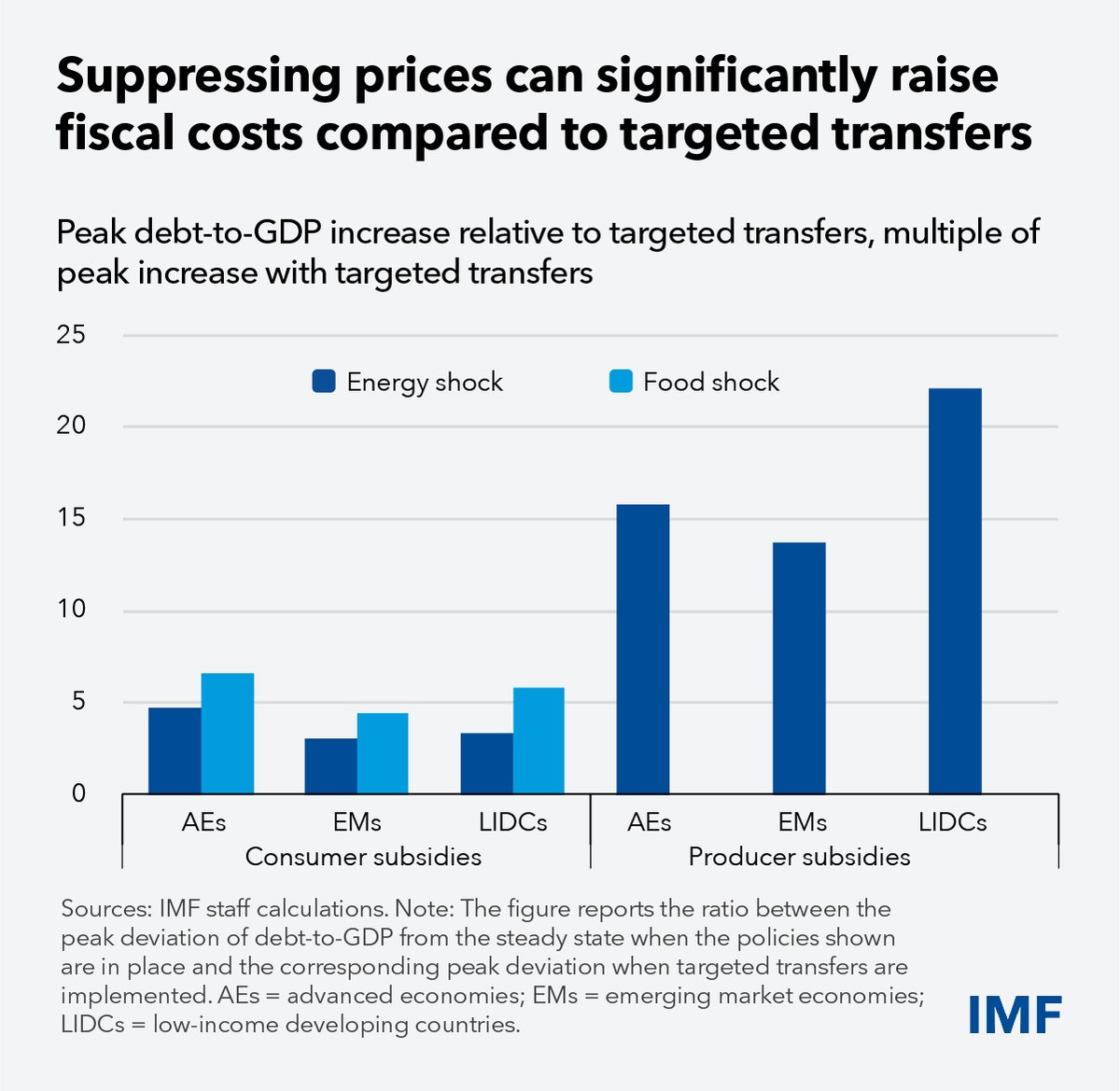
Higher food and energy prices are a bigger burden for poorer families. Targeted support, not subsidies, can best protect them when inflation surges. See our latest blog for more. https://t.co/HiQD0mOoW9
Cost-of-living crises hit lower-income households hardest. Governments often rely on broad subsidies and tax cuts, but new IMF research finds targeted and temporary transfers best protect the vulnerable while preserving fiscal space.
https://t.co/vwXHRxkW4n
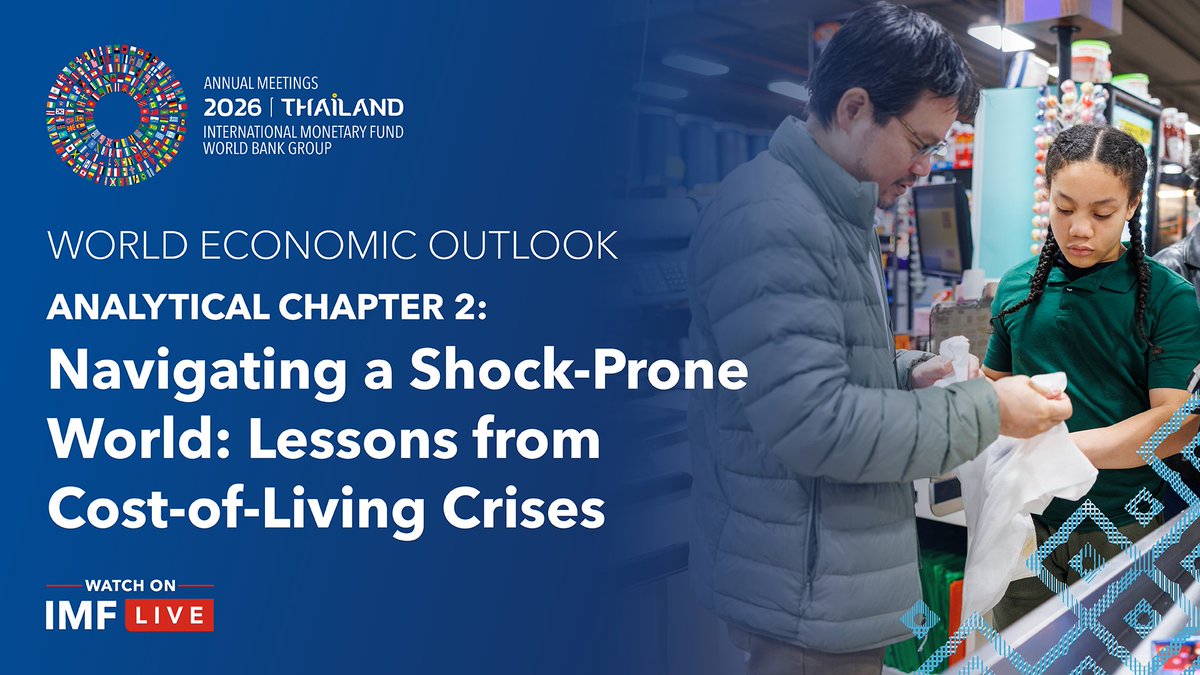
WATCH NOW: IMF economists discuss new research on cost-of-living crises, their disproportionate impact on lower-income households, and how governments can protect the most vulnerable while preserving fiscal space.
https://t.co/Sv613lIIjq
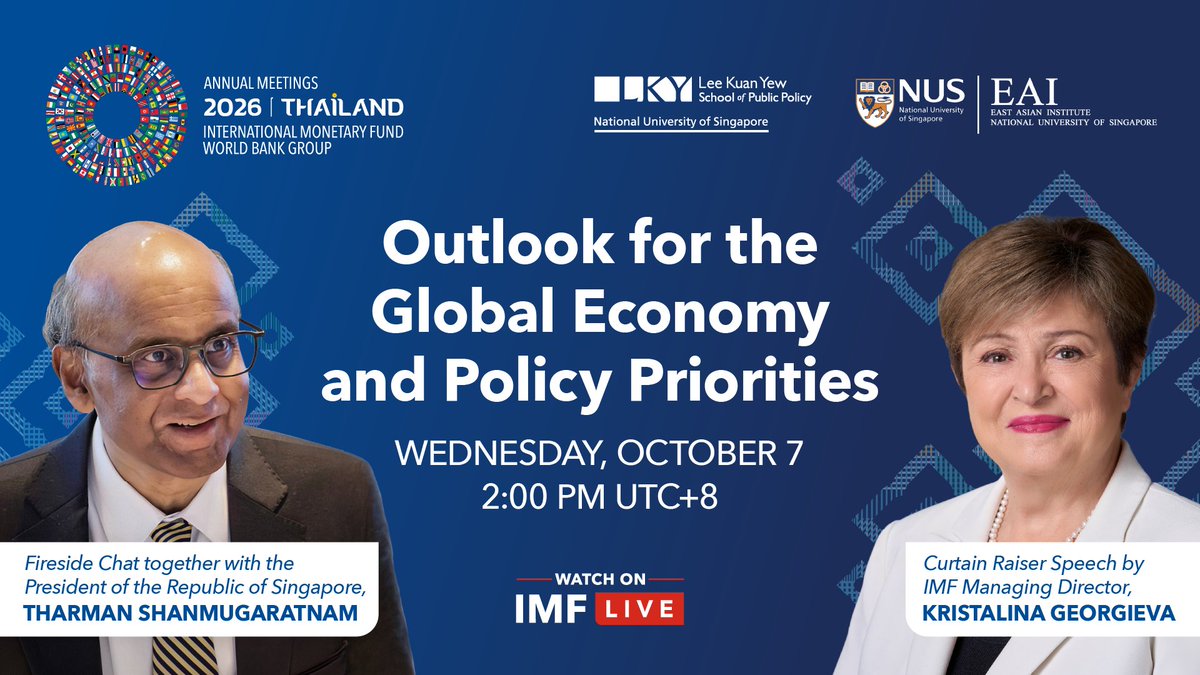
Hello, Singapore! Delighted to be in this vibrant city again. Looking forward to conversations on the global outlook, opportunities for growth, and how to build greater resilience in a changing world, ahead of our #IMFMeetings in Bangkok next week.
TOMORROW: IMF Managing Director Kristalina Georgieva takes the stage in Singapore for the 2026 Annual Meetings Curtain Raiser, outlining the IMF’s latest views on the global economic outlook and key policy priorities ahead of the #IMFMeetings in Bangkok. Stay tuned.
https://t.co/5LS9ERZE15
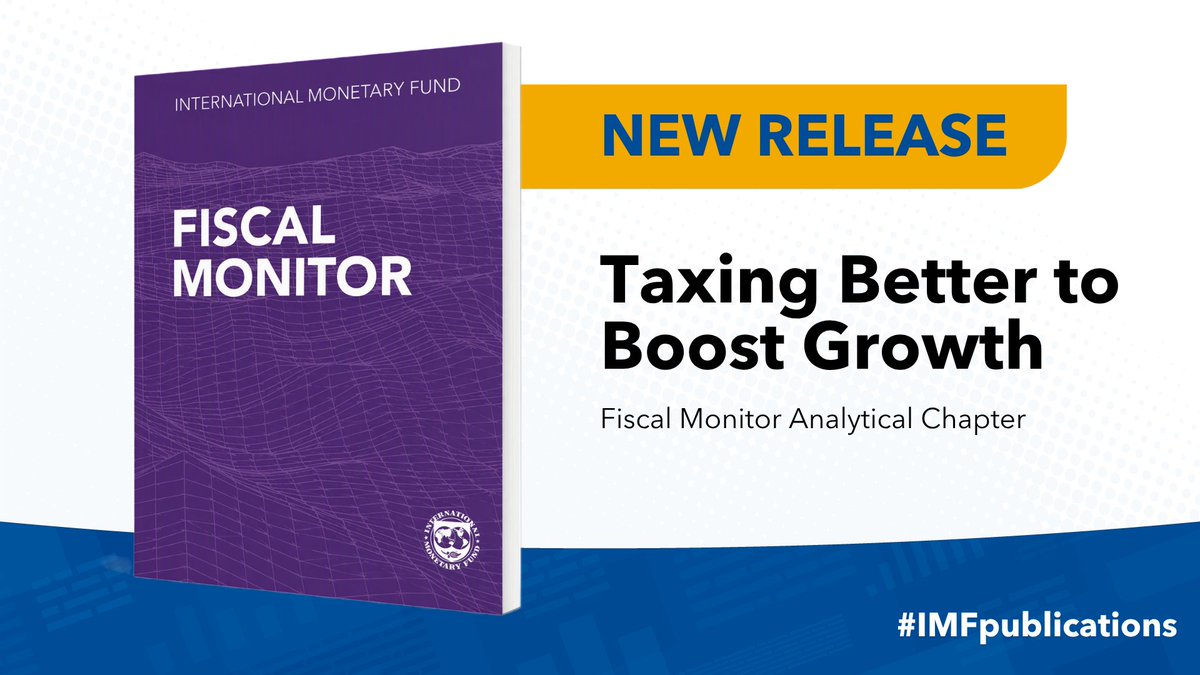
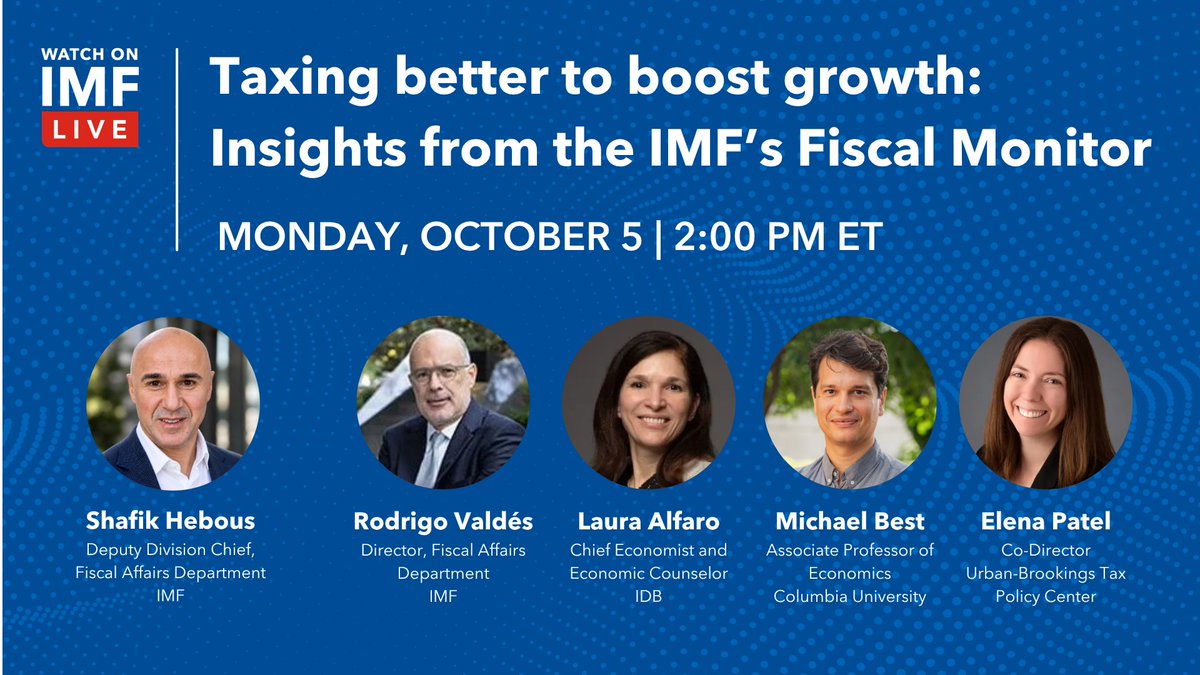
Many countries are facing tighter fiscal constraints, rising debt burdens, and spending pressures, while seeking stronger growth. The latest Fiscal Monitor analytical chapter finds that better tax design can support growth while preserving revenues. https://t.co/prV7YISfX5
🔴 LIVE : The IMF's Shafik Hebous presents the latest Fiscal Monitor analytical chapter, Taxing Better to Boost Growth, followed by a discussion with IMF Fiscal Affairs Director Rodrigo Valdés and leading tax policy experts at @BrookingsInst. Watch now:
https://t.co/prV7YISfX5
TOMORROW: Tune in on Tuesday, Oct. 6, at 9:00 AM ET for a discussion on new IMF analysis of cost-of-living crises, their impact on lower-income households, and why targeted, temporary transfers can help protect the most vulnerable. https://t.co/vwXHRxkW4n
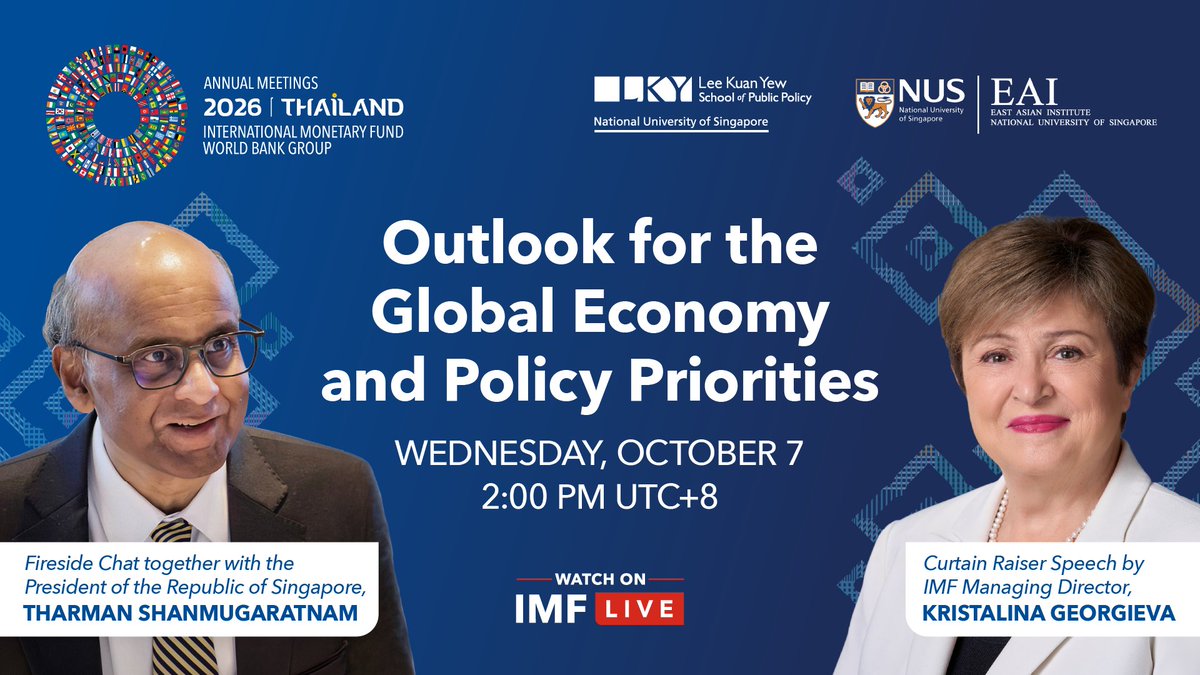
Join me from Singapore on Oct 7, at 2:00 PM UTC+8 as we set the stage for the #IMFMeetings. Together with President @Tharman_S, we’ll discuss the forces shaping the global economic outlook & how we can help our membership advance key policy priorities. https://t.co/YVPLgYHI1U
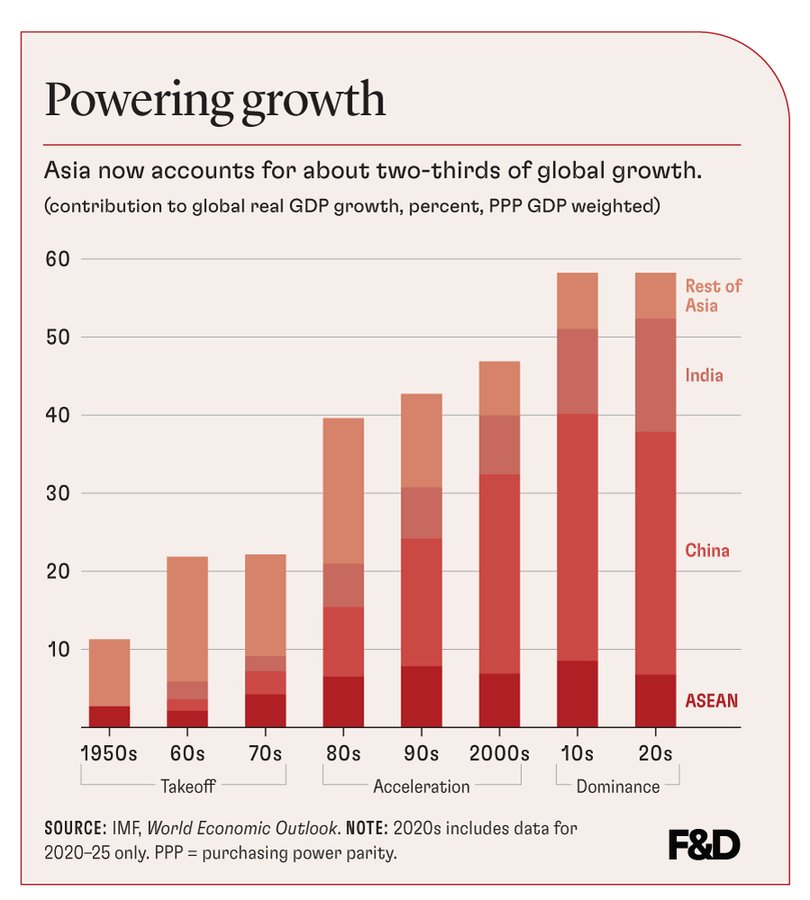
As we prepare for the #IMFMeetings in Bangkok, it is worth remembering that Asia now accounts for two-thirds of global growth. Sustaining that success will require a new playbook. An insightful piece by IMF’s Krishna Srinivasan in F&D magazine. https://t.co/4Sle5mNGXY
COMING UP at 2:00 PM ET: Join the IMF and @BrookingsInst for the launch of “Taxing Better to Boost Growth,” the latest Fiscal Monitor analytical chapter. Watch live: https://t.co/prV7YISfX5
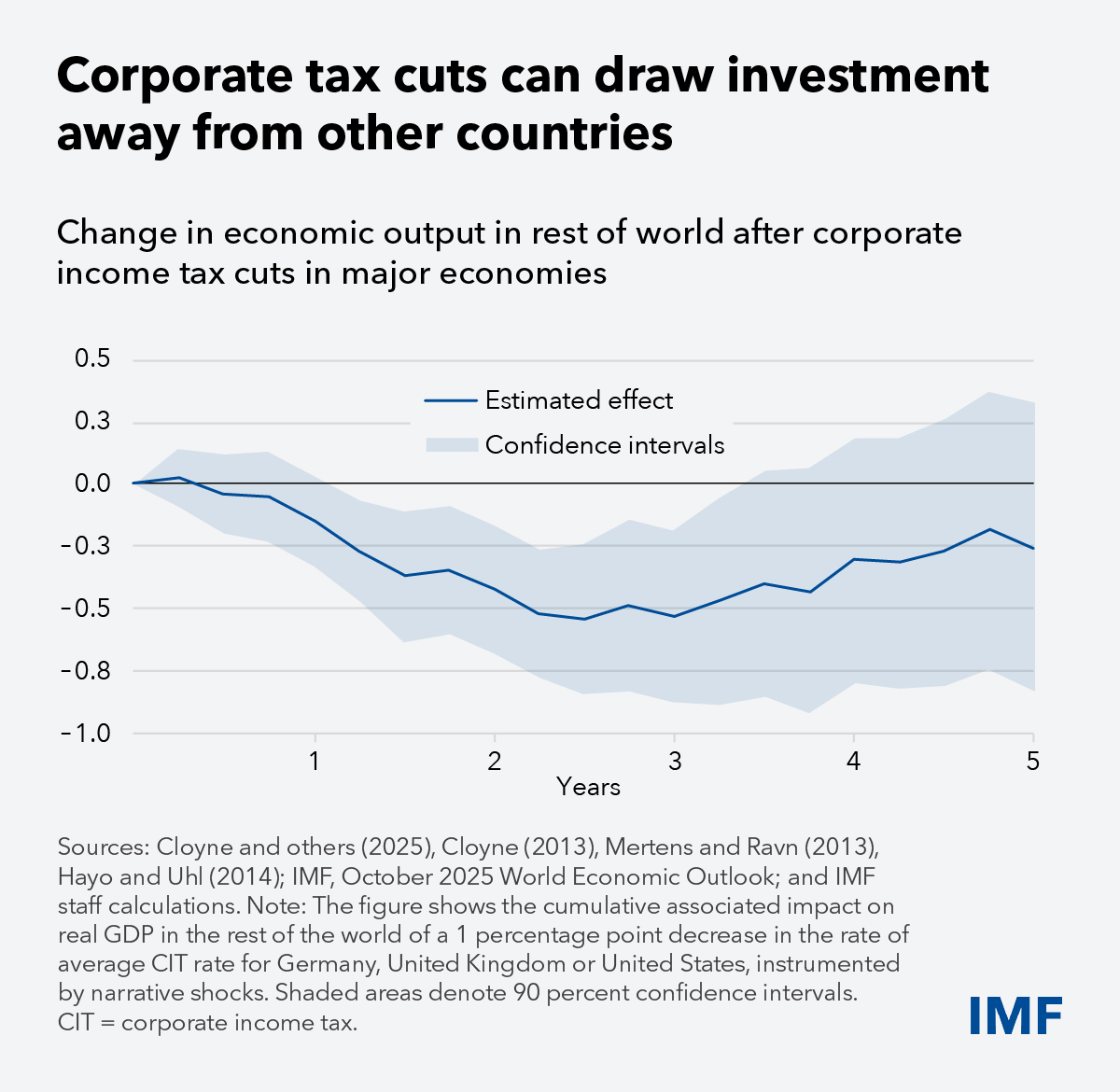
Tax cuts in major economies can reduce output elsewhere, as the effects of capital reallocation can outweigh the benefits from stronger import demand. See our new blog. https://t.co/B4Ryew065W
Join IMF’s Carolina Osorio Buitron, UCLA’s @KClausing, the @WorldBankGroup’s Pierre Bachas, and @TaxJusticeNet’s Andres Knobel for a discussion on how corporate tax changes spill across borders, shaping investment, revenues, and output across economies. https://t.co/QoIVbRJJIb
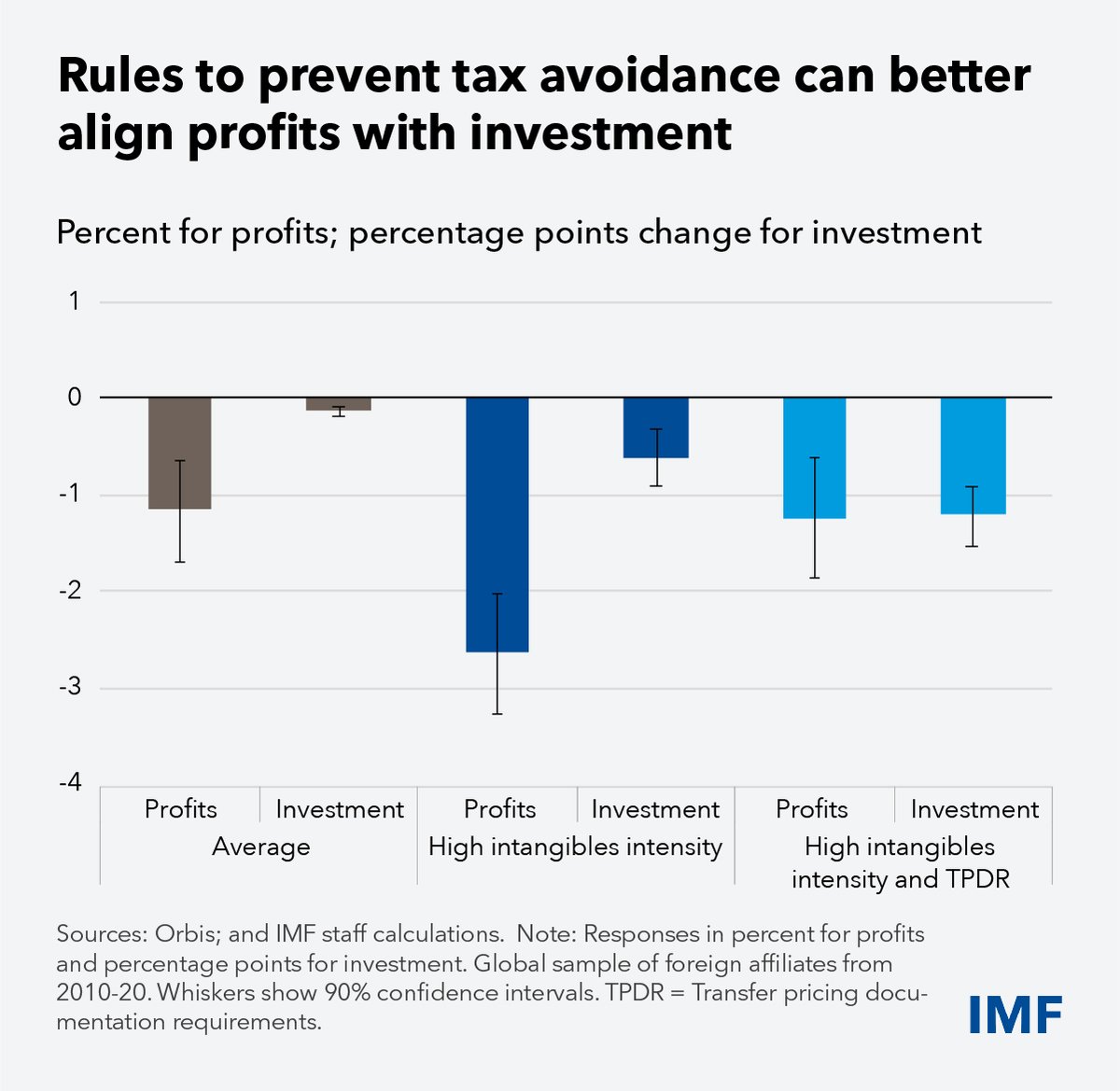
Tax competition & multinationals’ behavior are changing as anti-avoidance measures take hold. IMF analysis finds profits are now less responsive to tax differentials, while real investment is more responsive, suggesting profits could be realigning with activity. https://t.co/yoil3EB47M
Better debt tools help countries finance development while keeping vulnerabilities in check. The revised LIC-DSF sharpens assessments, better captures domestic debt risks, and reflects long-term development and climate pressures.
TOMORROW: Tune in on Monday, Oct. 5, 2026, at 9:00 AM ET as IMF economist, Carolina Osorio Buitron is joined by tax experts to discuss new analysis showing that tax competition remains a defining feature of the global economy, but its nature is changing.
https://t.co/GpKdOz6qUK