Account managed by the @FAO Secretariat of the International Plant Protection Convention (#IPPC) working on #PlantHealth, #IYPH and #PlantHealthDay 🇺🇳🌿
Be part of the International Day of Plant Health on 12 May 🌱
Help raise awareness on why protecting plants matters for our food 🍽️, environment 🌍, and future.
Explore the Get Involved Guide: https://t.co/gCy5Oe4fCz
and promotional materials 👉 https://t.co/AKqaJdLlgm
#PlantHealthDay #ProtectOurPlants
📖 Term of the week: International Standard for Phytosanitary Measures (ISPM)
ISPMs provide science-based guidance to help prevent the spread of plant pests while facilitating safe trade in plants and plant products.
🌱 Protecting plants. Supporting trade. Strengthening global cooperation.
🔗 https://t.co/lrO2G5FqRW
#PlantHealth #ProtectOurPlants #ISPMs
In the spirit of World Humanitarian Day, we honour those delivering life saving assistance during crises.
Humanitarian assistance must reach people in need quickly, but it should not unintentionally introduce plant pests that could undermine recovery, threaten food security and disrupt the environment.
Through its work on the Safe provision of humanitarian aid in the phytosanitary context, the @ippcnews is helping countries protect people and the plant resources they depend on.
Saving lives comes first. Safeguarding plant health helps ensure that recovery can last.
🔗 Discover more: https://t.co/eKqfIdhj9c
#ActForHumanity #WorldHumanitarianDay #PlantHealth
🌱 Climate change is increasing the spread of plant pests, diseases, and mycotoxins, threatening food security, biodiversity, and ecosystem resilience.
Protecting #PlantHealth is essential for #OneHealth and climate resilience.
🔗 https://t.co/paKO4QR16A
#ClimateChange #PlantHealth #OneHealth
🌱 Justina Chivanga of Zambia's NPPO explains how the @ippcnews Plant Health Campus, an e-learning platform, supports plant health professionals through accessible training, up-to-date knowledge, and @FAO certified learning opportunities.
🎥 https://t.co/z8P3l5adeA
#PlantHealth #IPPC #PlantHealthCampus
🌴 "One insect. One consignment. One gap in a system."
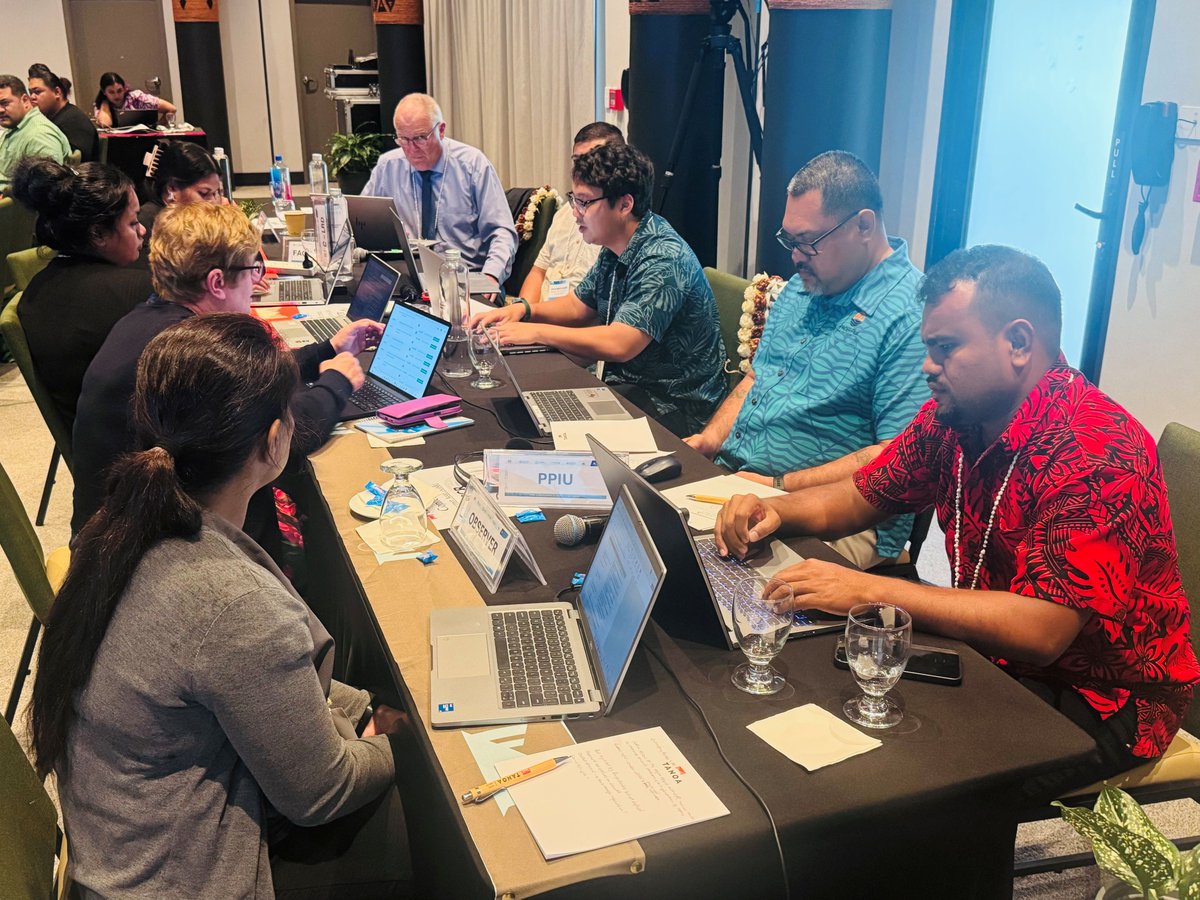
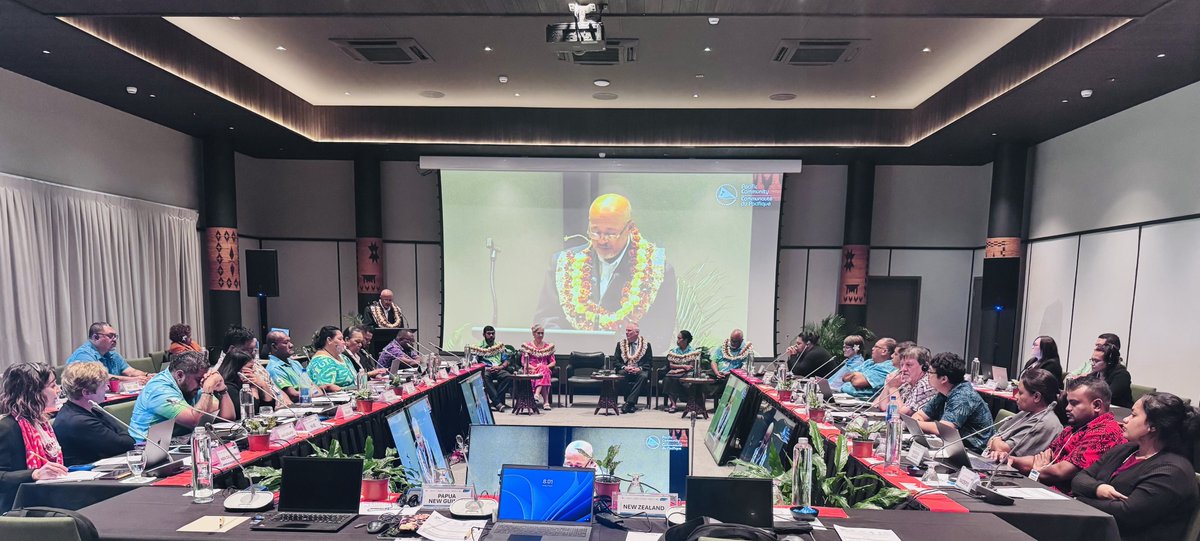
Opening the #IPPC Regional Workshop for the Southwest Pacific in 🇫🇯 Fiji, @ippcnews Secretary Enrico Perotti highlighted how plant health underpins food security, biodiversity, livelihoods and trade.
🔗 https://t.co/VS5Z8pE5bM
#PlantHealth #SouthwestPacific
⏳ 2 days left!
NPPOs and RPPOs are invited to nominate representatives for the IPPC ePhyto Governing Body (EGB).
Help shape the future governance and long-term sustainability of the IPPC ePhyto Solution.
📅 Deadline: 16 Aug 2026, 12:00 PM (Rome time)
🔗 https://t.co/BHg12noPW3
#PlantHealth #ePhyto
🎥Marina Elena Martino, Phytosanitary Standard Setting Specialist with the @ippcnews Secretariat at @FAO, explains how international standards help countries prevent the spread of plant pests and diseases while supporting safe trade and food security.
Lear more: https://t.co/oYfQSgwn4Z
#PlantHealth #IPPC #ISPMs
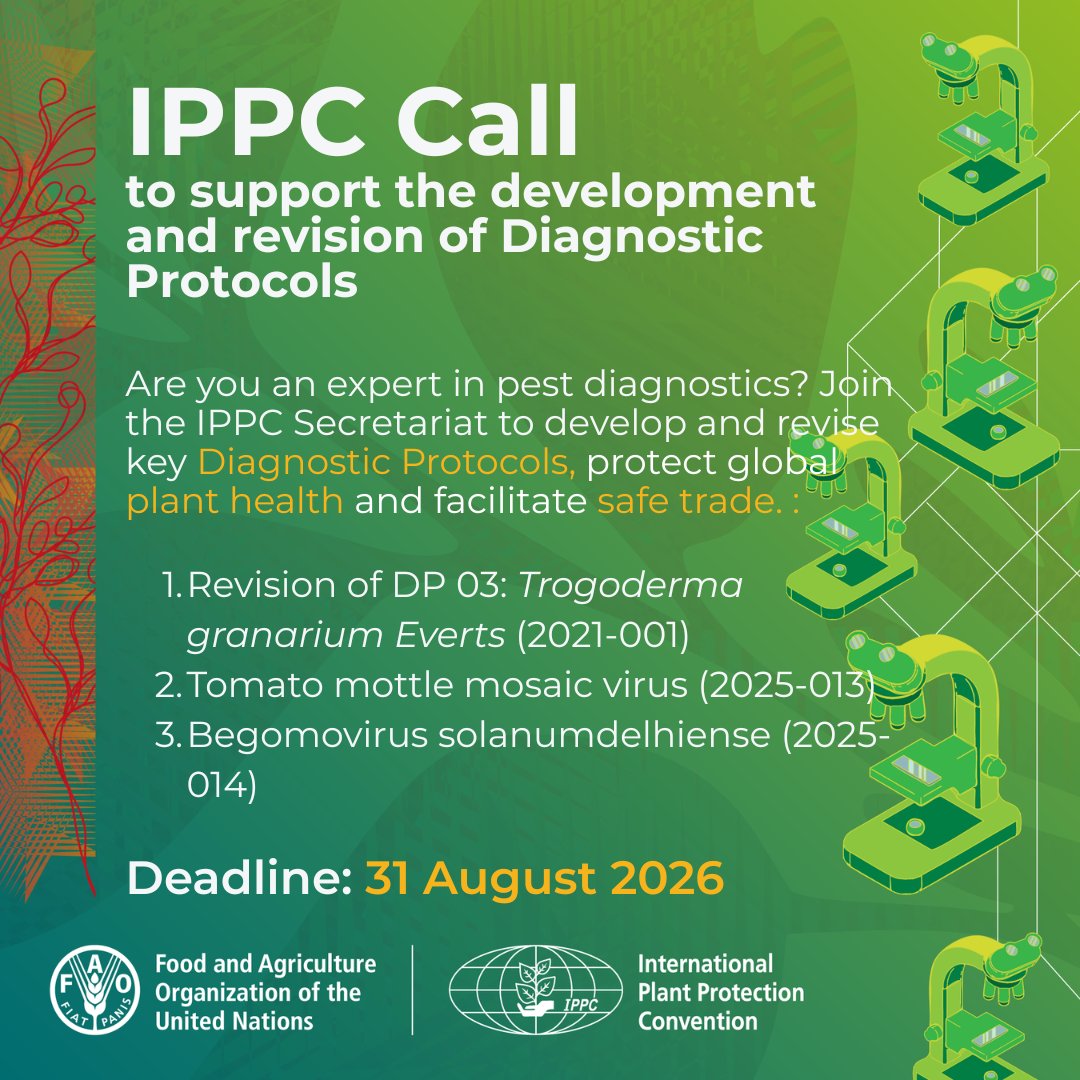
🔎 Accurate pest identification is the foundation of effective plant health management.
Plant health professionals worldwide rely on Diagnostic Protocols (DPs) to identify pests accurately and consistently, enabling reliable results across countries and laboratories.
⚠️ Without clear protocols, pests can be misidentified or detected too late, delaying action and increasing crop losses.
✅ By supporting early and accurate detection, DPs help protect plant health, biodiversity, food security, livelihoods and trade.
Developed under #ISPM27, IPPC Diagnostic Protocols are a key tool for managing regulated pests.
📖 Learn more: https://t.co/JKw4OcRYIP
#PlantHealth #IPPC
🌍 Supporting safe global trade, one commodity at a time!
“Commodity Standards can help IPPC Contracting Parties when deciding the best phytosanitary measures to ensure safe trade.”
🎥 Andre Felipe da Silva, Steward for the development of commodity standards on citrus fruit and fresh Musa spp. (banana)
Commodity Standards provide a non-exhaustive list of pests associated with specific commodities and relevant options for phytosanitary measures to support safe international trade.
🥭 The first-ever adopted commodity standard covers the international movement of fresh mango (Mangifera indica), with 5 more expected by 2028.
🔗 Learn more: https://t.co/yNaTU6rDYP
#PlantHealth #SafeTrade #CommodityStandards
🌱 Young minds. Plant health. A more resilient future.
This International Youth Day, want to get involved in plant health? 💡
Learn by doing with the IPPC Plant Health Campus’ Pest Emergency Simulation: Prevent, Prepare, Respond.
Step into a simulated pest outbreak, make decisions and build practical skills. 🎮🌱
👉 Access the course here: https://t.co/J7kdAFFhxJ
#YouthDay #PlantHealth
🍌 For millions of people worldwide, bananas are a major source of household income and food. But Fusarium wilt of banana (TR4) threatens global banana production and can cause up to 100% crop loss.
Robust pest surveillance, better diagnostics, timely reporting and effective containment measures are essential for stronger plant health systems that protect banana production from TR4.
Discover how IPPC standards and technical guidance support prevention, preparedness and response to TR4 outbreaks 🌱🛡️.
https://t.co/xej3ndU3LF
#PlantHealth #IPPC #Foodsecurity #SafeTrade
Phytosanitary certificates enable safe trade in plants and plant products across borders.
With the IPPC ePhyto Solution, countries can exchange phytosanitary certificates electronically, reducing pest risks and facilitating faster, better and more secure international trade.
Discover more: https://t.co/k5b1jKzBoD
#ePhyto #PlantHealth #SafeTrade
🦋 The False Codling Moth attacks more than 50 plant species, including peppers, citrus, cotton, macadamia and avocado.
Its ability to thrive in diverse environments makes it a major threat to plant health, safe trade and rural livelihoods.
✅ Strong surveillance
✅ Early detection
✅ Effective phytosanitary measures are key to preventing the pest's introduction and spread.
That's why developing and implementing International Standards for Phytosanitary Measures (ISPMs) matter.
👉More on the ISPMs: https://t.co/lrO2G5FqRW
👉https://t.co/71cp1JBgAh
🌱 #PlantHealth #IPPC
#ProtectingPlantsProtectingLife