The InPhO project is now the Internet Philosophy Project, but Indiana lives on in our logo! Our new permanent home is https://t.co/jwIBeIZm5r #philosophy
Bug fix: For too long the faceted search at https://t.co/RDcnpDZzWM has been broken but thanks to good work by Kirtan Sakariya, the one-stop SEP, Noesis*, Google and Bing search interface is back
[* philosophy-restricted Google search]
Wikipedia page moved to https://t.co/BK2A95h2wH. Wang studied with Bernays and taught at Harvard and Rockefeller, and he conjectured the existence of aperiodic tiles: https://t.co/wKHHzyvGsD
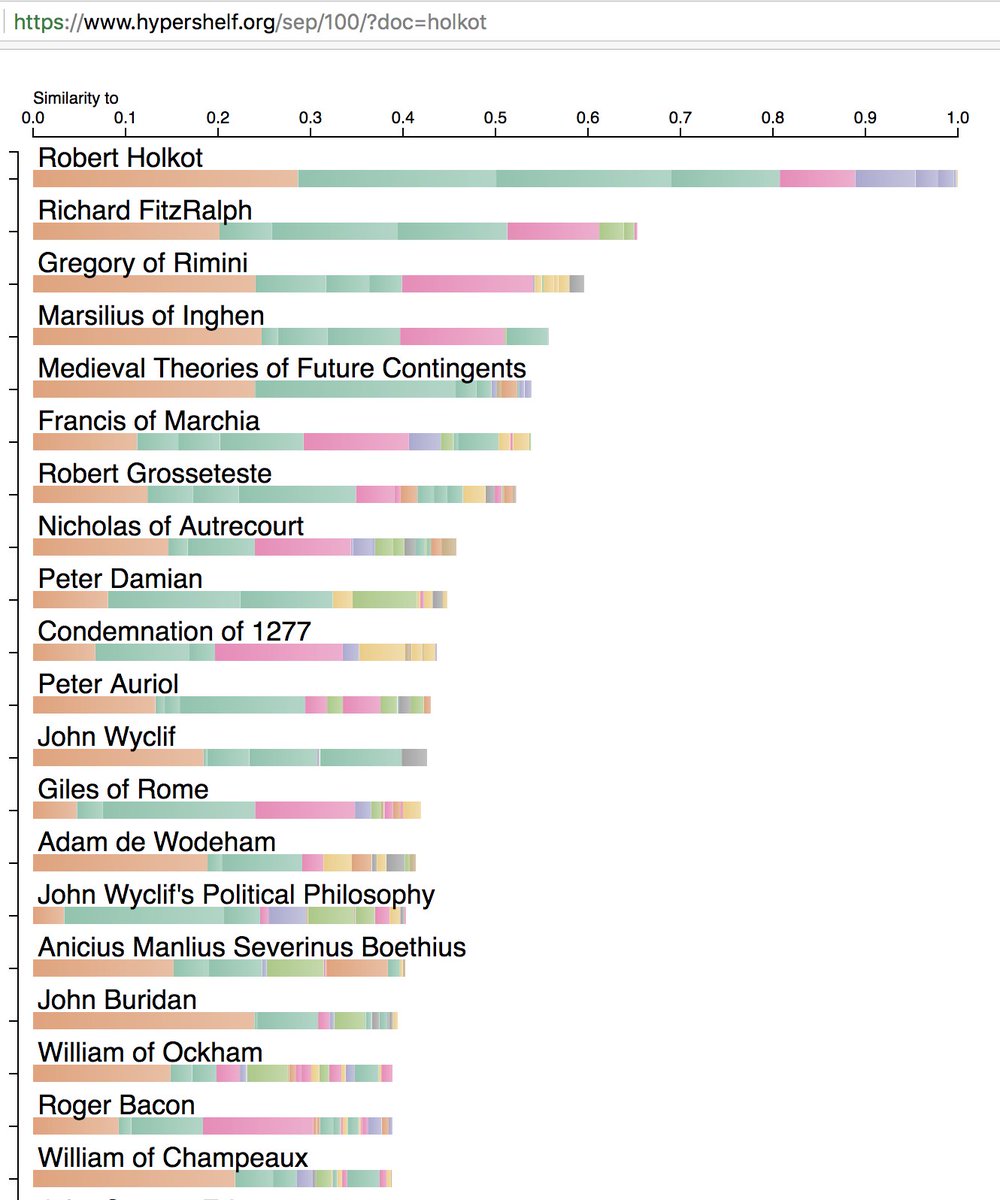
@InPhO_SEP@peoppenheimer What's this entry about? Quite different perspectives from 40-, 80- and 120-topic models
https://t.co/buPivY0WXF
https://t.co/qa42BSlM4q
https://t.co/OsBzz9jufL
@InPhO_SEP@dailySEP Yes, of course this entry is related to the Medievals, but how does it connect to issues in modern philosophy of language? Mouse down on that green section to re-sort by that second topic at https://t.co/02C9C7LMLT to find out!
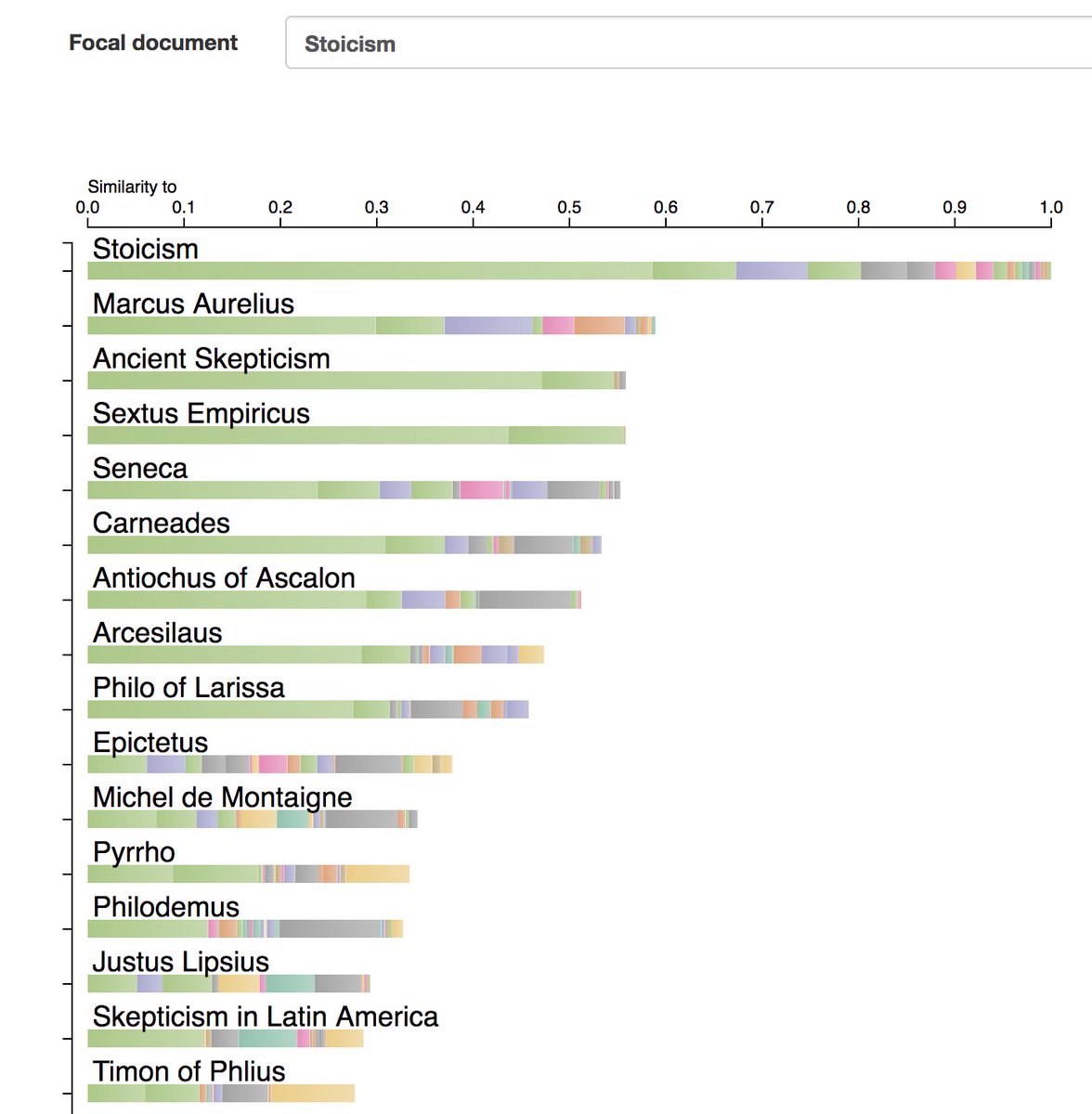
@InPhO_SEP@dailySEP Is “Fatalism” an entry on the metaphysics of time or philosophy of religion? With https://t.co/FXjEBeoP1f you can look at it both ways- just click on the topic that interests you...
Modal statements tell us something about what could be or must be the case. Such claims can come in many forms. Learn more about Varieties of Modality here: https://t.co/OKZXn8nmiH
@InPhO_SEP@peoppenheimer Our topic model page for Abhidharma is also a good jumping off point for exploring Buddhist philosophy of mind in the SEP https://t.co/3WwezsTgco
We don’t just model the SEP. Read about our efforts to model over 18,000 Classical Chinese documents at https://t.co/xVH2L444VG汉典古籍/ and explore the models at https://t.co/rQhm0qZ68x @CulturalAnalyt





![InPhOproject's tweet photo. Bug fix: For too long the faceted search at https://t.co/RDcnpDZzWM has been broken but thanks to good work by Kirtan Sakariya, the one-stop SEP, Noesis*, Google and Bing search interface is back
[* philosophy-restricted Google search] https://t.co/qqN74ZnU69](https://pbs.twimg.com/media/EHmMB-JUEAAhVzJ.png)