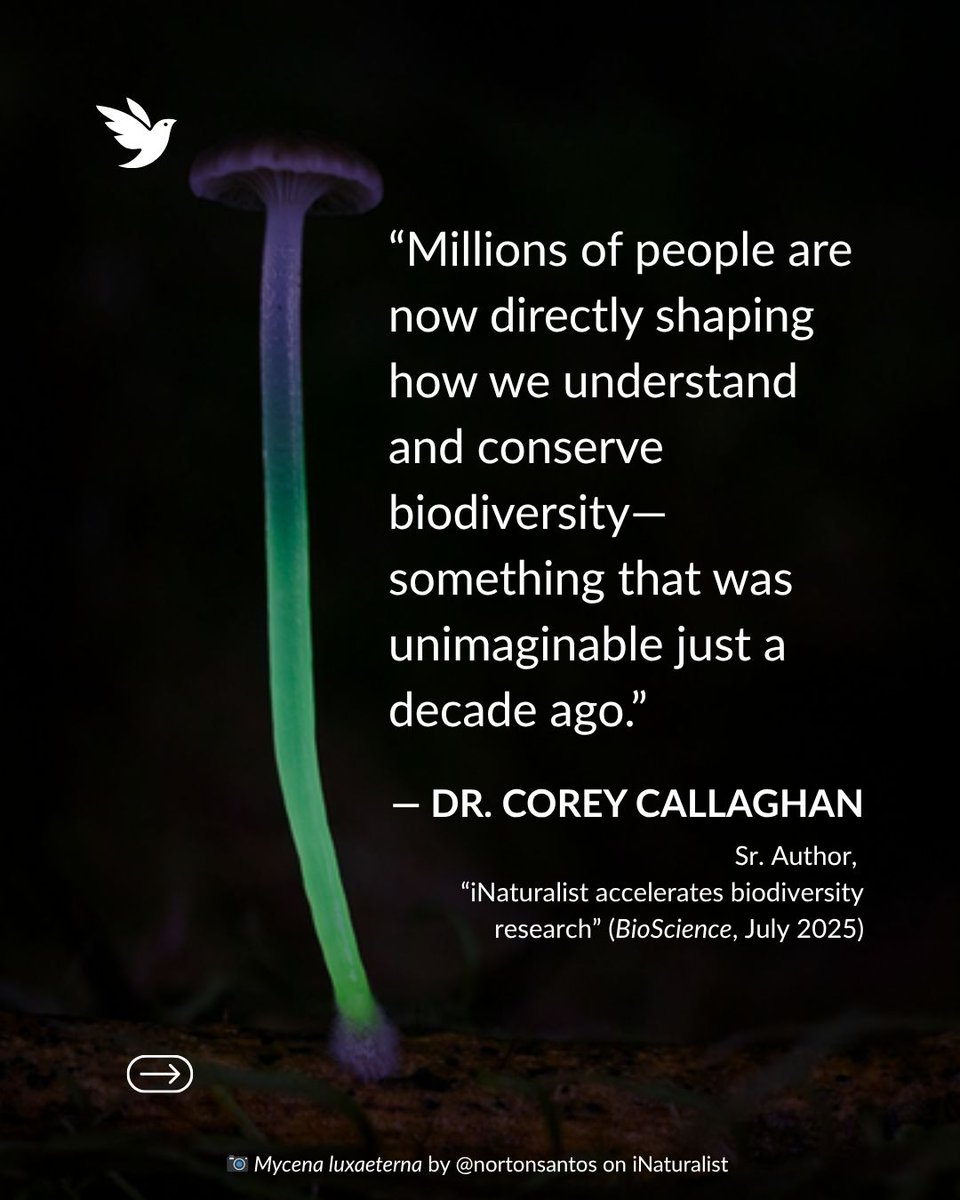
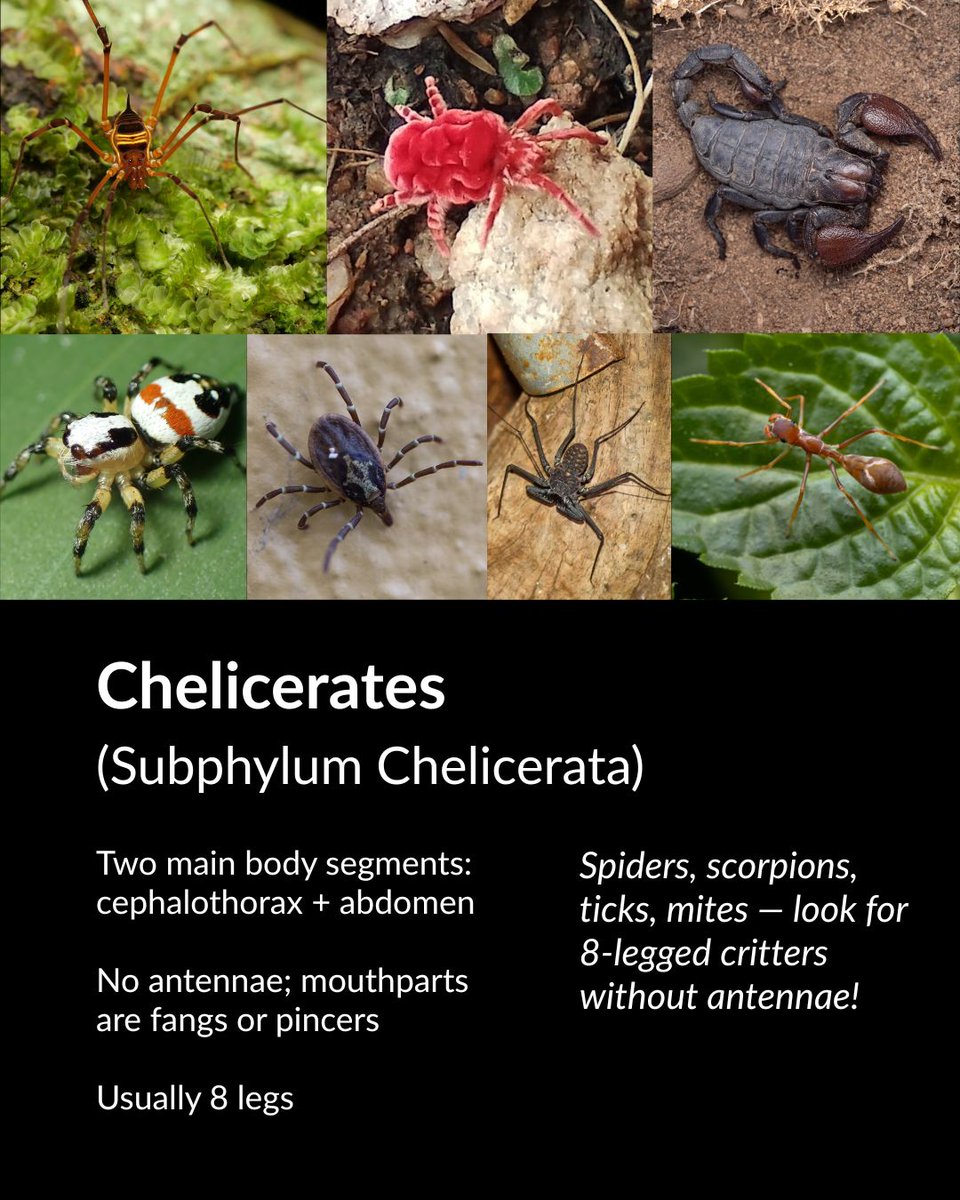
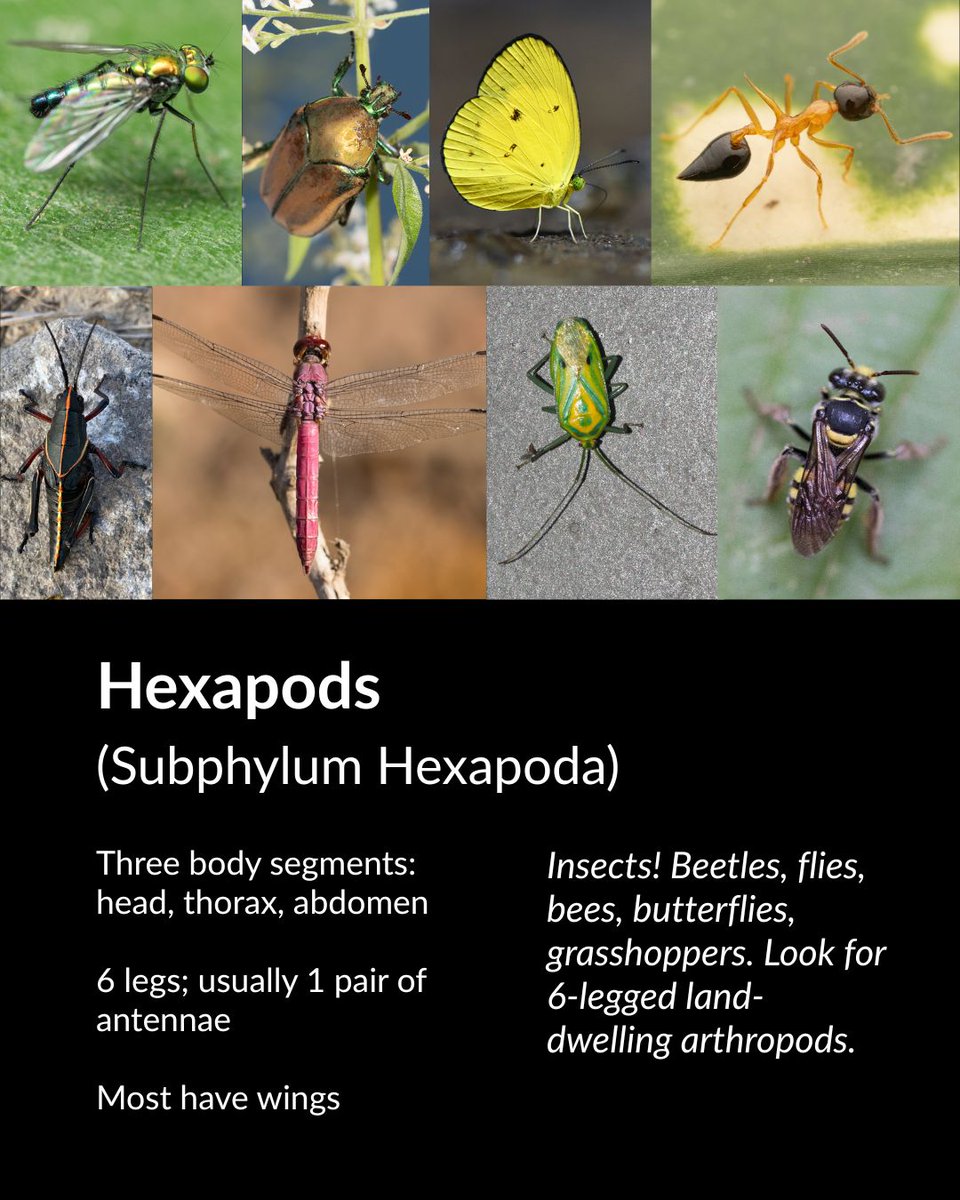
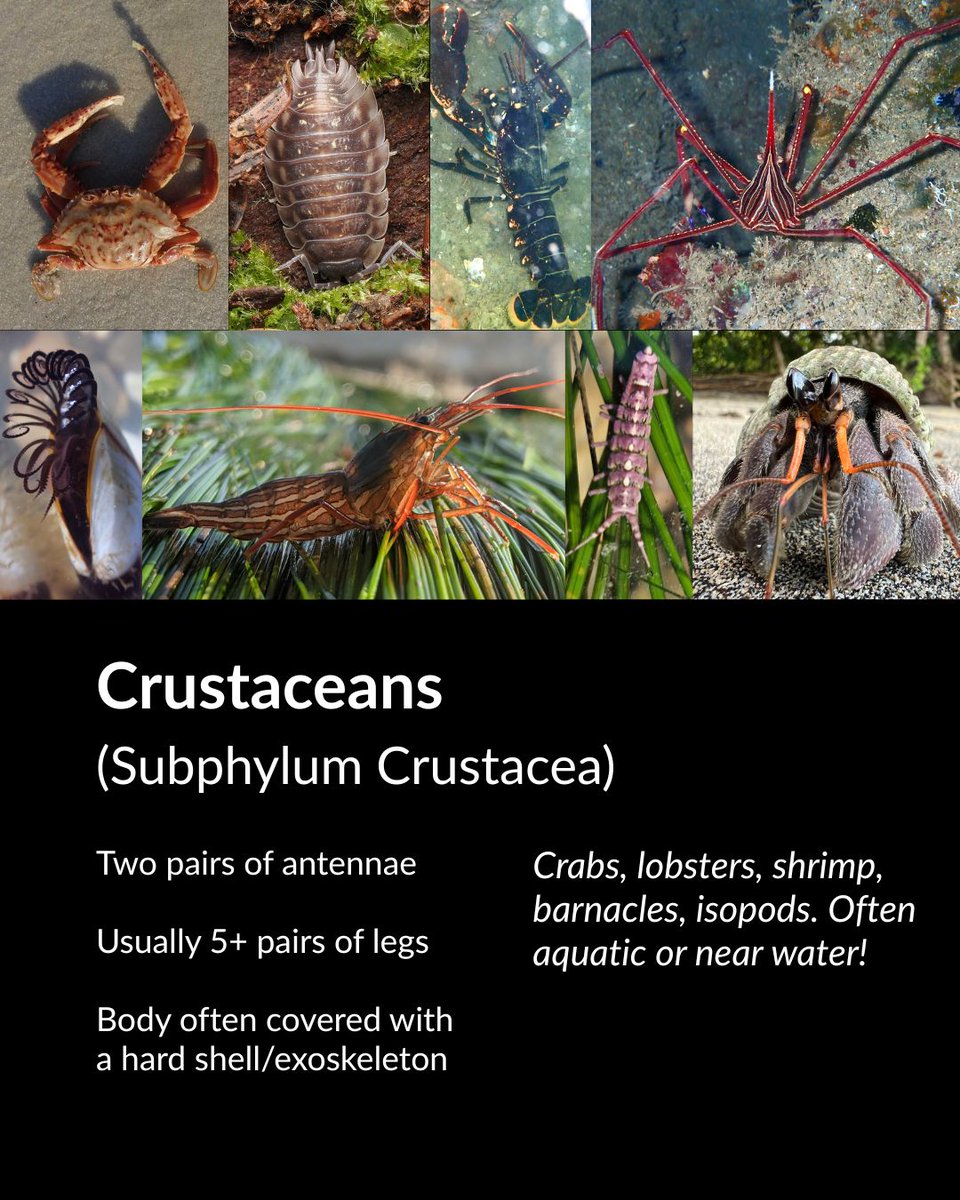
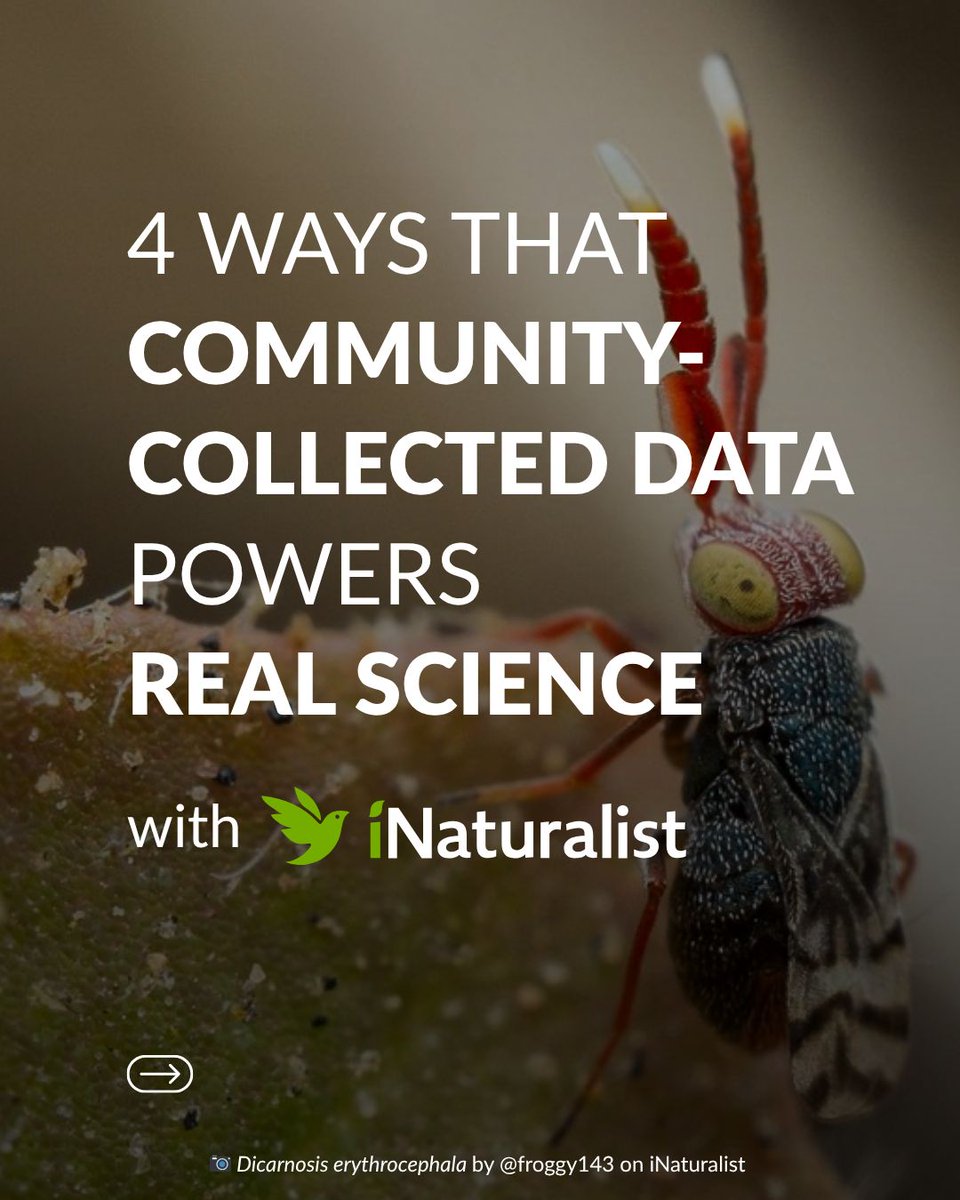
This new paper documents a tenfold increase in research papers using community-collected iNaturalist data over just five years: https://t.co/pUcXqZz30v
According to the study, here are four key ways that iNaturalist data directly powers science 🧵⤵️
If you received the email: please delete it, don't click any links, and change your passwords. We’re very sorry this happened and are committed to strengthening our systems and communicating with you as we learn more.
Security notice: An unauthorized party briefly accessed our email service provider and sent a fraudulent email to ~6,100 users with the subject "New Ledger Live Update." We've secured the system and are investigating. More details: https://t.co/m2pnpd0UT0
How did a toilet photo become a breakthrough for science? 📸🦦
@loarie of @inaturalist shares how a camper in a remote Colombian cabin snapped the first confirmed photos of a living Colombian weasel, a species once known only from 1800s museum skins. Uploaded to iNaturalist, the images turned a chance sighting into a major scientific moment, showing the surprising power of citizen science.
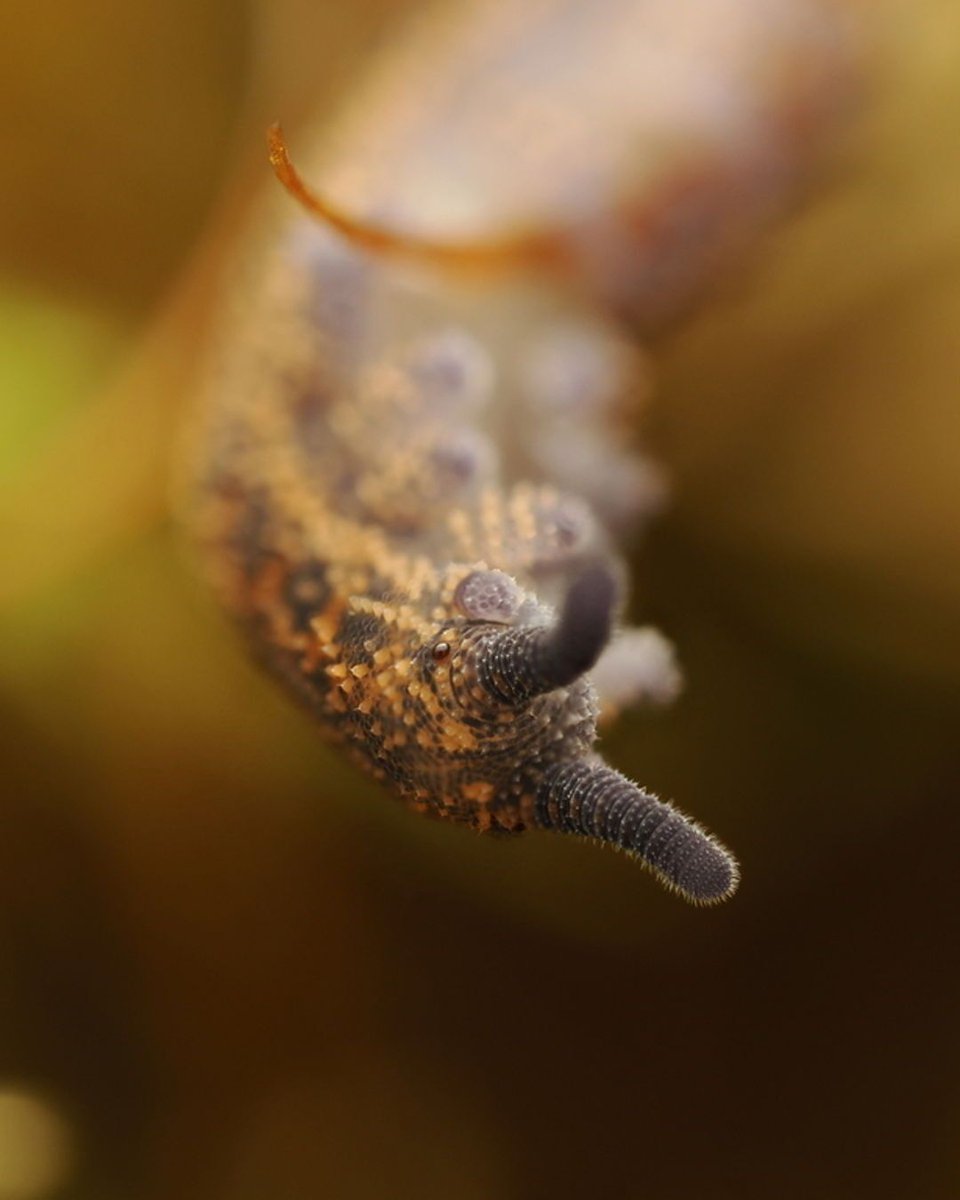
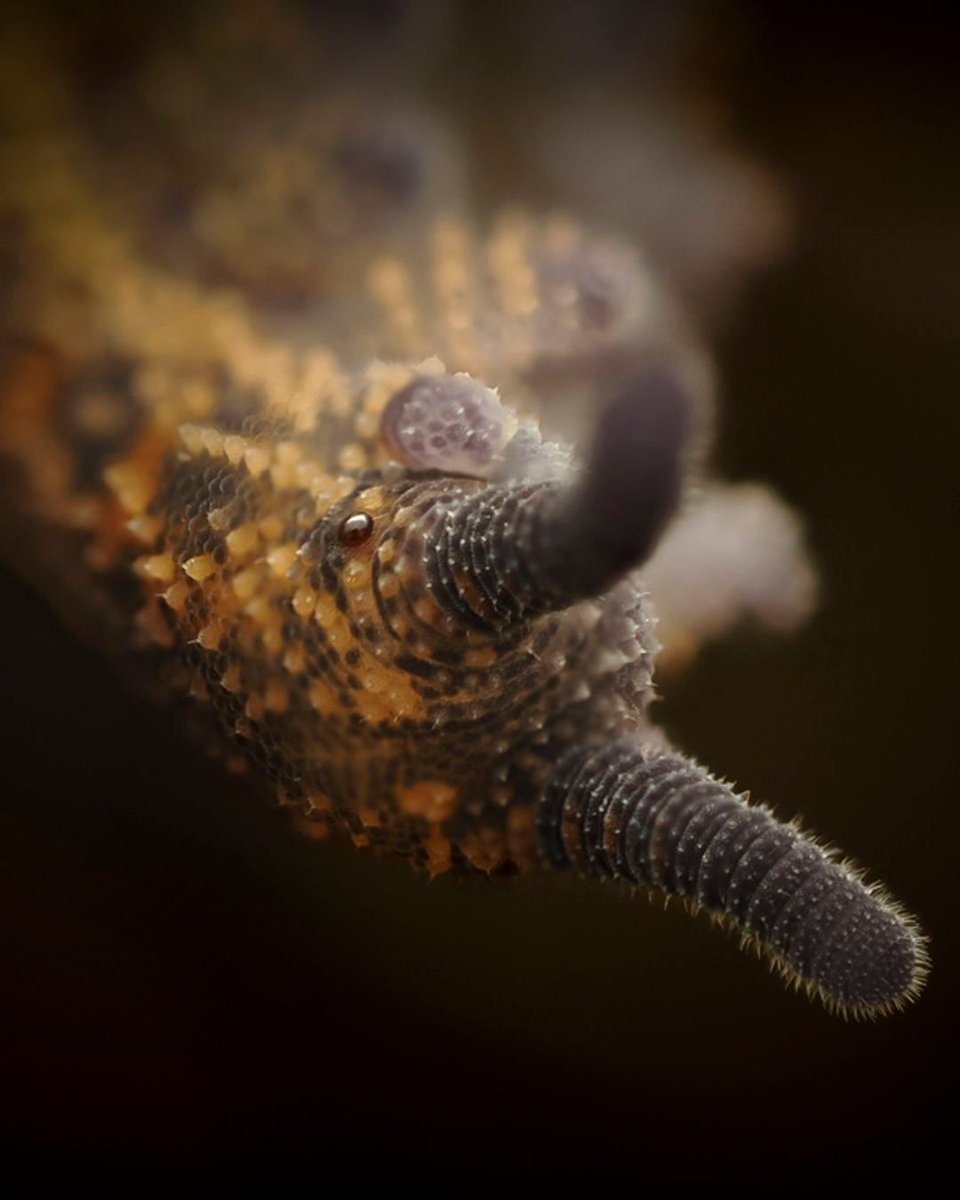
Velvet worm stare-down. (You're currently face-to-face with the species Peripatoides suteri!)
📷 emily_r on iNaturalist
📍 New Zealand
🔗: https://t.co/ynEVgF9KQ6
#ObservationOfTheDay
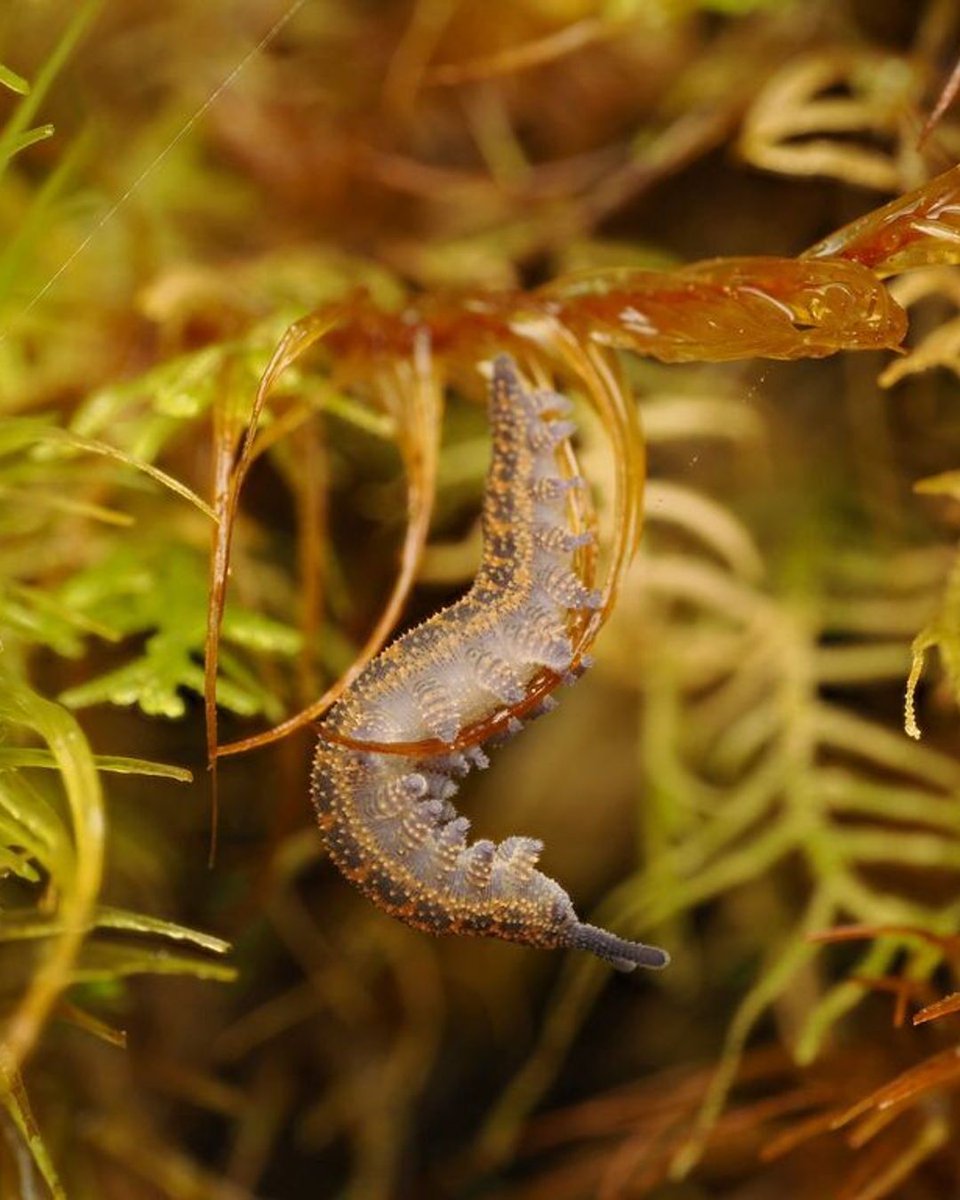
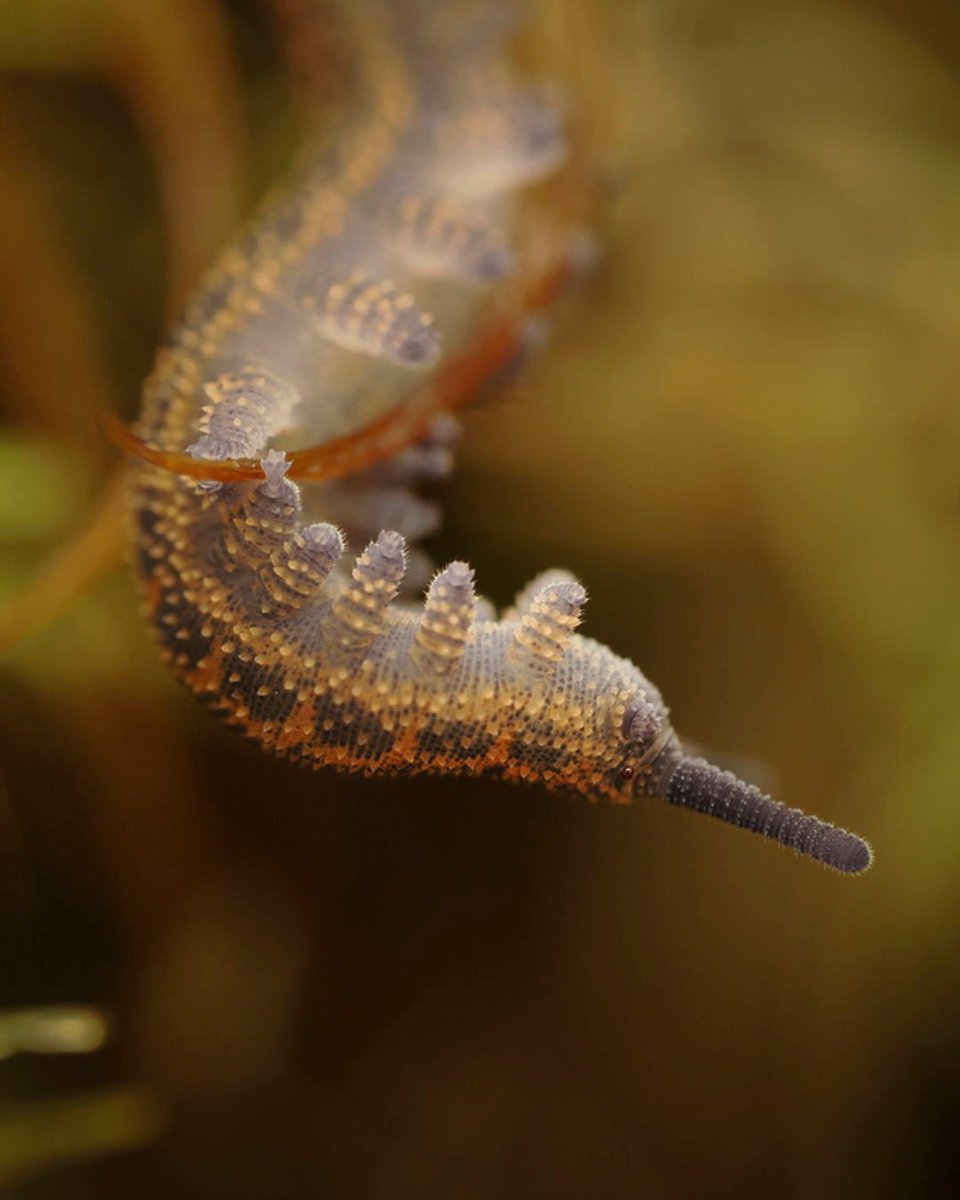
Consider your sign to stop and stare at logs a little more often because just LOOK at this glorious velvet mite! (Third photo is where it was spotted.)
📷 jeremyhegge on iNaturalist
📍 Australia
🔗: https://t.co/3ZiWcX3a4N
#ObservationOfTheDay
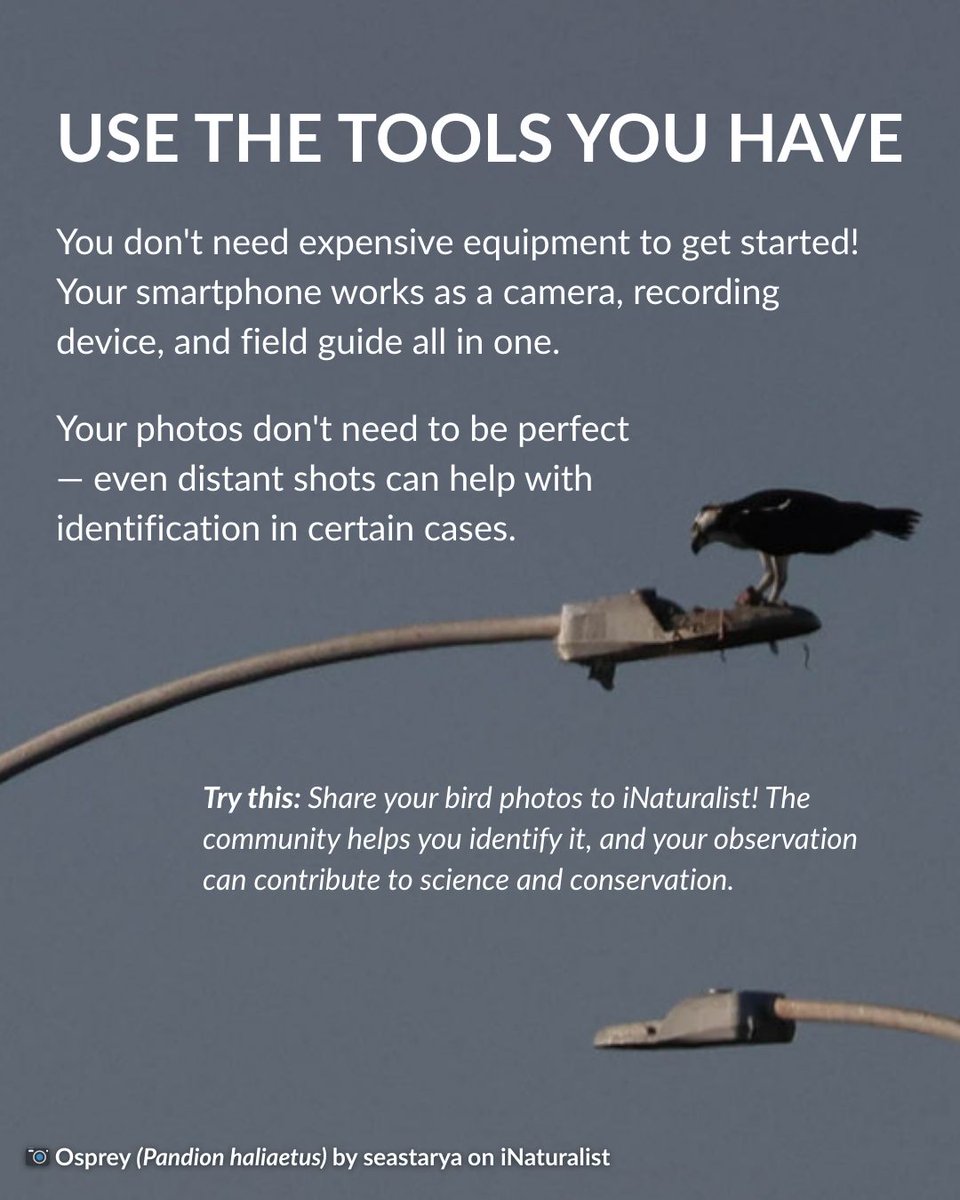
Happy #NationalBirdDay! Wherever in the world you are, go admire some birds today (and share your photos on iNaturalist). Here are a few quick tips to get you started. 🧵⤵️
You don't need expensive equipment to get started! And your photos don't need to be perfect — even distant shots can sometimes help with identification.