Data Science that Listens -Strategy is about people. Author of 3 books, 5 courses on listening, thinking styles, mentalmodels. Founding partner of Adaptive Path
I invite you to follow me on 🦋 #BlueSky (https://t.co/zzpjU24dDm) or 💼LinkedIn (https://t.co/yWtT66gZP0), where I post about strategy and inclusivity applied to User Experience & Product.
#UX#ProductStrategy
1/2 Qualitative & quantitative data: #QuantData measures how much, and #QualData represents conceptual patterns. Both have an "iffy" version full of assumptions and a solid, reliable version, two ends of the spectrum for both types of data.
Our judgement of other people's approaches goes into the code that we write. Let's make ourselves aware of these other approaches by understanding #ThinkingStyles, and support and respect a broader variety of approaches.
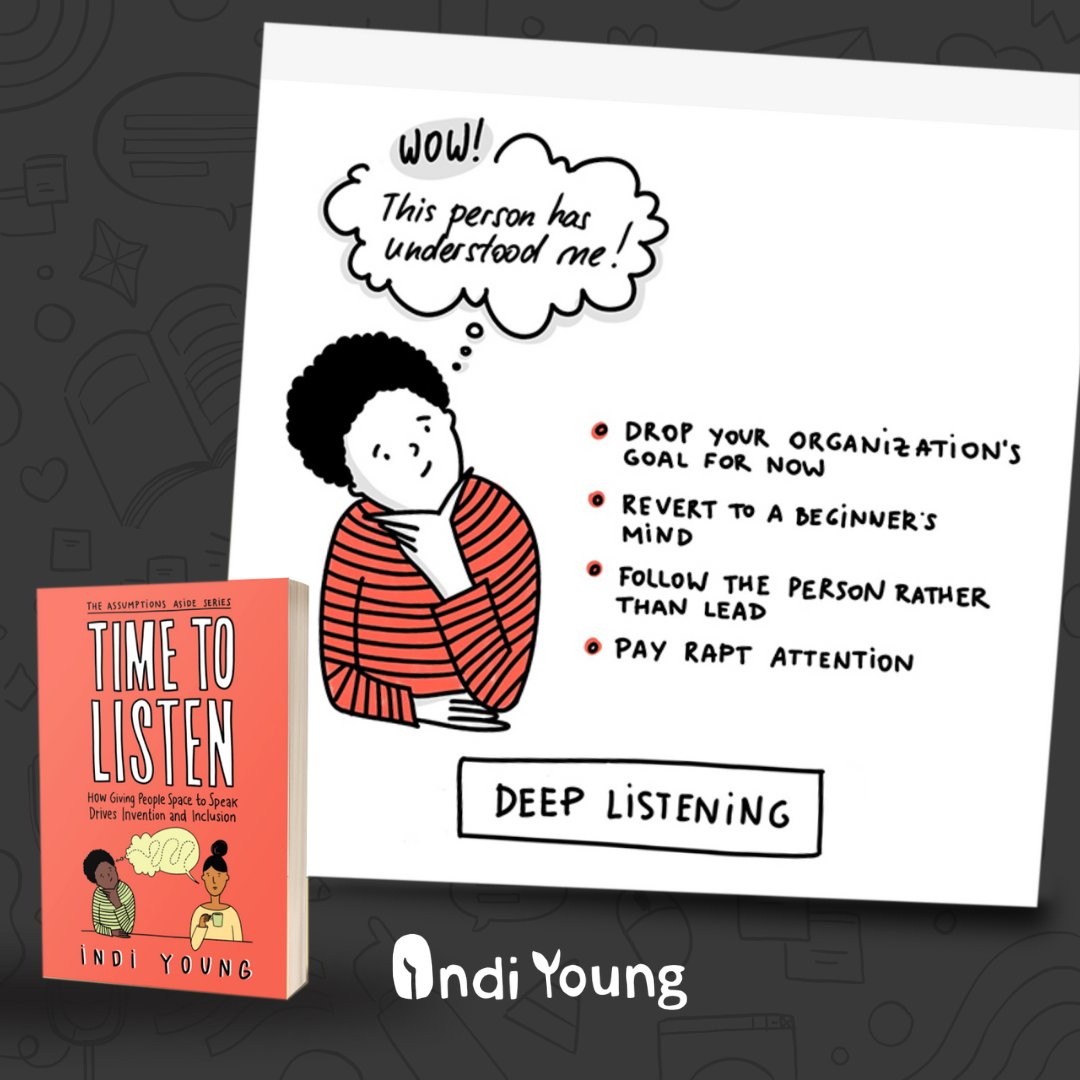
Essa linda ilustração da Anna Lurchenko mostra o que fazemos durante as sessões de escuta. Requer prática, mas qualquer um pode aprender a escutar profundamente!
Quer saber como?
📖 Adquira o livro Tempo para Escutar: https://t.co/A1celOiBqb
This great illustration from Anna Lurchenko shows what we do during listening sessions.
It requires practice, but anyone and everyone can learn how to do it!
You wanna know how?
📖 Get the book Time to Listen: https://t.co/3pL3QdGopO
2/2 I met an amazing organizer, Yashvir Chawla while I was teaching in Vienna, and he has put together this watch party along with Gabriel Holysz. It will be friendly and fun!
(register to see the address) https://t.co/Iv0xIFWSjZ
#Research#UX#servicedesign#Berlin
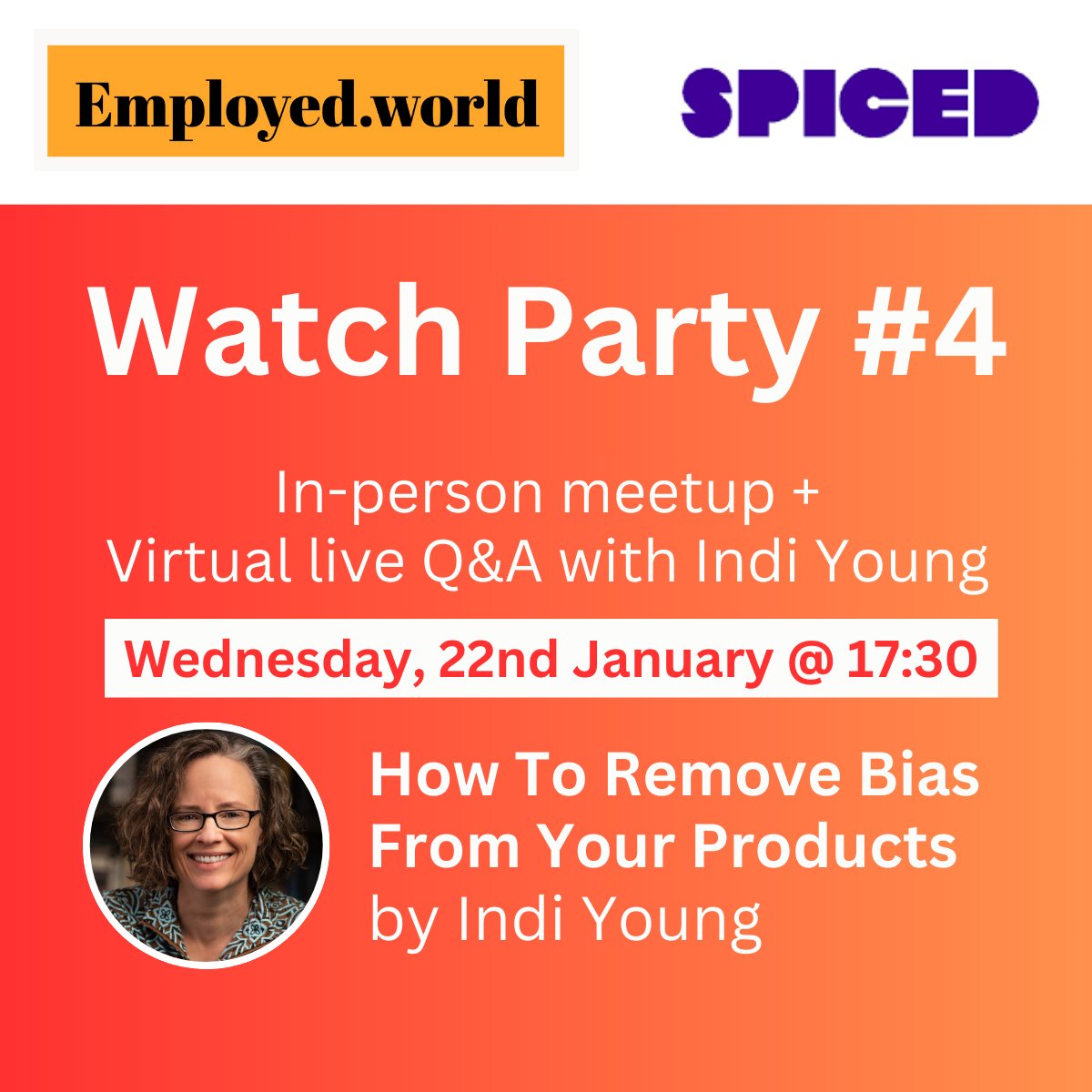
1/2 Watch Party in 📍#BERLIN!
Join a group, eat some excellent snacks, and watch my talk How to Remove Bias From Your Products. Then I'll join you remote and we can discuss what you're experiencing on the subject in your own careers.
- When you do listening sessions, how does your analysis differ?
- How do you bring an org to do this? How do you involve stakeholders?
––
🔗 Starts at minute 4:17: https://t.co/xh8CKdmIkL (free! registration required, no charge)
In December @Zosia Czerska and I had a great chat with the #QRCA community. Zosia asked some great questions, like:
- Can you share an example of flipping the script to support a broader range of people?
- You refer to this as the problem space and we find ourselves directed to the product space. How do you guide orgs to refocus on the problem space?
- Your data collection and listening sessions are very interesting in that you don't run with a discussion guide. Can you tell why?
1/3 Instead of using the word "#persona," replace it with "character" and see how that shifts what you are doing. Ask yourself, "What type of approach does this character use for this goal?" The approach comes from #research.
2/3 Usually there are around 2-4 approaches you will need to represent with different characters.
(I know a team who hired screen writers and built a whole cast of characters who communicate ideas episode by episode, like on TV.)
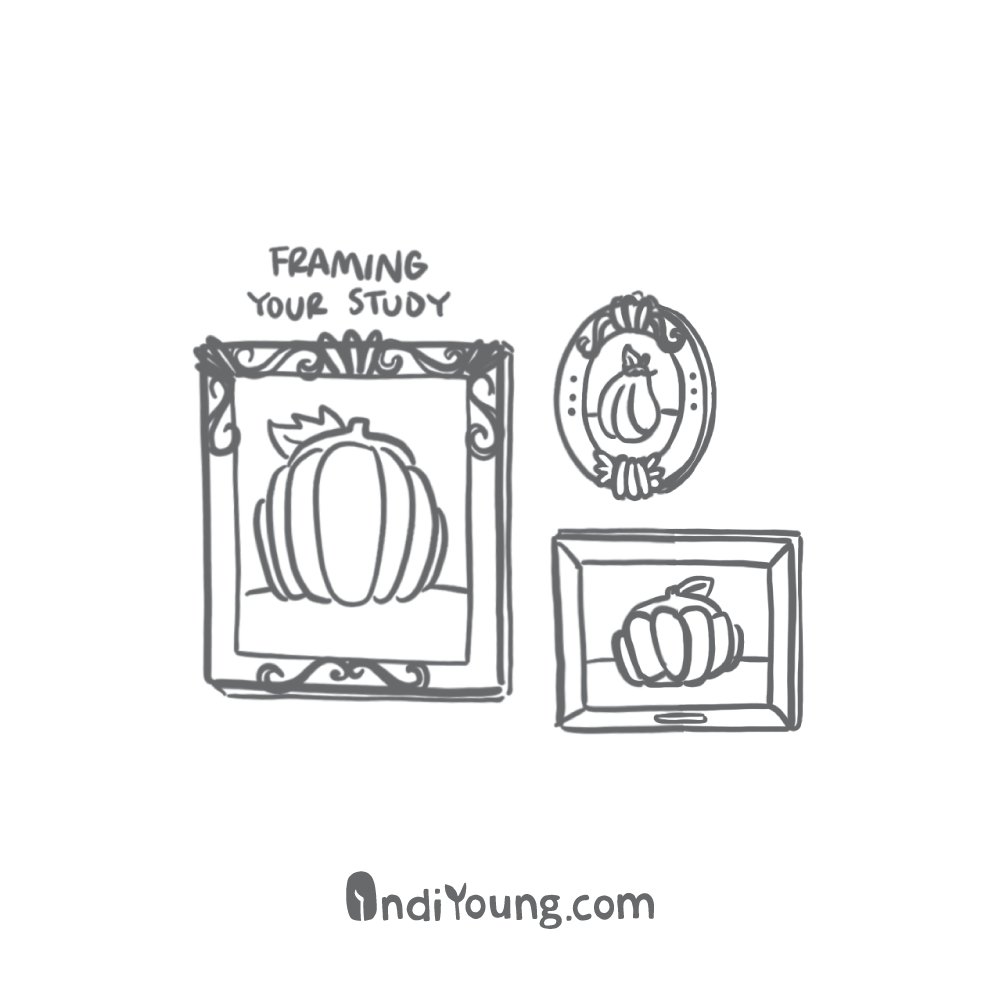
Framing a study: Define or set the scope of the conversations you want to have with people so that the knowledge your team is missing can emerge. There are broad frames, medium frames, and narrow frames. It's one of the variables that determine how many people to recruit.
2/2 ➡️ Strategy creates a broader variety of long-term value that benefits people (and the planet)
A lot of effort goes into your product operations. Don’t try to make a leap or pivot without knowing people’s cognition.
––
Learn more:
🔗 https://t.co/cBg9EHfeGp
1/2 If your org wants to “land” customers, employees, communities, or ethical changes, you need a #strategy to follow.
➡️ Strategy is about people. Where are they going & thinking so that you can bring tailored solutions?
1/2 📚 The #book AI Snake Oil can help your org recognize that predictive #AI (used in filtering through job candidates, as well as other applications) does not work. And the authors don't think it will ever work. "They're just pattern matchers. They don't have common sense."