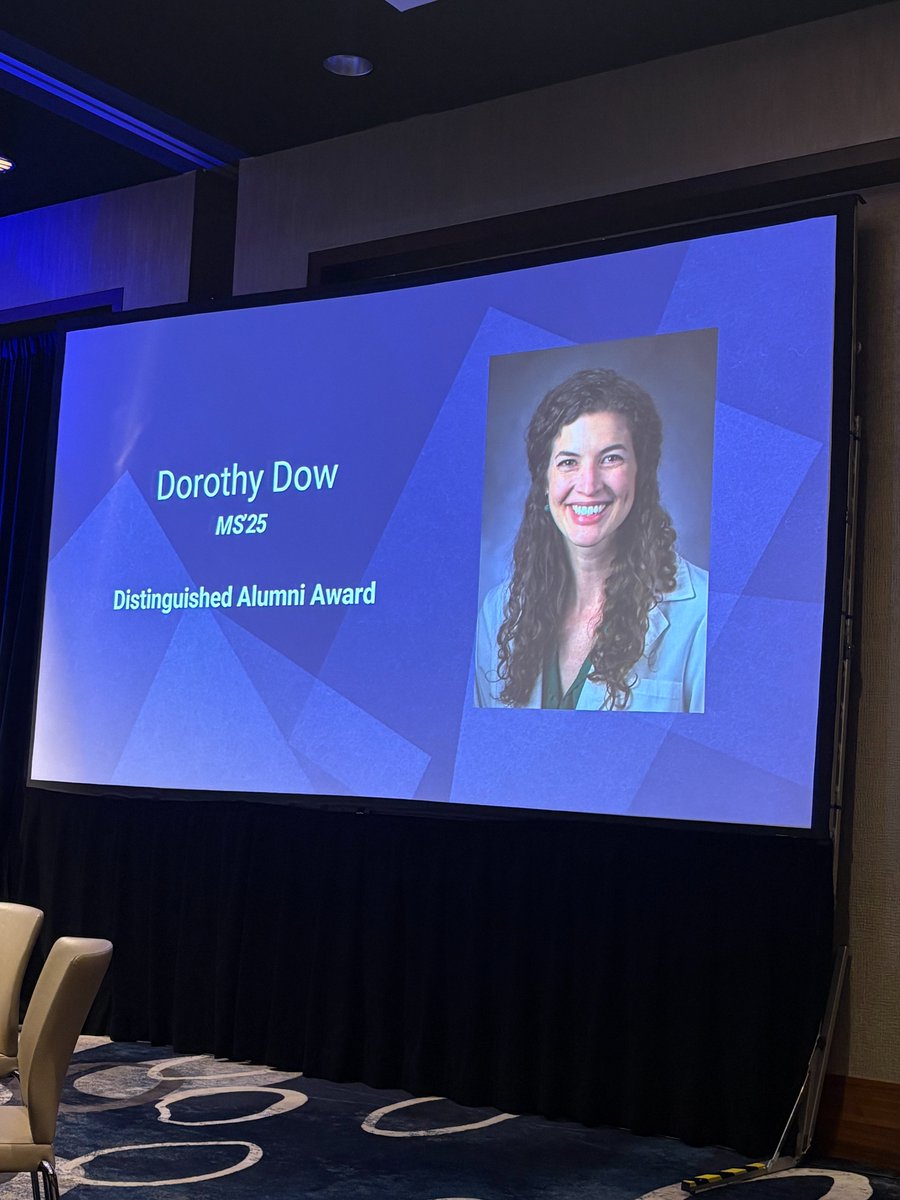
Gathering creative and thoughtful health innovators from around the world. Reflecting on the differentiated value prop of this community *&* what we can build together. #HealthInnovationAt15
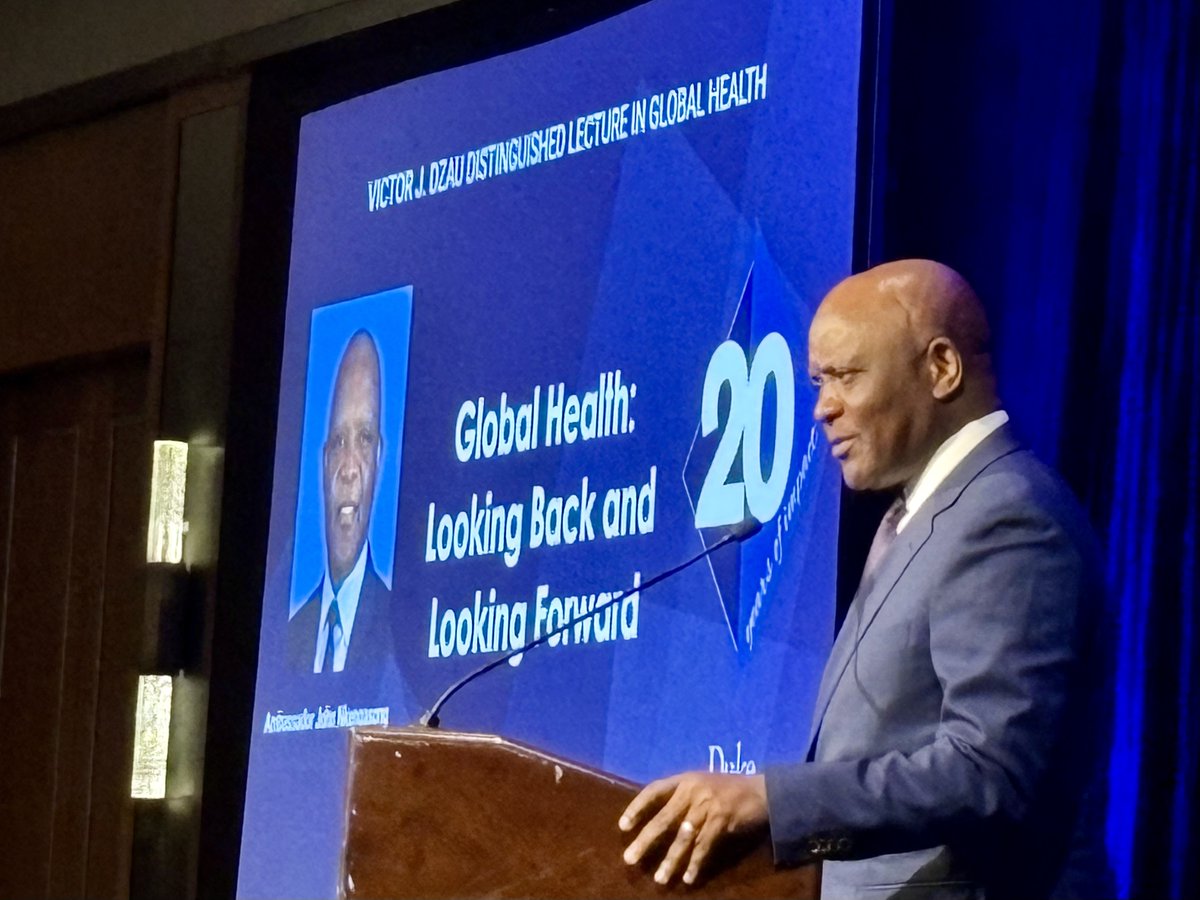
@JNkengasong: Like any architecture, multilaterals suffer with age. We need to look at them and say, "We have room for improvement." COVID showed us the limits of multilaterals and the erosion of trust. We need to look at regional architecture, too. @DukeGHI#HealthInnovationAt15
@DukeGHI alumni offer advice to former selves: you don't need a perfect five-year plan. You do need to understand what you can do now and what learning to chase.
Big Question #3: How can students chart a path in a changing global health landscape? @DukeGHI panel responds: 1st job may not be what you thought it would be. But does it afford a chance to work with people you admire? #HealthInnovationAt15
@WueltonMonteiro: We must be careful not to romanticize "resilience" with climate change. Solidarity among communities is good, but can't overcome problems that institutions need to address. #HealthInnovationAt15
@GLokoel84873, chief officer for medical services for Turkana Co. in NW #Kenya: drought cycles used to be every 10 years. Now, every 2-3 years. This raises real food insecurity among pastoralists. #HealthInnovationAt15
Big Question #2: How will we meet the health challenges of climate change? Panel responses cite cyclones, floods, snake bites, crocodile encounters. #HealthInnovationAt15
Reasons for optimism? Sarah Bermeo, Associate Professor at Sanford: Students continue to flock to global health. We have academic freedom. #HealthInnovationAt15
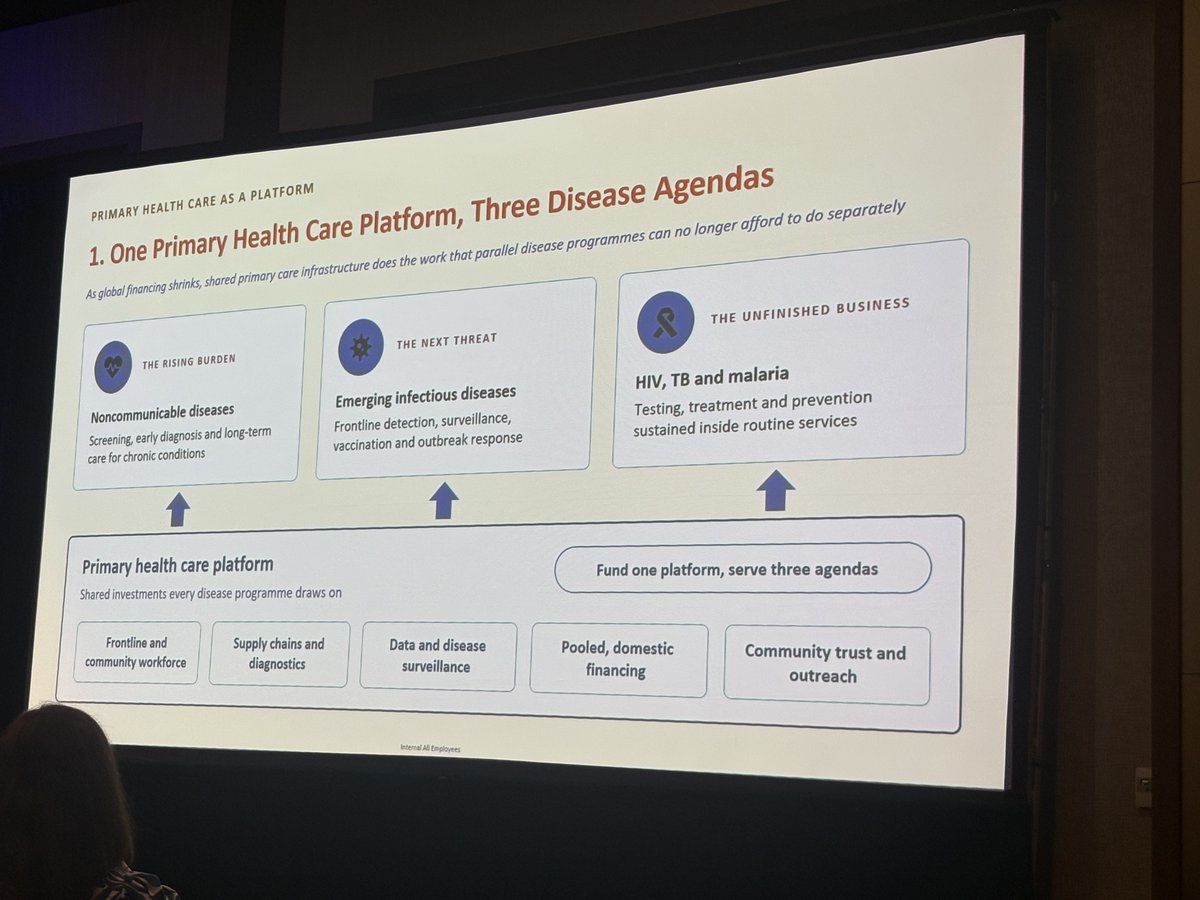
What do we need to leave behind? Michael H. Merson, founding director of the Duke Global Health Institute: Siloed vertical programs that do end runs on MoH, donor dominance, debt burden. #HealthInnovationAt15