Terrorism using CBRNE material threatens public health & safety, national security, economic & political stability. Preventing incidents is the highest priority
Officers were trained in the four principles: Control the scene, Evacuate, Disrobe, Remove residual contamination – the early actions that can save lives in a chemical incident.
Strong leadership starts with preparedness.
215 first responders and future leaders from the Colombian National Police completed “REACT-CEDaR” delivered by INTERPOL's CHEMEX Programme at the National Police Graduate Academy.
That's a wrap on the #globalbiosecurityconference.
🤝136 participants
🗺️42 countries
🌐18 IOs & NGOs
Biosecurity is quiet work. When we succeed, nothing happens: no headline, no crisis, no victims. Let us make sure that nothing happens.
Big thanks to 🇨🇦 & 🇫🇷 for their support.
Biological risks do not stop at borders.
Experts at the #globalbiosecurityconference emphasized that effective biosecurity is not just about policies on paper, but about strong institutions, shared standards and international cooperation in practice.
What does it take to tackle #agrocrime effectively?
➡️Awareness
➡️Information sharing
➡️Strong partnerships
In a #globalbiosecurityconference side event, participants explored threats ranging from animal smuggling to plant disease introduction and identified keys to mitigation.
As AI and biotechnology advance, biosecurity must evolve too.
Experts at the #globalbiosecurityconference underlined the need for multilayered safeguards, stronger screening mechanisms and intersectoral collaboration to detect and prevent misuse by malicious actors.
Today, we opened the INTERPOL Global Biosecurity Conference.
In his welcome address, @INTERPOL_SG underscored the evolving biothreat landscape:
"What once required a state program may soon require only a laptop and bad intentions."
INTERPOL helps shape our collective response.
The Geiger Working Group met in Namibia to strengthen regional capabilities to investigate radiological and nuclear crimes through:
• Enhanced information sharing
• Greater collaboration
• Cross-border partnerships
Funded by 🇨🇦 🇬🇧 🇺🇸
The first minutes of a chemical incident are the most critical.
INTERPOL’s CHEMEX Programme trained 250 Ecuadorian National Police first responders in CEDaR: Control the scene, Evacuate, Disrobe, Remove residual contamination - reinforcing protocols needed to save lives.
The team has launched a multi-year capacity-building programme with Tanzania. The inaugural meeting convened key multi-agency stakeholders, establishing a strong foundation for strengthening capabilities against radiological and nuclear terrorism threats. Funded by 🇨🇦 🇬🇧 🇺🇸
We convened the Geiger Working Group Meeting in Kuala Lumpur, strengthening information exchange among 10 Southeast Asian countries and enhancing capabilities to prevent, detect, respond to, and investigate radiological and nuclear threats. Funded by 🇨🇦 🇬🇧 🇺🇸
Criminal and terrorist actors are exploiting emerging technologies, global supply chains and trafficking routes to obtain and divert chemicals of concern.
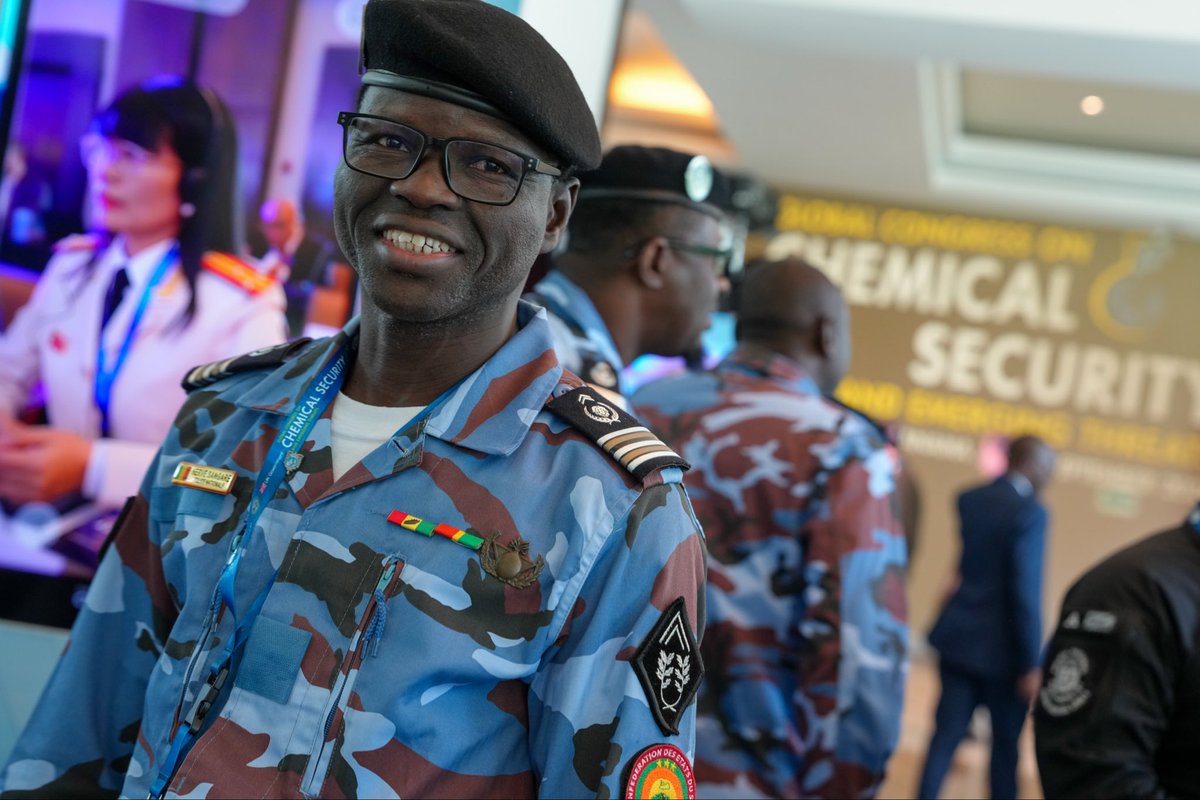
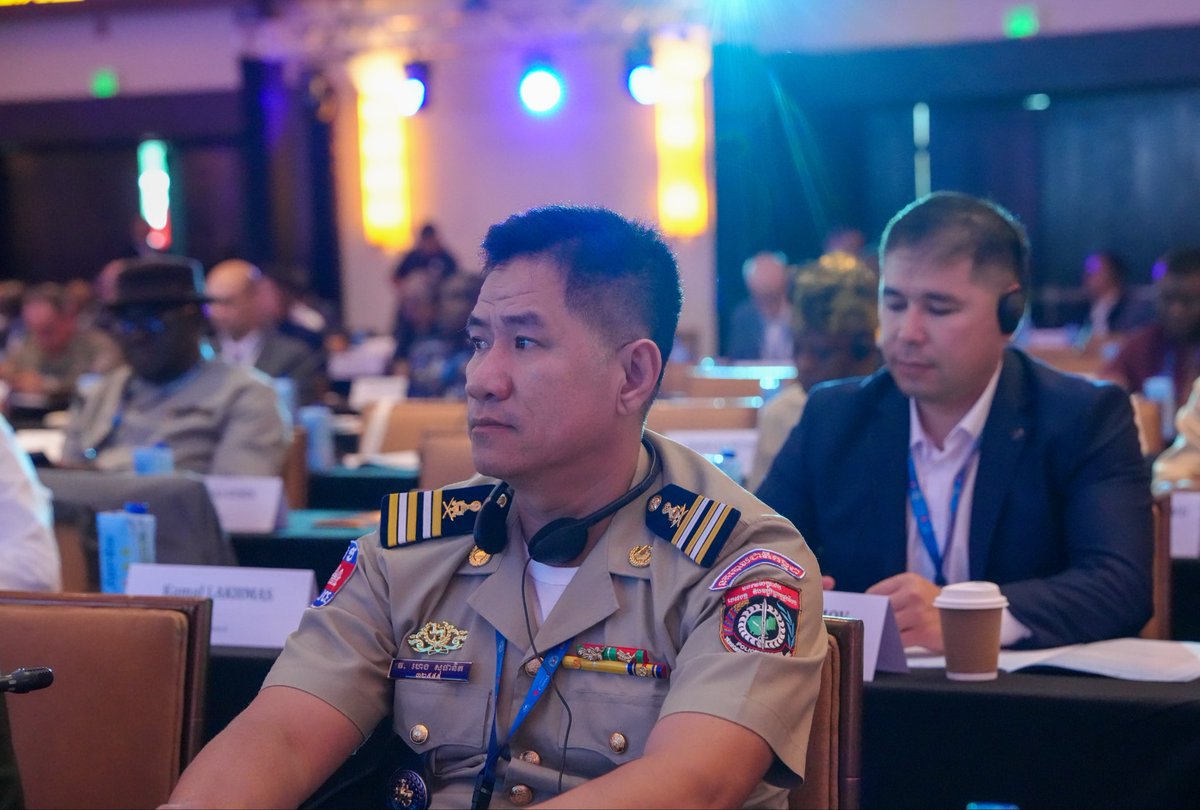
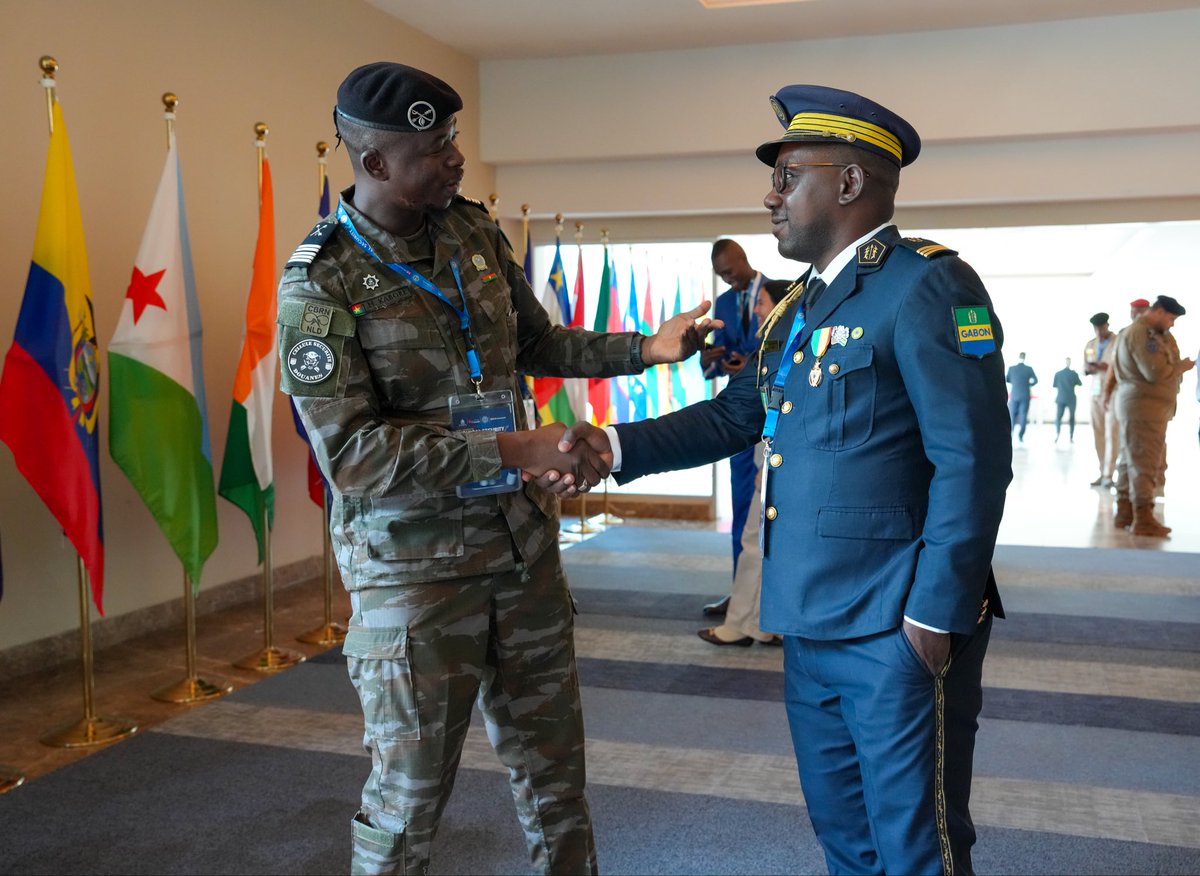
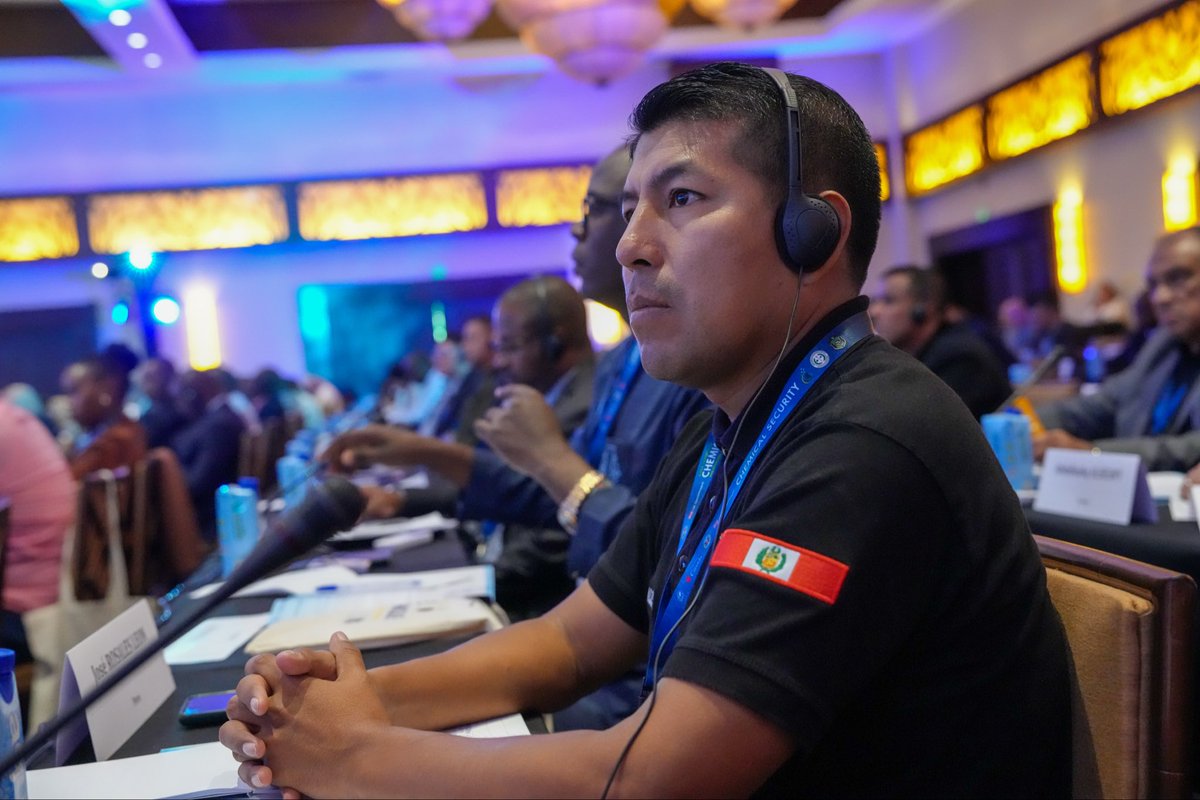
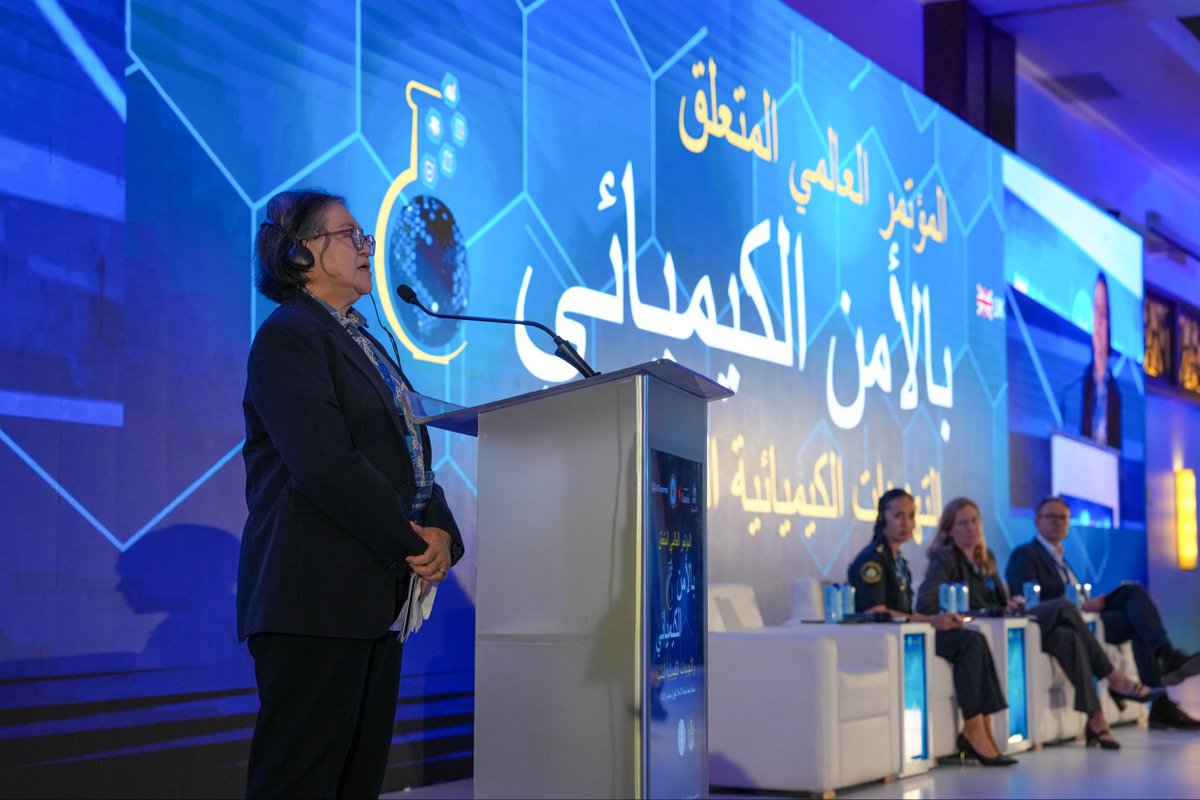
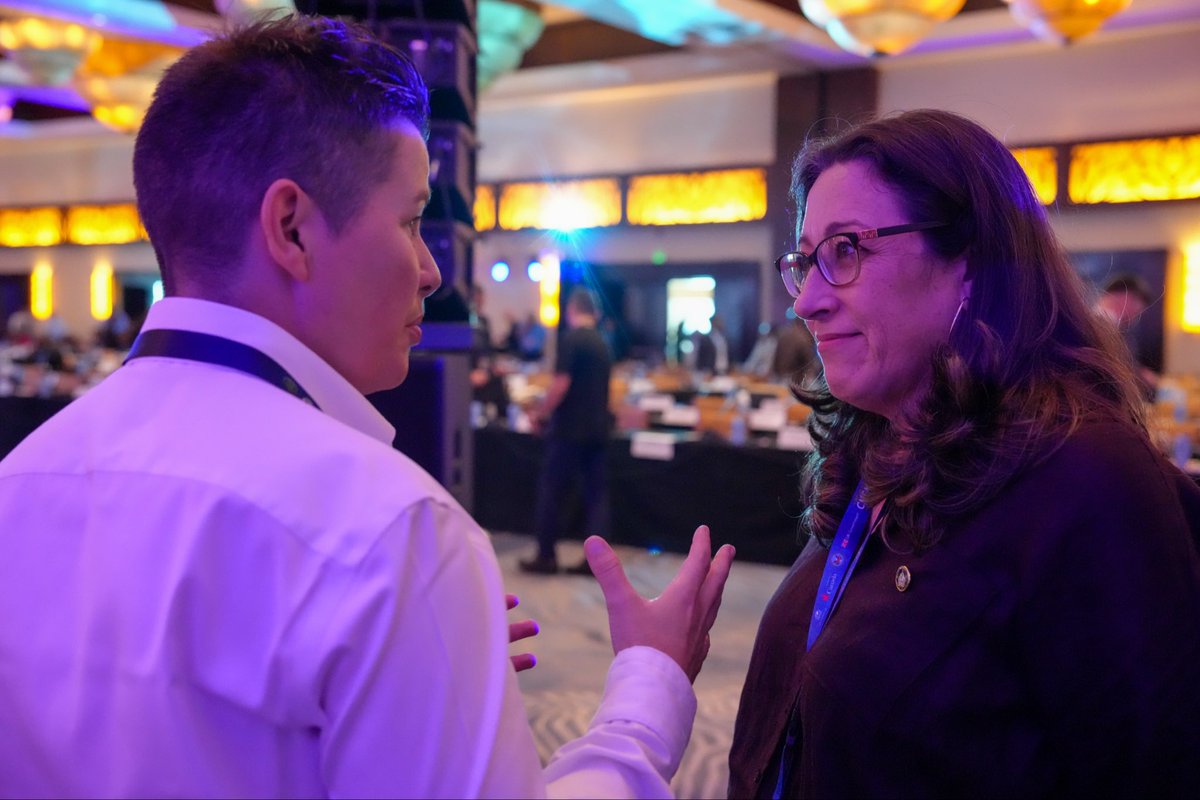
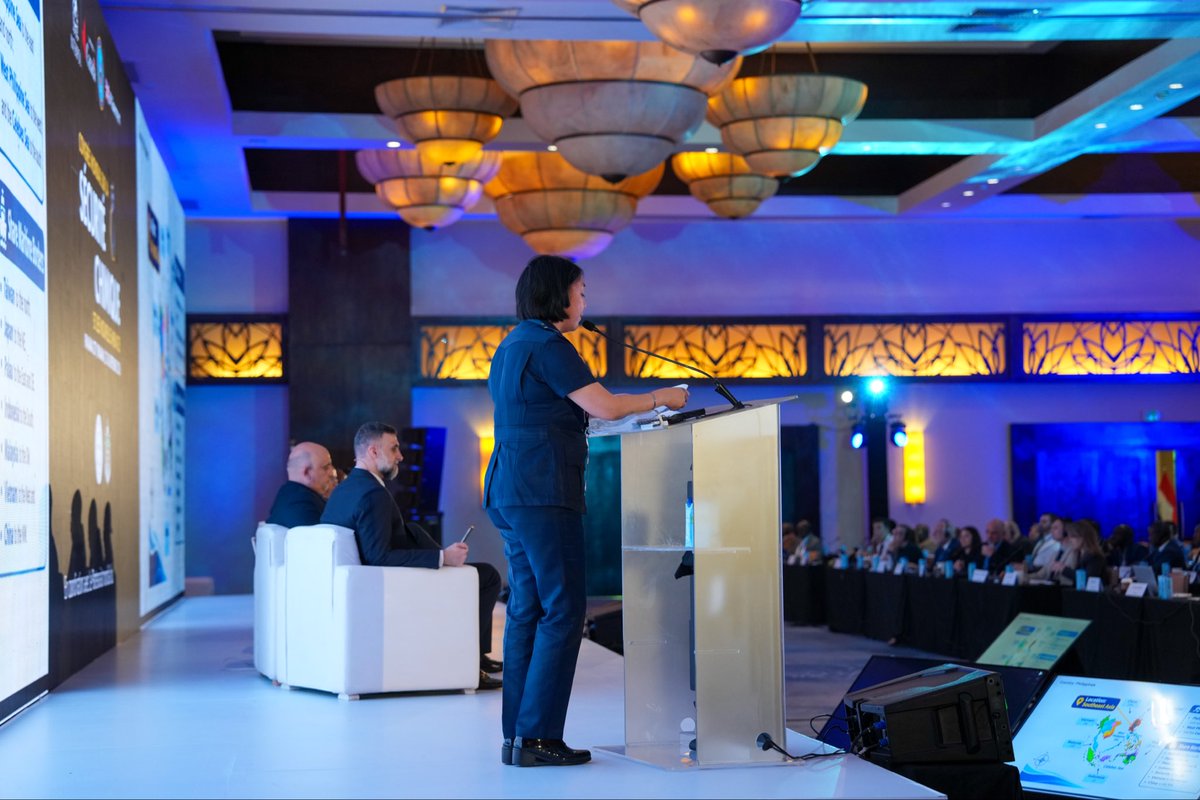
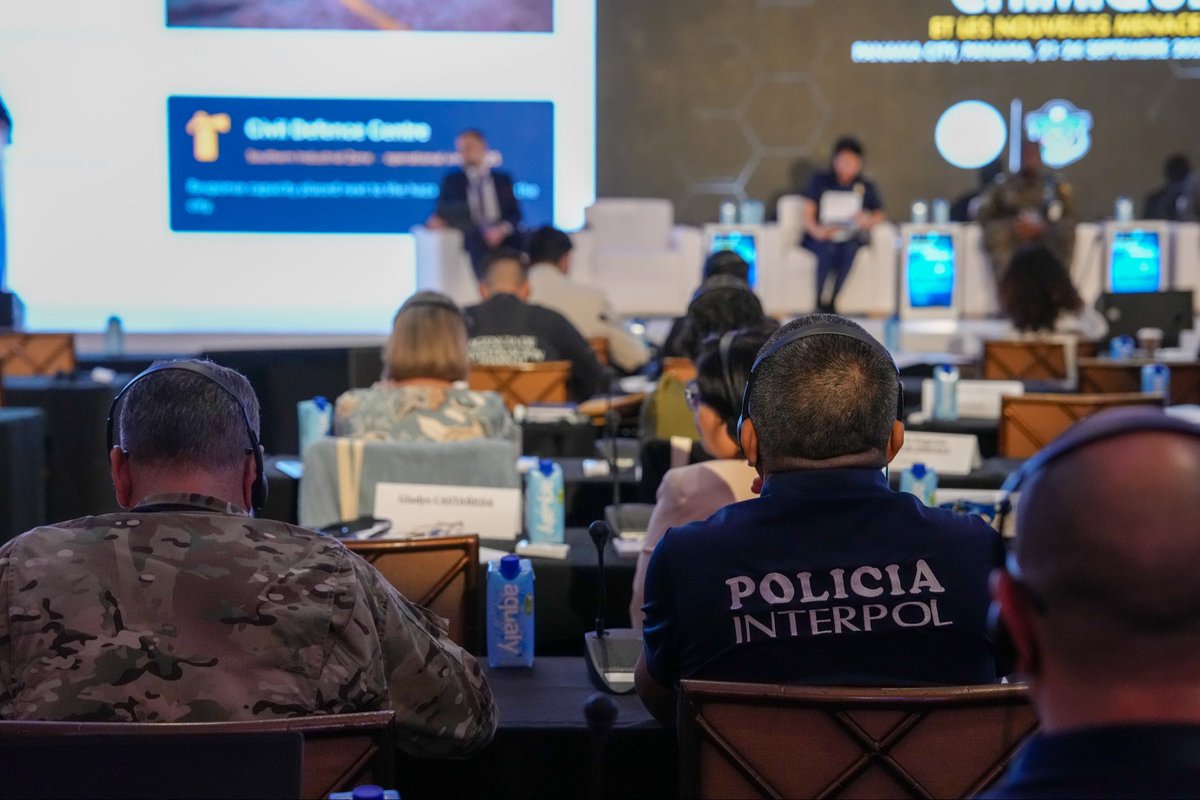
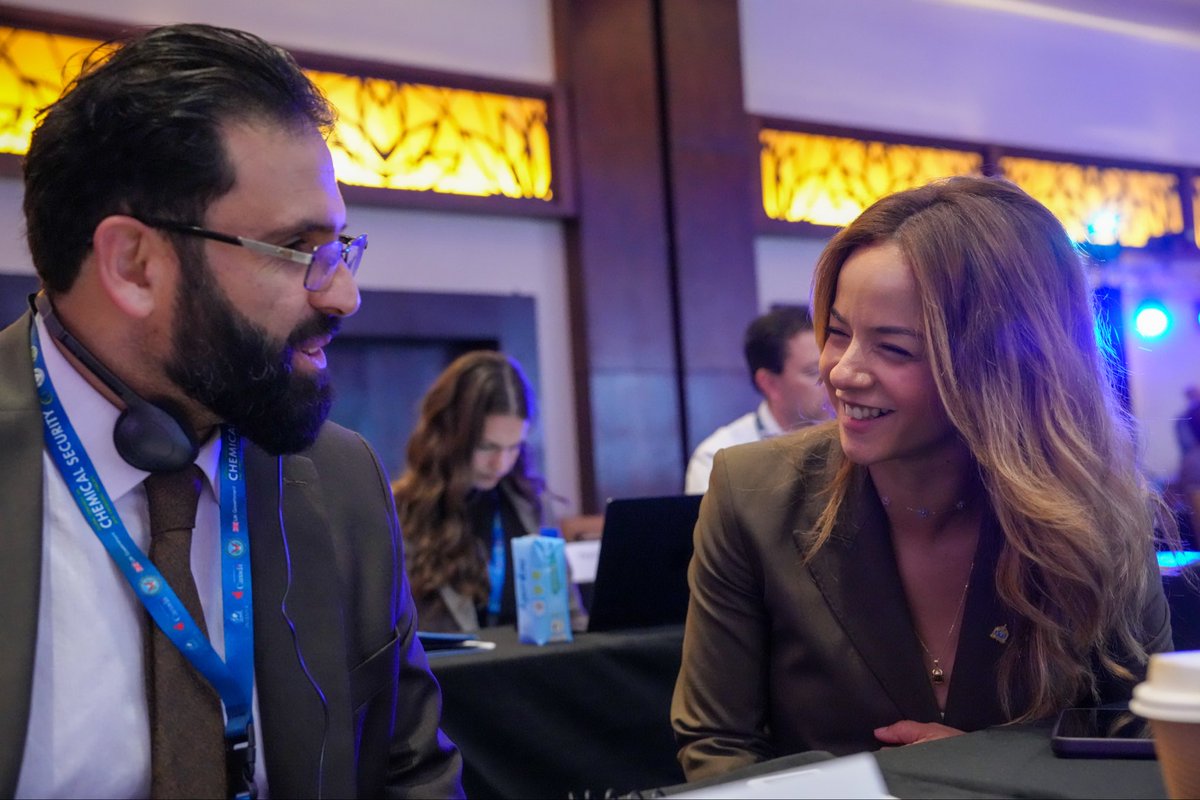
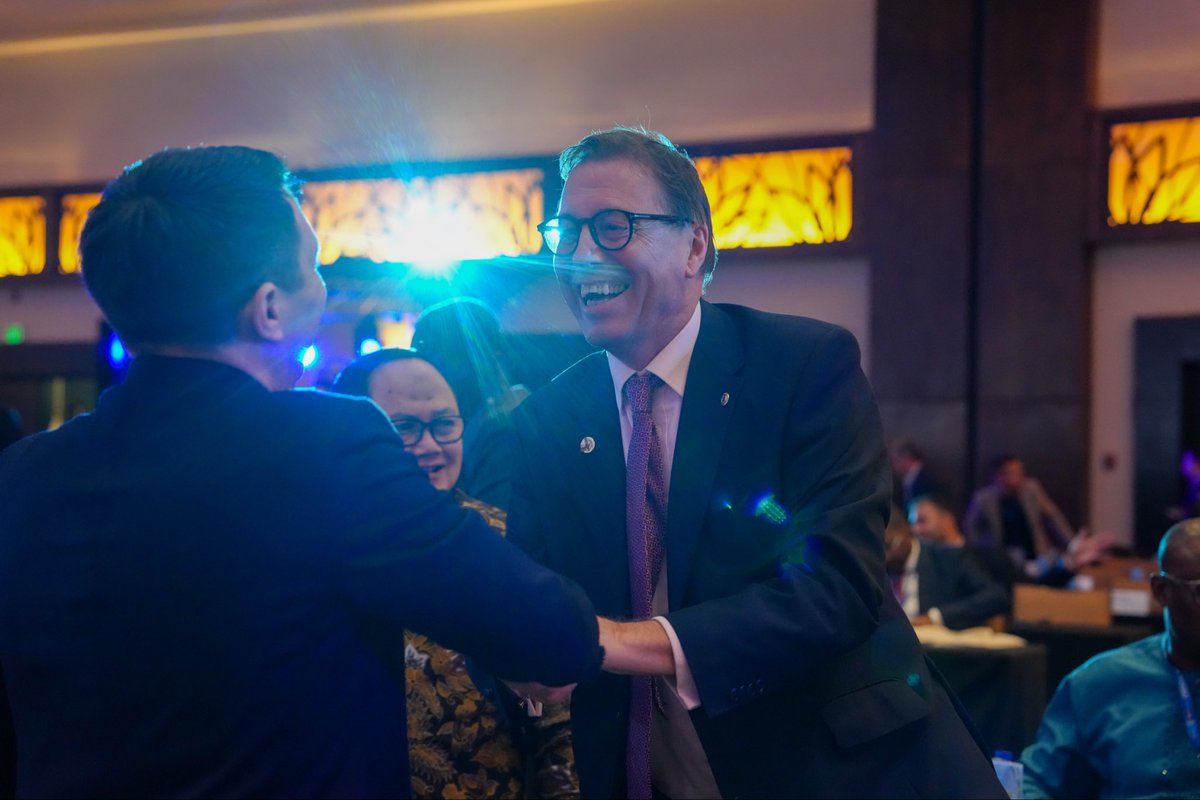
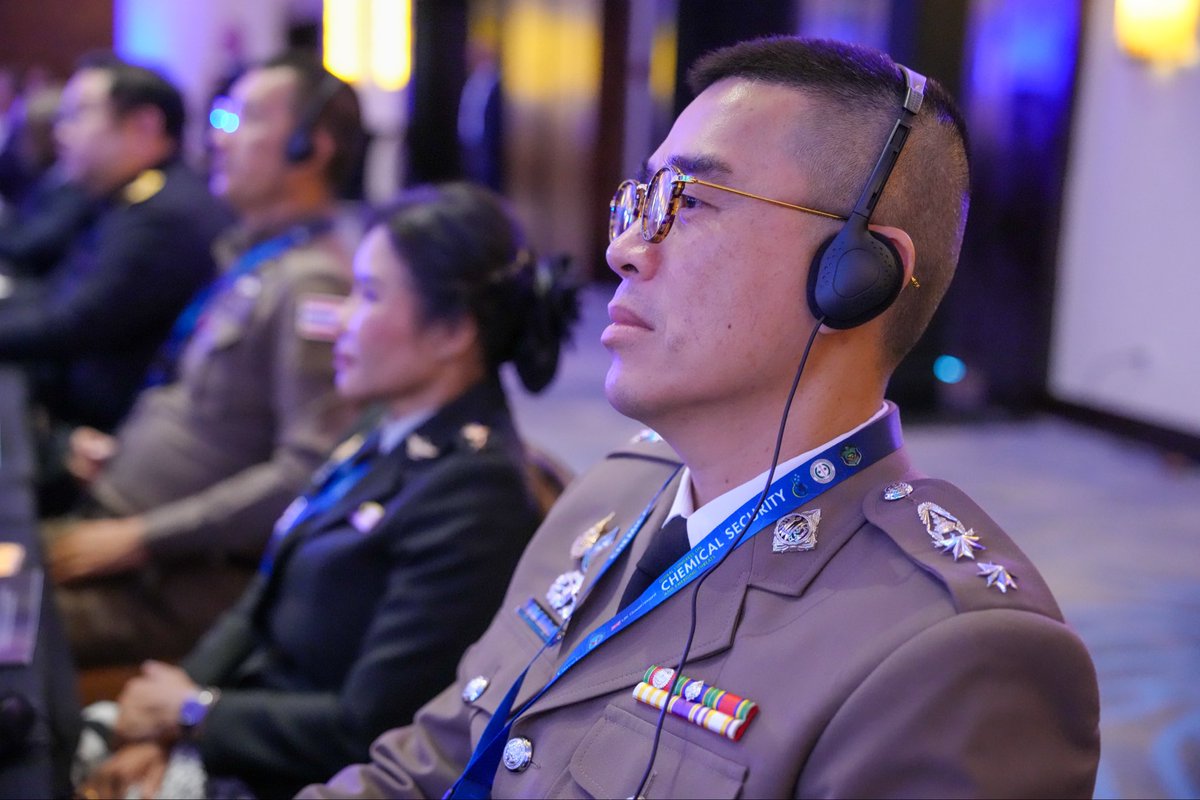
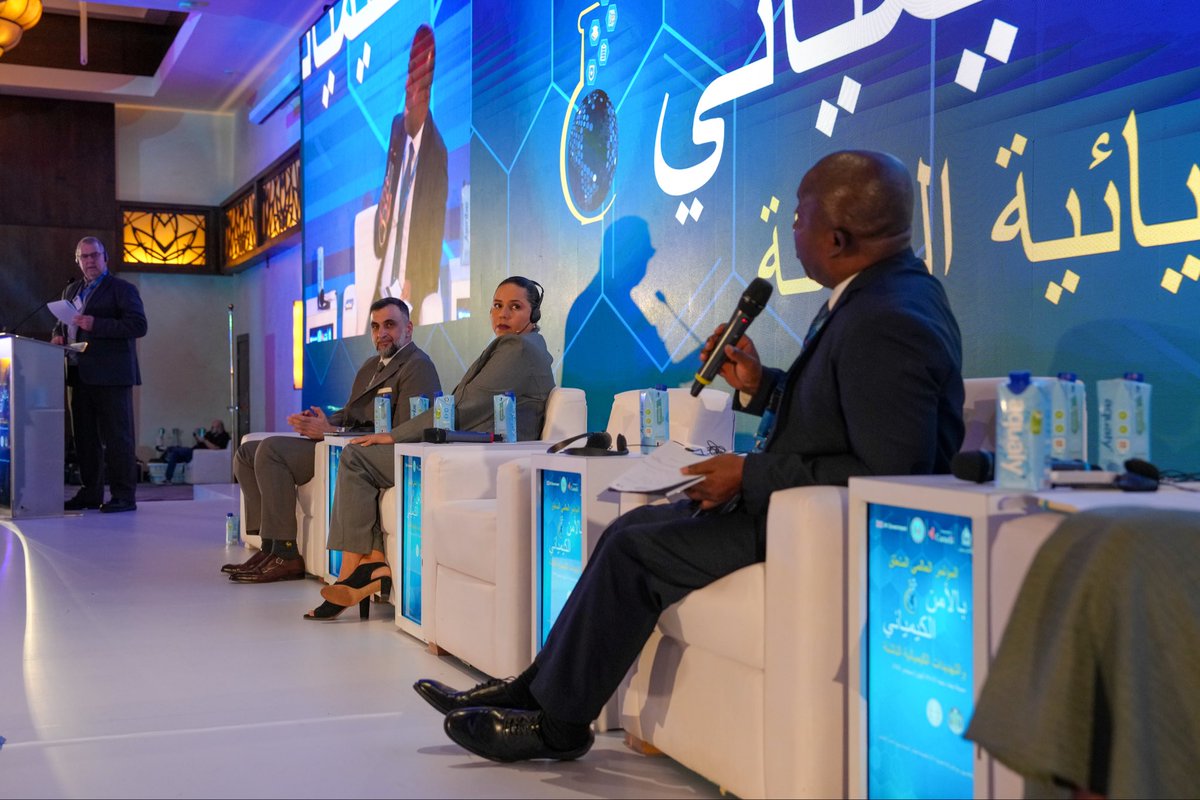
🇵🇦 To reinforce the international response, representatives from 110 countries met in Panama for the Global Congress on Chemical Security and Emerging Threats.
🔗 Find out more: https://t.co/zWLwAYguxE
The 6th #GlobalChemCongress concludes with a powerful call to action.
Reflecting on 4 days of dialogue, INTERPOL’s Counter-Terrorism Director emphasised the need to sustain our united front against chemical weapons.
Integrating global expertise, bridging defense & law enforcement, and ensuring multinational cooperation creates a resilient shield against chemical weapon threats.
A diverse, multi-sectoral front is essential.
Day 3 of #GlobalChemCongress delivered sharp insights on frameworks to stay ahead of evolving threats.
Key topics:
• Risk & Threat Assessments
• Chemical Security Governance
• PBA & Biotoxins
At #IAEAGC, we highlighted the critical role of law enforcement in advancing nuclear security, strengthening preparedness, and enhancing global resilience against radiological and nuclear threats.
The #GlobalChemCongress panel tackled:
•Storage, transport & access control vulnerabilities
•Lessons from hazardous material incidents
•Strategies to counter insider threats & sabotage
Protecting these gateways is vital for global chemical security.