Compared with placebo, dupilumab led to significant improvements in caregiver-reported atopic dermatitis symptoms and quality of life as early as week 4, with sustained benefits throughout the study period: https://t.co/pakHN50Ki5
Leprosy is a chronic infectious disease caused by Mycobacterium leprae and Mycobacterium lepromatosis, affecting peripheral nerves, skin, limbs, and eyes. Learn about the different classifications and manifestations: https://t.co/eTrV9tzaq5
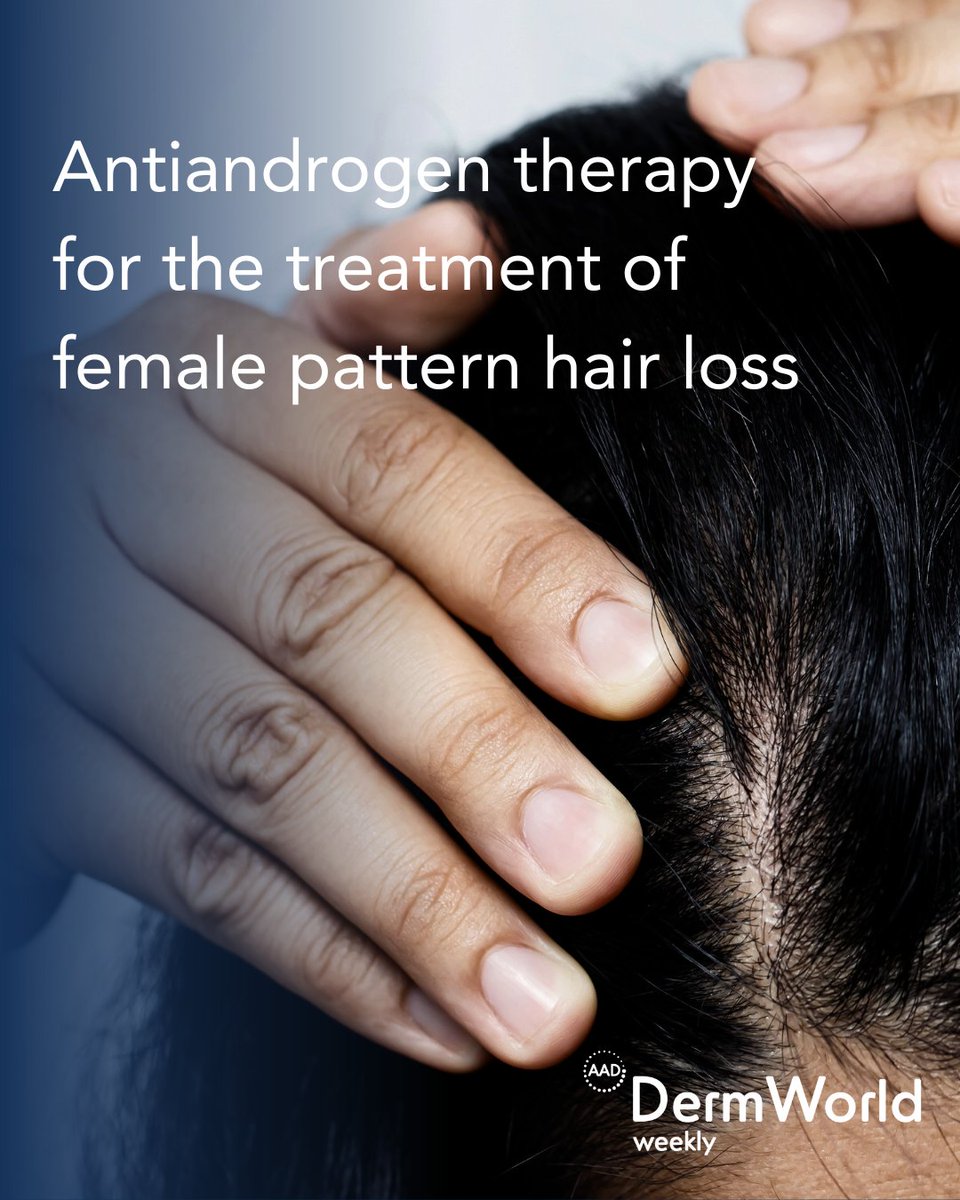
This review examined antiandrogen therapies for female pattern hair loss, including finasteride, dutasteride, spironolactone, and more. Authors recommend starting with topical minoxidil, and topical antiandrogens may be compounded for increased efficacy: https://t.co/jLicdUIimW
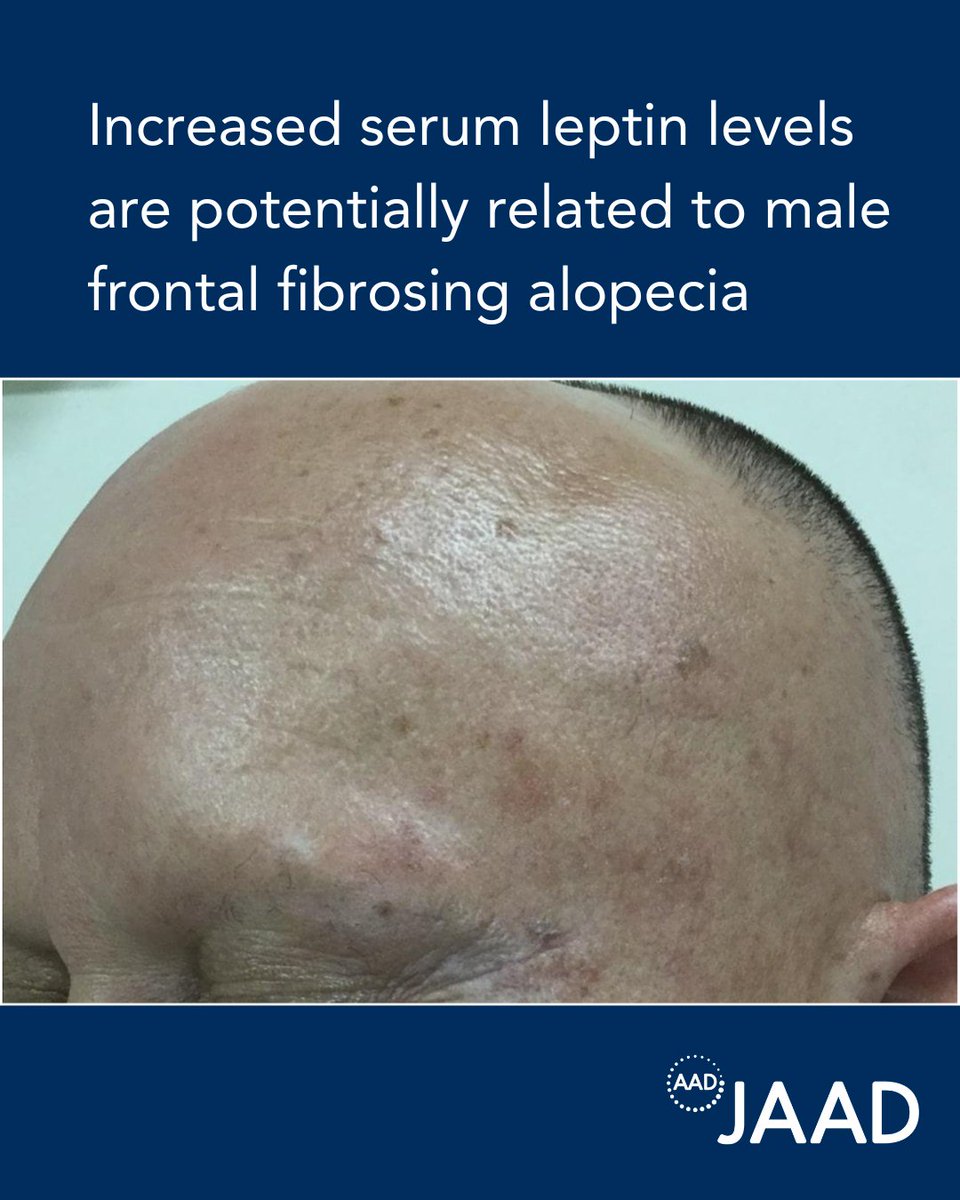
This prospective, observational, multicenter study aimed to investigate serum leptin levels in male patients with frontal fibrosing alopecia and compare to healthy subjects: https://t.co/IKbcACYFK9
What is the most likely diagnosis? Tell us your answer in the comments and find out the answer: https://t.co/IHIZo3OzBD
A. Varicella-zoster virus (VZV)
B. Tinea capitis
C. Bacterial abscess due to MRSA
D. Discoid lupus erythematosus
E. Dissecting cellulitis of the scalp
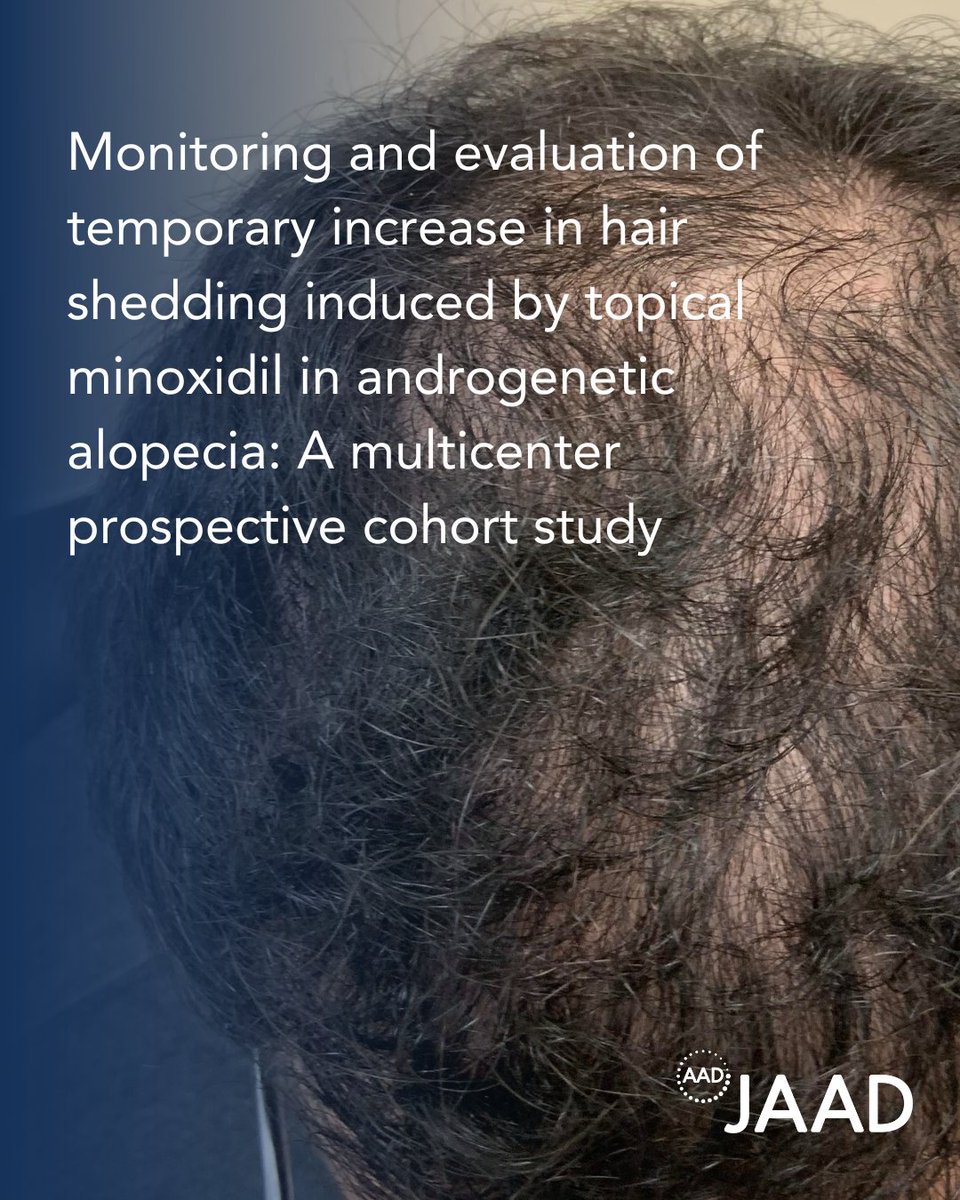
Study finds that topical minoxidil hair shedding is temporary, usually resolving within 2-6 weeks, thus improving treatment adherence in patients with androgenetic alopecia. 65.83% of participants returned to baseline or lower shedding levels by 12 weeks: https://t.co/zhkC28E7ib
By addressing ergonomic challenges, promoting preventive measures, and providing effective treatments, this review aims to improve occupational health and reduce MSIs in dermatology practice: https://t.co/CChHQPQLzK
New findings show GLP-1 receptor agonists reduce cardiovascular disease risk more in type 2 diabetes patients with atopic dermatitis (AD) than those without, suggesting AD-related biomarkers may predict GLP-1RA efficacy: https://t.co/qP2d4L8myZ
Which of the following is an appropriate next step in management for this condition? Tell us your answer: https://t.co/FVBS8C46WS
A. Potent topical corticosteroids
B. Topical imiquimod
C. Mohs micrographic surgery
D. Referral to plastic surgery
E. Oral acitretin
Submit to the JAADi Virtual Special Issue: Artificial Intelligence in Dermatology with a focus on multimodal large language models, diagnostic and triage systems, machine-learning augmented instruments, prognostic and therapeutic modeling, and more: https://t.co/6Pxnrw1LCW
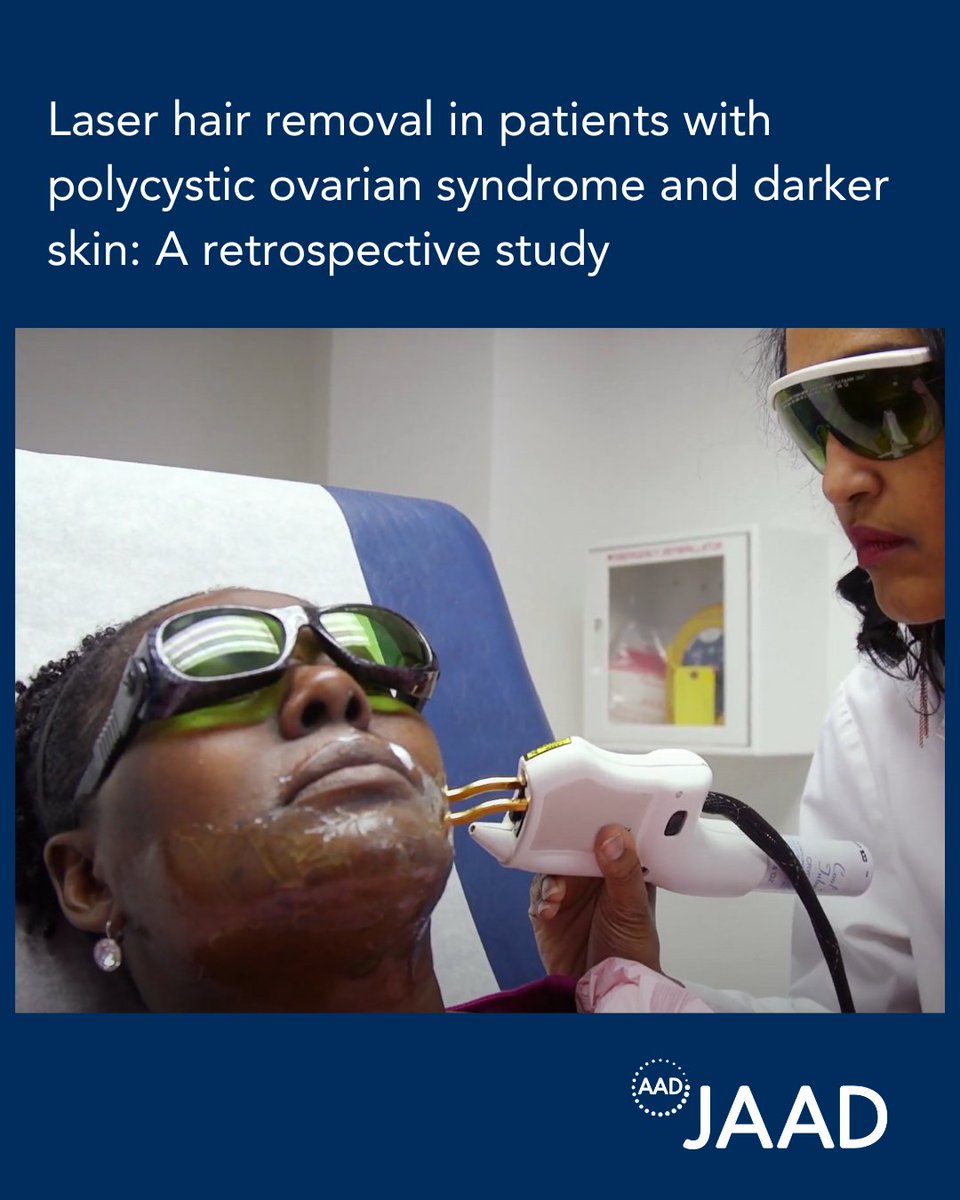
This study found that patients with PCOS demonstrated a trend toward requiring more laser hair removal sessions, shorter intervals between sessions, and longer overall treatment duration: https://t.co/UkCacQlaV3
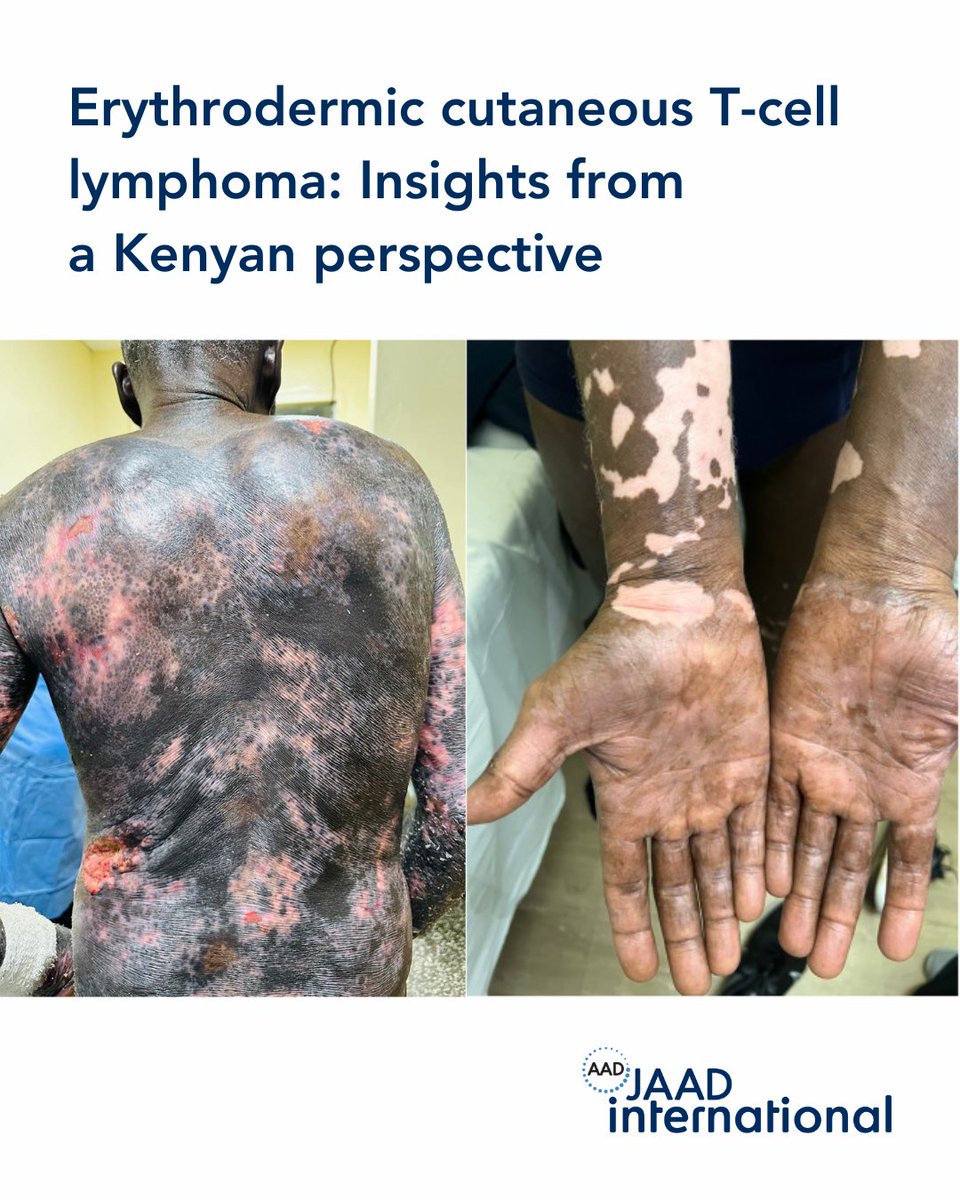
Authors present 13 cases of Erythrodermic CTCL from Kenyatta National Hospital, highlighting distinct clinical patterns, histological variants, and treatment challenges. Read the JAADi article: https://t.co/78sLxYf3ao
What is the most likely diagnosis?
A. Juvenile sarcoidosis
B. Scleromyxedema
C. Self-healing juvenile cutaneous mucinosis
D. Farber disease
E. Non-Langerhans cell histiocytosis
Comment your answer: https://t.co/FvZ22cTsuI
Since tachycardia risk with low-dose oral minoxidil (LDOM) is not well characterized, authors aimed to clarify this relationship with a large cohort database study of hair loss patients and found no association between LDOM and tachycardia: https://t.co/GqKjhG0aVA
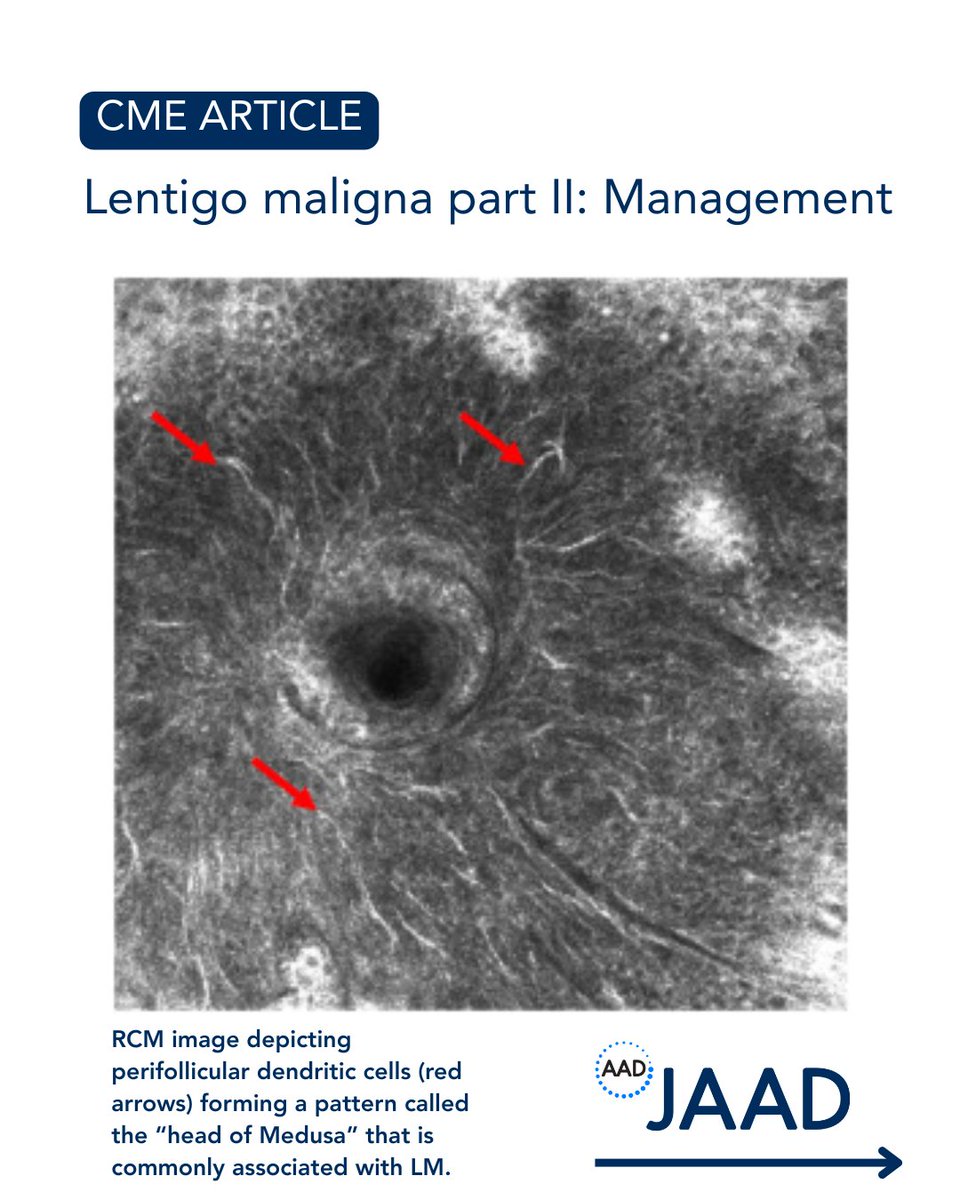
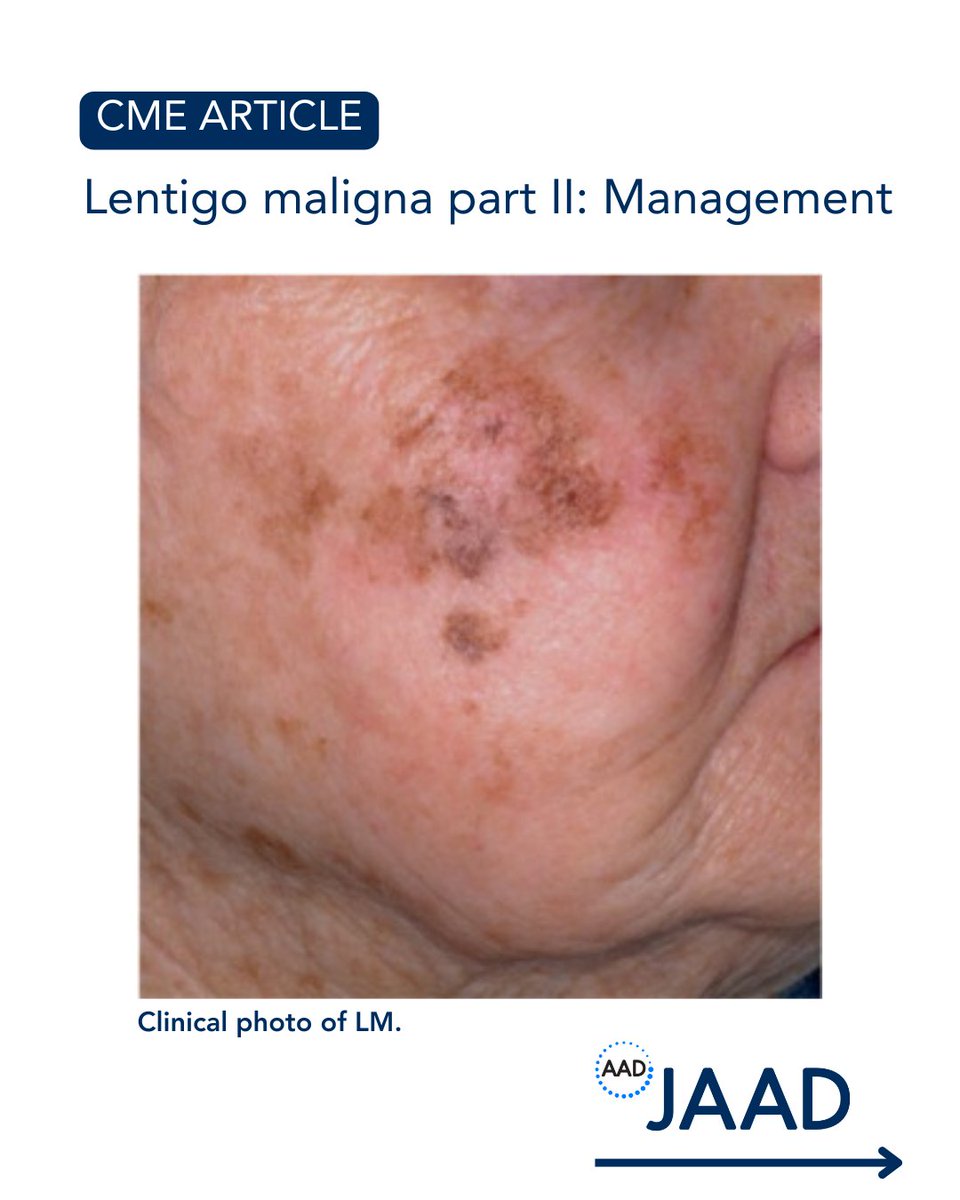
Lentigo maligna on sun-damaged skin can spread and appear in cosmetically or functionally challenging sites. Part II of this CME series covers surgical approaches: conventional excision, Mohs, staged excision, and alternatives: https://t.co/583ZYQmt26
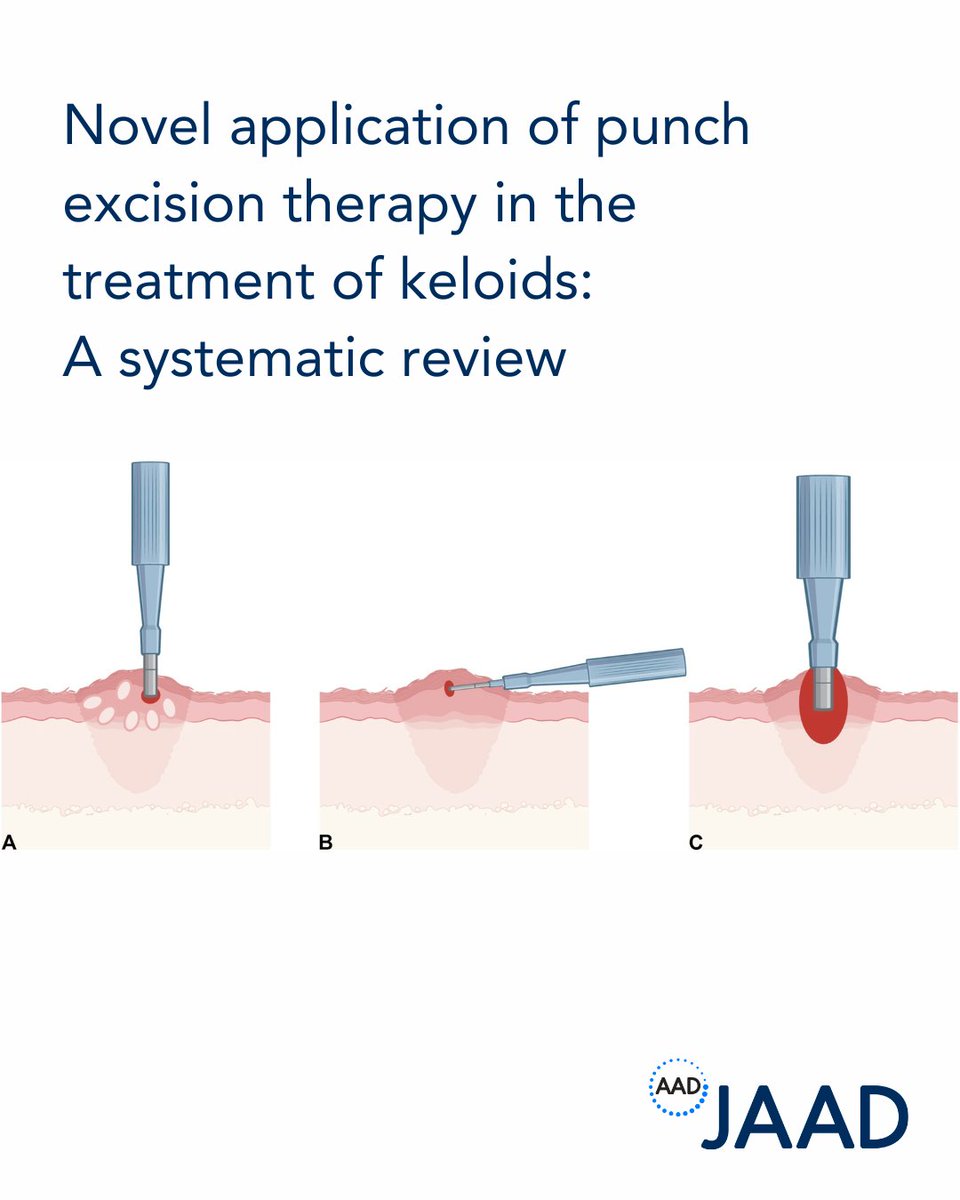
This review summarizes the current evidence on the efficacy and safety of punch excision therapy in keloid management. Of 228 studies identified, 7 studies involving 248 patients were included: https://t.co/gzjPBTwMQ4
Strategies to reduce the risk of surgical site infections of the skin include avoiding razor for hair removal, decolonization with antistaphylococcal agents and antiseptic skin agents, smoking cessation, and more: https://t.co/wciiNn2MAZ
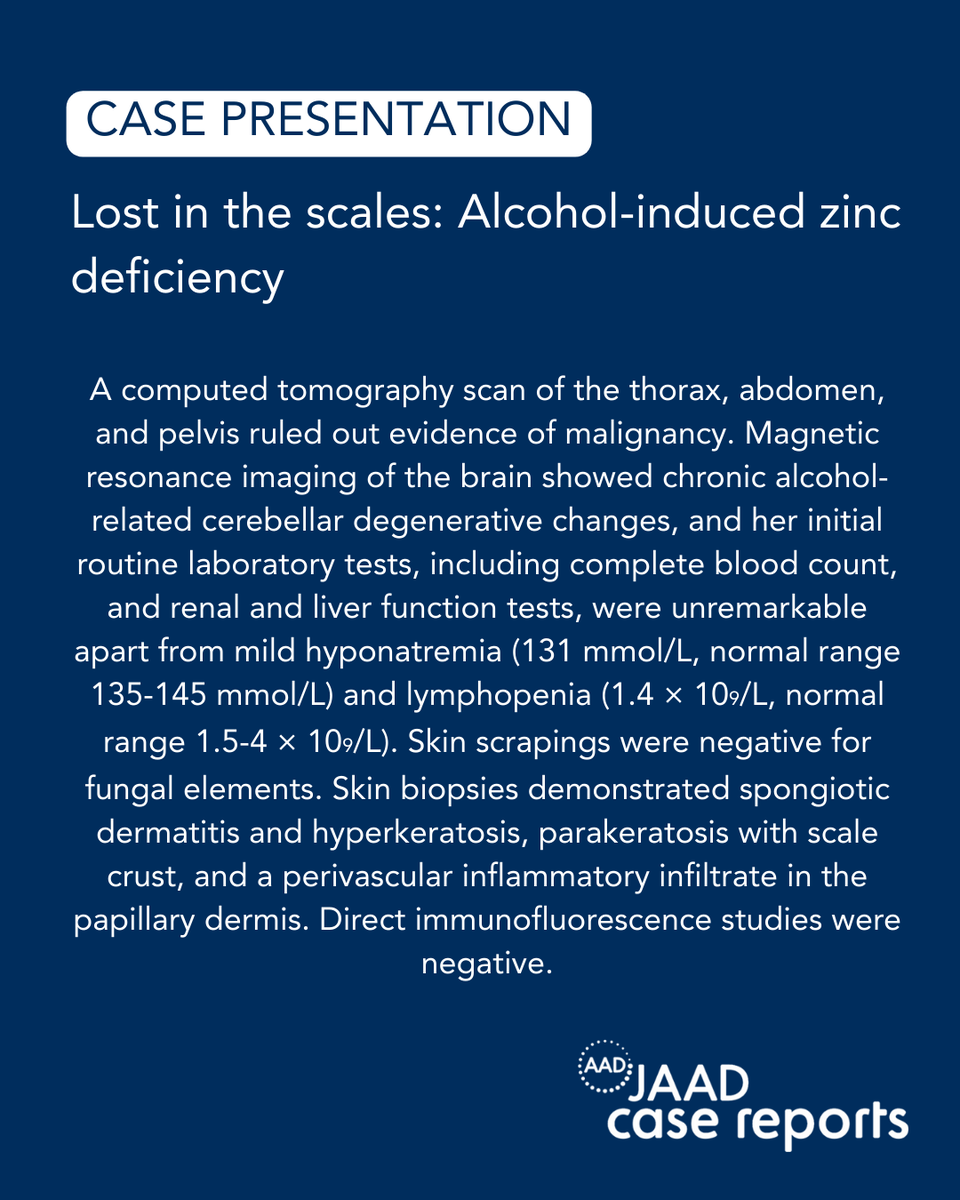
Which of the following investigations would help with the final diagnosis? Comment your answer and find out: https://t.co/XASR06QkQF
A. Anti-Ro/SSA antibody
B. Serum glucagon levels
C. Serum zinc levels
D. Antitissue transglutaminase antibodies
E. Antinuclear antibodies
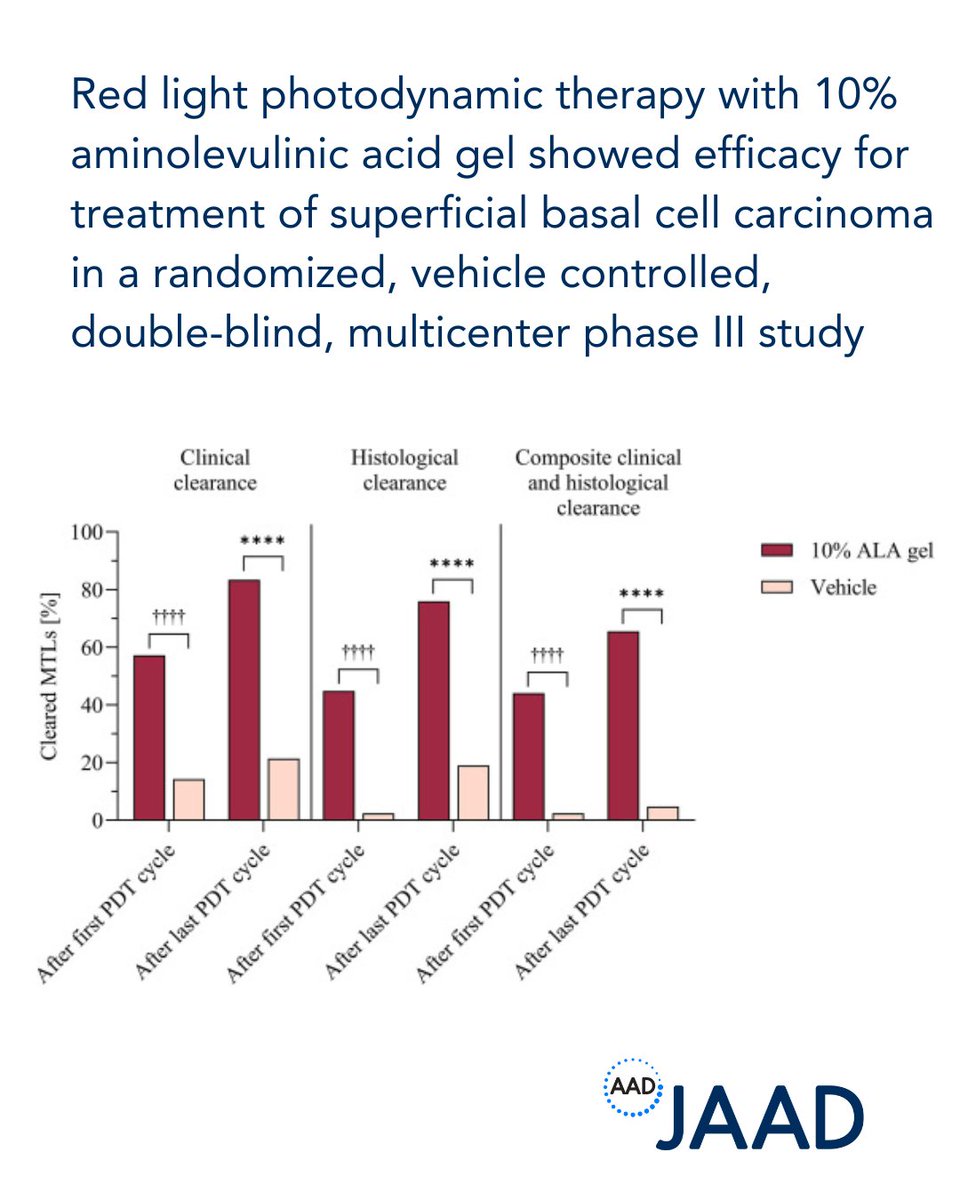
The findings of this study reinforce red light photodynamic therapy with 10% 5-aminolevulinic acid gel as a noninvasive alternative for superficial basal cell carcinoma: https://t.co/B5Juv1kNjr
Lentigo maligna (LM) is a subtype of melanoma in situ that occurs most commonly on chronically sun-damaged skin. Part I reviews LM's epidemiology, risk factors, and clinical presentation along with clinical tools to aid in diagnosis: https://t.co/yuGrl6dPTD