Generating electricity from...basically anything!?💡 Imagine getting power from soil, vegetables, brick, glass, shell...even a baguette! This may be the path to electric self-sufficiency with a Japanese company finding ways to capture power from over 4,000 different substances⚡
Arita, Saga Prefecture, birthed Japanese porcelain, famed for white ware with vivid red and indigo painting.
For “2016/,” a 400th-anniversary brand, Kirstie van Noort used discarded black stone for a new expression. Global eyes saw “impurities” become its new color.✨
Spot it. Snap it. Protect it.📱🦋 Biome, developed by a university startup, uses AI to identify living things from smartphone photos. It gamifies nature sightings, then shares data gathered across Japan with companies to help assess their impact on nature near their sites.🌿
Ito Jakuchu was an Edo-period artist whose works remain popular today. Many of his works are available in the NDL Collections. #ndldigital#ndlnewsletter
https://t.co/C2VsBuYpjy
50 years with forests, 50 more ahead—the 100-Year Forest Initiative in Nishiawakura, a village in Okayama Prefecture.🌲
By managing private forests with village funds and utilizing local timber, this community creates work, welcomes new people, and grows with its forests.🌿
Tour guiding from home.🏠 In Tokyo’s Nihonbashi, people who have difficulty going outside can guide tour participants remotely through OriHime, a small avatar robot.🤖 Even from home, they bridge people and the city. This is a new form of tech-enabled social participation.
JICA's 2010 project enhanced Türkiye’s disaster education via master teachers. This led to a 2021 Turkish "BOSAI Koshien" (modeled after a Japan contest) for youth to invent disaster games.
Crucially, the expertise and personnel also aided 2023 quake recovery. 🏫🌍
Seaweed grows a forest? 🌊🌲
Hokkaido’s Cape Erimo, once a barren "desert" harming fisheries, used a method of covering seeds with washed up seaweed to restore it. Locals formed the Society to Protect the Greenery of Cape Erimo to pass down the mission to protect forest & sea. 🌍
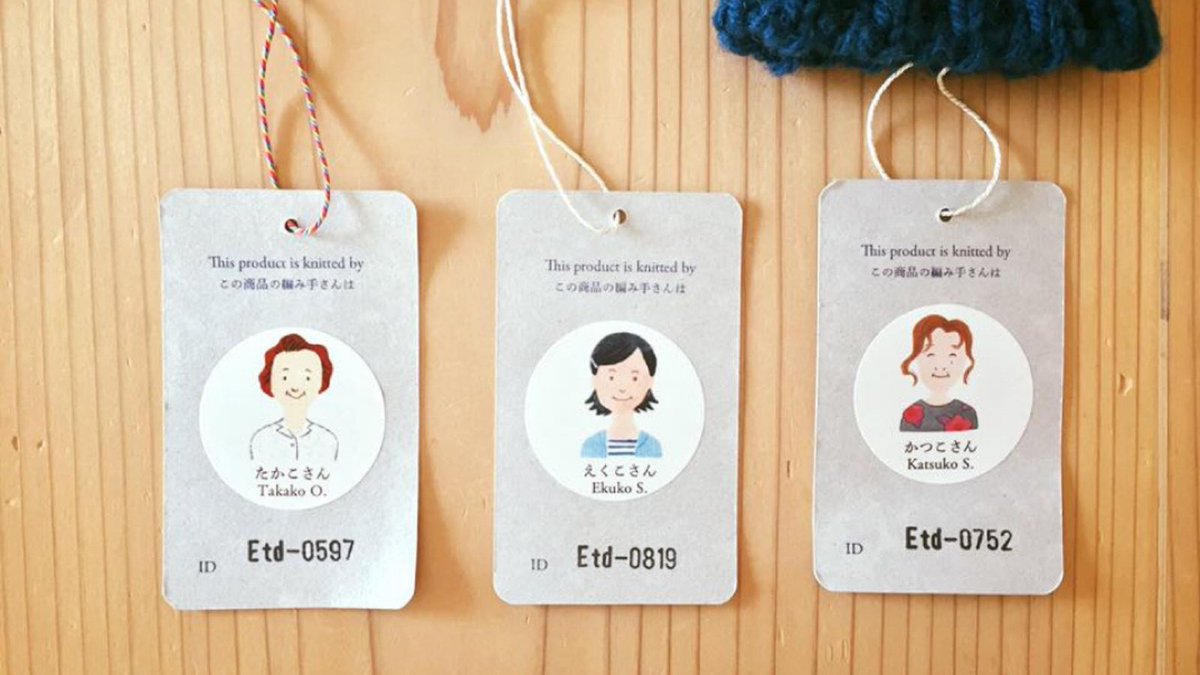
Born in Miyagi, heavily affected by the 2011 quake, Kesennuma Knitting revives the tradition of deep-sea fishermen knitting on long voyages,🧶 tagged with the knitter’s name & portrait. Thriving locally, many knitters pass their skills & passion into each piece.✨
A farmer's garden reshaped Hokkaido travel. UENO Sayuki turned her family's 1980s flower-lined paddy paths into "Ueno Farm" in 2001, using UK training to embrace the local climate. Today, it leads the 250-km Hokkaido Garden Path with 8 other gardens—a model of garden tourism.🪴
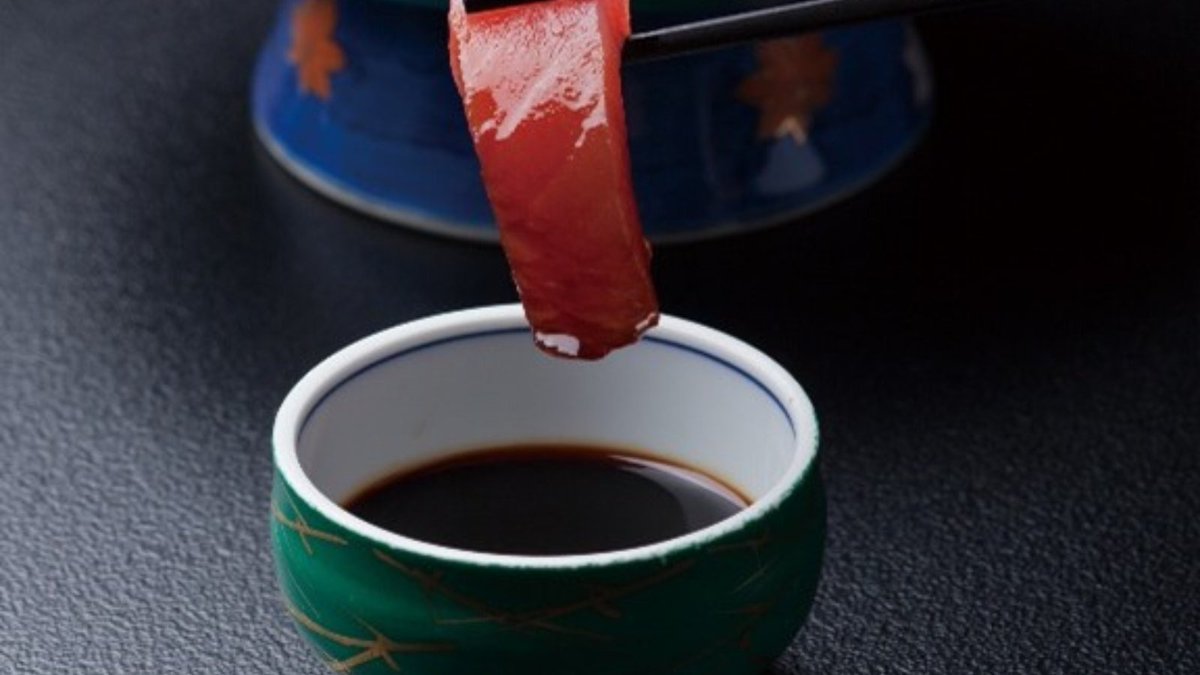
Kishu Yuasa: The Birthplace of Soy Sauce🏘️ Recognized as Japan Heritage, Yuasa carries its townscape and culture into the future. Restored traditional houses become cafes & shops, energizing historic streets, while children’s soy sauce workshops deepen ties to the community.✨
Kyu-Furukawa Gardens, a cultural property, marks its 70th year of public opening and 20th as a National Place of Scenic Beauty in 2026.
Blending Western and Japanese styles, it features 200 rose bushes in 100 varieties.
The Spring Rose Festival runs until June 30—don't miss it!
Tiny lights of summer💡 Tatsuno, Nagano, is known for its fireflies. Local care and town support protect them, including Japan’s first artificial firefly waterway, built in 1973 at Tatsuno Hotaru Doyo Park. In June, Genji fireflies dance there during the town’s Firefly Festival✨
Time to pick our June #PickaHeader! 📸
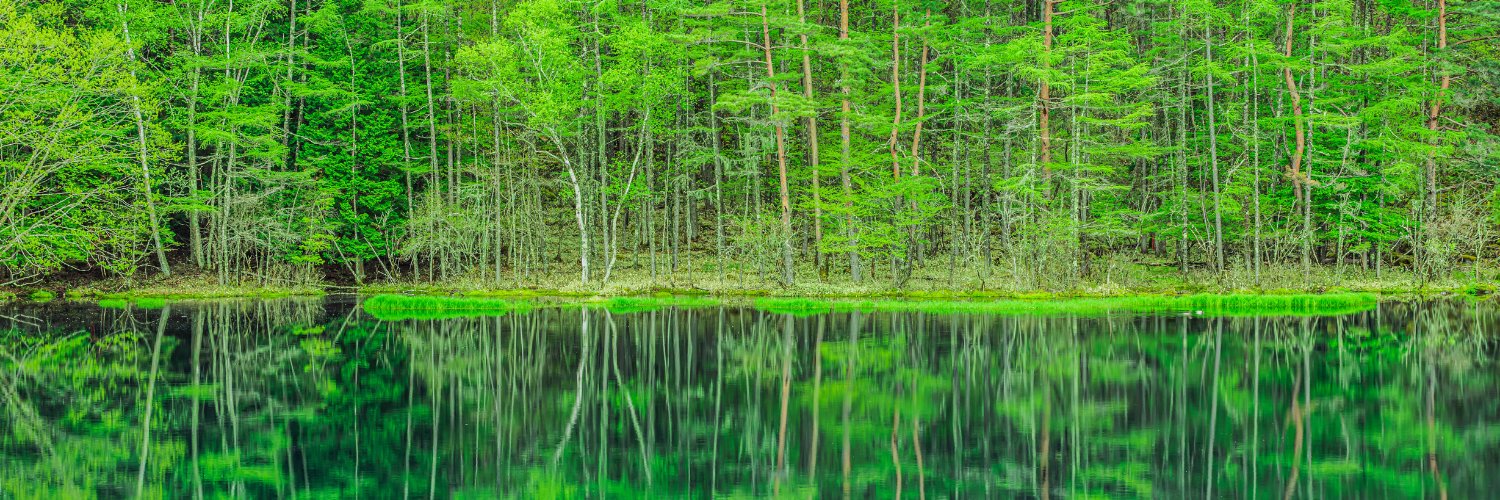
Blue hydrangeas on stone steps, Japanese umbrellas, Mystical fresh greenery at Mishaka Pond, White skunk cabbages in Oze Marshlands.
Which photo resonates with you most? Comment with your pick by May 26. Winner revealed here the next day!✨
“Don’t eat me!”😋 Japan’s food sample business began at Osaka’s Iwasaki Seisakujo with a wax omelet��� Today, their hyper-real resin techniques recreate food in stunning detail—and are even applied to training models for medical professionals and related personnel✨
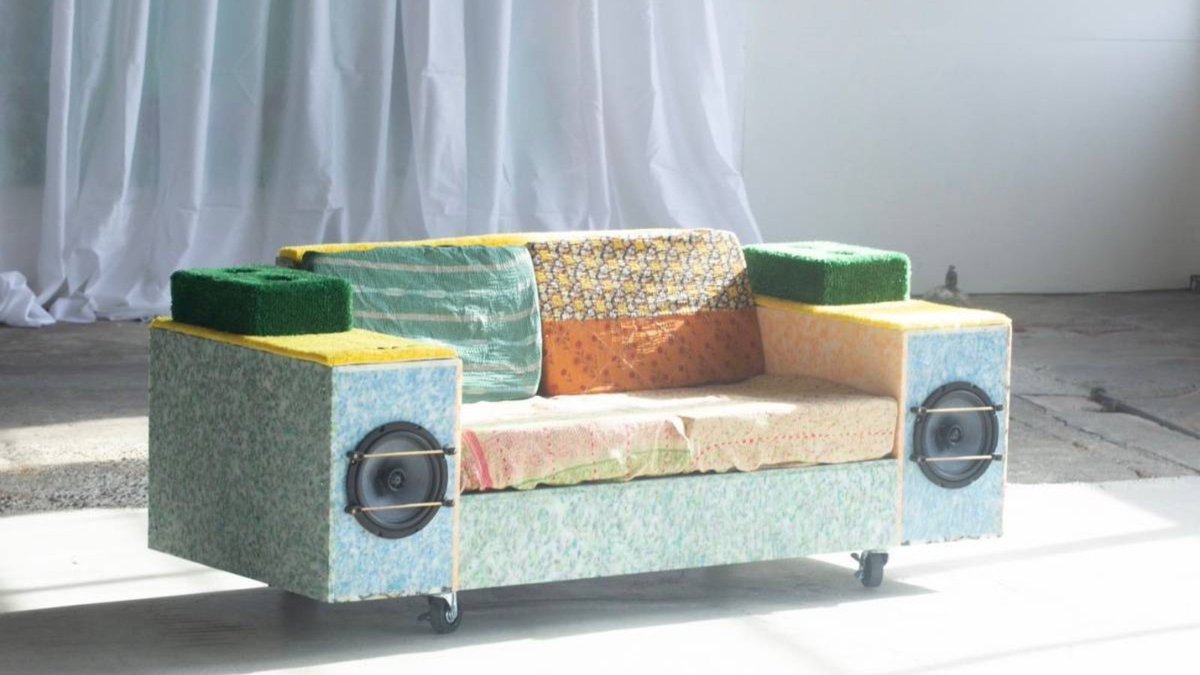
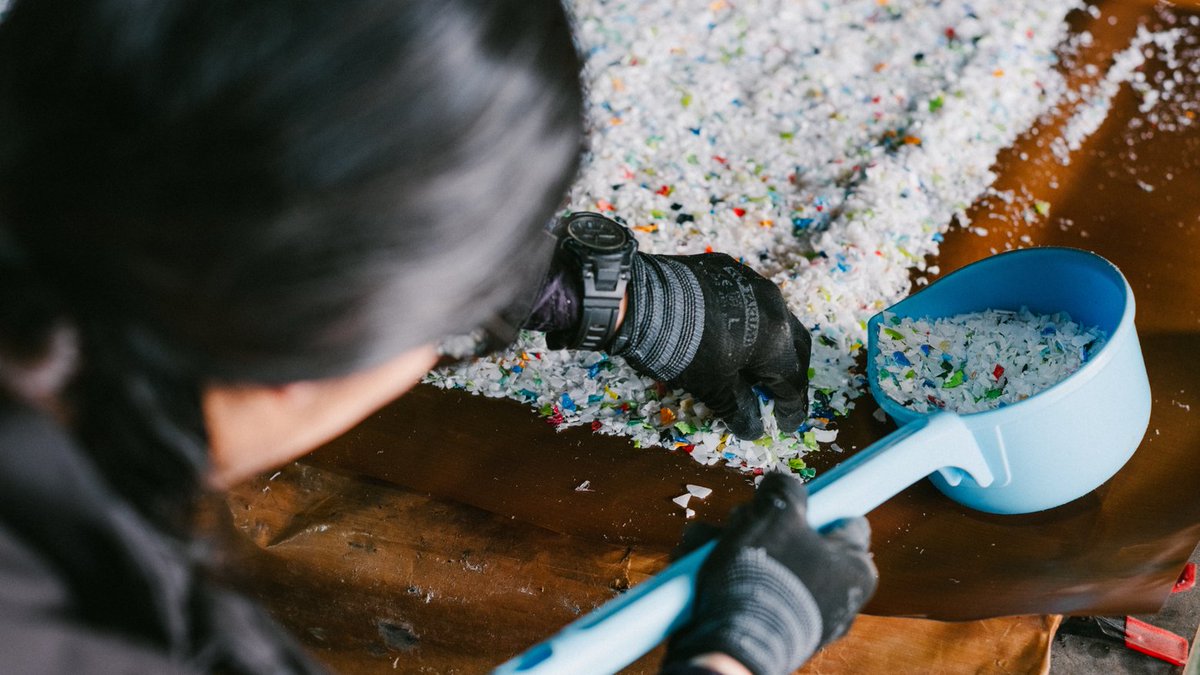
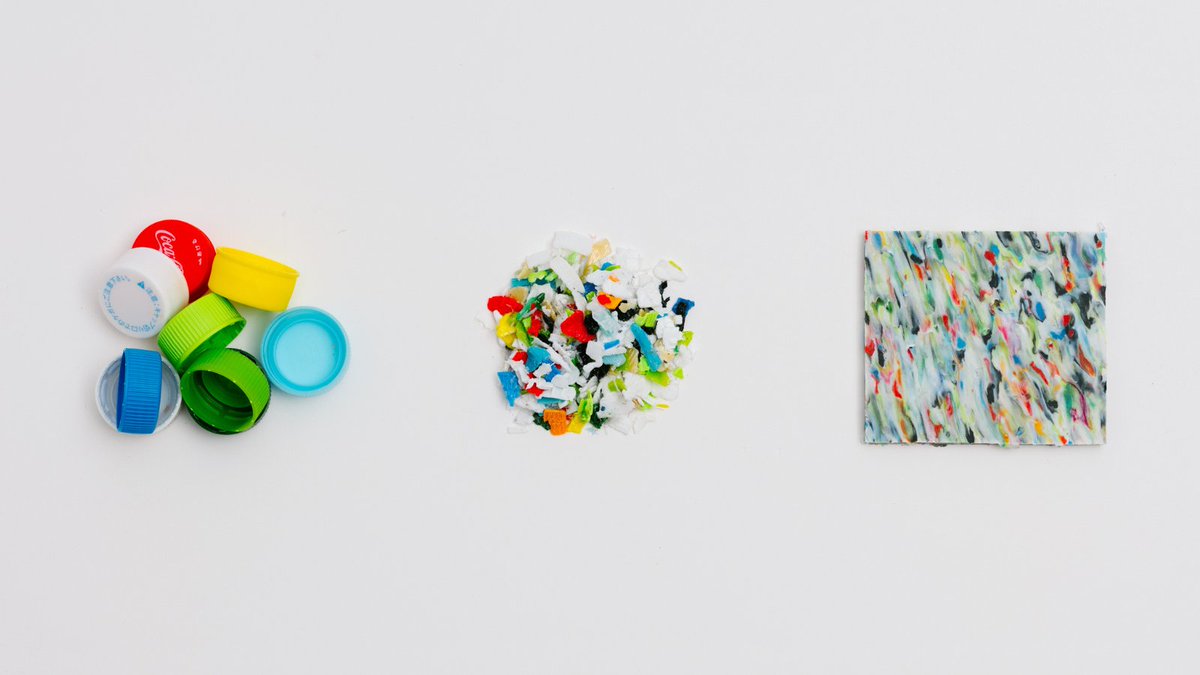
Marine debris becomes unique, colorful accents for interiors🌊In Toba, Mie, abandoned ropes and buoys find new purpose as recycled board material GYOG / GOMI, born from REMARE representative MASE Tadasuke's belief that “plastic waste is a resource.” Turning waste into design.♻️
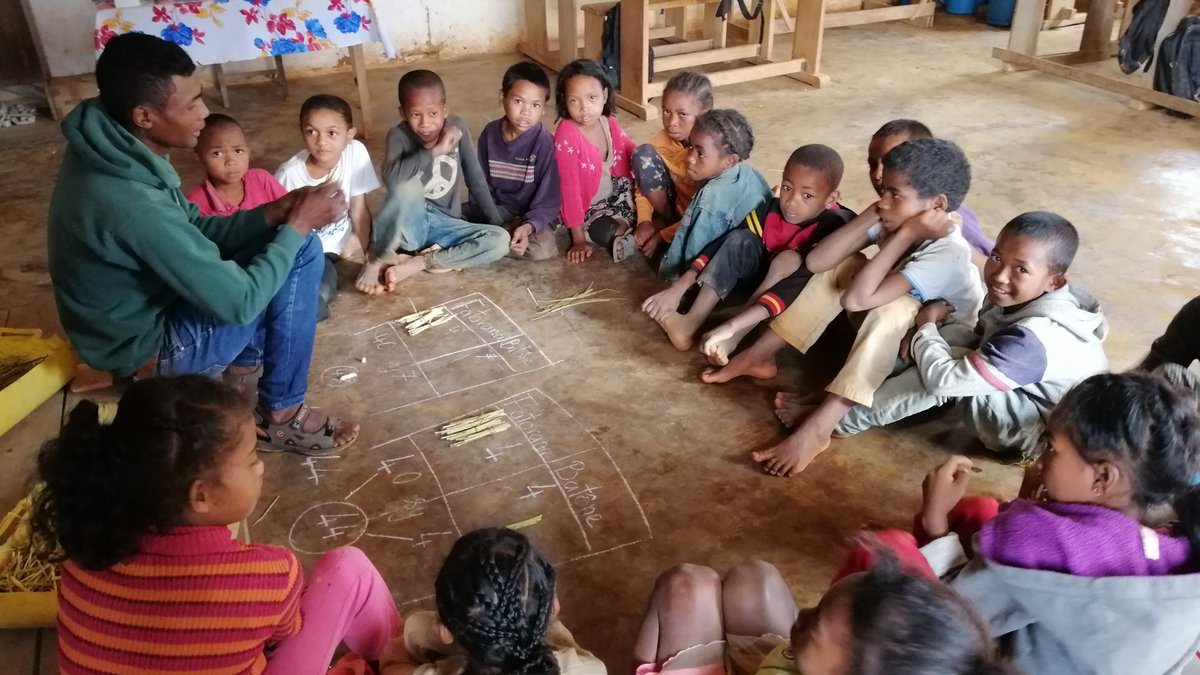
JICA's "School for All" empowers parents, teachers, and local residents to collaboratively improve education through school management committees.
Starting in Niger in 2004, the initiative now reaches across 11 African nations, helping improve children’s literacy and numeracy.🏫
An imaginary train by Tsukioka Yoshitoshi, painted in 1871, a year before the opening of Japan's first railroad between Shimbashi and Yokohama. Of course, he had never actually seen a train and painted it from his imagination. #ndldigital
https://t.co/4GV2GMe2W0