Good story. Map well with the WSJ story early this week. While the US talks about tariffs and falls in trade, China continues to export its way out of its property slump -- with enormous global implications
https://t.co/T97ukXN7wi
Good news on inflation! U.S. consumer prices FELL 0.1 percent in June, and were up just 3 percent from a year earlier. "Core" prices, stripping out volatile food and fuel, were up 0.1 percent from May and 3.3 percent from last June. Data: https://t.co/wv5bolHXgm…Live coverage: https://t.co/vKobEmekfV
According to a recent BofA survey wealthy young people:
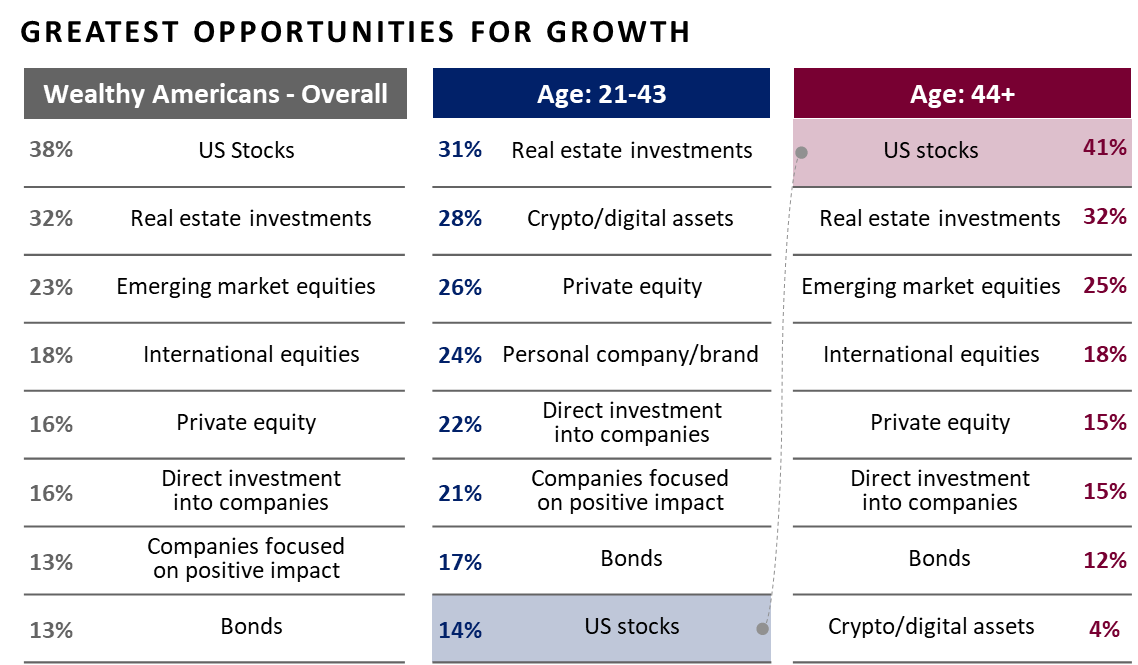
1. See real estate as the greatest opportunity for $ closely followed by crypto
2. U.S. stocks are last (!!)
3. Bc 72% of the youth (!) say "it is no longer possible to achieve above average investment returns in stocks and bonds" (and somehow it's possible in real estate)
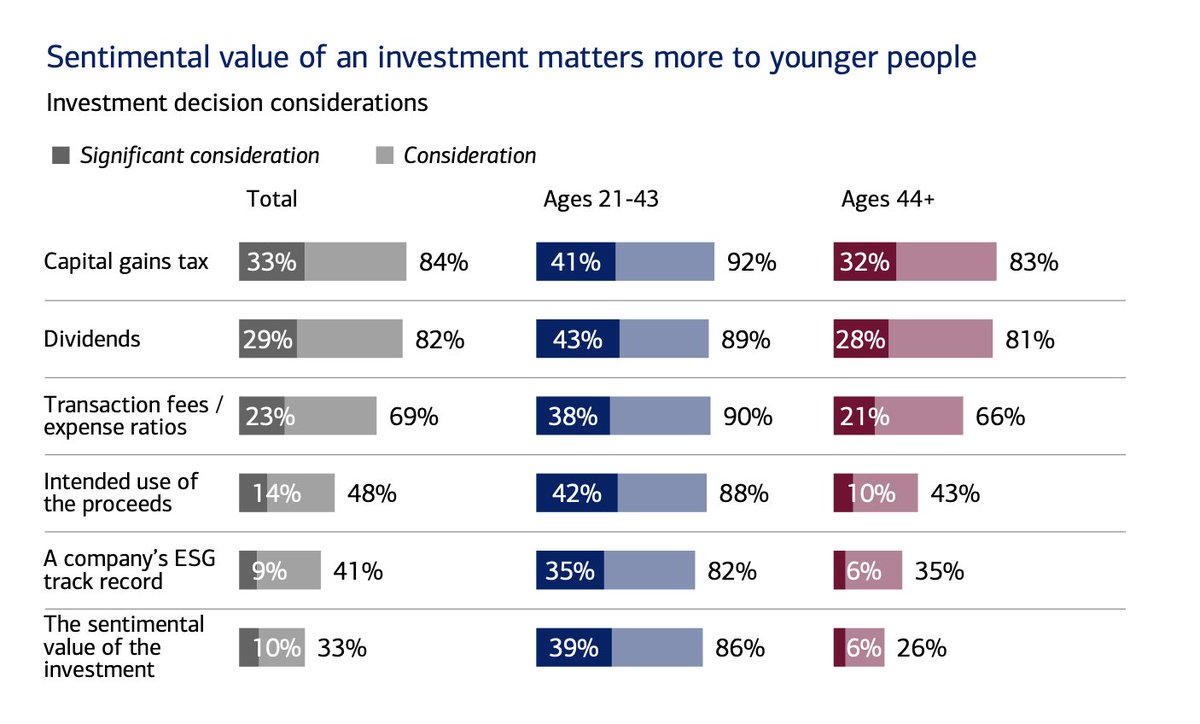
4. They also highly consider the sentimental value of an investment (and they love watches)
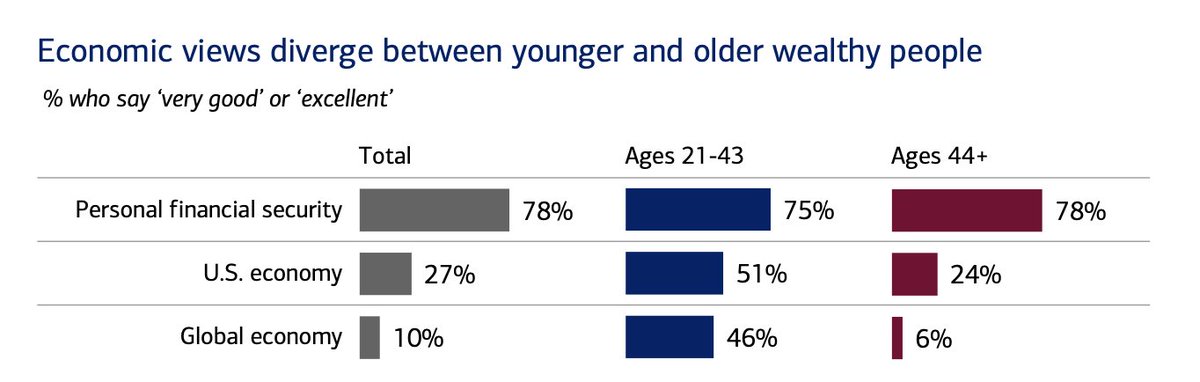
Also more than half of wealthy younger Americans surveyed said the U.S. economy is "very good" or "excellent", roughly twice the rate of older Americans...
In theory, shadow banks make the system more resilient by taking risks out of actual banks.
In reality, "dependencies turn into vectors of shock transmission and amplification, forcing authorities to intervene and to do so en masse," per this spicy @NewYorkFed post.
https://t.co/q35Z0bwRAB
Just 12 companies have led the S&P by market cap since 1926; AT&T, Apple, Cisco, duPont, Exxon Mobil, Exxon Corp, Standard Oil of NJ, General Electric, General Motors, International Business Machines, Microsoft, Philip Morris, Wal-Mart, and now Nvidia. https://t.co/e8xoPNO0HN
@davidgoldiner@bencasselman@deborah_solomon@jeannasmialek@lydiadepillis @maddiengo @jkaraian It is an option. They choose not to in part because of the reasons outlined. I would guess if the Fed felt there was a benefit in moving rates in that way then they would. But again, it's an inexact science so it's not clear to me the benefit if the outcome is difficult to judge.
@bencasselman@davidgoldiner@deborah_solomon@jeannasmialek@lydiadepillis @maddiengo @jkaraian Exactly. Maybe spin the question around; what is the benefit of changing rates by 0.3 or 0.05 percentage points? Also, the fed does (occasionally) make small adjustments. For example the Fed adjusted IOER rate by just 0.05 percentage points for a while : https://t.co/0SbYozOWI2
@davidgoldiner@deborah_solomon@jeannasmialek@bencasselman@lydiadepillis @maddiengo @jkaraian ... it's also a range (the fed doesn't set rates at one level, but typically within a 0.25 percentage point range). For example, the current Fed funds rate is 5.33 percent. That's a market rate targeted by the Fed when it sets a range of 5.25 to 5.5 percent...
@sberg0@lydiadepillis@bencasselman And to be clear, the working assumption is still definitely that there is no debt default. It remains unlikely. But folks are certainly contemplating what the fallout could be to make sure they are prepared in case it becomes reality.
@Bombay85681349@loracorkelley Worth keeping an eye on notifications from the OCC here: https://t.co/aNhy0WmikG Hope this helps. Obviously this is a broad answer and if you're asking because of your own specific situation then please do not rely on this answer.
@Bombay85681349@loracorkelley So, I am told that it is still possible to exercise put options but it becomes a more manual process where your broker needs to be instructed to exercise the option. Given the stock is now retired, this would be cash settled I think.