We want to believe that technology is a neutral container for ideas. It isn’t. It changes the way we think and engage with content.
https://t.co/RNP4pBlY8V
Analysis of US college syllabi by the Open Syllabus project shows that bell hooks is assigned more than Aristotle, Judith Butler more than Plato, Edward Said more than than Kant, and Foucault more than everybody. (Thanks to Jon Shields for these comparisons.) https://t.co/Nz2lIgf4po
Relatedly, one of the things I don't think we know enough about is how typing and hand-writing affect thinking differently. Seems obvious to me that knowing you can more easily edit/move text changes the thinking process as kids learn to write.
Yes.
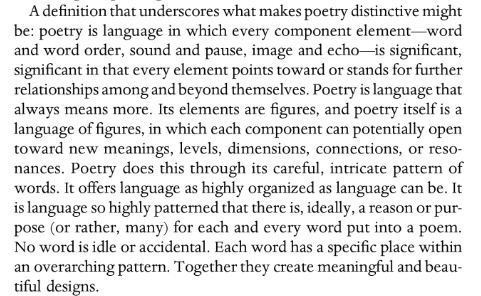
Writing is not a second thing that happens after thinking. The act of writing is an act of thinking. Writing *is* thinking.
Students, academics, and anyone else who outsources their writing to LLMs will find their screens full of words and their minds emptied of thought.
Yes.
Writing is not a second thing that happens after thinking. The act of writing is an act of thinking. Writing *is* thinking.
Students, academics, and anyone else who outsources their writing to LLMs will find their screens full of words and their minds emptied of thought.
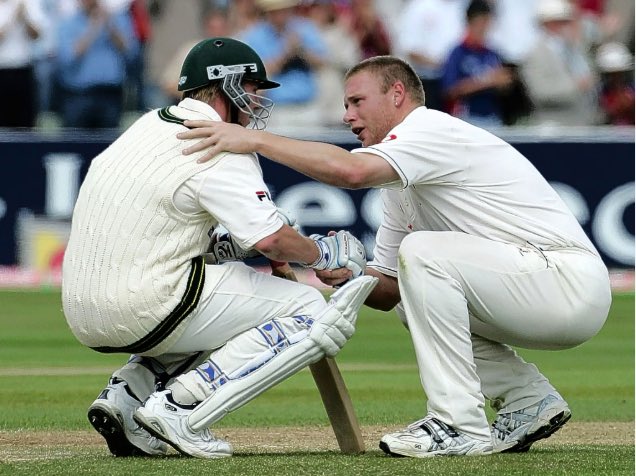
20 years ago today the iconic 2005 Ashes began.
This week across @BBCSport we’ll be marking the anniversary.
“How to win the Ashes” @BBCiPlayer & @BBCOne 2310 tonight.
And DON’T miss “Settling the Score” from Wednesday where we set the drama of 2005 to
Music!
#bbccricket
Hard agree. The mistake is thinking that complex thoughts can be separated from writing. But writing and thinking are symbiotic: they improve each other as they interact.
I think the decline of literacy actually is the underlying problem - reading and writing enable us to have more complex thoughts. As Walter Ong and Eric Havelock say you can't have philosophy in Ancient Greece without the invention of writing.
1. Assessment myths are swirling again, especially around GCSEs, and especially around GCSE maths. So here’s an attempt to explain some of the issues that often seem to flummox people.
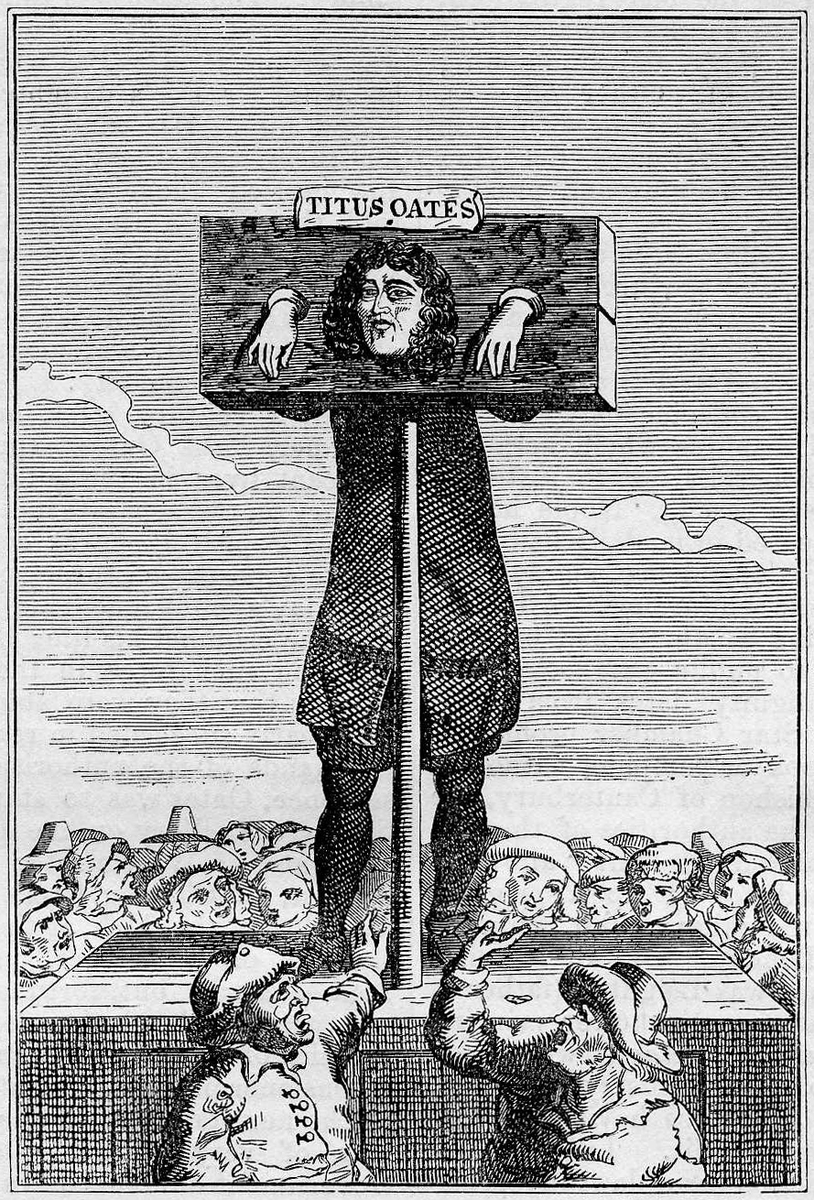
I'd stick a pillory outside every Tube station, and make six hours in it the default punishment for fare dodging. Doesn't cost much money, humiliates the criminal, and doesn't ruin the life of young eejits who get tempted in the moment.
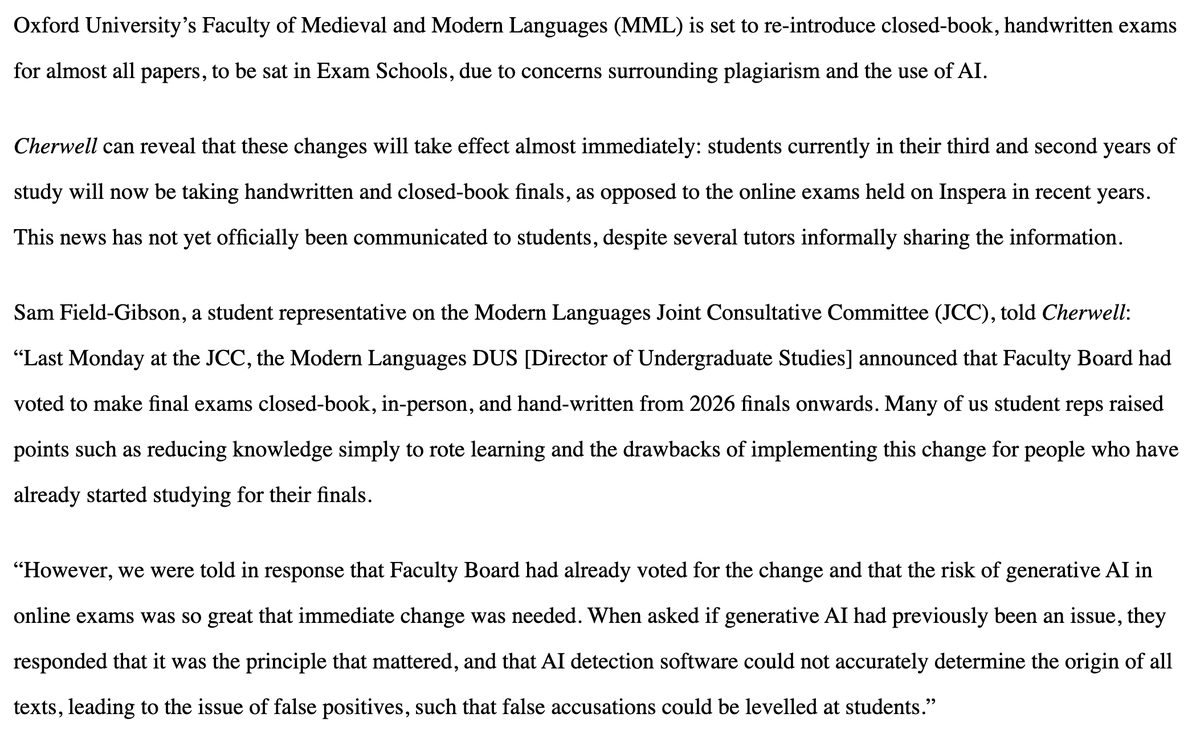
Noteworthy that 'handwritten and closed book' exams are dismissed as 'rote learning'. Will come as a real shock to [checks notes] every intellectual until 5 minutes ago.
I suspect this change at Oxford is the beginning of a broader trend. Students doing their exams without browser-limiting software or active proctoring (which I imagine is prohibitively expensive) is just not viable in the age of ChatGPT.