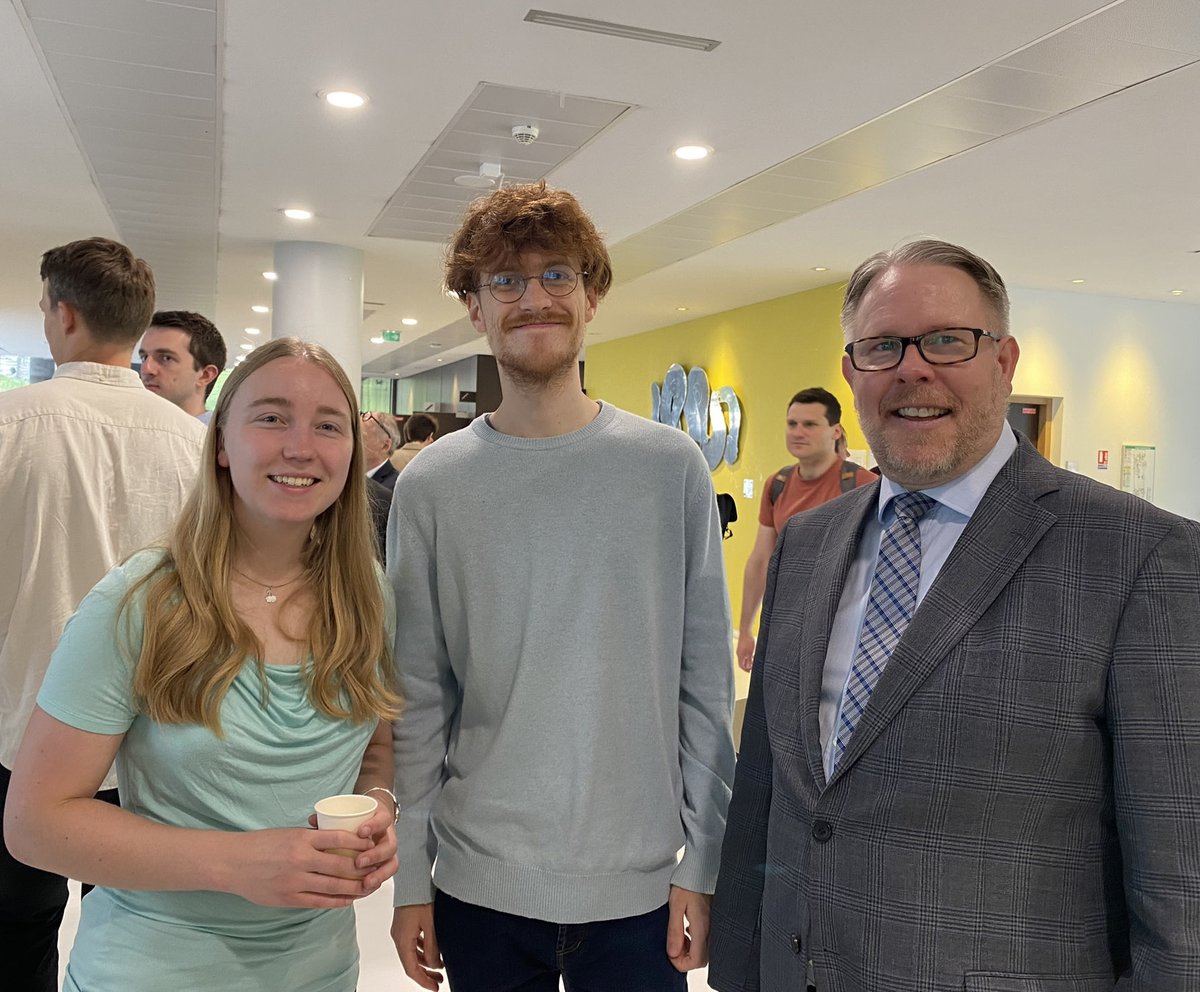
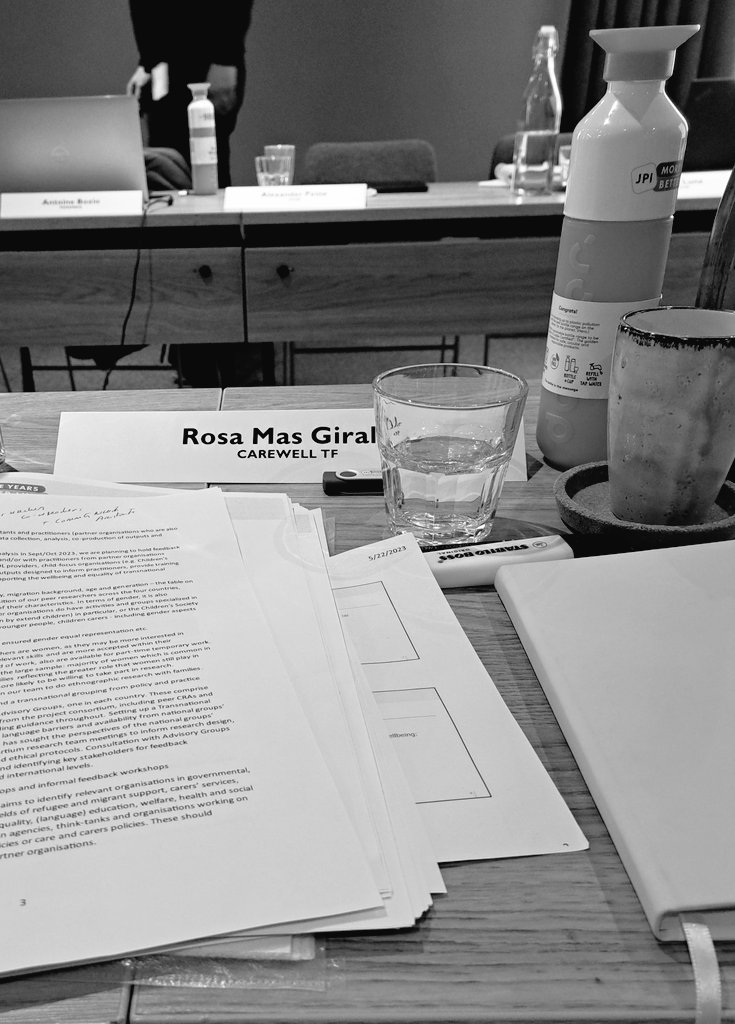
We had very succesful meetings in The Hague inculding an inspiring Final seminar on Equality and Wellbeing across all generations (see: https://t.co/K1hVhvPrBP).
Thank you to all our JPI MYBL 'colleagues' for their active participation.
To mark the #InternationalDayofCareandSupport we'd like to share the Results of the Public Consultation on #CareEconomy highlighting the need of a comprehensive approach to care and the development of resilient support systems @jpimybl
🔗https://t.co/4nZWgLAp8j
A little preview: ''The demographic changes of the past and coming years will profoundly modify the population structure in Europe. These transformations are associated with changes in the distribution of resources and opportunities across Europe and beyond...''
We can proudly share the e-book on knowledge sharing: ''loneliness and social exclusion among older Europeans before and during the COVID-19 pandemic''. You can find the e-book here: https://t.co/UC2QbBHnQo
Special thanks to @brunoarpinoEU, who edited the e-book. And to those who participated in the knowledge sharing workshops and contributed to the e-book.
Today some of the researchers participating in JPI MYBL funded projects are panellists at a Population Europe event to celebrate the European Day of #Demography: https://t.co/oSrFbhqDCz #demography#demographyday#demographicchanges#JPIMYBL @PopulationEU
The JPI MYBL funded project “Care, Retirement & Wellbeing of Older People Across Different Welfare Regimes” (in short @CREW_project), will present their key findings during an offline seminar on the 22nd of June, from 9:30AM-1PM (CEST), in Louvain-la-Neuve.
We are happy to announce that the registration for the European Week of Active & Healthy Ageing is open! 🎉
Tickets and pricing are available on the registration portal: https://t.co/R5ikwFRRvB.
#EWAHA2022#healthyageing
Lesson six: policies should recognise the interaction between informal care and paid employment, allowing flexibility in hours, and caring leave for those supporting older dependents. Also, consider the role older carers play in enabling parents to remain in the workforce. #MYBL
Lesson five: policies should encourage employers to support people with training at all ages, and to adapt working practices, to allow variation, flexibility, and adaptation of work to changing physical limitations. #healthpolicy#activeworkinglife#healthpractices#JPIMYBL
Lesson four: policies should seek to support good occupational health across the lifecourse, and modifications to working practices to allow for changes in people’s capabilities and aspirations as they near retirement. #healthpolicy#healthy#workplace#healthyretirement#JPIMYBL
Lesson three: retirement policies should try to avoid blanket rules applying to everyone. They should allow for individual variation in the timing and phasing of retirement, and the financial implications of those choices. #health#policy#extendingworkinglife#JPIMYBL
Lesson two: policies on retirement should adopt a multifaceted approach, recognising the interaction between pensions, health, and working conditions; and supporting individuals to make informed decisions, and employers to make appropriate modifications to working practices.
Today is May 1st, Labour Day! So coming week we will share some key policy lessons emerging from of our joint call on 'Extended Working Life and its interaction with Health, Wellbeing and beyond'.
Lesson 1: Age strengthens existing inequalities. (1/3)
Ageing and retirement accentuate existing lifelong patterns of inequality. People with low, or no, qualifications, poor self-rated health and in jobs which make heavy physical demands, spend more of their retirement in poor health, and die younger. (2/3)