Just dropped, first paper out of my PhD! "Archaeology demonstrates sustainable ancestral Coast Salish salmon stewardship over thousands of years" in @PLOSONE
with @tsleilwaututh, @UBCoceans, and @UBCAnth 🥳 open access linked here
https://t.co/Ly0WcivXQZ
The good folks at @cvpws & #MaycriaCosta's Spectral Remote Sensing Lab are hiring at #PostDoc for #ForageFish modeling!
Includes:
Fully funding $65,000/yr😸
Benefits🥳
Field Work🐟
Cool co-workers😁
And you'll help us save the world, one model at time.
https://t.co/dASUdyikqk
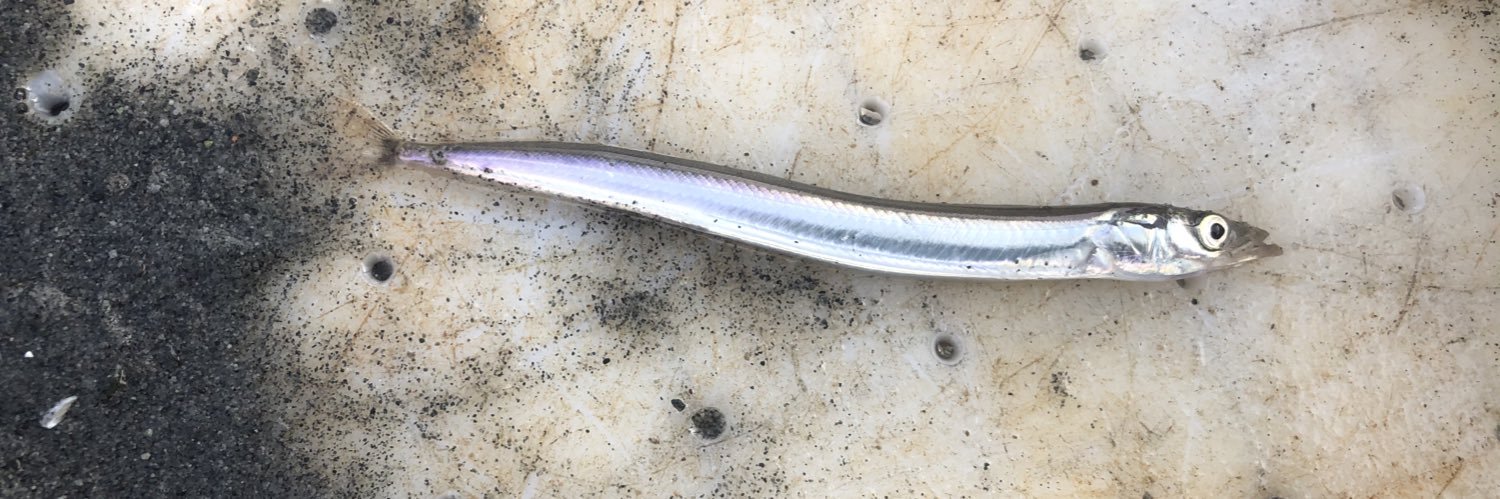
@6lennybravo@PSPartnership Sometimes they get caught by the tides when they are feeding, avoiding predators, or yes, when they are spawning. Was it in the winter? Then it's likely!
Nervously looking forward to talking about the model we built tomorrow at @PSPartnership https://t.co/ua01hM6yUj
Come listen in: https://t.co/MRXqnsjnmh
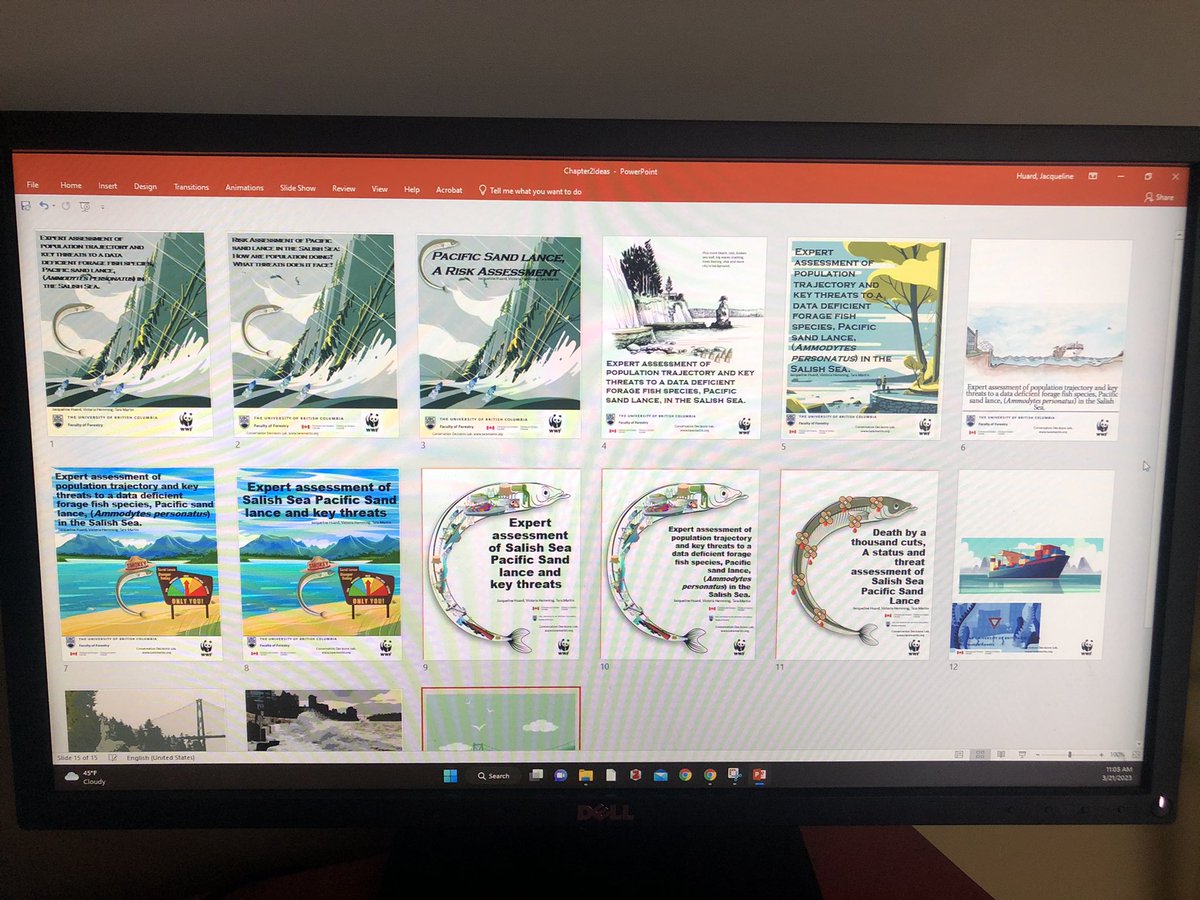
MSc Chapter 2! Not only does it exist, despite all the excessive highlights, colours, and comments its chugging along well! But do pressure me for answers and completion.
https://t.co/fWjMHGIV1X
Wish I could go!!! If you're in Vancouver area Nov 17th 5pm at the @beatymuseum UBC, you're in for a visual treat & a strong story. Some cool people are featured @dcscott_BC, @Duffling, @TaraGMartin, Balke, & Marvin Rosenau @bcit
6/6 The maps generated from our model can help inform conservation planning & risk assessments of nearshore activities, e.g. seawalls, or ports, that may alter or remove sand lance habitat. No coast-wide maps exist - guess that's the next project! #ConservationDecisionsLab
5/6 This MaxEnt HSM considered 9 environmental variables of which 6 contributed to the final model: distance to estuaries, shoreline slope, distance to subtidal habitat, substrate, fetch, and aspect. Distance to estuaries contributed the most. https://t.co/Ov4ieC2NQB #CJFAS