The military expects 50k casualties in the first 8 days of the next high-intensity peer conflict. That’s 20 years of losses from GWOT compressed into a single week.
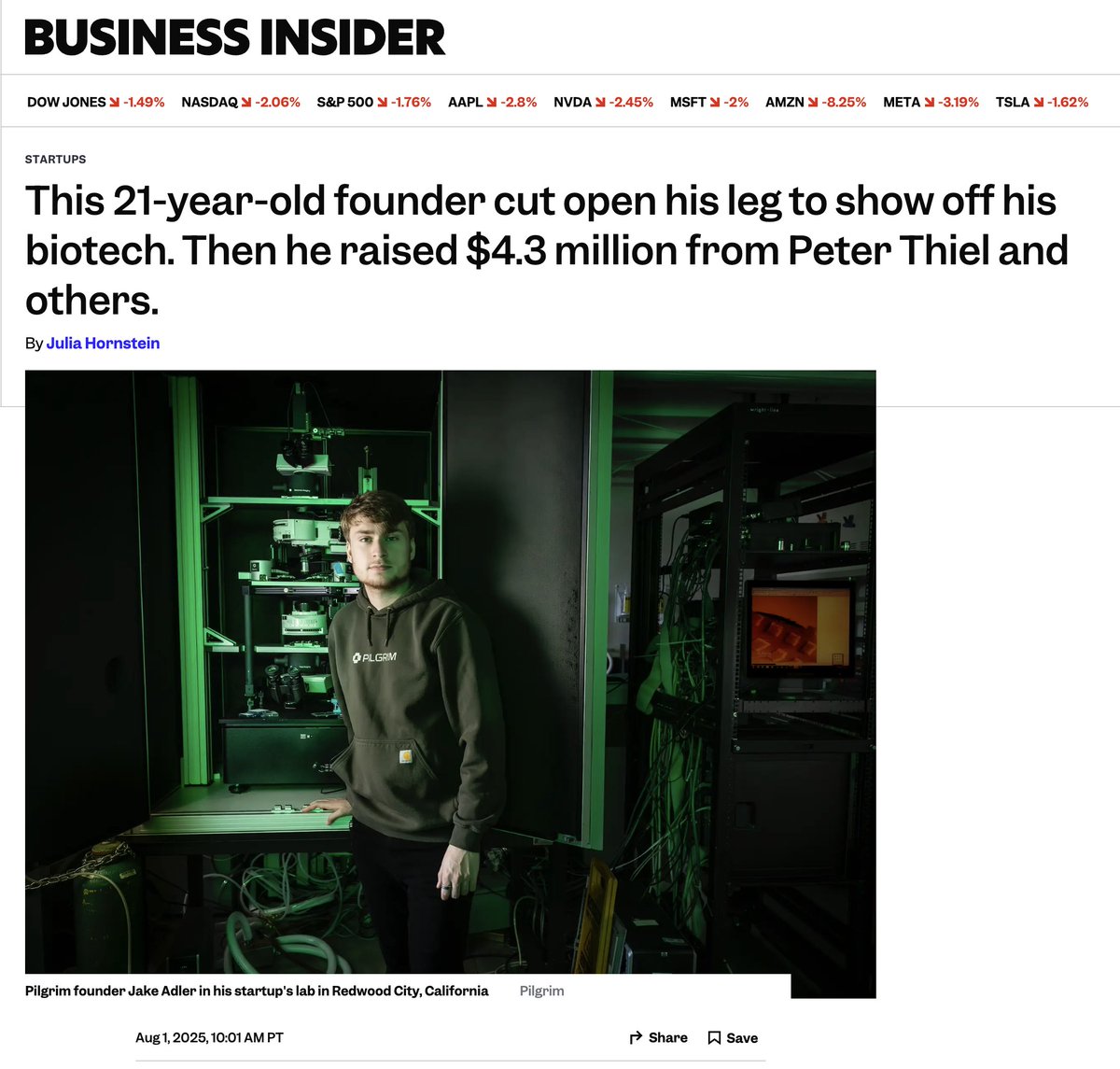
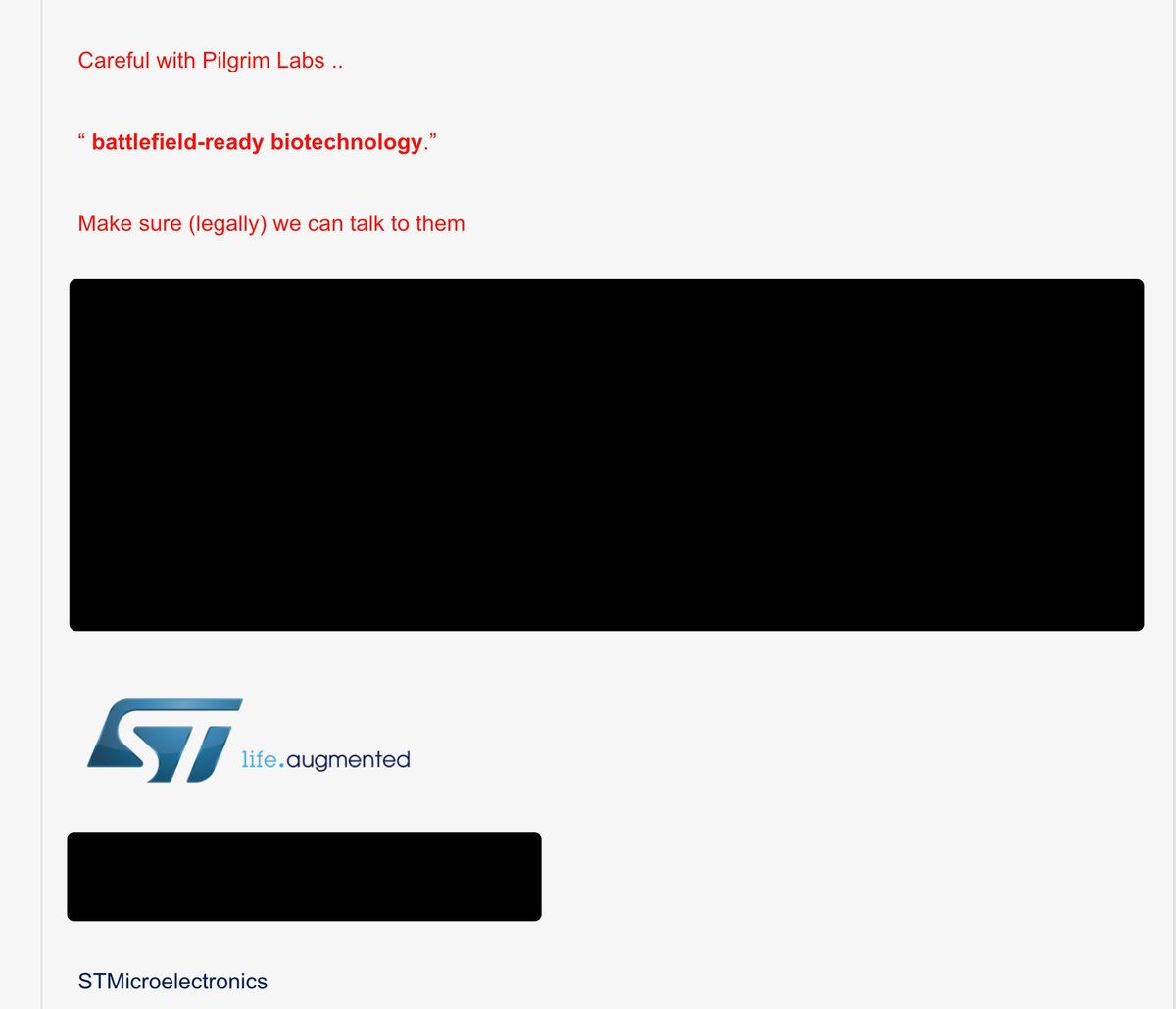
We’re building @pilgrimlabs to deploy medical technology designed for the operational realities of modern warfare.
“You should’ve been worried yesterday.” - @jacobkimmel on the risk of bioweapons, & Anthropic’s approach to limiting Fable’s responses:
-You should’ve been terrified of bioweapons yesterday. They’re one of the highest-leverage ways to inflict massive damage, and we’re still woefully underprepared.
-Making a bioweapon requires three things: knowing what to make, knowing how to make it, and actually pulling it off in a lab.
-Steps 1 & 2 are increasingly accessible. The real bottleneck is step 3: physical reality. Lab work is hard. Most experiments fail. Materials are tightly regulated and difficult to obtain.
-AI barely changes that physical layer. Claude can’t ship you research chemicals or make your experiments work.
-The scary story is that AI lets a lone smart misfit do it. But the overlap between people capable of clearing the physical hurdles and people who couldn’t already find information on dangerous pathogens is probably pretty small.
-Realistically, the highest-consequence bioweapon efforts still require something closer to nation-state resources.
-People also worry AI could help design novel pathogens. That’s worth taking seriously. But there are already plenty of naturally occurring pathogens we don’t have immunity to.
-Bottom line: I’d rather be too cautious than not. But AI didn’t suddenly create this risk - it has always been there.
Anyone should be able to quickly obtain a license to a federally funded patent. It is genuinely absurd how much taxpayer funded technology just rots in tech transfer offices
Palmer Luckey: Patents are Chinese instruction manuals that get downloaded and copied every single morning.
"Stop patenting everything. You're taking your most valuable stuff, the entire patent office can be downloaded every single morning and then ripped off."
"For 20 years or so, between when you file for a patent and when somebody could launch a product, China could just rip it off right away. Western companies can only rip it off after 20 years."
"I don't hardly get patents anymore. There's a few things here and there, mostly defensively, because our patent system allows people to sue you when they think you're infringing."
"We need to massively expand the national security patent process. You can obtain a classified patent, you get exclusivity on the rights without disclosing it to anyone. A lot of the things Google patents around artificial intelligence are of national security importance. They should be allowed to get a patent, and it should absolutely not be disclosed publicly."
"Maybe I can't buy 20 years, but maybe I can buy one, two, three. If I could buy a year, that would be enough to make more of the effort worthwhile."
PS. If you found value in this post make sure to like and repost this tweet + follow @uncover_ai to stay updated with the latest AI news.
See you in the next one:
Four years ago I left Canada with nothing but the belief that in America, with faith and a willingness to be wrong, I could bring biotechnology beyond the lab.
Proud to be a Pilgrim on America's 250th birthday.
As you become an adult, you realize that things around you weren't just always there; people made them happen. But only recently have I started to internalize how much tenacity *everything* requires. That hotel, that park, that railway. The world is a museum of passion projects.