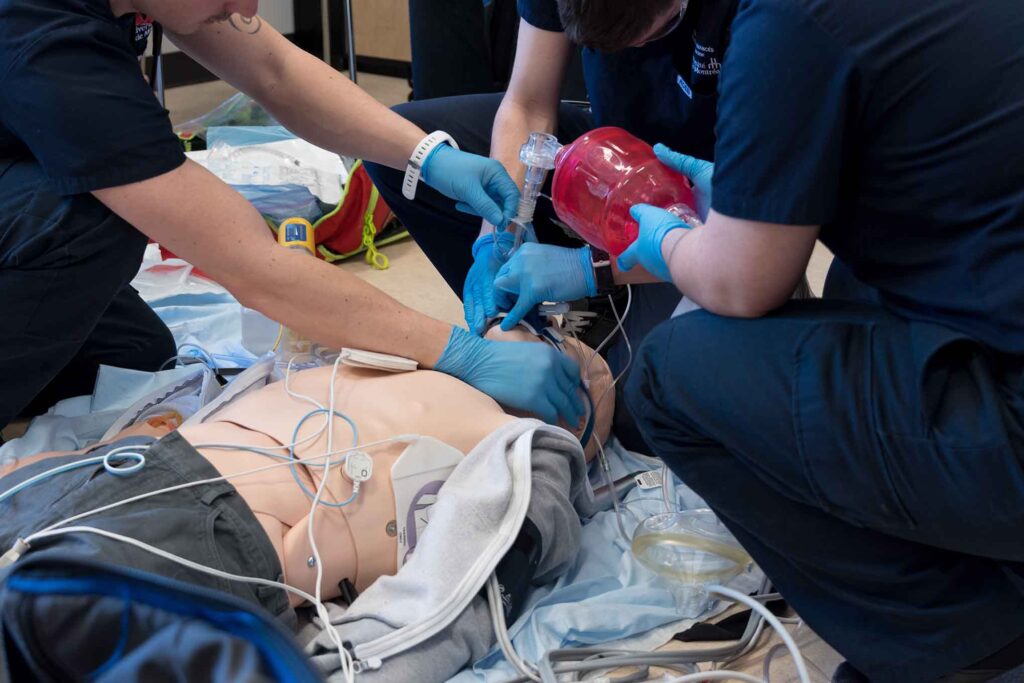
The EMS Psyche: Identity, Burnout, and the Culture We Pass On - https://t.co/I0grADRyLp
EMS does not need to become softer. It needs to be more honest.
The profession needs room for bluntness, humor, skepticism, and the hard-earned edge that comes from years in the field. But, it also needs to stop confusing bitterness with wisdom and cruelty with authenticity.
Burnout is real. Moral distress, identity strain, and institutional neglect are real. But, none of those realities justify a culture that eats its young, mocks its patients, or treats clinical curiosity as weakness.
The future of EMS will not only be determined by protocols, devices, staffing models, or reimbursement formulas. It will also be determined by what experienced clinicians choose to pass on.
Hard-earned salt can preserve a profession.
Unexamined bitterness corrodes it.
The difference is culture. And, culture is not an abstraction. It is built every day—one call, one preceptor, one station conversation, one leadership decision, and one new clinician at a time.
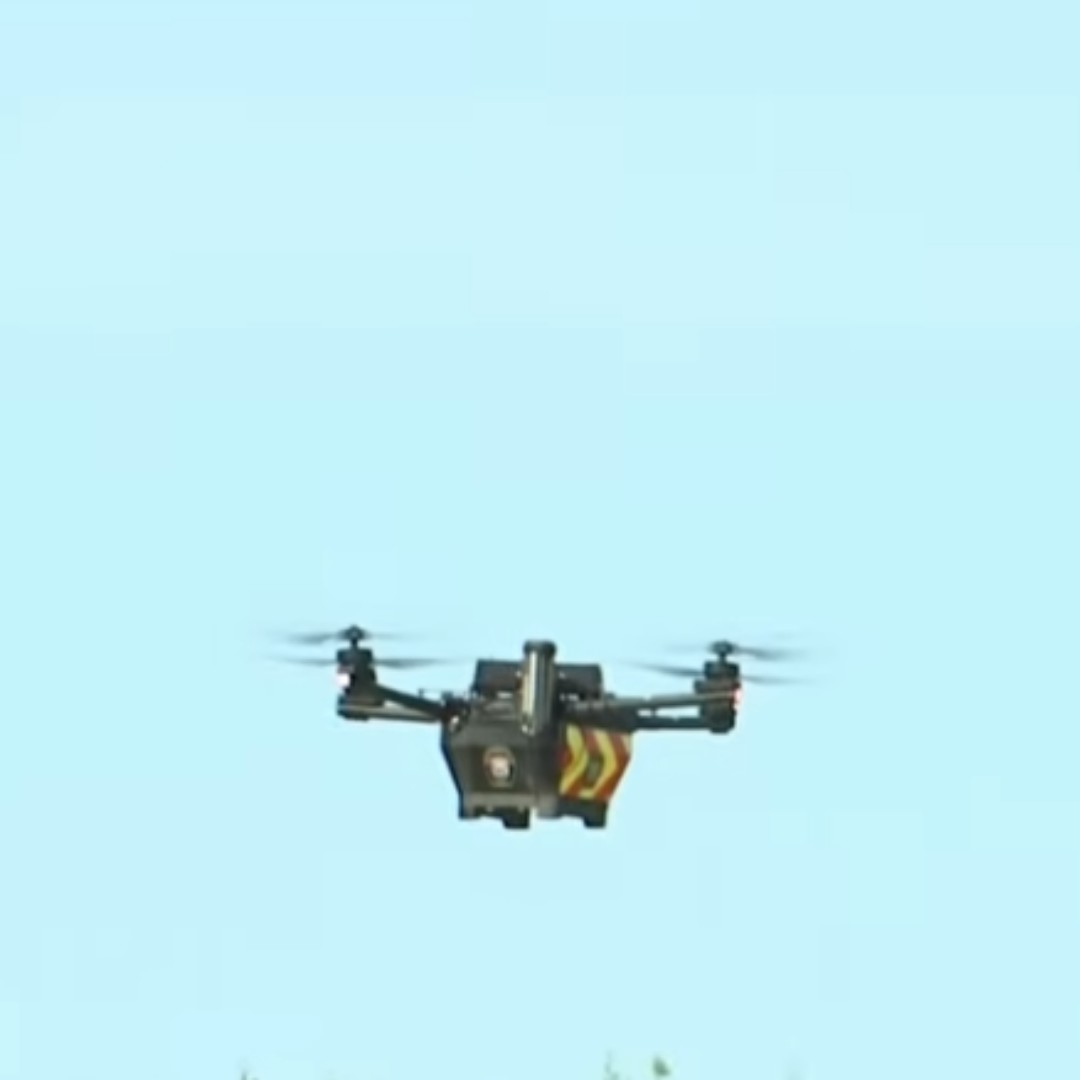
Hillsborough County (FL) Fire Rescue is revolutionizing emergency care with drone-delivered whole blood. The program will initially cover 70 square miles, with drones stationed at fire stations in Seffner and Riverview: https://t.co/gVhpHU6jmQ
WEBINAR October 13, 12:00 pm ET: https://t.co/iguvtcfDHM
A Modern Learning Management System for Fire & EMS: Training That Connects Readiness, Compliance, and Performance
- with Kevin Gardiner and Jeff Schneider
Training isn't optional for Fire and EMS agencies but managing education, compliance, and readiness across teams too often feels disconnected and manual.
Join us for a live webinar where Kevin Gardiner and Jeff Schneider of Clarion pull back the curtain on the Elite Learning Management System. Together they'll show both sides of the story — how it works for your agency and the power behind it from Clarion — and what modern training software looks like when it's built around how agencies actually operate, not just how courses get delivered.
You'll see how a connected Learning Management System brings trusted Fire and EMS education together with agency workflows to:
-Simplify compliance and certification tracking
-Cut down administrative overhead
-Give leaders clear visibility into training progress and readiness
It's more than a demo — it's a look at how the right Learning Management System can transform readiness across your organization. Ideal for agencies looking to modernize training without starting over, and for leaders responsible for safety, compliance, and long-term workforce development.
Save your seat today.
Two of every three patients seen by Greenville County EMS’ PATHS team received care at home without transport to the hospital.
The treat in place program targets eligible low acuity 911 calls with clinical assessment, treatment and healthcare navigation.
Here’s what the first seven months revealed: https://t.co/wwdloYCr00
A peer support program only works if people trust it.
Chief Brandon Hill from Hays County (TX) Emergency Services District 9 talks about the year and a half it took to get his department’s program off the ground, including the fight to protect confidentiality and anonymity.
“Some things were not negotiable.”
Watch the full conversation on YouTube: https://t.co/GNvWcTM0Jl
WEBINAR October 7, 1:00 pm ET: https://t.co/9tcqvHFLO3
Closing the Safety Gap: From Resistance to Advocacy in Ambulance Safety
- with Josh Motsinger and Melissa Dobbs
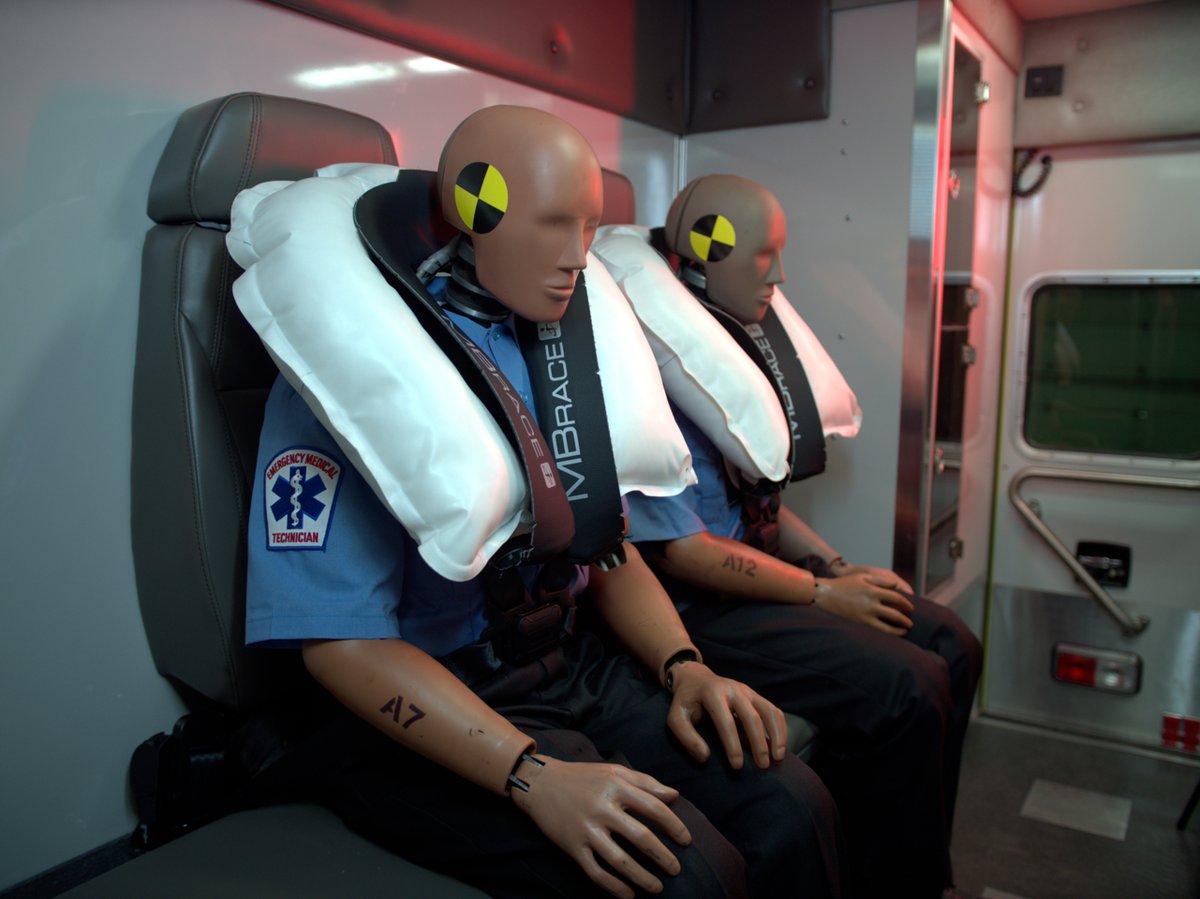
Ambulance crashes remain a leading cause of injury for EMS professionals, yet many providers continue to ride unrestrained while delivering patient care. The challenge is not simply equipment. It's culture. This webinar explores how EMS leaders can drive meaningful safety improvements through education, leadership, SOPs, and proven change-management strategies.
Using the Resistance → Acceptance → Adoption → Advocacy framework, attendees will learn how safety initiatives evolve from skepticism to standard practice, much like the adoption of latex gloves in healthcare. Once viewed as optional, gloves became an industry standard because leaders combined education, policy, accountability, and cultural reinforcement. EMS safety is following a similar path. Through real-world crash data, incident investigations, and practical examples, attendees will gain actionable insights to strengthen safety culture, improve restraint use, and better protect crews without compromising patient care. The session will also highlight modern ambulance occupant protection solutions, including advanced restraint and airbag technologies, and how they are designed to address common injury mechanisms identified in ambulance crashes and rollover events.
WEBINAR October 5, 1:00 pm ET: https://t.co/aLpESjTpyo
Beyond the Ambulance: An Overview of Mobile Integrated Health at Austin-Travis County (TX) EMS
- with Randy Chhabra
Austin-Travis County EMS (ATCEMS) has developed a comprehensive mobile integrated health model designed to connect patients with the right care, at the right time, and in the most appropriate setting. This webinar will provide a high-level overview of the programs within the ATCEMS Clinical Navigation Division, including community paramedicine, case management, clinical communications and navigation, substance-use response, street medicine, behavioral health initiatives, pop-up resource clinics, and alternative pathways for low-acuity 911 callers.
Attendees will learn how these programs work together—and alongside healthcare, behavioral health, public safety, and community partners—to address patients’ medical and social needs, reduce unnecessary emergency department utilization, preserve emergency response capacity, and improve continuity of care. The presentation will also highlight lessons learned from building an integrated system of programs rather than relying on a single MIH intervention.
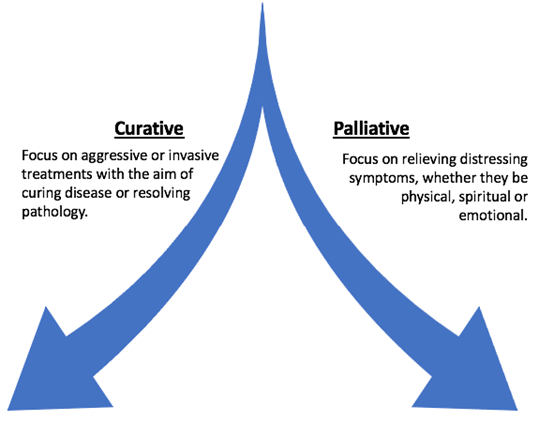
In the United Kingdom, paramedics are often called to palliative care patients, either in times of crisis or to assist with symptom management. They may also be called to patients approaching end of life or with life-limiting conditions who are not under the formal care of a palliative care team: https://t.co/TgF3jsXCPy
In such cases, the ambulance crew will need to sensitively discuss options for managing the patient’s presenting complaints.
The divergence of care principle relates to situations where there may be two routes of care or treatment available to a patient or team. It is important to discuss that these two pathways may aim to lead to different end points (curative versus palliative), but most importantly may work against each other’s interests.
What happens when the disaster you're trained to respond to happens in your own town?
For one Indiana paramedic, it started in a bathtub with his wife, two dogs and a cat.
Then the storm passed.
He checked on his family and went to work.
“Something happens nearby, and you go.”
His firsthand account of an EF3 tornado response explores command, mutual aid, search, triage and what it means to respond when the patients are your neighbors: https://t.co/WbR2XXaBAT
WEBINAR TODAY, 1:00 pm ET: https://t.co/QGBWtSTYn3
From Plans to Practice: Designing Effective Exercises
- with Doug Hexel
Emergency management and EMS organizations rely on exercises to strengthen preparedness, validate plans, and improve coordination across agencies. Yet many exercises fall short due to unclear objectives, unrealistic scenarios, or insufficient evaluation. This session provides a practical, step-by-step framework for building successful exercises: from simple drills to full-scale events. Participants will learn how to design exercises that align with real-world risks, integrated healthcare partners, extract meaningful data, and drive continuous improvement. Drawing from HSEEP principles and field-tested strategies, the session covers scenario creation, inject development, participant engagement, evaluation methods, and after-action reporting. Attendees will leave with templates, examples, and actionable techniques they can use immediately to plan high-impact exercises for EMS, public safety, hospitals, and emergency management organizations.
Everyone Gets Your Best, Even When They Don’t Deserve It: https://t.co/i0lKM1wzBi
One day, you’ll simply find yourself on your knees next to someone whose worldview or actions are genuinely repugnant to you, but your hands are going to have to keep moving anyway, whether it’s a conscious decision or just muscle memory.
The argument for treating him isn’t a complicated one, even though sometimes it may not feel that way. It’s your job, and your job has a definition that doesn’t come with an asterisk that reads "except for bad apples". The decision to triage appropriately isn’t a moral one; it’s clinical.
EMTs aren't just waiting for meds—they're the foundation of exceptional ALS. Stop sidelining talent; build confidence & leadership early. Ready to rethink the pipeline? 🚑🔥 https://t.co/vtZ638fQyl #EMS#ParamedicLife
The ambulance was still running.
The lights were on. The rig was covered in dust and debris.
An October 2001 JEMS cover captured one small piece of what EMS providers faced on September 11, 2001.
Twenty-five years later, the image still speaks for itself.
#NeverForget
Your License, Your Law, Your Responsibility: Why EMS Must Teach Jurisprudence - https://t.co/aGV650eoPW
In my emergency medical services (EMS) leadership career, including service as a state EMS regulatory official and in national EMS leadership roles, I’ve encountered one constant—when EMS professionals misunderstand the law, patients, agencies, and the entire profession suffer. Whether it was a rural county nearly bankrupted by unlicensed practice, or a clinician indicted for unauthorized treatment, the root cause was the same: gaps in legal understanding.
Are you buying what your EMS organization actually needs, or just what’s new?
This EMS World 2026 clip looks at why the best purchasing decisions should focus on what will have the biggest impact on patient care and outcomes.
#EMS#EMSWorld2026#PatientCare
Full conversation: https://t.co/nJGeRFESSA
Vehicle extrication has been built around one dominant idea for decades: minimize spinal movement at almost any cost. That approach shaped rescue training, EMS operations, and the way many responders viewed patients trapped after motor vehicle collisions, but emerging evidence challenges that traditional model.
The takeaway of this article is simple but significant: extrication is medicine. It is an intervention. It has indications, risks, benefits, timing considerations, and consequences. It should be driven by evidence, guided by patient-centered decision-making, and delivered by a coordinated fire, EMS, rescue, and medical team.
Extrication Is Medicine: Rethinking Time, Movement, and the Patient Experience: https://t.co/IDjjZCacgK
Sports Injury Training is Essential to Provide Optimal Athlete Outcomes: https://t.co/tomSE95UNR
Sports-related injuries are going to happen. Often, they will be minor and not require emergency medical services. But EMS providers need to understand the variety of injuries that could be sustained, both traumatic and non-traumatic. Early recognition of catastrophic sports injuries provides better outcomes for these athletes.
Recommendations would be to have the EMS agency proactively become involved with their local sports venues and review their emergency action plans. Second, at minimum, EMS agencies should have annual training for their staff on sporting injuries.
Partnering for Prevention: Reaching the Unsheltered Homeless Population -
https://t.co/pSMFCSj5Mo
The unsheltered population is often overlooked in prevention education, even though unmet needs can result in increased demand for fire and EMS services.
Without stable housing, people may light fires to stay warm or to cook food, creating hazardous conditions.
Our EMS system is already stretched thin, and the unsheltered homeless face an increased risk of medical emergencies. Compared to the sheltered homeless, the mortality rates are higher in the unsheltered population.
In this population, there is also a higher rate of medical emergencies related to environmental exposure. Hypothermia disproportionately affects those who are unsheltered.
EMS crews can also play a vital role by offering basic health checks, such as taking vital signs during outreach efforts and educating the population on health clinic locations. Together, these activities help build trust, raise awareness, and make a meaningful impact.
WEBINAR September 16, 1:00 pm ET: https://t.co/QGBWtSTYn3
From Plans to Practice: Designing Effective Exercises
- with Doug Hexel
Emergency management and EMS organizations rely on exercises to strengthen preparedness, validate plans, and improve coordination across agencies. Yet many exercises fall short due to unclear objectives, unrealistic scenarios, or insufficient evaluation. This session provides a practical, step-by-step framework for building successful exercises: from simple drills to full-scale events. Participants will learn how to design exercises that align with real-world risks, integrated healthcare partners, extract meaningful data, and drive continuous improvement. Drawing from HSEEP principles and field-tested strategies, the session covers scenario creation, inject development, participant engagement, evaluation methods, and after-action reporting. Attendees will leave with templates, examples, and actionable techniques they can use immediately to plan high-impact exercises for EMS, public safety, hospitals, and emergency management organizations.